Shasta daisy (Leucanthemum × superbum 'Crazy Daisy')
Grow vibrant Leucanthemum × superbum 'Crazy Daisy' (Shasta daisy) for reliable, long-blooming summer color in sunnier borders.
Scroll down to discover growing tips, care requirements, companion plants, and more
Complete Plant Information
Overview
The Shasta daisy, specifically the cultivar Leucanthemum × superbum ‘Crazy Daisy’, remains a beloved stalwart in the North American garden landscape. This selection is prized for its exceptionally long blooming period, churning out large, daisy-like flowers throughout the heat of summer. Its robust nature and ease of care make the Leucanthemum × superbum ‘Crazy Daisy’ a perfect choice for gardeners seeking reliable, cheerful white blooms.
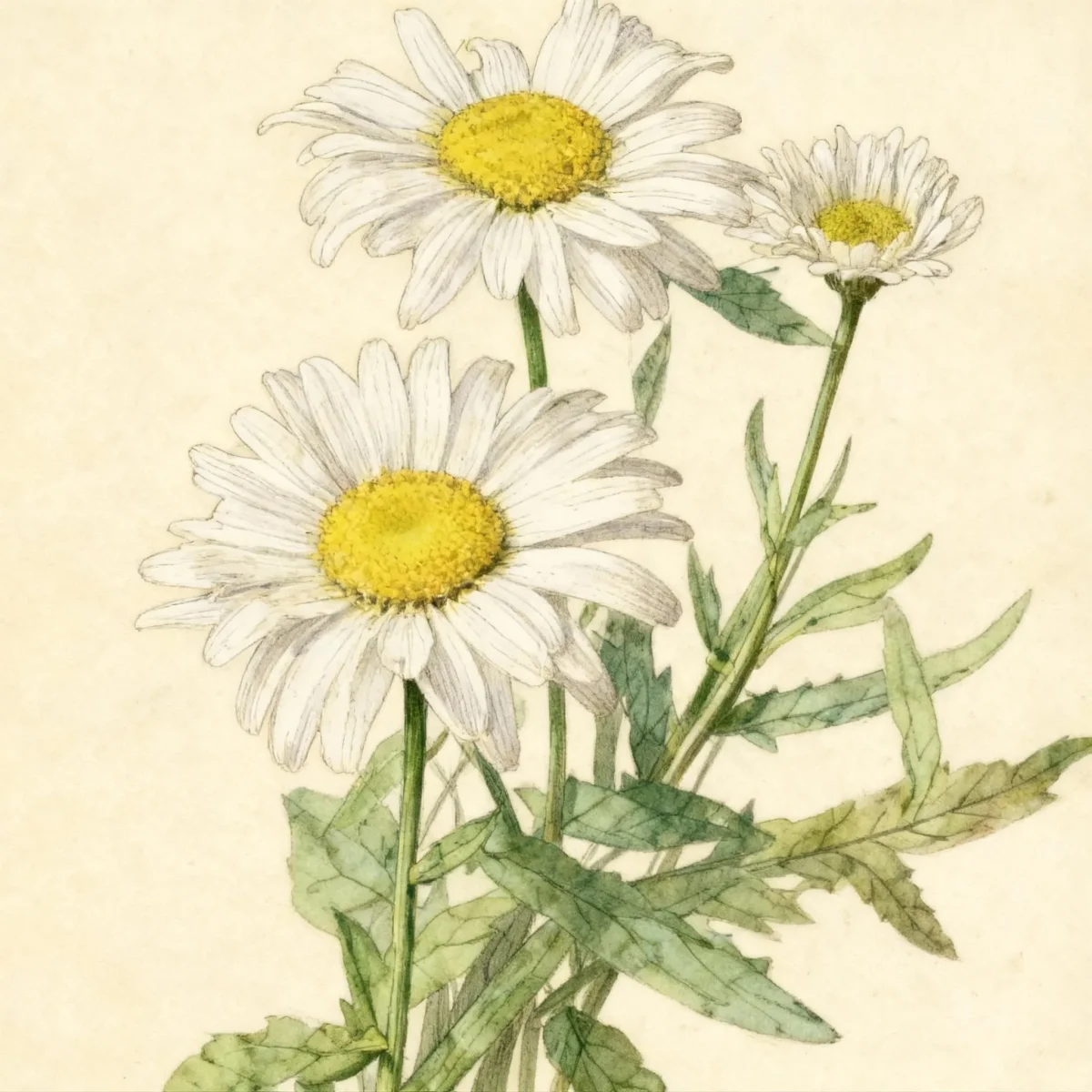
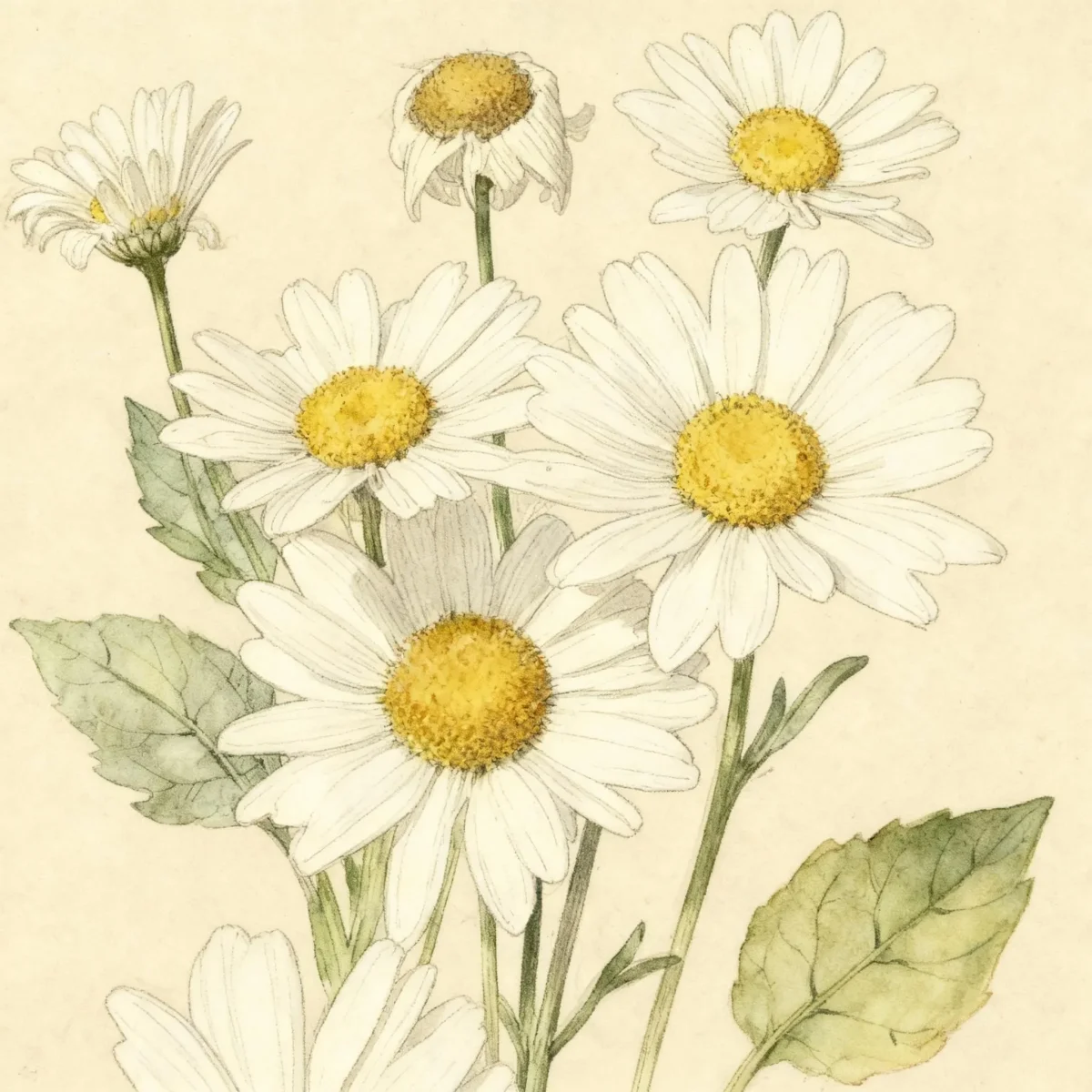
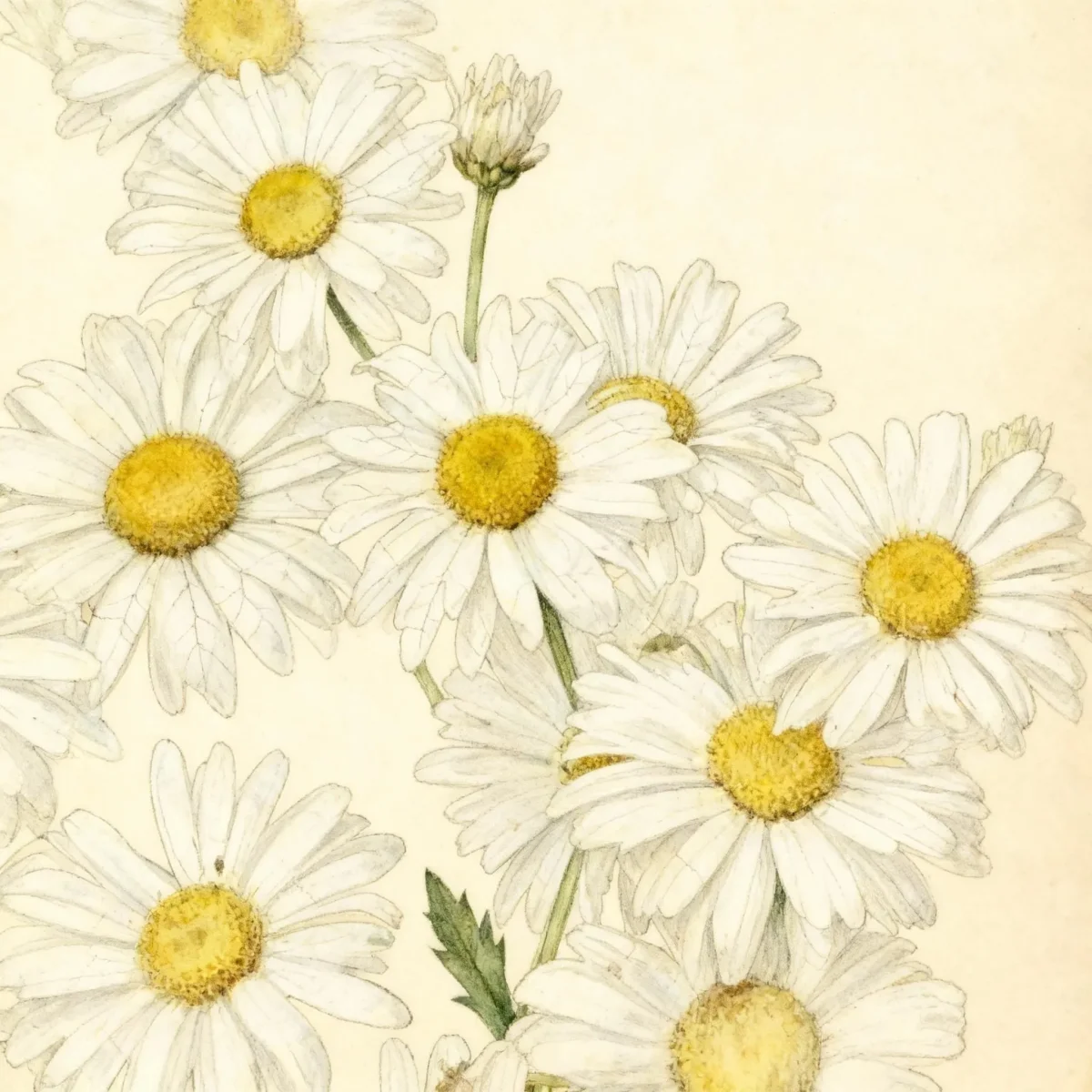
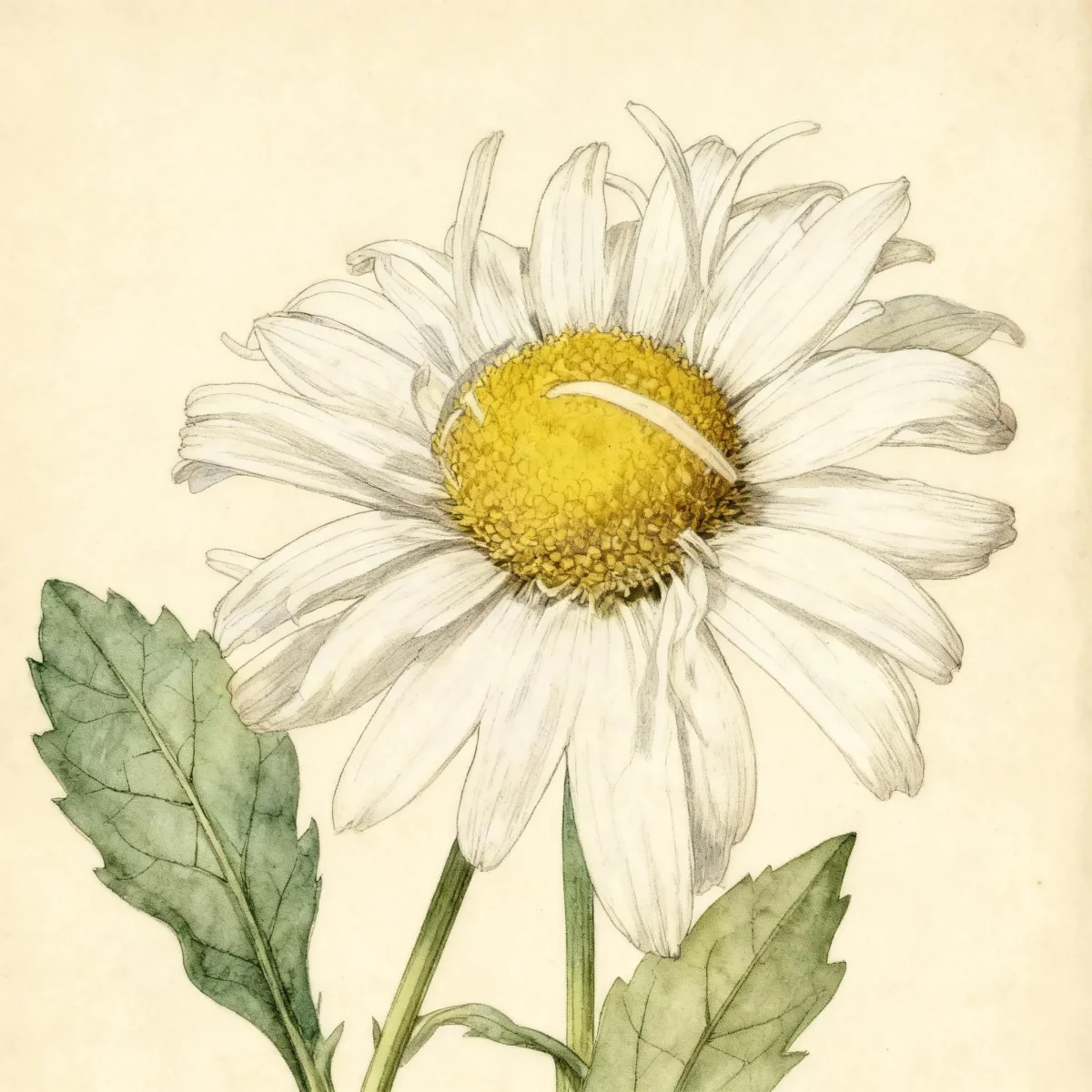
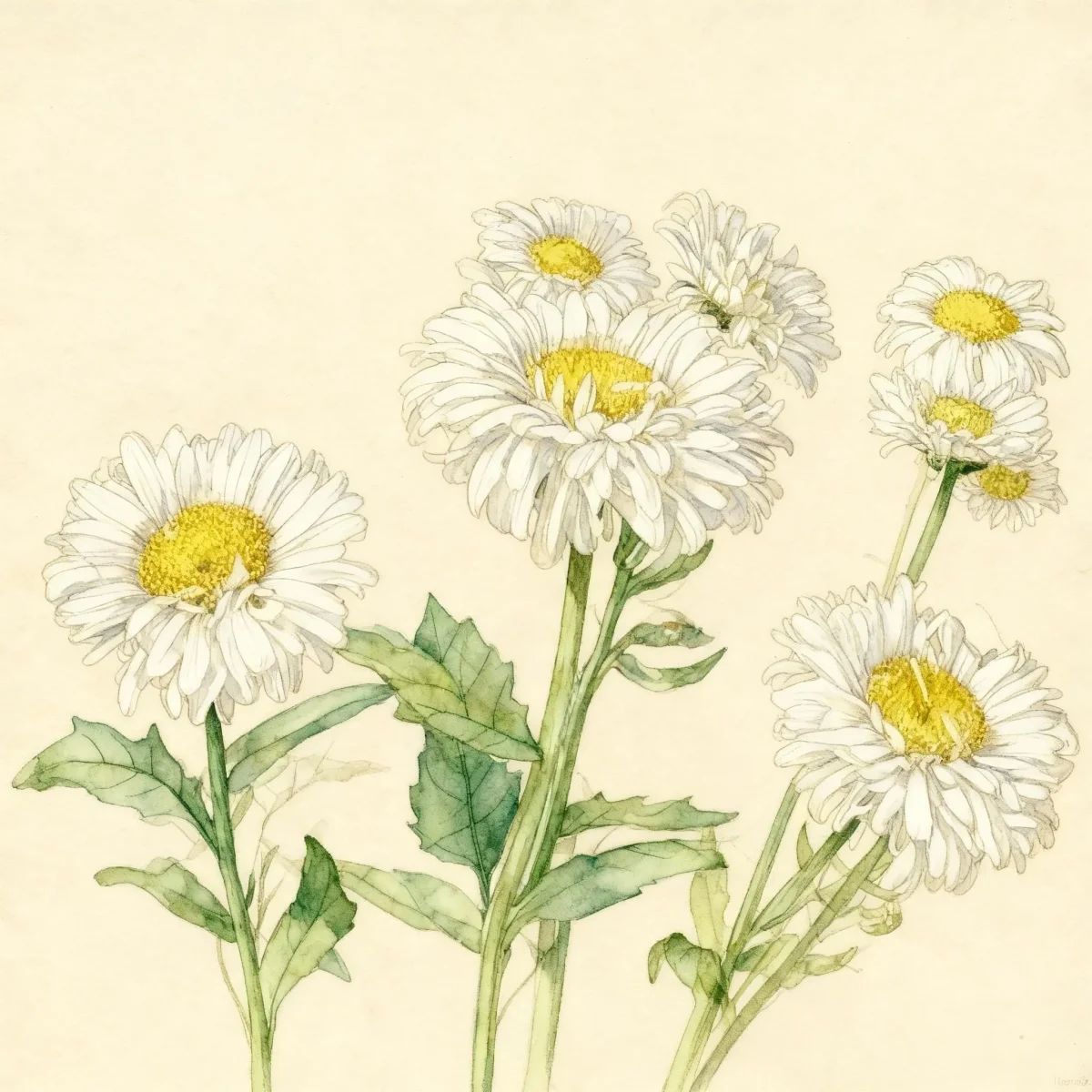
Originating from hybridization work by Luther Burbank, this plant offers significant aesthetic impact. Distinctive features include large, double blooms noted for their highly twisted, frilly white ray florets surrounding a rich yellow center disk. Growing to about two to two-and-a-half feet tall, the Shasta daisy brings vertical structure and brightness to mixed plantings.
Maintenance is refreshingly low once established, provided the critical need for good drainage is met. Gardeners benefit from the drought tolerance of the Shasta daisy, but should remember deadheading to encourage maximum flower production from this superb perennial.
Fast Facts
- Plant Family: Asteraceae
- Plant Type: Herbaceous perennial
- Hardiness Zones: USDA Zones 4-9
- Size at Maturity:
- Height: 2-2.5 ft
- Spread: 1.5-2 ft
- Bloom Time: June to August
- Bloom Description: Twisted white rays with yellow center
- Sun Exposure: Full sun
- Water Needs: Dry to medium
- Maintenance Level: Low
How to Grow
Plant Leucanthemum × superbum ‘Crazy Daisy’ in spring or fall, establishing the clumps in average, well-drained soil. Full sun is required for the best flowering performance, although a little light afternoon shade is tolerated, especially in the hottest summer climates. Excellent soil drainage cannot be overstated; winter wetness is often fatal to these beautiful plants.
Garden care for the Shasta daisy involves minimal effort. Water sparingly once established, as they prefer dry to medium conditions and tolerate drought. Avoid excessive fertilization, which can lead to floppy growth rather than abundant flowers. Deadheading, or removing spent flower heads, is highly recommended to encourage repeat blooming through August.
To maintain the vigor and density of your clumps, plan to divide the Leucanthemum × superbum ‘Crazy Daisy’ every two to three years. Plants can be short-lived if left undivided. As a final maintenance tip, consider cutting the stems back to the basal foliage after the main flush of bloom concludes; this practice can enhance plant energy reserves and potentially prolong the lifespan of the clump.
Landscape Uses
Shasta daisies provide long-lasting summer bloom and are mainstays of the perennial border, cottage garden and cutting garden. Their crisp white flowers contrast beautifully against deep green or dark-leafed plants, providing excellent visual relief in summer designs. The dependable texture and height of Leucanthemum × superbum ‘Crazy Daisy’ anchor middle or back-of-border plantings effectively.
These plants are exceptionally well-suited for the cutting garden, delivering excellent, long-lasting fresh cut flowers. They perform reliably in rock gardens where drainage is naturally superior, helping to prevent root rot issues common in heavier soils. Furthermore, the classic daisy form integrates seamlessly into informal cottage garden settings, pairing well with salvias, lavender, and ornamental grasses.
Standout Features
Flower Qualities
- Showy
Noteworthy Characteristics
Leucanthemum × superbum, commonly called Shasta daisy, is a hybrid developed by Luther Burbank (1849-1926) in the 1890s near snow covered Mt. Shasta in northern California. Burbank crossed L. Vulgare (European oxeye daisy), L. Maximum (Pyrenees chrysanthemum), L. Lacustre (Portuguese field daisy) and Nipponanthemum nipponicum (Japanese field daisy) to produce Leucanthemum × superbum which was given the common name of Shasta daisy. This hybrid typically grows to 2-3’ tall with a spread to 18” wide. Genus name comes from the Greek leukos meaning white and anthemum meaning flower in reference to the white flowers of some species. The hybrid name superbum means superb. ‘Crazy Daisy’ is a Shasta daisy cultivar that typically grows 2-2.5’ tall. It is noted for its large double blooms (2.5” diameter) with frilly, twisted white rays and yellow center disks.
Tolerances
- Rabbit
- Deer
- Drought
- Dry Soil
Potential Problems
Leucanthemums generally have some susceptibility to verticillium wilt, leaf spots and stem rots. Gardeners should monitor foliage for early signs of fungal issues, ensuring good air circulation by spacing plants properly. Providing the required excellent drainage is the best preventative measure against stem rots.
Aphids, leaf miners and mites are occasional visitors to the Shasta daisy. Inspect new growth regularly for clusters of aphids, which can often be managed with a strong jet of water or insecticidal soap if infestations become heavy. Healthy, vigorous plants offered the correct cultural needs are less prone to serious pest damage.
Frequently Asked Questions
What hardiness zones is Shasta daisy suitable for?
The Leucanthemum × superbum ‘Crazy Daisy’ is suitable for gardeners in USDA Zones 4 through 9.
How large does Leucanthemum × superbum ‘Crazy Daisy’ grow?
This cultivar typically reaches a mature height between 2 and 2.5 feet tall, with a spread ranging from 1.5 to 2 feet wide.
What sun exposure does Shasta daisy need?
This variety requires full sun exposure to achieve optimal performance and profuse blooming throughout the season.
When does Shasta daisy bloom?
The primary bloom time for Leucanthemum × superbum ‘Crazy Daisy’ is from June through August, offering twisted white rays with yellow center disks.
Conclusion
The Leucanthemum × superbum ‘Crazy Daisy’ is an indispensable component for achieving classic, bright summer garden interest with minimal seasonal fuss. Its tolerance for drier conditions and low maintenance requirements make it a smart inclusion alongside other sun-loving perennials. Before planting, confirm your location falls within USDA Zones 4-9 and ensure your soil offers superb drainage to guarantee years of superb bloom from your Shasta daisy plants.
Companion Planting
When integrating Leucanthemum × superbum ‘Crazy Daisy’ into perennial schemes, focus on companions that share similar sun and moisture requirements. Plants that offer textural contrast, like fine-leaved ornamental grasses such as Stipa tenuissima, look wonderful when allowed to sway near the bold structure of the daisy. Consider pairing them with deep purple or blue flowers to enhance the visual pop of the white blooms; Baptisia or Salvia varieties work well in the middle border.
Because the Shasta daisy can sometimes look a bit unkempt after its main bloom cycle, strategically placing late-summer bloomers nearby ensures continuous interest. Hostas, while needing more moisture, can provide bold basal foliage beneath the daisies if planted in an area that receives afternoon shade, which benefits the Leucanthemum in very hot regions. Always ensure separation to maintain good air circulation around the daisies to mitigate potential leaf spot issues.
Propagation Tips
The primary and most effective way to propagate Leucanthemum × superbum ‘Crazy Daisy’ is through division, a necessity given that these plants are somewhat short-lived if neglected. Plan to divide the clumps every two to three years, ideally in early spring before new growth fully emerges, or in early fall. Carefully lift the entire clump using a sharp spade, gently separating the established root mass into smaller sections, ensuring each division has healthy roots and several growing points.
Replant the sections immediately into prepared soil, setting them at the same depth they previously occupied. This division process rejuvenates the plant, encouraging stronger flowering stems in subsequent seasons. While ‘Crazy Daisy’ is noted as a seed strain, propagating by seed rarely results in plants identical to the parent cultivar, making division the preferred method for faithfully reproducing the desirable double-flowered form.