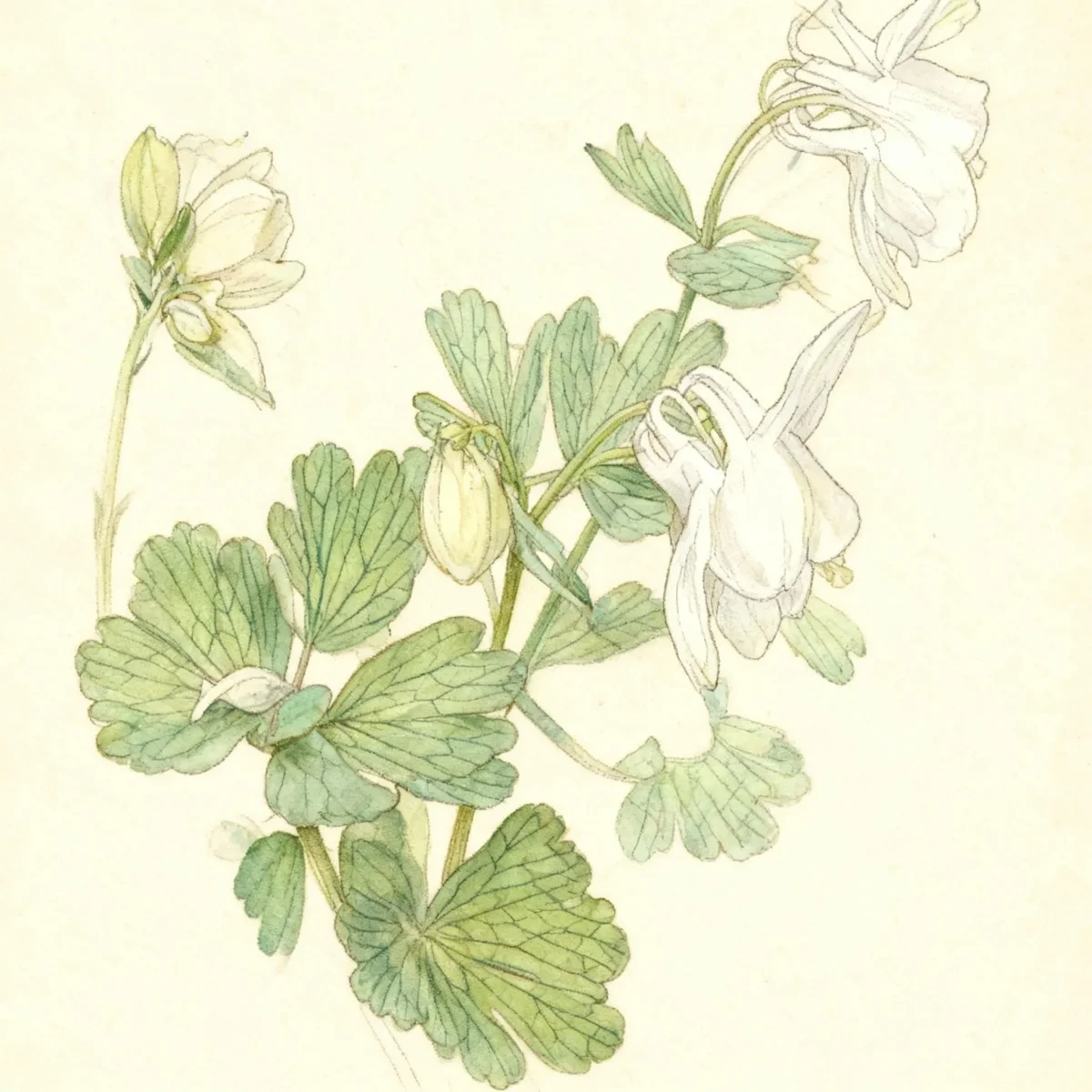
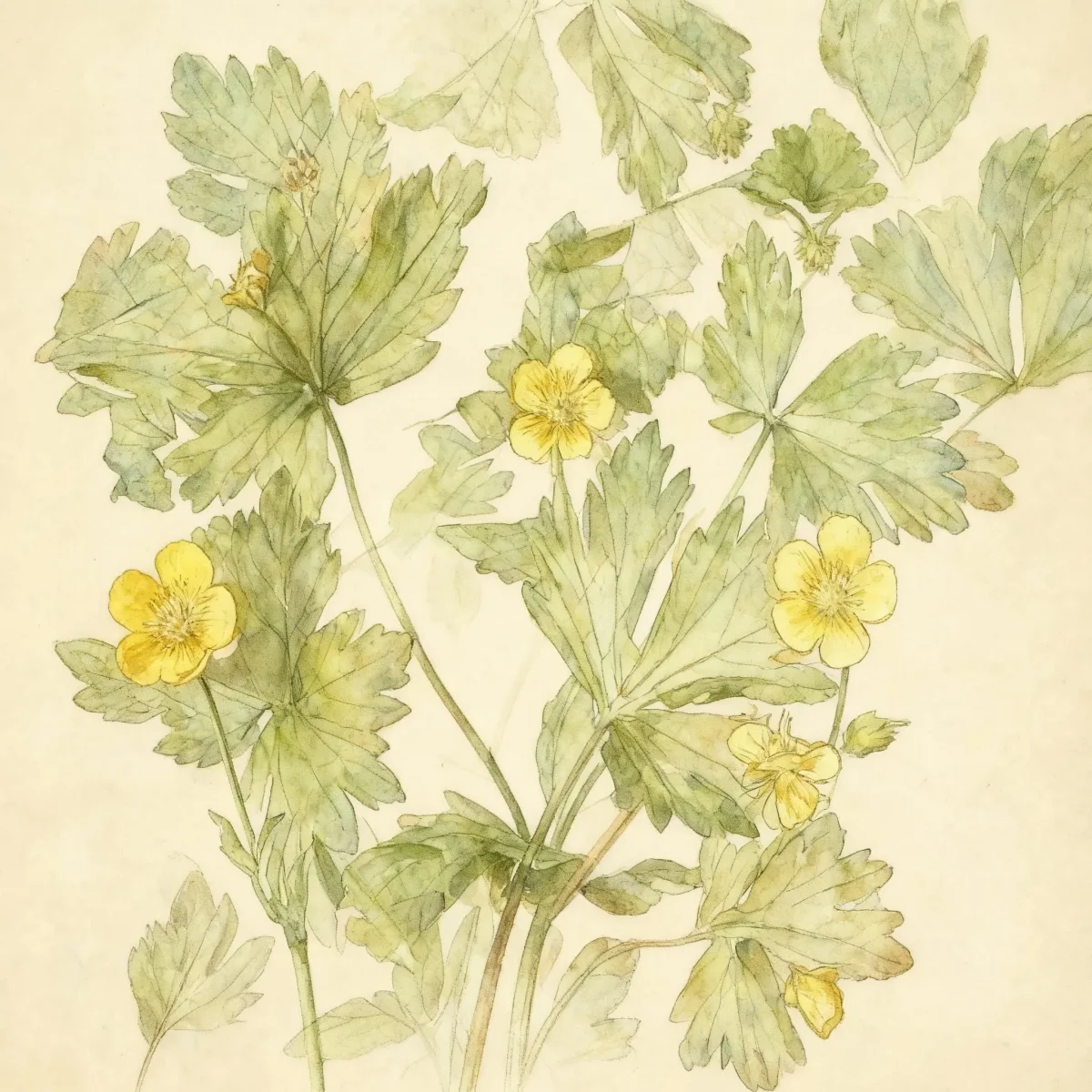
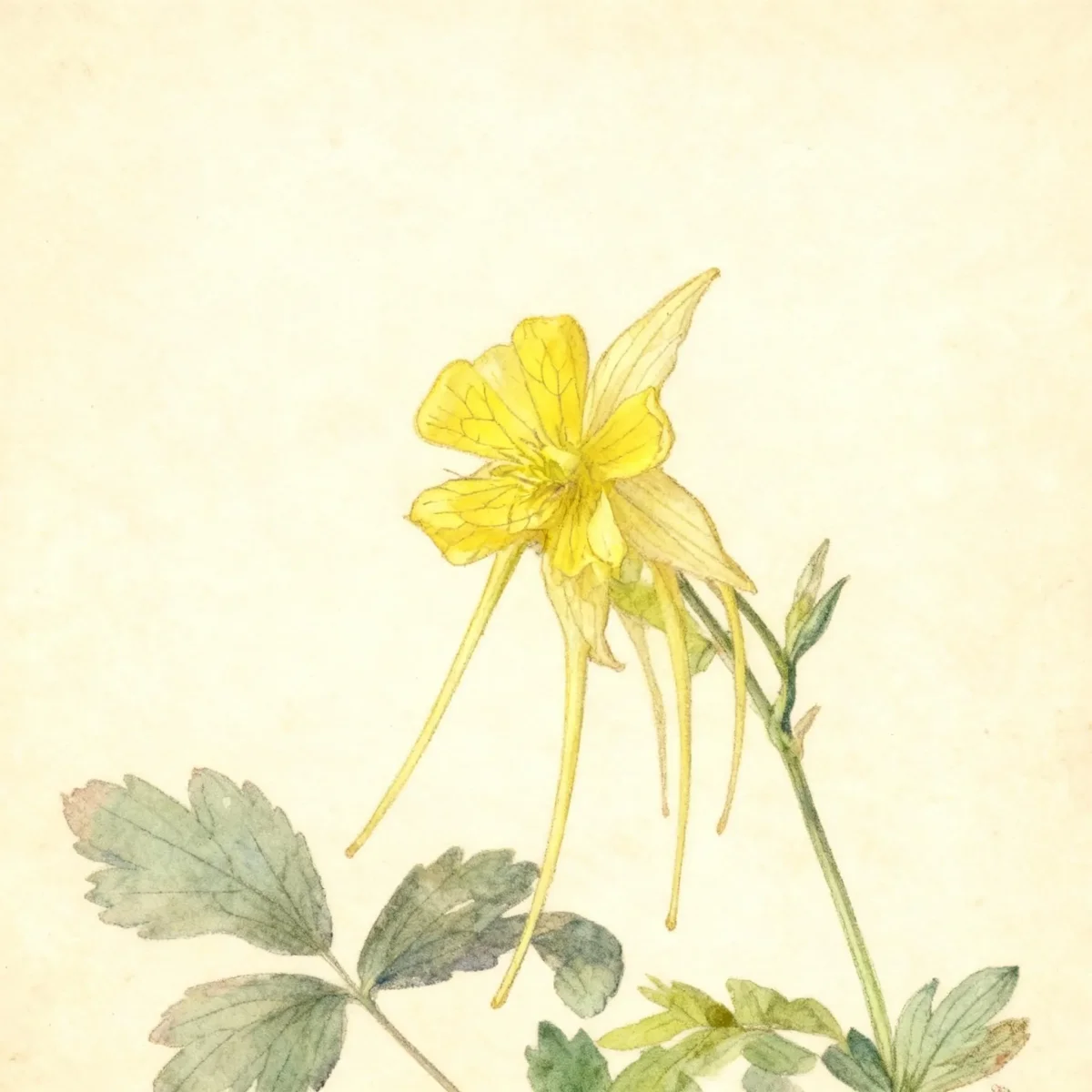
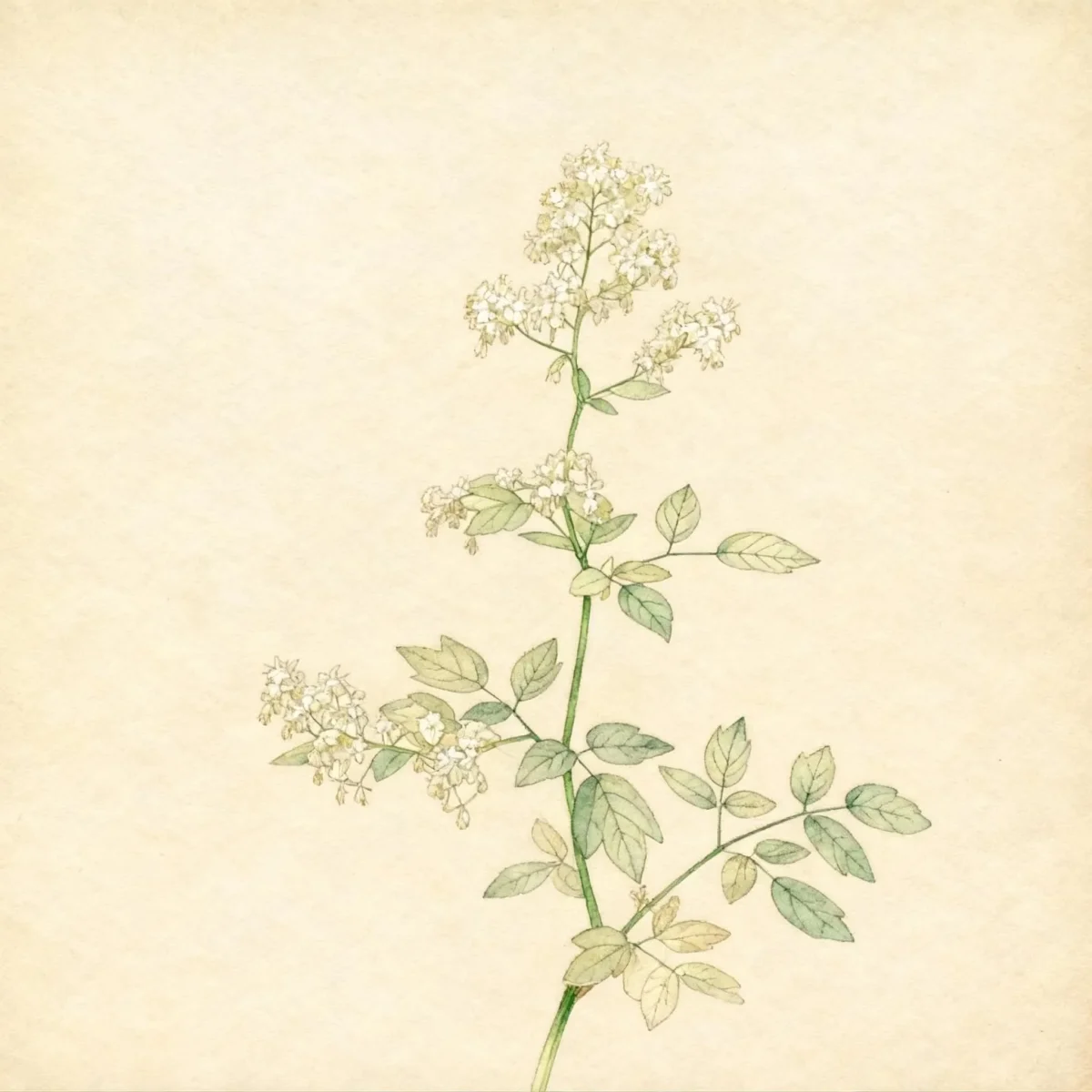
Sweet-scented columbine (Aquilegia fragrans)
Enjoy the sweet, honeysuckle-like scent of Aquilegia fragrans. This Sweet-scented columbine thrives in zones 5-8.
Scroll down to discover growing tips, care requirements, companion plants, and more
Complete Plant Information
Overview
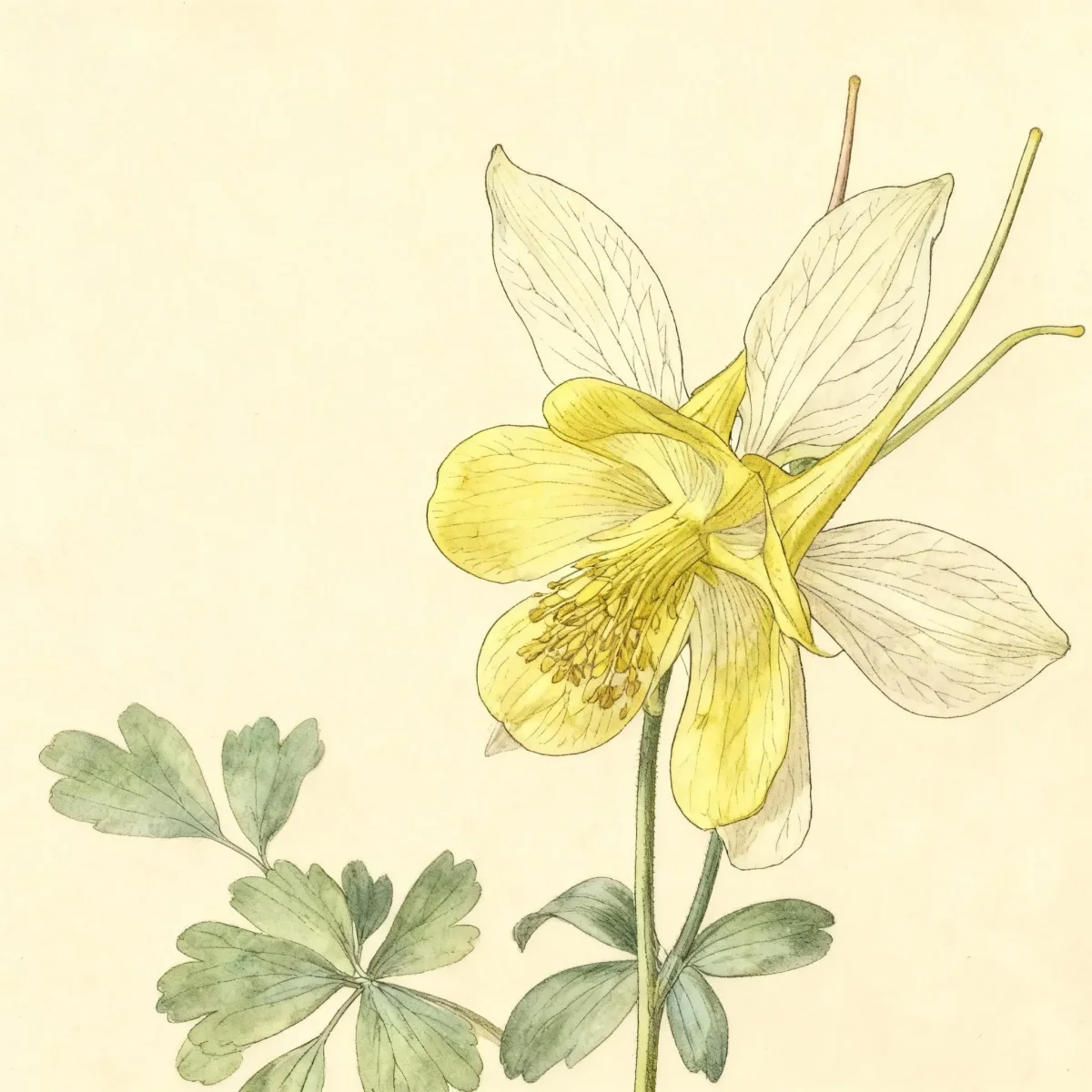
Aquilegia fragrans, known best as the Sweet-scented columbine, offers gardeners a highly desirable combination of visual appeal and intoxicating fragrance. This species is native to the sub-alpine meadows of Southwestern Asia, bringing an elegant, somewhat wild look to cultivated borders. Its hallmark is a sweet, honeysuckle-like perfume emanating from its nodding flowers during spring.
This herbaceous perennial typically reaches heights between 1 and 1.5 feet, featuring delicate, fern-like foliage that remains attractive until mid-summer. While it is easily established, the care requirements for Aquilegia fragrans classify it as medium maintenance, requiring consistent moisture management for the best appearance.
For gardeners seeking fragrant spring bloomers, the striking creamy yellow and white flowers of the Sweet-scented columbine provide excellent vertical accent. Plant Aquilegia fragrans where its scent can be enjoyed, such as near patios or walkways, to maximize its unique contribution to the garden tapestry.
Fast Facts
- Plant Family: Ranunculaceae
- Plant Type: Herbaceous perennial
- Native Range: Southwestern Asia
- Hardiness Zones: USDA Zones 5-8
- Size at Maturity:
- Height: 1-1.5 ft
- Spread: 0.75-1 ft
- Bloom Time: April to May
- Bloom Description: Creamy yellow and white
- Sun Exposure: Full sun to part shade
- Water Needs: Medium
- Maintenance Level: Medium
How to Grow
Planting for Aquilegia fragrans is ideally done in spring or fall. This perennial thrives in average, medium, well-drained soil, though it prefers conditions that are rich and consistently moist. While it tolerates full sun, providing some afternoon shade in warmer climates helps maintain foliage quality longer. Avoid heavy, poorly drained soils, which can lead to root issues.
Watering should be medium and consistent. It is especially important to keep soils uniformly moist after the spring bloom period concludes to prolong the attractive foliage display. Fertilizing is generally not required if the soil is reasonably rich; focus instead on consistent moisture management.
Maintenance involves deadheading: remove the flowering stems immediately after bloom to encourage the plant to produce additional flowering stems. If the foliage deteriorates significantly by mid-summer, you may cut the entire plant back to the ground; new basal growth will emerge. Be aware that columbines often self-seed but may cross-pollinate with other varieties, leading to variability in subsequent generations.
Landscape Uses
The naturalizing ability of Aquilegia fragrans makes it an excellent choice for softening edges or blending into less formal garden settings. Consider placing the Sweet-scented columbine in rock gardens where its refined form contrasts nicely with rough stone, or at the front of perennial borders for an early season show.
For those designing open woodland gardens or creating meadow-like effects, this columbine integrates seamlessly. Water regularly even after the flowers fade, as letting the foliage thrive provides desirable ground cover value through the summer months. Containers are also well-suited for Aquilegia fragrans, allowing keen gardeners to place the fragrant blooms precisely where their scent can be maximized.
Standout Features
Flower Qualities
- Showy
- Fragrant
Noteworthy Characteristics
Aquilegia fragrans, commonly called fragrant columbine, is a fragrant columbine native to sub-alpine meadows in the western Himalayas. It typically grows to 12-18” tall and features large, nodding, short-spurred flowers that have pale yellow/cream sepals and white petals that are sometimes subtly tinged with blue. The genus name references the eagle due to the flower’s five spurs resembling an eagle’s talon, while the specific epithet means fragrant, honoring the flower’s sweet scent.
Tolerances
- Rabbit
- Deer
Potential Problems
The primary challenge with this variety is susceptibility to leaf miner, which can mar the appearance of the foliage early in the season. Furthermore, the attractive foliage of Aquilegia fragrans usually declines by mid-summer, a time when it should be cut back to the ground to refresh its appearance. Proactive monitoring for pests and timely pruning after bloom set will manage these issues effectively.
Frequently Asked Questions
What hardiness zones is Sweet-scented columbine suitable for?
This attractive perennial is suitable for USDA Hardiness Zones 5 through 8.
When does Aquilegia fragrans bloom?
Aquilegia fragrans typically blooms between April and May, showcasing creamy yellow and white flowers.
How large does Aquilegia fragrans grow?
At maturity, this plant generally reaches a height of 1 to 1.5 feet with a spread of 0.75 to 1 foot.
What sun exposure does Sweet-scented columbine need?
For optimal growth and flowering, plant Aquilegia fragrans where it receives full sun to partial shade conditions. It should be protected from the harshest afternoon sun if your climate is very hot.
Conclusion
The Sweet-scented columbine (Aquilegia fragrans) is a wonderful addition wherever a delicate spring fragrance is desired, complemented by its graceful structure and deer tolerance. By providing adequate moisture and managing the natural mid-summer foliage decline, gardeners can enjoy this unique beauty. Check your USDA zone compatibility before planning your spring planting for this fragrant columbine.
Companion Planting
When selecting companions for Aquilegia fragrans, focus on plants that share similar structural needs but whose foliage remains robust into late summer, effectively masking the Aquilegia’s seasonal decline. Good companions include Geraniums (especially cranesbills), Lungwort (Pulmonaria), and spring-blooming bulbs like Daffodils, whose foliage will often fade around the same time the columbine starts to look tired. Avoid planting near species that require fully dry conditions, as this plant prefers consistently moist, rich soil.
Design Ideas
Because of its refined texture and nodding flowers, Aquilegia fragrans works well in cottage garden designs or naturalized plantings. Use drifts of these plants to lead the eye through a border before denser summer perennials take over. If planting in containers, pair the Sweet-scented columbine with trailing material for the edges and a mid-height, moisture-loving annual to ensure continuous visual interest when the columbine finishes blooming. The pale flowers blend well with blues, pinks, and purples.