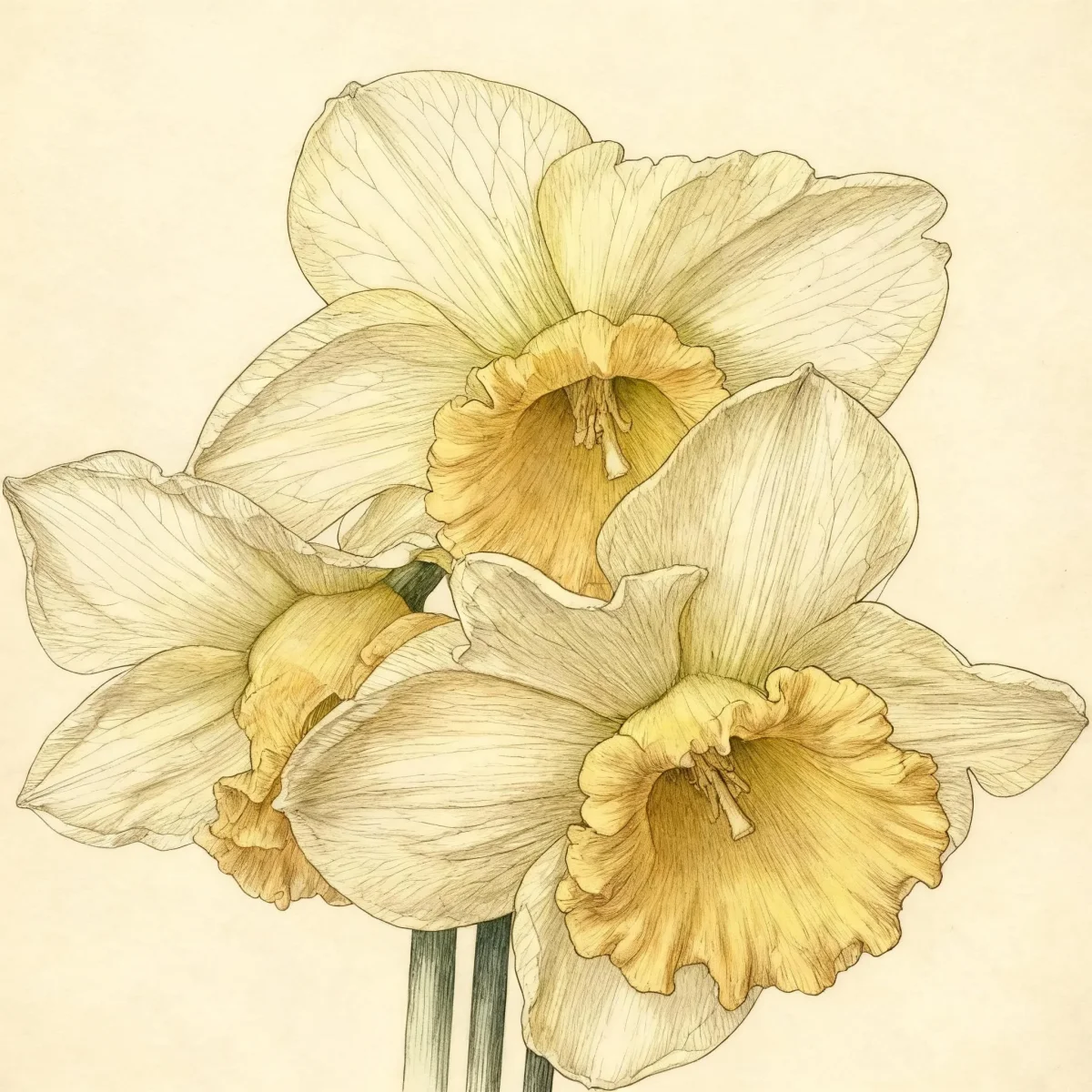
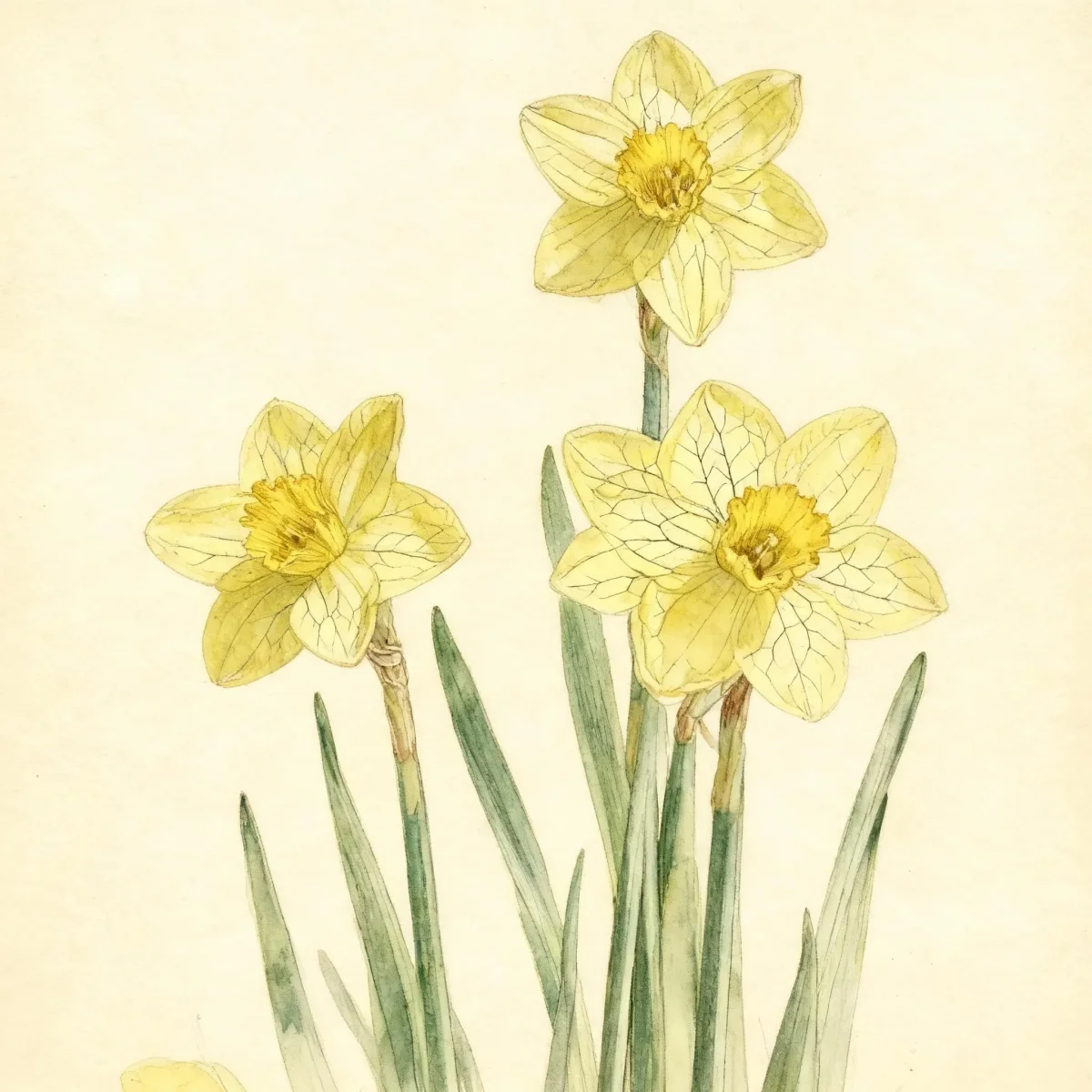
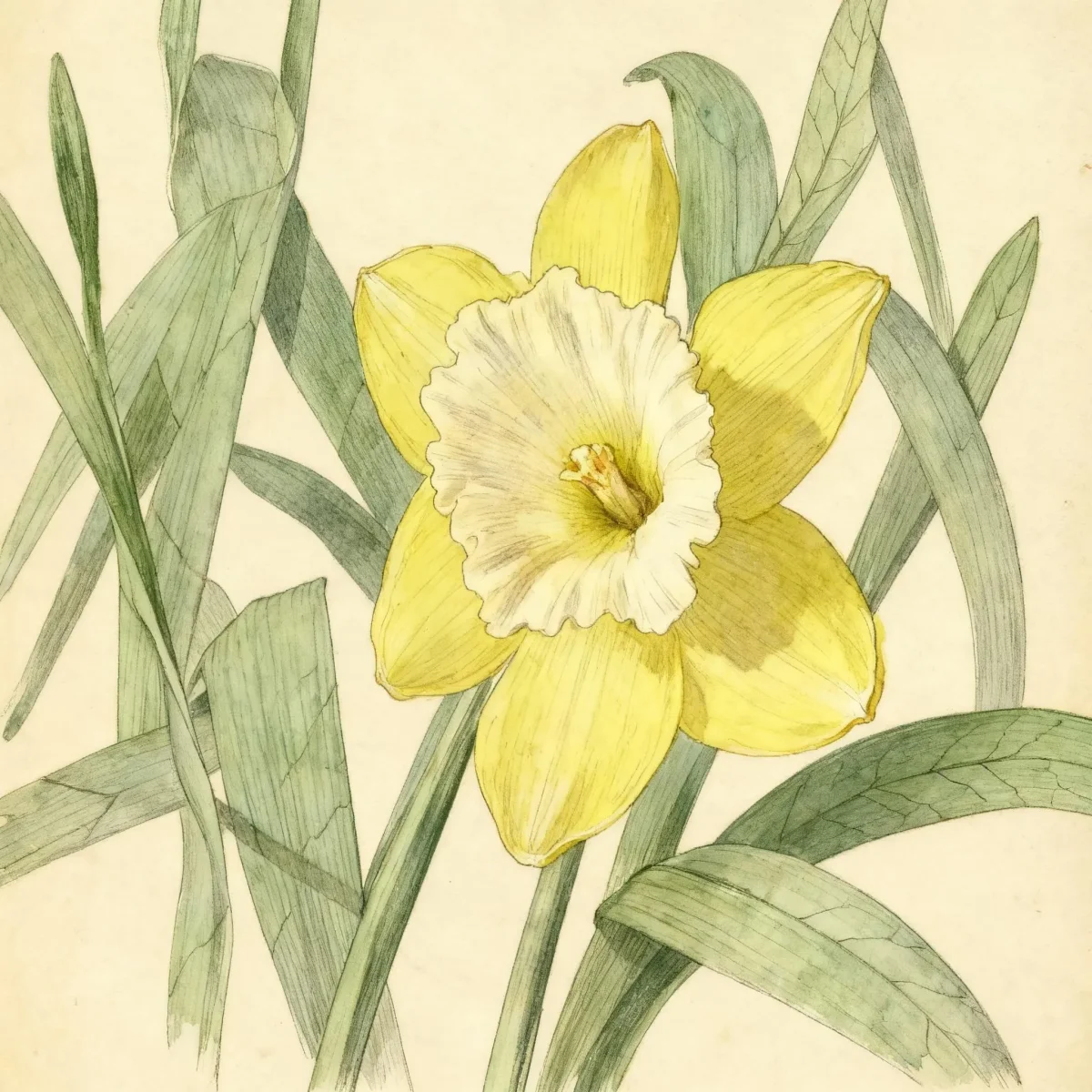
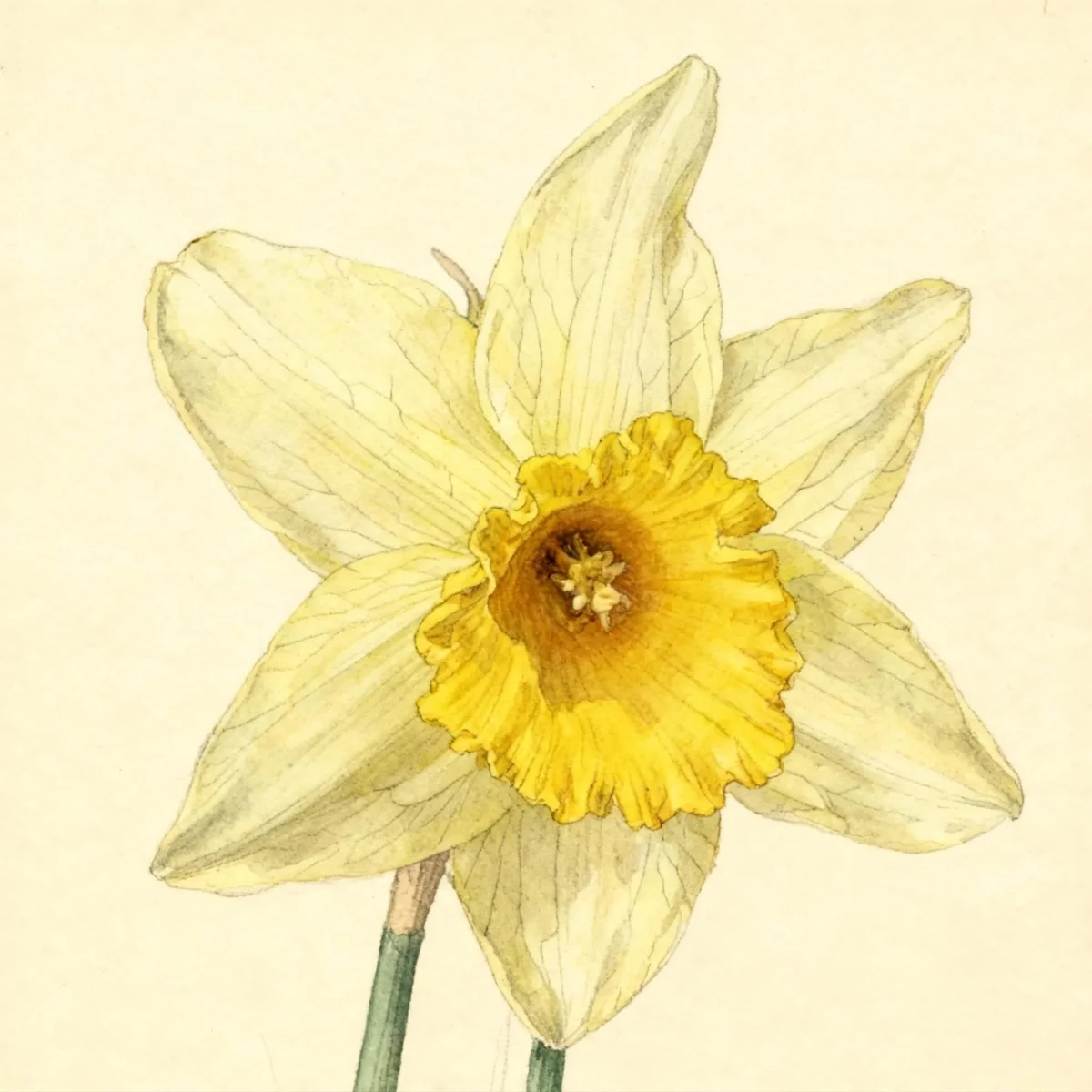
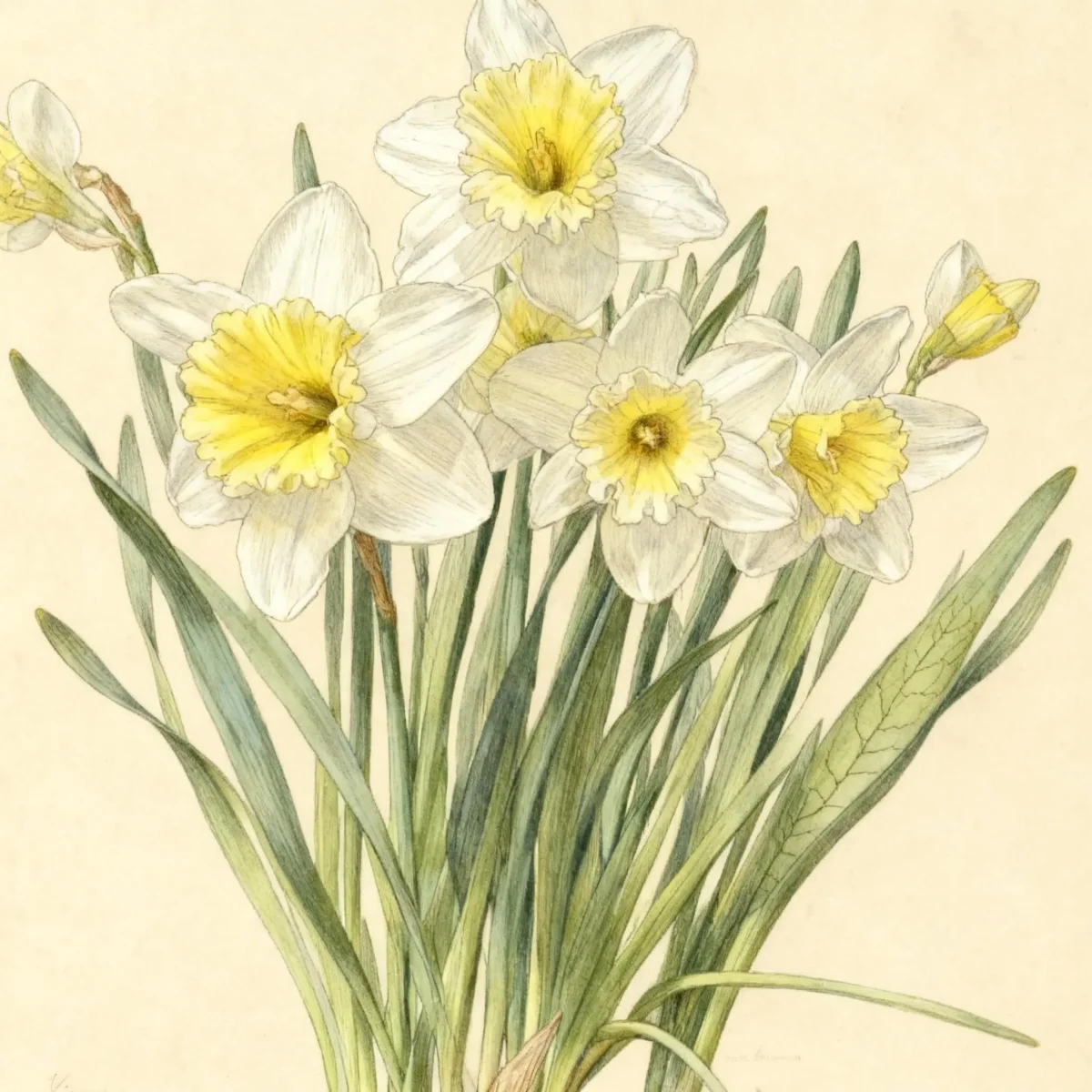
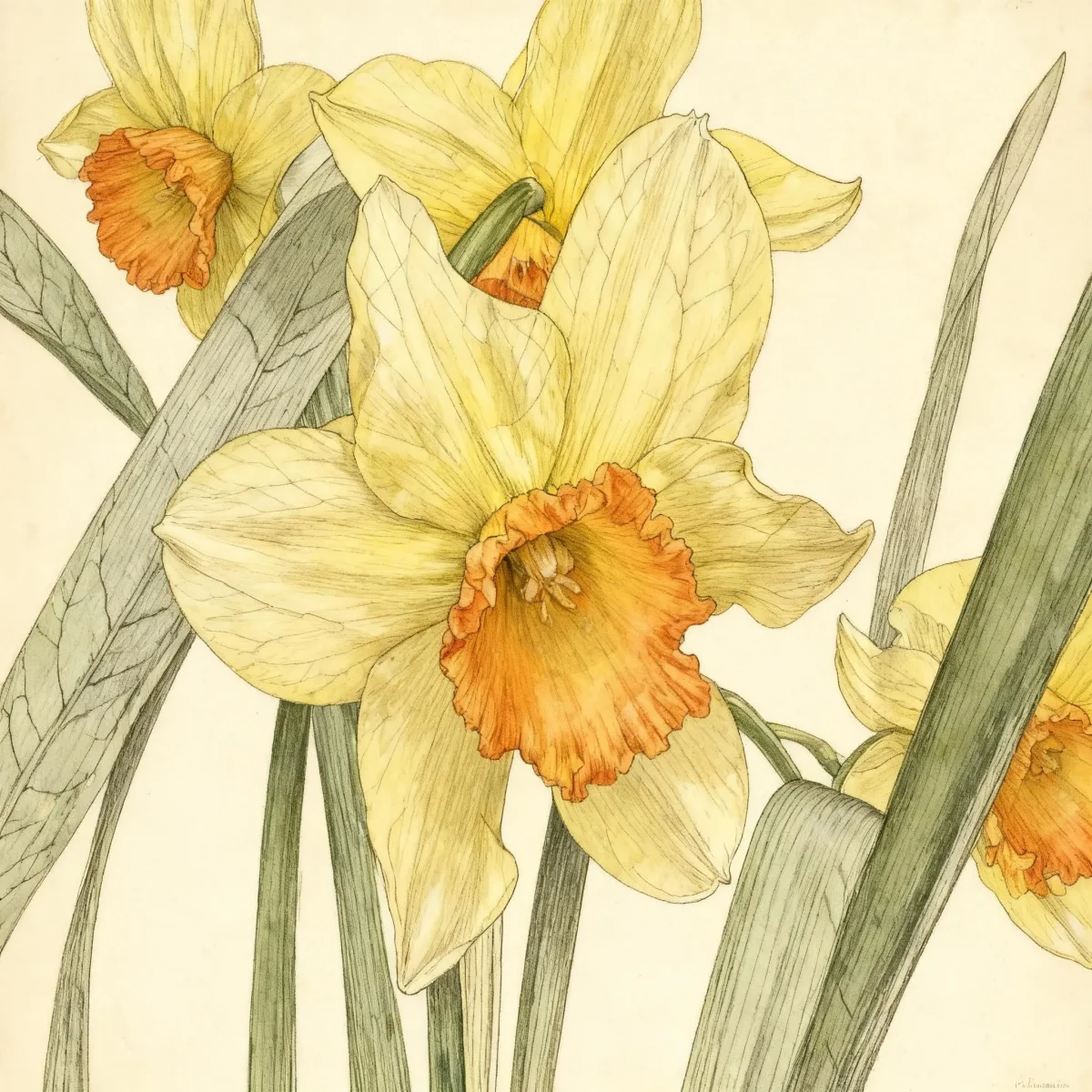
Large-cupped daffodil (Narcissus 'Icelandic Pink')
Narcissus 'Icelandic Pink' is a low-maintenance, large-cupped daffodil blooming in April with white petals and an apricot-pink cup.
Scroll down to discover growing tips, care requirements, companion plants, and more
Complete Plant Information
Overview
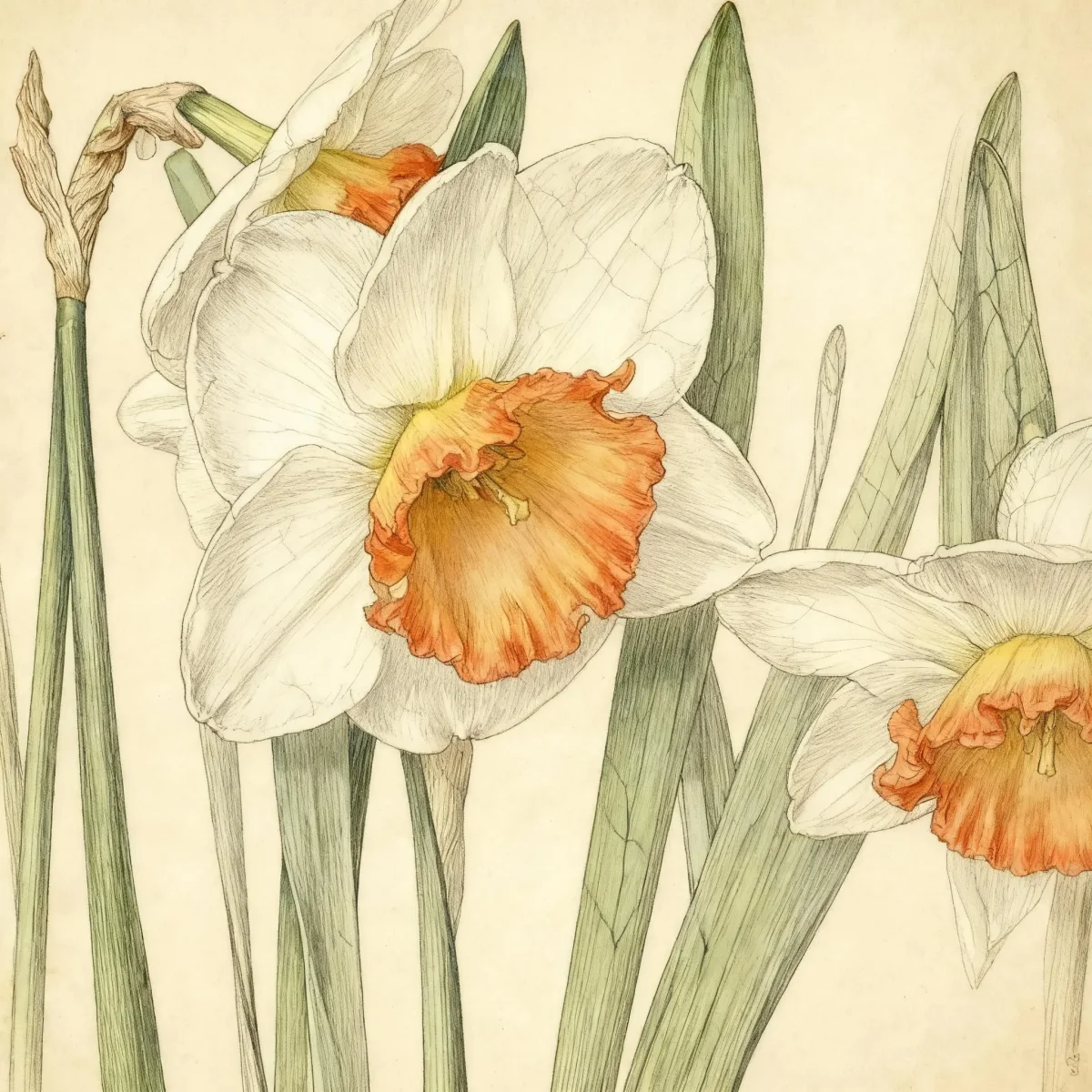
Narcissus ‘Icelandic Pink’, a highly valued Large-cupped daffodil, brings reliable color to the early spring landscape. This hybrid is distinguished by its beautiful contrast: crisp white petals framing a rich, apricot-pink bowl-shaped cup. As a perennial bulb, it offers exceptional garden value, returning year after year without intensive care.
Gardeners prize the enduring nature of daffodils, and Narcissus ‘Icelandic Pink’ fits perfectly into mixed borders or naturalized settings. It thrives robustly, tolerating common garden pressures like rabbits and deer, thanks to the natural toxicity of the bulb. Providing medium water needs during growth, this variety settles in well with average garden conditions.
This specific cultivar belongs to Division II (Large-cupped daffodils), characterized by a cup length greater than one-third of the petal length. Planting substantial groupings of Narcissus ‘Icelandic Pink’ ensures a significant visual impact right as winter transitions to spring.
Fast Facts
- Plant Family: Amaryllidaceae
- Plant Type: Bulb
- Hardiness Zones: USDA Zones 3-8
- Size at Maturity:
- Height: 1-1.5 ft
- Spread: 0.5-1 ft
- Bloom Time: April
- Bloom Description: White petals and apricot-pink cup
- Sun Exposure: Full sun to part shade
- Water Needs: Medium
- Maintenance Level: Low
How to Grow
Planting Narcissus ‘Icelandic Pink’ bulbs is best conducted in the early to mid-fall season, allowing roots to establish before the ground freezes. These bulbs flourish in average, medium-moisture, well-drained soils, with organically rich loams being ideal. Ensure excellent soil drainage, as this is crucial for preventing bulb rot. Plant bulbs 3-6 inches deep, generally setting them two to three times as deep as the bulb is tall, ensuring at least 3 inches of soil cover. Spacing should range from 4 to 10 inches apart, depending on the bulb size.
During the active growing season, maintain medium moisture levels; however, the bulbs tolerate drought once they enter dormancy. After the flowers of your Large-cupped daffodil fade in the spring, remove the spent flower stem only down to the neck to stop seed formation. Crucially, let the foliage remain intact and untrimmed until it yellows naturally, as this allows the leaves to recharge the bulb for next year’s display of Narcissus ‘Icelandic Pink’.
Consider the sun’s path when siting your bulbs; since flowers naturally track the light, place any significant shade sources behind the planting area. These bulbs can happily naturalize and reside undisturbed for many years. If flowering performance wanes after several seasons, divide the clumps immediately after the foliage dies back in summer.
Landscape Uses
Daffodils are unmatched for their reliable, cheerful return, making Narcissus ‘Icelandic Pink’ an excellent choice for establishing structure in the early garden. Unlike many spring annuals, these Large-cupped daffodils thrive when left undisturbed, allowing them to naturalize beautifully over time. Plant them in large drifts—groups of six bulbs minimum, extending to sweeping masses—for the most dramatic effect.
They perform exceptionally well along the margins of borders, in front of evergreen shrubs that provide needed summer cover for the fading foliage, or within open woodland areas. Narcissus ‘Icelandic Pink’ companions beautifully with other spring bloomers like tulips, hyacinths, and grape hyacinths, creating complex layers of seasonal interest. Their low maintenance makes them perfect for wild gardens where hands-off care is preferred.
Standout Features
Flower Qualities
- Showy
Noteworthy Characteristics
Narcissus is a genus of about 50 species of bulbous perennials native to Europe and North Africa, serving as a cornerstone of the spring garden. Cultivated daffodils are categorized into 13 divisions based on bloom characteristics; ‘Icelandic Pink’ is classified as a Large-cupped daffodil (Division II), meaning its central cup is longer than one-third but shorter than the petals. This specific variety rises to about 14–16 inches, displaying overlapping white petals surrounding a prominently ribbed, deep apricot-pink cup with a frilled mouth, blooming reliably in mid-season.
Tolerances
- Rabbit
- Deer
- Drought
Potential Problems
Generally, Narcissus ‘Icelandic Pink’ is remarkably trouble-free regarding pests and diseases, provided good cultural practices are followed. Poor soil drainage is the primary threat, as soggy conditions encourage bulb rot. While less common, watch for pests like the narcissus bulb fly or slugs and snails, which can be managed physically or with appropriate treatments. If you notice yellowing stripes in the foliage, look out for Narcissus yellow stripe virus. Proper care ensures this Large-cupped daffodil remains pest-free, including its notable resistance to browsing by deer and rabbits.
Frequently Asked Questions
What hardiness zones is Large-cupped daffodil suitable for?
Narcissus ‘Icelandic Pink’ is generally suited for USDA Hardiness Zones 3 through 8.
How large does Narcissus ‘Icelandic Pink’ grow?
This variety typically reaches a height between 1 and 1.5 feet, with a spread of 0.5 to 1 foot at maturity.
What sun exposure does Large-cupped daffodil need?
For optimal flowering, Narcissus ‘Icelandic Pink’ requires a location receiving full sun to part shade.
When does Large-cupped daffodil bloom?
This variety blooms reliably in April, showcasing its signature white petals and apricot-pink cup feature.
Conclusion
The Narcissus ‘Icelandic Pink’ is an essential spring feature, delivering sophisticated color contrast and extremely low annual maintenance requirements. As a robust Large-cupped daffodil, it readily naturalizes, enhancing beds and borders year after year. Before the season ends, verify your garden’s hardiness zone compatibility and plan your fall planting schedule to enjoy this spectacular bloom next spring.
Companion Planting
Choosing compatible companions can dramatically enhance the visual impact of Narcissus ‘Icelandic Pink’ and improve overall garden health. Since daffodils finish their cycle relatively early, consider pairing them with summer-blooming perennials that can grow up through or around the fading daffodil foliage, effectively masking the yellowing. Good companions include early-blooming Geraniums or hardy Alyssum, both of which prefer similar sun and soil conditions but bloom later in the season. Avoid planting too close to dense, aggressive groundcovers that might compete too heavily for moisture during the critical spring growth phase of the bulb.
Design Ideas
To maximize the architectural shape of the Narcissus ‘Icelandic Pink’ cup, consider massing them along structured pathways or walkways where their mid-season bloom can be easily appreciated up close. Because they tolerate some shade, planting them under high-branched deciduous trees offers dappled light in spring, followed by soothing summer shade. For a formal look, plant in rigid, geometric patterns; for a naturalized effect, toss bulbs randomly over a lawn area slated for infrequent mowing in spring. The white and pink tones blend harmoniously with blues and purples of plants like Scilla or Muscari planted concurrently.