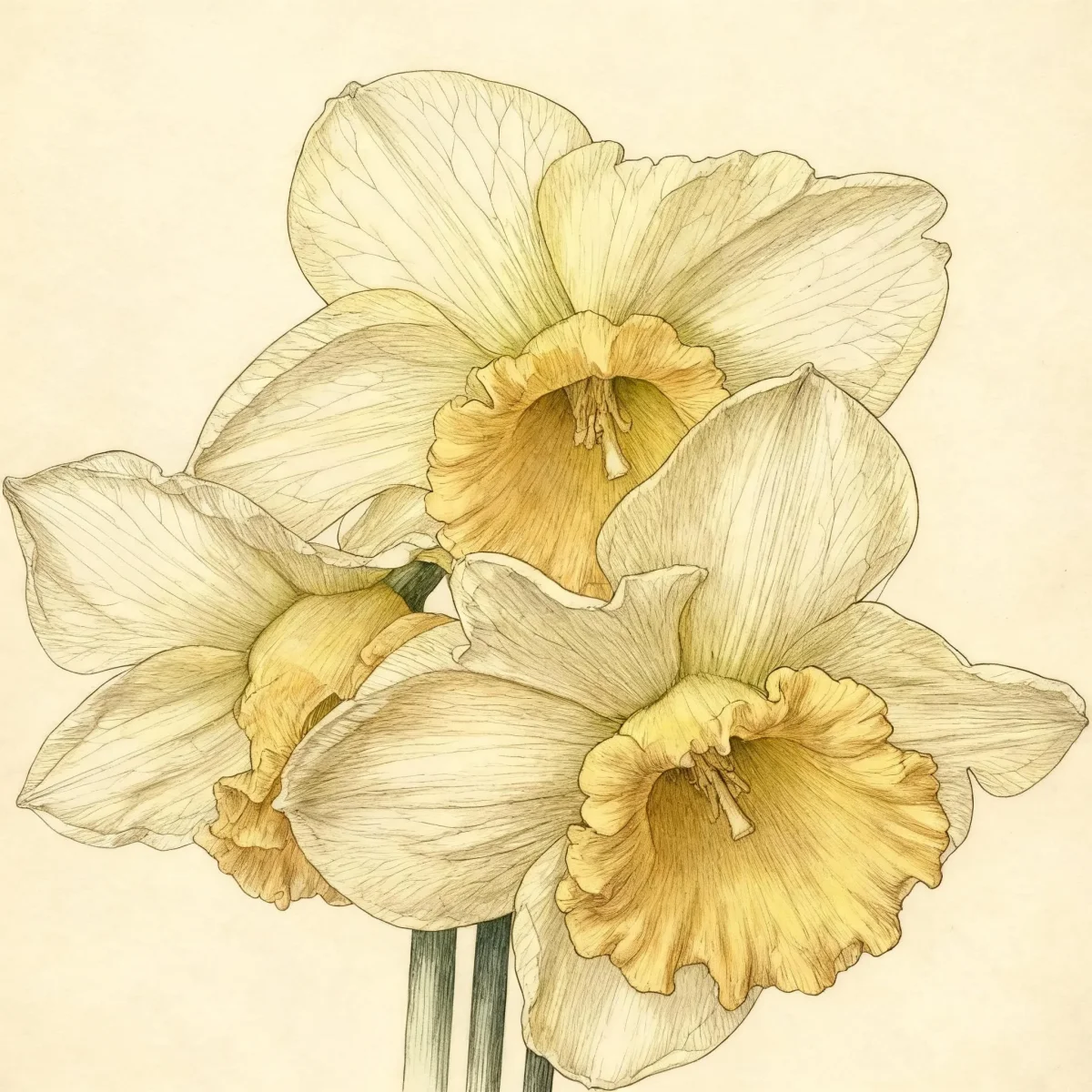
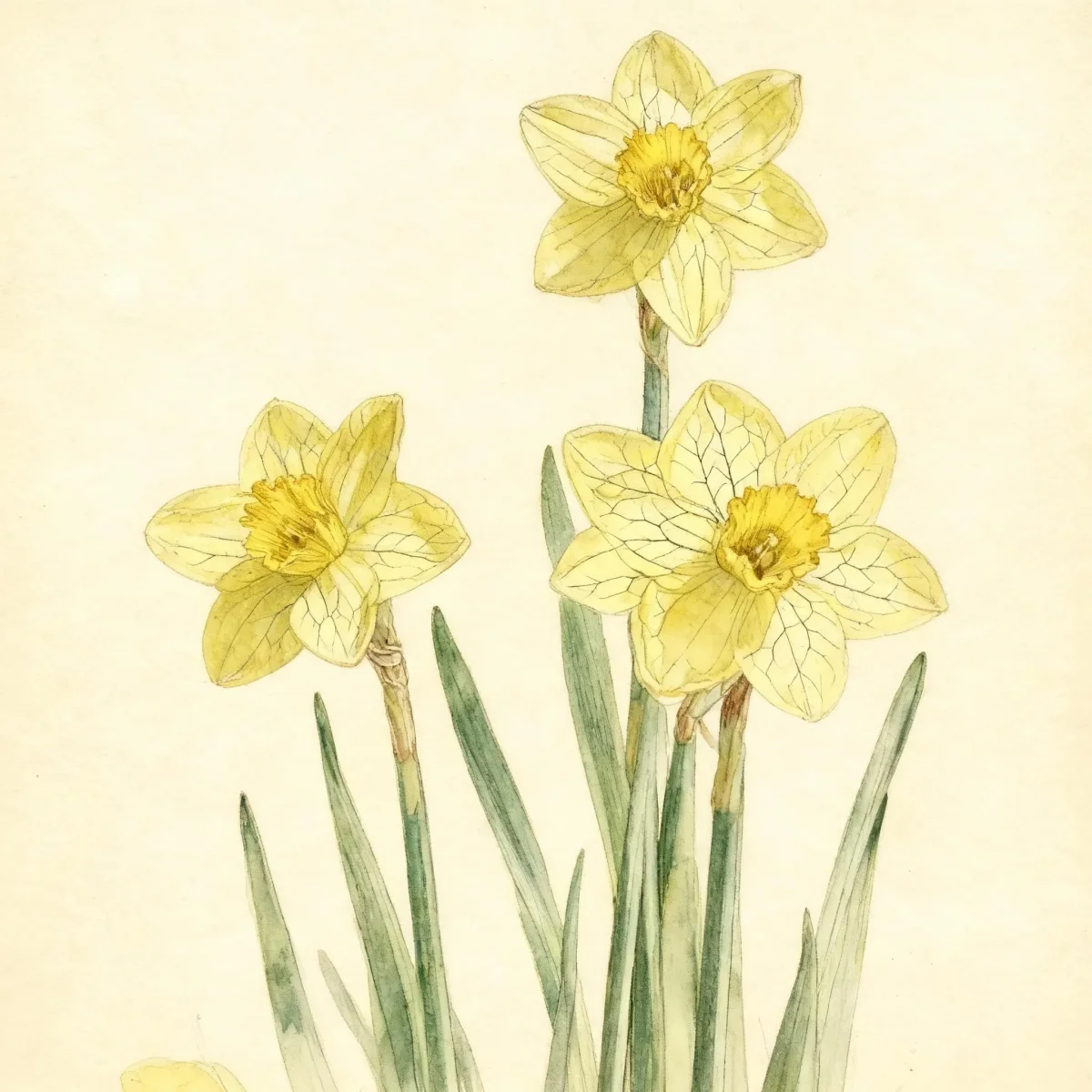
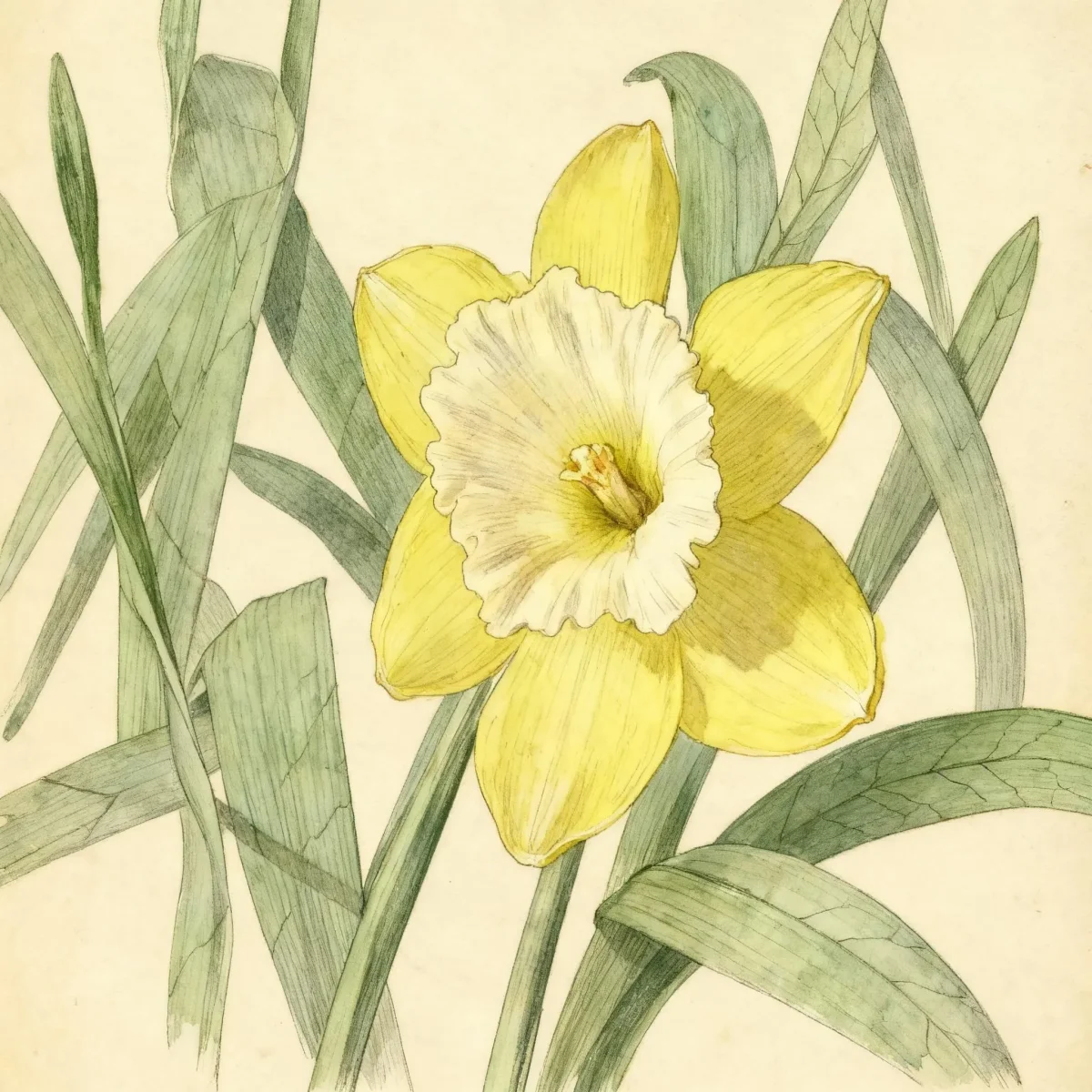
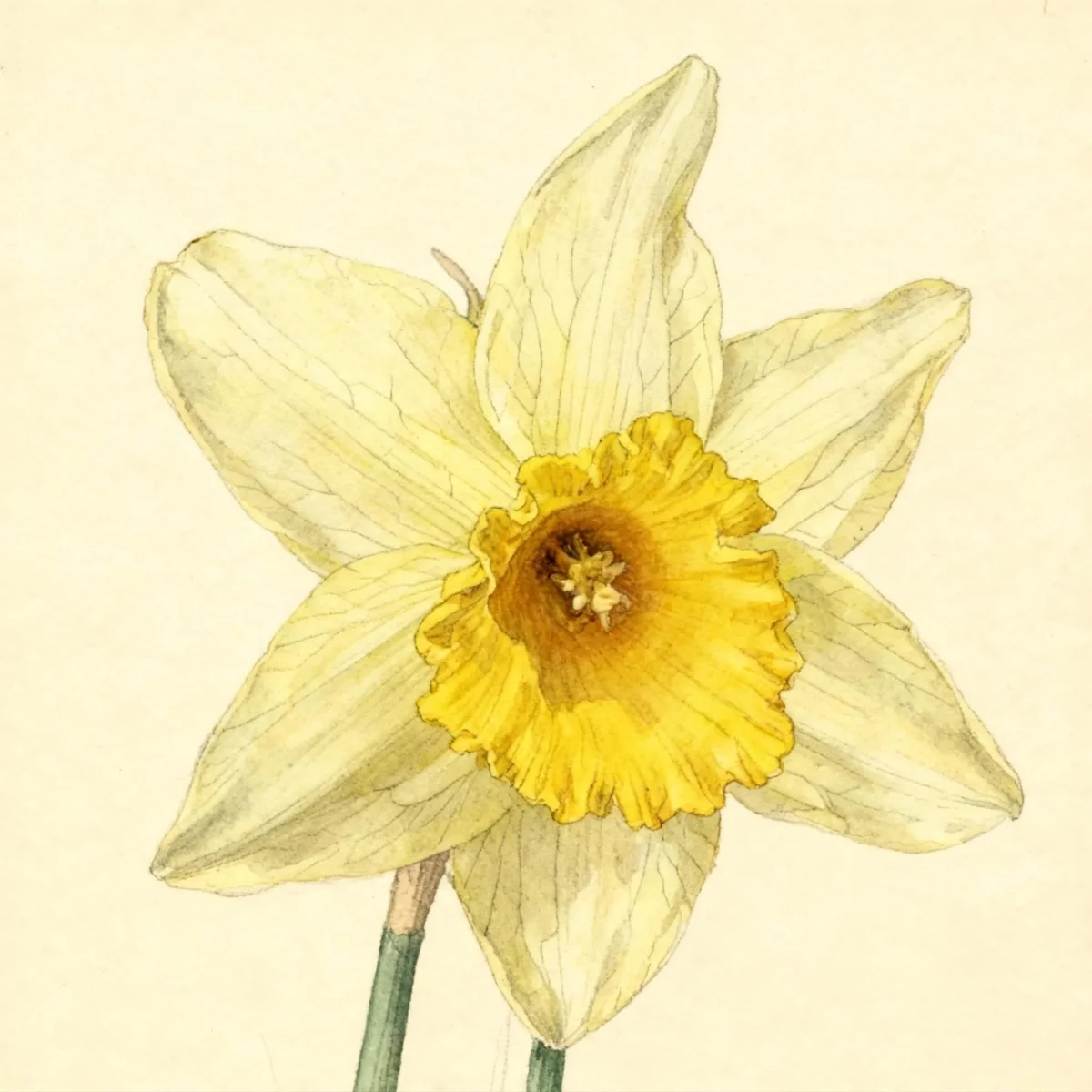
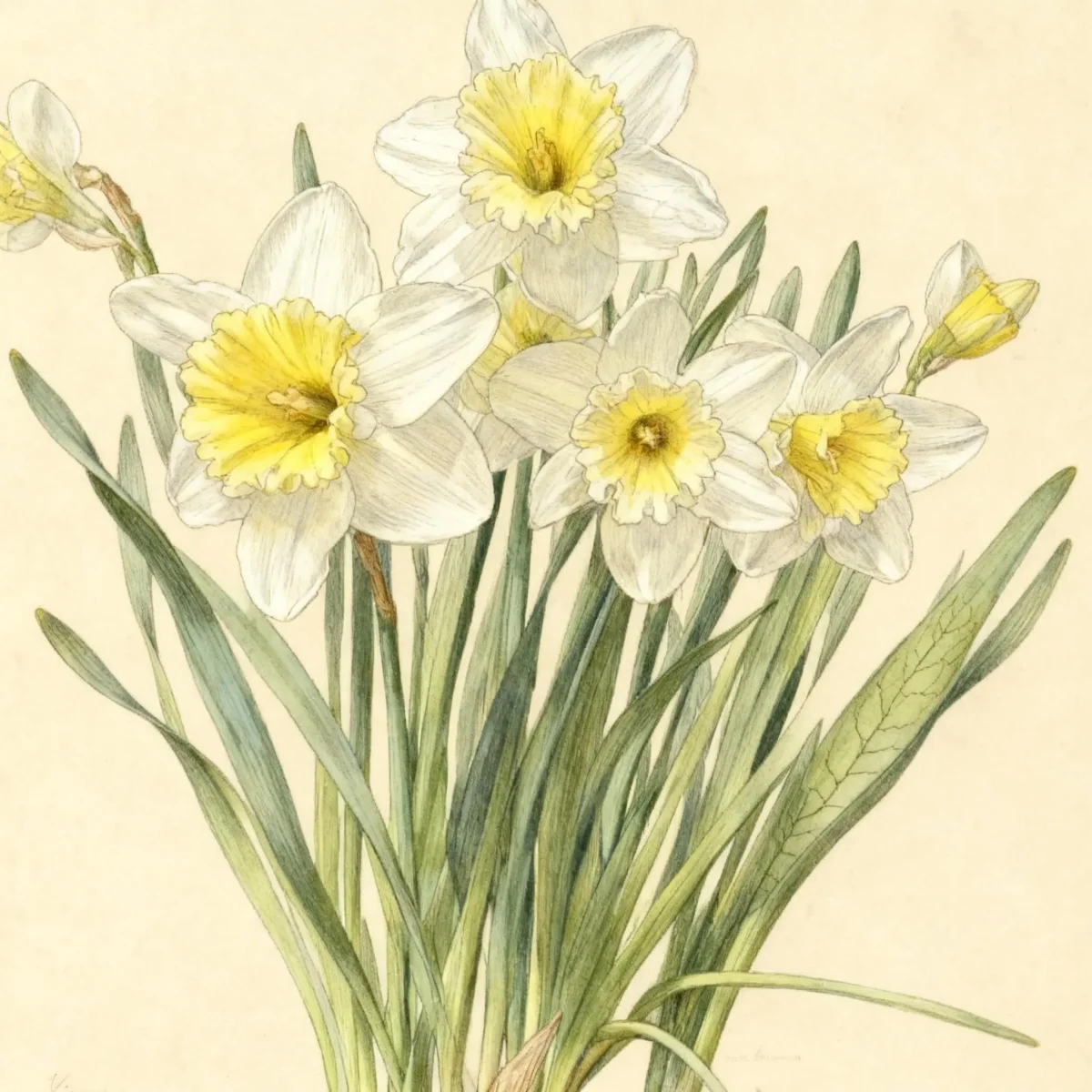
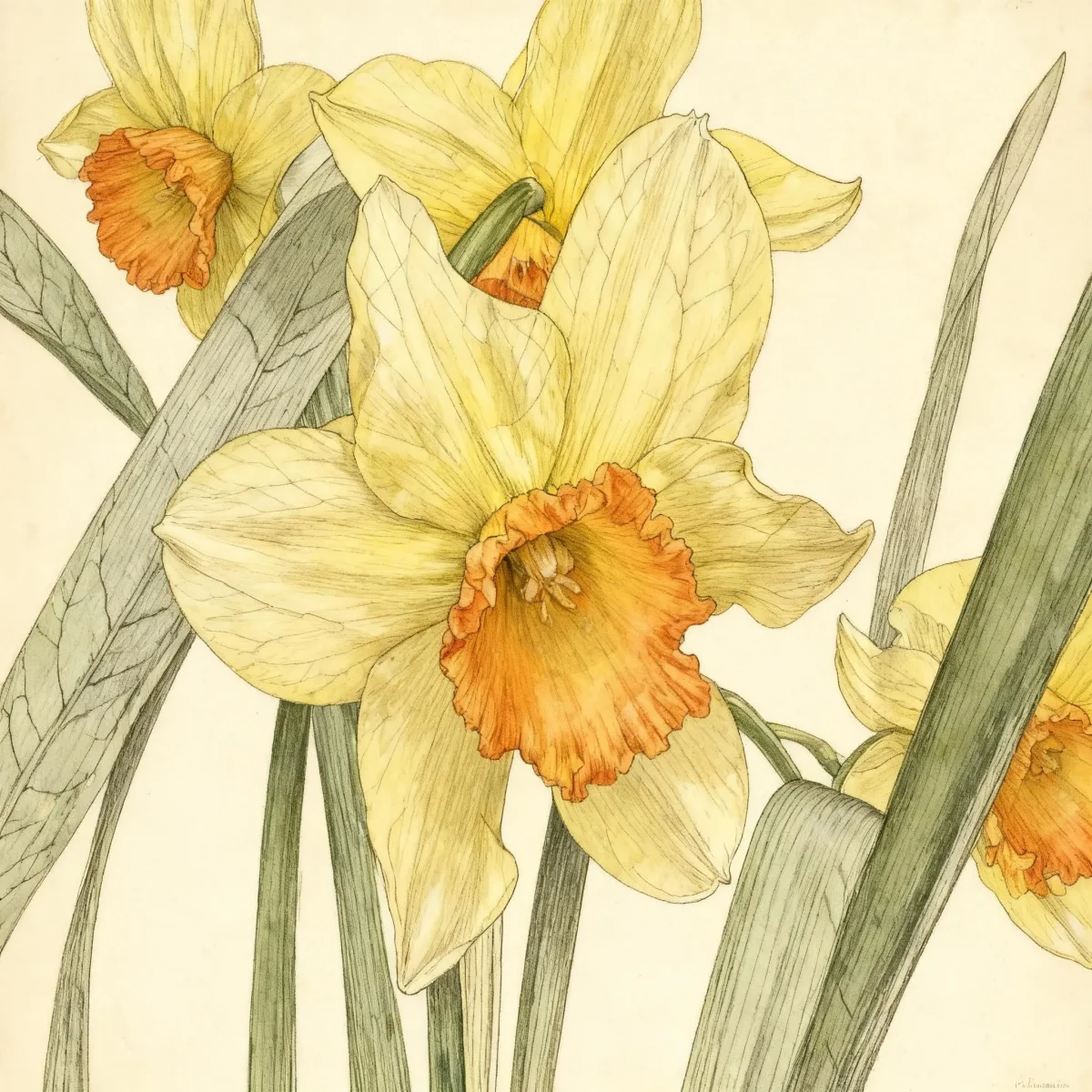
Large-cupped daffodil (Narcissus 'Red Aria')
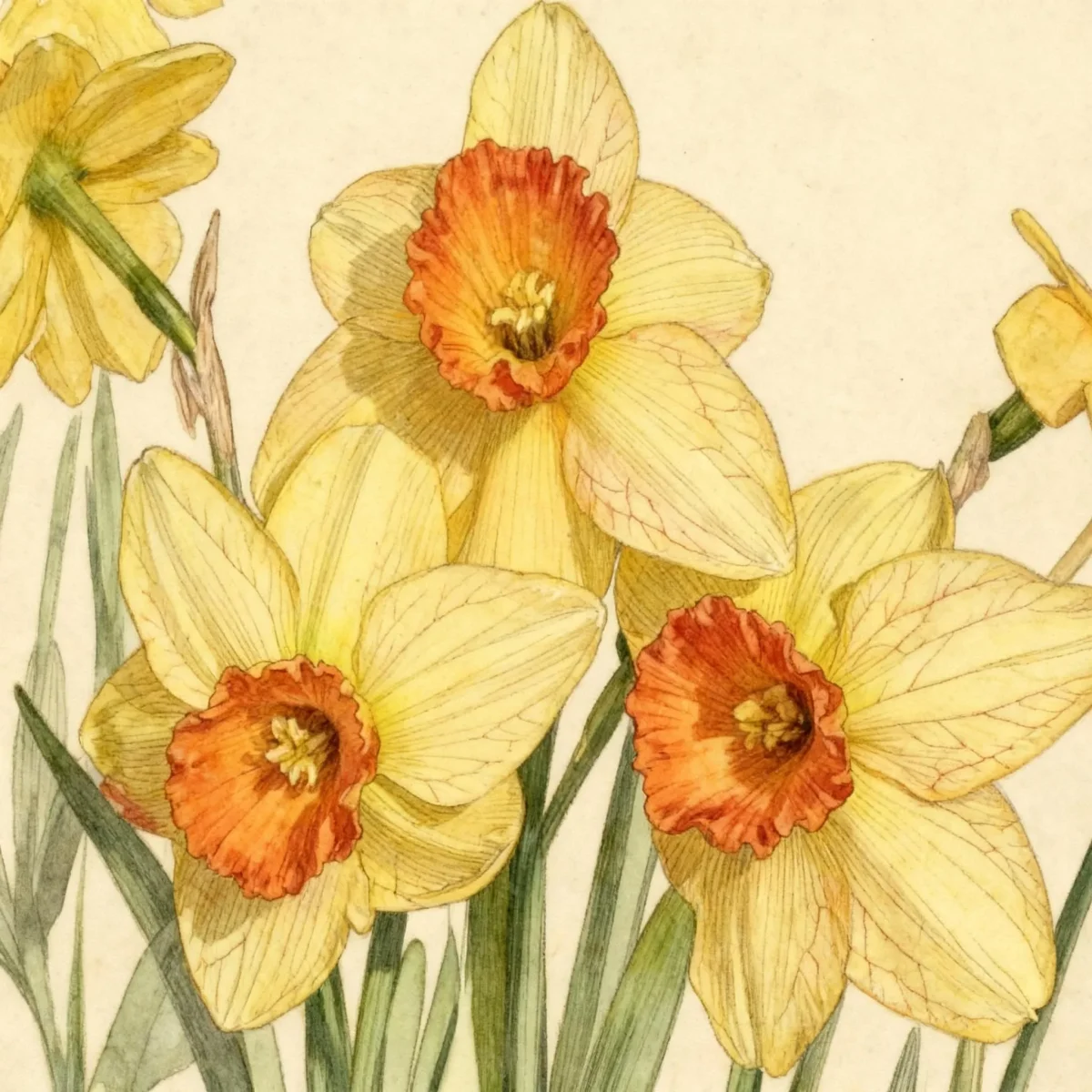
Narcissus 'Red Aria' is a showy Large-cupped daffodil with buff orange petals and an orange-red cup, thriving in Zones 3-8.
Scroll down to discover growing tips, care requirements, companion plants, and more
Complete Plant Information
Overview
The Large-cupped daffodil, specifically the striking cultivar Narcissus ‘Red Aria’, offers reliable, mid-season color essential for rejuvenating the early spring landscape. This variety is prized for its large, distinct cup structure, which contrasts beautifully with its petals, providing excellent visual interest when many other plants are just emerging. As a classic daffodil, Narcissus ‘Red Aria’ establishes easily and returns reliably year after year with minimal intervention.
Growing to a modest height of 1 to 1.5 feet, this bulbous perennial fits neatly into borders and mass plantings without becoming overly dominant. Its primary value lies in its low maintenance requirements and robust nature, readily managing varied conditions from full sun exposure to light afternoon shade in its designated hardiness range. Gardeners appreciate the visual presence of Narcissus ‘Red Aria’ as one of the mainstays signaling the transition out of winter dormancy.
While the straight-forward culture promotes success, ensuring excellent drainage is the key factor for long-term vigor. Once established, this Large-cupped daffodil blends easily with later-blooming perennials, creating layers of seasonal color and enhancing the depth of garden beds. Planting in quantity ensures a dramatic sweep of these orange and orange-red blooms every April.
Fast Facts
- Plant Family: Amaryllidaceae
- Plant Type: Bulb
- Hardiness Zones: USDA Zones 3-8
- Size at Maturity:
- Height: 1-1.5 ft
- Spread: 0.5-1 ft
- Bloom Time: April
- Bloom Description: Orange petals and orange-red cup
- Sun Exposure: Full sun to part shade
- Water Needs: Medium
- Maintenance Level: Low
How to Grow
Planting Narcissus ‘Red Aria’ bulbs is best conducted in early to mid-fall before the ground freezes hard. Select a location offering full sun to partial shade, ideally ensuring that any shade-casting elements are positioned behind the planting site, as daffodils naturally lean toward the light source. Good soil drainage is critical to prevent bulb rot; aim for organically rich loams with medium moisture retention. Bulbs should be set at a depth two to three times their own diameter, generally resulting in 3 to 6 inches deep, spaced about 4 to 8 inches apart.
Once established, care is relatively simple. Keep the soil consistently moist throughout the spring growing season, though the bulbs tolerate drought once they enter dormancy later in the year. After the vibrant orange-red cups fade in April, resist the urge to cut back the foliage. The strap-shaped leaves must be allowed to yellow naturally (until they begin to yellow) so they can photosynthesize and store energy for next year’s display of Narcissus ‘Red Aria’.
These bulbs are long-term residents in the garden and generally should not be disturbed for many years. If the quality or quantity of blooms diminishes, the clumps can be carefully dug up and divided shortly after the foliage dies back. Low maintenance levels mean vigilance against pests is rarely required, provided the soil is well-drained.
Landscape Uses
Daffodils provide a long-lasting perennial structure unlike many other spring bloomers like tulips, making them excellent permanent fixtures in the landscape. The Large-cupped daffodil works beautifully when planted in large drifts—aiming for at least six bulbs per cluster—to create sweeping statements in beds and borders. Narcissus ‘Red Aria’ is especially effective planted in front of later-flowering shrubs or beneath deciduous trees, where they receive full spring sun before the canopy fills in.
For a naturalized look, scatter the bulbs casually rather than planting in rigid geometric patterns; they mix well with other early bloomers like crocuses, early irises, and grape hyacinths. Because they are deer and rabbit resistant, they offer safe color where other bulbs might be nibbled away. Consider massing them under open woodlands for an atmospheric early spring display featuring the unique colors of Narcissus ‘Red Aria’.
Standout Features
Flower Qualities
- Showy
Noteworthy Characteristics
Narcissus is a genus of about 50 species of bulbous perennials from Europe and North Africa, forming a backbone of the spring garden. Cultivated daffodils are categorized into 13 divisions based on bloom characteristics, and ‘Red Aria’ falls into Division II, the Large-cupped daffodils, defined by a cup length that exceeds one-third but is less than the length of the petals. ‘Red Aria’ stands about 16-18 inches tall, featuring buff orange petals surrounding a nearly disc-shaped, orange-red cup, typically producing one flower per stem mid-season in April.
Tolerances
- Rabbit
- Deer
- Drought
Potential Problems
Daffodils, including this Large-cupped daffodil, are generally celebrated for being almost pest-free when planted in appropriate conditions. The primary threat comes from bulb rot, which is almost exclusively caused by poor soil drainage; addressing heavy or compacted soils with organic matter is the best prevention. Infrequent issues can include slugs and snails, especially when young foliage emerges, or sporadic pests like the narcissus bulb fly. If you notice yellowing stripes on the leaves, it could indicate Narcissus yellow stripe virus, though this is uncommon.
Frequently Asked Questions
What hardiness zones is Large-cupped daffodil suitable for?
Narcissus ‘Red Aria’ is reliably hardy in USDA Zones 3 through 8.
How large does Large-cupped daffodil grow?
This plant typically reaches a height between 1 and 1.5 feet, with a spread ranging from 0.5 to 1 foot wide.
When does Large-cupped daffodil bloom?
Narcissus ‘Red Aria’ blooms in April, displaying its distinctive orange petals and orange-red cup.
What sun exposure does narcissus ‘Red Aria’ need?
It performs best when situated in areas receiving full sun to light, part shade throughout the day.
Conclusion
The Narcissus ‘Red Aria’ offers vibrant, low-maintenance color critical for early spring impact, characterized by its unique orange-red cup. As a dependable Large-cupped daffodil, it provides excellent return on investment year after year with minimal fuss, provided ample attention is paid to soil drainage. Before planting this fall, confirm your garden site falls within USDA Zones 3-8 to ensure the brightest display of Narcissus ‘Red Aria’ next April.
Companion Planting Ideas
Selecting companions for Narcissus ‘Red Aria’ should focus on plants that emerge later to hide the dying daffodil foliage while sharing similar cultural needs for sun exposure. Consider pairing these bulbs with late-blooming perennials like Siberian Iris or Peonies; the foliage of these larger plants emerges as the daffodil leaves begin to fade, smoothing the transition to summer. Early-blooming groundcovers can also serve as living mulch, suppressing weeds around the base of the bulbs while keeping the soil cool.
Other excellent partners are plants that enjoy medium moisture in spring but can tolerate drier summer conditions once dormant, mirroring the daffodil’s needs. Early-flowering Hellebores (Lenten Rose) present a nice textural contrast in the dappled light where daffodils thrive. This layered approach ensures color interest extends well past the bloom time of this specific Large-cupped daffodil.
Seasonal Care Calendar
Spring care for Narcissus ‘Red Aria’ is highly focused on the appearance of the blooms and the subsequent handling of the foliage. Immediately after flowering, consider deadheading—removing the spent flower stalks before seed pods form—to redirect energy back into the bulb. This is crucial for strong returns next year and prevents self-seeding, which can lead to overcrowded clumps over time.
The critical summer task is patience: do not cut down the green foliage until it has completely yellowed, which typically happens in late spring or early summer. This process allows the bulb to store sufficient starches for the subsequent seasons. If clumps become too dense after several years, plan to divide them in late summer or early fall, just after the foliage has died back completely, moving the resulting divisions to new areas.
Winter preparation for this tough bulb is minimal, given its excellent hardiness in Zones 3-8. Generally, applying a general-purpose, low-nitrogen fertilizer early in the spring before new growth emerges can boost next year’s flower quality, but otherwise, the bulb handles the cold reliably, requiring no special protection in the ground.