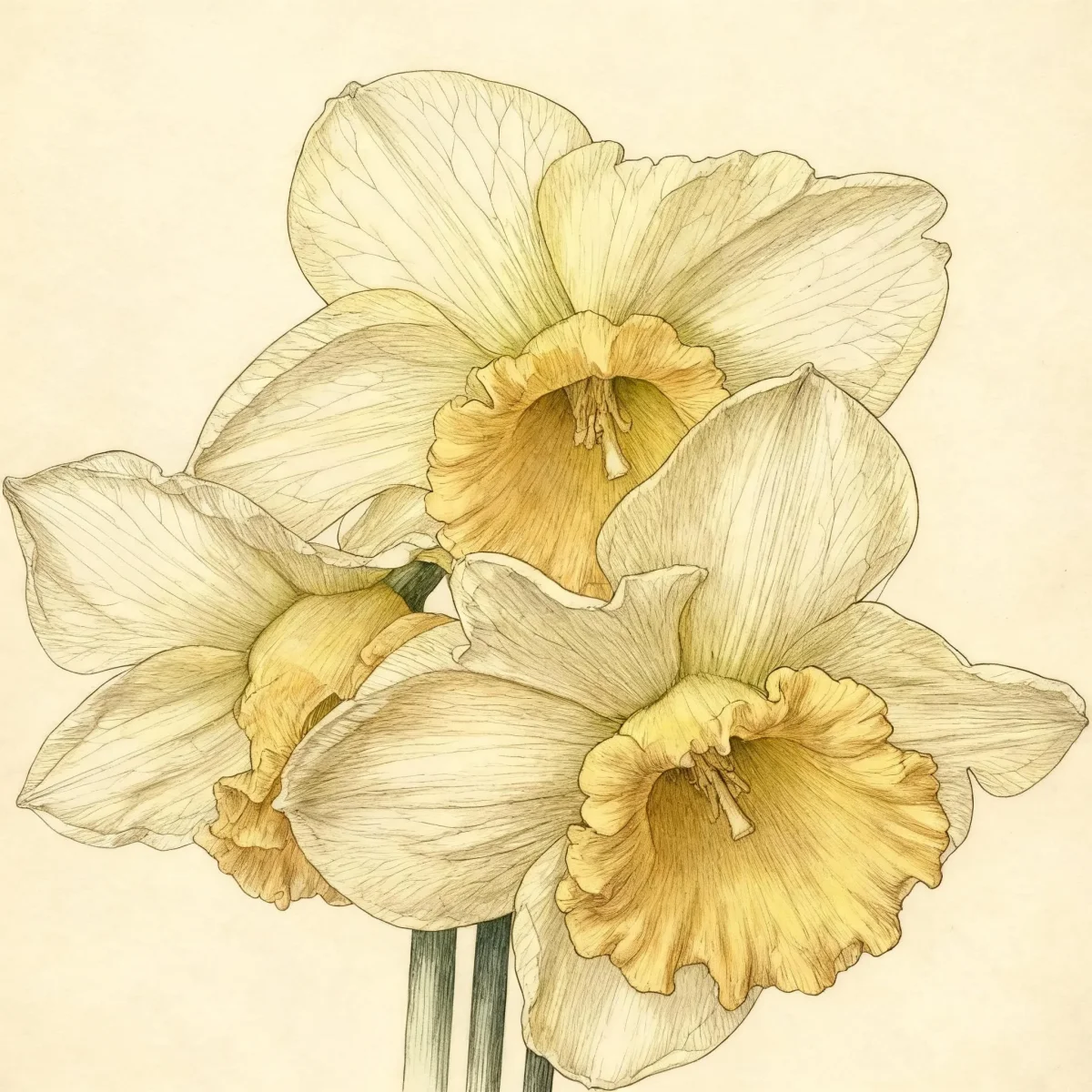
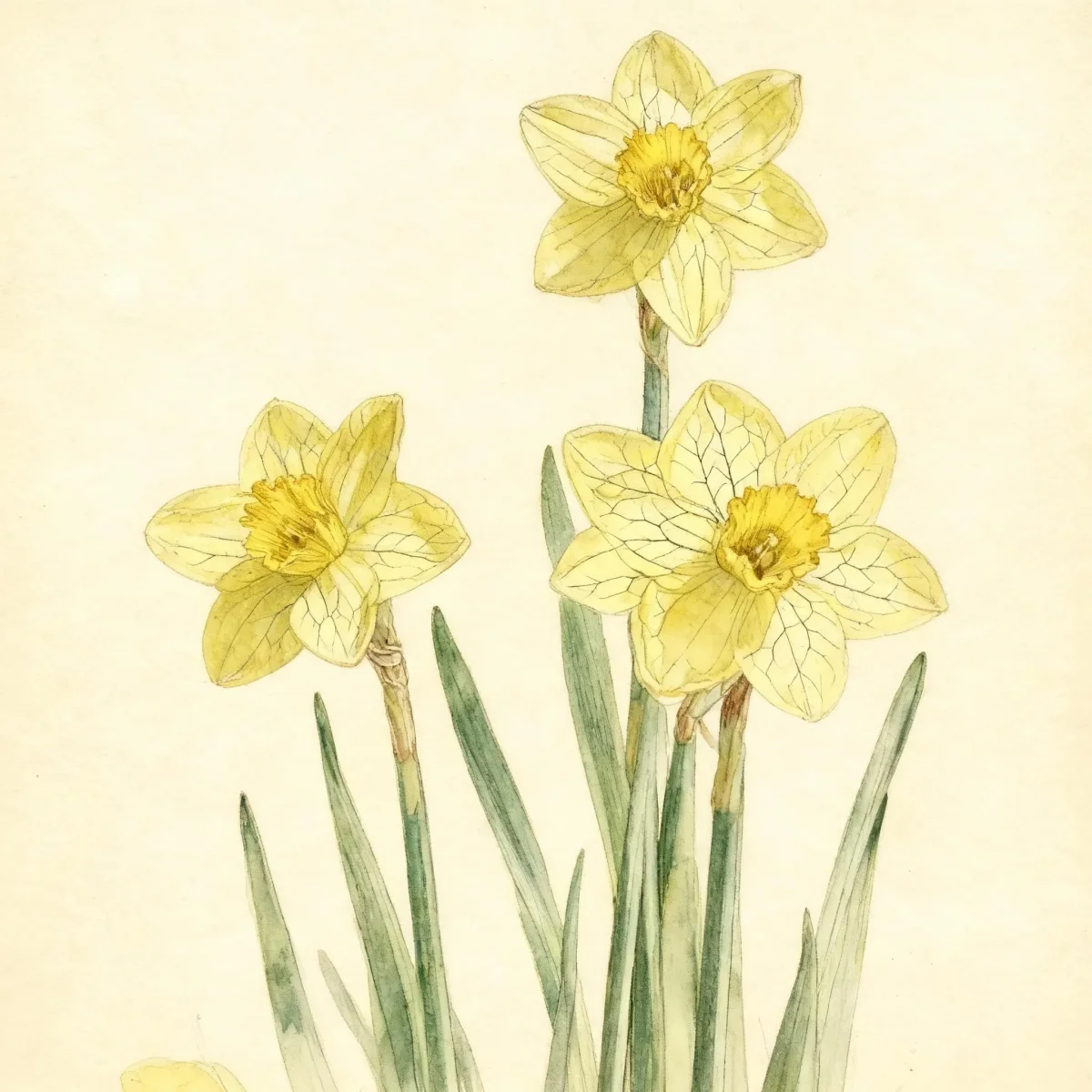
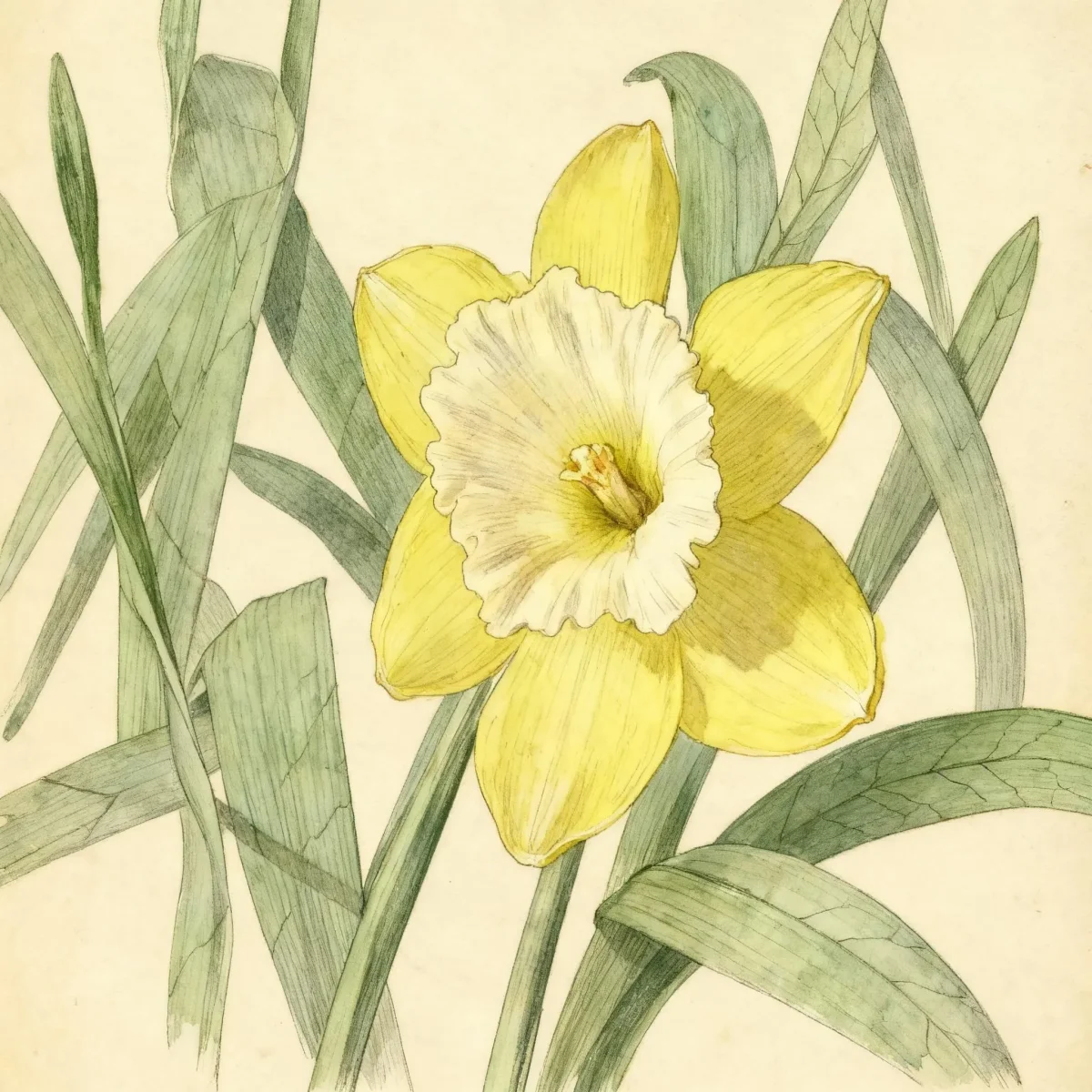
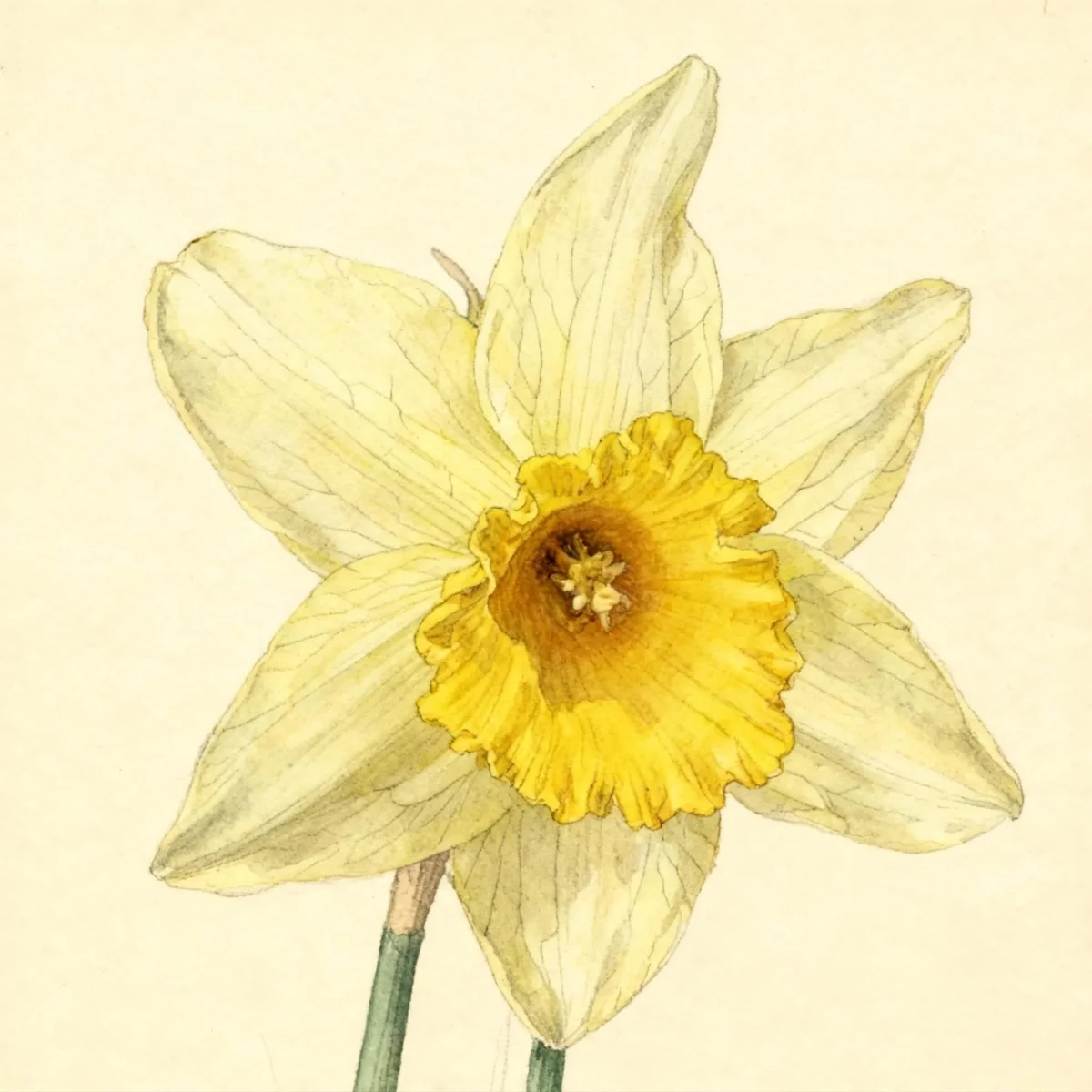
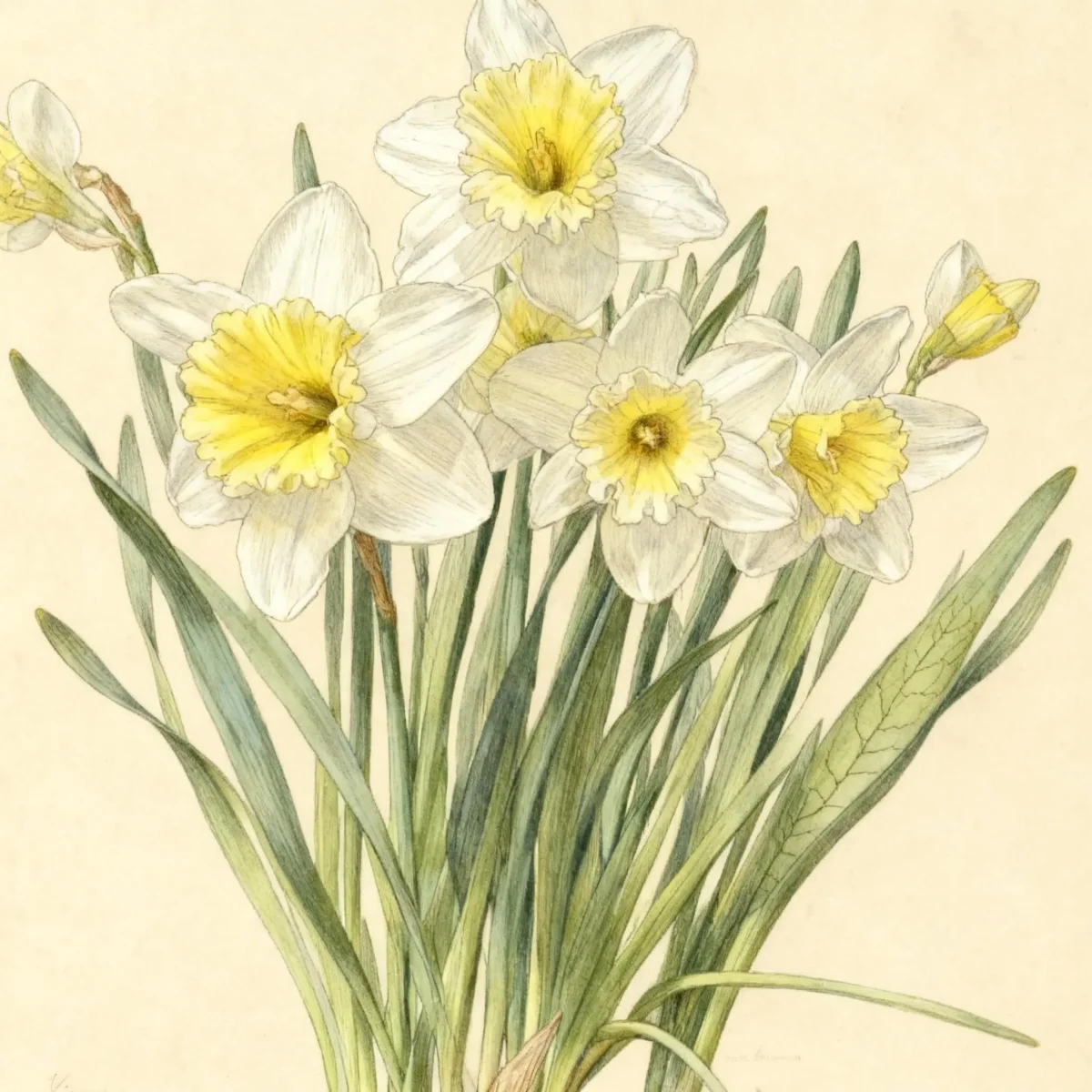
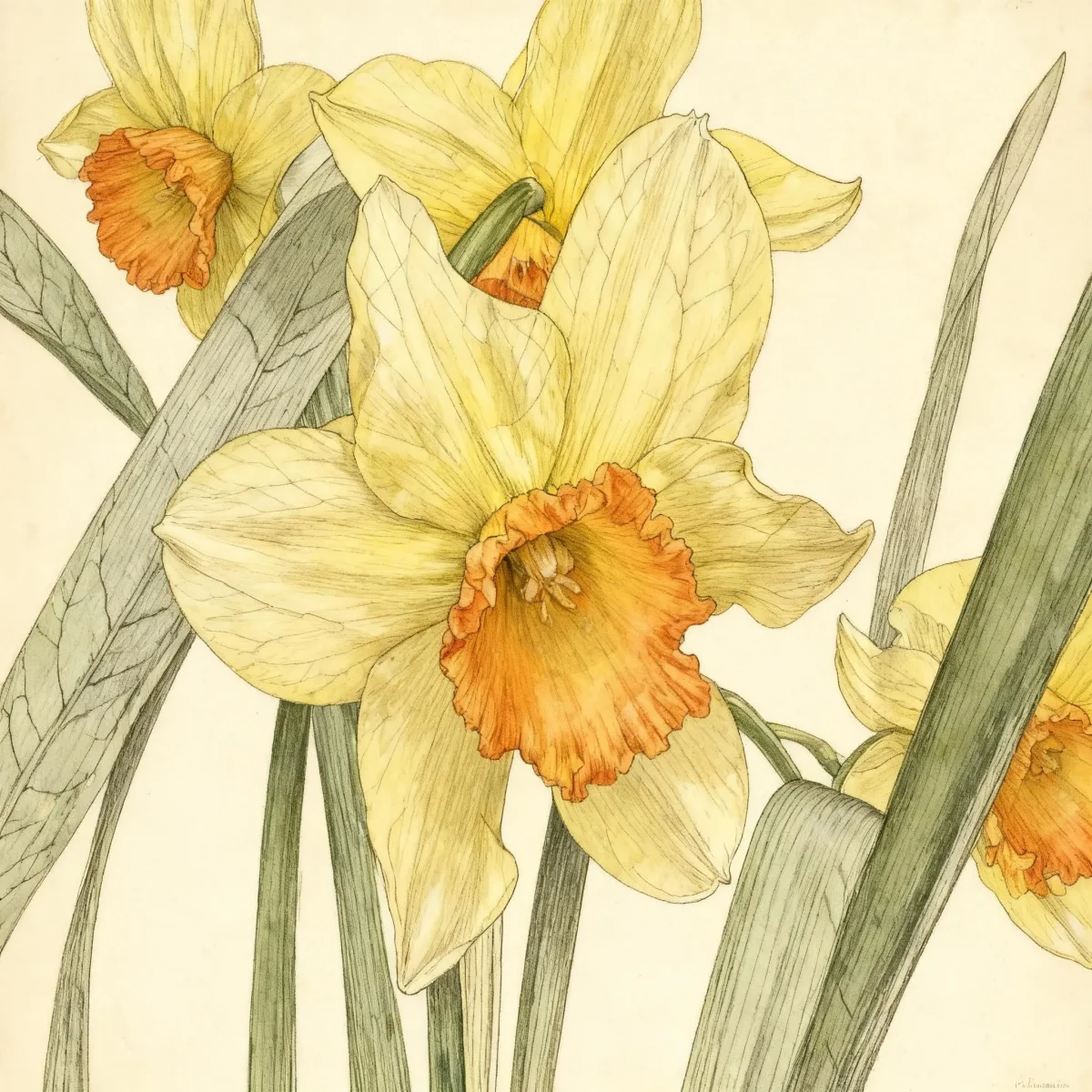
Large-cupped daffodil (Narcissus 'Sonar')
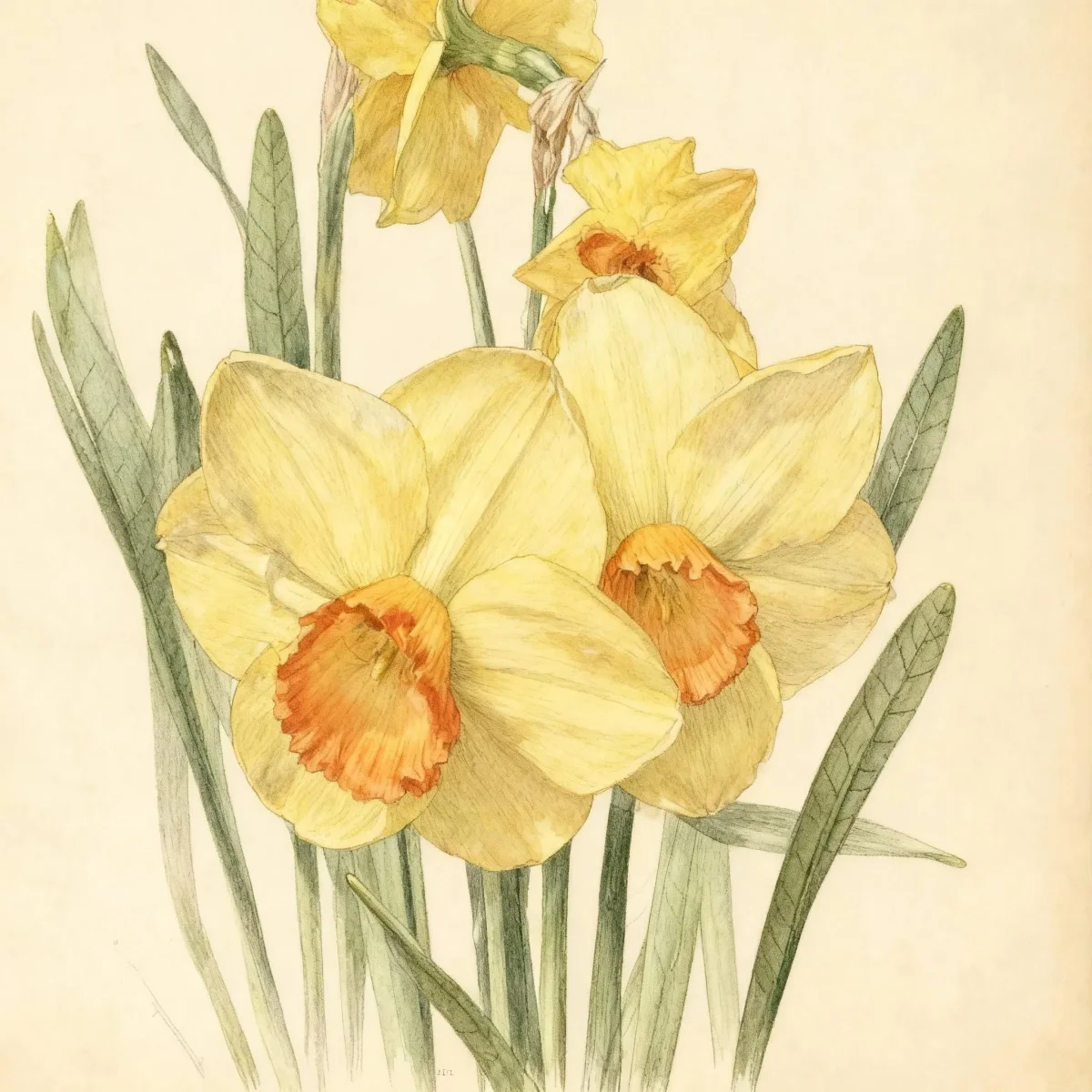
Narcissus 'Sonar' is a stunning Large-cupped daffodil, blooming in April with yellow petals and an orange-red rim on its cup.
Scroll down to discover growing tips, care requirements, companion plants, and more
Complete Plant Information
Overview
Narcissus ‘Sonar’ is a highly valued addition to the spring garden, celebrated for its vibrant coloration and classic Large-cupped daffodil structure. This cultivar presents bright yellow petals contrasted beautifully by a funnel-shaped cup rimmed with orange-red, offering brilliant mid-season color guaranteed to lift spirits after winter. As a Division II daffodil, Narcissus ‘Sonar’ fits perfectly into mixed bulb plantings or stand-alone displays.
Growing bulbs like Narcissus ‘Sonar’ requires minimal effort once established, making it a low-maintenance choice for most home landscapes. It thrives in average, well-drained soils and performs best when positioned to capture the sun’s energy, though partial shade is also tolerated. Gardeners appreciate the reliability of this perennial bulb for providing consistent, colorful spring shows year after year.
The reliable emergence and pest-resistant nature of this Large-cupped daffodil ensure that spring interest is secured without significant intervention. Use the striking bicoloration of Narcissus ‘Sonar’ to create focal points, or mass them widely to achieve a breathtaking naturalized effect as spring begins.
Fast Facts
- Plant Family: Amaryllidaceae
- Plant Type: Bulb
- Hardiness Zones: USDA Zones 3-8
- Size at Maturity:
- Height: 1-1.5 ft
- Spread: 0.5-1 ft
- Bloom Time: April
- Bloom Description: Yellow petals and cup with orange-red band
- Sun Exposure: Full sun to part shade
- Water Needs: Medium
- Maintenance Level: Low
How to Grow
Planting Narcissus ‘Sonar’ should occur in early to mid-fall, well before the ground freezes, allowing the bulbs time to establish roots. Ensure the planting site offers good soil drainage, as this is essential for bulb health; organically rich loams are ideal, though average soils often suffice. Planting depth varies by bulb size, but generally, each bulb needs 2 to 3 times its height covered with soil, translating to about 3” of soil above the top, spaced 4 to 10 inches apart.
Water needs are classified as medium during the growing season when Narcissus ‘Sonar’ is actively developing foliage and flowers. Once the bloom fades, resist the urge to cut back the foliage; let the leaves remain until they naturally yellow. This process allows the bulb to successfully store energy for next year’s display.
Daffodils are notably low maintenance and can be left undisturbed for many years. If flower quantity or quality diminishes, divide the clumps immediately after the foliage dies back completely. Since the flowers naturally face the sun, strategically place plantings so any overhead shade structures are situated behind them to maximize light exposure during bloom time.
Landscape Uses
Daffodils, unlike ephemeral tulips, are excellent naturalizing bulbs that reliably return season after season, making Narcissus ‘Sonar’ perfect for long-term landscape designs. These Large-cupped daffodils excel when planted in quantity—think drifts of at least six bulbs minimum, or sweeping masses under deciduous trees where they receive full spring sun before the canopy leafs out.
They fit seamlessly into traditional garden borders, contrasting beautifully against emerging evergreen shrubs or early perennial growth. Consider massing Narcissus ‘Sonar’ in front of taller woody plants, ensuring their bright spring display is visible against a darker backdrop. They also mix exceptionally well with other spring-flowering bulbs like blue grape hyacinths or early tulips.
Because they establish clumps over time, these bulbs are wonderful for softening edges along woodland paths or naturalistic areas. Avoid planting them where water pools, but otherwise, embrace their ability to naturalize and fill in spaces over successive seasons, minimizing future division needs.
Standout Features
Flower Qualities
- Showy
Noteworthy Characteristics
Narcissus is a genus of about 50 species of bulbous perennials from Europe and North Africa. They are a mainstay of the spring garden. Each flower generally features a corona (cup) surrounded by six petals (perianth segments). ‘Sonar’ is specifically defined as a large-cupped daffodil (Division II), meaning its cup length is more than 1/3 but less than the full length of the petals. The resulting 16-18” tall spring display showcases broad, overlapping yellow petals and a smooth, yellow cup accented by an attractive orange-red rim.
Tolerances
- Rabbit
- Deer
- Drought
Potential Problems
Daffodils like Narcissus ‘Sonar’ are generally robust and exhibit few serious insect or disease issues when properly sited. The most common threat is bulb rot, which occurs if the soil structure is poor and drainage is inadequate throughout the spring growing season. To prevent this, amend heavy soils heavily with grit or compost to ensure rapid water percolation.
While relatively pest-free, watch infrequently for minor issues like slugs and snails, especially when new foliage first emerges from the soil. Established Narcissus ‘Sonar’ are avoided by deer and rabbits, offering reliable color where other spring bloomers might become snacked upon. Address any sign of Narcissus yellow stripe virus immediately by carefully removing affected plants to prevent spread.
Frequently Asked Questions
What hardiness zones is Large-cupped daffodil suitable for?
Narcissus ‘Sonar’ will successfully grow in USDA Hardiness Zones 3 through 8.
How large does Large-cupped daffodil grow?
This bulb typically reaches a height between 1 and 1.5 feet and spreads about 0.5 to 1 foot wide.
When does Large-cupped daffodil bloom?
This variety blooms reliably in April, showcasing yellow petals and a cup detailed with an orange-red band.
What sun exposure does Large-cupped daffodil need?
Narcissus ‘Sonar’ performs best in full sun but tolerates light to part shade conditions effectively.
Conclusion
Narcissus ‘Sonar’ offers exceptional value by providing low-maintenance, consistently stunning color early in the season. Its distinctive yellow and orange-red bicolor pattern makes this Large-cupped daffodil a standout feature in any spring landscape plan. Before winter sets in, ensure your bulbs are planted at the correct depth in well-draining soil to guarantee a magnificent return next April.
Companion Planting
Creating effective spring displays involves pairing Narcissus ‘Sonar’ with plants that emerge later or have complementary texture and color. Because daffodils naturally fade back around late spring, they are excellent foreground plants for later-blooming perennials like Siberian Iris or emerging Peonies, whose foliage can help mask the dying daffodil leaves.
Consider mixing the bright yellows of this Large-cupped daffodil with blue or purple tones for maximum visual impact. Muscari (Grape Hyacinths) bloom simultaneously and offer deep blue spikes that contrast sharply with the flat masses of daffodils. Plant early-blooming Alliums nearby for diverse flower shapes that share similar sun and soil requirements.
When planning, remember that Narcissus ‘Sonar’ prefers its foliage undisturbed while it recharges summer energy stores. Select companion plants that do not require heavy dividing or aggressive pruning until the daffodil foliage has fully yellowed, ensuring a seamless, low-conflict cultural schedule.
Design Ideas for Daffodils
Mass planting is the most impactful method for showcasing Narcissus ‘Sonar’ and achieving that desirable naturalized look mentioned in its general uses. Instead of small, isolated clumps, plant bulbs in irregular groupings spread far enough apart so that after a few years of natural division, they blend into soft drifts rather than rigid circles.
For formal garden settings, use Narcissus ‘Sonar’ bulbs to line pathways or edge foundational plantings. Their sturdy stems and clear color provide strong architectural lines that hold up well against early spring winds. Plant them in drifts that sweep out from a focal point, like a bench or statue, leading the eye through the garden space.
In a cottage garden style rife with texture, intersperse the bulbs among low-growing groundcovers like creeping phlox or creeping thyme. The emerging blooms of this Large-cupped daffodil will rise above the matting foliage, providing vertical accents that lead into taller plantings of tulips or ornamental grasses scheduled for later bloom periods.