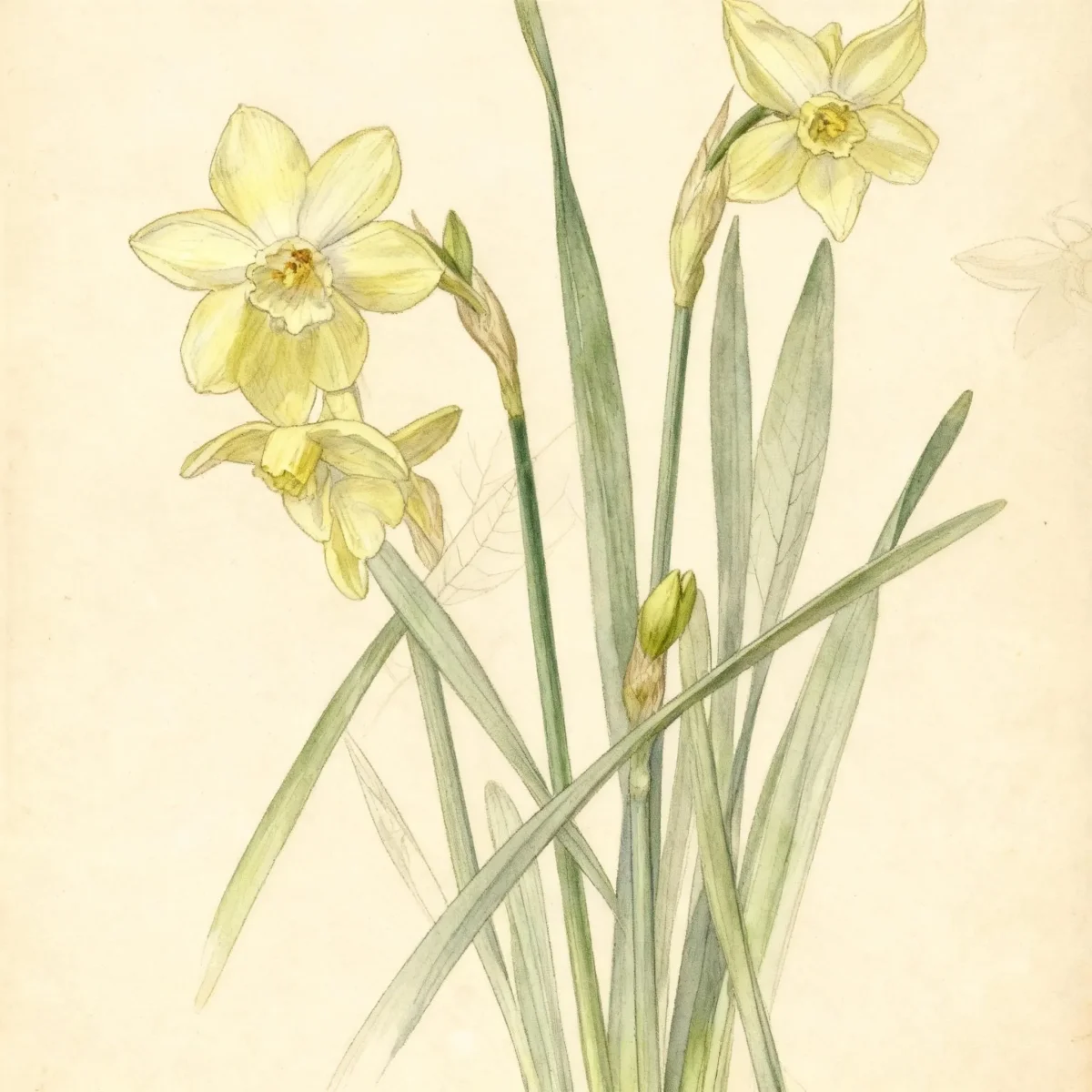
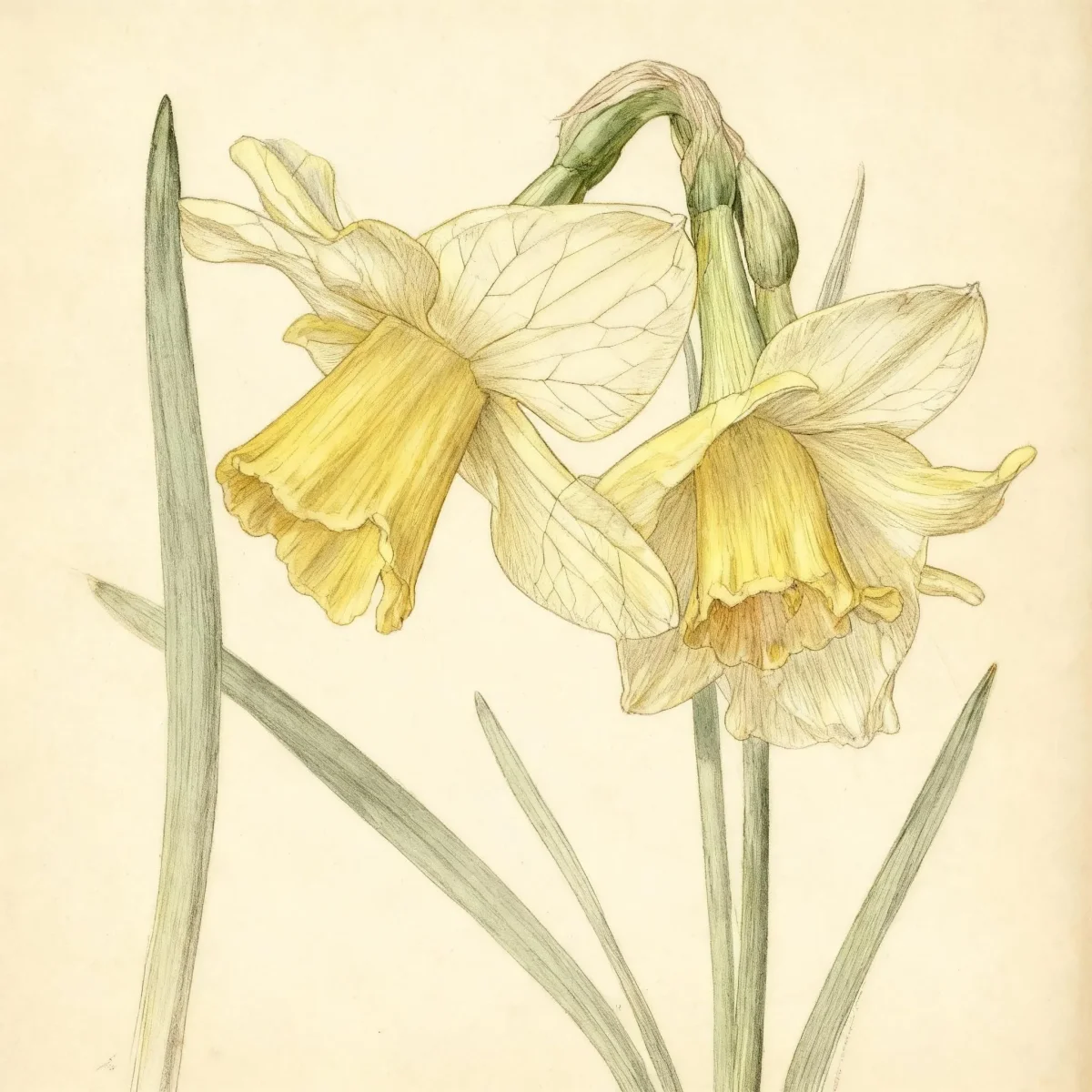
Jonquilla daffodil (Narcissus 'Dainty Miss')
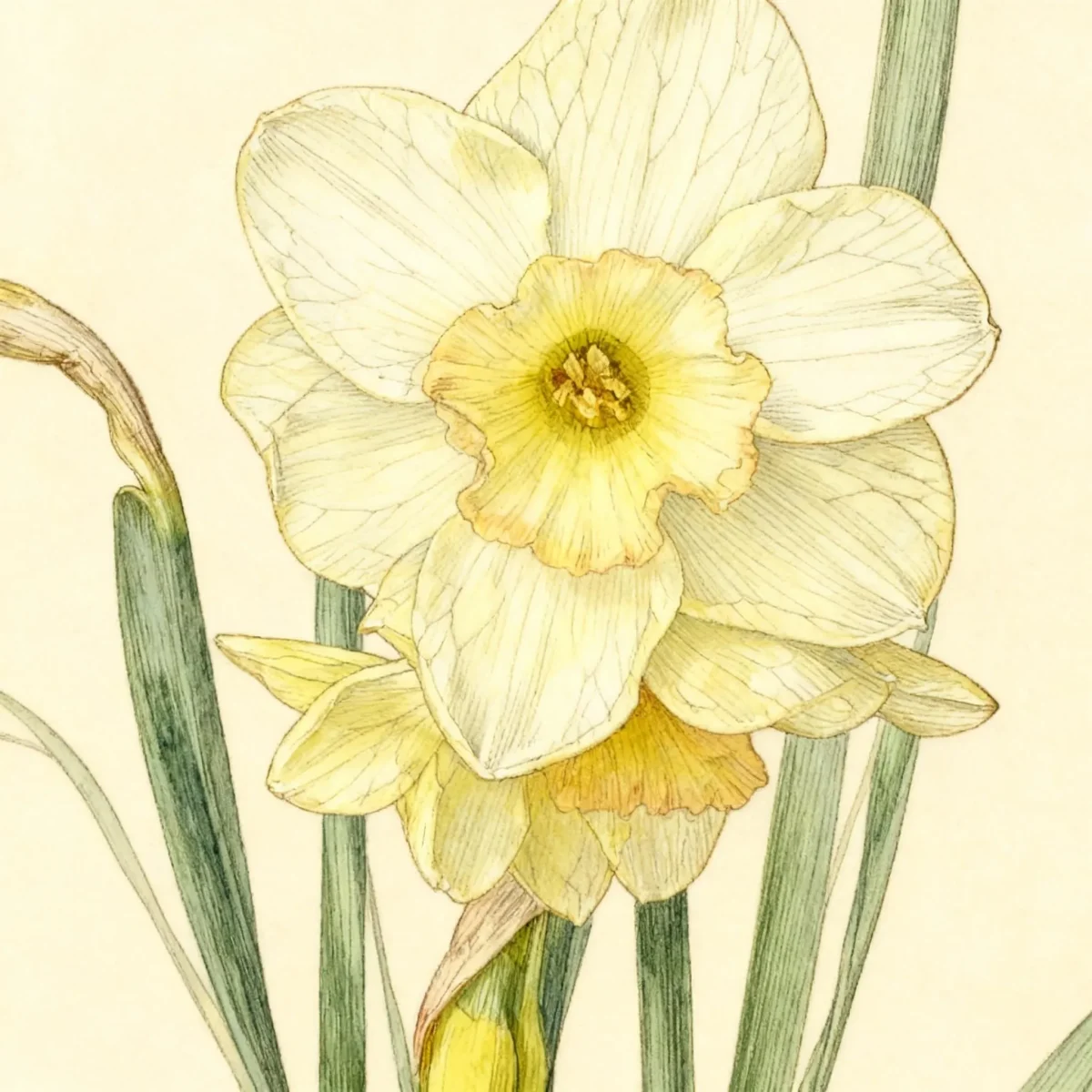
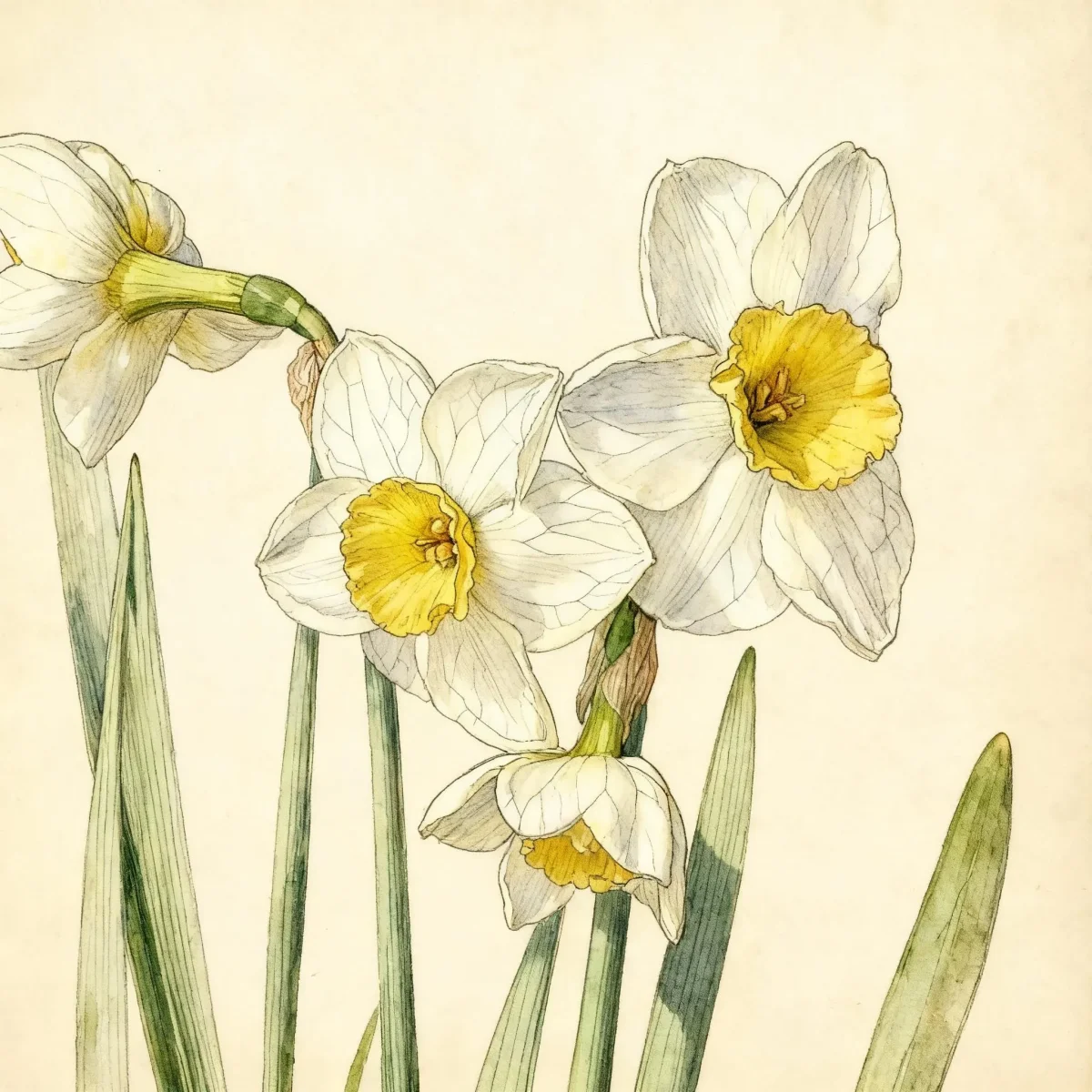
Narcissus 'Dainty Miss' is a low-maintenance Jonquilla daffodil blooming white with a white-green cup in spring.
Scroll down to discover growing tips, care requirements, companion plants, and more
Complete Plant Information
Overview
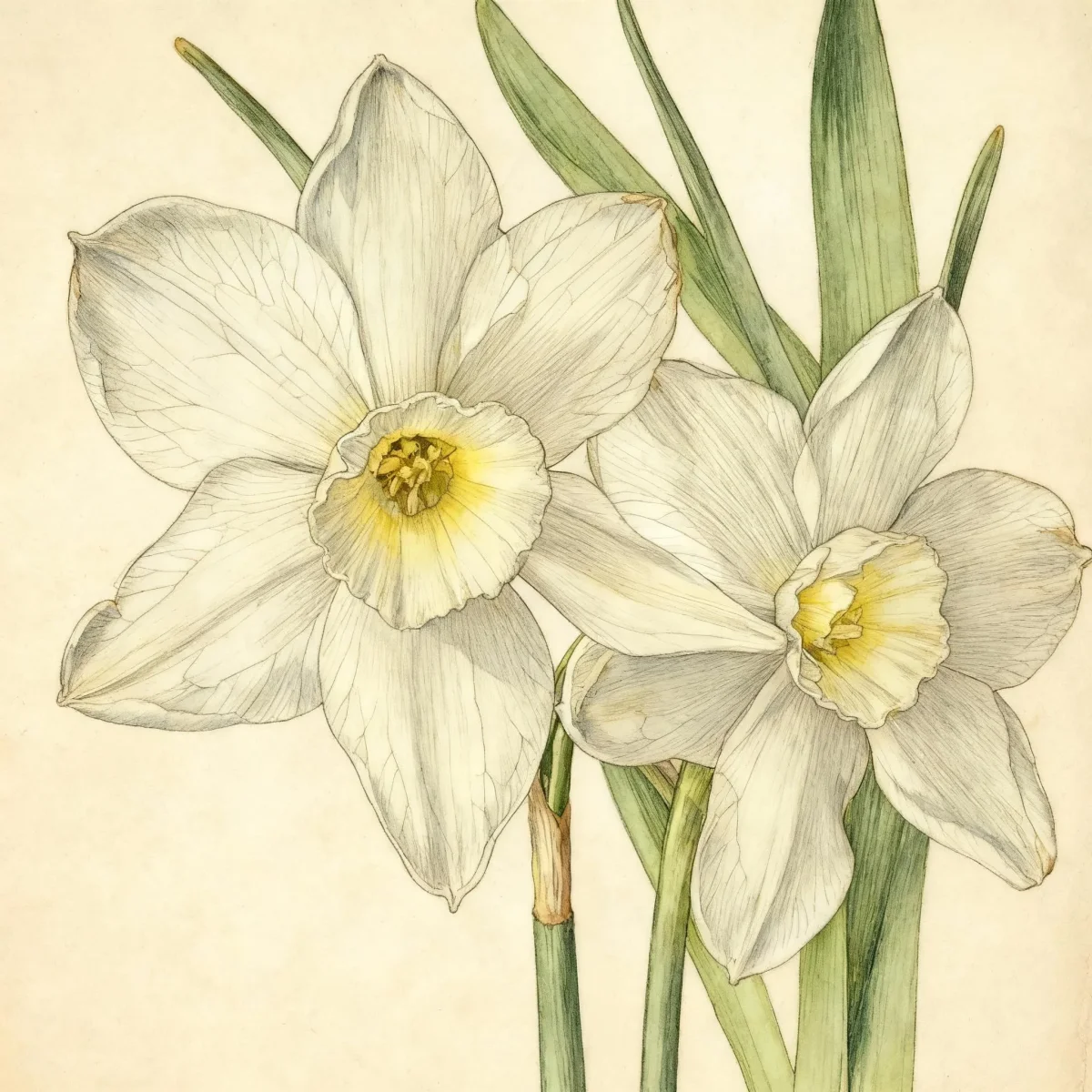
Narcissus ‘Dainty Miss’ is a highly valued Jonquilla daffodil, known for its graceful appearance and easygoing nature, making it a perennial favorite in the spring garden. This cultivar offers typically one flower per stem, featuring distinct white petals offset by a shorter white-green cup, adding delicate texture where many larger daffodils dominate. As a classic garden staple, this bulb naturalizes well, providing reliable, low-maintenance beauty year after year.
This Division 7 jonquilla dwarf cultivar thrives across USDA Zones 4 through 8, preferring average, medium moisture conditions. It requires full sun to tolerate light afternoon shade, ensuring strong flowering performance alongside its narrow, strap-like foliage. Gardeners appreciate the low maintenance required for Narcissus ‘Dainty Miss’, as they only require minimal deadheading and patience while the foliage naturally senesces.
The longevity and reliability of this Jonquilla daffodil make it fundamental for refreshing early spring landscapes. Once planted correctly in the fall, the bulbs establish themselves and should be left undisturbed for many years, filling out drifts beautifully. For decades, Narcissus ‘Dainty Miss’ has been celebrated for its classic form and contribution to seasonal displays.
Fast Facts
- Plant Family: Amaryllidaceae
- Plant Type: Bulb
- Hardiness Zones: USDA Zones 4-8
- Size at Maturity:
- Height: 75-1 ft
- Spread: 0.5-0.75 ft
- Bloom Time: April to May
- Bloom Description: White with white-green cup
- Sun Exposure: Full sun to part shade
- Water Needs: Medium
- Maintenance Level: Low
How to Grow
Optimal planting time for Narcissus ‘Dainty Miss’ bulbs is during the early to mid-fall season, allowing sufficient time for root establishment before the deep freeze. These Jonquilla daffodils perform best in organically rich loams where good drainage is paramount; bulb rot is a significant risk in poorly drained, heavy soils. Plant each bulb two to three times as deep as the bulb itself, ensuring at least three inches of soil cover. Spacing generally ranges between 4 to 10 inches apart, though wider spacing in the beginning ensures less need for future division.
During the active growing season, maintain medium moisture levels, keeping the soil consistently damp, though the bulbs tolerate drought once they enter dormancy. After the stunning white flowers fade in spring, remove the spent flower stem just above the foliage to discourage seed development, but resist the urge to cut back the leaves. The foliage must be allowed to fully yellow and die back naturally, as this process recharges the bulb reserves for the following spring display of Narcissus ‘Dainty Miss’.
When bloom quality declines after several years, the clumps can be divided; perform this task immediately after the foliage has completely died back, usually late spring or early summer. Because flowers tend to face the sun, consider planting these bulbs where any tree canopy or shrub shade is situated behind the planting area to maximize the visual impact of the white blooms.
Landscape Uses
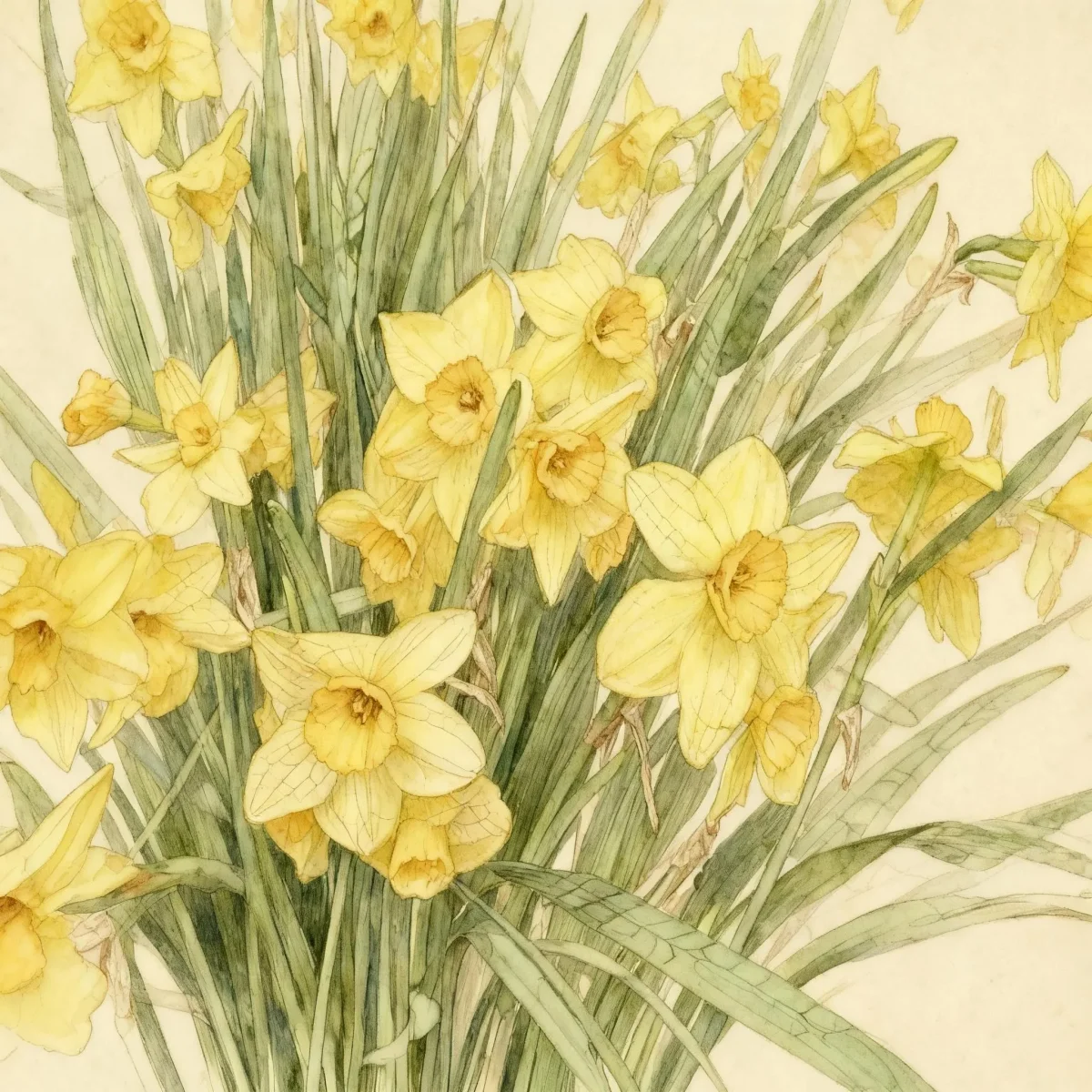
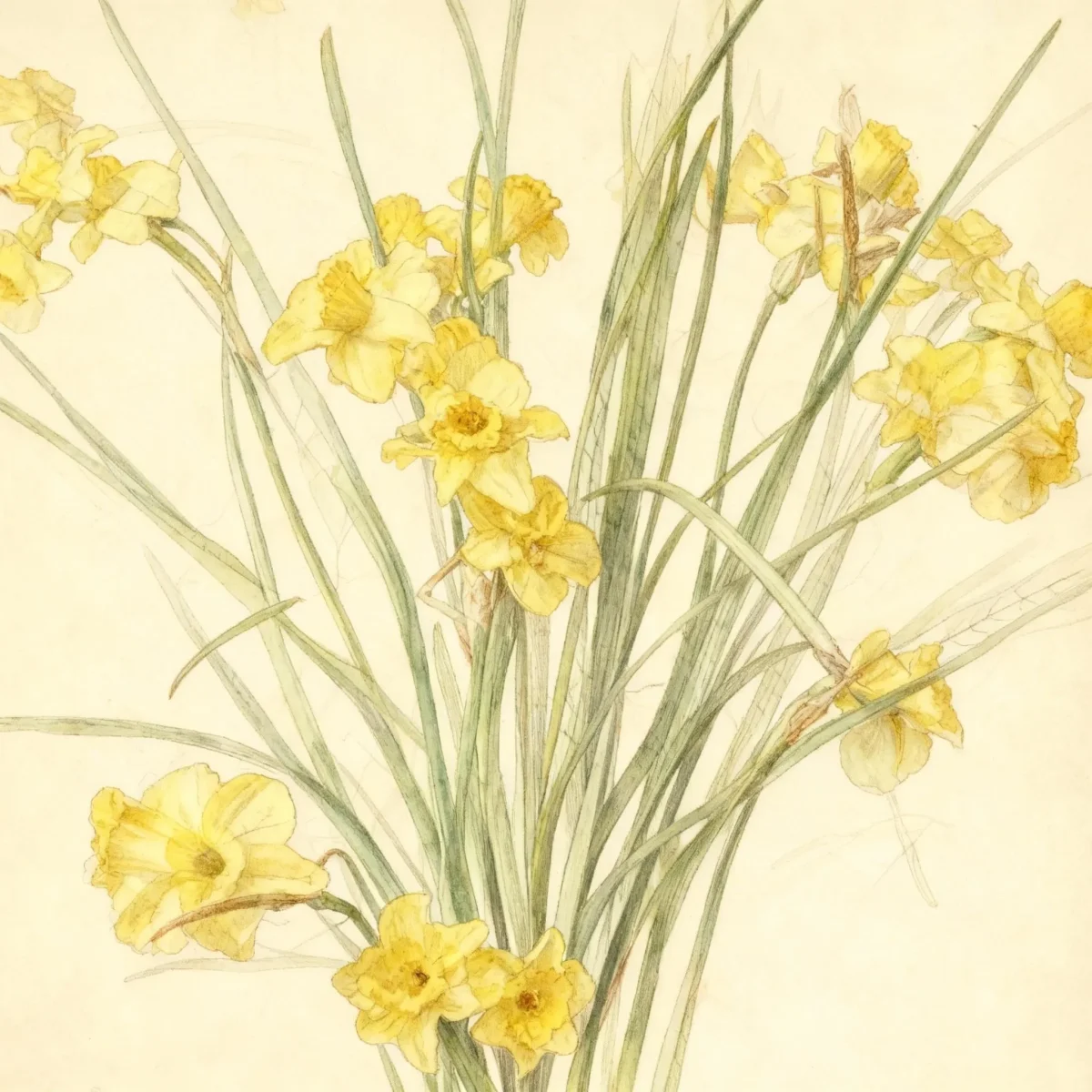
Daffodils, including this lovely Jonquilla daffodil variety, excel when planted in generous quantities rather than small, isolated groupings, creating sweeping drifts that capture the eye. Narcissus ‘Dainty Miss’ is especially effective when massed under deciduous trees or in open woodland margins, where they naturalize easily and provide early spring color before the tree canopy fully develops. They integrate seamlessly into mixed spring bulb borders alongside tulips or grape hyacinths.
These bulbs are also a superb choice for the foreground of shrub borders, softening the winter view of woody plants emerging from dormancy. Their upright, narrow foliage and moderately sized, lightly fragrant flowers make them excellent additions to formal beds or informal cottage gardens. Planting Narcissus ‘Dainty Daffodils’ in quantity—aiming for drifts of six bulbs or more—guarantees a naturalized, flowing effect that improves yearly.
Standout Features
Noteworthy Characteristics
Narcissus is a genus of about 50 species of bulbous perennials from Europe and North Africa. They are a mainstay of the spring garden. Depending upon species or hybrid type, flowers appear singly or in clusters atop stems rising from 6-30” tall. Flowers generally feature a trumpet or cup (the corona) surrounded by six petals (perianth segments), in colors ranging from white to yellow to orange to pink to bicolors. Flowers are sometimes fragrant. Flowers bloom in early spring. Narrow, linear to strap-shaped, green leaves appear in erect to sprawling clumps. Cultivated daffodils have been organized into 13 divisions based on the characteristics of the blooms.Genus name honors a beautiful youth who became so entranced with his own reflection that he pined away and the gods turned him into this flower.‘Dainty Miss’ is a Division 7 jonquilla dwarf cultivar bred from N. Jonguilla producing usually one flower per stem. Narrow leaves with fragrant white flowers and white-green cup shorter than the petals. Introduced in 1966 it remains an old-fashioned garden favorite.
Tolerances
- Deer and rabbits tend to avoid this plant
Potential Problems
Daffodils, including Narcissus ‘Dainty Miss’, are generally celebrated for being resilient and are rarely bothered by serious pests or diseases provided they are situated in suitable conditions. The most frequent issue arises from poor soil moisture management; bulb rot is a primary concern in heavy, perpetually soggy soils, emphasizing the need for excellent drainage when planting this Jonquilla daffodil.
Infrequent insect pests, such as the narcissus bulb fly or slugs and snails, may occasionally cause damage, particularly to developing foliage or bulbs planted too shallowly. Monitoring for these early in the season and managing slugs proactively can prevent significant feeding damage. The Narcissus yellow stripe virus is an infrequent concern but requires vigilance; infected bulbs should be removed promptly to prevent spread.
Frequently Asked Questions
What hardiness zones is Jonquilla daffodil suitable for?
Narcissus ‘Dainty Miss’ is suitable for cultivation in USDA Hardiness Zones 4 through 8 when planted correctly in the fall.
How large does Jonquilla daffodil grow?
This bulb typically reaches a mature height between 0.75 and 1 foot tall, with a spread of 0.5 to 0.75 feet.
When does Jonquilla daffodil bloom?
Narcissus ‘Dainty Miss’ blooms reliably from April into May, displaying its characteristic white flowers with a white-green cup.
What sun exposure does Jonquilla daffodil need?
This variety performs well across a range, requiring full sun to succeed, though it can tolerate part shade.
Conclusion
Narcissus ‘Dainty Miss’ remains a fantastic choice for gardeners seeking reliable, classic spring color with minimal upkeep. Its easy naturalization, combined with the elegant white blooms characteristic of the Jonquilla daffodil group, ensures its perennial place in borders and naturalized areas. Plan your early fall planting now to best enjoy the low-maintenance beauty of Narcissus ‘Dainty Miss’ next spring.
Companion Planting
Selecting appropriate neighbors ensures that the landscape remains attractive even after the daffodil foliage begins to yellow after blooming. Since Narcissus ‘Dainty Miss’ dies back relatively early compared to summer perennials, plant later-emerging, medium-height perennials nearby to fill the gap. Good companions include late-blooming Siberian Iris, Peonies, or Hostas, which will start to swell their foliage just as the Jonquilla daffodil declines.
Ensure companions share similar cultural requirements, particularly concerning drainage, as tulips and other daffodils also despise sitting in wet feet. Mixing bulbs in drifts allows for better visual flow; consider partnering the white blooms of Narcissus ‘Dainty Miss’ with contrasting blues or purples from Crocus or Chionodoxa for an intensified spring tapestry.
Seasonal Care Calendar
Early fall is the critical window for planting your collection of this Jonquilla daffodil. Aim for planting about 6 to 8 weeks before the ground freezes hard. After they bloom in spring, lightly deadhead spent flower stems, but strictly avoid cutting the green foliage.
As temperatures rise and the danger of late frost passes, begin monitoring for any early pest activity, though serious infestations are rare. Once the summer heat settles in, watering should cease entirely, as the bulbs require dry dormancy. Remember to mark the spots where Narcissus ‘Dainty Miss’ is planted so that summer weeders or fall planters do not accidentally disturb the dormant bulbs.