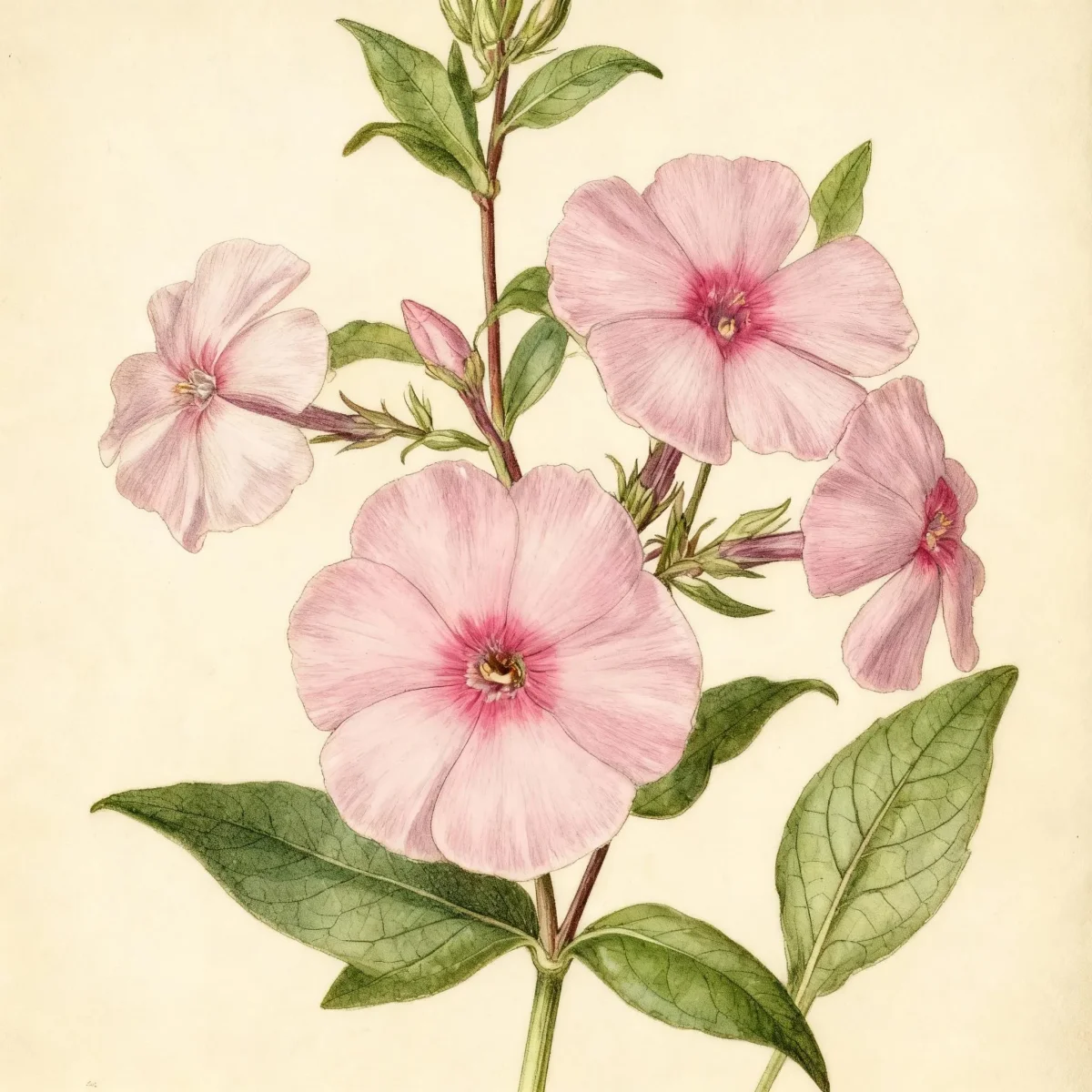
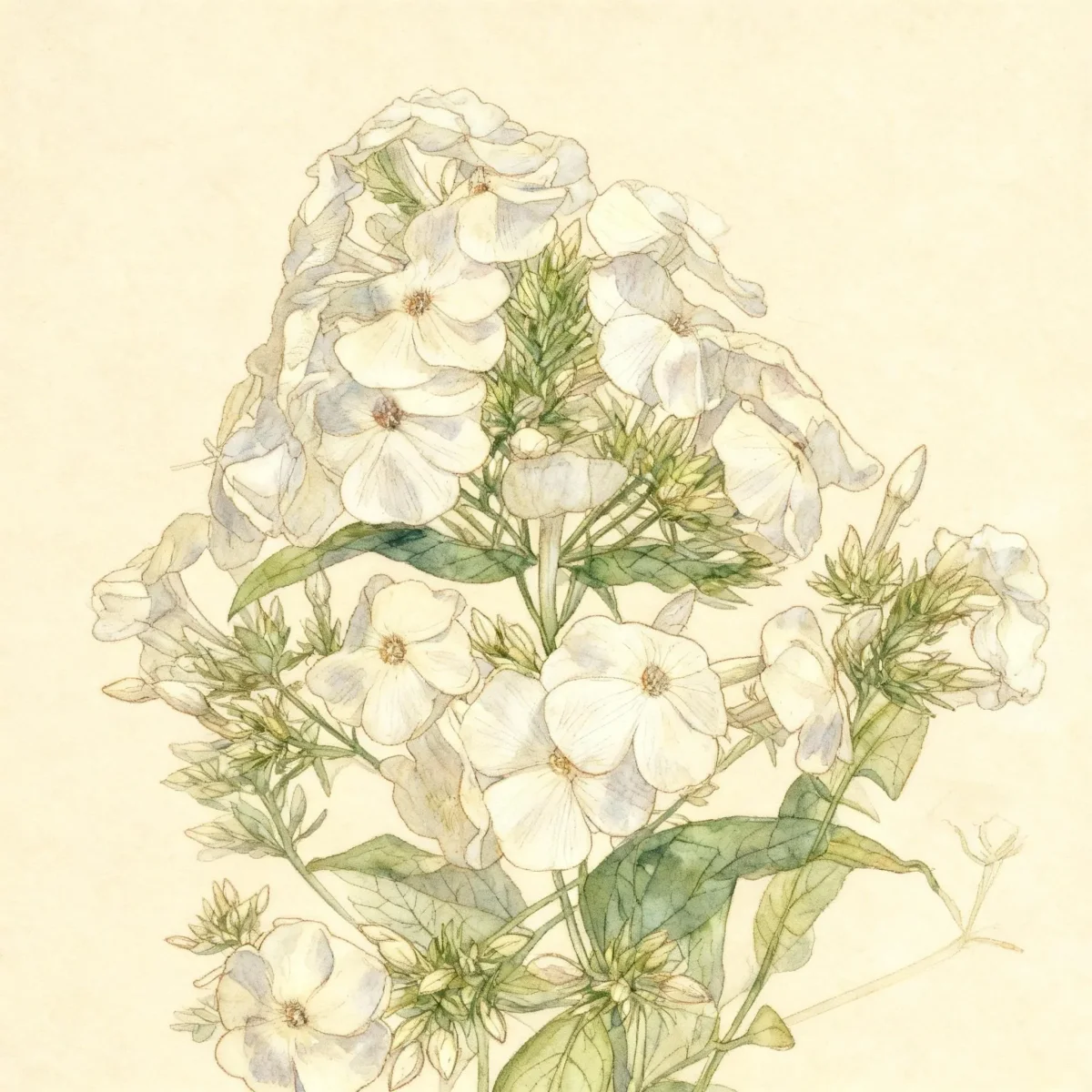
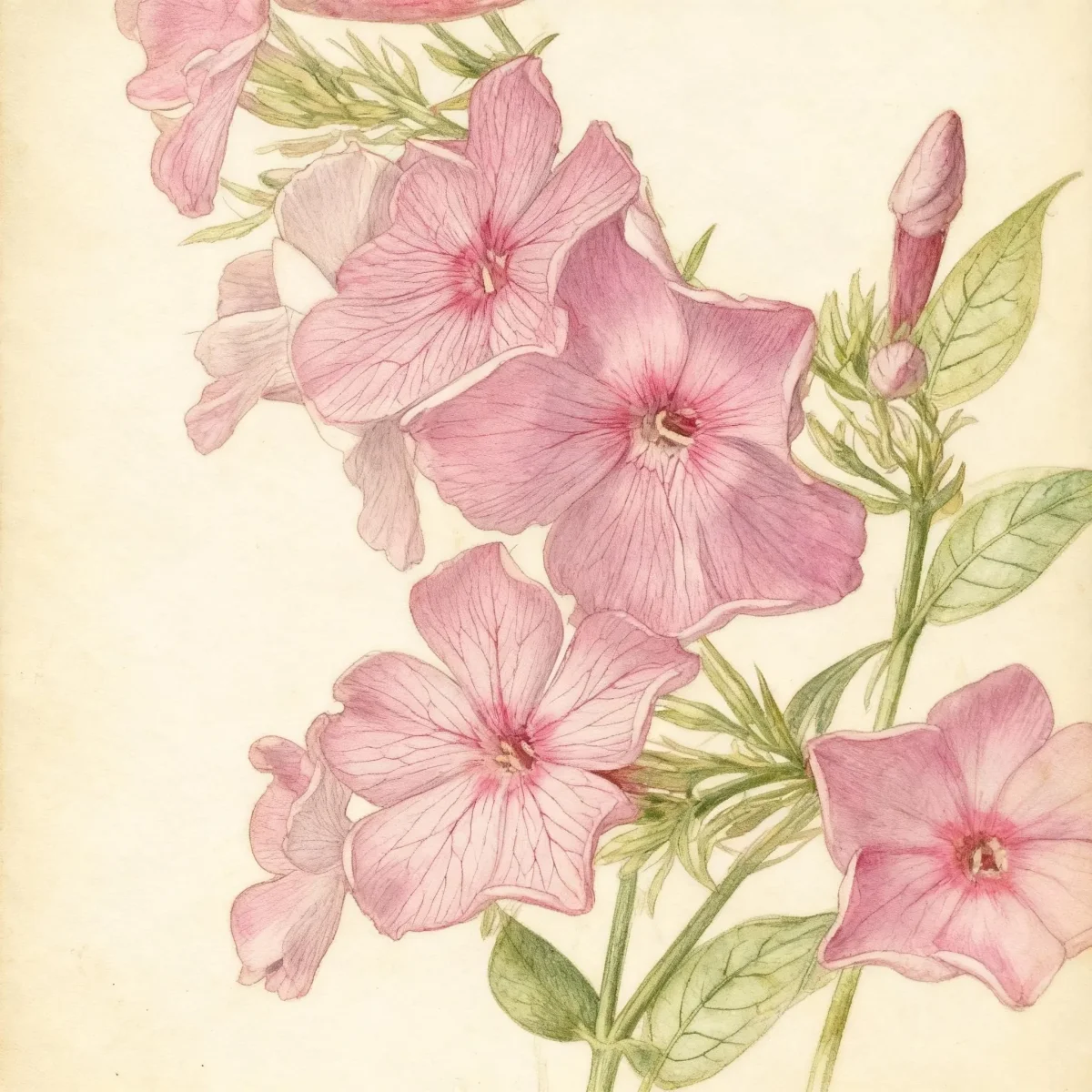
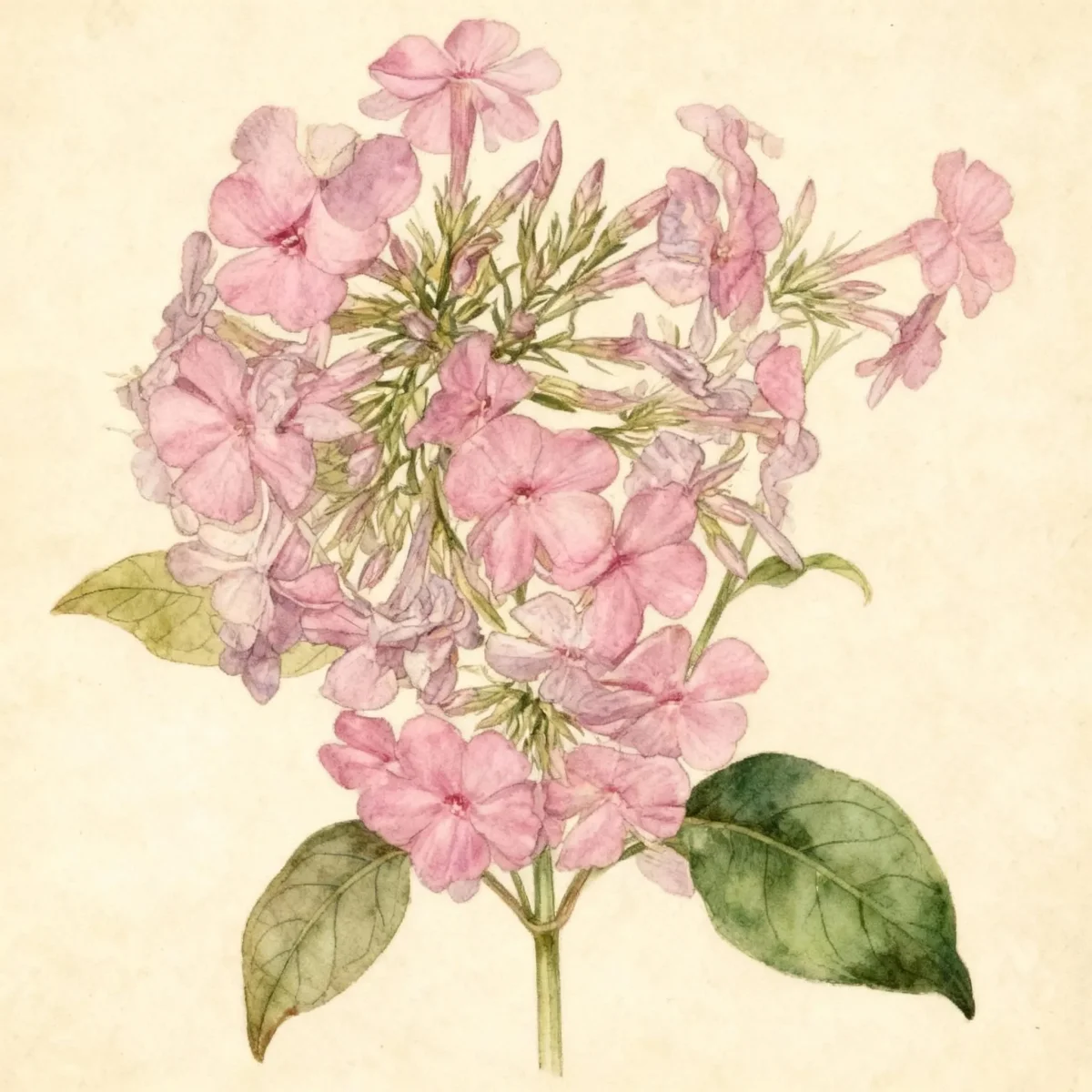
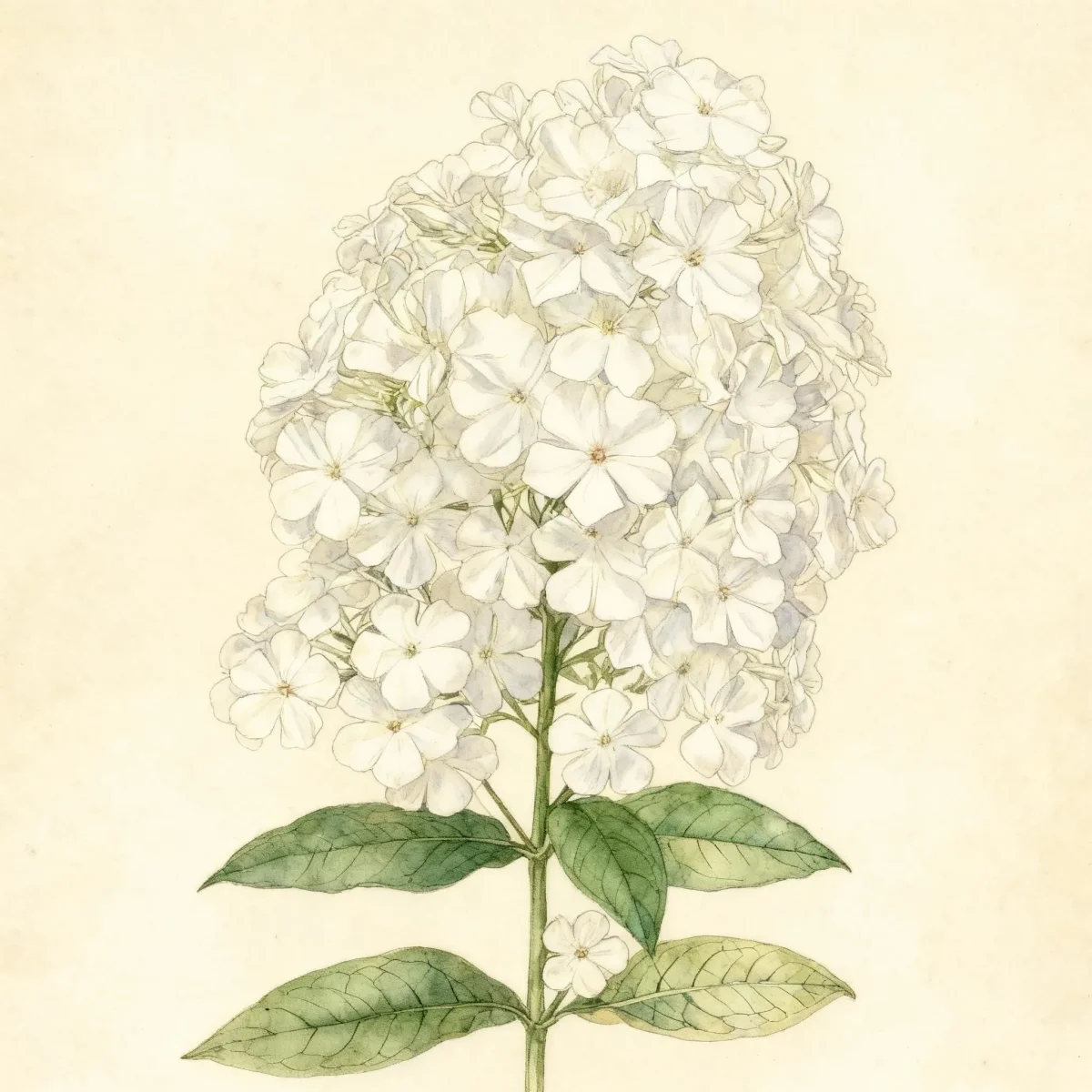
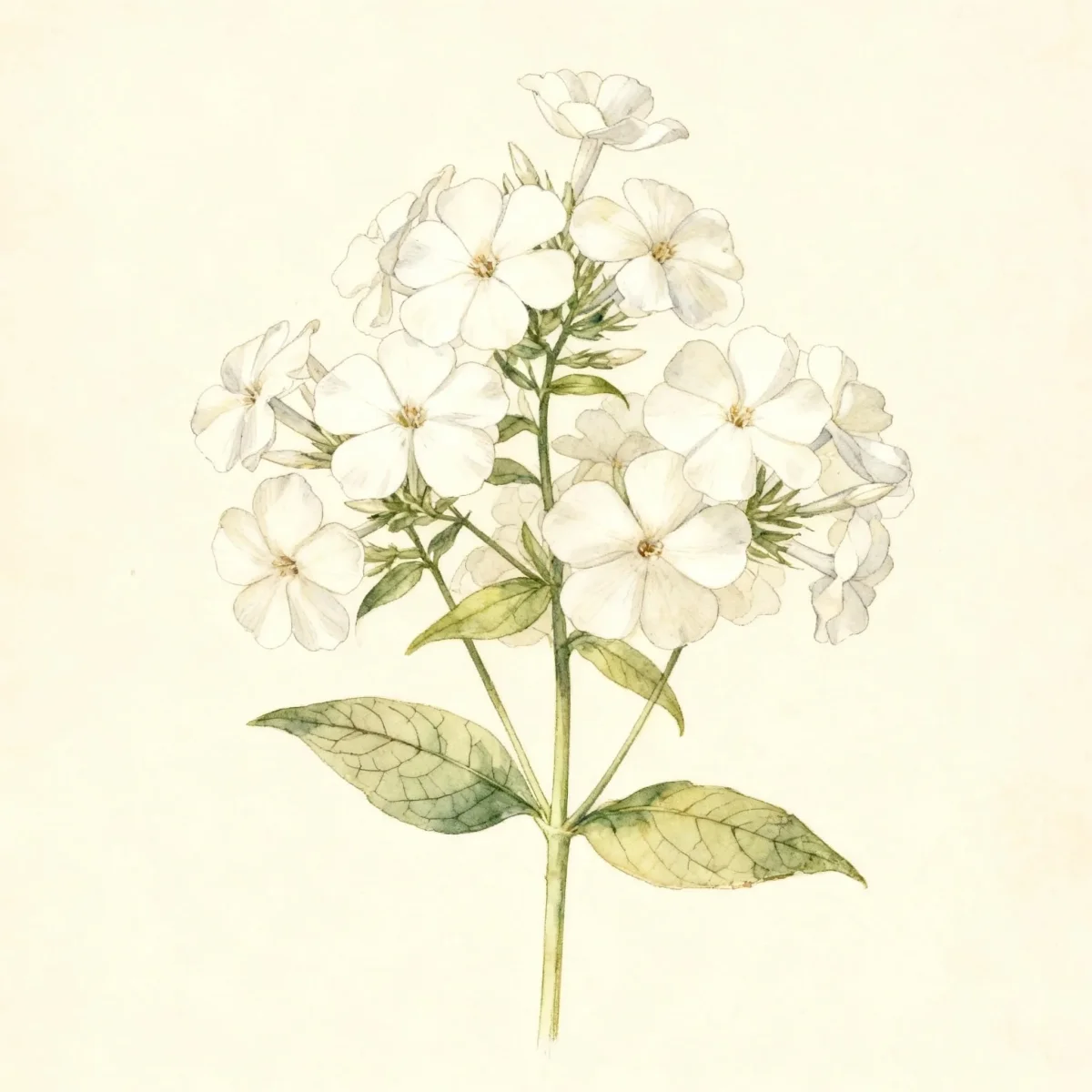
Garden phlox (Phlox paniculata 'Katherine')
Phlox paniculata 'Katherine' offers showy, fragrant lilac-blue summer blooms, ideal for perennial borders in USDA Zones 4-8.
Scroll down to discover growing tips, care requirements, companion plants, and more
Complete Plant Information
Overview
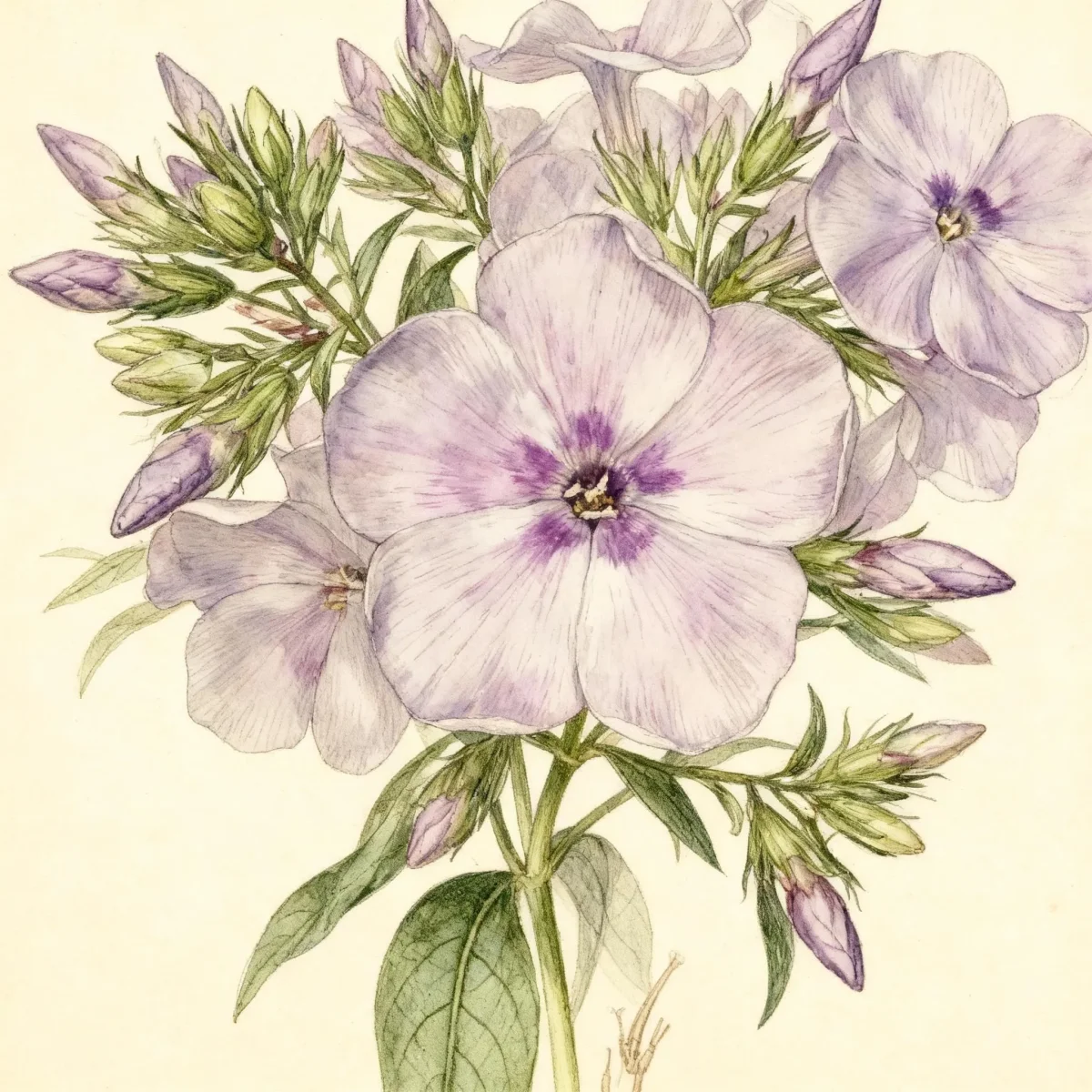
Phlox paniculata ‘Katherine’, commonly known as Garden phlox, is a highly valued choice for adding structure and late-season color to the landscape. This upright cultivar distinguishes itself with fragrant, tubular flowers displaying unique lilac-blue hues accented by a clean white central star. It reliably illuminates borders from mid-summer well into early fall, attracting desirable wildlife.
This herbaceous perennial thrives when provided with adequate moisture and good air movement, crucial factors for maintaining its health throughout the humid summer months often experienced in its native range. Garden phlox provides significant visual impact without demanding excessive height, typically reaching 2 to 2.5 feet tall.
The reliable performance and appealing floral display ensure that Phlox paniculata ‘Katherine’ remains a staple, offering excellent late-season interest for humid-climate gardeners willing to manage its basic cultural needs.
Fast Facts
- Plant Family: Polemoniaceae
- Plant Type: Herbaceous perennial
- Hardiness Zones: USDA Zones 4-8
- Size at Maturity:
- Height: 2-2.5 ft
- Spread: 1.5-2 ft
- Bloom Time: July to September
- Bloom Description: Lilac blue with white central star
- Sun Exposure: Full sun to part shade
- Water Needs: Medium
- Maintenance Level: Medium
How to Grow
Plant Phlox paniculata ‘Katherine’ in the spring or fall in moderately fertile, medium moisture, well-drained soil. While it tolerates light shade, best performance and color saturation are achieved when positioned in full sun. Garden phlox particularly appreciates rich, moist soil augmented with organic matter.
Watering should be consistent, as this plant is intolerant of drought, requiring attention during dry spells. Always avoid overhead watering, which can encourage fungal issues. Applying a summer mulch will help keep the root zone cool and conserve moisture around the base of the upright stems.
Good air circulation is essential to combat potential powdery mildew problems, so ensure plants are spaced adequately apart or thin out crowded stems as needed. To prolong the blooming period of your Garden phlox, promptly remove faded flower panicles, which also helps prevent unwanted self-seeding.
Prepare for winter by cutting the stems of Phlox paniculata ‘Katherine’ entirely to the ground after frost. Thoroughly clean up all plant debris from the area to minimize the overwintering potential for fungal spores, ensuring a healthier start next season.
Landscape Uses
Garden phlox is a quintessential component of the traditional perennial border, forming bold vertical accents among shorter, mounding plants. Its strong color and mid-to-late summer bloom time fill gaps left when early-season perennials fade.
Phlox paniculata ‘Katherine’ integrates beautifully with established companions like coneflowers (Echinacea) or black-eyed Susans (Rudbeckia), creating a vibrant layered effect. Because it is attractive to hummingbirds, incorporating this selection into a dedicated bird garden or near seating areas maximizes wildlife viewing opportunities.
This cultivar’s upright nature means it rarely requires staking if given proper space and sufficient sunlight, making it an ideal mid-border plant that provides reliable structure throughout the season.
Standout Features
Flower Qualities
- Showy
- Fragrant
Noteworthy Characteristics
Phlox paniculata, commonly known as garden phlox, is native from New York to Iowa south to Georgia, Mississippi and Arkansas. ‘Katherine’ is a garden phlox cultivar which typically grows in an upright clump to 2-2.5’ tall with fragrant, tubular flowers that are lilac blue with white central stars densely arranged in large, terminal clusters. Stiff, upright stems generally resist flopping, and the plant provides good fresh cut flower material.
Tolerances
- Deer
- Clay Soil
- Black Walnut
Potential Problems
Phlox cultivation carries a risk of several recurring issues, most notably powdery mildew, which appears as a white powdery coating on leaves, especially in humid, still air. To mitigate mildew, ensure excellent air circulation by spacing plants well and avoid overhead watering. Phlox bugs and spider mites can also plague plants, particularly during hot, dry periods. Root rot is a concern if drainage is excessively poor, emphasizing the need for well-drained media.
Frequently Asked Questions
What hardiness zones is Garden phlox suitable for?
Phlox paniculata ‘Katherine’ is reliably hardy in USDA Zones 4 through 8.
How large does Garden phlox grow?
This cultivar typically achieves a height between 2 and 2.5 feet tall with a spread of 1.5 to 2 feet wide.
When does Garden phlox bloom?
The bloom time for Garden phlox is generally from July extending through September, offering beautiful lilac blue flowers with white central stars.
What sun exposure does Garden phlox need?
Phlox paniculata ‘Katherine’ performs best in full sun, though it can tolerate light shade.
Conclusion
Phlox paniculata ‘Katherine’ is a superb addition to summer gardens, offering fragrant flower color when many other perennials are waning. Its reliability and ability to attract pollinators make this Garden phlox selection an essential mid-border plant. Before planting, confirm that your location provides the necessary sun exposure and good air circulation to ensure successful, mildew-free growth.
Companion Planting
Selecting companions that appreciate similar cultural needs—medium moisture, well-drained soil, and plenty of sun—will enhance the overall health of your border. Plants that naturally possess good airflow around their foliage help prevent moisture build-up near the phlox. Consider pairing this Garden phlox with sturdy, later-blooming companions like Russian Sage (Perovskia) for textural contrast or sturdy Coneflowers (Echinacea purpurea) which share a similar dry-soil tolerance once established.
Wildlife Benefits
One of the greatest assets of Phlox paniculata ‘Katherine’ is its strong appeal to beneficial insects and pollinators. The tubular shape and dense clusters of its flowers are specifically attractive to hummingbirds, which feed deeply on the nectar. Additionally, butterflies readily visit the blooms, making this plant highly functional in any pollinator-focused garden design. Providing consistent summer bloom ensures a reliable food source for garden visitors across several months.