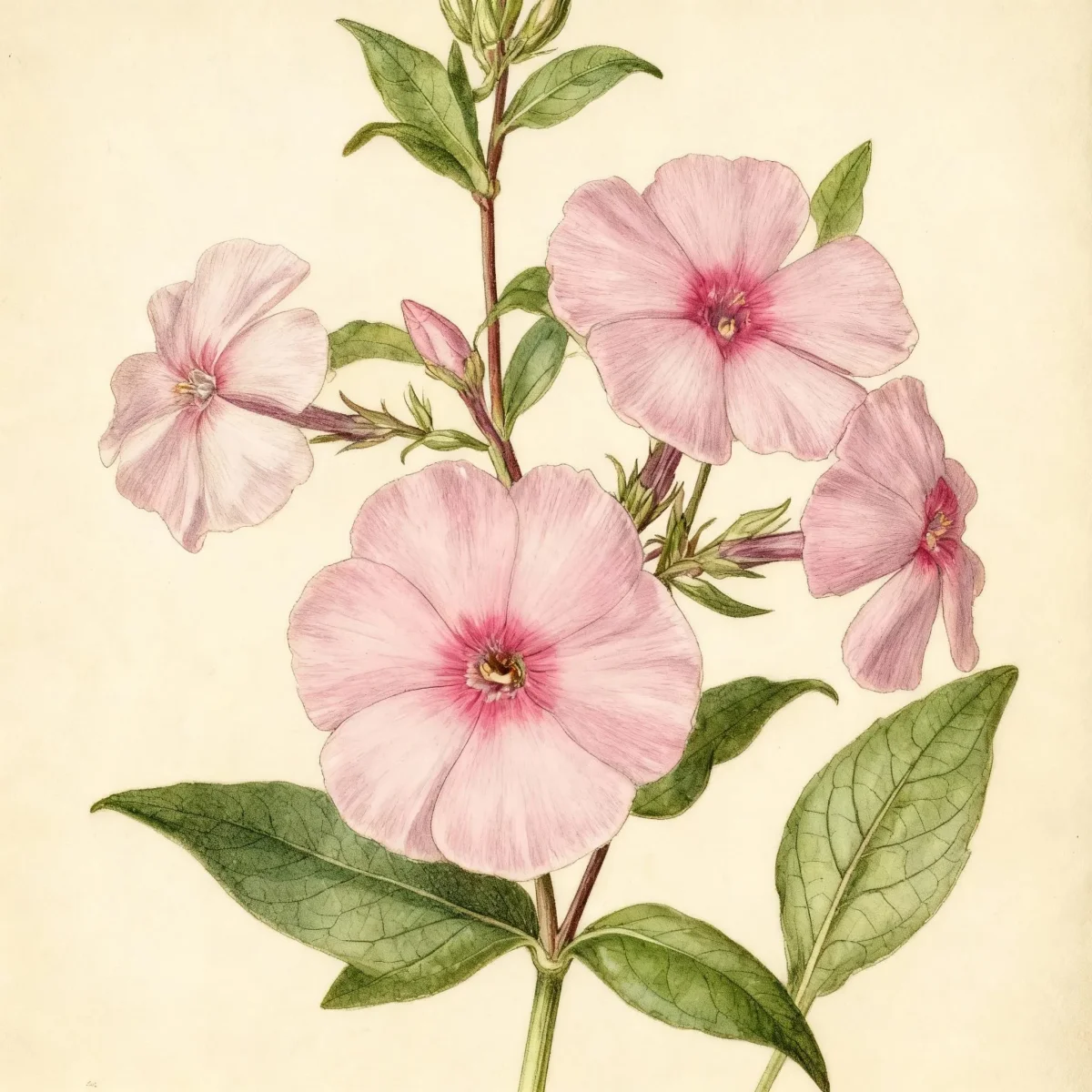
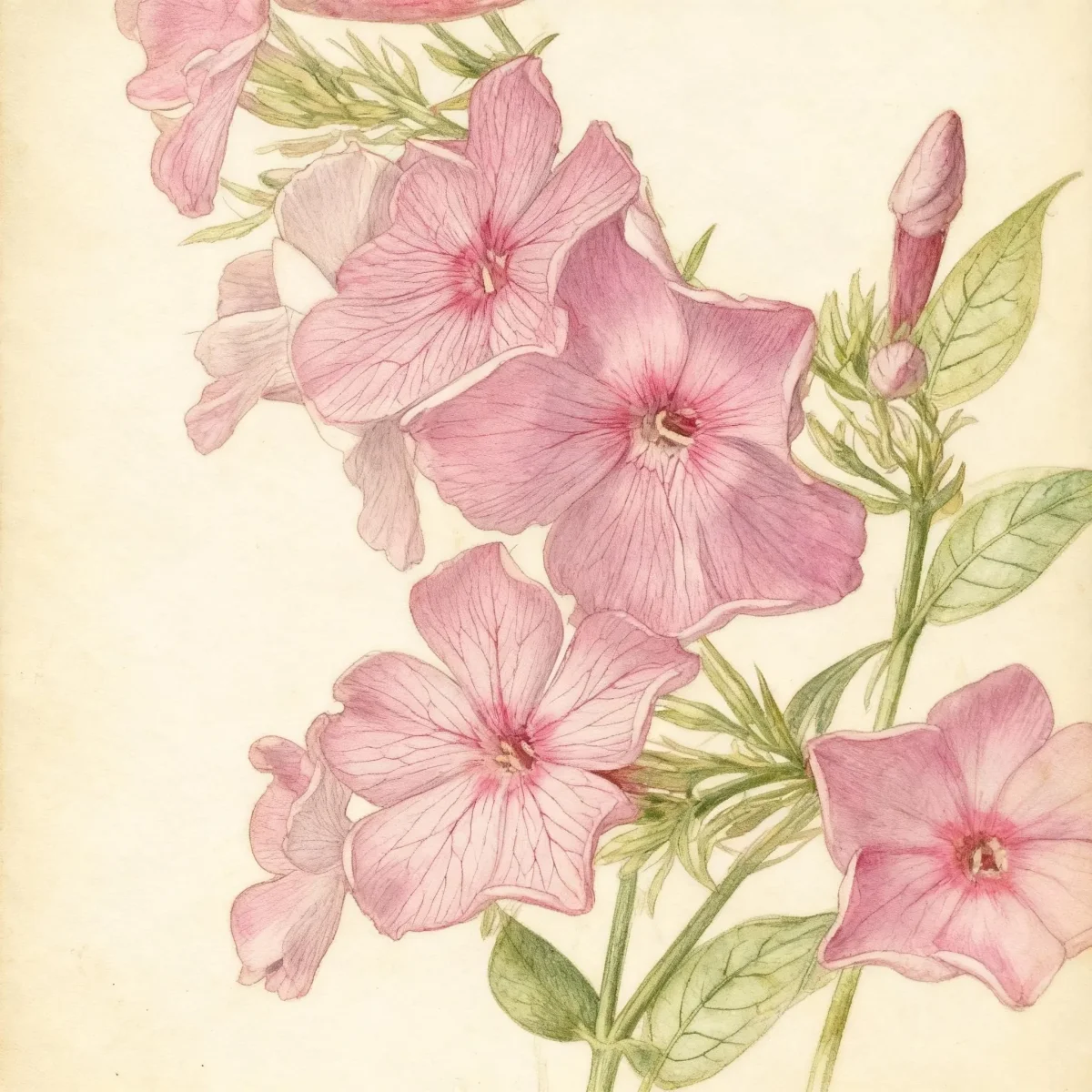
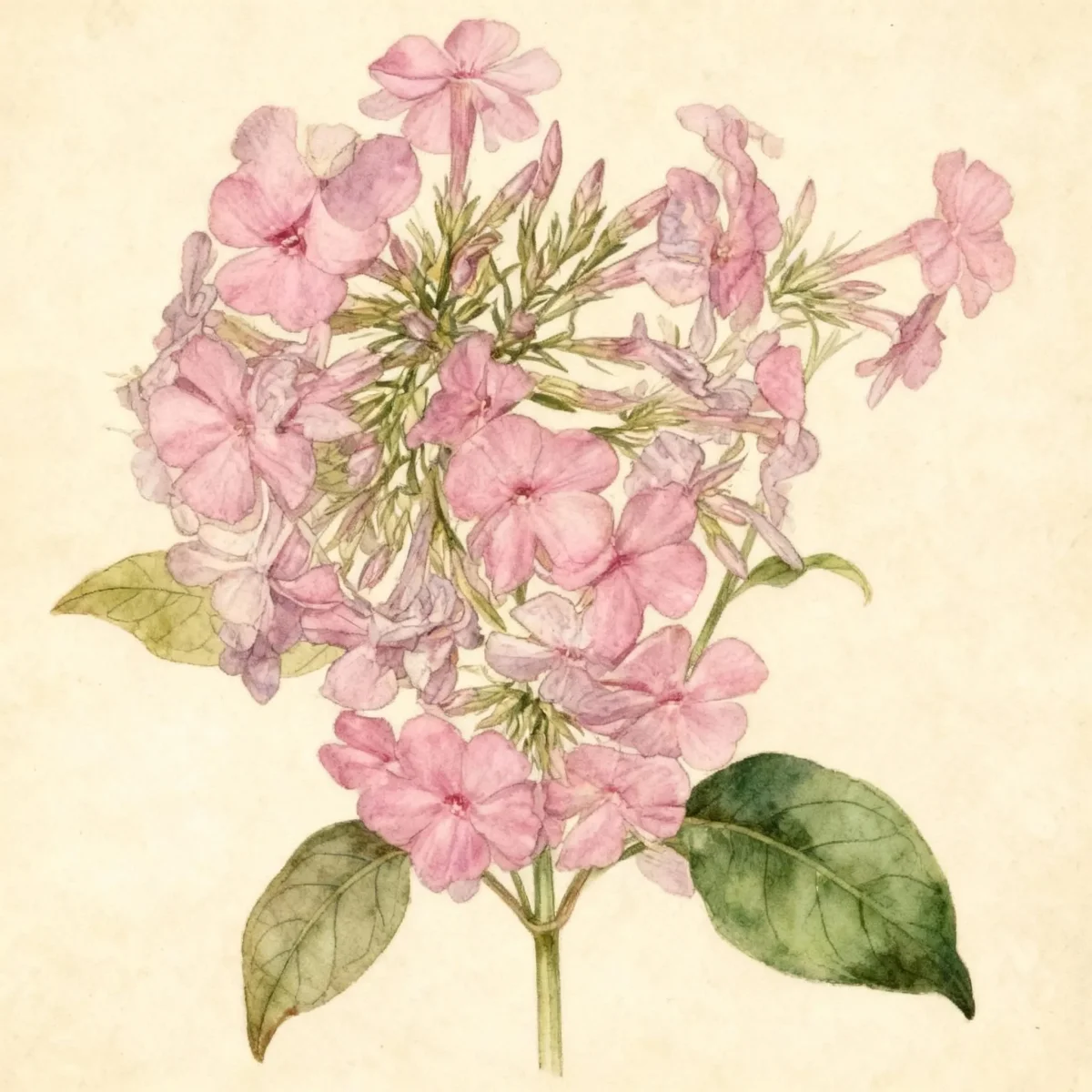
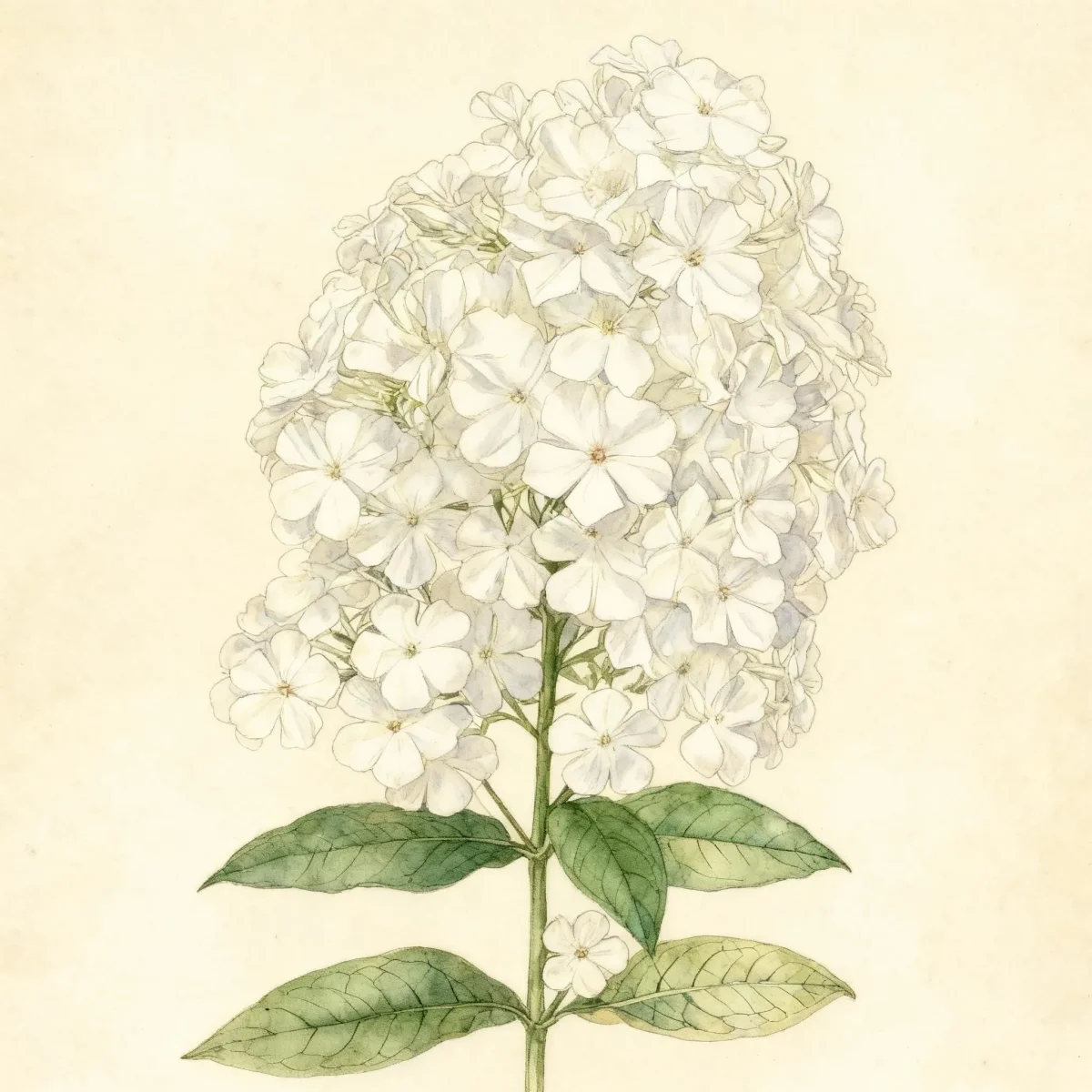
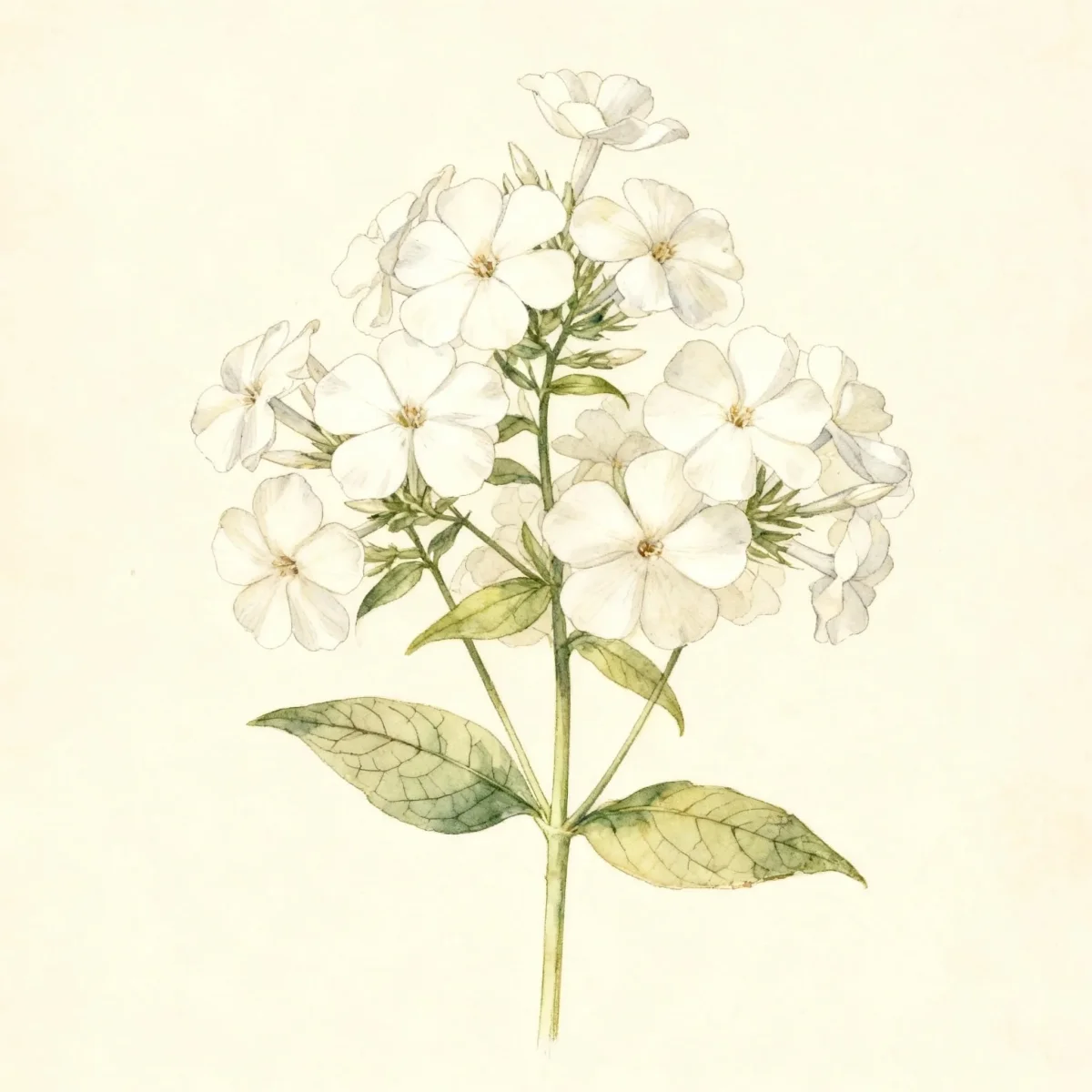
Garden phlox (Phlox paniculata 'Barfourteen' PURPLE FLAME)
Phlox paniculata 'Barfourteen' PURPLE FLAME, a dwarf Garden phlox, offers showy, fragrant purple blooms from July to September in Zones 4-8.
Scroll down to discover growing tips, care requirements, companion plants, and more
Complete Plant Information
Overview
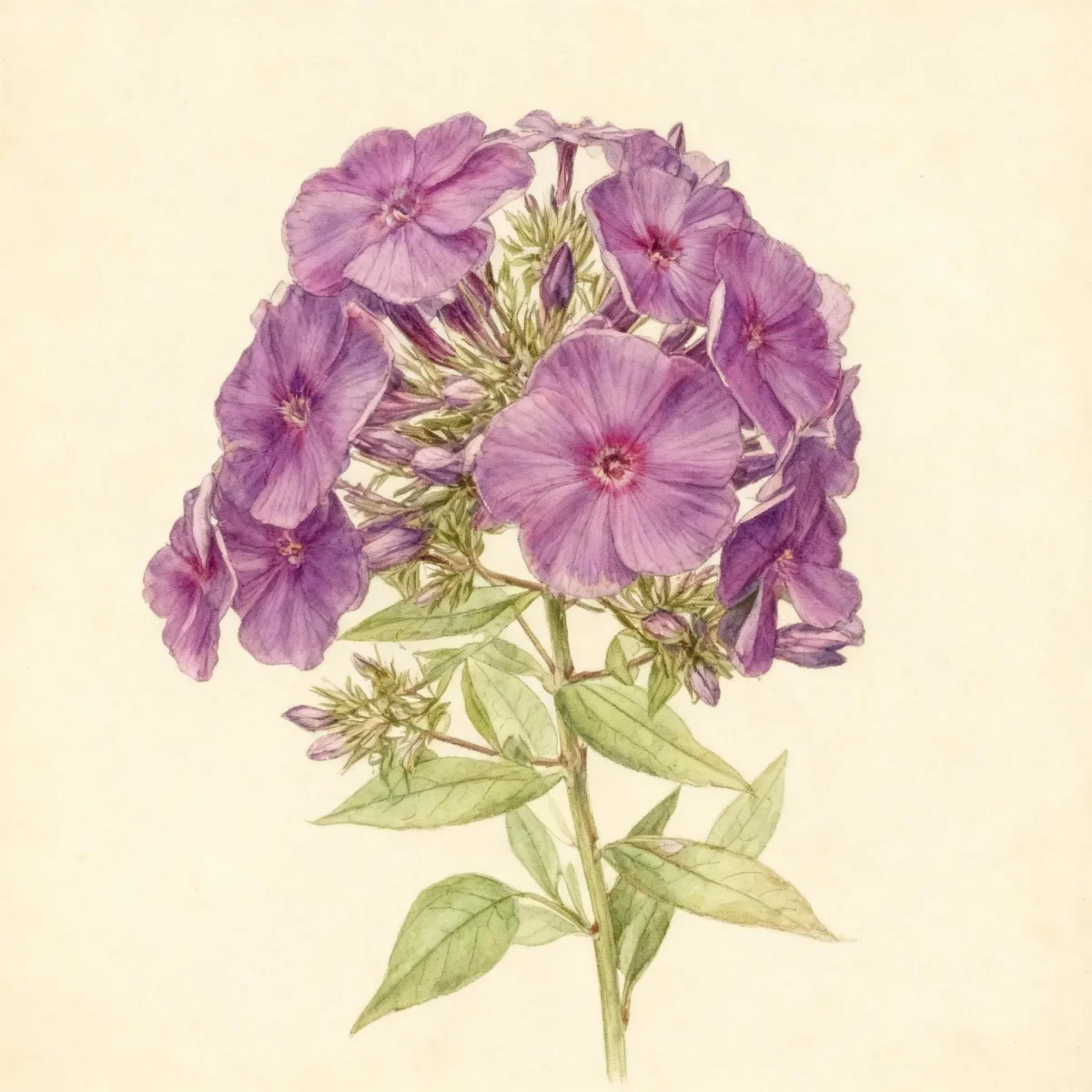
Phlox paniculata ‘Barfourteen’ PURPLE FLAME introduces a valuable dwarf structure to the classic Garden phlox lineup, providing intense summer color without excessive height. This cultivar is prized for its fragrant, showy blooms of rich purple contrasted with a small darker eye, drawing attention over a long mid-to-late summer season. As a variety of Phlox paniculata, it brings reliable perennial structure to garden beds, thriving best where it receives ample sunlight and good air movement.
This robust perennial offers significant aesthetic value, serving as a beacon for butterflies and hummingbirds throughout the warmer months. While most Garden phlox varieties reach imposing heights, the compact nature of Phlox paniculata ‘Barfourteen’ PURPLE FLAME, usually topping out around 1 to 1.5 feet, makes it highly versatile for smaller gardens or border fronts. Successful cultivation relies on providing rich, moist soil and ensuring adequate spacing to prevent common fungal issues.
Fast Facts
- Plant Family: Polemoniaceae
- Plant Type: Herbaceous perennial
- Hardiness Zones: USDA Zones 4-8
- Size at Maturity:
- Height: 1-1.5 ft
- Spread: 0.75-1 ft
- Bloom Time: July to September
- Bloom Description: Purple with small darker purple eye
- Sun Exposure: Full sun to part shade
- Water Needs: Medium
- Maintenance Level: Medium
How to Grow
Plant Garden phlox in moderately fertile, medium moisture, well-drained soil. While light shade is tolerated, this plant performs best when situated in full sun, though it appreciates climates with milder summers rather than intense heat and humidity. Ensure you space plants adequately at planting time, as good air circulation is crucial for mitigating potential issues like powdery mildew.
Water needs for established Phlox paniculata ‘Barfourteen’ PURPLE FLAME are medium; this plant is intolerant of drought and requires watering during dry spells, though overhead watering should be avoided to keep foliage dry. Apply a summer mulch to help maintain cool root zones, a benefit during hot weather. Deadheading faded flower panicles is recommended not only to encourage a longer bloom period but also to prevent unwanted self-seeding.
For winter preparation, cut the stems of your Garden phlox back to the ground once dormancy sets in. Thoroughly clean up all plant debris from the area to significantly reduce the likelihood of fungal diseases, like powdery mildew, overwintering and reinfecting the plants next spring.
Landscape Uses
Garden phlox is an indispensable staple in traditional perennial borders, mixing beautifully with co-blooming perennials to maintain continuous color and structure. The upright habit of Phlox paniculata ‘Barfourteen’ PURPLE FLAME, combined with its desirable flower color, makes it excellent for the middle or front layer of mixed borders where its long bloom time can anchor the display.
Due to its moderate, somewhat compact stature (1 to 1.5 feet tall), this cultivar is particularly useful where traditional tall garden phlox would overwhelm the design. The dwarf nature of Phlox paniculata ‘Barfourteen’ PURPLE FLAME also makes it an interesting selection for growing successfully in large pots or decorative containers, where it can be easily relocated as needed. Both standard and dwarf forms of garden phlox reliably attract hummingbirds, making them essential components for any bird-friendly garden design.
Standout Features
Flower Qualities
- Showy
- Fragrant
Noteworthy Characteristics
The species Phlox paniculata, known as garden phlox, features fragrant, tubular florets densely packed in large terminal clusters over the summer. PURPLE FLAME specifically is a dwarf cultivar reaching only 12-16 inches tall, presenting flowers that are vivid purple with small darker eyes. This cultivar is part of the phlox Flame series introduced by Bartels Stek, maintaining classic garden phlox attributes in a more manageable size.
Tolerances
- Deer
- Clay Soil
- Black Walnut
Potential Problems
Phlox cultivation requires vigilance, as this plant is susceptible to several pests and diseases that can compromise its health and appearance. Powdery mildew is a very common concern; ensuring excellent air circulation by spacing plants properly and timely cleanup in the fall are critical preventative measures. Phlox bugs can also cause damage, and spider mites may appear during hot, dry periods.
Root rot can become an issue if soil drainage is poor or if overwatering occurs, so maintain medium moisture without letting the roots sit in standing water. Should taller stems develop, staking may be required, although this dwarf cultivar seldom needs this intervention. Early treatment for pests and prompt removal of infected foliage can help manage these potential problems effectively.
Frequently Asked Questions
What hardiness zones is Garden phlox suitable for?
This particular cultivar, Phlox paniculata ‘Barfourteen’ PURPLE FLAME, is suited for USDA Hardiness Zones 4 through 8.
How large does Phlox paniculata ‘Barfourteen’ PURPLE FLAME grow?
This dwarf cultivar typically reaches a height between 1 and 1.5 feet tall, with a spread ranging from 0.75 to 1 foot wide, making it compact for borders.
What sun exposure does Garden phlox need?
Garden phlox performs best in full sun but tolerates locations that receive part shade.
When does Phlox paniculata ‘Barfourteen’ PURPLE FLAME bloom?
This variety blooms reliably from July through September, offering purple flowers marked with a small darker purple eye.
Conclusion
Phlox paniculata ‘Barfourteen’ PURPLE FLAME offers vibrant, late-season color and delightful fragrance in a compact, manageable size ideal for modern gardens. This excellent dwarf addition to the Garden phlox family resists overwhelming height while still attracting beneficial pollinators. Before installation, confirm that your location falls within USDA Zones 4-8 and plan for adequate space to ensure good air circulation for the best performance from your new planting.
Companion Planting
When designing your perennial border around Phlox paniculata ‘Barfourteen’ PURPLE FLAME, select companions that appreciate similar growing conditions—rich, moist soil and full to partial sun. Plants with contrasting foliage texture, such as hostas or ferns, can soften the upright lines of the phlox in areas receiving part shade. For full sun locations, consider pairing it with daylilies (Hemerocallis) or black-eyed Susans (Rudbeckia), whose contrasting yellow and orange tones beautifully complement the purple hues of the Garden phlox.
Wildlife Benefits
Garden phlox varieties are renowned for their attractiveness to wildlife, especially during mid-to-late summer when many other spring blooms have faded. The long corolla tubes of the florets are perfectly shaped to be attractive to butterflies, which are major pollinators in the garden ecosystem. Additionally, the dense flower clusters serve as a reliable nectar source that draws in hummingbirds searching for energy throughout the heat of the season.