Garden phlox (Phlox paniculata 'Bartwelve' PINK FLAME)
Vibrant Phlox paniculata 'Bartwelve' PINK FLAME offers fragrant, showy pink blooms from July to September in Zones 4-8.
Scroll down to discover growing tips, care requirements, companion plants, and more
Complete Plant Information
Overview
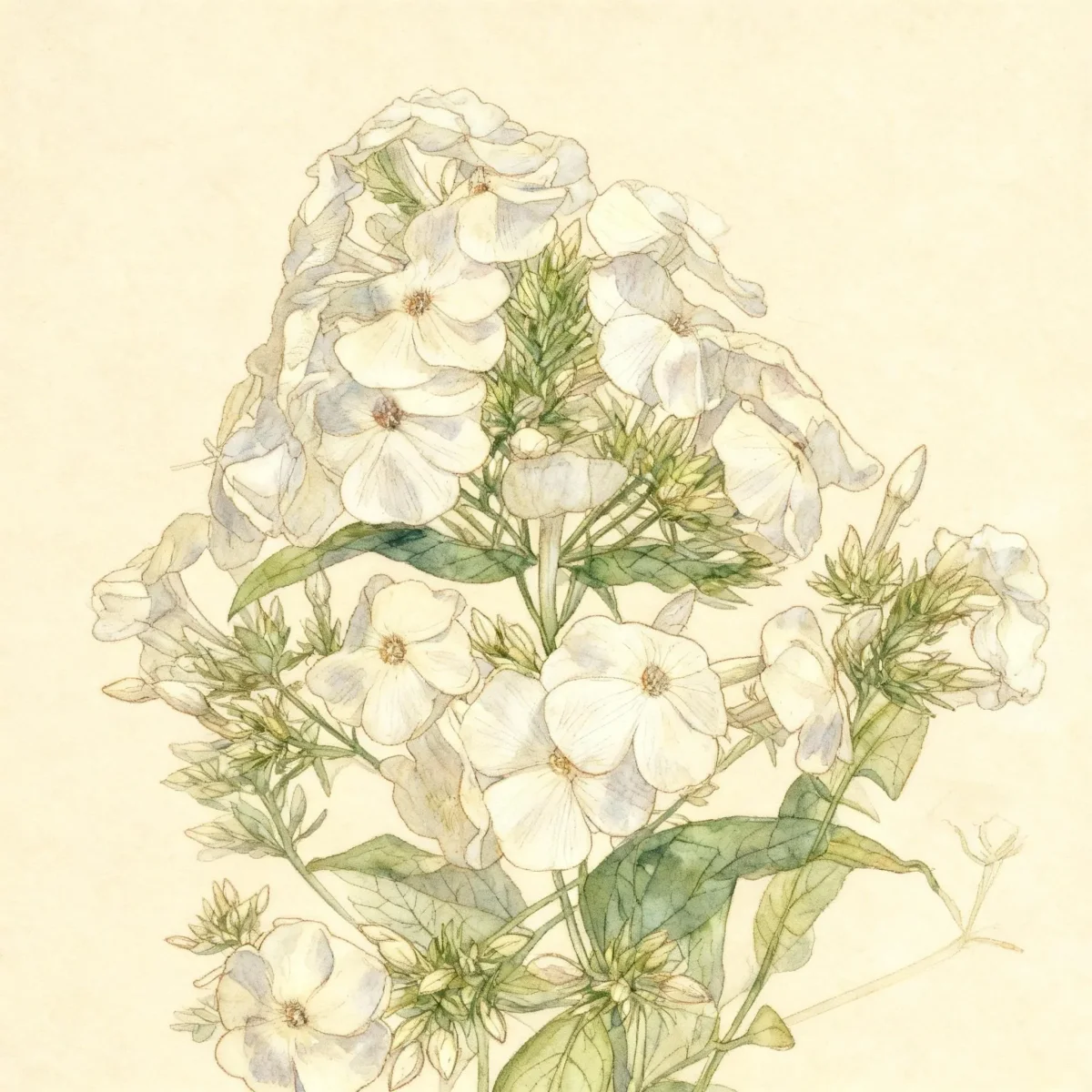
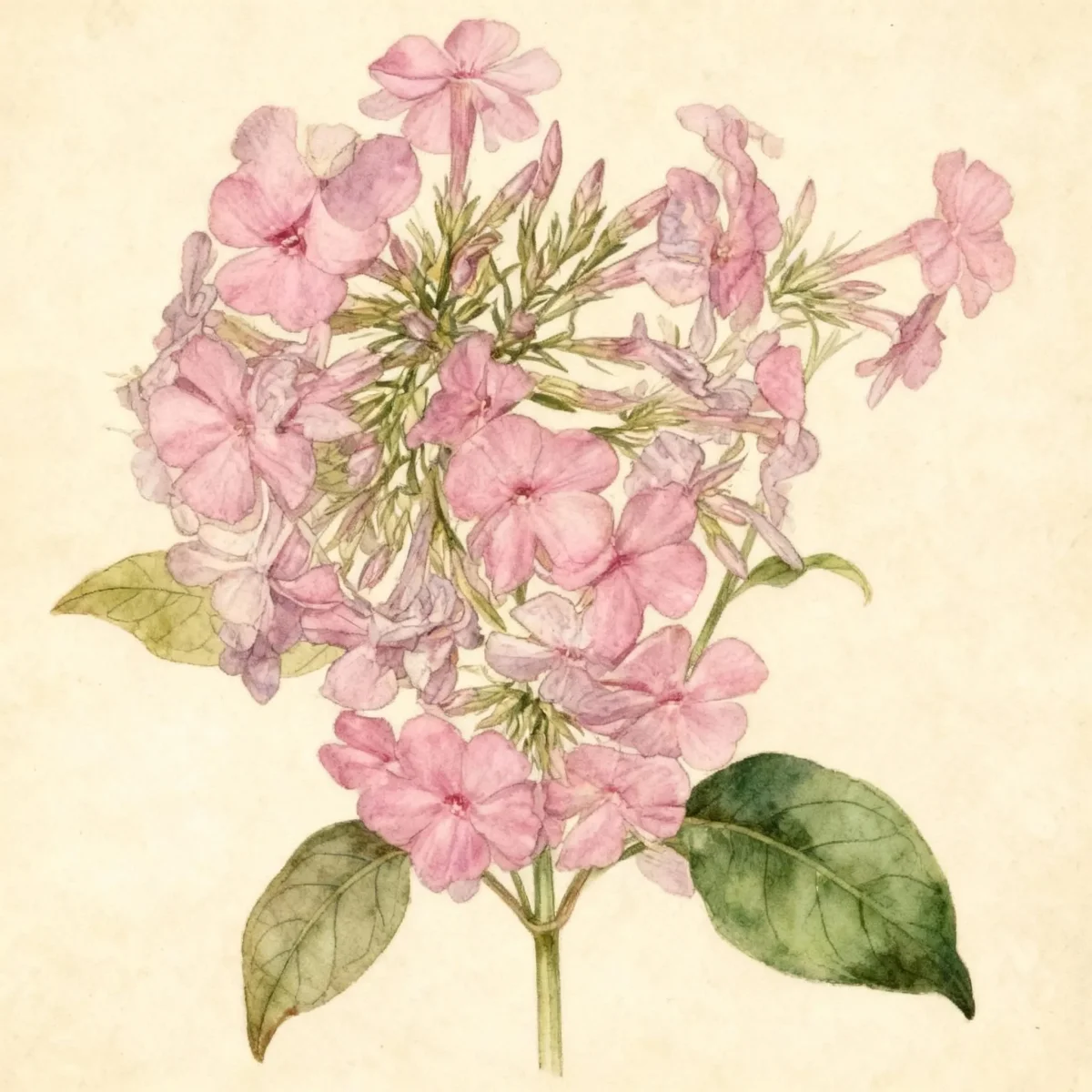
Phlox paniculata ‘Bartwelve’ PINK FLAME, a sought-after dwarf cultivar of Garden phlox, brings reliable, vibrant color to the mid-to-late summer garden. This variety is highly valued for its compact architecture, typically remaining under 1.5 feet, making it perfect for borders where taller varieties might overwhelm surrounding plants. Garden phlox, in general, is celebrated for its large terminal clusters of intensely fragrant, tubular flowers that serve as a vital nectar source late in the season.
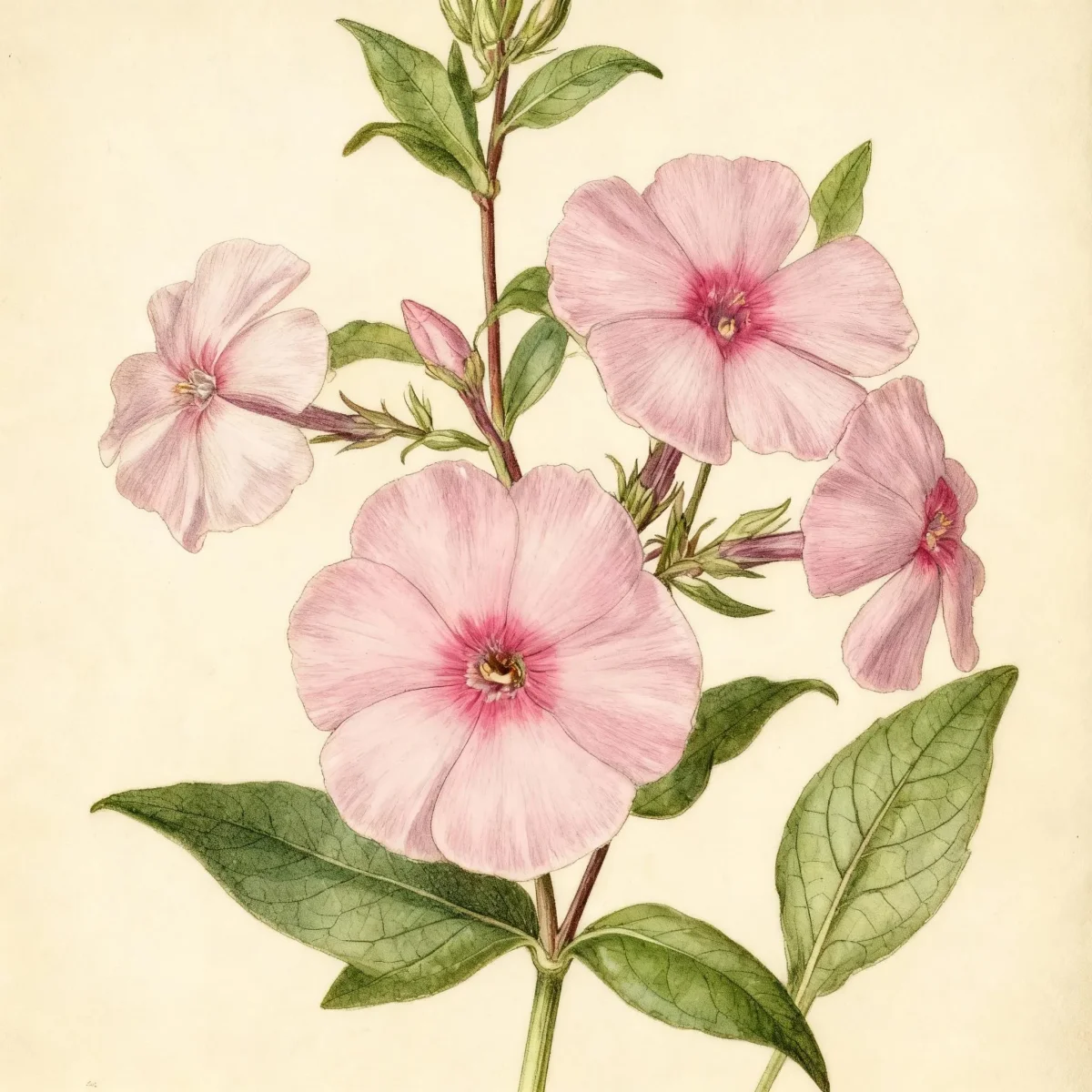
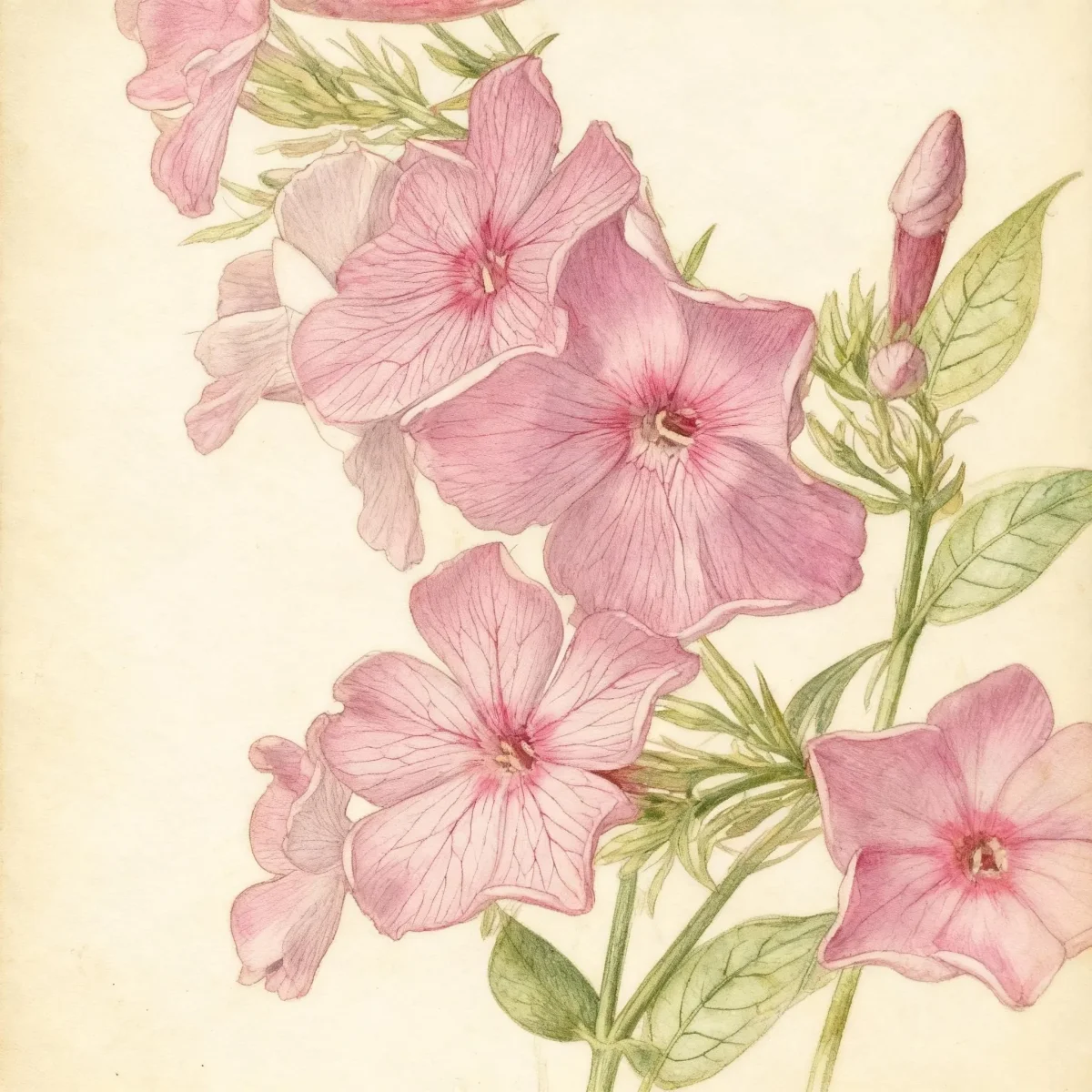
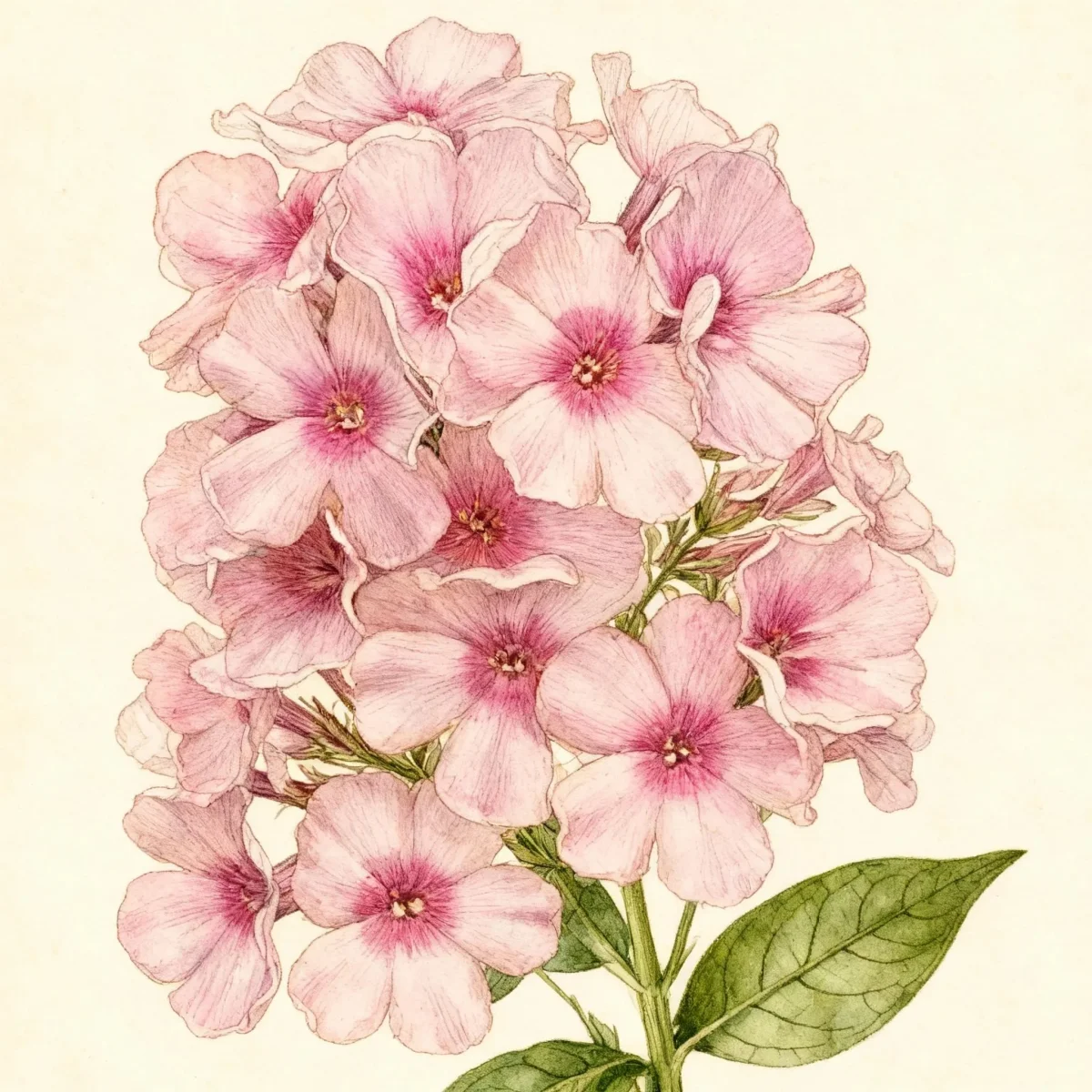
This specific offering, Phlox paniculata ‘Bartwelve’ PINK FLAME, produces stunning deep pink florets accented by a small, darker pink eye, creating visual interest as it blooms consistently from July through September. While its smaller size is a key benefit, like all Garden phlox, it still requires good air circulation and consistent moisture management to ensure a healthy display and minimize potential powdery mildew issues.
The appeal of Garden phlox extends beyond its aesthetic qualities; it is effective at attracting butterflies and hummingbirds, establishing it as an essential component for ecologically minded gardeners. Choosing a mildew-resistant cultivar like Phlox paniculata ‘Bartwelve’ PINK FLAME ensures lower maintenance and season-long enjoyment in the perennial landscape.
Fast Facts
- Plant Family: Polemoniaceae
- Plant Type: Herbaceous perennial
- Hardiness Zones: USDA Zones 4-8
- Size at Maturity:
- Height: 1-1.5 ft
- Spread: 0.75-1 ft
- Bloom Time: July to September
- Bloom Description: Pink with small darker pink eye
- Sun Exposure: Full sun to part shade
- Water Needs: Medium
- Maintenance Level: Medium
How to Grow
Planting Garden phlox thrives when established in the spring or early fall in locations receiving full sun for the best performance, though light shade is tolerated. Success depends on utilizing moderately fertile, medium moisture, well-drained soil. Garden phlox particularly prefers rich, moist, organic soils and performs best in climates with mild summers, struggling in intense, prolonged heat and humidity.
Ongoing care centers on moisture and air management. Phlox paniculata ‘Bartwelve’ PINK FLAME is intolerant of drought, requiring watering during dry spells, but absolutely avoid overhead watering, which encourages fungal diseases. Adequate spacing is crucial; ensure good air circulation between plants and consider thinning out inner stems if the plant becomes too dense, as this is the best defense against powdery mildew. A summer mulch helps keep the roots cool and conserves moisture.
For seasonal clean-up, summer deadheading of faded flower panicles will help prolong the bloom period of your Phlox paniculata ‘Bartwelve’ PINK FLAME and prevent unwanted self-seeding. In late fall or winter, cut the spent stems completely to the ground and meticulously clean up all surrounding plant debris to minimize overwintering fungal spores, ensuring a healthier start next spring.
Landscape Uses
Garden phlox remains an undeniable staple for structuring the traditional perennial border. The reliable height and long bloom time provided by cultivars like Phlox paniculata ‘Bartwelve’ PINK FLAME ensure continuous mid-to-late season interest, pairing beautifully with mid-summer bloomers like coneflowers or later asters. This plant mixes exceedingly well with other perennials that share similar cultural needs regarding moisture and soil richness.
Given the dwarf stature of Phlox paniculata ‘Bartwelve’ PINK FLAME, it excels where space is at a premium or height control is necessary. Its compact form makes it an excellent choice for the front or middle of borders where its mass of colorful blooms can be appreciated without dominating. Furthermore, its small size makes it an interesting and rewarding selection for growing successfully in pots or containers on patios.
Regardless of the specific color chosen, Garden phlox is universally attractive to nature’s helpers. Including this plant ensures your garden becomes a valuable stop for both hummingbirds and various butterflies seeking late summer nectar supplies.
Standout Features
Flower Qualities
- Showy
- Fragrant
Noteworthy Characteristics
Phlox paniculata, commonly known as garden phlox, has variants native to eastern North America, though many modern cultivars like PINK FLAME are highly bred garden selections. The genus name translates to “flame,” referencing the intense colors found across the group. The specific cultivar, PINK FLAME (original name ‘Bartwelve’), is a dwarf introduction, growing only 12-16 inches tall, featuring dense, pyramidal clusters of pink flowers with distinct darker pink eyes on stiff stems that rarely require staking compared to their taller cousins.
Tolerances
- Deer
- Clay Soil
- Black Walnut
Potential Problems
Garden phlox is sometimes challenging to grow perfectly, primarily due to susceptibility to fungal issues. Powdery mildew remains the most common complaint, appearing as a dusty white coating on leaves, especially when air circulation is restricted or humidity is high. To combat this proactively, ensure good spacing and always avoid overhead watering.
Pests such as phlox bugs can cause distorted growth or blotch the foliage, while spider mites can become problematic during hot, dry periods. Root rot is another serious concern, usually indicating poor soil drainage where water persistently pools around the roots. Choosing the right location with excellent drainage and medium fertility is key to avoiding most common issues with Phlox paniculata ‘Bartwelve’ PINK FLAME.
Frequently Asked Questions
What hardiness zones is Garden phlox suitable for?
Garden phlox, including Phlox paniculata ‘Bartwelve’ PINK FLAME, is typically suitable for USDA Zones 4-8. Always confirm your local hardiness before planting.
How large does Phlox paniculata ‘Bartwelve’ PINK FLAME grow?
This dwarf cultivar usually reaches a height between 1 and 1.5 feet tall, with a spread ranging from 0.75 to 1 foot wide across stiff, upright stems.
When does Garden phlox bloom?
This plant provides reliable color from July through September, featuring characteristic pink blooms with small darker pink eyes.
What sun exposure does Phlox paniculata ‘Bartwelve’ PINK FLAME need?
For the most robust flowering and best plant health, aim for full sun exposure, though it can tolerate light shade.
Conclusion
Phlox paniculata ‘Bartwelve’ PINK FLAME offers gardeners a highly rewarding mid-summer display characterized by intensely fragrant, showy flowers in a manageable, compact form. Its resilience to deer and clay soil makes it a versatile addition to many landscapes, provided cultural needs for moisture and air circulation are met. Evaluate your garden’s sun exposure and confirm you fall within USDA Zones 4-8 to ensure this excellent Garden phlox cultivar thrives for years to come.
Companion Planting
Selecting appropriate companions helps manage the cultural needs shared by Garden phlox, particularly the requirement for rich, consistently moist, well-drained soil. Plants that fill in around the base or tolerate similar sunny/part-shade conditions work best. Consider pairing Phlox paniculata ‘Bartwelve’ PINK FLAME with plants that bloom earlier or later to ensure season-long color interest.
Good structural companions include ornamental grasses that provide texture contrast and excellent air movement around the lower stems, which is vital for disease prevention. Daylilies (Hemerocallis) are excellent partners, flourishing in sun and moisture while offering vastly different foliage textures. For late-season overlap, consider pairing this pink phlox with Asters or Sedum ‘Autumn Joy’.
Water-wise companions that still appreciate regular feeding, such as Baptisia or certain varieties of Salvia, can be successfully integrated, provided the phlox receives its necessary medium hydration. Grouping your Phlox paniculata ‘Bartwelve’ PINK FLAME with plants that share its need to avoid overhead moisture helps maintain overall garden health.
Wildlife Benefits
The genus Phlox is renowned in horticultural circles for its strong attraction to pollinators, and the fragrant blooms of Garden phlox are no exception. The nectar-rich, tubular flowers are perfectly structured for long-tongued insects and winged visitors alike, making this a crucial plant for supporting local ecosystems.
It is highly effective at drawing in butterflies, which rely on continuous nectar sources throughout the warmer months. Furthermore, this plant fulfills requirements for a good bird garden selection, as the flowers provide energy for hummingbirds whose feeding season often extends well into early fall.
By incorporating Phlox paniculata ‘Bartwelve’ PINK FLAME into your landscape, you are directly contributing to local pollinator pathways with a reliable, beautiful source of late-summer food.