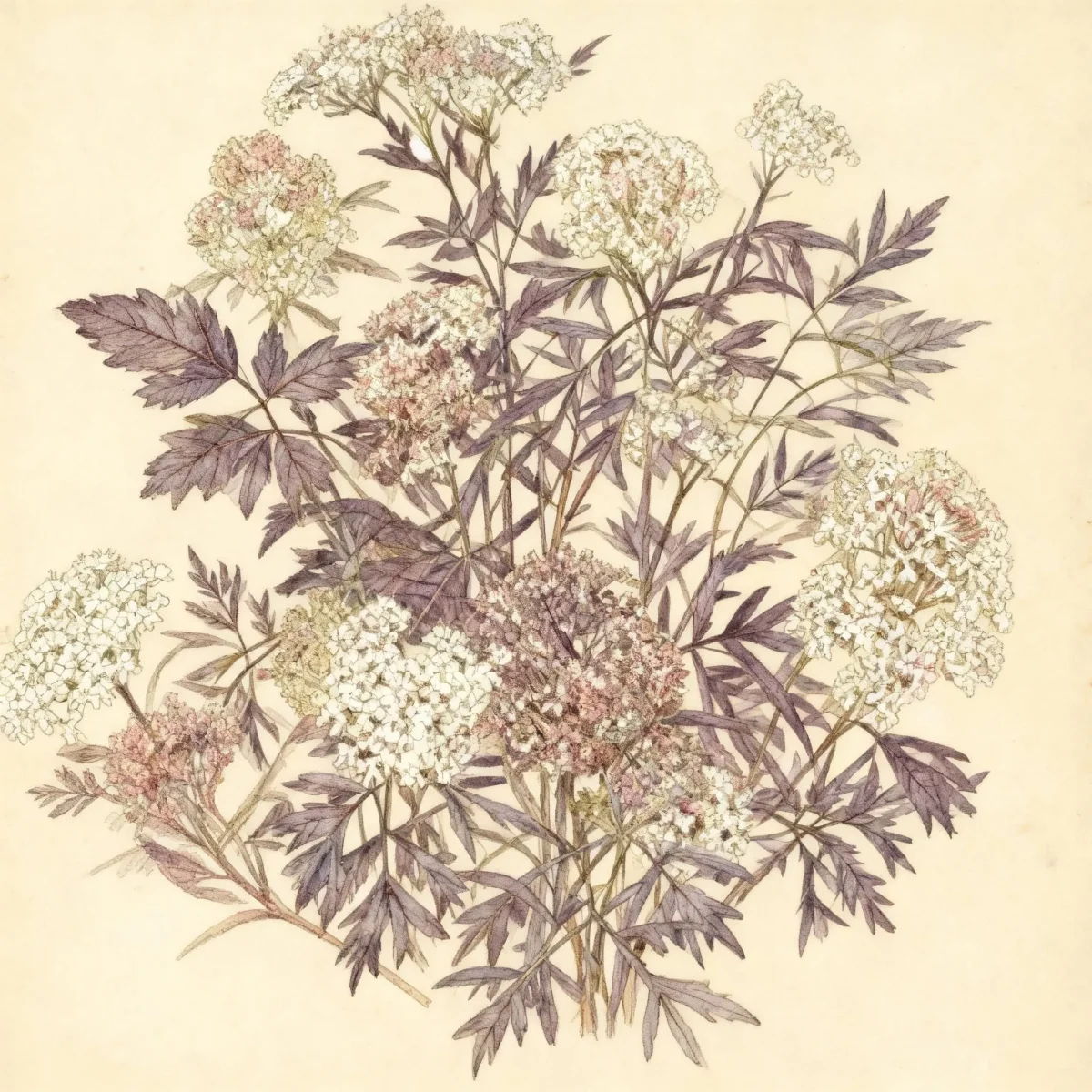
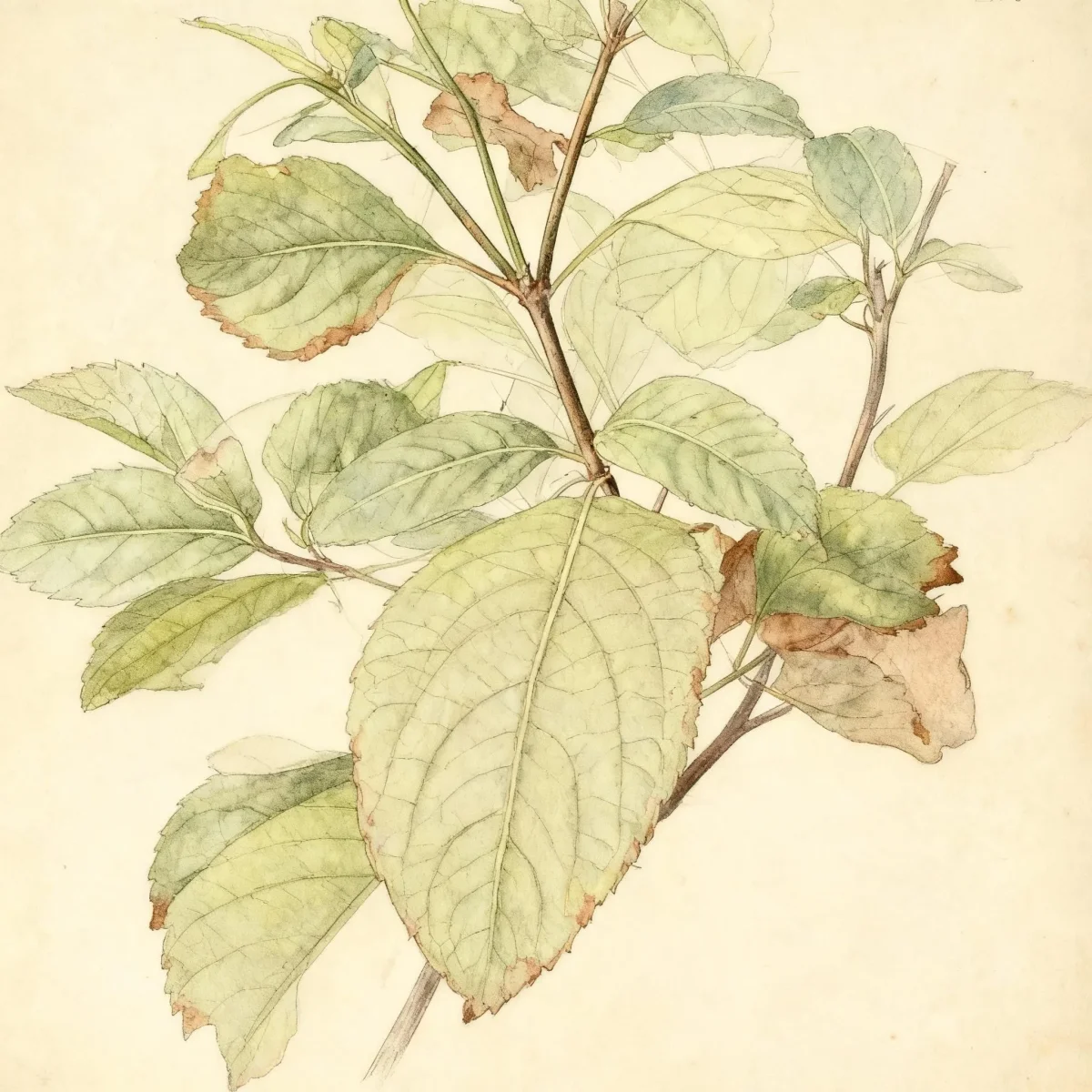
Smooth witherod (Viburnum nudum 'Winterthur')
Viburnum nudum 'Winterthur' is a low-maintenance deciduous shrub offering fragrant spring flowers and striking blue-black fruit.
Scroll down to discover growing tips, care requirements, companion plants, and more
Complete Plant Information
Overview
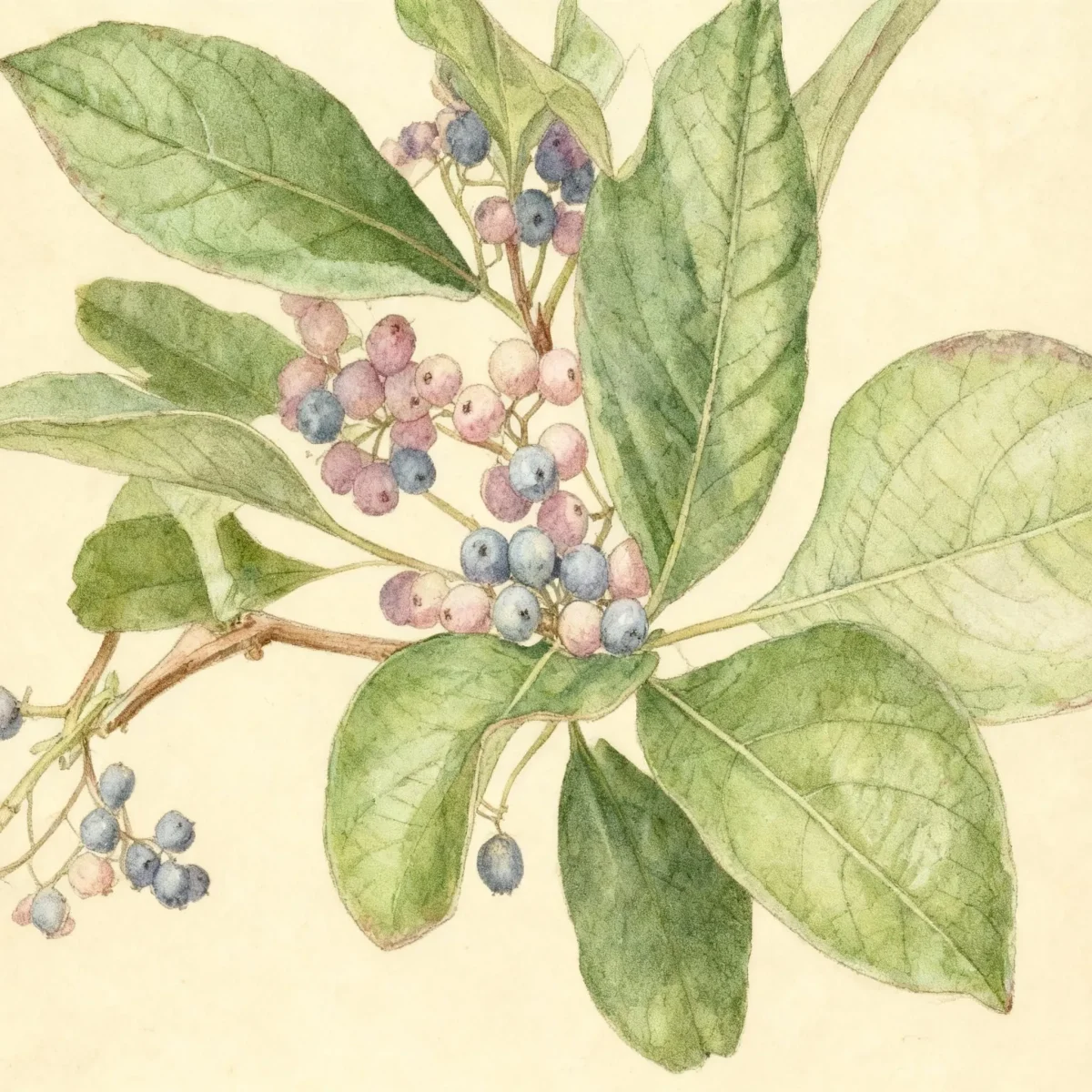
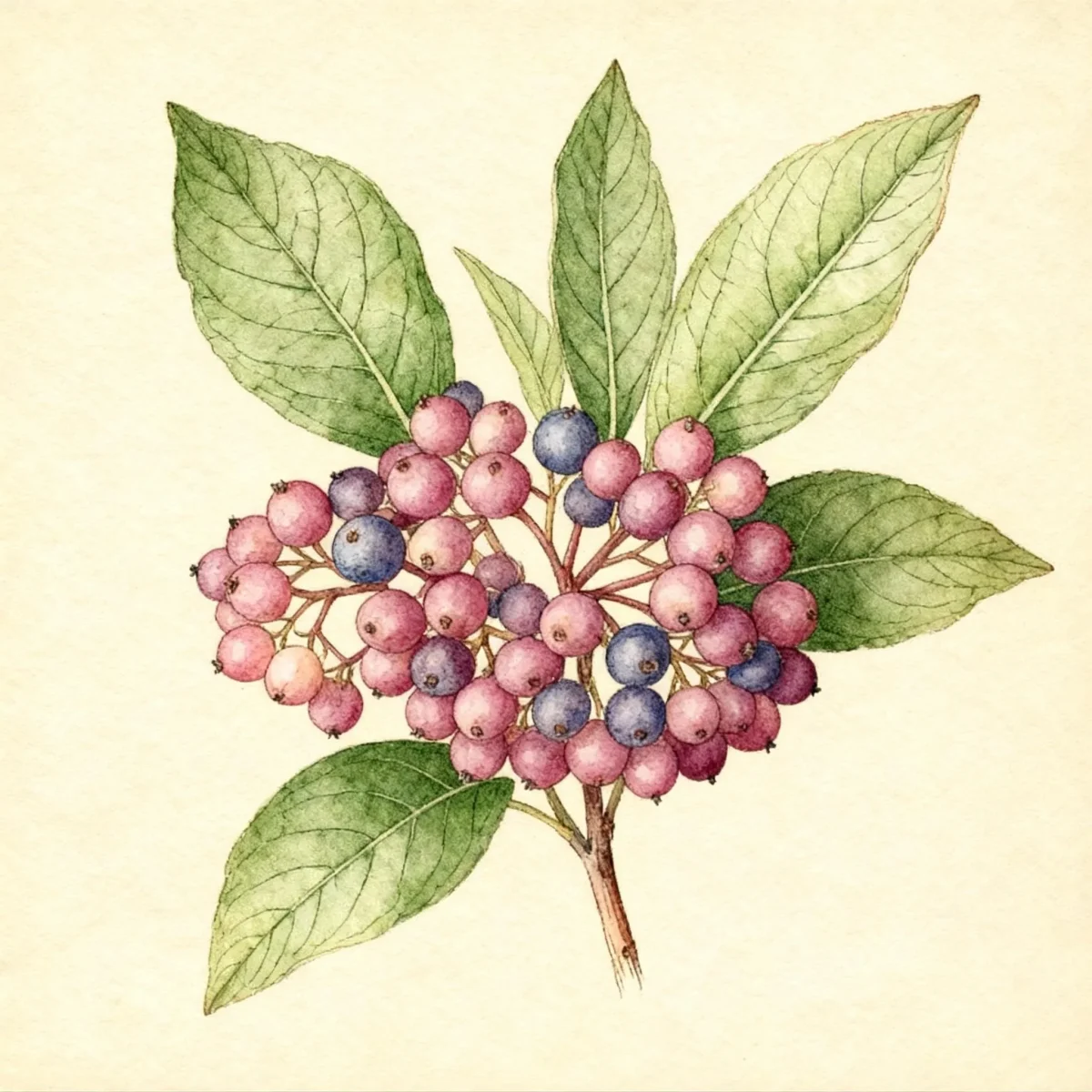
Viburnum nudum ‘Winterthur’ is a highly adaptable deciduous shrub revered for its seasonal interest, making it a standout choice for challenging landscape situations. This cultivar of Smooth witherod develops highly fragrant, showy white flowers in spring, which mature into unique fruit clusters that display pink, blue, and purplish-black tones simultaneously in late summer. Its upright-spreading form and glossy foliage provide excellent texture throughout the growing season.
This specific cultivar, often simply called Smooth witherod, is known for being compact, typically reaching around 6 feet tall in cultivation, though the species can range up to 12 feet. It thrives in conditions ranging from full sun to part shade and is particularly valuable because of its tolerance for moist to wet soils. Viburnum nudum ‘Winterthur’ offers substantial aesthetic and functional benefits, requiring minimal attention once established.
Gardeners appreciate the compound interest provided by the blossoms, followed by the persistent, multi-hued berries which offer striking contrast against the dark green leaves. Providing both beauty and tolerance for moist sites, the Viburnum nudum ‘Winterthur’ is an essential native selection for sustainable and engaging landscape design.
Fast Facts
- Plant Family: Adoxaceae
- Plant Type: Deciduous shrub
- Hardiness Zones: USDA Zones 5-9
- Size at Maturity:
- Height: 5-12 ft
- Spread: 5-12 ft
- Bloom Time: April to May
- Bloom Description: White
- Sun Exposure: Full sun to part shade
- Water Needs: Medium to wet
- Maintenance Level: Low
How to Grow
Plant Viburnum nudum ‘Winterthur’ during the spring or fall for the best establishment rates. Ideal locations feature average, medium-to-wet, well-drained soil, though this versatile shrub tolerates boggy conditions well. Ensure the planting site provides at least partial sunlight to encourage the best flowering and fruiting display.
Maintenance for this Smooth witherod is delightfully low. Watering needs are medium to wet, reflecting its preference for consistently moist sites; established plants still benefit from deep watering during dry spells, especially in hotter climates. Fertilization is rarely required if the soil quality is adequate.
Pruning should be kept minimal, ideally only in the fall to shape the shrub as needed. Be cautious about heavy pruning after flowering, as this risks removing the developing fruit structures that provide late-season color. For the most prolific fruit set on your Viburnum nudum ‘Winterthur’, plant multiple specimens to ensure adequate cross-pollination.
Landscape Uses
The adaptability of Viburnum nudum ‘Winterthur’ allows it to serve multiple roles in the landscape. It functions beautifully as an informal hedge or screen due to its upright, multi-stemmed habit, thriving particularly well in the peripheries of water features like ponds or streams where consistent moisture is present. As a choice for rain gardens, it capitalizes on its preference for damp soil.
Consider grouping several shrubs together for specimen planting or for use in shrub borders where seasonal layering is desired. Because the berries are attractive, planting near foundational elements or along woodland edges where the fruit can be viewed from a distance enhances its visibility. Its tolerance for various soil types makes it an excellent, reliable choice for stabilizing low spots in the yard.
Standout Features
Flower Qualities
- Showy
- Fragrant
Fruit Qualities
- Showy
- Edible
Noteworthy Characteristics
Viburnum nudum, commonly called smooth witherod, is a rounded, multi-stemmed, upright-spreading, deciduous shrub that typically grows in the wild to 5-12’ tall and as wide. It features aromatic white flowers arranged in flat-topped clusters in May-June, followed by clusters of ovoid berries that ripen from light pink to deep pink to blue to purplish-black, providing multi-toned interest. The cultivar ‘Winterthur’ is a compact introduction, noted for having somewhat glossier leaves than the species and winning the Pennsylvania Horticultural Society Gold Medal.
Tolerances
- No data available
Potential Problems
Viburnum nudum ‘Winterthur’ is generally robust and rarely suffers from serious insect or disease problems, making it a reliable selection for low-maintenance gardening. Routine monitoring is always recommended, but significant chemical interventions are usually unnecessary for this hardy shrub.
Frequently Asked Questions
What hardiness zones is Smooth witherod suitable for?
Viburnum nudum ‘Winterthur’ is suitable for USDA Hardiness Zones 5 through 9.
How large does Viburnum nudum ‘Winterthur’ grow?
This cultivar typically reaches 5 to 12 feet in height and spreads between 5 and 12 feet wide, although it is known for being more compact in cultivation.
What sun exposure does Smooth witherod need?
This shrub performs well, offering good flowering and fruiting, in locations receiving full sun or part shade.
When does Viburnum nudum ‘Winterthur’ bloom?
It blooms in the mid-to-late spring, generally from April to May, producing clusters of white flowers.
Conclusion
The combination of highly fragrant spring flowers and late-season fruit display makes the Viburnum nudum ‘Winterthur’ a truly valuable addition to nearly any garden setting, especially those with moist soil conditions. Its reliable nature and low maintenance requirements simplify landscape planning. Assess your site’s moisture levels and zone compatibility to successfully incorporate this excellent native selection.
Companion Planting
When planning plantings around Smooth witherod, focus on species that share a preference for moist soils and can complement its spring/fall aesthetic. Ferns provide excellent, fine-textured shade underneath taller specimens, while moisture-loving perennials such as Blue Flag Iris (Iris versicolor) or Swamp Milkweed (Asclepias incarnata) echo the wet soil needs. Grouping it with other reliable natives like various Dogwood cultivars (Cornus species) that also tolerate wet feet can create a dynamic, low-maintenance woodland edge.
Seasonal Care Calendar
Spring preparation for Viburnum nudum ‘Winterthur’ involves checking soil moisture as the weather warms after the last frost; supplemental water may be needed before the major bloom period. Summer care centers on monitoring for prolonged drought, although this shrub prefers wet conditions; avoid heavy mulching directly against the stems. Early fall is the ideal time for minor corrective pruning if shaping is required, ensuring buds for the following year’s flowers remain intact. Winter protection is usually unnecessary in its designated hardiness range, but a layer of mulch can help stabilize soil temperatures around the root zone if planted near the colder edge of Zone 5.