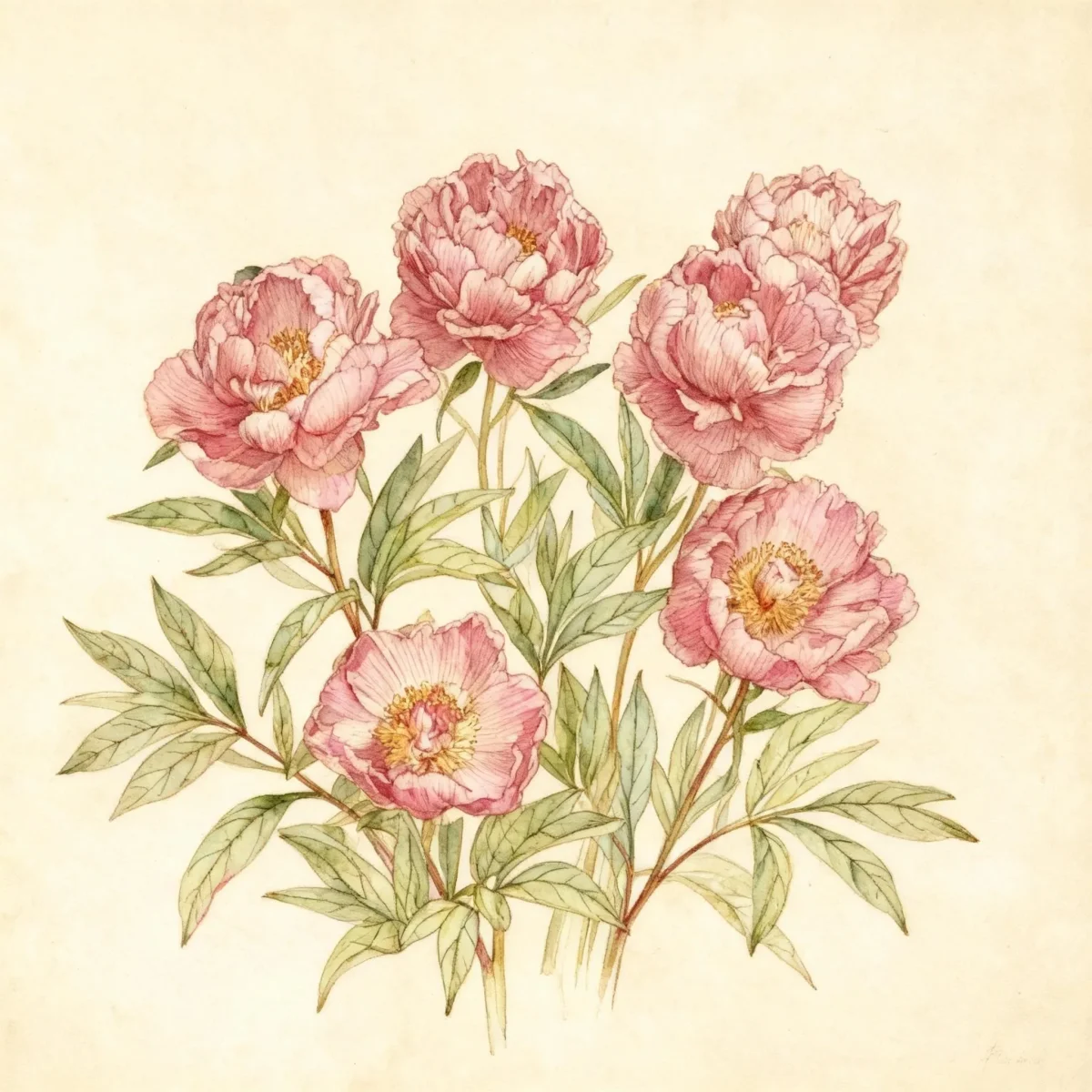
Peony (Paeonia 'America')
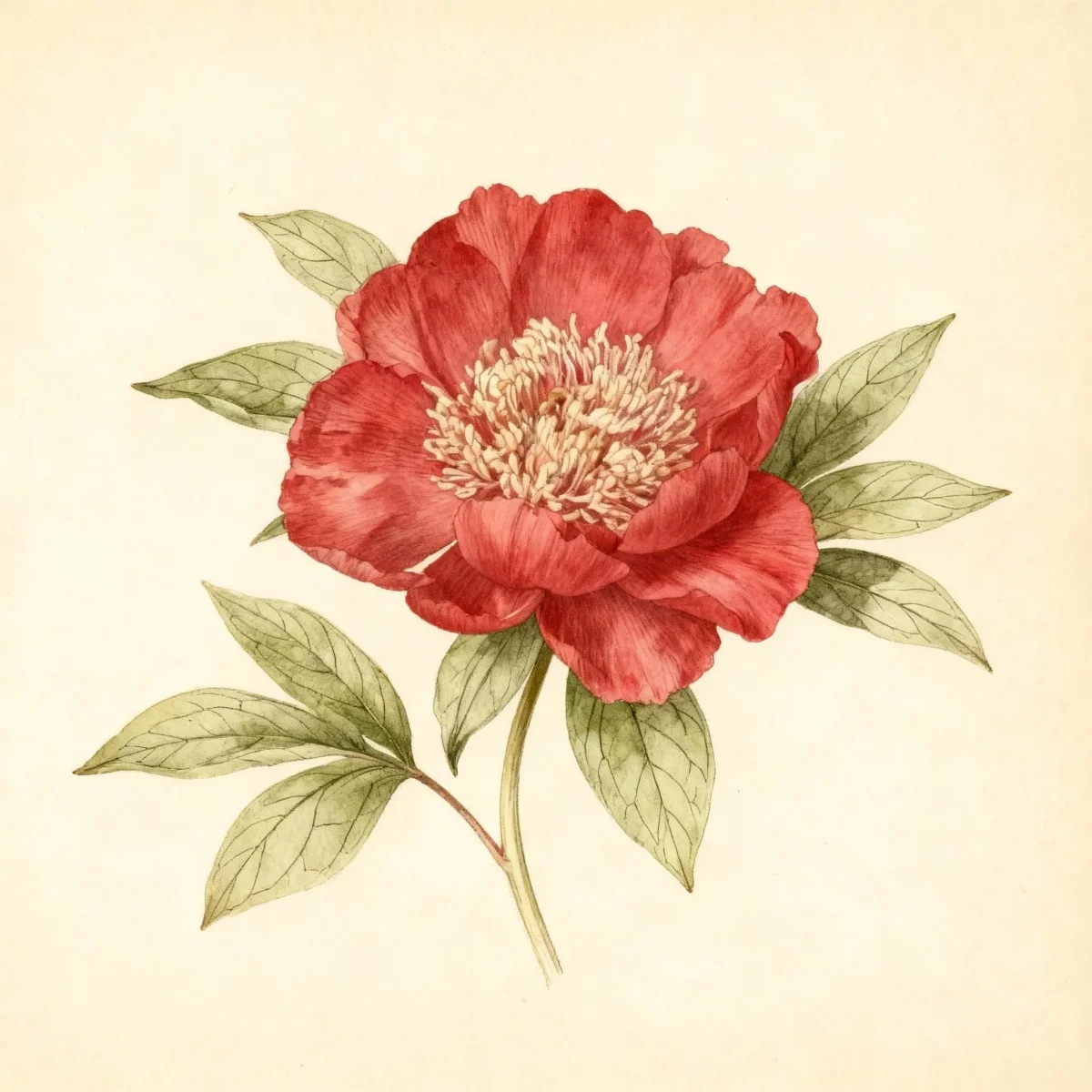
Paeonia 'America' is a showy herbaceous perennial Peony producing brilliant red, single blooms in May. Ideal for zones 3-8.
Scroll down to discover growing tips, care requirements, companion plants, and more
Complete Plant Information
Overview
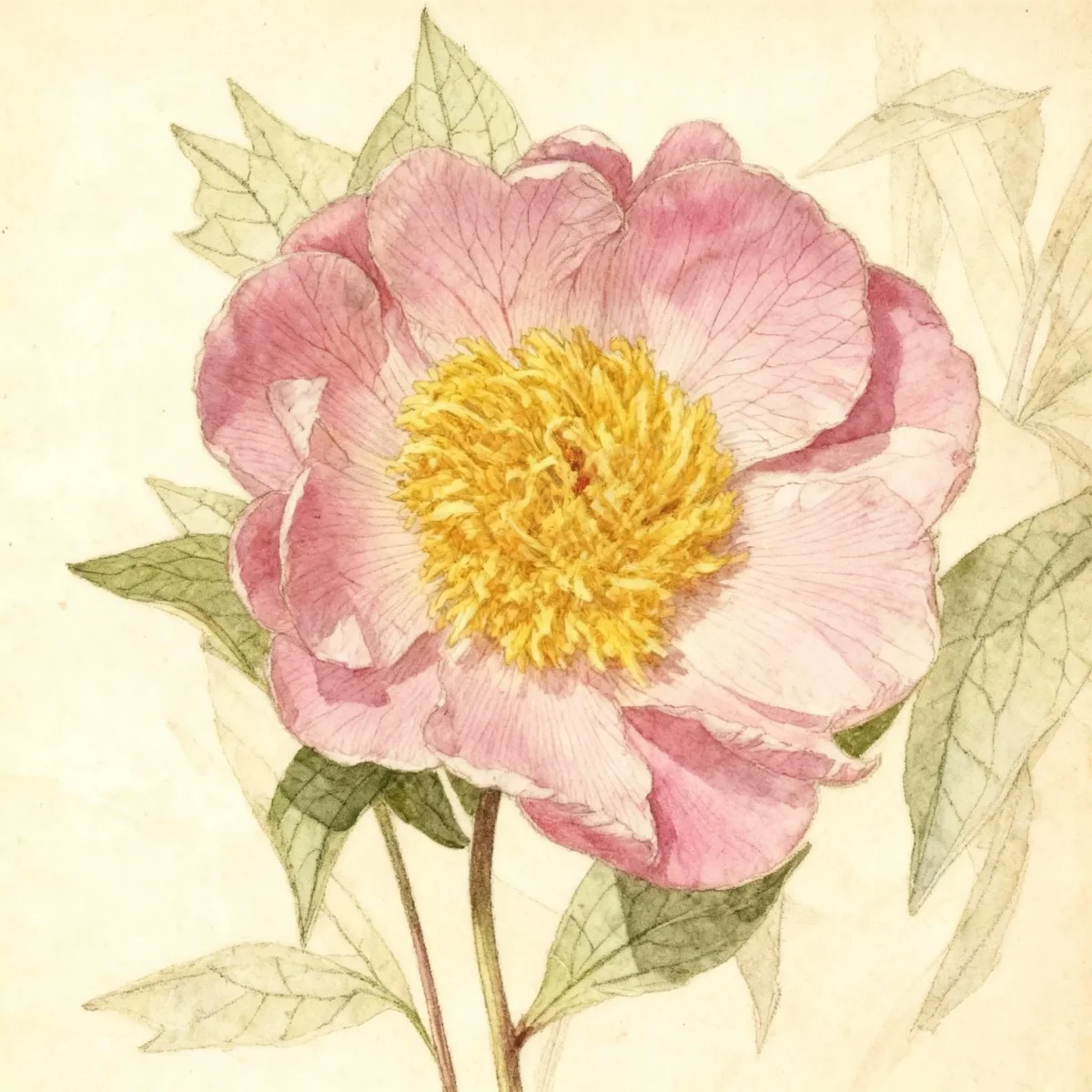
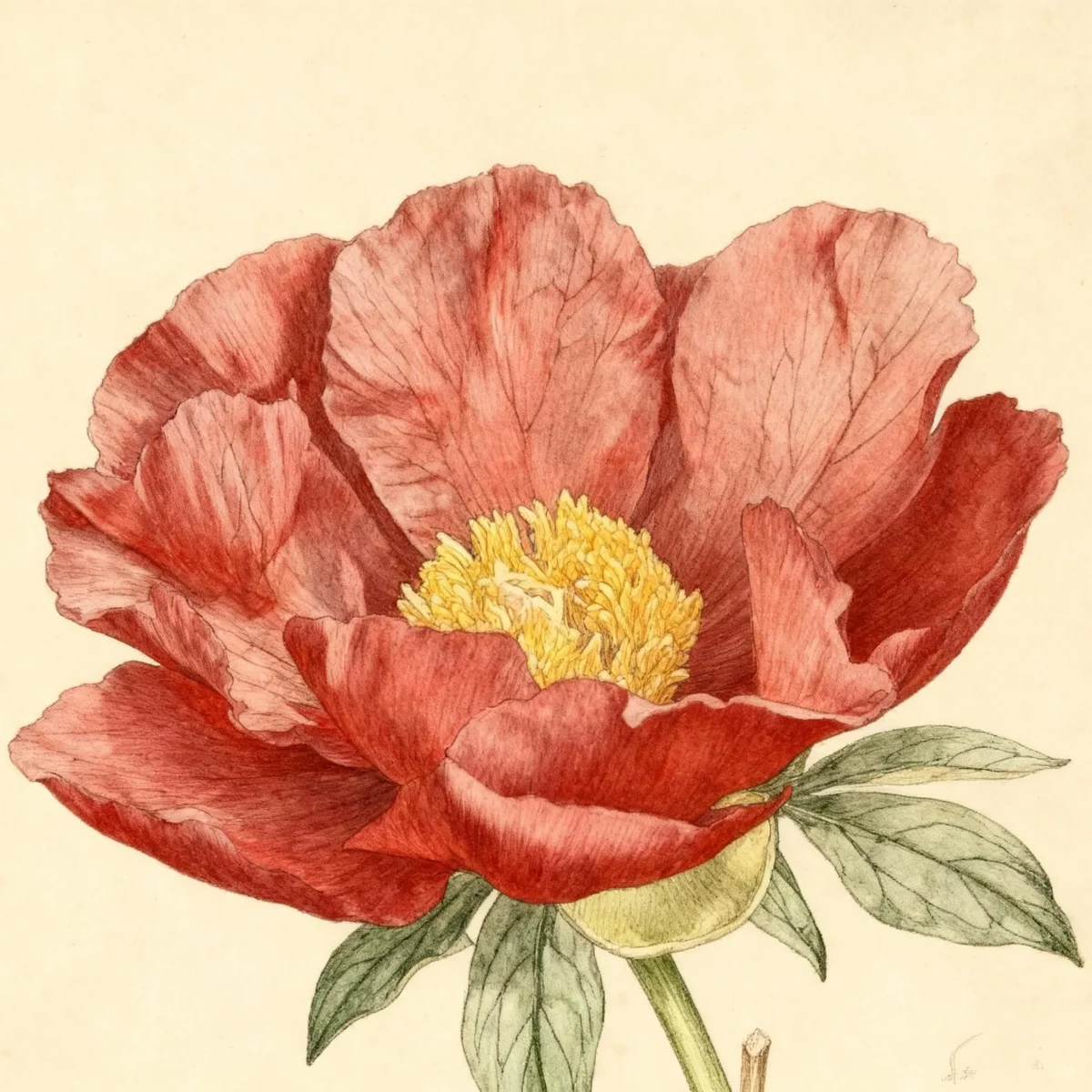
Paeonia ‘America’ is a highly valued herbaceous perennial, celebrated for its robust form and striking floral display. This cultivar of Peony features large, single cup-shaped flowers displaying brilliant red petals that surround a contrasting golden yellow center, making it a standout feature in any spring garden. As a reliably long-lived plant, Paeonia ‘America’ requires minimal long-term intervention once established.
This shrubby Peony typically achieves a height of 2.5 to 3 feet, maintaining attractive green foliage through the summer and early fall before its herbaceous stems die back completely after the first hard frost. Its reliability and stunning early-to-mid-season color make the Paeonia ‘America’ a true staple for perennial borders.
Gardeners prize this Peony for its ease of culture in appropriate environments and its striking visual impact, allowing for a sensational display with minimal fuss outside of standard seasonal cleanup.
Fast Facts
- Plant Family: Paeoniaceae
- Plant Type: Herbaceous perennial
- Hardiness Zones: USDA Zones 3-8
- Size at Maturity:
- Height: 2.5-3 ft
- Spread: 2.5-3 ft
- Bloom Time: May
- Bloom Description: Red with golden yellow center
- Sun Exposure: Full sun to part shade
- Water Needs: Medium
- Maintenance Level: Medium
How to Grow
The best time to establish new Paeonia ‘America’ plants is typically in the fall, although spring planting can also be successful if done early. Select a location where the plant receives plenty of sun, ideally full sun, though it tolerance light afternoon shade is acceptable. Paeonia requires rich, fertile, medium moisture, well-drained soils; incorporate plenty of compost prior to planting to ensure optimal structure and nutrient base.
Watering should be consistent, maintaining medium soil moisture, especially during dry spells or while the plant is establishing its root system. Established plants are relatively drought-tolerant but perform best with regular moisture. Peonies are long-lived and should not need dividing; however, they benefit from adding compost annually as needed.
Since this is an herbaceous variety, prune the foliage completely to the ground in the late fall after the leaves have been damaged by frost and remove the plant debris from the garden area. This critical cleanup step helps prevent the overwintering of potential fungal issues. Remember that each individual plant offers about 7 to 10 days of bloom, so plan to group various Peony cultivars with staggered bloom times to extend the overall Peony season.
Landscape Uses
Peonies are a standard feature in traditional perennial borders, serving beautifully both as solitary specimens that command attention or planted densely in groups for substantial impact. Paeonia ‘America’ works equally well used as accents providing vibrant spring color against neutral backdrops, or massed together to form sturdy, low herbaceous hedges along sidewalks, driveways, or retaining walls.
The foliage of Paeonia ‘America’ remains attractive throughout the growing season long after the spectacular red blooms have faded. This characteristic allows the Peony to act effectively as a frame or backdrop for later-season perennials, integrating seamlessly into mixed garden beds and providing consistent structure.
When planning companion plantings, consider species that enjoy similar cultural conditions—well-drained soil and adequate sun—and those that bloom later in the season to fill the gap after the early May display of the Paeonia ‘America’ concludes.
Standout Features
Flower Qualities
- Showy
- Fragrant
Noteworthy Characteristics
Paeonia ‘America’ is recognized as an herbaceous, soft-stemmed Peony, developing into a shrubby plant reaching about 30-36 inches tall by mid-spring. It earned the American Peony Society Gold Medal in 1992 and is noted for its single, vibrant red flowers boasting clear golden yellow centers. The genus name honors Paeon, the Greek physician of the gods, acknowledging the historical medicinal study of these plants.
Tolerances
- Rabbit
- Deer
Potential Problems
Peonies are generally hardy and considered relatively pest-free in the landscape. Gardeners should remain vigilant against fungal issues such as Botrytis blight and Phytopthora blight, which thrive in overly damp or poorly draining conditions. A common, yet harmless, visitor to peony buds are ants; they are attracted to the nectar and cause no damage.
If your Paeonia ‘America’ fails to produce flowers, several cultural issues might be at fault. Check planting depth—eyes should not be buried more than 1.5 to 2 inches deep. Insufficient sunlight exposure or a young plant that has recently been moved are also common causes for bloom failure. Ensure prompt removal of spent flowers and late-season foliage cleanup to maintain plant health.
Frequently Asked Questions
What hardiness zones is Peony suitable for?
Paeonia ‘America’ is reliably hardy across USDA Zones 3 through 8, making it suitable for a wide range of temperate climates.
How large does Peony grow?
This herbaceous perennial typically reaches a mature height between 2.5 and 3 feet tall, with a similar spread of 2.5 to 3 feet wide.
What sun exposure does Peony need?
Paeonia ‘America’ performs best when situated in full sun, although it can tolerate periods of partial shade, especially in the hotter afternoon hours.
When does Peony bloom?
The characteristic bloom time for this variety is May, providing large, single red flowers accented by a golden yellow center.
Conclusion
The Paeonia ‘America’ offers exceptional value to the garden through its season-opening burst of color and sturdy, manageable form as an herbaceous perennial. This magnificent Peony cultivar provides years of reliable, showy performance. Check your local USDA hardiness zone compatibility now and plan to incorporate this Gold Medal winner into your landscape this fall for spectacular spring color.
Companion Planting
Companion planting around Paeonia ‘America’ should focus on species that thrive in similar soil conditions (rich, well-drained) and bloom later in the season to take over aesthetically once the Peony finishes flowering in late spring. Good companions include Siberian Iris, which share similar light needs and offer contrasting, slender foliage. Herbs like Chives or ornamental Alliums are excellent foreground choices, providing texture without crowding the base of the Peony crowns.
Consider using groundcovers sparingly right under the crown of the Peony, as excessive competition for sunlight near the soil line can encourage foliage diseases. Instead, allow an open ring around the base of the plant, reserving low, spreading herbs or annuals for spacing several inches away. The structure of the Peony foliage naturally works well with late-summer bloomers like Coneflowers or Rudbeckia, which can soften the edges of the border as autumn approaches.
Seasonal Care Calendar
Spring preparation for your Paeonia ‘America’ involves ensuring the soil remains moist and clear of overwintering debris. Once new growth emerges, apply a balanced, slow-release fertilizer lightly around the drip line, avoiding direct contact with the crown. Summer maintenance centers on watering consistently during dry periods and deadheading spent flowers promptly after bloom fades to direct the plant’s energy toward root storage.
Late summer and early fall are crucial for preparing this perennial for dormancy. Do not cut back the foliage until it has been killed or severely blackened by the first hard frost. Allowing the foliage to remain ensures that the plant can photosynthesize and store maximum energy reserves for next year’s impressive bloom cycle. Winter protection usually involves avoiding heavy mulching directly over the crown itself, as this can promote rot.