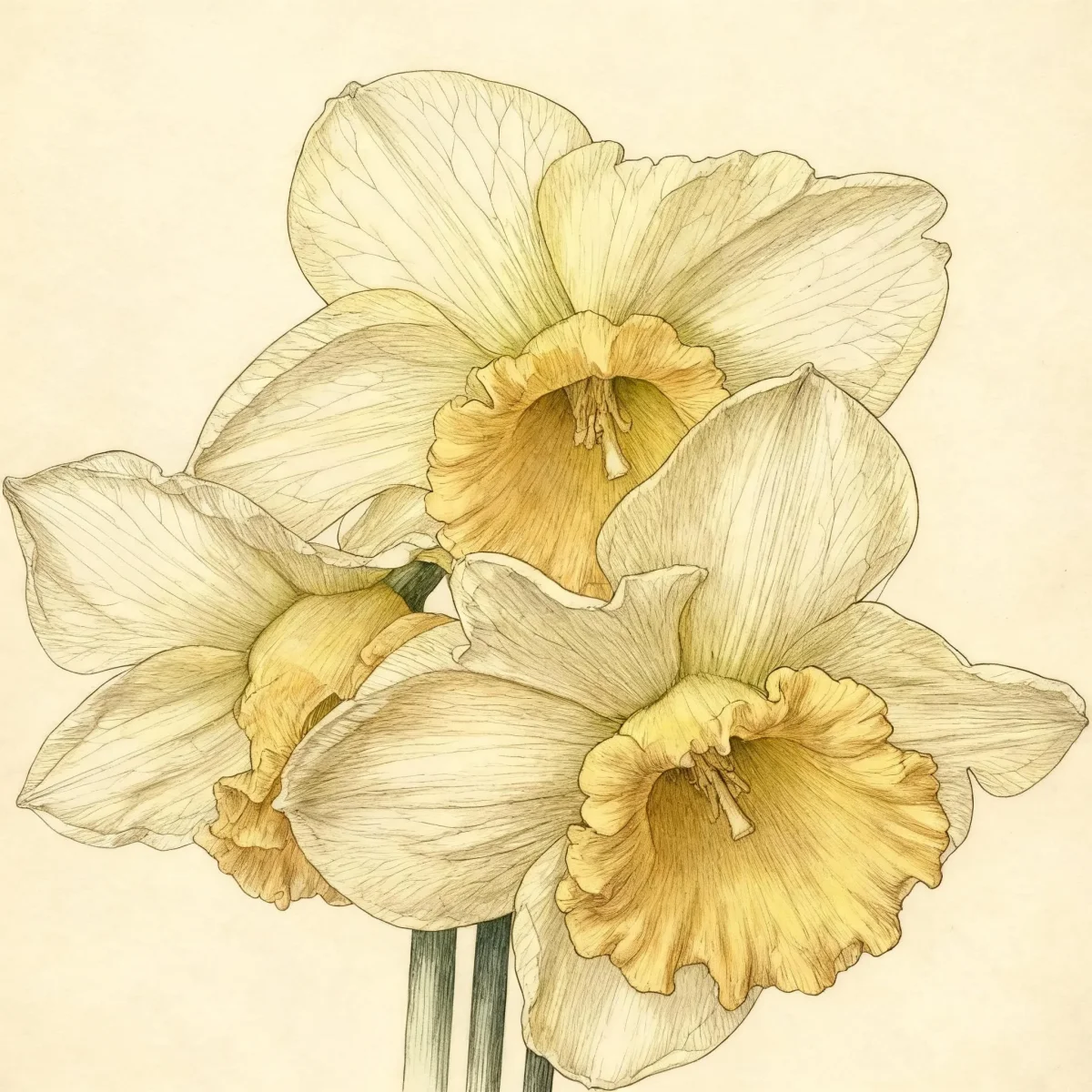
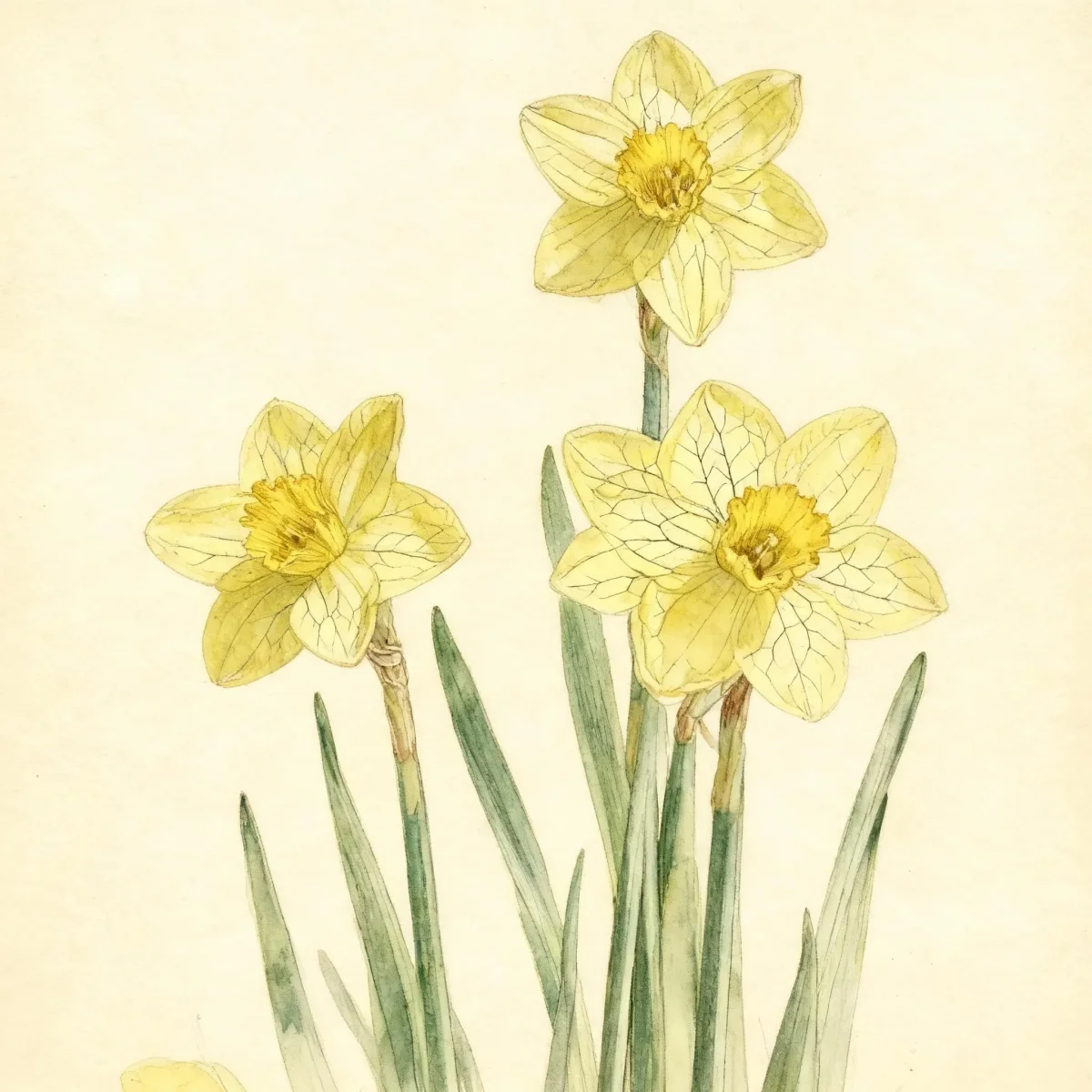
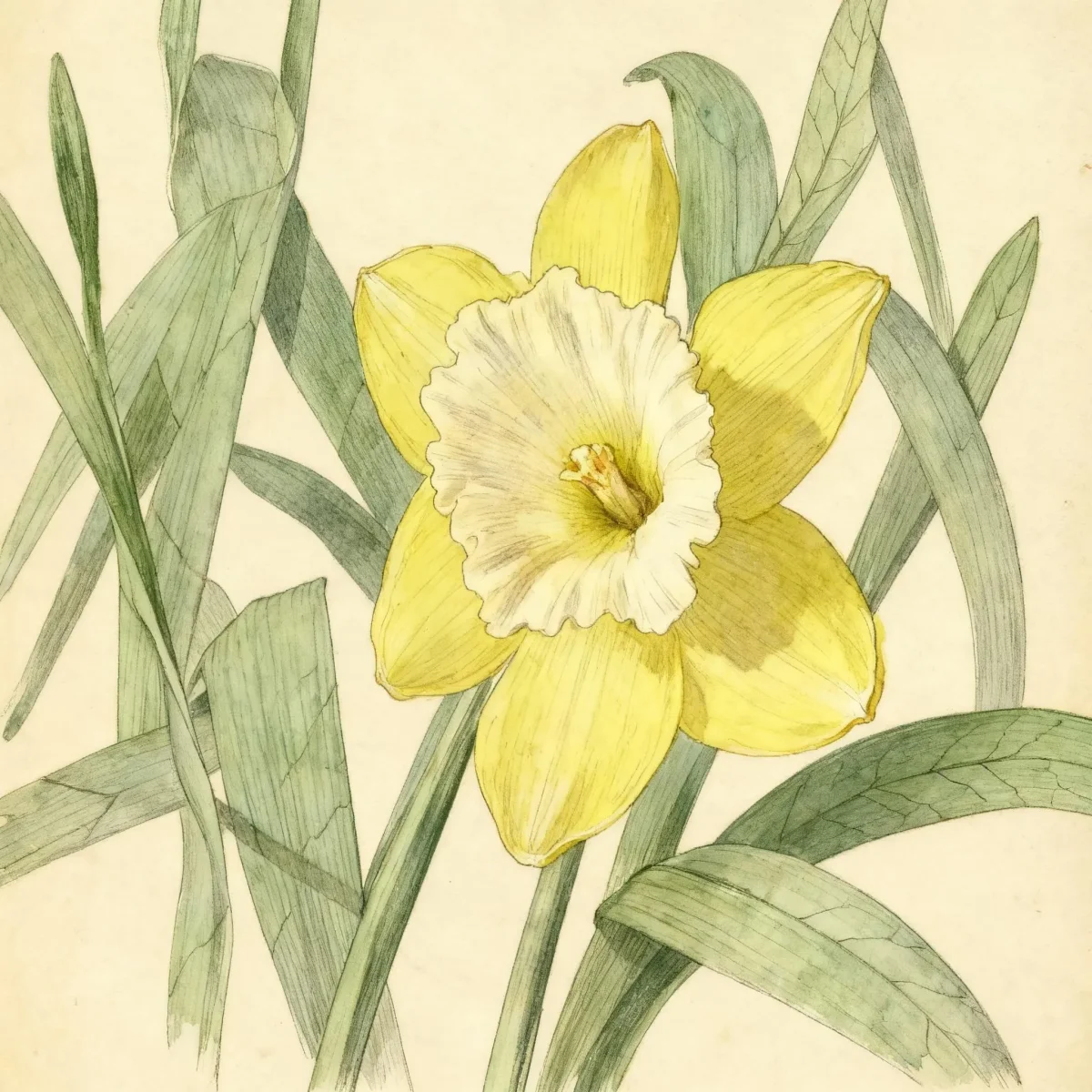
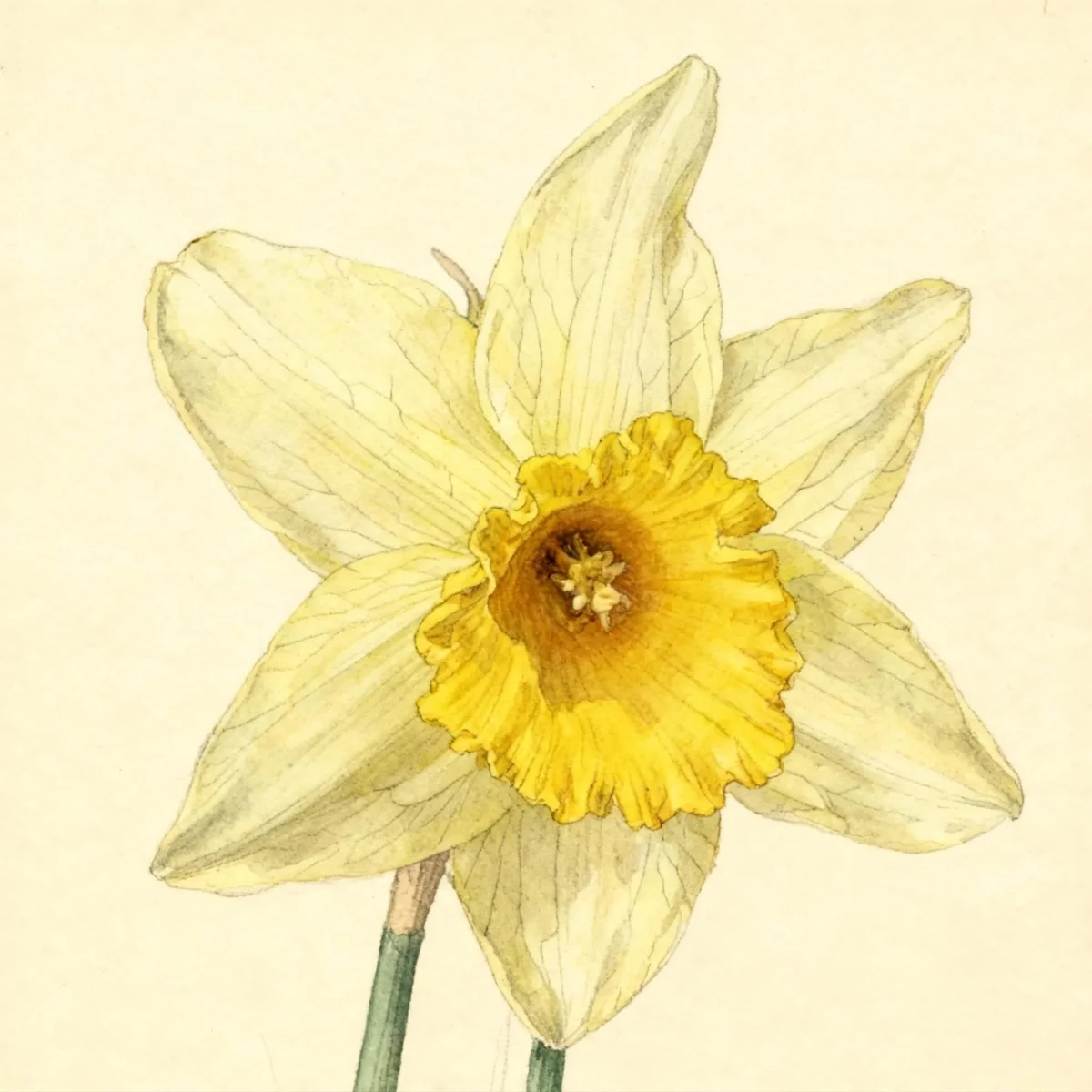
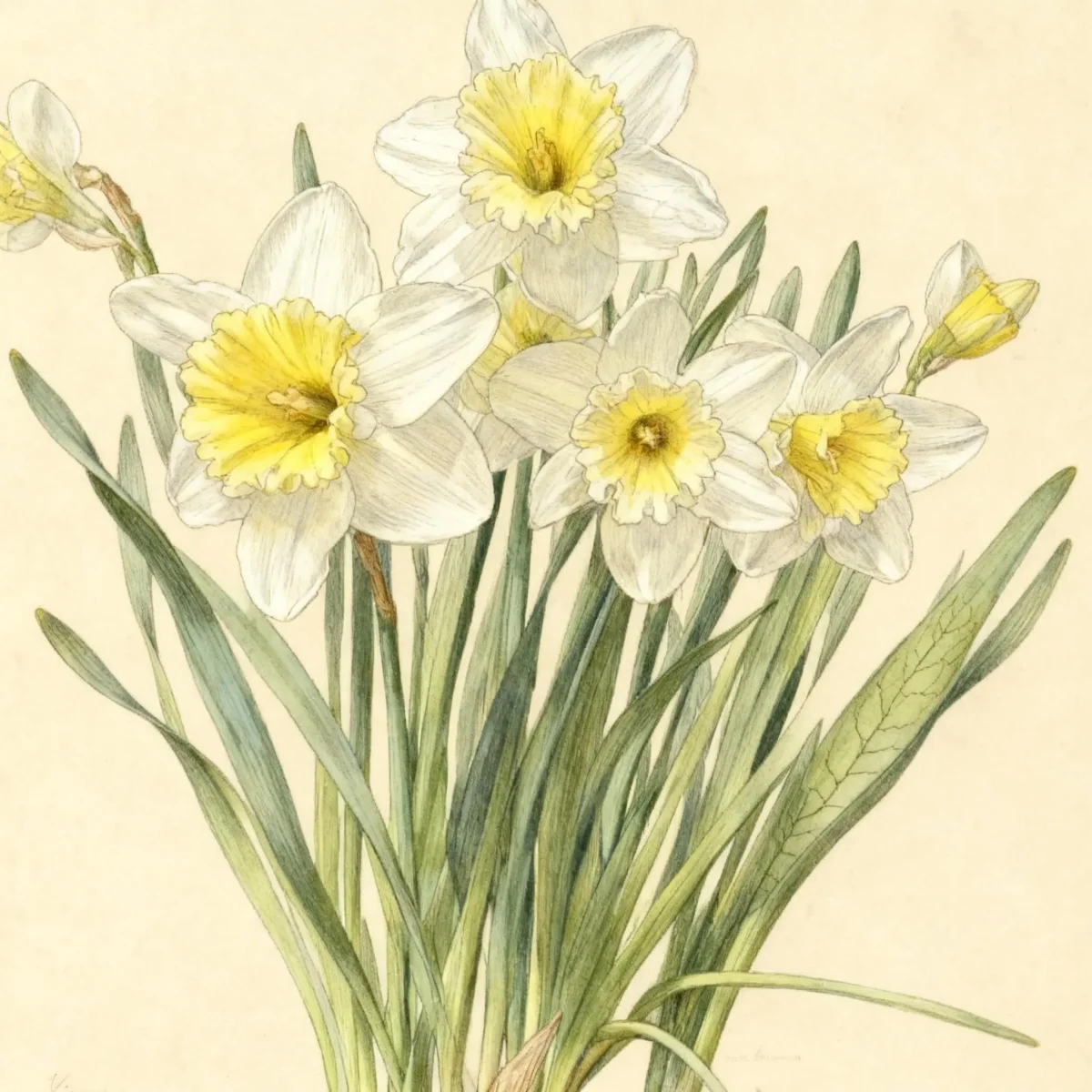
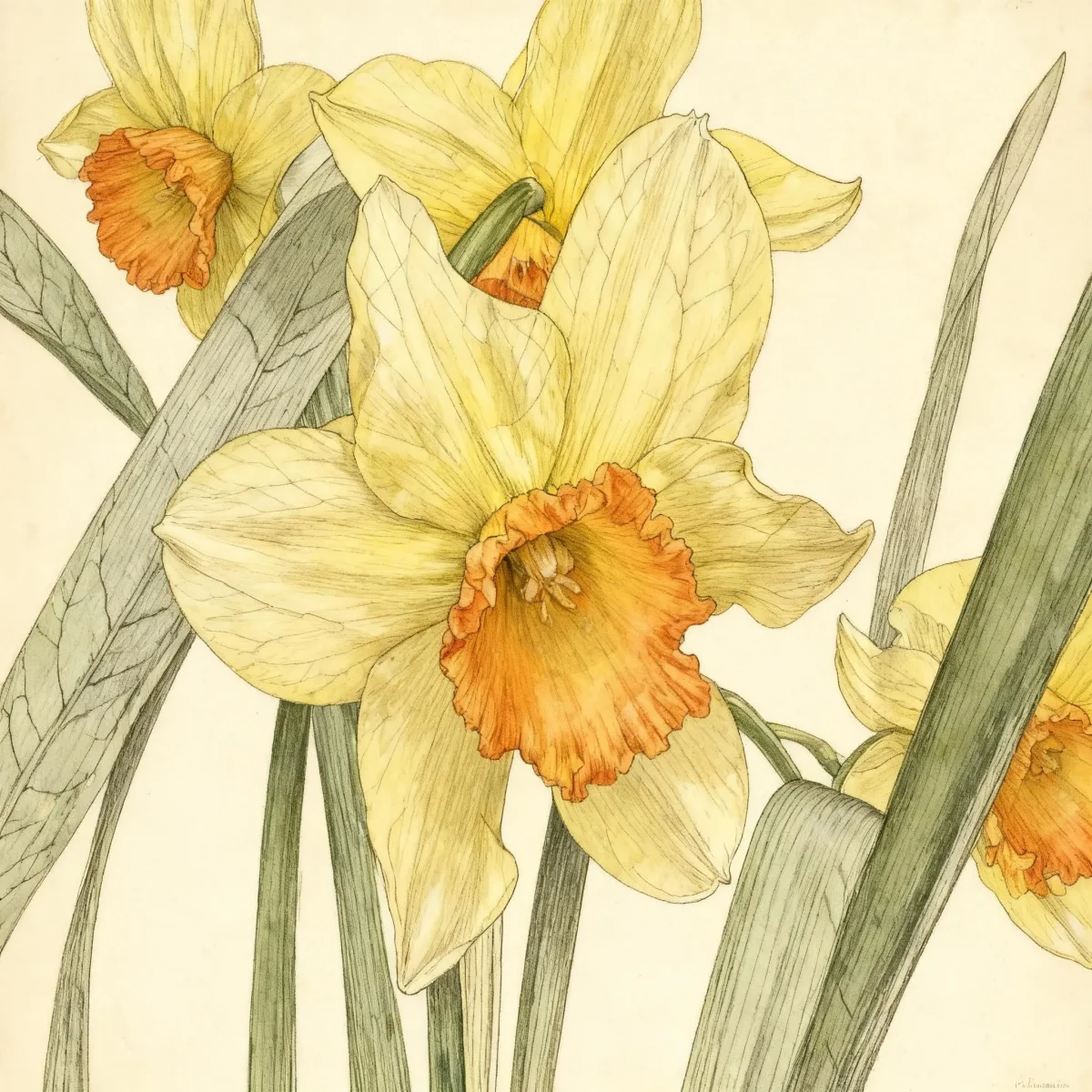
Large-cupped daffodil (Narcissus 'Billy Graham')
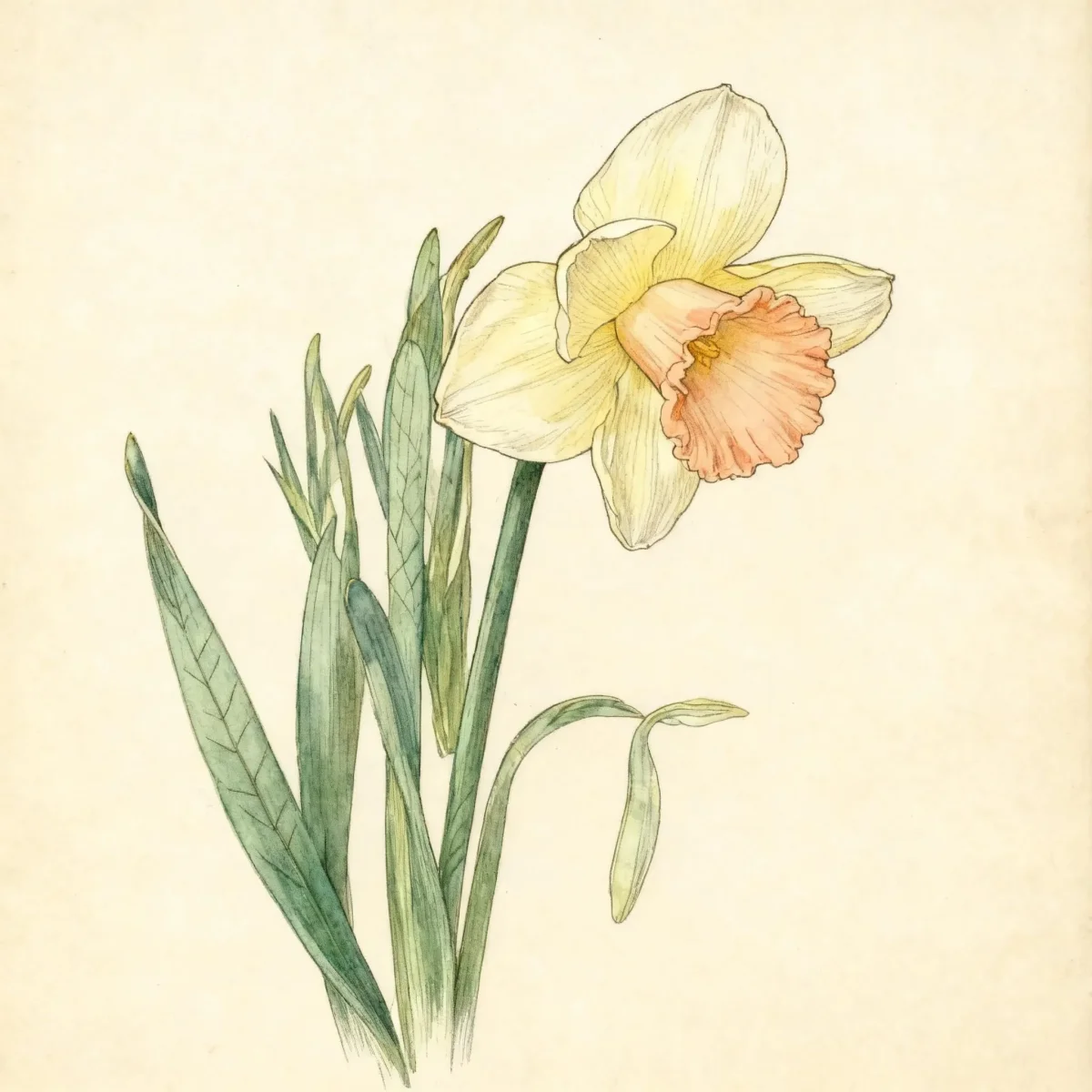
Narcissus 'Billy Graham' is a striking Large-cupped daffodil featuring yellow petals and a pink corona, ideal for spring displays.
Scroll down to discover growing tips, care requirements, companion plants, and more
Complete Plant Information
Overview
Narcissus ‘Billy Graham’ is a standout performer in the spring garden, belonging to the popular Large-cupped daffodil division. This cultivar is highly valued for its attractive bicolored display, showcasing crisp yellow petals contrasted beautifully by a delicate shell-pink central cup (corona). It provides reliable seasonal color, returning year after year with minimal intervention.
As a bulbous perennial, Narcissus ‘Billy Graham’ thrives when planted in early to mid-fall, preparing for its late-midseason bloom in April. It requires full sun to partial shade, establishing strong clumps of linear, green foliage that should remain intact until they naturally yellow after flowering. Gardeners appreciate this variety for its low maintenance level and resilience across many hardiness zones.
This specific Large-cupped daffodil fits well into mass plantings, offering excellent visual impact and naturalizing potential. While providing critical early-season structure, it also offers good tolerance to common garden challenges, making Narcissus ‘Billy Graham’ a dependable choice for borders and woodland edges.
Fast Facts
- Plant Family: Amaryllidaceae
- Plant Type: Bulb
- Hardiness Zones: USDA Zones 3-8
- Size at Maturity:
- Height: 1-1.5 ft
- Spread: 0.5-0.75 ft
- Bloom Time: April
- Bloom Description: Yellow petals with pink corona
- Sun Exposure: Full sun to part shade
- Water Needs: Medium
- Maintenance Level: Low
How to Grow
Planting Narcissus ‘Billy Graham’ should occur in the early to mid-fall season to allow the bulbs to establish roots before the ground freezes. These bulbs perform best in organically rich loams that offer average moisture and excellent drainage; good drainage is essential to prevent bulb rot. Plant bulbs two to three times as deep as the bulb is tall, ensuring at least three inches of soil covers the top. Spacing generally ranges from 4 to 10 inches apart, depending on the size of the bulb used.
During the spring growing season, keep the soil uniformly moist to support foliage development and flowering. While the plant tolerates drought once dormancy is achieved, consistent medium water levels during active growth yield the best results. Fertilization is rarely necessary if planting occurred in rich soil, but avoid cutting back the foliage after blooming; allow it to fully yellow, as this replenishes the bulb for next year’s display of the Large-cupped daffodil.
For optimal aesthetic appeal, consider the sun’s path: because flowers often face the light source, position any shade areas behind the clump. Once flowers fade, you may thoughtfully remove the spent flower stem to prevent seed production. If clump performance declines after several years, divide the bulbs immediately after the foliage has completely died back.
Landscape Uses
Daffodils, unlike tulips, offer reliable reappearance year after year, making them excellent investments for long-term garden design. Narcissus ‘Billy Graham’ is spectacular when planted in large drifts or sweeping masses rather than small, isolated groupings; aim for at least six bulbs to start a successful drift. They serve well as informal accents in wild gardens or naturalized areas beneath deciduous trees where they receive spring sun before the canopy fills in.
For structured landscapes, this Large-cupped daffodil excels when planted along the front edge of perennial borders, offering bright, defined color against dark backgrounds. Their clump-forming nature also allows them to be used effectively in front of evergreen shrubs, masking the shrubs’ eventual lower bare spots. Narcissus ‘Billy Graham’ mixes seamlessly with other spring-flowering bulbs.
They are excellent for massing under groves of trees or in open woodland settings, as they don’t mind the root competition once established, provided they receive adequate spring moisture. Their reliable blooming allows for easy co-planning with later-blooming perennials that emerge just as the foliage of the daffodil begins to senesce.
Standout Features
Flower Qualities
- Showy
Noteworthy Characteristics
Narcissus is recognized globally as a mainstay of the spring garden, divided into 13 divisions based on bloom characteristics. ‘Billy Graham’ falls into Division II, the Large-cupped daffodil category, meaning its cup is longer than one-third but shorter than the full length of the petals. This variety generally rises 17-19 inches tall, presenting a single flower per stem, famous for its sunny yellow petals framing a uniquely lovely shell-pink corona. Their sturdy stems also make them an excellent fresh-cut flower selection.
Tolerances
- Rabbit
- Deer
- Drought
Potential Problems
Narcissus ‘Billy Graham’ is generally resistant to serious insect or disease issues, especially when properly sited in well-drained soil. The primary risk comes from bulb rot if the soil remains consistently soggy. Less common issues might include pests like slugs and snails, or the narcissus bulb fly. To manage pests, ensure cultural standards are met, and monitoring for signs of the infrequent Narcissus yellow stripe virus is wise. Rabbits and deer typically avoid consuming the foliage or bulbs.
Frequently Asked Questions
What hardiness zones is Large-cupped daffodil suitable for?
Narcissus ‘Billy Graham’ is hardy across USDA Zones 3 through 8, offering flexibility for planting in many regions throughout North America.
How large does Narcissus ‘Billy Graham’ grow?
This specific Large-cupped daffodil typically reaches a mature height between 1 and 1.5 feet, with a spread of about 0.5 to 0.75 feet.
What sun exposure does Large-cupped daffodil need?
For optimal performance and bloom quality, Narcissus ‘Billy Graham’ requires full sun to part shade conditions.
When does Narcissus ‘Billy Graham’ bloom?
This variety blooms reliably in April, presenting its characteristic yellow petals with a pink corona.
Conclusion
With its striking yellow and pink bicolored blooms, Narcissus ‘Billy Graham’ stands out as a premier choice for adding dependable color to your spring landscape. As a low-maintenance Large-cupped daffodil, it offers years of performance once established in well-drained soil. Be sure to plan your fall planting schedule carefully to maximize the impact of this beautiful bulb next April.
Companion Planting
When designing spring displays, consider co-planting Narcissus ‘Billy Graham’ alongside early-blooming tulips or grape hyacinths (Muscari) to layer color and texture. Because daffodils naturally naturalize and their foliage persists slightly longer than some other spring bulbs, they pair well with early emerging perennials like Bleeding Hearts (Dicentra) or medium-height Siberian Iris, whose emerging foliage can help mask the fading daffodil leaves. Ensure companions share a preference for full sun to part shade and similar medium water needs during the spring season.
Wildlife Benefits
While the bulbs are toxic and deter browsing animals like deer and rabbits, the nectar produced by the cup of the Large-cupped daffodil is valuable to early emerging pollinators. Since daffodils bloom well before many deciduous trees leaf out, they provide a crucial, reliable food source for bees and other beneficial insects waking up from winter. Mass plantings of Narcissus ‘Billy Graham’ create a larger, more visible floral beacon, enhancing the foraging opportunities for these vital garden helpers.