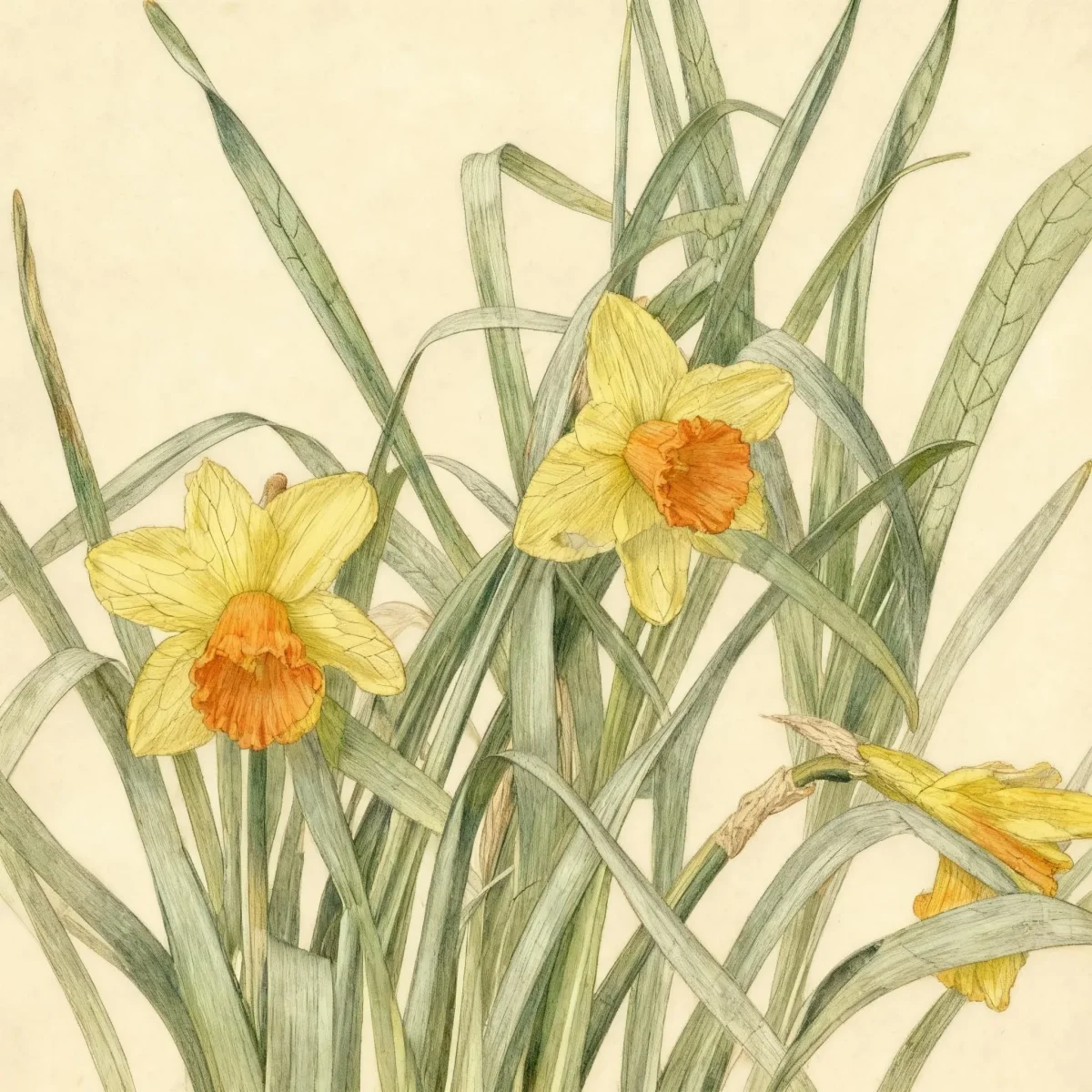
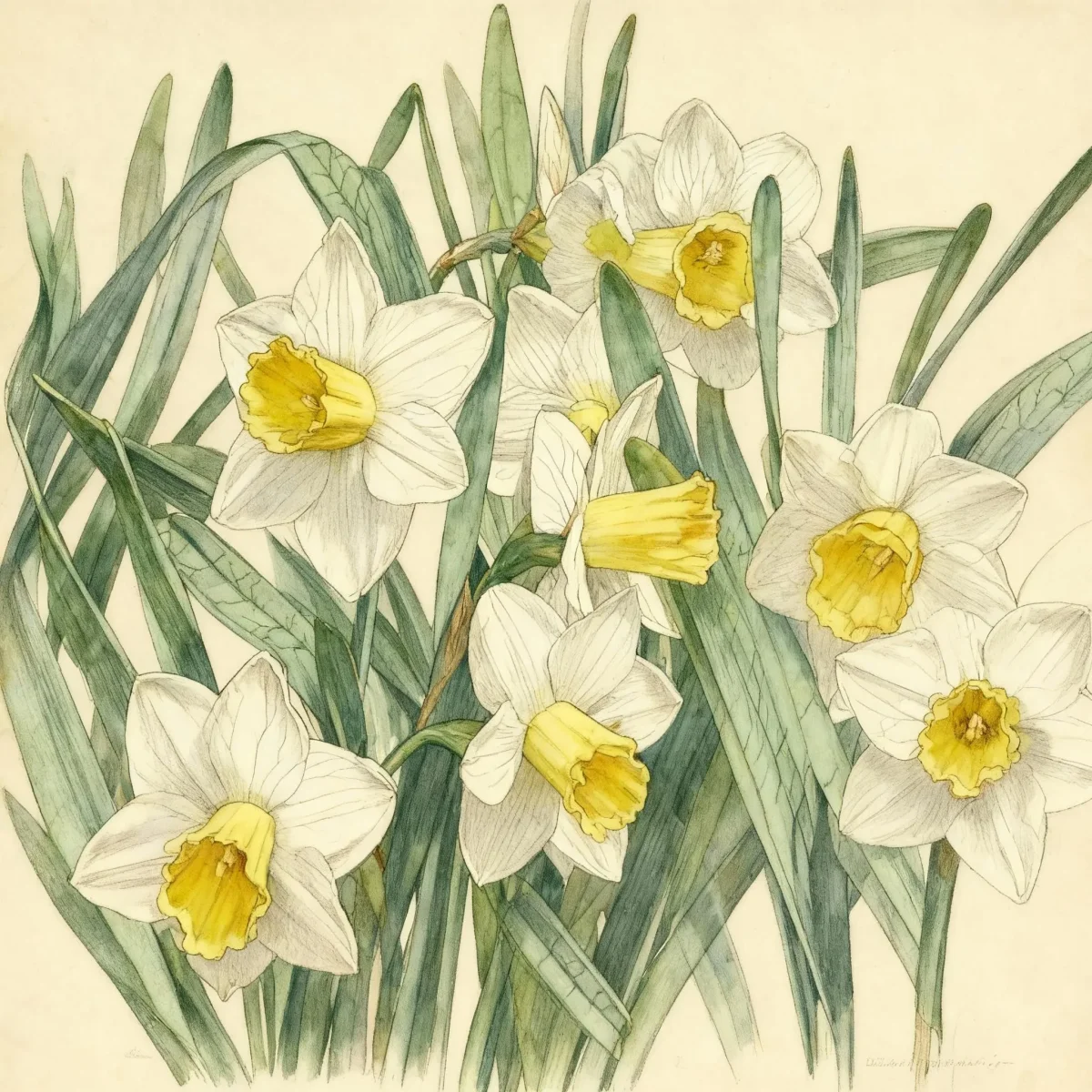
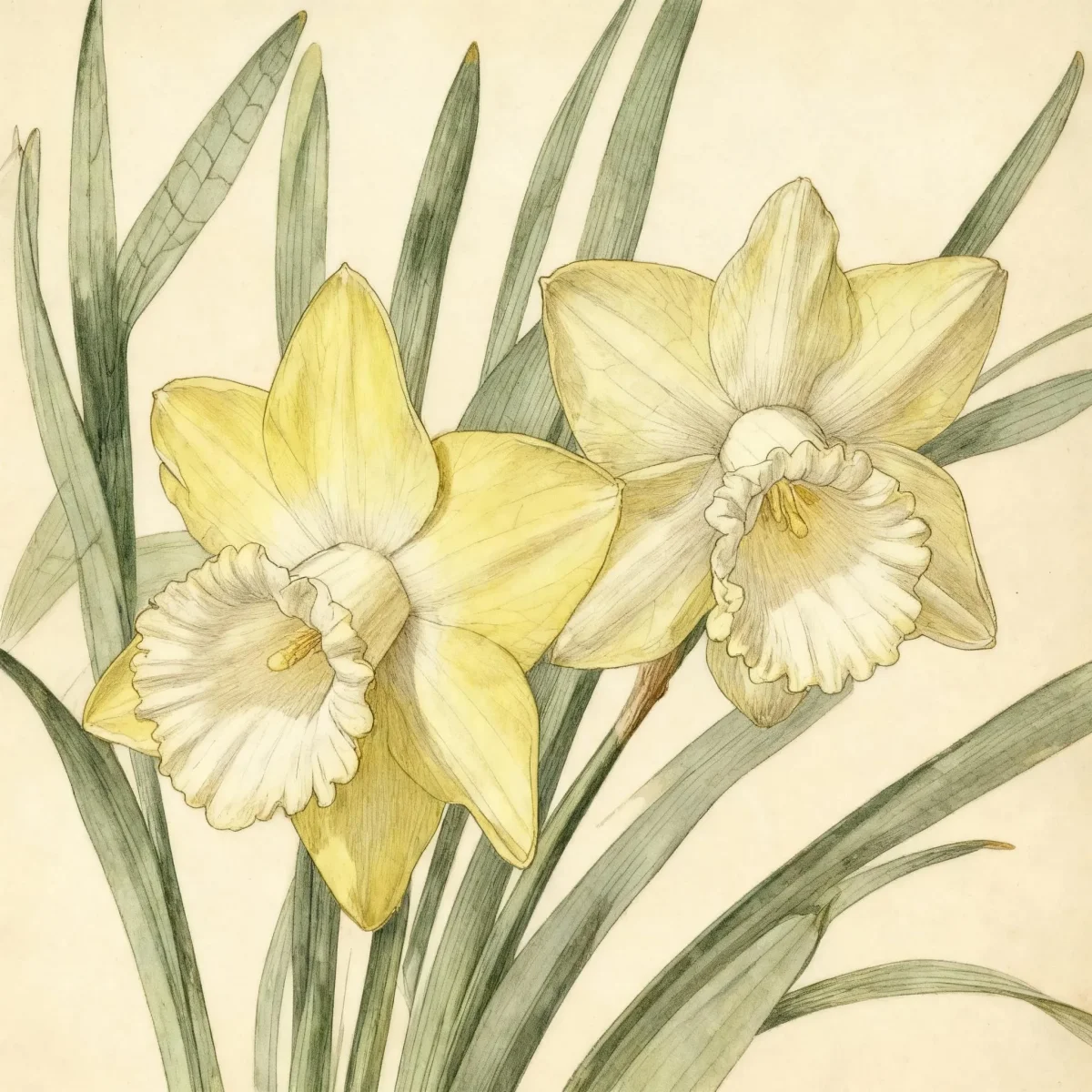
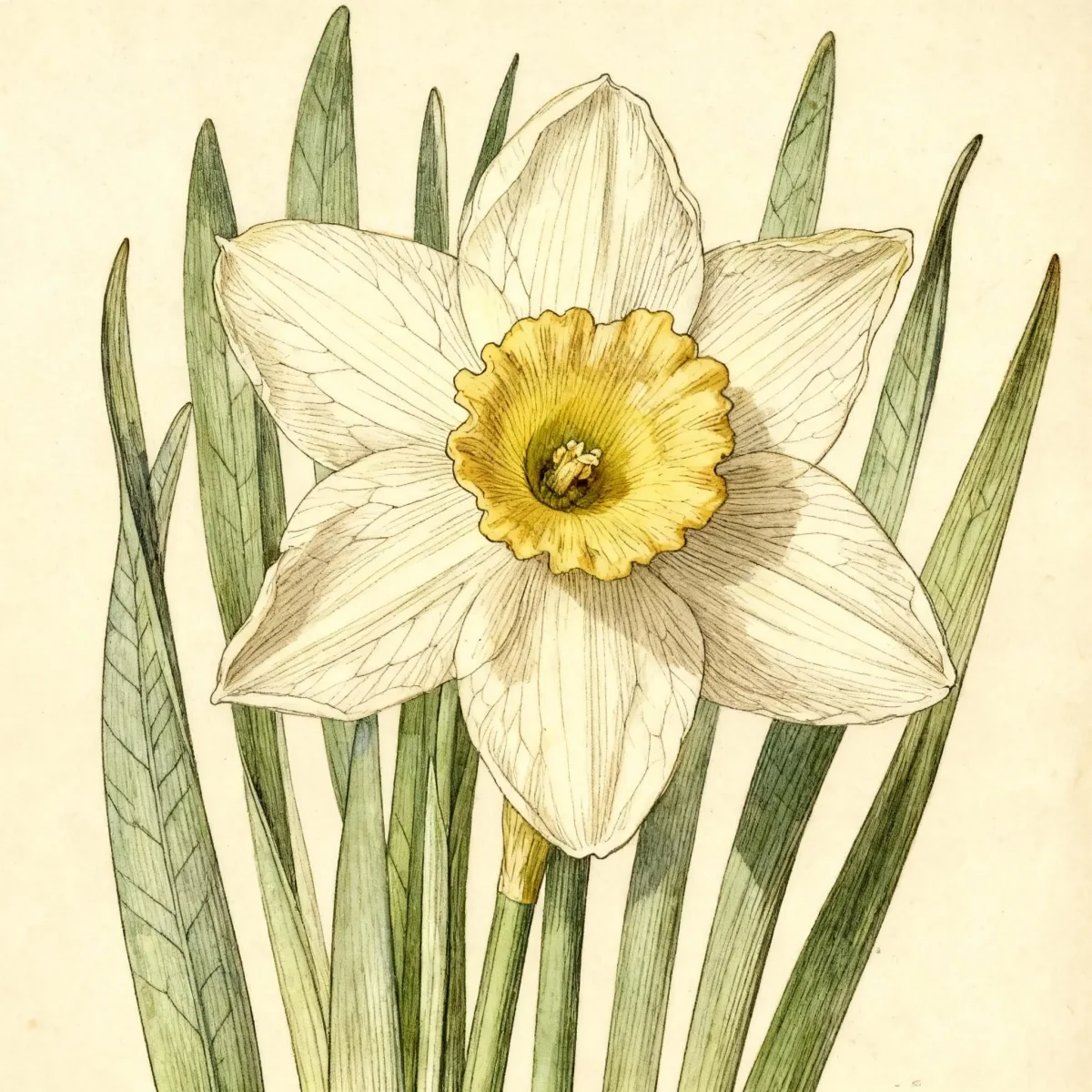
Trumpet daffodil (Narcissus 'General Patton')
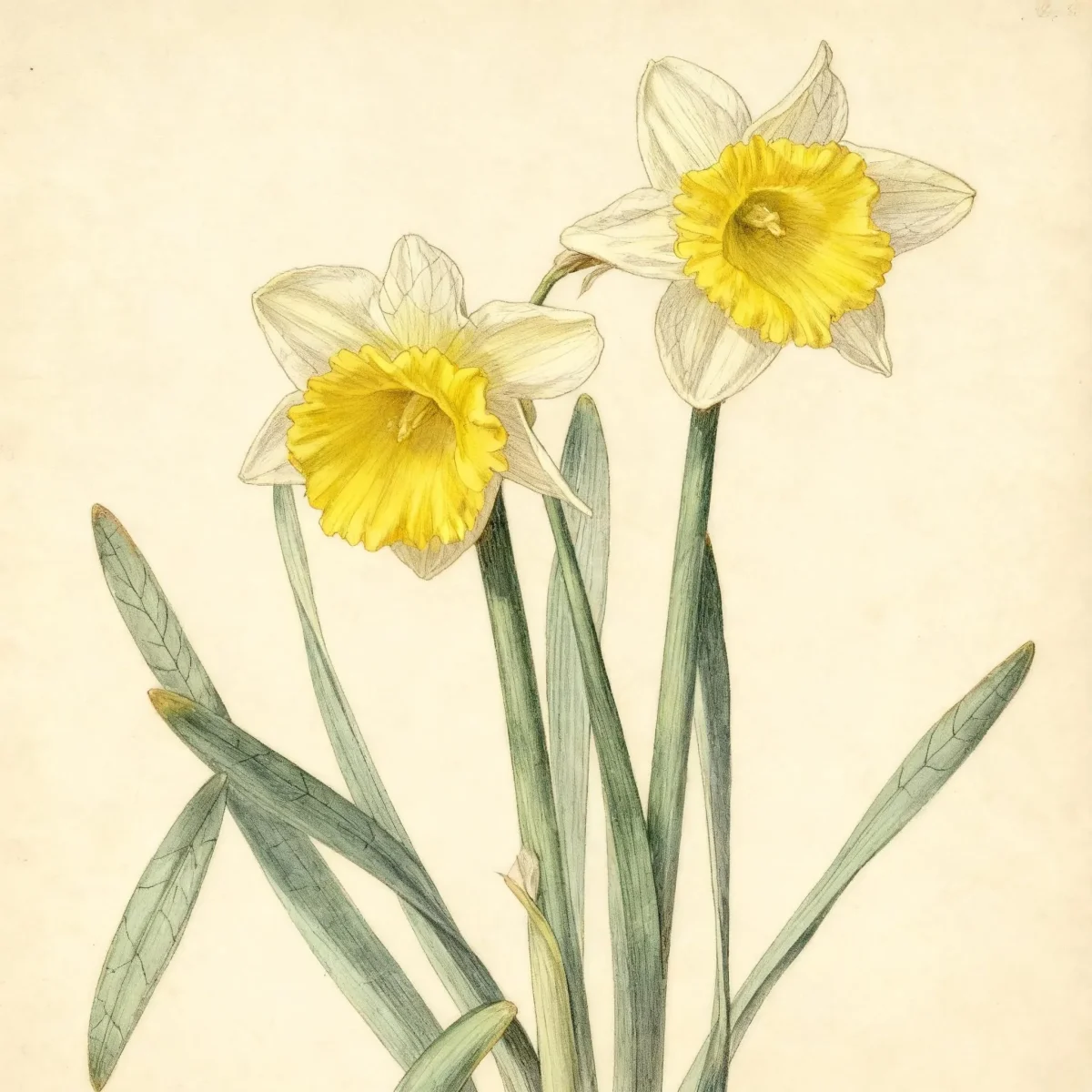
Narcissus 'General Patton' is a classic Trumpet daffodil boasting beautiful ivory petals and a sunny yellow trumpet in early spring.
Scroll down to discover growing tips, care requirements, companion plants, and more
Complete Plant Information
Overview
Narcissus ‘General Patton’ stands out as a quintessential spring bloomer, celebrated for its classic form categorized as a Trumpet daffodil. This variety offers striking visual appeal with its contrasting ivory petals set against a prominent, cheerful yellow trumpet (corona), signaling the end of winter. As a bulb, it provides low-maintenance color year after year, making it a foundational element for reliable spring displays.
This robust cultivar thrives across a wide range of climates, exhibiting excellent naturalizing capabilities once established in the garden. Narcissus ‘General Patton’ requires minimal intervention once planted in the correct site, rewarding gardeners with consistent performance and a welcome show between March and April. Its relatively modest height ensures it integrates seamlessly into borders without overwhelming smaller plantings.
Gardeners value the reliability and pest resistance of daffodils, and the Trumpet daffodil ‘General Patton’ is no exception, offering significant aesthetic impact with very little required input. For best results, ensure the soil drains well, especially given the potential for bulb rot in saturated conditions, allowing this tough perennial to flourish for decades.
Fast Facts
- Plant Family: Amaryllidaceae
- Plant Type: Bulb
- Hardiness Zones: USDA Zones 3-8
- Size at Maturity:
- Height: 1-1.5 ft
- Spread: 0.5-0.75 ft
- Bloom Time: March to April
- Bloom Description: Ivory petals with yellow trumpet
- Sun Exposure: Full sun to part shade
- Water Needs: Medium
- Maintenance Level: Low
How to Grow
Plant Narcissus ‘General Patton’ bulbs in the early to mid-fall, giving them ample time to establish roots before the ground freezes solid. These bulbs prefer average, medium-moisture soils, though excellent drainage is the single most critical factor; rich, organically amended loams provide the best structure. Position the bulbs two to three times deeper than the height of the bulb itself, ensuring at least 3 inches of soil covers the top. Spacing should generally be between 4 and 10 inches apart, depending on the size of the bulb, though they may look sparse initially.
During the active growing season in spring, maintain uniform moisture but allow periods of dryness during dormancy. Narcissus ‘General Patton’ is somewhat draught tolerant when resting after blooming. After the ivory and yellow flowers fade, resist the urge to cut back the foliage immediately. The leaves must remain intact until they yellow naturally, as this process replenishes the energy stores within the bulb for next year’s display. Remove spent flower heads only to prevent seed production.
These long-lived bulbs benefit from being left undisturbed for many seasons. If blooming quality diminishes, divide the clumps shortly after the foliage completely dies back, though this is only required infrequently. Remember that the flowers tend to face the sunniest direction, so plan your viewing areas accordingly, placing any denser shade sources to the rear of the planting beds.
Landscape Uses
Daffodils, including the impressive Trumpet daffodil ‘General Patton’, are exceptional choices for creating mass plantings that deliver superb early spring impact. Unlike many spring annuals, these bulbs will reliably return year after year, allowing them to naturalize beautifully in drifts under deciduous trees or within open woodland settings where they receive morning sun. They perform wonderfully when planted in front of evergreen shrubs, whose dark foliage provides a perfect backdrop for the ivory and yellow blooms.
For formal designs, plant Narcissus ‘General Patton’ in defined beds and borders where their stately trumpet shape can be appreciated up close. For a more informal, natural look, interplant them liberally with other spring-flowering bulbs such as Fritillaria or early tulips, allowing them to mingle and fill spaces as they mature. Planting in quantities—groups of at least six bulbs or larger drifts—ensures a substantial visual effect when they erupt in bloom during March and April.
These bulbs are also excellent for edging pathways or integrating into wildflower meadows, provided the area is not routinely mowed until the foliage has fully senesced. The visual return on investment for this low-maintenance planting is remarkably high.
Standout Features
Flower Qualities
- Showy
Noteworthy Characteristics
Narcissus is a genus of about 50 species of bulbous perennials native to Europe and North Africa, serving as a fundamental component of the spring garden. ‘General Patton’ is specifically classified as a trumpet daffodil (Division I), meaning its central corona is equal to or longer than the surrounding six petals (perianth segments). This striking cultivar presents one flower per stem, featuring beautiful ivory petals that frame a vibrant yellow trumpet, maturing to a height of 13-15 inches early in the season.
Tolerances
- Rabbit
- Deer
- Drought
Potential Problems
Daffodils are generally celebrated for being pest- and disease-resistant when properly situated, but cultural mistakes can invite trouble. The primary vulnerability for bulb health is poor drainage; prolonged wet, soggy soil will almost certainly lead to bulb rot, a fatal condition. To prevent this, amend heavy clay soils before planting.
While less common, occasional pests can include slugs and snails when foliage first emerges, or rarely the narcissus bulb fly or narcissus nematode. Additionally, look out for Narcissus yellow stripe virus, though it is infrequent. Since deer and rabbits instinctively avoid the toxic bulbs, protection is rarely necessary for Narcissus ‘General Patton’.
Frequently Asked Questions
What hardiness zones is Trumpet daffodil suitable for?
Narcissus ‘General Patton’ is reliably hardy in USDA Zones 3 through 8, providing flexibility for many gardeners across the temperate regions.
How large does Narcissus ‘General Patton’ grow?
This Trumpet daffodil typically reaches a height between 1 and 1.5 feet, with a modest spread of 0.5 to 0.75 feet at maturity.
When does Narcissus ‘General Patton’ bloom?
This variety blooms early in the season, generally during March to April, displaying its signature ivory petals with a bright yellow trumpet.
What sun exposure does Narcissus ‘General Patton’ need?
For best flowering performance, plant this daffodil in locations receiving full sun to light, dappled part shade.
Conclusion
The Narcissus ‘General Patton’ provides classic beauty and exceptional longevity, making it an indispensable choice for every spring garden design. Its distinctive coloring and robust structure as a Trumpet daffodil ensure reliable, low-maintenance color year after year. Before the fall planting window closes, confirm that your chosen site offers the required excellent drainage and plan to group these exquisite bulbs for maximum visual impact.
Companion Planting
When planning borders for Narcissus ‘General Patton’, consider companions that emerge later in the season to mask the fading foliage. Early-season perennials like Pulmonaria (lungwort) or Hellebores are excellent partners, as they emerge around the same time but occupy a different visual space once the daffodil leaves yellow. Later-blooming plants such as Siberian Iris or herbaceous Peonies are ideal for filling the gaps left vacant by the dormant daffodil bulbs later in the summer.
Seasonal Care Calendar
For success with Narcissus ‘General Patton’, focus your efforts around the planting and clean-up phases. In early to mid-fall, incorporate organic matter into the planting area and position the bulbs at the correct depth. Once the blooms are finished in late spring, the critical seasonal task is foliage care; allow the leaves to photosynthesize until they naturally decline. In the summer, only water if experiencing severe drought, as the bulbs are naturally dormant and drought-tolerant during this season. Winter care is minimal; mulching is not required unless you are in the coldest reaches of Zone 3.