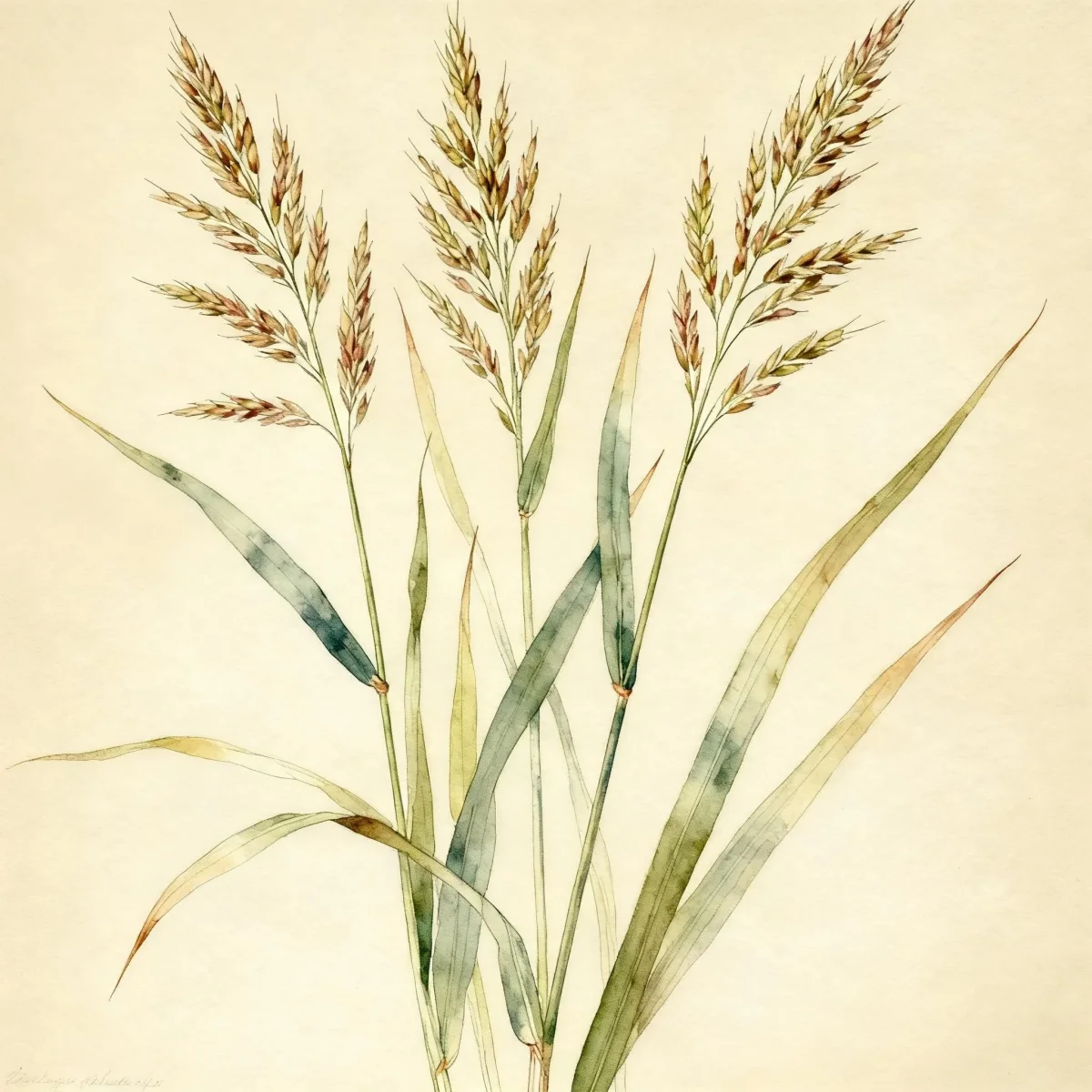
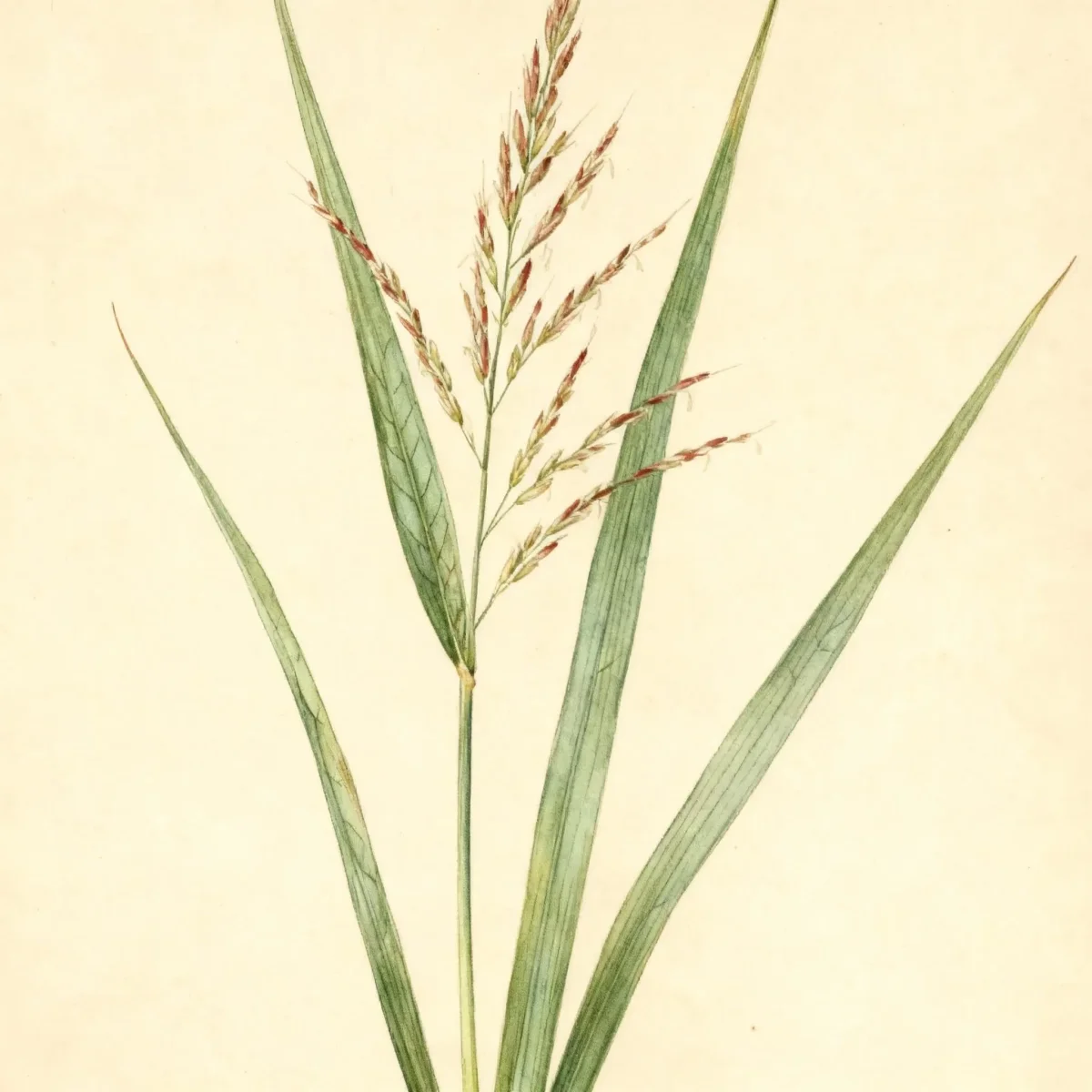
Switch grass (Panicum virgatum 'Dallas Blues')
Panicum virgatum 'Dallas Blues' is a striking Switch grass admired for its dense, gray-blue foliage and robust structure in zones 5-9.
Scroll down to discover growing tips, care requirements, companion plants, and more
Complete Plant Information
Overview
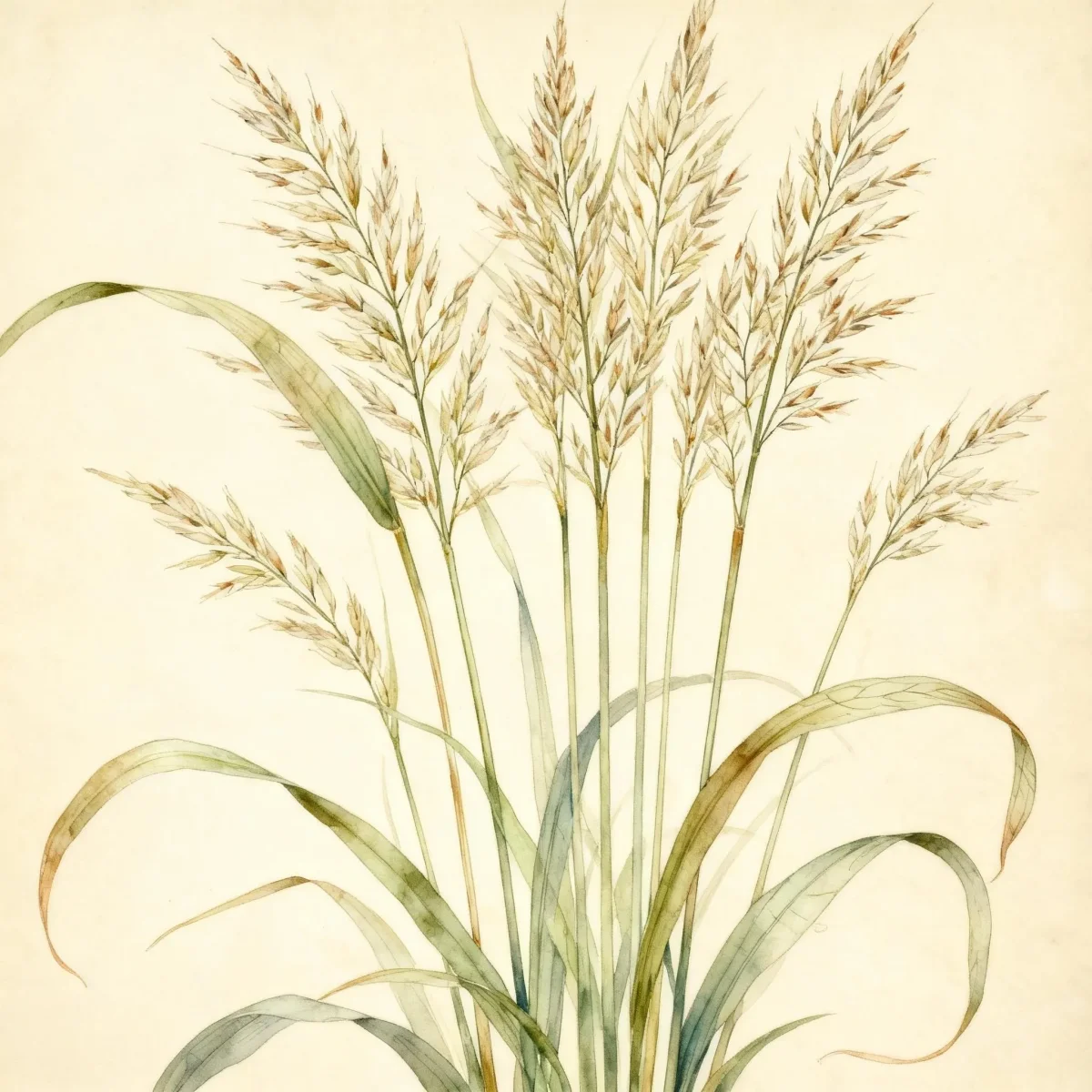
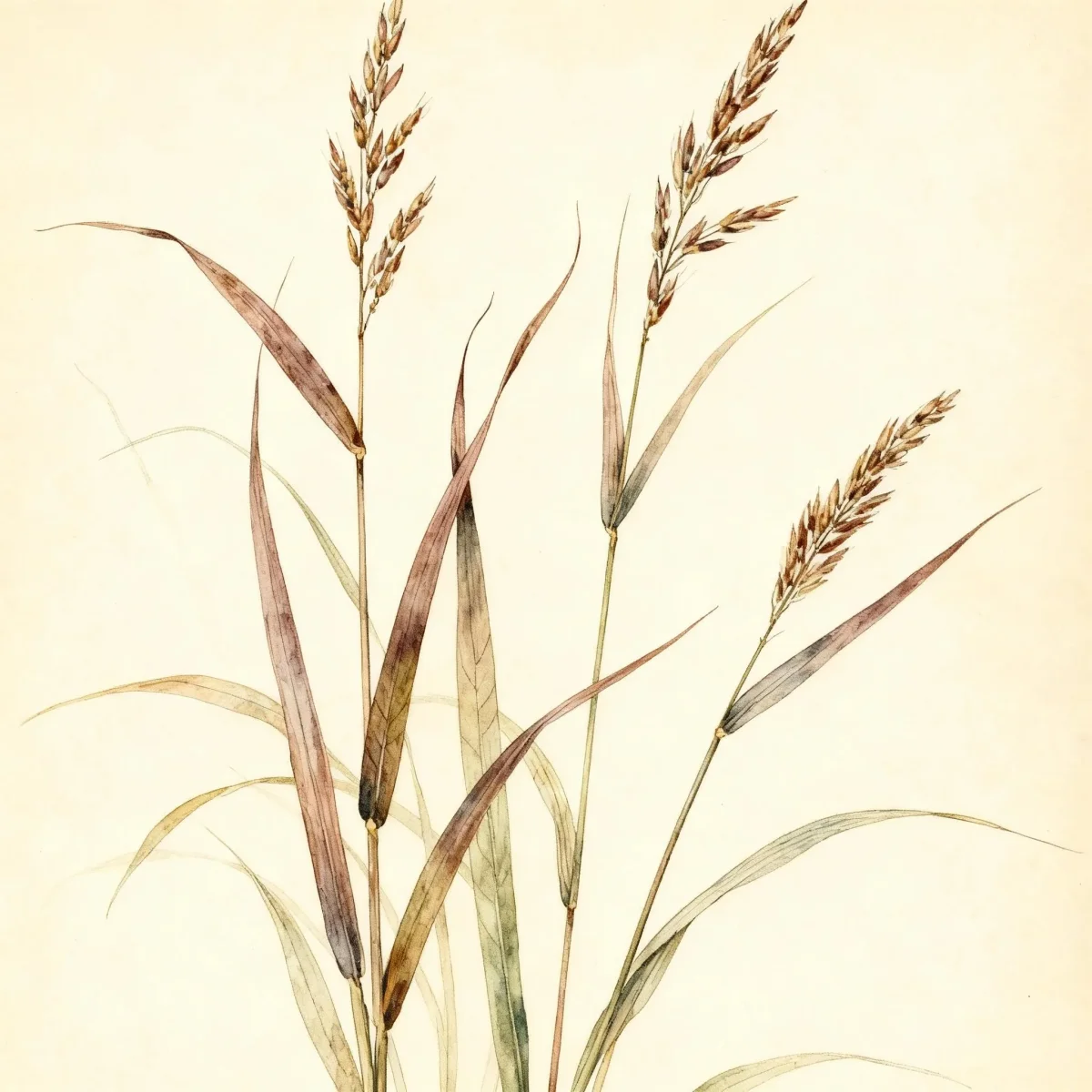
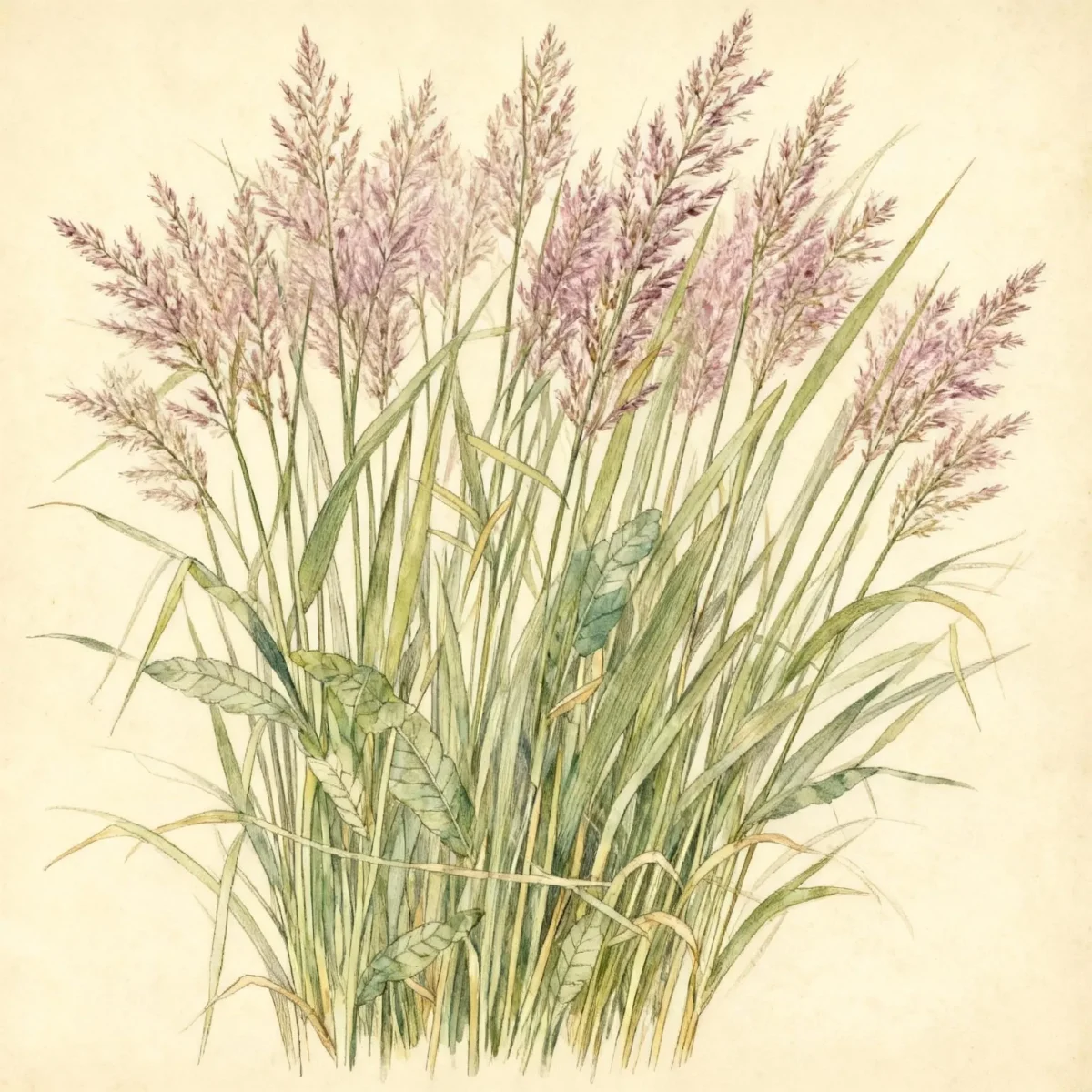
Panicum virgatum ‘Dallas Blues’ is a highly valued cultivar of Switch grass, celebrated for its dense, upright habit and stunning blue-gray foliage that provides year-round architectural interest. As a warm-season grass, this selection brings strong vertical structure, ensuring garden appeal even after the primary growing season has ended. Its medium green leaves transition into attractive rust-brown winter tones, complemented by late-season flowers.
This sturdy ornamental grass thrives in a wide range of conditions, offering excellent performance in rain gardens, borders, and naturalized settings. Though it prefers moist, well-drained soils, the toughness of Switch grass allows it to tolerate both wet spells and periods of drought once established. Gardeners appreciate the low maintenance requirements of Panicum virgatum ‘Dallas Blues’.
The cultivar ‘Dallas Blues’ distinguishes itself from the species with wider foliage and, notably, large, airy flower panicles that emerge with a faint purple tinge before maturing to beige. Its contribution to prairie aesthetics makes it a vital native grass for supporting local ecosystems while providing superb texture contrast in mixed plantings.
Fast Facts
- Plant Family: Poaceae
- Plant Type: Ornamental grass
- Hardiness Zones: USDA Zones 5-9
- Size at Maturity:
- Height: 4-6 ft
- Spread: 2-3 ft
- Bloom Time: September to February
- Bloom Description: Purple tinge
- Sun Exposure: Full sun to part shade
- Water Needs: Medium to wet
- Maintenance Level: Low
How to Grow
Panicum virgatum ‘Dallas Blues’ is best planted in spring after the danger of frost has passed, ensuring it establishes well before summer heat. Ideally, site this Switch grass in full sun for the densest habit and best color saturation, although it tolerates light afternoon shade. While it handles various soil types, it performs exceptionally well in average, medium to wet soils, including sandy or clay compositions, and tolerates occasional mild flooding.
Water regularly during the first growing season to encourage deep root development. Once established, the medium water needs mean that natural precipitation is often sufficient, though supplemental water keeps the foliage looking its best during extended dry periods. This tough perennial rarely requires fertilization; overly rich soils can lead to flopping, compromising the desirable columnar form of the Panicum virgatum ‘Dallas Blues’.
Pruning is essential for maintaining vigor. Cut the entire clump back to within a few inches of the ground in late winter or early spring just as new growth begins to emerge. This practice removes old tan foliage and makes way for the fresh, blue-tinged blades. Though it spreads slowly via rhizomes, Panicum virgatum typically maintains a tidy clump.
Landscape Uses
Panicum virgatum ‘Dallas Blues’ is highly versatile, serving effectively as a structural accent where its vertical form commands attention. It is excellent for grouping or mass planting to create bold textural drifts reminiscent of natural prairie landscapes. The robust nature of this Switch grass makes it a perfect choice for perennial borders, providing height and movement that complements flowering perennials.
Its tolerance for moisture makes it indispensable in functional areas like rain gardens, bog gardens, and along pond edges where other ornamental grasses might struggle. Furthermore, the height and density of mature clumps lend themselves very well to use as a natural screen or backdrop in native plant gardens and wild meadows.
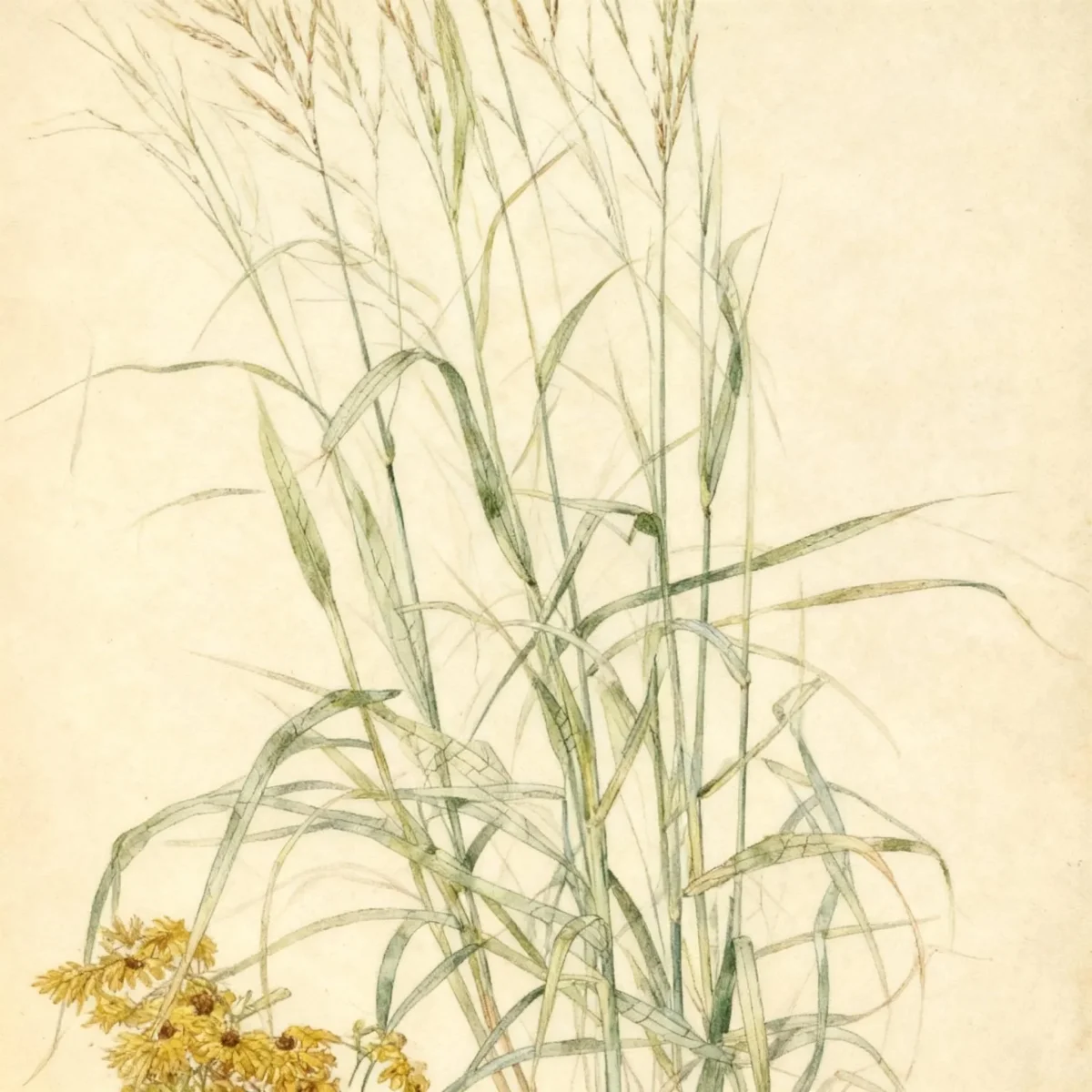
Consider pairing Panicum virgatum ‘Dallas Blues’ with shorter, mounding perennials that contrast its blue-gray color, such as Coreopsis or Rudbeckia, to enhance visual interest throughout the season. Its ability to thrive in wet soil conditions opens up design possibilities near drainage zones that are often overlooked.
Standout Features
Flower Qualities
- Showy
Noteworthy Characteristics
Panicum virgatum, commonly called switch grass, is a Missouri native ornamental grass which was an important component of the tallgrass prairie which once covered large areas of the State. It is noted for its stiff, columnar form, and the foliage turns yellow (sometimes with orange tints) in autumn, fading to tan-beige in winter. The cultivar ‘Dallas Blues’ is specifically noted for its wider, grayed blue-green foliage, dense habit, relatively large flower panicles, and rich winter color, reaching about 5 feet tall. These architectural qualities ensure the plant remains visually interesting from mid-summer bloom until the following spring clean-up.
Tolerances
- Drought
- Erosion
- Dry Soil
- Wet Soil
- Black Walnut
- Air Pollution
Potential Problems
Switch grass, including the ‘Dallas Blues’ cultivar, possesses general resistance to most serious insect or disease issues, contributing to its low maintenance profile. However, in hot, humid summer climates, gardeners should watch for some susceptibility to rust diseases, which can manifest on the foliage. Crown or root rot is the most common issue, usually resulting from overly wet, poorly draining soil conditions outside the plant’s preferred range or overwatering.
Prevention is key; ensure adequate air circulation and avoid excessive richness in the soil, which can lead to weak, floppy growth. If Japanese beetles, thrips, or spider mites appear during hot, dry periods, standard horticultural oil or insecticidal soap applications can manage localized outbreaks effectively.
Frequently Asked Questions
What hardiness zones is Switch grass suitable for?
Panicum virgatum ‘Dallas Blues’ is hardy across a wide range, thriving in USDA Zones 5 through 9.
How large does Panicum virgatum ‘Dallas Blues’ grow?
This ornamental grass typically reaches a mature height between 4 and 6 feet, with a spread of 2 to 3 feet, maintaining a dense, upright clump. It generally performs best in full sun.
When does Switch grass bloom?
The blooming period for Panicum virgatum ‘Dallas Blues’ is quite long, stretching from September well into February, with developing flowers showing a distinct purple tinge.
What sun exposure does Panicum virgatum ‘Dallas Blues’ need?
This variety performs best when situated in full sun, though it will tolerate part shade; however, too much shade can cause the plant to lose its dense form and potentially flop over.
Conclusion
Panicum virgatum ‘Dallas Blues’ is an outstanding choice for gardeners seeking structure, drought tolerance, and year-round aesthetic appeal with minimal effort. This robust Switch grass provides essential vertical accents and transitions beautifully through the seasons, culminating in attractive winter interest. Before planting, confirm your site falls within USDA Zones 5-9 and ensure the location receives at least partial sun to maximize the signature steel-blue foliage of Panicum virgatum ‘Dallas Blues’.
Wildlife Benefits
As a native component of the tallgrass prairie ecosystem, Switch grass offers significant ecological value. The finely-textured, branched flower panicles produced by Panicum virgatum ‘Dallas Blues’ mature into seed plumes that persist well into the winter months. These seeds serve as a crucial, accessible food source for various winter birds when other food supplies are scarce, making it beneficial for wildlife habitat creation.
Furthermore, the dense, clumping structure provides excellent cover and nesting material opportunities for beneficial insects and small fauna throughout the year. Incorporating this grass into naturalized areas supports biodiversity by mirroring the plant structure of true prairie environments.
Companion Planting
Because Panicum virgatum ‘Dallas Blues’ handles both medium and wet soil conditions well, it pairs beautifully with other moisture-tolerant native perennials for dynamic textural displays. Consider using shorter flowering plants at its base, such as native Irises (Iris virginica) or Joe Pye Weed (Eutrochium species), which appreciate similar soil moisture levels but offer contrasting flower shapes.
For drier spots within its range, such as the edges of a border that tends to dry out, contrast the blue foliage of the Switch grass with warm-toned, drought-tolerant perennials like Coneflowers (Echinacea) or Black-eyed Susans (Rudbeckia fulgida). The key is to utilize the vertical height of the grass to anchor groupings of shorter, mounding companions.