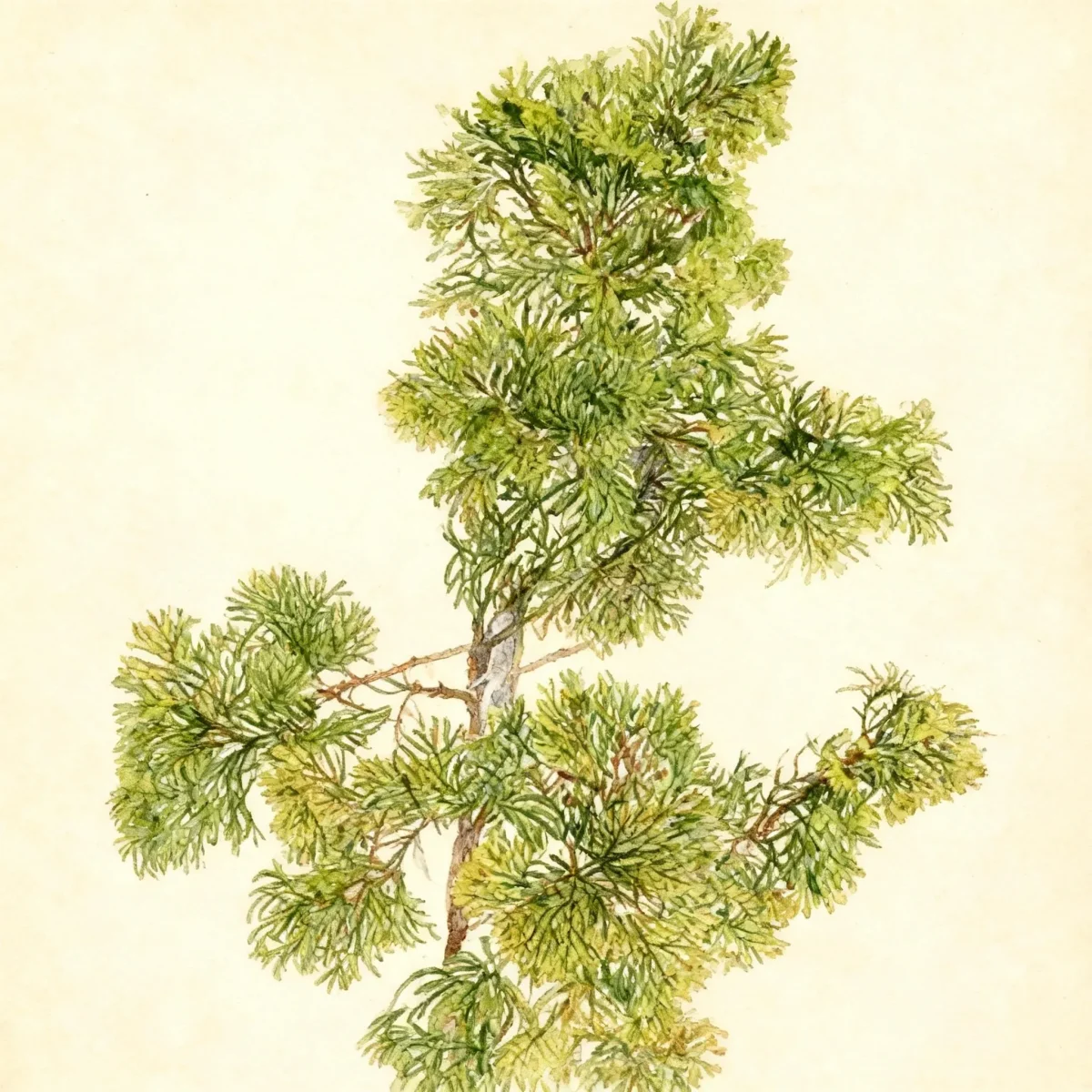
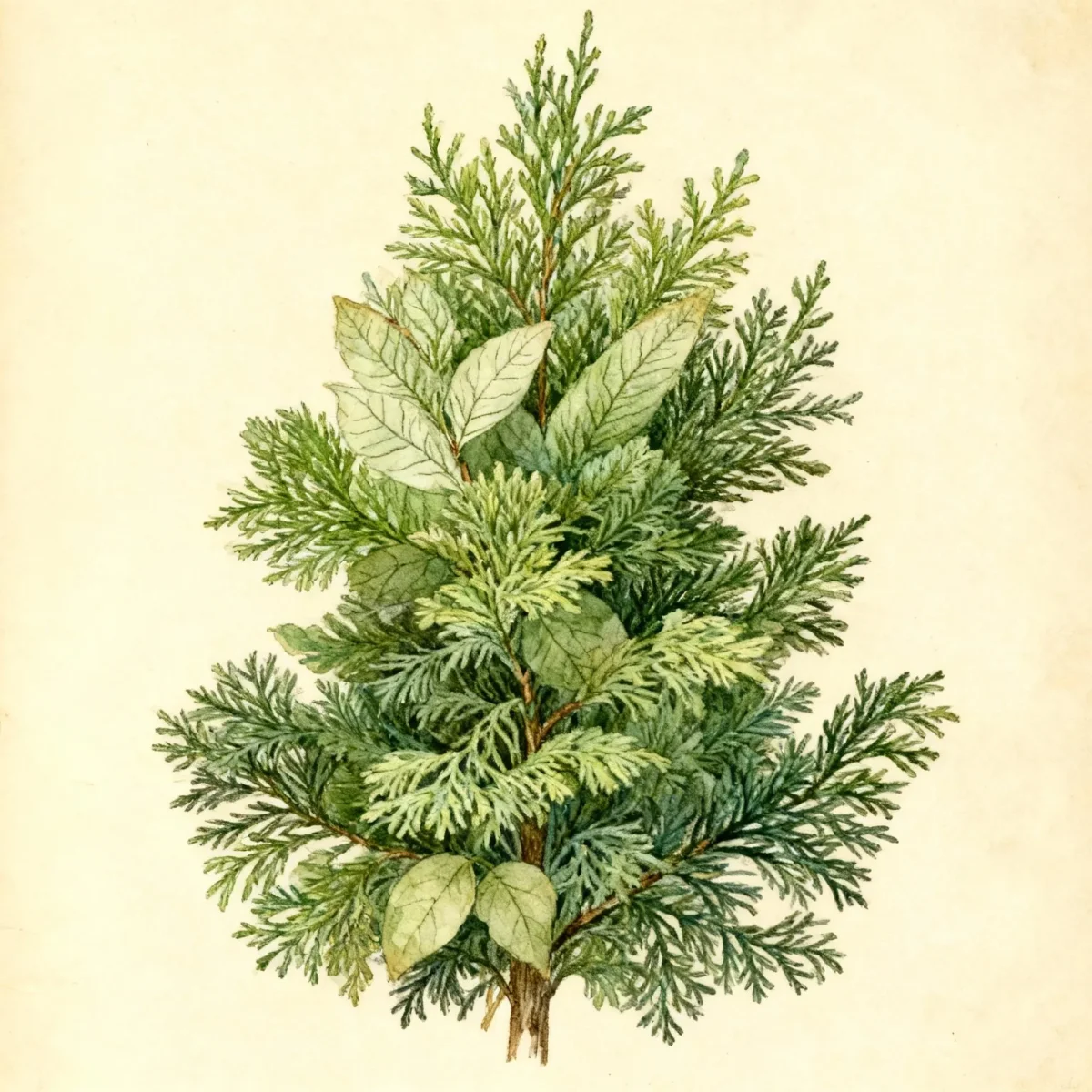
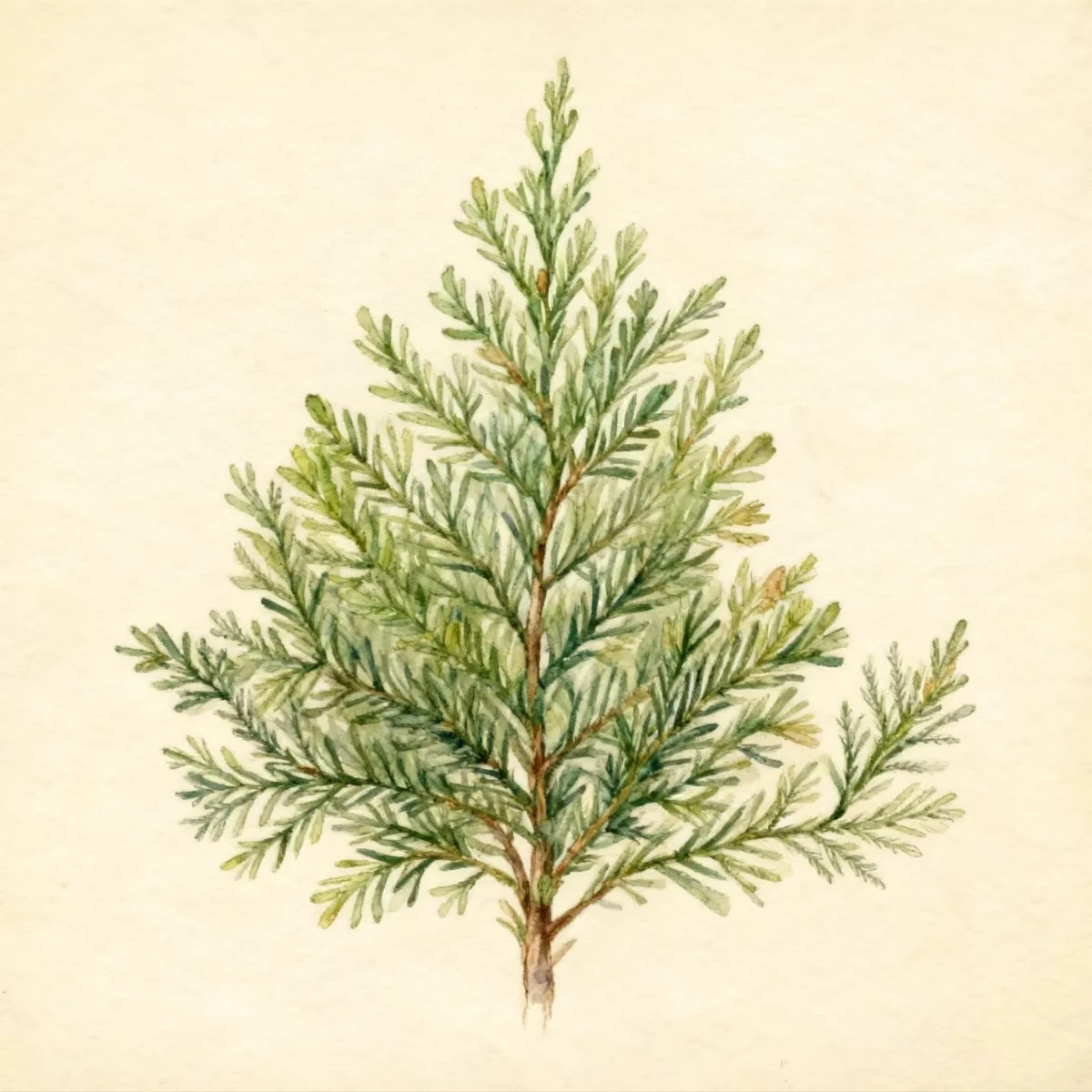
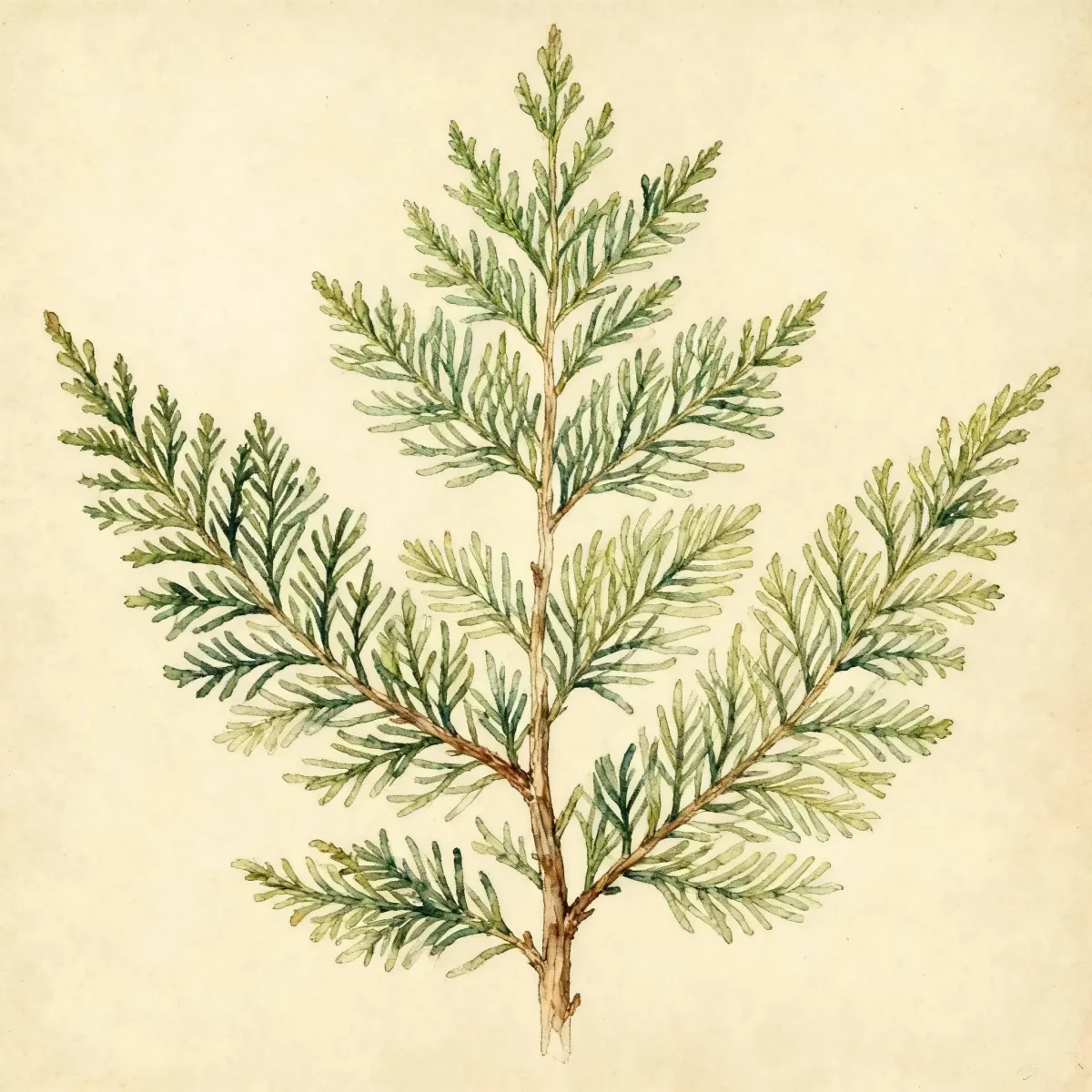
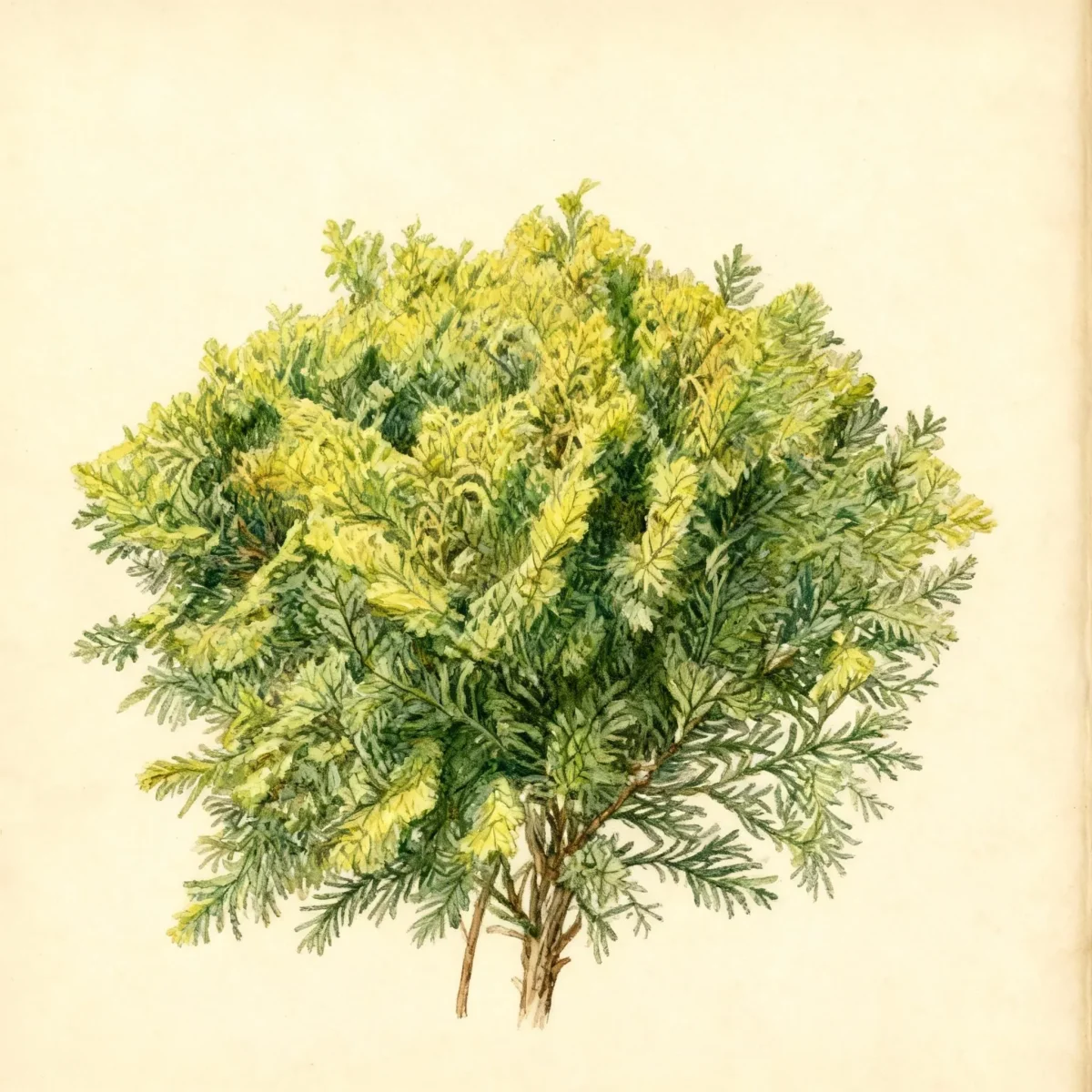
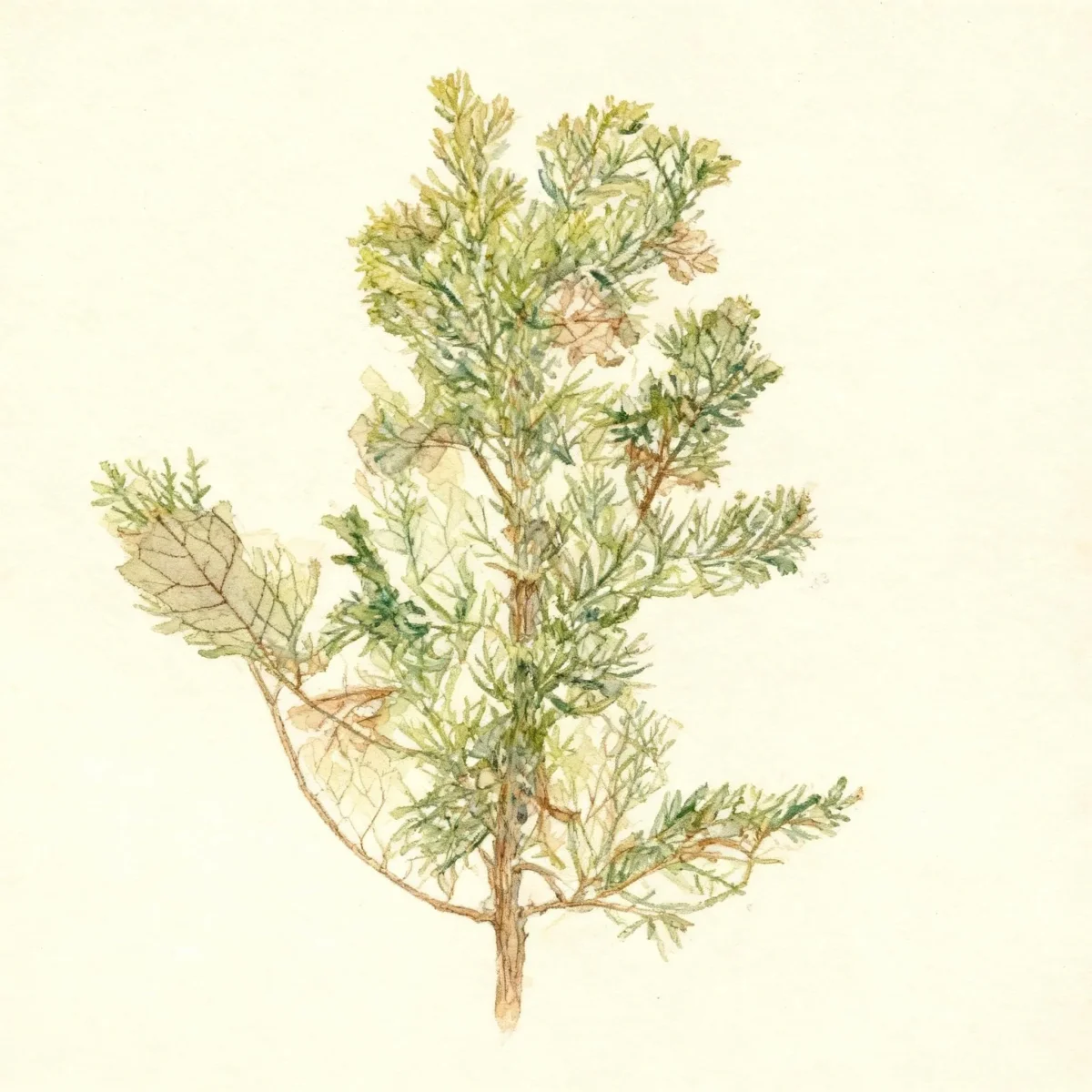
Hinoki cypress (Chamaecyparis obtusa 'Verdon')
Chamaecyparis obtusa 'Verdon' offers brilliant golden foliage in a dwarf, conical form, making this Hinoki cypress perfect for year-round garden color and structure.
Scroll down to discover growing tips, care requirements, companion plants, and more
Complete Plant Information
Overview
Chamaecyparis obtusa ‘Verdon’ is a highly valued dwarf cultivar treasured for its vibrant, year-round golden foliage. This slow-growing Hinoki cypress maintains a loose, broadly conical shape, offering excellent textural contrast in smaller garden spaces where standard-sized conifers might overwhelm the landscape. Its distinctive coloring ensures this specimen evergreen conifer stands out even in low light conditions.
Native to Japan, the species is revered, and cultivars like ‘Verdon’ provide gardeners everywhere with an easily managed, low-maintenance specimen. It offers evergreen structure and fine texture, making it a versatile addition to foundation plantings, rock gardens, or as a bright accent piece.
Gardeners appreciate the low maintenance requirements coupled with the reliable color display provided by Chamaecyparis obtusa ‘Verdon’. While the mature species can reach towering heights, this specific cultivar is perfectly scaled for contemporary residential landscapes, topping out between 3 to 5 feet.
Fast Facts
- Plant Family: Cupressaceae
- Plant Type: Needled evergreen
- Hardiness Zones: USDA Zones 4-8
- Size at Maturity:
- Height: 3-5 ft
- Spread: 1.5-3 ft
- Bloom Time: Non-flowering
- Bloom Description: Non-flowering
- Sun Exposure: Full sun to part shade
- Water Needs: Medium
- Maintenance Level: Low
How to Grow
Optimal planting for Chamaecyparis obtusa ‘Verdon’ occurs in spring or fall, allowing the roots time to establish before extreme summer heat or winter cold sets in. This Hinoki cypress thrives in average, well-drained soils that are kept consistently medium moist. While it tolerates part shade, achieving the best golden coloration requires planting in sites receiving full sun exposure, provided the soil remains adequately moist.
Cultivation is straightforward; the goal is consistent moisture without allowing waterlogging, as wet, poorly-drained soils are detrimental and can lead to root rot. Fertilization is rarely necessary if the soil is already fertile. It is advisable to shelter the plant from strong, drying winds, which can scorch the foliage.
Pruning for Chamaecyparis obtusa ‘Verdon’ is typically minimal due to its naturally compact, slow-growing habit. Focus on removing any weak or damaged branches as needed. In colder, windier zones, apply a layer of mulch around the base to help regulate soil temperature and moisture levels throughout the winter months.
Landscape Uses
As a specimen evergreen conifer, Chamaecyparis obtusa ‘Verdon’ excels when used as a singular focal point. Its bright, consistent golden hue provides an excellent anchor in mixed borders, drawing the eye without sacrificing year-round structure. Because of its contained stature, it is ideal for low foundation plantings where it won’t obscure windows or pathways.
The dense, fine texture of this Hinoki cypress pairs beautifully with plants offering contrasting leaf shapes, such as broadleaf evergreens or deciduous shrubs with larger foliage. Consider placing it near deep green conifers or contrasting purple-leaved plants to maximize the visual pop of the golden needles.
This dwarf evergreen is also perfectly suited for modern low-maintenance gardens or Asian-inspired landscapes where precise form and color are paramount. When planted in rock gardens, its mounding, somewhat irregular habit softens hardscaping elements effectively.
Standout Features
Noteworthy Characteristics
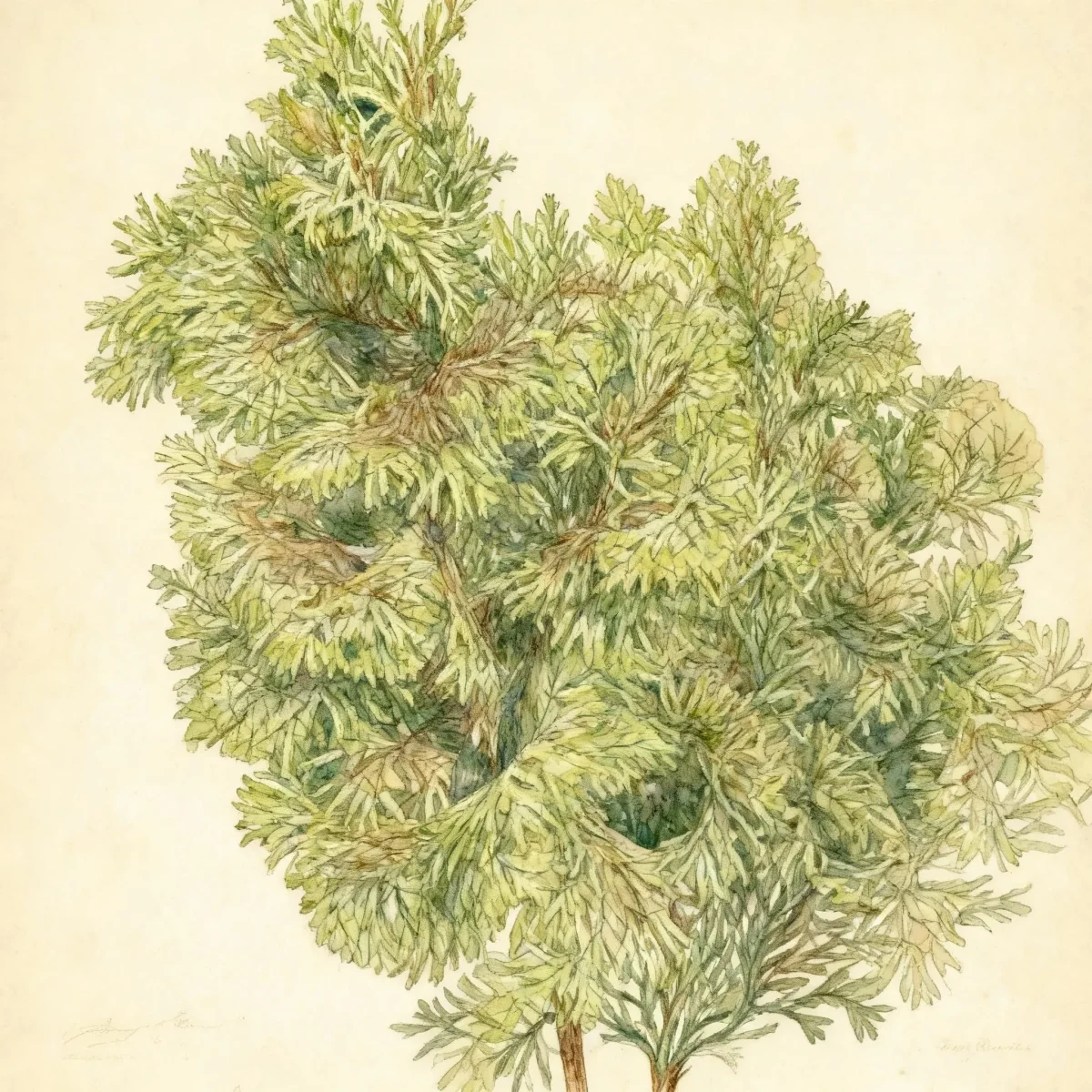
Chamaecyparis obtusa is native to Japan and is commonly called hinoki cypress or hinoki falsecypress. It is an evergreen conifer that features spreading branches with flattened horizontal branchlets that droop slightly at the ends. The handsome, dark green, scale-like leaves have white markings beneath, and the crushed foliage is delightfully aromatic. Mature trees develop attractive reddish-brown bark that peels gently. The cultivar ‘Verdon’ is specifically valued as a dwarf evergreen shrub, typically reaching only 3-5 feet tall in about ten years, showcasing its appealing golden foliage.
Tolerances
- Some susceptibility to juniper blight
- Root rot
Potential Problems
Potential problems associated with Chamaecyparis obtusa ‘Verdon’ mainly revolve around site conditions and specific pests. The plant shows some susceptibility to juniper blight, so ensure excellent air circulation to minimize fungal risks. Root rot is a significant concern if drainage is poor, emphasizing the need for well-drained soil culture.
Keep an eye out for certain insect pests, such as bagworms, which can defoliate sections if left uncontrolled. Regular inspection, especially during the growing season, helps catch issues early. Correct siting regarding soil moisture and adequate sunlight are the best preventative measures for maintaining a healthy Hinoki cypress.
Frequently Asked Questions
What hardiness zones is Hinoki cypress suitable for?
Chamaecyparis obtusa ‘Verdon’ is reliably hardy across USDA Zones 4 through 8.
How large does Chamaecyparis obtusa ‘Verdon’ grow?
This dwarf cultivar typically reaches a mature height between 3 to 5 feet, with a spread of 1.5 to 3 feet.
What sun exposure does Hinoki cypress need?
This conifer prefers conditions ranging from full sun to part shade, though full sun is recommended for the best golden foliage color.
When does Chamaecyparis obtusa ‘Verdon’ bloom?
This plant is non-flowering; it is grown solely for its evergreen foliage structure.
Conclusion
The Chamaecyparis obtusa ‘Verdon’ remains an outstanding choice for gardeners seeking manageable size, brilliant golden color, and very low ongoing care requirements. This beautiful dwarf Hinoki cypress offers consistent visual interest in all four seasons. Before planting, confirm your site offers well-drained soil and adequate sun exposure to ensure this specimen thrives for years to come.
Companion Planting
When selecting neighbors for Chamaecyparis obtusa ‘Verdon’, prioritize plants that offer textural or color contrast without competing for the same cultural needs. Blue or silver-toned groundcovers will dramatically set off the golden foliage of this Hinoki cypress. Plants requiring similar medium moisture and full sun, such as certain low-growing ornamental grasses or small Japanese maples, make excellent companions. Avoid planting directly next to moisture-loving perennials that might keep the root zone too saturated.
Seasonal Care Calendar
Spring is the best time to inspect your Hinoki cypress for any winter damage or emerging pests as the plant breaks dormancy. A light application of balanced, slow-release fertilizer in early spring can support robust growth, although this plant generally does not require heavy feeding. As summer arrives, focus strictly on proper watering, ensuring the soil is kept evenly moist, especially during dry spells. In autumn, avoid heavy pruning; focus instead on cleaning up any fallen debris around the base before the ground freezes solid for the impending winter season.