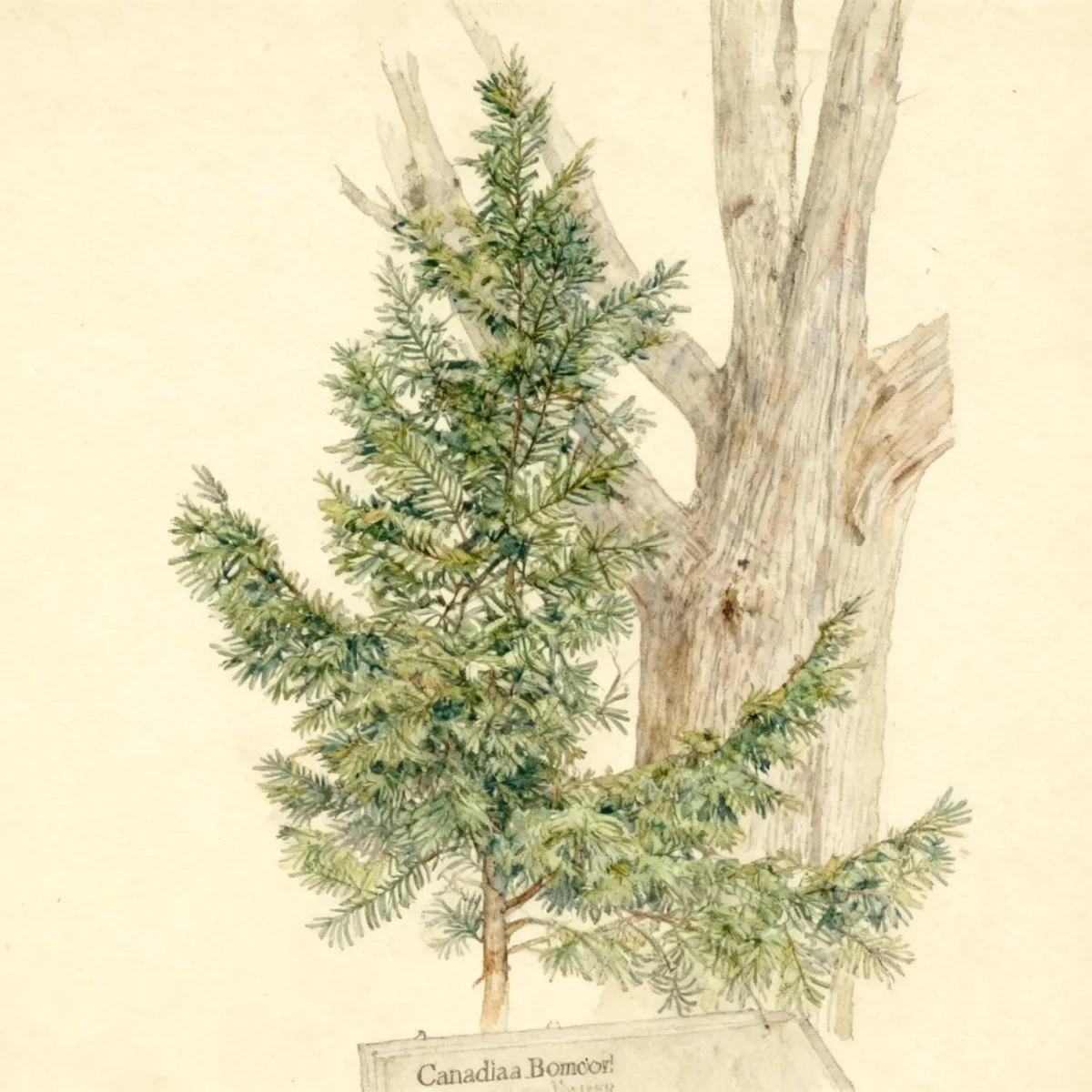
Canadian hemlock (Tsuga canadensis 'Stockman's Dwarf')
Tsuga canadensis 'Stockman's Dwarf' is a low-maintenance, dense evergreen perfect for shady rock gardens. Enjoy its lacy foliage in USDA Zones 4-7.
Scroll down to discover growing tips, care requirements, companion plants, and more
Complete Plant Information
Overview
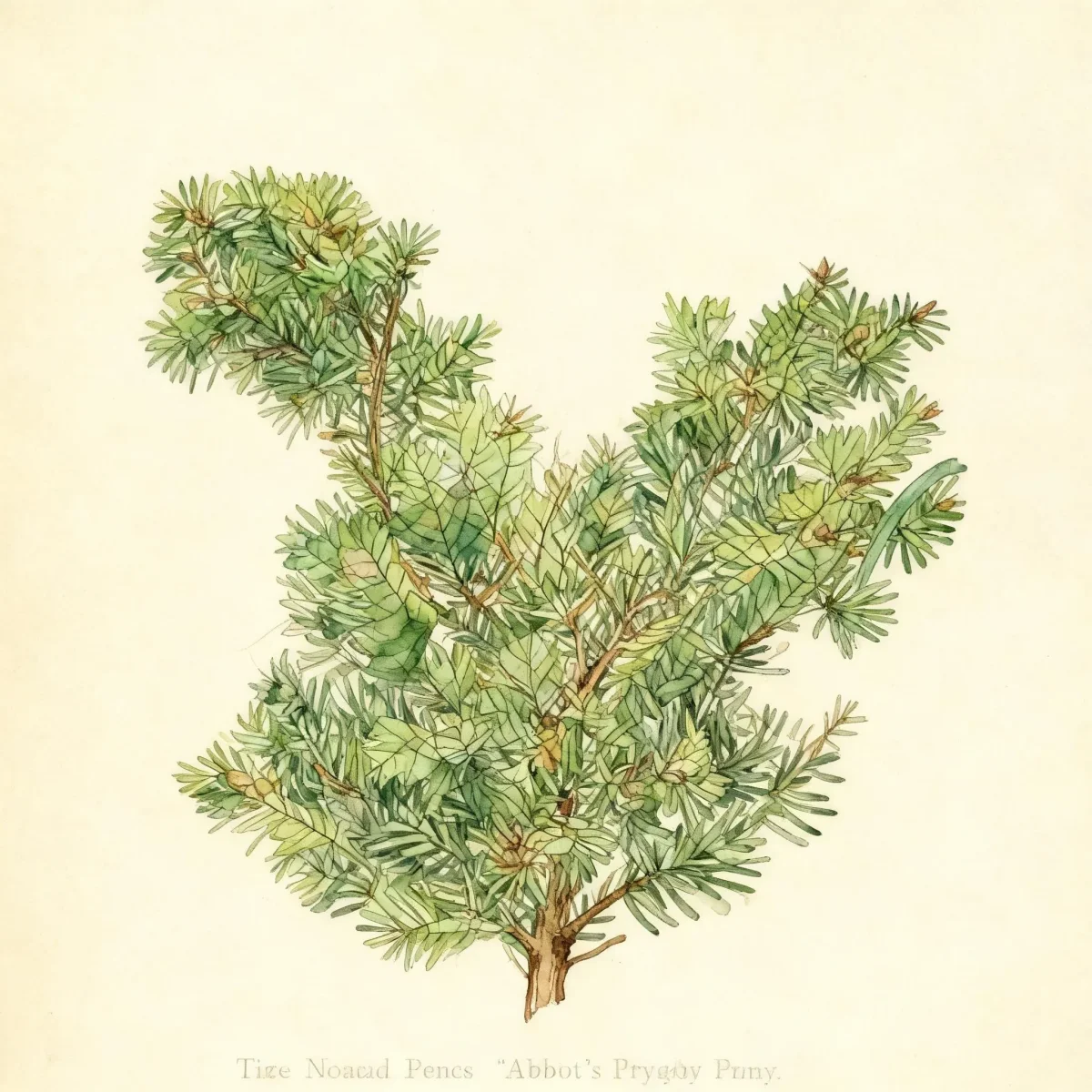
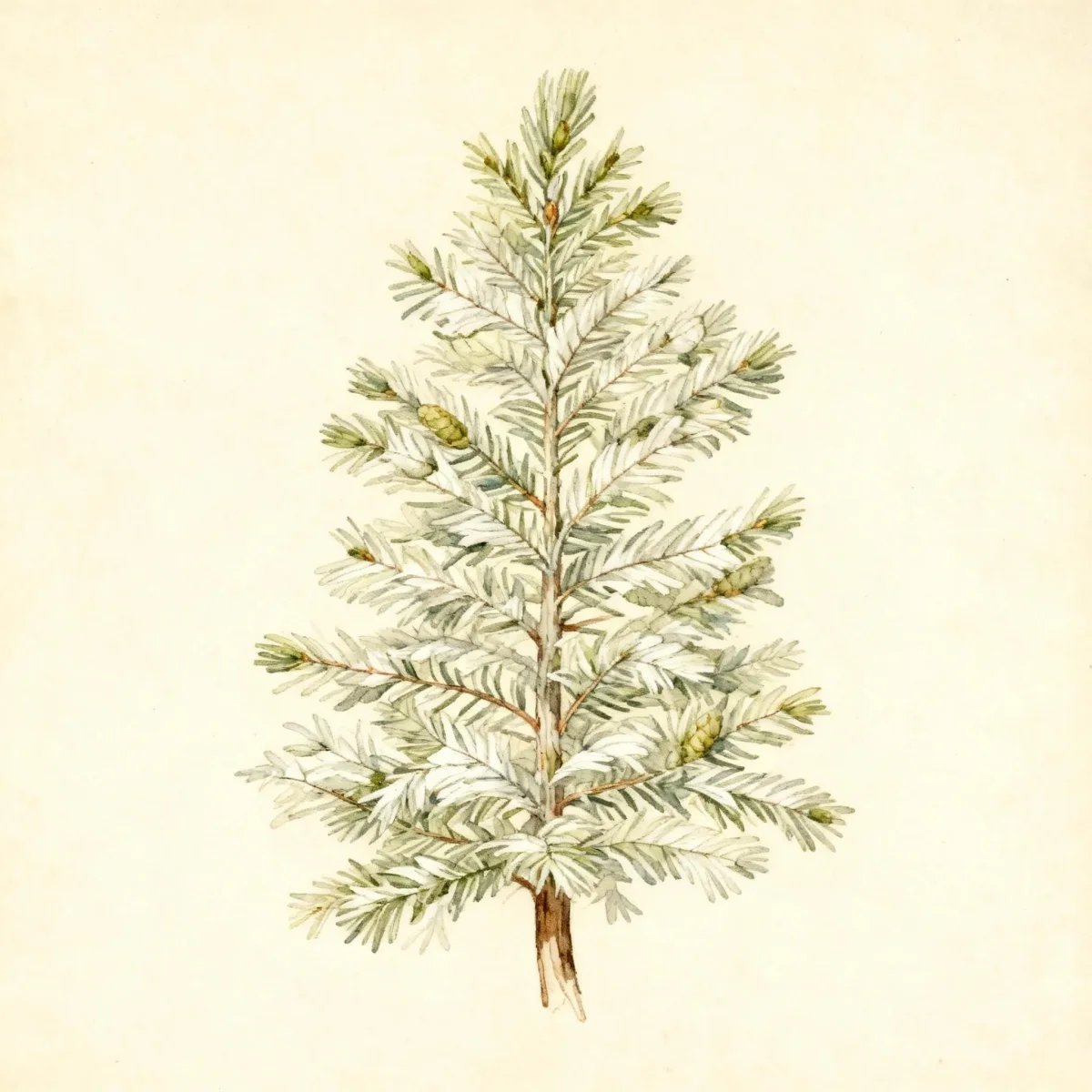
Tsuga canadensis ‘Stockman’s Dwarf’ is an exceptional choice for gardeners seeking a dense, slow-growing evergreen suited for shaded environments. As a desirable dwarf cultivar of the native Canadian hemlock, this plant maintains a compact, upright, conical form, making it ideal for smaller spaces where the full-sized Eastern hemlock would be overwhelming. Its dense, clustered green foliage and gracefully drooping branch tips provide year-round texture and visual interest.
This needled evergreen thrives best when protected from intense heat and drying winds, perfectly suiting it to foundation plantings or shady woodland borders. Its low maintenance requirements and preference for consistently moist, well-drained soil contribute to its popularity among both novice and experienced gardeners. Discovering the right spot for Tsuga canadensis ‘Stockman’s Dwarf’ ensures a resilient, attractive specimen that complements diverse landscape designs.
Fast Facts
- Plant Family: Pinaceae
- Plant Type: Needled evergreen
- Hardiness Zones: USDA Zones 4-7
- Size at Maturity:
- Height: 1.5-3 ft
- Spread: 2-4 ft
- Bloom Time: Non-flowering
- Bloom Description: Non-flowering
- Sun Exposure: Part shade to full shade
- Water Needs: Medium
- Maintenance Level: Low
How to Grow
Planting your Canadian hemlock should ideally occur in spring or fall when temperatures are moderate to reduce transplant shock. Select a site that offers protection from harsh afternoon sun, especially in warmer zones, as excessive heat can scorch the fine foliage. The crucial recommendation for success is planting in average, medium-moisture, and highly well-drained soil; hemlocks absolutely cannot tolerate drought or standing water.
Watering needs are medium, requiring consistent moisture, particularly throughout the first few growing seasons as the root system establishes itself. Avoid letting the plant dry out during prolonged dry spells, as Tsuga canadensis ‘Stockman’s Dwarf’ is intolerant of severe drought. Fertilization is rarely necessary if the native soil is reasonably fertile, but a light application of slow-release evergreen food in early spring can encourage robust growth.
Pruning is minimal for this dwarf cultivar, as its natural habit is desirable. Occasionally, you may snip off errant growth to maintain its compact, upright shape. In colder months, remember that this species appreciates a thick layer of winter mulch applied around the base. This helps regulate soil temperature and conserves the critical moisture levels the Canadian hemlock requires, safeguarding it from winter desiccation and temperature fluctuations.
Landscape Uses
The diminutive size of Tsuga canadensis ‘Stockman’s Dwarf’ makes it invaluable for small-scale applications where traditional conifers are too large. It performs excellently as a low accent in rock gardens, adding evergreen color against stone textures. Furthermore, its shade tolerance and refined texture make it a stellar choice for foundation plantings near houses or under the canopy of larger, established trees.
Due to its resistance to Deer browse and its shade tolerance, this cultivar often pairs beautifully with shade-loving perennials like Hosta or Astilbe, creating layered contrast in evergreen borders. Consider grouping several specimens for a formal, low-hedge effect, or utilizing a single Tsuga canadensis ‘Stockman’s Dwarf’ as a specimen plant in a mixed foundation border, ensuring its distinctive texture remains visible year-round.
Standout Features
Noteworthy Characteristics
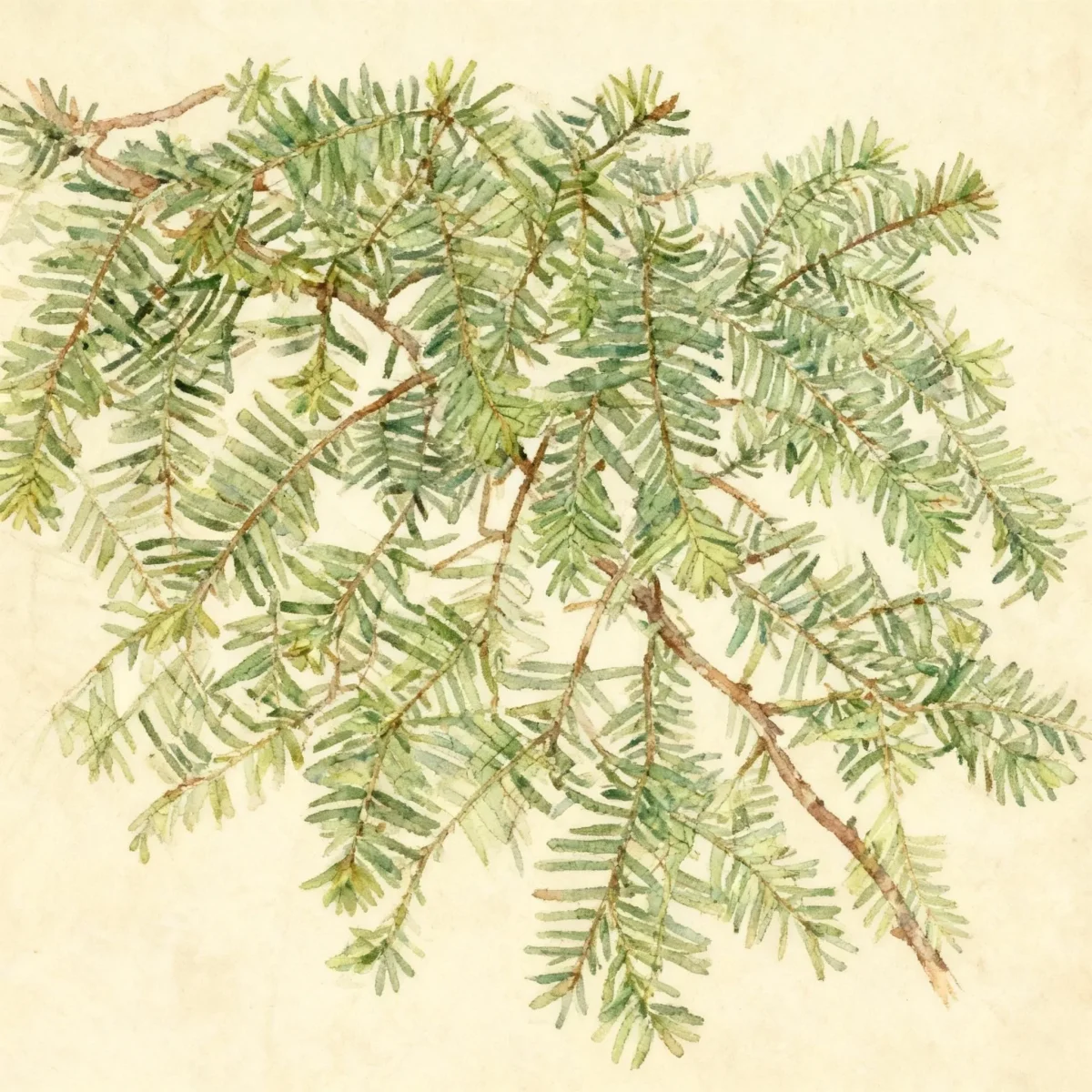
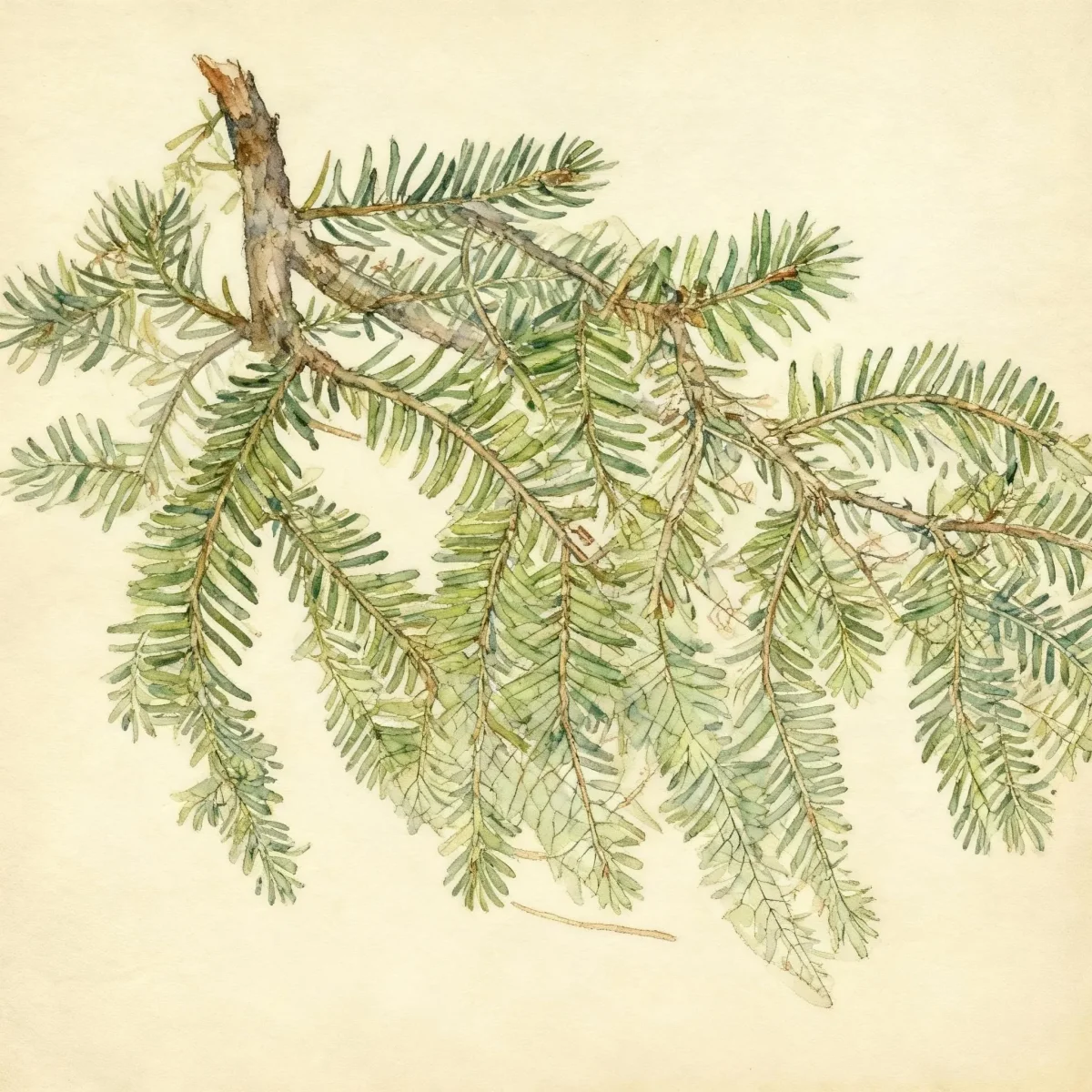
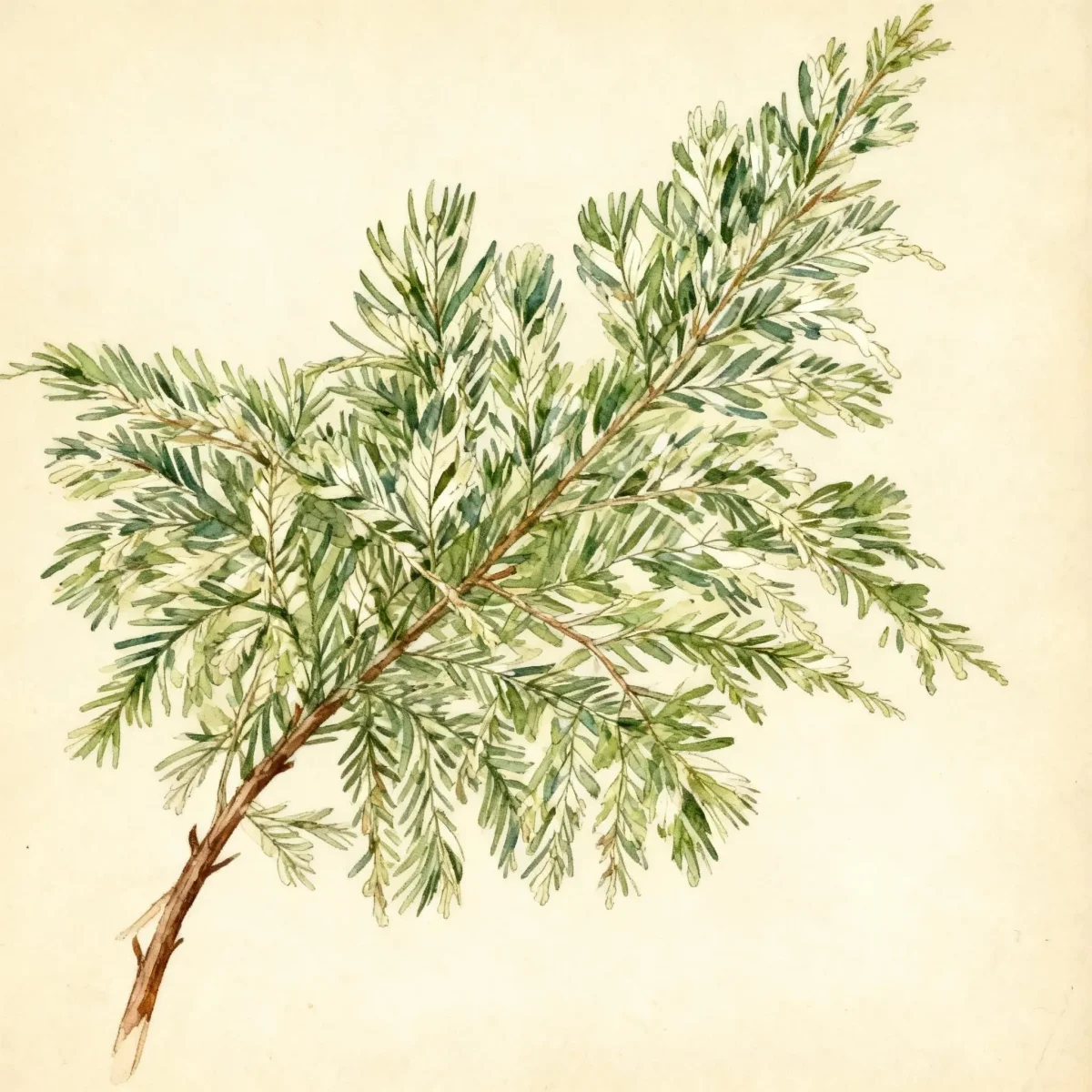
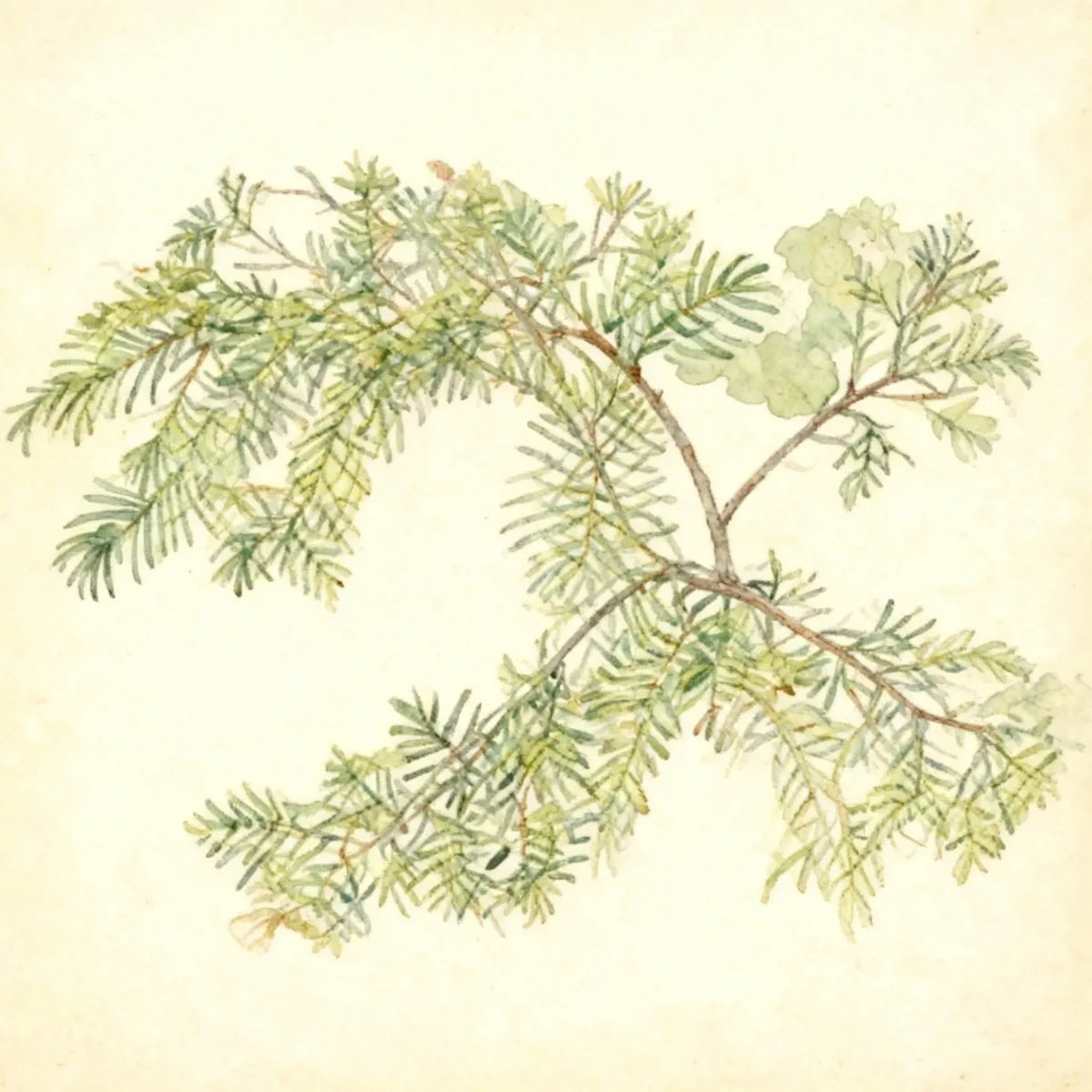
Tsuga canadensis, commonly called Canadian hemlock or eastern hemlock, is a dense, pyramidal conifer of the pine family that is native to moist woods, moist slopes, rocky hillsides/ridges, wooded ravines, and stream valleys from eastern Canada south to Maine and Wisconsin and further south in the Appalachian Mountains to Georgia and Alabama. The wild species grows significantly larger, but ‘Stockman’s Dwarf’ is an upright, conical, densely-needled shrub with clustered green foliage and drooping branch tips, often described as a miniature version of T. C. ‘Nana Gracilis’ and typically reaching 18 to 30” tall over the first decade. Flat sprays of lacy evergreen foliage give this tree a graceful form, featuring short dark green needles with two white bands beneath.
Tolerances
- Deer
- Heavy Shade
- Black Walnut
Potential Problems
A healthy Tsuga canadensis ‘Stockman’s Dwarf’ in the proper environment has few problems, though vigilance against specific pests and conditions is necessary. Potential disease issues include needle blight, canker, and various rots, often stemming from overly wet sites or poor air circulation. Insect concerns range from bagworms and borers to sawflies, all manageable with targeted horticultural oils or insecticides if infestations become severe.
The most significant threat to hemlocks across the Eastern US is the Hemlock Woolly Adelgid (HWA), a tiny, sap-sucking insect that can be fatal, especially to mature trees. While the dwarf cultivar may sometimes show more resilience, monitoring for white, cottony egg sacs at the base of the needles is crucial. If HWA is suspected, immediate treatment with systemic pesticides containing imidacloprid or dinotefuran, applied according to label instructions, is necessary for control.
Foliage scorch can also occur in extreme heat, particularly south of Zone 6, emphasizing the need for consistent moisture and protection from scorching afternoon sun. Remember that prolonged drought can be fatal to any young Canadian hemlock, so regular deep watering during summer heat waves is essential prevention.
Frequently Asked Questions
What hardiness zones is Canadian hemlock suitable for?
Tsuga canadensis ‘Stockman’s Dwarf’ is suitable for USDA Hardiness Zones 4 through 7. Ensure your location falls within this range for the best outdoor performance.
How large does Tsuga canadensis ‘Stockman’s Dwarf’ grow?
This dwarf cultivar typically reaches a manageable height of 1.5 to 3 feet and spreads between 2 to 4 feet wide, making it an excellent slow-growing shrub.
What sun exposure does Canadian hemlock need?
This plant performs best in part shade to full shade conditions. While it can tolerate full sun in very cool northern climates, it requires protective shade to prevent foliage scorch in hotter areas.
When does Tsuga canadensis ‘Stockman’s Dwarf’ bloom?
This needled evergreen does not produce flowers; it is listed as non-flowering.
Conclusion
The Tsuga canadensis ‘Stockman’s Dwarf’ offers unparalleled texture and evergreen structure for difficult, shaded garden spots. Its low maintenance level and manageable dwarf size make this Canadian hemlock cultivar a superstar for foundation plantings and rock gardens alike. Before planting, confirm that your site offers medium moisture and good drainage, and check your local USDA zone compatibility to guarantee years of graceful enjoyment.
Companion Planting
When selecting companions for Tsuga canadensis ‘Stockman’s Dwarf’, focus on plants that share its cultural requirements for shade and medium moisture. Low-maintenance groundcovers that thrive under conifers, such as Japanese Forest Grass (Hakonechloa macra) or certain varieties of Vinca, provide contrasting texture without competing heavily for nutrients. For seasonal color, pair the deep green needles with shade-tolerant annuals or perennials like Bloodroot (Sanguinaria canadensis) or Brunnera (Brunnera macrophylla).
Avoid companions that require full sun or dry conditions, as these will often suffer or perish in the environment where your hemlock thrives. Because the root system of Tsuga canadensis is relatively shallow, try to avoid aggressive shallow-rooted weeds or shrubs immediately adjacent to the base that might steal vital moisture during dry spells.
Seasonal Care Calendar
Early Spring (Pre-Emergence): Apply a loose layer of winter mulch if you skipped it in fall, ensuring it does not touch the central crown of the shrub. Inspect foliage for any signs of winter burn or pest activity before active growth starts.
Late Spring/Early Summer: This is the ideal time for fertilization, if desired, using a balanced fertilizer formulated for evergreens. Monitor soil moisture closely as warm weather sets in and provide supplemental water if dry periods extend more than two weeks.
Late Summer/Fall: Water deeply and regularly as the plant begins hardening off for winter. Fall is the second-best time to plant this hemlock, allowing roots time to settle before the ground freezes.
Winter: Protect the shrub from harsh winter winds, particularly if sited in an exposed location. Keep mulch in place to insulate the root zone.