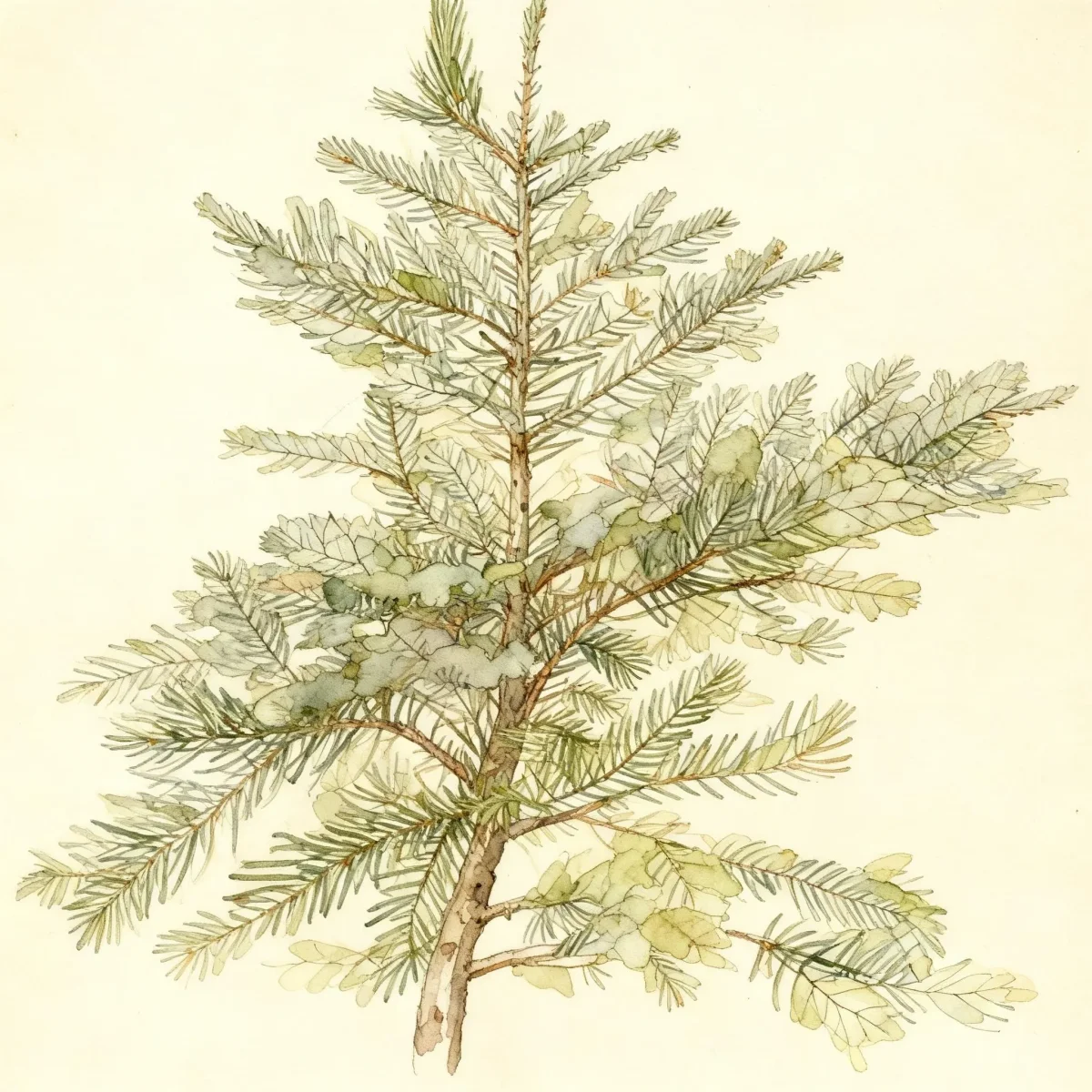
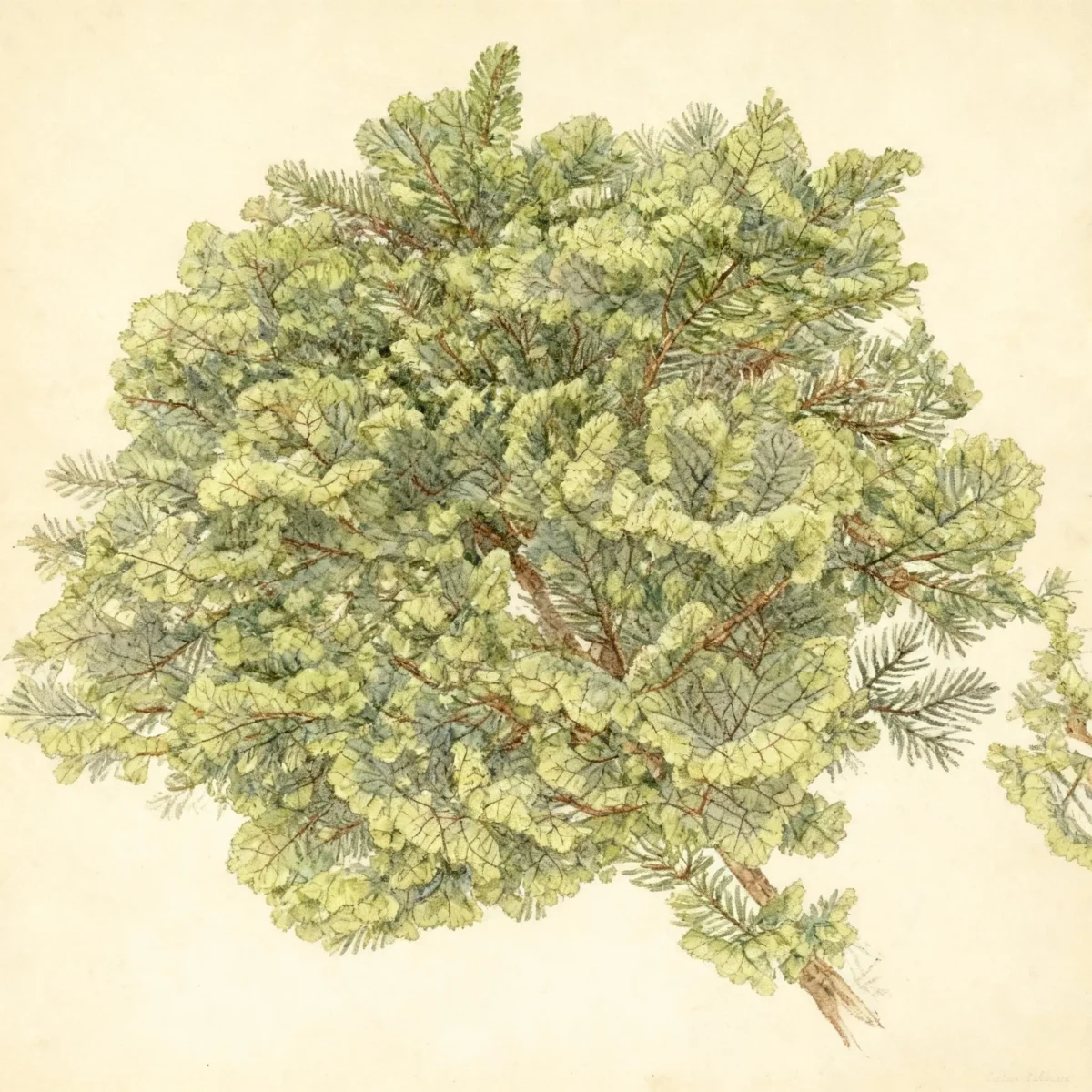
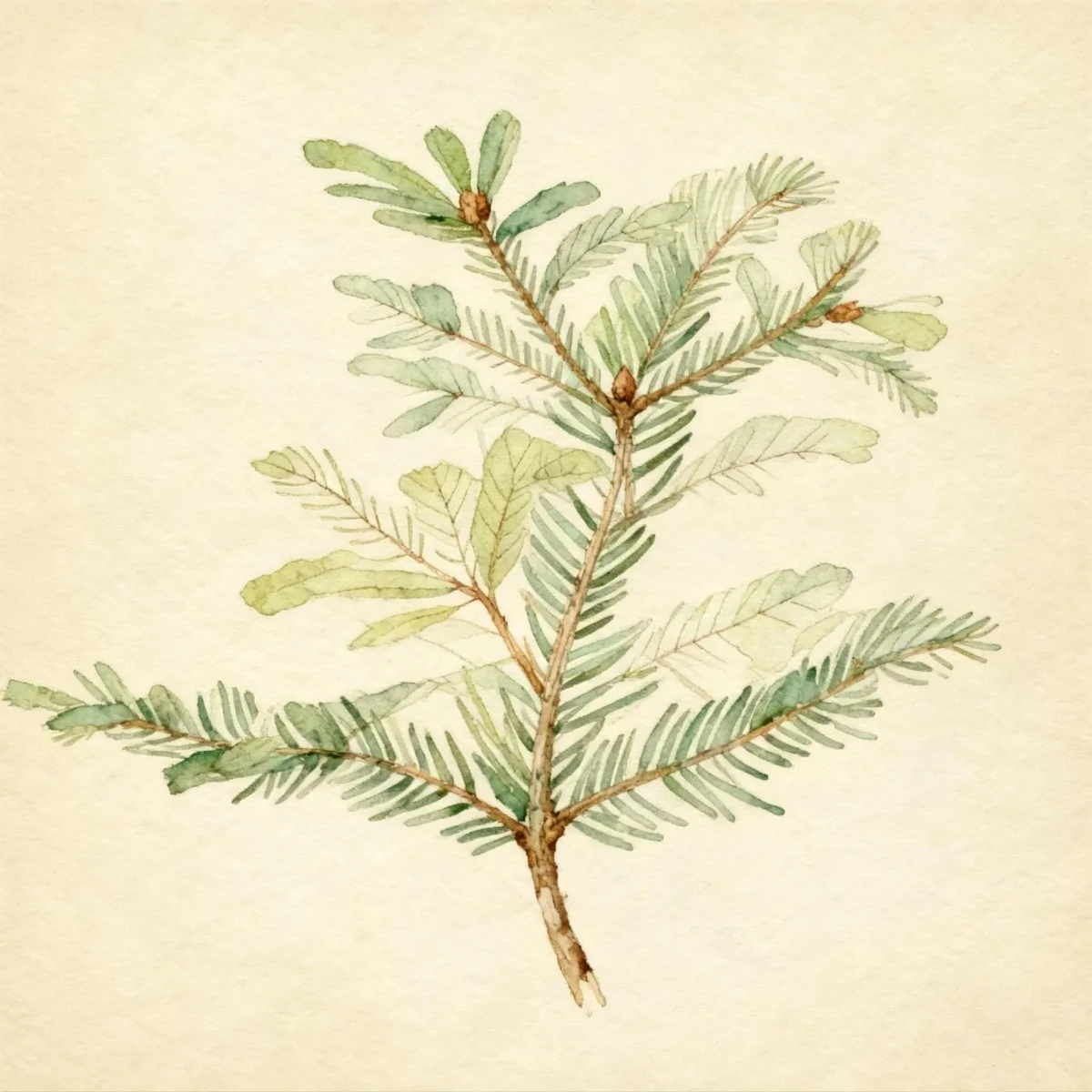
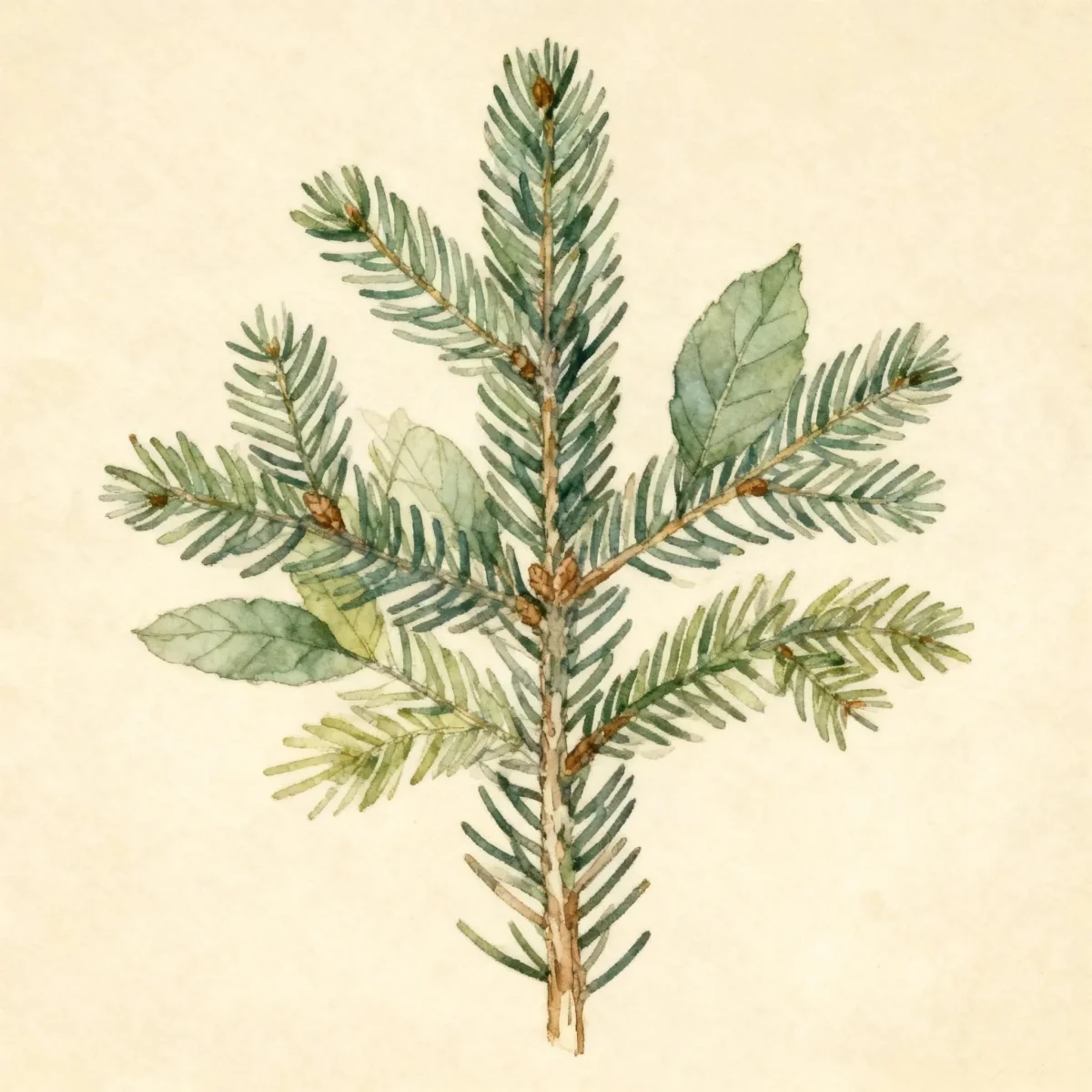
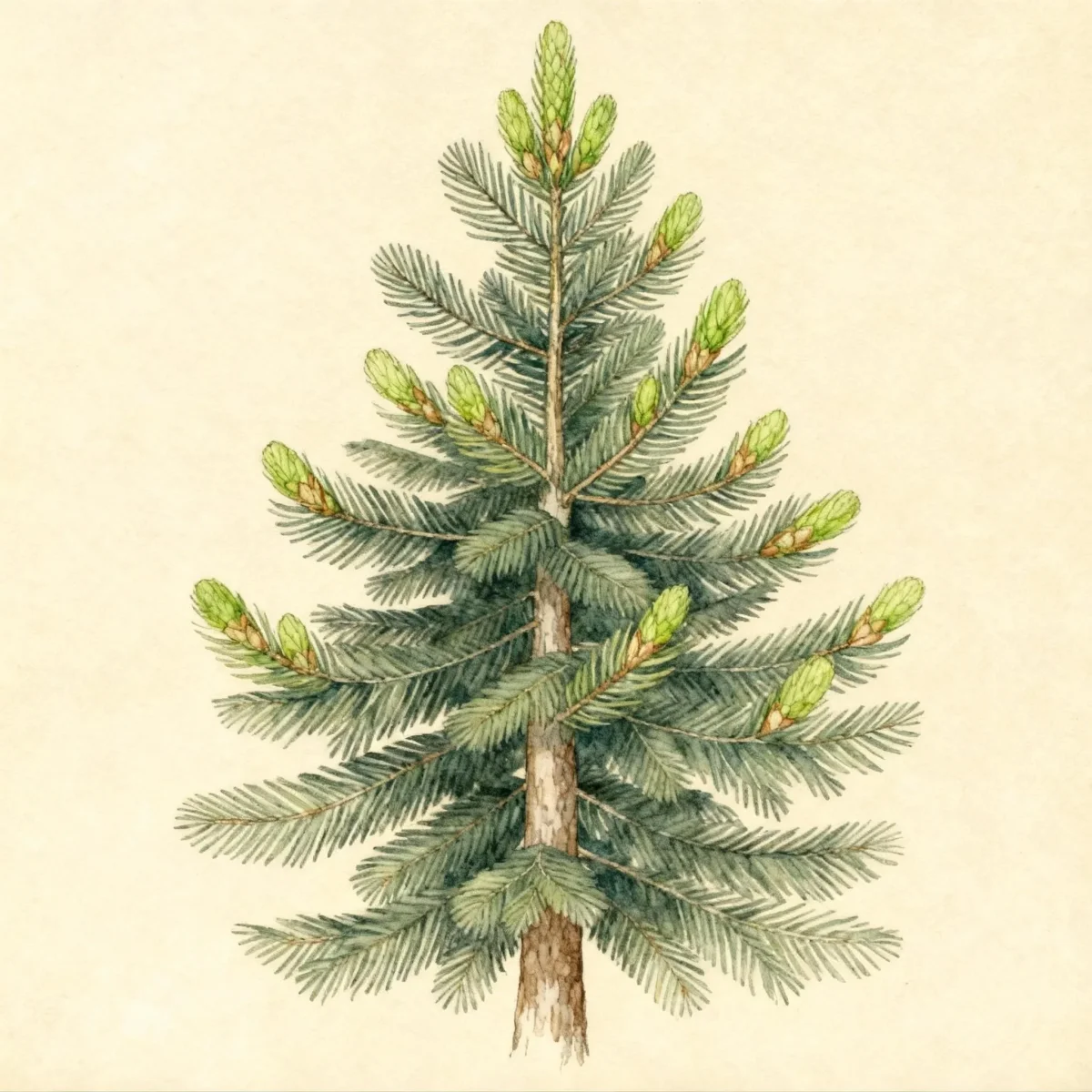
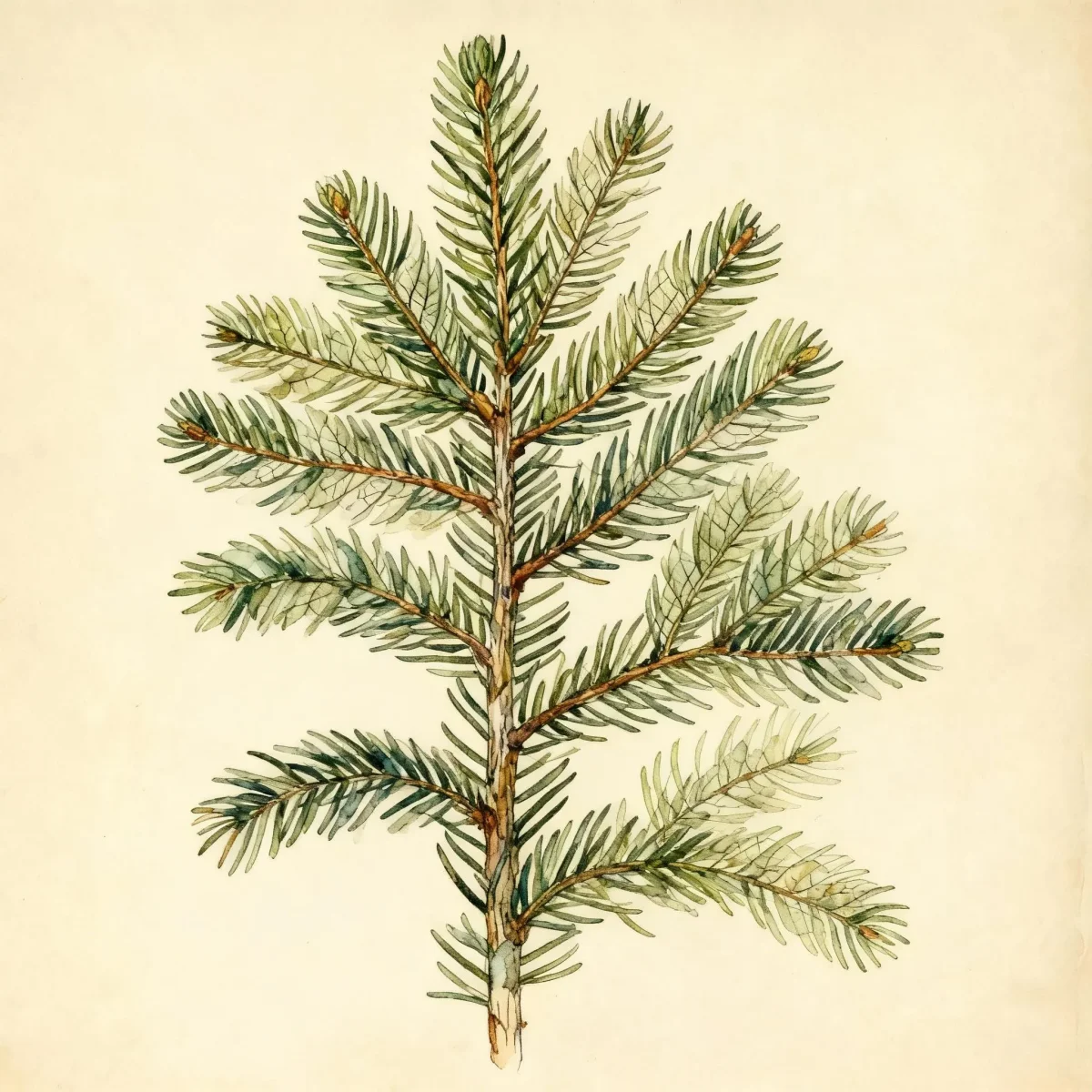
Frazier fir (Abies fraseri 'Kline's Nest')
Discover Abies fraseri 'Kline's Nest', a dwarf Frazier fir perfect for specimens. Zones 4-7, needing medium water and full sun.
Scroll down to discover growing tips, care requirements, companion plants, and more
Complete Plant Information
Overview
Abies fraseri 'Kline's Nest' is a highly desirable dwarf cultivar of the popular Fraser fir, offering the classic beauty of its parent in a compact, manageable size perfect for smaller gardens. This slow-growing, needled evergreen maintains a dense, neat habit, making it an excellent year-round focal point in refined landscapes. Gardeners seeking the deep green foliage and classic pyramidal form of a true fir, without committing to the massive stature of the species form, will appreciate Abies fraseri 'Kline's Nest'. This cultivar is specifically noted for its upright-outward branching, creating a lovely texture that contrasts well with broadleaf shrubs.
Fast Facts
- Plant Family: Pinaceae
- Plant Type: Needled evergreen
- Hardiness Zones: USDA Zones 4-7
- Size at Maturity:
- Height: 3-4 ft
- Spread: 4-6 ft
- Bloom Time: Non-flowering
- Bloom Description: Non-flowering
- Sun Exposure: Full sun to part shade
- Water Needs: Medium
- Maintenance Level: Medium
How to Grow
Planting Abies fraseri 'Kline's Nest' is best accomplished in the spring or fall, allowing the root system time to establish before extreme weather. Select a location that provides rich, moist, slightly acidic, and exceptionally well-drained soil. While the cultivar accepts part shade, ensure it receives full sun for the densest growth habit and best color. Avoid heavy clay soils entirely, as they rapidly contribute to root rot issues common in firs.
Due to its native mountain origins, this plant requires consistent moisture, especially as it establishes; provide medium watering, allowing the top few inches of soil to dry slightly between thorough soakings. Fertilization is rarely necessary if the soil is rich, but a light application of acidifying fertilizer formulated for evergreens in early spring can support growth. Pruning is generally minimal for this dwarf form, focusing only on removing any dead wood or correcting any accidental damage.
Be aware that trees native to cool mountain climates are not suited for hot, humid summers beyond USDA Zone 7. Protect your investment by monitoring for pests and ensuring excellent air circulation to prevent foliage diseases.
Landscape Uses
The compact nature of the Fraser fir ‘Kline’s Nest’ makes it invaluable where space is limited or where a permanent, low-profile specimen is needed. It serves beautifully as a foreground planting near foundation lines or as a striking specimen in mixed evergreen borders. Its density and shape also make it an exceptional structural anchor in rock gardens or alpine displays.
Pair this dwarf fir with perennials that enjoy similar acidic soil conditions, such as rhododendrons, azaleas, or groundcovers like Pachysandra or creeping junipers for textural contrast. The deep green needles of the Abies fraseri ‘Kline’s Nest’ provide year-round structure, contrasting sharply with the bright flowers of deciduous plants in the summer and adding winter interest when other plants are dormant.
Standout Features
Noteworthy Characteristics
The specific epithet honors John Fraser, the Scottish botanist who introduced this popular Christmas tree species to Britain. This dwarf spreading form, Abies fraseri 'Kline's Nest', typically reaches only 3-4 feet tall over its first decade with upright-outward branching, featuring short, dark green needles and distinctive small purple seed cones. Its parent species, the Fraser fir, is celebrated for its excellent needle retention and aromatic qualities, traits often retained by high-quality cultivars like this one.
Tolerances
- Intolerant of urban pollution
Potential Problems
Balsam woolly adelgid continues to devastate wild populations of the Fraser fir, meaning vigilance is essential for this cultivar; inspect needles and branches regularly for signs of infestation. Bark beetles, spruce budworms, aphids, bagworms, and scale are additional insect pests that can cause damage. Disease management focuses on preventing root rots through meticulous drainage management and avoiding overly tight plantings that impede air flow, which can lead to twig blight or needle rust.
Frequently Asked Questions
What hardiness zones is Frazier fir suitable for?
The Abies fraseri ‘Kline’s Nest’ is hardy and thrives in USDA Zones 4 through 7.
How large does Abies fraseri ‘Kline’s Nest’ grow?
This dwarf cultivar typically reaches a manageable height of 3 to 4 feet, with a corresponding spread of 4 to 6 feet at maturity.
What sun exposure does Frazier fir need?
For optimal density and color, this evergreen performs best in full sun, though it can tolerate partial shade.
When does Frazier fir bloom?
As a conifer, Abies fraseri 'Kline's Nest' is non-flowering; it reproduces via cones rather than traditional flowers.
Conclusion
The Abies fraseri 'Kline's Nest' offers gardeners a superb, miniature specimen evergreen, faithfully capturing the aesthetic appeal of the widely loved Fraser fir in a compact size ideal for residential landscapes. Ensure perfect soil drainage and adequate moisture to maintain the health of this beautiful plant. Check your local USDA zone compatibility today, and plan to plant your dwarf Frazier fir during a cool season for the best start.
Companion Planting
Choosing appropriate companions ensures the long-term success of your Abies fraseri 'Kline's Nest' by respecting its need for acidic, moist soil. Acid-loving shrubs are the best pairing for this fir. Consider planting it near low-growing spreading heaths (Erica) or various types of small Japanese Azaleas, which prefer similar slightly shaded, well-drained conditions.
Avoid planting this delicate fir near aggressive root systems or deciduous trees that drop excessive debris, which can smother the shallow roots and impede air circulation around the base of the conifer. The dense, dark green form of the Fraser fir ‘Kline’s Nest’ acts as a wonderful backdrop for spring-blooming bulbs like Scilla or Muscari, whose fleeting color contrasts beautifully against the evergreen structure.
Design Ideas for Dwarf Conifers
Dwarf conifers like Abies fraseri 'Kline's Nest' are central elements in low-maintenance, formal designs. Use them as repeating accents along a walkway or path to establish rhythm and structure, spaced appropriately given their 4-6 foot mature spread. In contemporary gardens, a single specimen can serve as a sculptural element contrasted against hardscaping materials like gravel or large, modern pavers.
For Winter interest, place the ‘Kline’s Nest’ where it can be viewed from a window during the colder months, utilizing its dense form to catch snow accumulation, highlighting its unique branching structure. Its relatively small size also makes it one of the few true firs suitable for very large ornamental containers, though container culture requires vigilance regarding watering consistency.