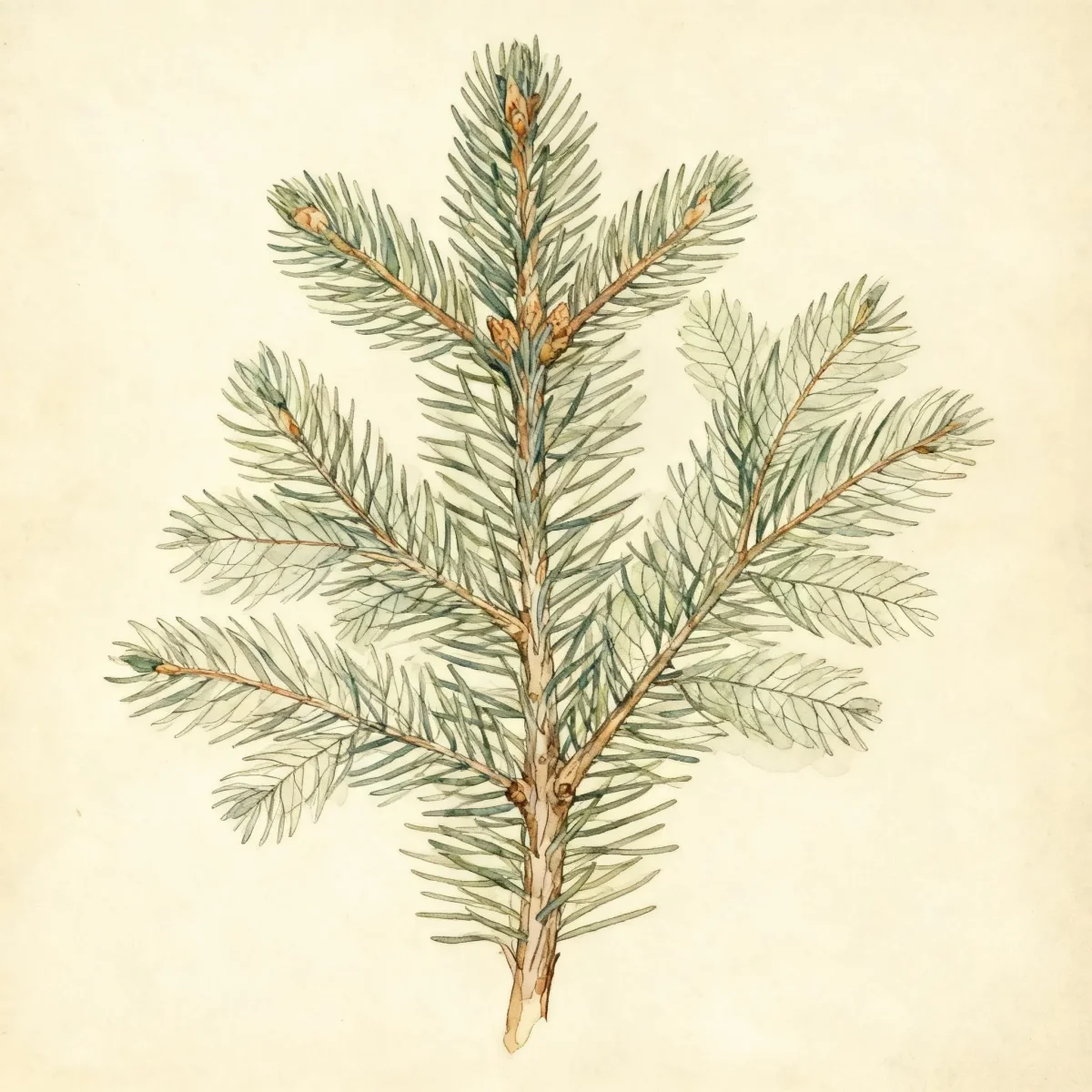
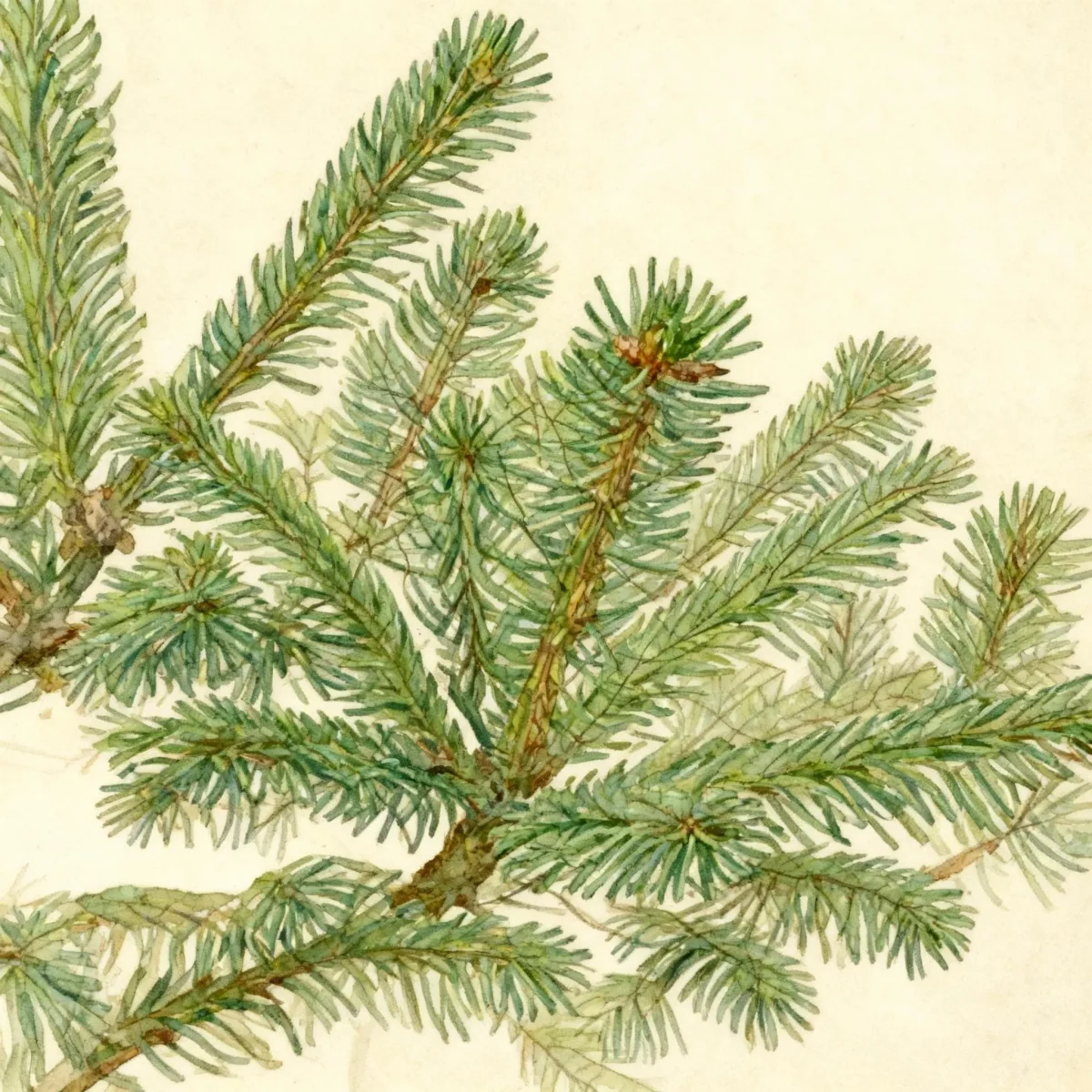
Dwarf Siberian pine (Pinus pumila 'Dwarf Blue')
Pinus pumila 'Dwarf Blue' is a dwarf, slow-growing needled evergreen offering silvery blue-green needles and low maintenance.
Scroll down to discover growing tips, care requirements, companion plants, and more
Complete Plant Information
Overview
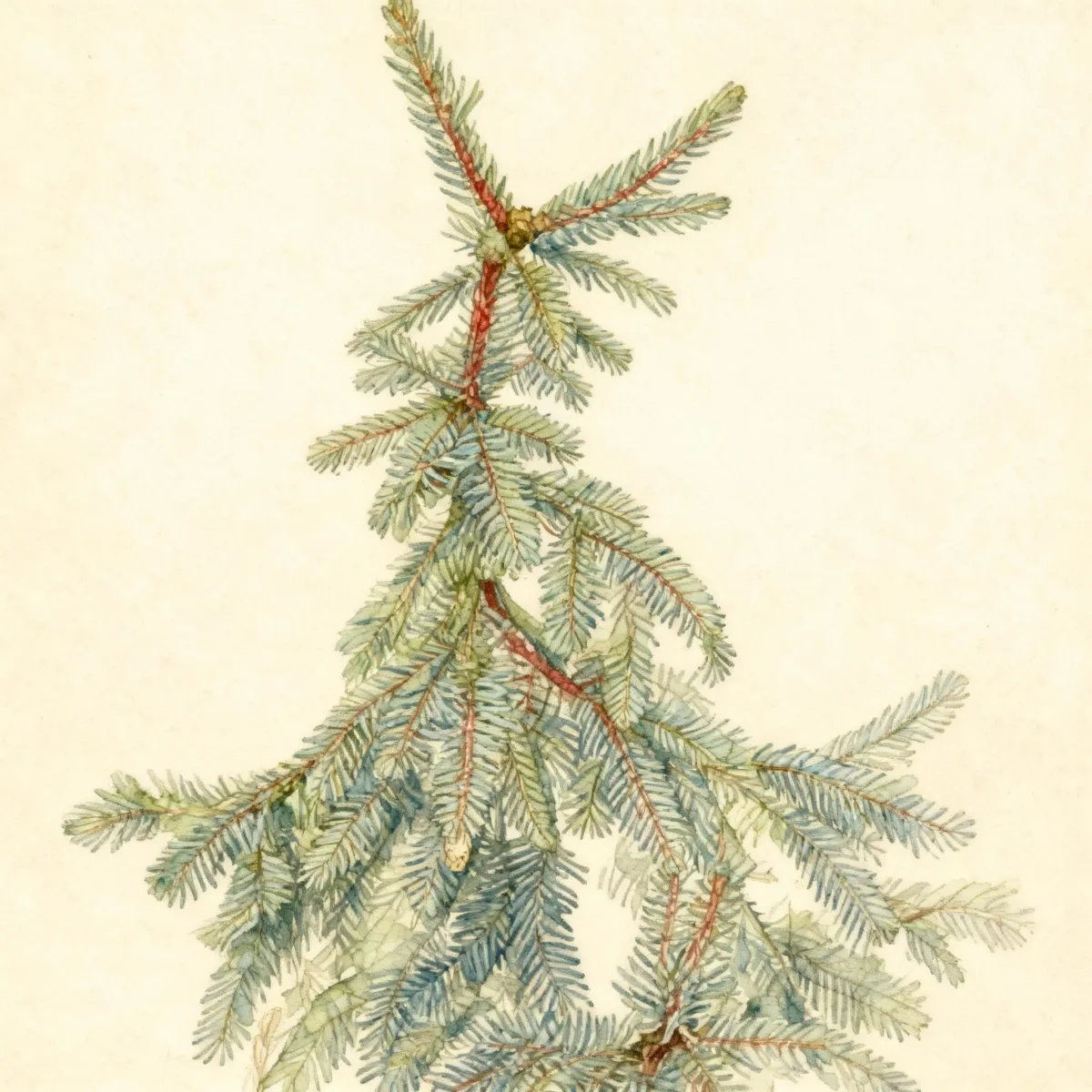
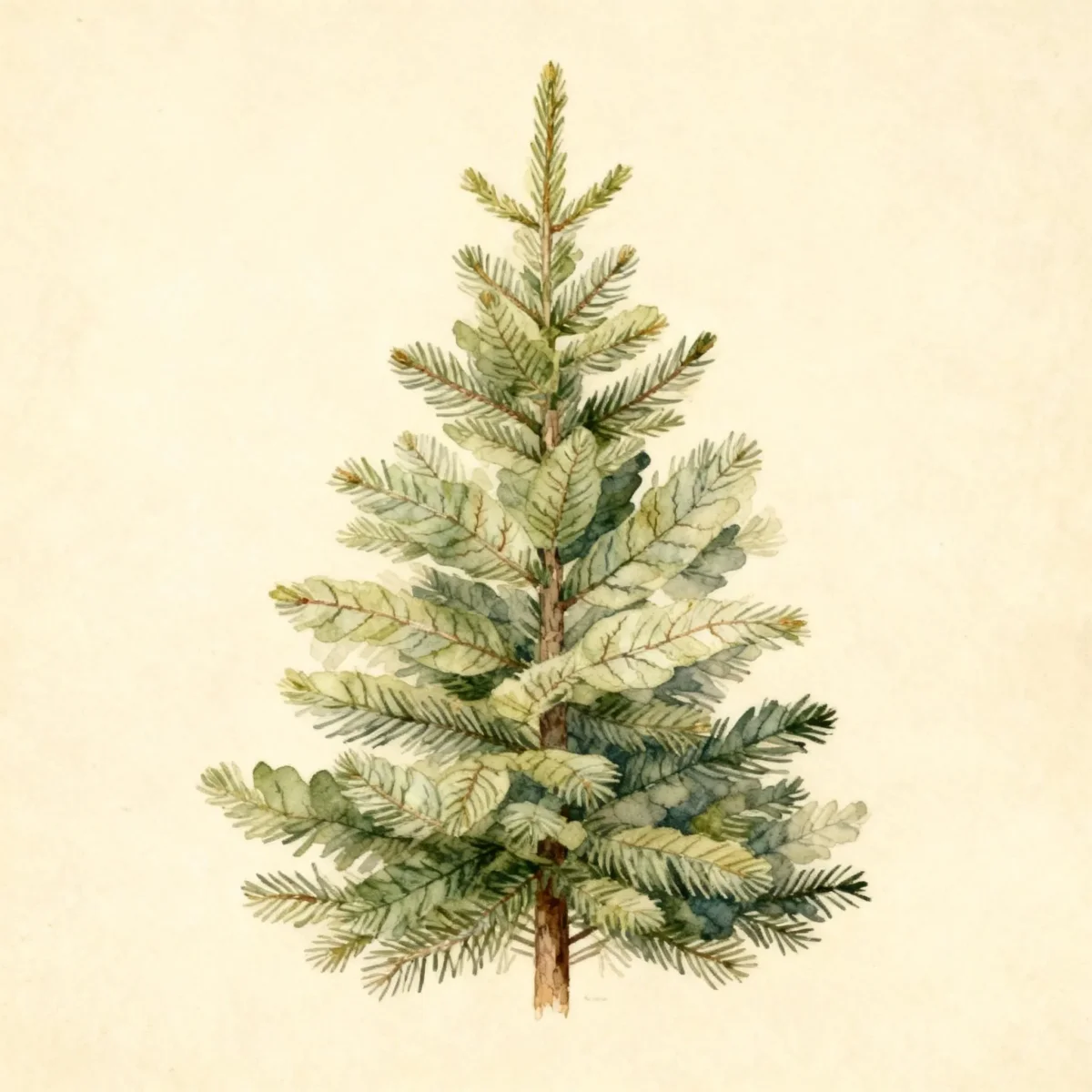
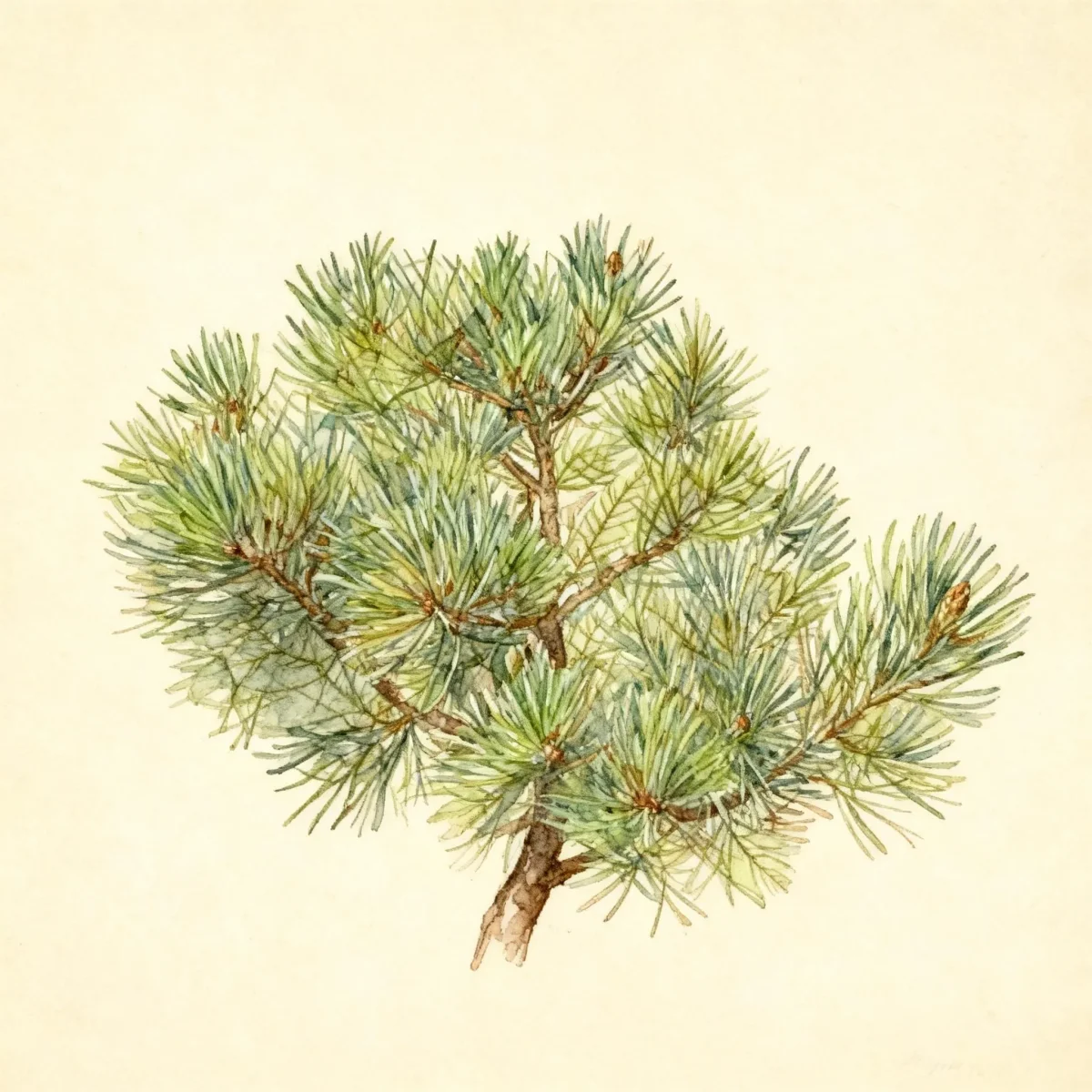
The Pinus pumila ‘Dwarf Blue’, commonly known as the Dwarf Siberian pine, is a highly valued broad-spreading, slow-growing conifer perfect for collectors and rock gardens. Its primary appeal lies in its dense habit and striking, silvery blue-green needles that provide year-round color interest. This Dwarf Siberian pine rarely requires shaping, making it an exceptionally low-maintenance evergreen selection for foundational plantings.
Native to eastern Asia, this shrubby pine offers excellent texture contrast in the landscape. While sometimes confused with Pinus cembra, Pinus pumila ‘Dwarf Blue’ maintains a compact, low profile, typically reaching only 2 to 3 feet high but spreading broadly up to 7 feet wide over time. It introduces a touch of alpine resilience to temperate gardens.
Gardeners seeking durable, cold-hardy evergreens that tolerate some soil variability appreciate the Dwarf Siberian pine. Its low stature and striking coloration ensure it acts as an excellent accent plant without overpowering smaller garden spaces. Ensure the location provides ample sun exposure as this species thrives best under those conditions.
Fast Facts
- Plant Family: Pinaceae
- Plant Type: Needled evergreen
- Hardiness Zones: USDA Zones 4-7
- Size at Maturity:
- Height: 2-3 ft
- Spread: 4-7 ft
- Bloom Time: Non-flowering
- Bloom Description: Non-flowering
- Sun Exposure: Full sun
- Water Needs: Medium
- Maintenance Level: Low
How to Grow
Planting the Dwarf Siberian pine should ideally occur in spring or early fall, allowing the roots time to establish before summer heat or deep winter freezes. Select a site that offers full sun, which is crucial for maintaining the compact form and vibrant blue coloration of its needles. This pine is remarkably tolerant of various soil types, including sandy or clay loams, provided the drainage is excellent.
Water needs are considered medium; while established trees are somewhat drought-tolerant, consistent moisture during the first few growing seasons is vital for establishment. Avoid planting in waterlogged areas, as poorly-drained wet soils are detrimental to this species. Fertilization is rarely necessary for healthy specimens.
Take care when siting Pinus pumila ‘Dwarf Blue’ in regions experiencing hot, humid summers, such as the St. Louis corridor, where climate stress can be significant. Gardeners in these warmer microclimates must ensure maximum air circulation and soil drainage to mitigate potential disease issues, as these conditions exacerbate susceptibility to rusts and rots.
Landscape Uses
The diminutive size and exceptionally broad, spreading structure make the Pinus pumila ‘Dwarf Blue’ an ideal foundation planting or specimen in modern landscape designs. Its recommended use as an accent highlights its unique texture and silvery hue against darker, coarse-textured plants. This Dwarf Siberian pine excels in formal massings or as a contrasting element in mixed evergreen borders.
Consider using this dwarf conifer extensively in rock gardens where its low growth habit mimics its natural alpine habitat. It pairs wonderfully with low-growing ornamental grasses, sedums, and other slow-growing dwarf conifers that share similar sun and drainage requirements. The robust, low-spreading shape means Pinus pumila ‘Dwarf Blue’ also functions well as a year-round groundcover in sunny slopes.
Standout Features
Noteworthy Characteristics
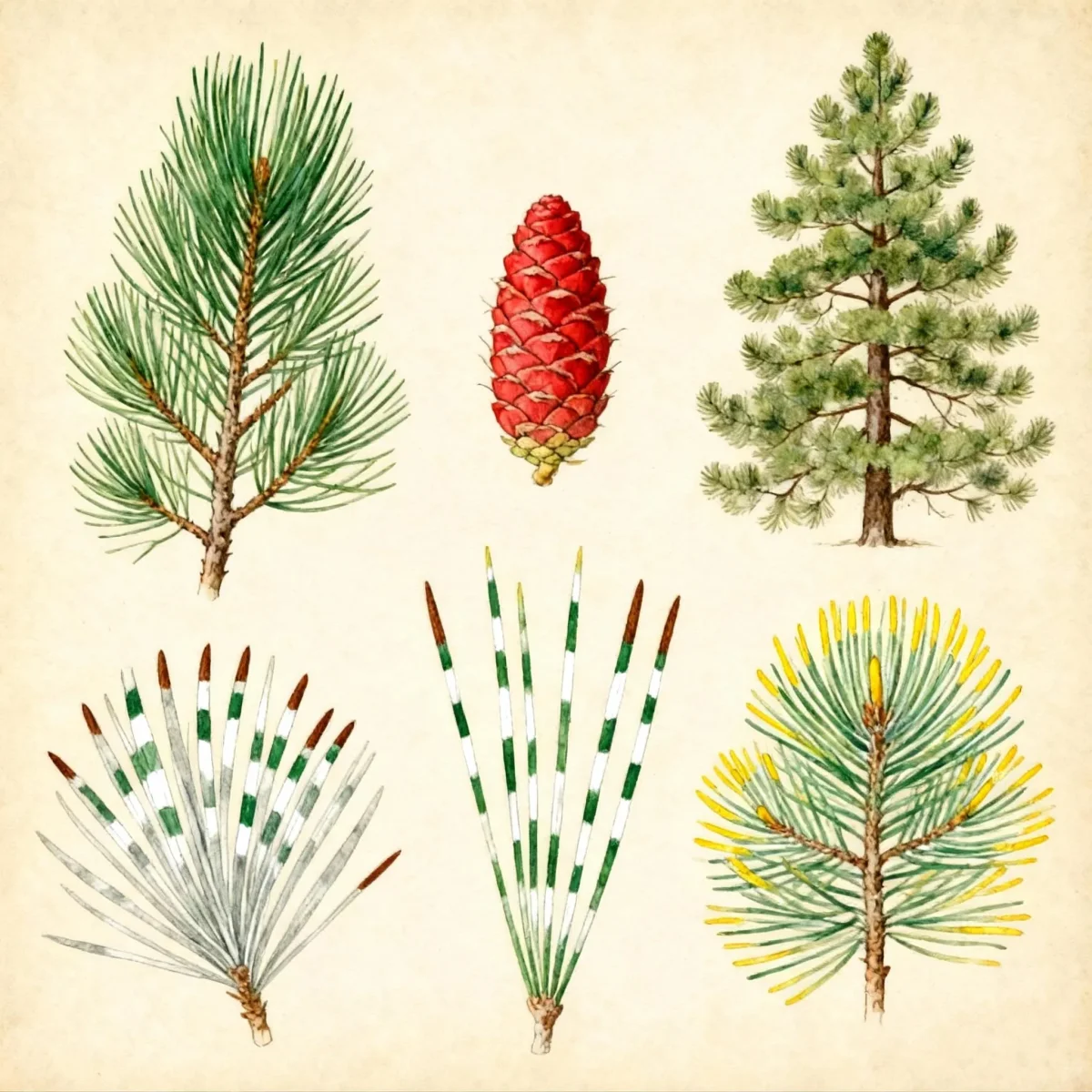
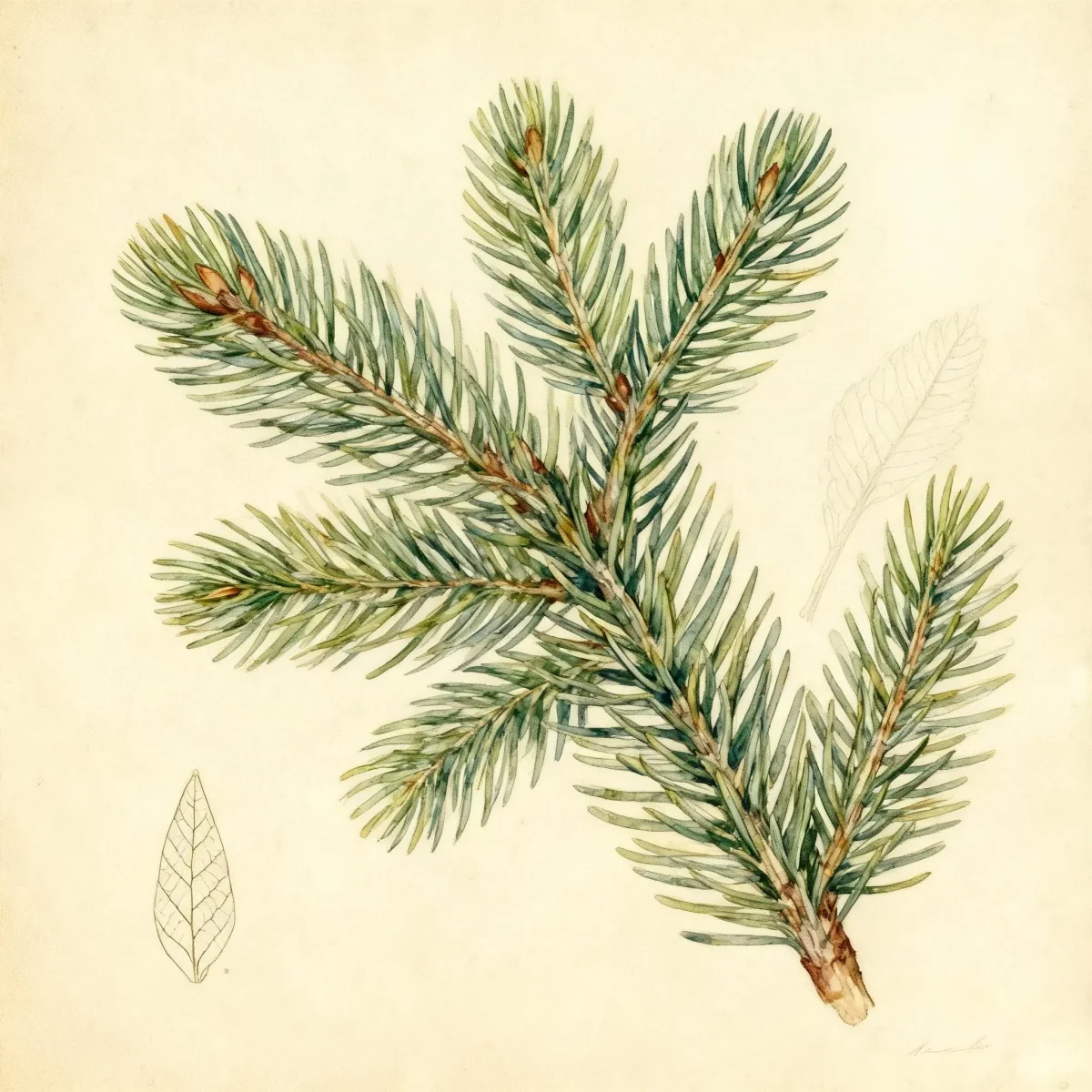
Pinus pumila, commonly called dwarf Siberian pine, also commonly known as Japanese stone pine, is a shrubby sometimes prostrate pine that is native to eastern Asia. It grows to 1-9’ tall. Blue-green needles (to 3” long) in bundles of five. Immature purple-violet seed cones (1-2” long) mature to reddish brown. Genus name comes from the Latin name for pines. Specific epithet means dwarf. ‘Dwarf Blue’ is a very slow-growing, broad-spreading form that will grow to 2-3’ tall with a spread to 7’ wide over the first 15 years, featuring silvery blue-green needles.
Tolerances
- Deer
Potential Problems
This pine can be difficult to grow well in areas experiencing excessive heat and humidity due to soil and climate limitations. Be vigilant for common afflictions such as tip blight, rusts, and various rot diseases, which thrive in stressed conditions. Pine needle scale can become a serious localized pest, requiring targeted management. Furthermore, watch for signs of sawflies, moths, and borers, implementing cultural controls—like ensuring optimal sun and drainage—to bolster the tree’s natural defenses.
Frequently Asked Questions
What hardiness zones is Dwarf Siberian pine suitable for?
The Pinus pumila ‘Dwarf Blue’ is hardy and adaptable across USDA Zones 4 through 7, offering reliable evergreen structure in these temperature ranges.
How large does Pinus pumila ‘Dwarf Blue’ grow?
This specific cultivar is valued for remaining compact; expect a height between 2 to 3 feet, though it spreads significantly, often reaching 4 to 7 feet wide.
What sun exposure does Pinus pumila ‘Dwarf Blue’ need?
For optimal health, density, and color retention, the Dwarf Siberian pine requires a location that receives full sun throughout the day.
When does Pinus pumila ‘Dwarf Blue’ bloom?
As a conifer, this plant is non-flowering, meaning it does not produce traditional blooms but rather cones for reproduction.
Conclusion
The Pinus pumila ‘Dwarf Blue’ remains a premium choice for gardeners desiring a tough, low-growing evergreen that provides excellent silvery-blue texture year-round. Its low maintenance needs, provided climate conditions are suitable, make it a reliable accent. Before incorporating this superb Dwarf Siberian pine into your plans, always check that your USDA hardiness zone supports the required cool summer climate.
Companion Planting
When selecting companions for Pinus pumila ‘Dwarf Blue’, prioritize plants that share its love for full sun and well-drained soil while offering textural contrast. Low-growing, creeping junipers (Juniperus horizontalis cultivars) work well, echoing the evergreen nature but in different shades of green or gold. Flowering perennials like ornamental lavender or creeping thyme benefit from the same well-drained conditions and provide softer mounds of color around the pine’s structural base.
Avoid planting species that demand high moisture levels or heavy, consistently wet soil, as these conditions will quickly lead to root issues for the Dwarf Siberian pine. The goal is to create a unified, drought-tolerant tapestry in sunny areas of the landscape where drainage is paramount for success.
Design Ideas for Miniature Landscapes
The broad, flat habit of the Pinus pumila ‘Dwarf Blue’ lends itself perfectly to miniature or alpine garden designs where scale is critical. Use one specimen as a focal point tucked between larger boulders, mimicking its native mountain setting. Its slow growth rate ensures that it won’t quickly overwhelm adjacent, smaller rock garden inhabitants.
In modern borders, place the Dwarf Siberian pine toward the front edge. Its bright, cool foliage acts as a visual buffer between a dark mulch or groundcover and taller background shrubs. This planting technique utilizes the 4-to-7-foot spread to define the edge without creating an imposing barrier.