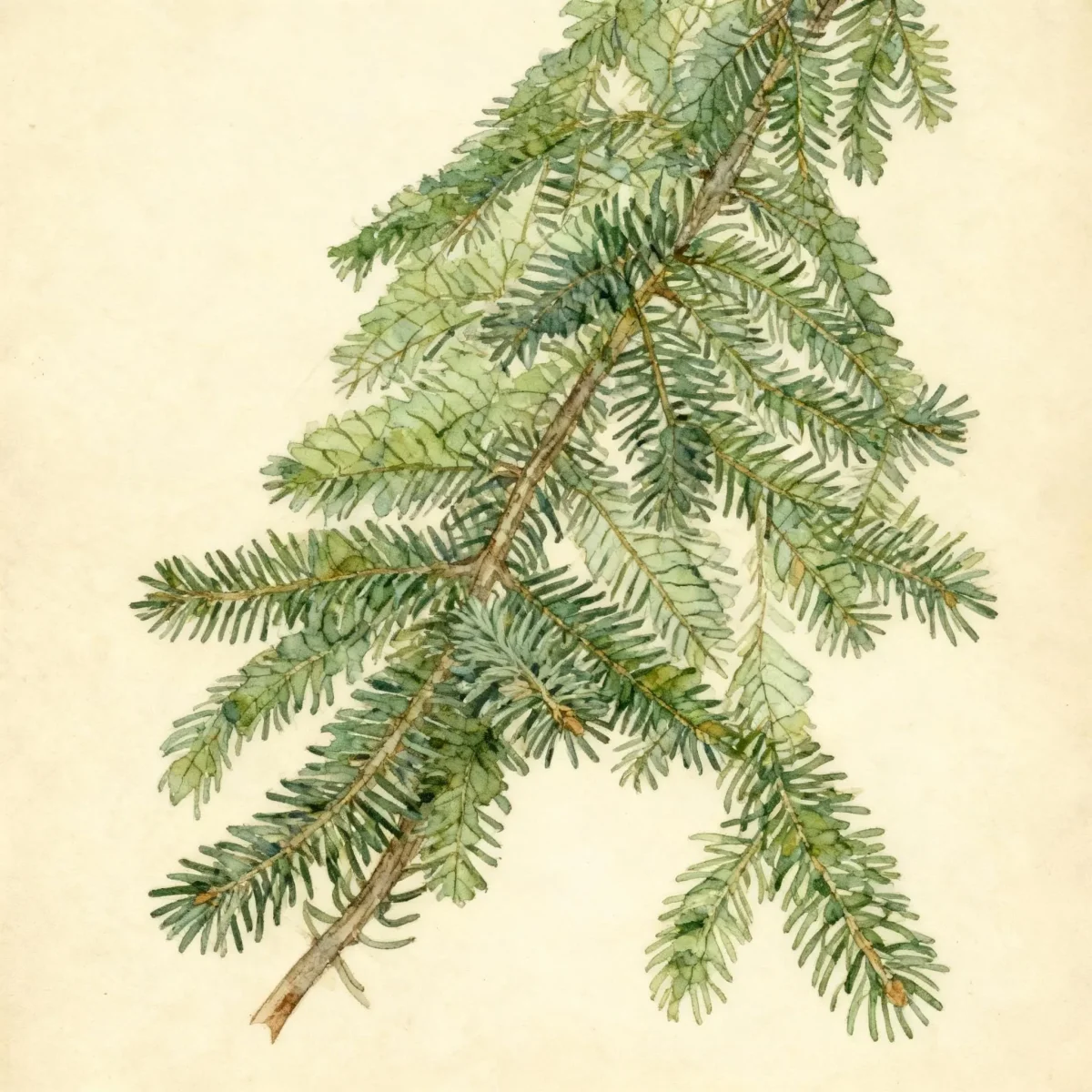
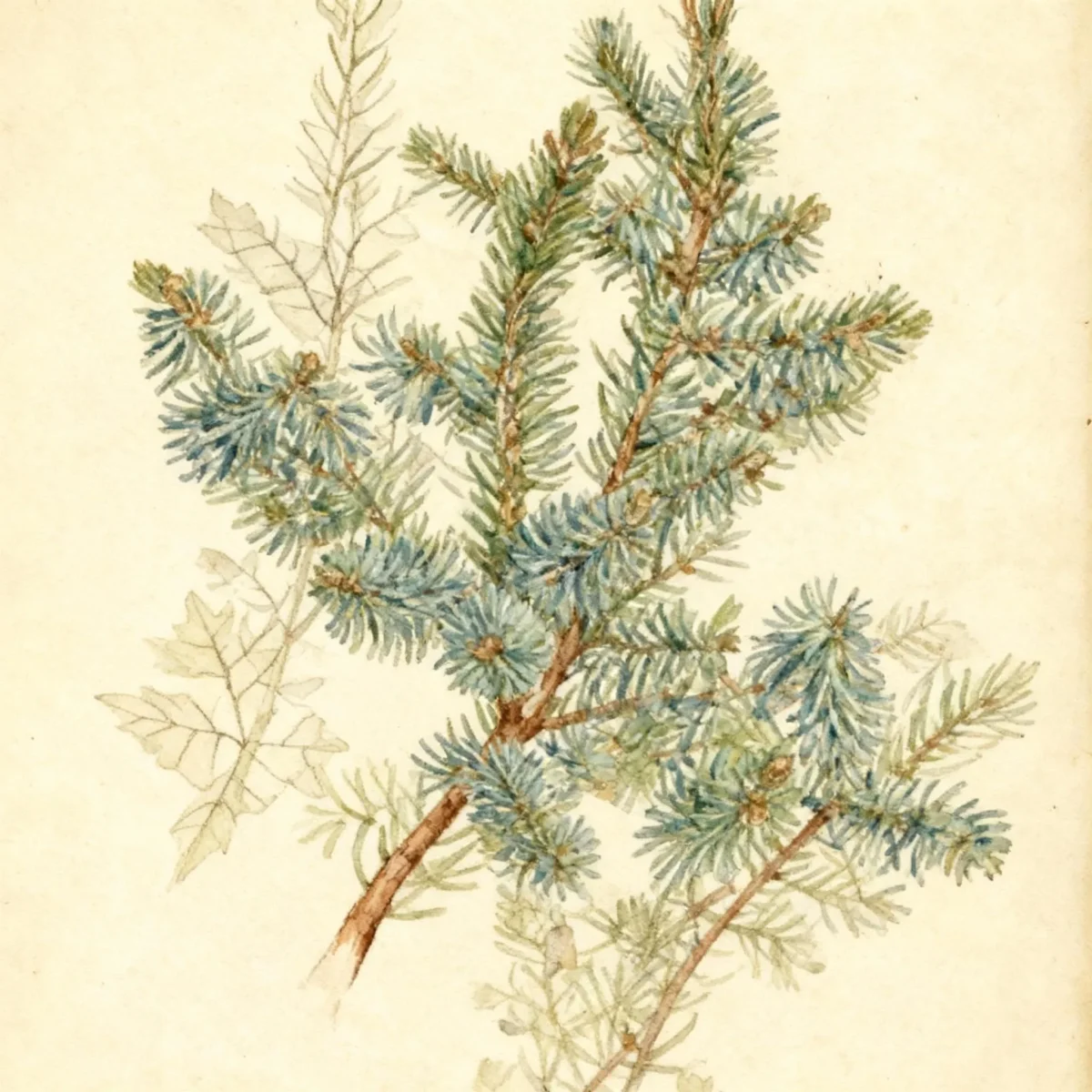
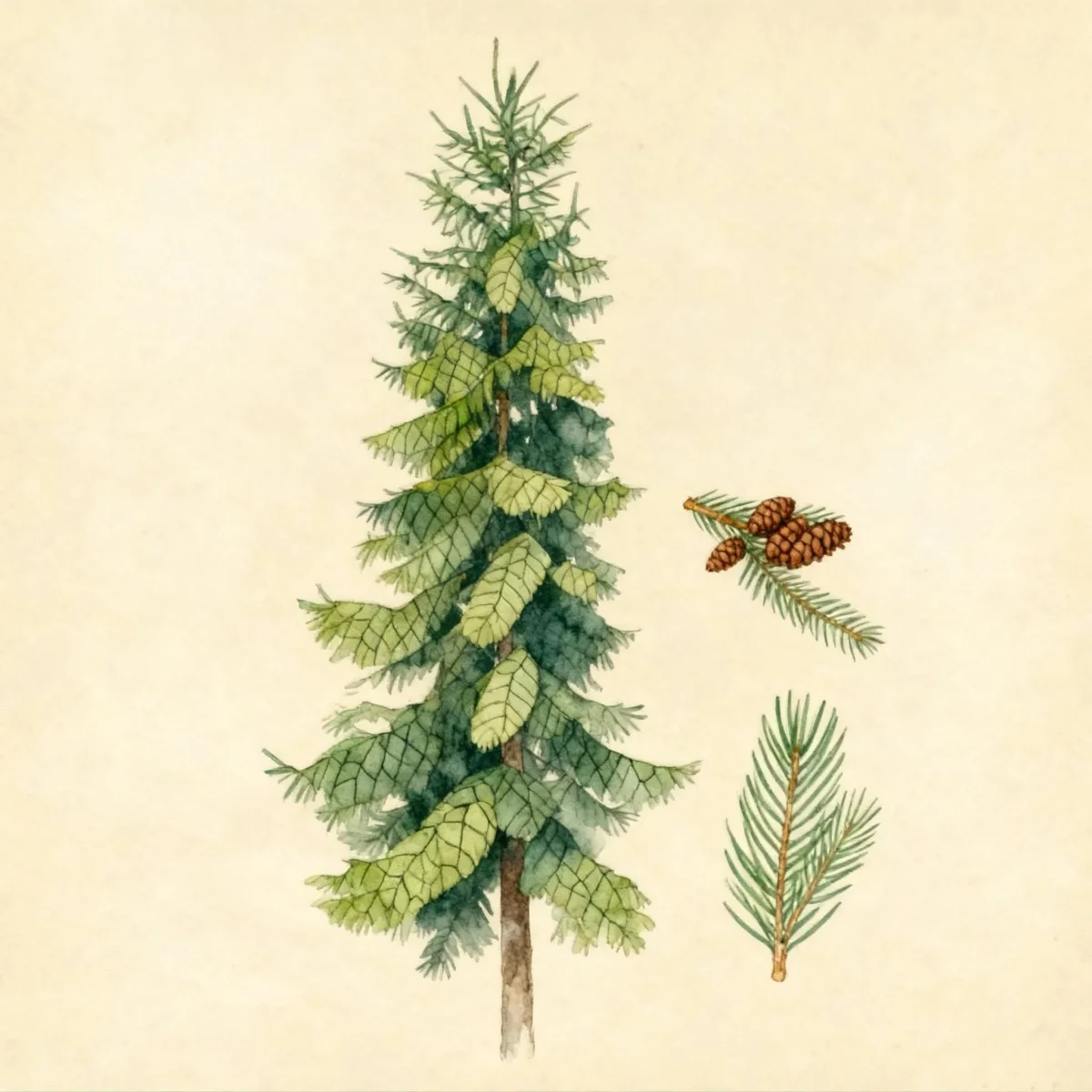
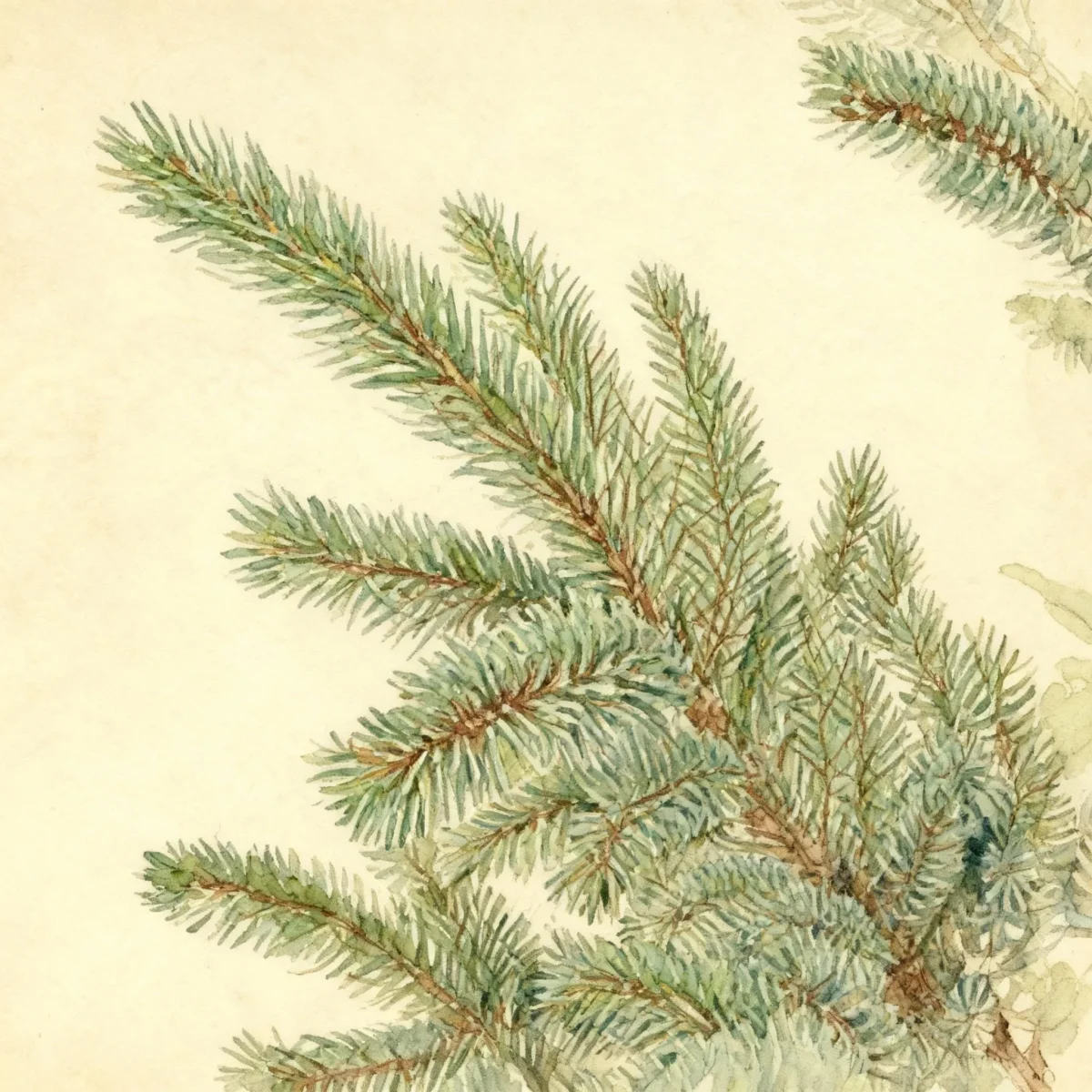
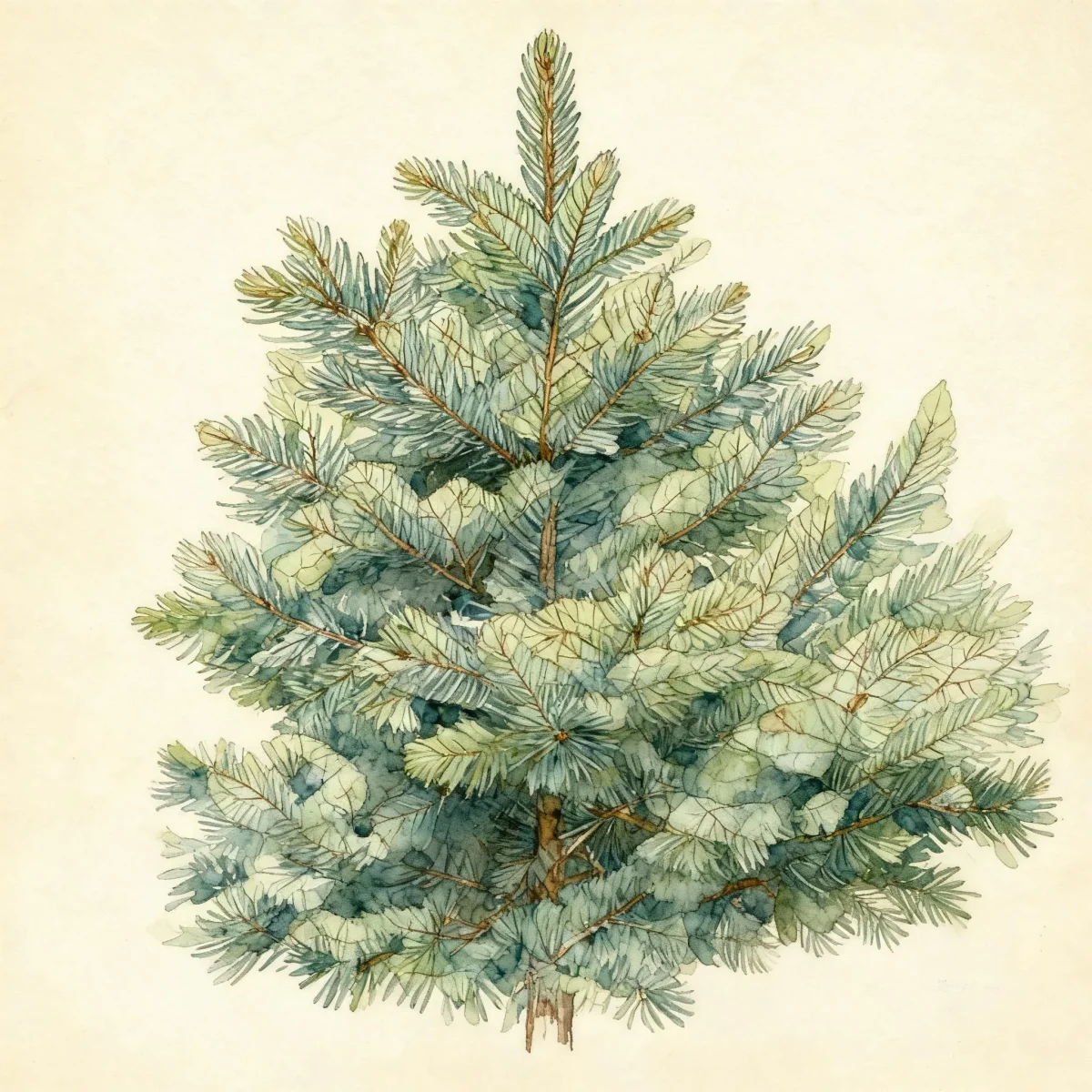
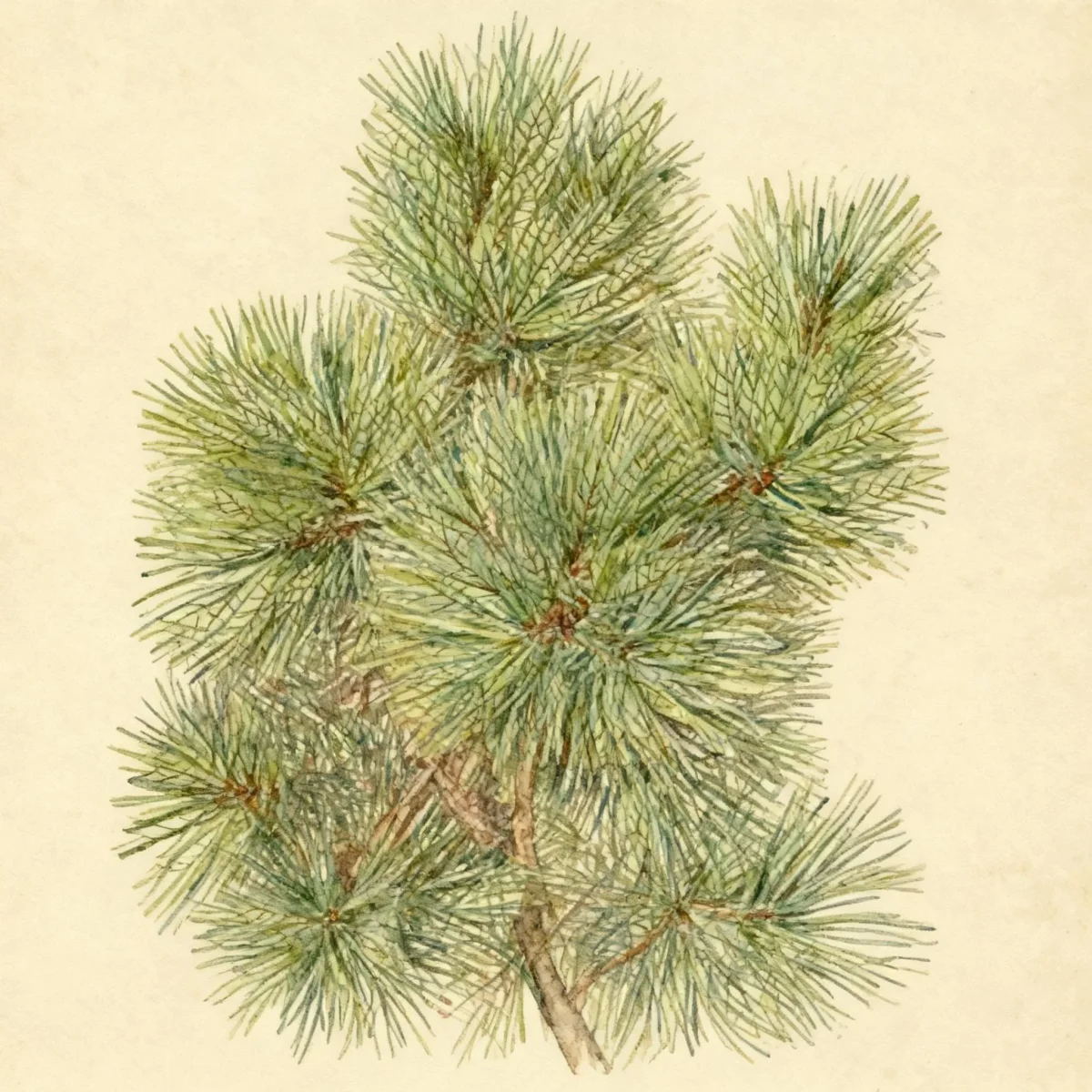
Serbian spruce (Picea omorika 'Berliner's Weeper')
Picea omorika 'Berliner's Weeper' is a narrow, weeping Serbian spruce, reaching 20-30 ft tall. Low maintenance evergreen perfect for tight spaces.
Scroll down to discover growing tips, care requirements, companion plants, and more
Complete Plant Information
Overview
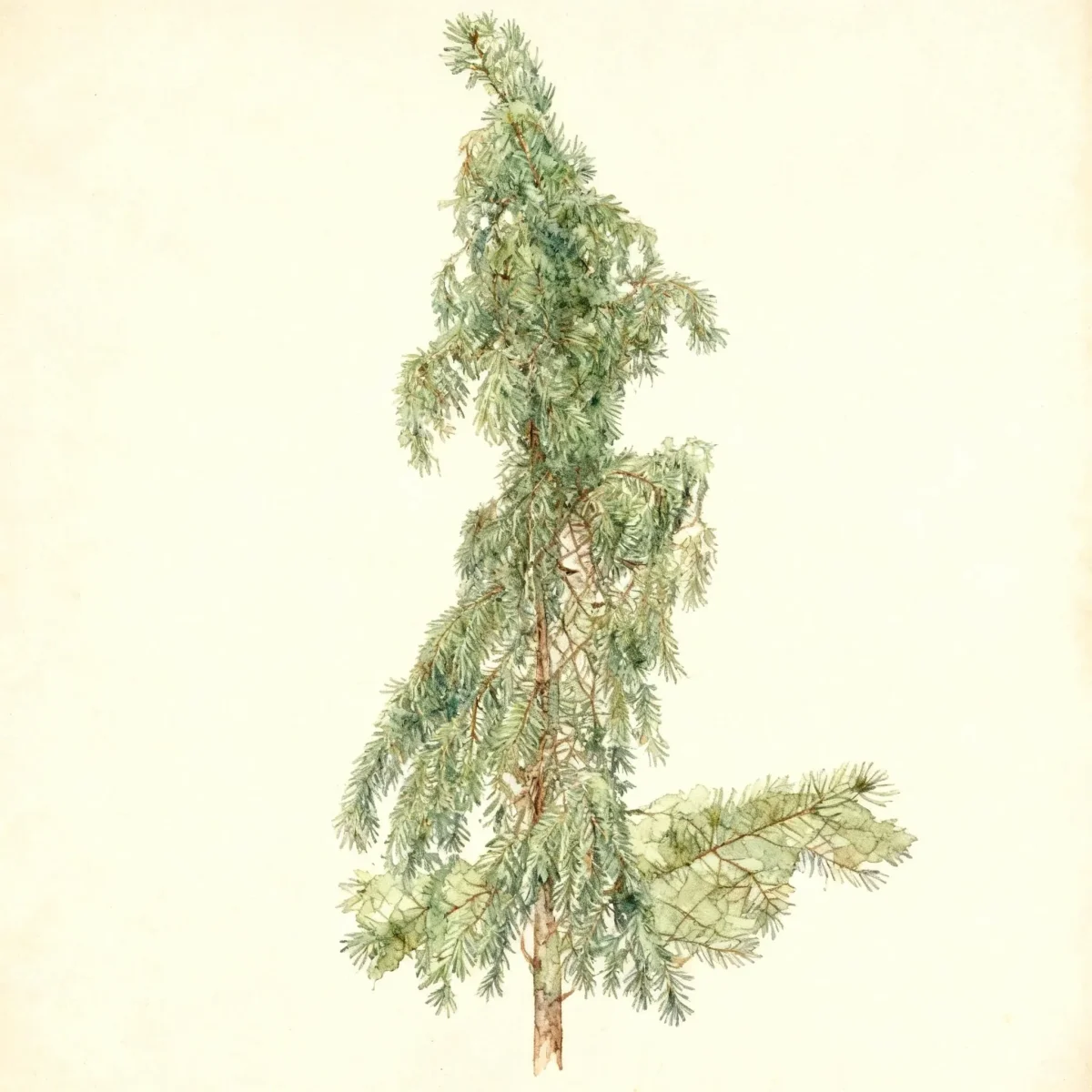
The Picea omorika ‘Berliner’s Weeper’ introduces dramatic texture to the landscape with its distinctively pendulous branches, setting it apart from standard spruces. This cultivar of the Serbian spruce offers an elegant, narrow, upright form ideal for smaller or more structured gardens where space is a concern. Its flattened needles feature bright green tops contrasting beautifully with silvery undersides, providing year-round visual interest.
This slow-growing, weeping evergreen conifer is highly valued for its refinement and relatively low maintenance requirements once established. Adaptable to various conditions, the Serbian spruce generally handles challenging urban environments better than many of its spruce relatives. Gardeners seeking vertical accentuation coupled with graceful form should strongly consider incorporating Picea omorika ‘Berliner’s Weeper’.
Fast Facts
- Plant Family: Pinaceae
- Plant Type: Needled evergreen
- Hardiness Zones: USDA Zones 4-7
- Size at Maturity:
- Height: 20-30 ft
- Spread: 10-15 ft
- Bloom Time: Non-flowering
- Bloom Description: Non-flowering
- Sun Exposure: Full sun to part shade
- Water Needs: Medium
- Maintenance Level: Low
How to Grow
Planting Picea omorika ‘Berliner’s Weeper’ should occur during the cooler parts of the season—spring or fall—to minimize transplant shock. Ensure the location provides average, medium moisture levels and is well-drained, as spruces dislike standing water. While it thrives in full sun, it tolerates part shade, though heavy shade may diminish its desirable narrow form.
Watering should be consistent, especially during the first couple of years as the roots establish. Aim for medium water needs fulfillment, ensuring the soil stays consistently moist but not soggy. Over time, the Serbian spruce becomes quite resilient, though it prefers cooler summer climates and may struggle in extreme heat areas south of Zone 7.
Maintenance for this weeping spruce is generally low. Pruning is rarely necessary beyond removing damaged or dead wood, as its natural narrow, pendulous habit is highly desirable. Be aware that while generally tough, this species can occasionally face issues from common pests like spider mites or aphids, requiring periodic inspection, particularly during dry spells.
Landscape Uses
The primary appeal of Picea omorika ‘Berliner’s Weeper’ lies in its unique structure, making it an attractive ornamental specimen. Its narrow, weeping habit is perfect for tight spaces, providing strong vertical interest where spreading trees would overwhelm the area. Use this Serbian spruce as a focal point near entryways or positioned to break up horizontal lines in a structured, formal garden design.
Because of its manageable mature size compared to the species form, it works well near modern architecture or in mixed evergreen borders where texture contrast is important. The silvery undersides of the needles offer movement and shimmer, making it an excellent companion plant for broadleaf evergreens or dark-needled conifers that accentuate its fine texture.
Standout Features
Noteworthy Characteristics
Picea omorika, commonly called Serbian spruce, is an evergreen conifer that is native to limestone soils in the upper Drina River Valley in western Serbia and eastern Bosnia and Herzegovina. This is a narrow, pyramidal, spire-like tree with pendant branches that ascend at the tips, covered in flattened bright green needles with silvery undersides. The cultivar ‘Berliner’s Weeper’ is distinctly a weeping form, typically maturing to 20-30’ tall in a narrow upright profile, making it an excellent landscape feature.
Tolerances
- Deer
- Air Pollution
Potential Problems
While Picea omorika ‘Berliner’s Weeper’ generally avoids serious, widespread disease issues, gardeners should monitor closely for insect activity. Susceptibility exists for common spruce problems, most frequently including spider mites, aphids, budworms, and borers. Regular inspection, especially of the needle undersides during warm weather, allows for early intervention using appropriate insecticidal soap or horticultural oil before infestations become severe.
Frequently Asked Questions
What hardiness zones is Serbian spruce suitable for?
The Picea omorika ‘Berliner’s Weeper’ thrives in USDA Zones 4 through 7.
How large does Picea omorika ‘Berliner’s Weeper’ grow?
It typically matures to a height between 20 and 30 feet, and spreads 10 to 15 feet wide.
What sun exposure does Picea omorika ‘Berliner’s Weeper’ need?
This conifer grows best with full sun exposure but will tolerate partial shade.
When does Serbian spruce bloom?
Picea omorika ‘Berliner’s Weeper’ is a needled evergreen and is non-flowering.
Conclusion
The Picea omorika ‘Berliner’s Weeper’ offers unparalleled elegance and a manageable vertical accent, making it a superb choice for expert and novice gardeners alike. Its low maintenance coupled with its unique weeping habit ensures year-round garden appeal. Before planting this beautiful Serbian spruce, confirm that your local climate falls within USDA Zones 4-7 and that drainage is adequate.
Companion Planting
When designing a border around your Picea omorika ‘Berliner’s Weeper’, select companions that enhance its fine texture and weeping habit. Deciduous shrubs with bright spring flowers or bold gold foliage provide wonderful color contrast against the dark green needles. Consider pairing it with lower-growing groundcovers that appreciate similar moisture levels but offer a mounding habit to offset the spruce’s strong vertical line. Avoid overly aggressive spreaders that might compete for root space near the base of this moderately sized evergreen.
Design Ideas for Weeping Forms
The dramatic, nearly uniform weeping habit of Picea omorika ‘Berliner’s Weeper’ lends itself beautifully to Asian-inspired or contemporary garden designs. Plant a single specimen near a water feature where its silhouette can be reflected, emphasizing its height and grace. For a more formal look, use two specimens flanking a pathway or gate, creating an intentional, structured entrance point. Its ability to maintain a narrow profile even while weeping makes it indispensable for screen planting in small side yards.