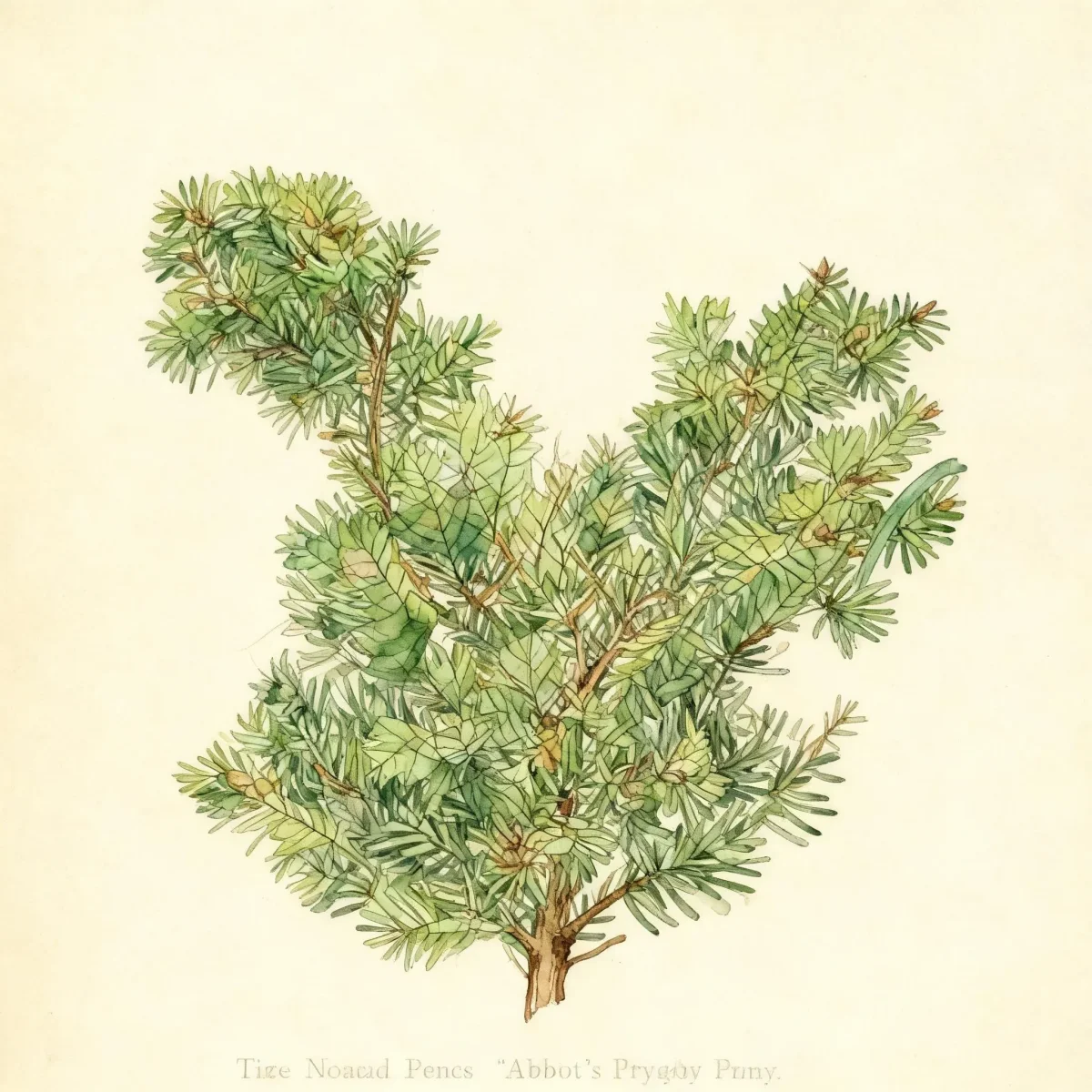
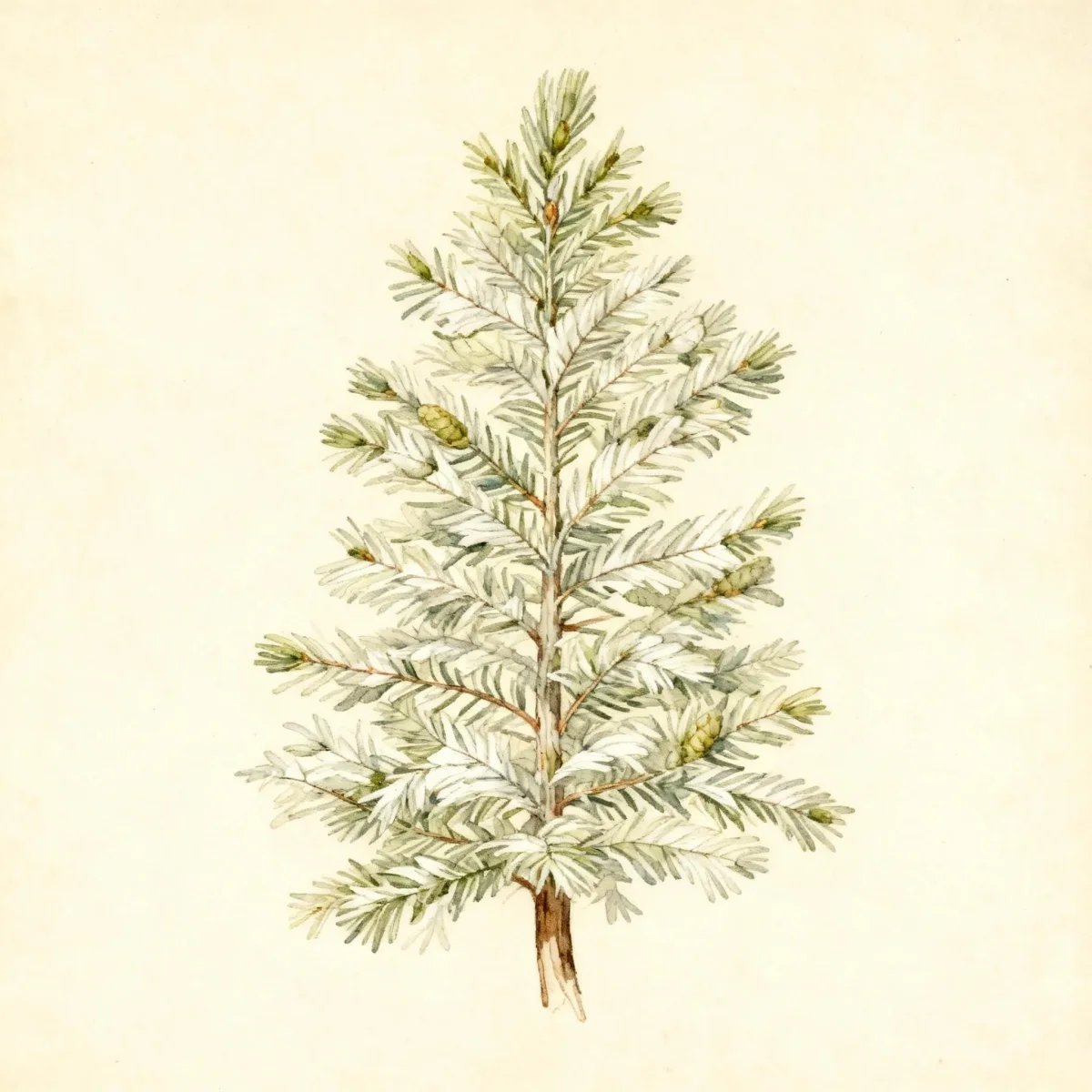
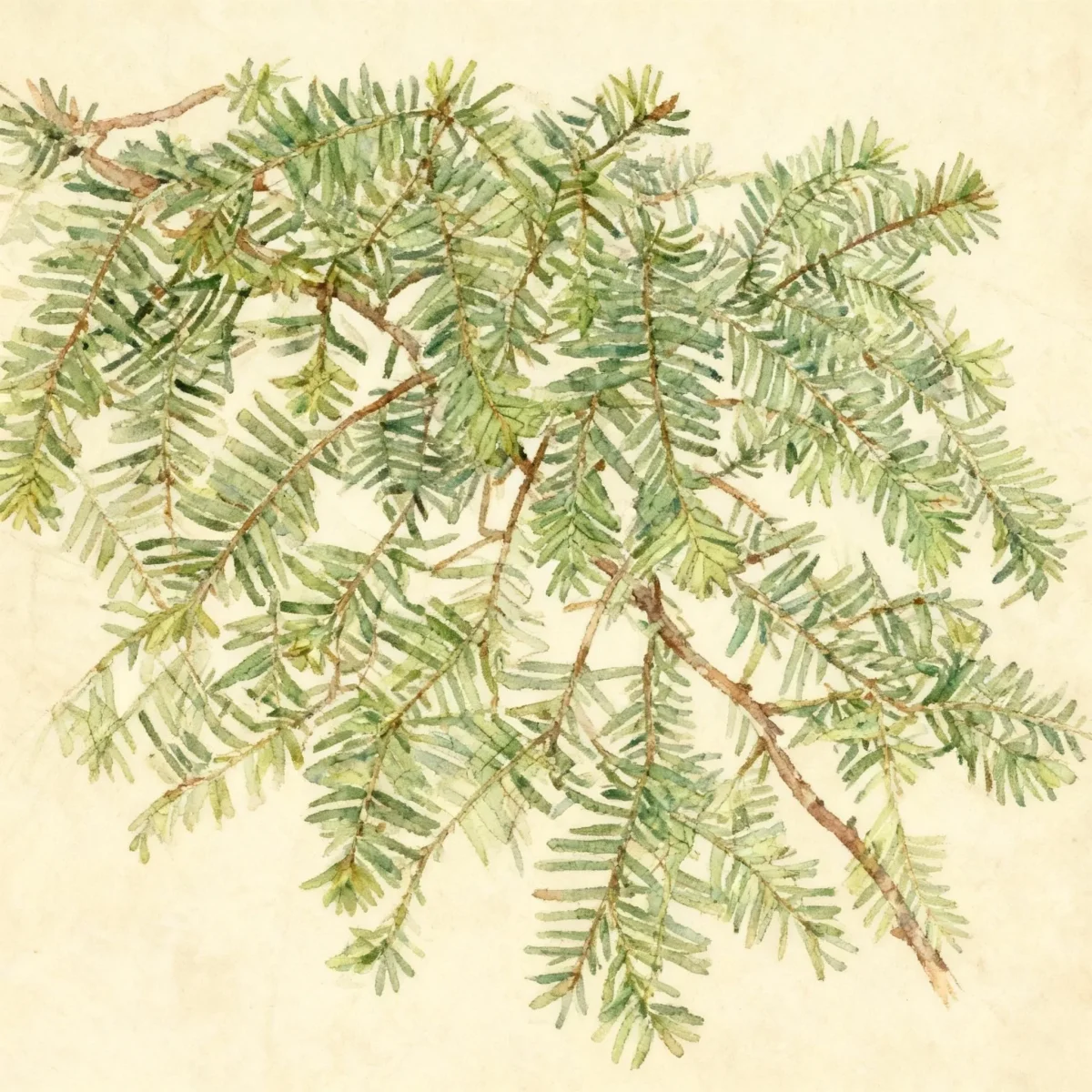
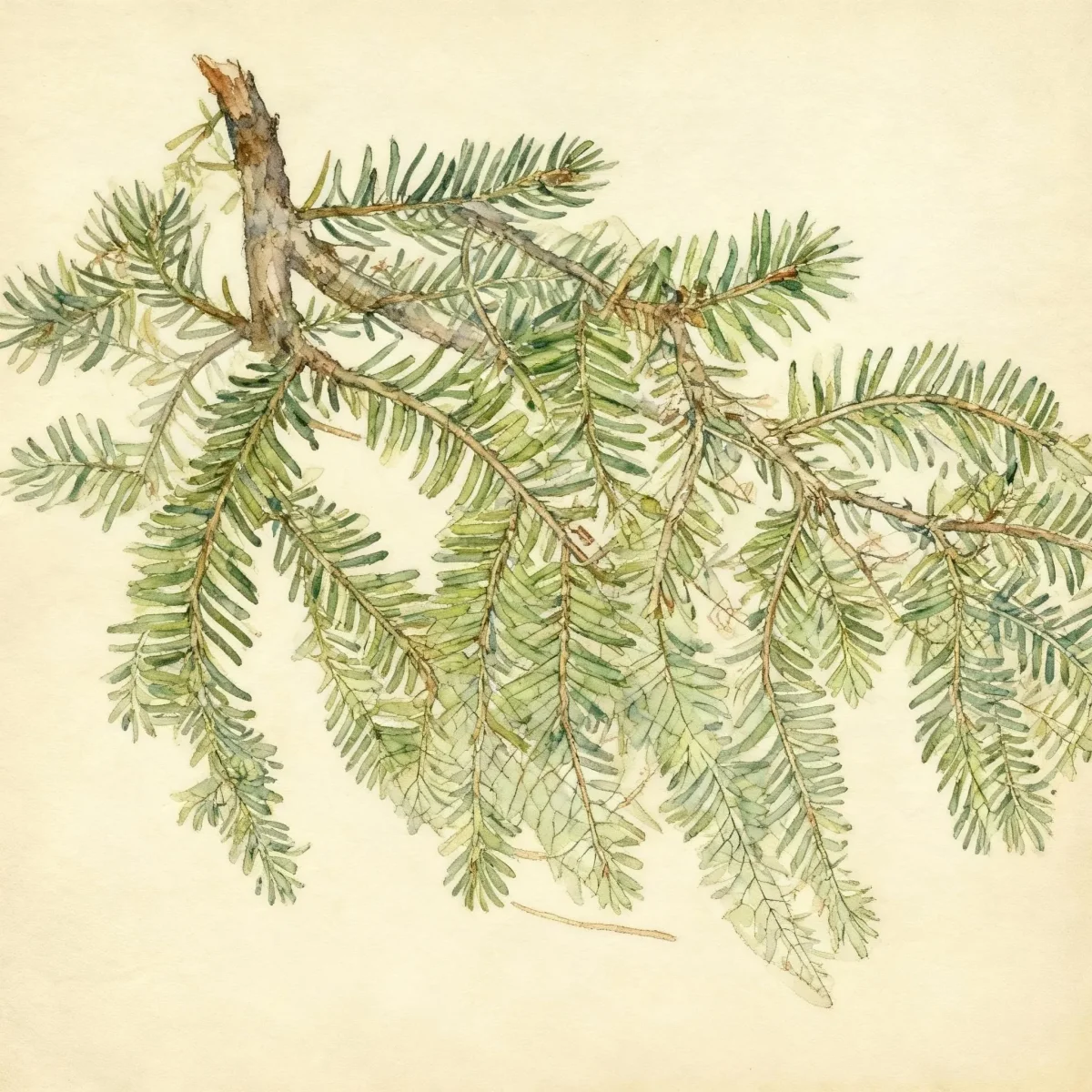
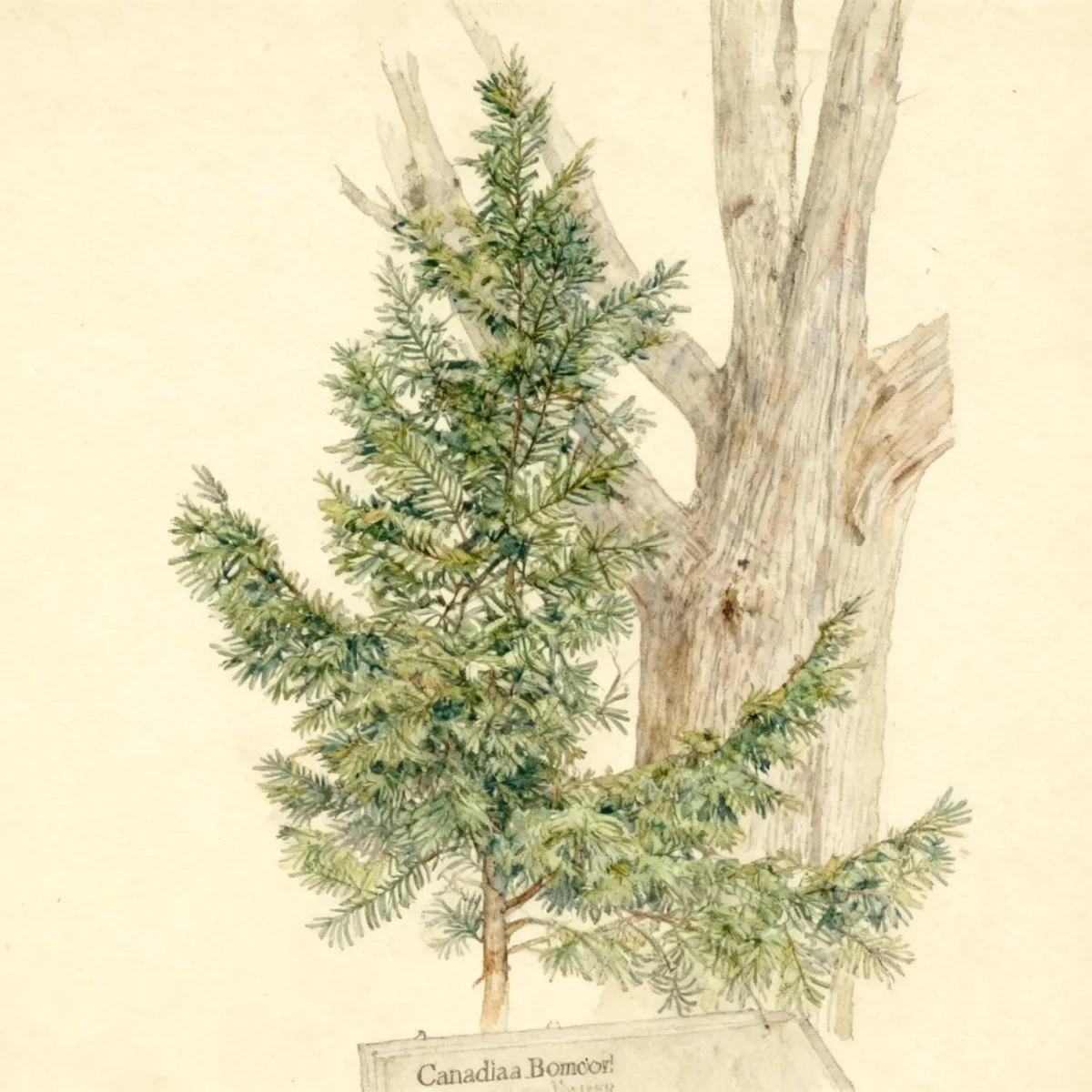
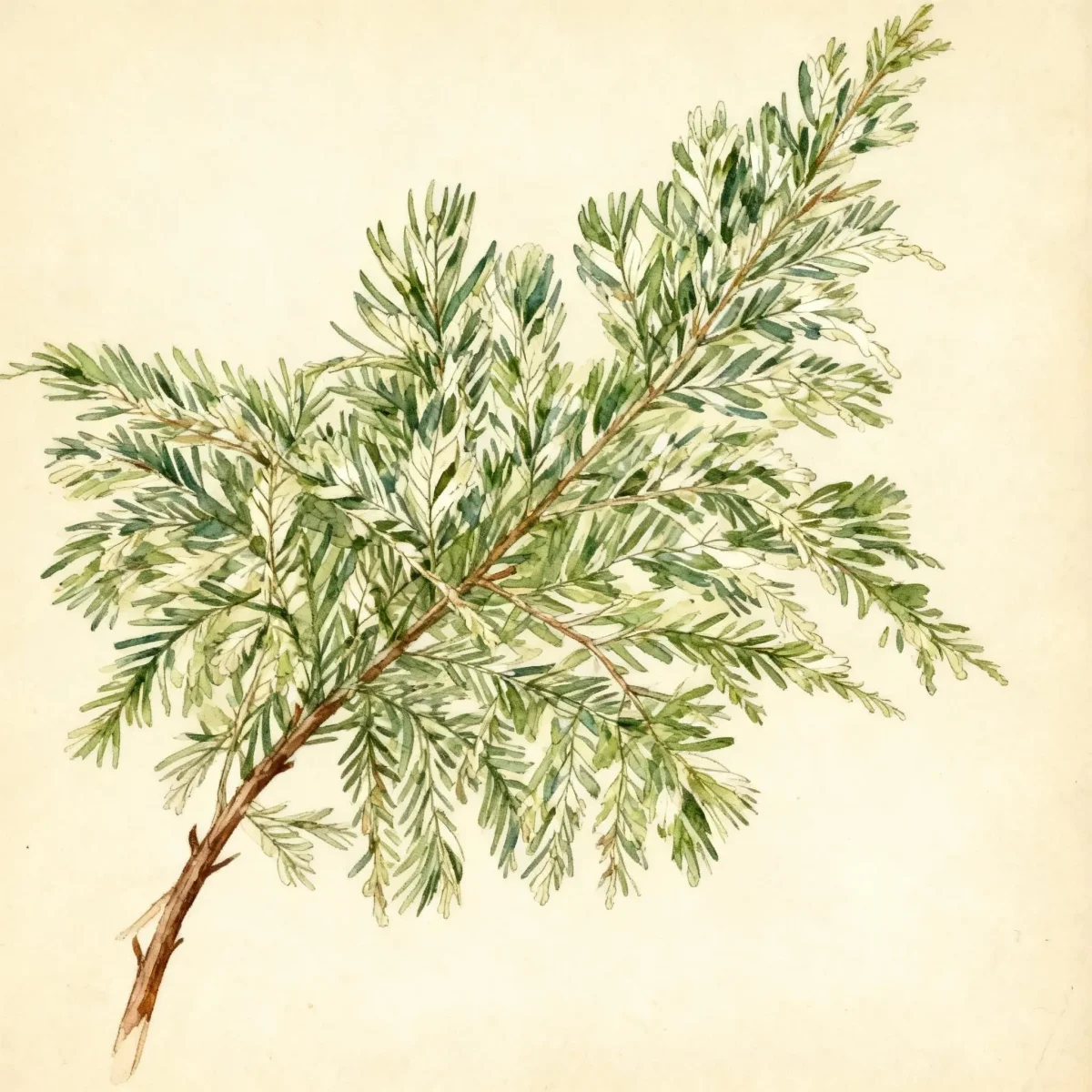
Canadian hemlock (Tsuga canadensis 'Stewart's Gem')
Tsuga canadensis 'Stewart's Gem' is a slow-growing dwarf evergreen, perfect for rock gardens needing low-maintenance structure.
Scroll down to discover growing tips, care requirements, companion plants, and more
Complete Plant Information
Overview
The Tsuga canadensis ‘Stewart’s Gem’ is a highly valued dwarf cultivar of the native Canadian hemlock, prized for its compact, globular habit, offering year-round structure in small garden spaces. This slow-growing needled evergreen develops flat sprays of graceful, lacy foliage, making it an excellent focal point where larger specimens would overwhelm the site. Gardeners appreciate the low maintenance required for healthy growth, provided its basic shade and moisture needs are met.
Unlike the towering parent species, Tsuga canadensis ‘Stewart’s Gem’ maintains a dense, bun-like shape initially, slowly becoming more pyramidal as it matures, typically reaching only 5 feet tall eventually. This manageable size ensures that the rich texture and dark green needles of the Canadian hemlock remain accessible for close inspection in foundation plantings or rock gardens.
This cultivar brings the classic beauty of the Eastern hemlock into tight spaces without aggressive growth, providing essential evergreen texture throughout the winter months. Its ability to thrive in significant shade makes the Tsuga canadensis ‘Stewart’s Gem’ a versatile choice for shady borders and woodland transition areas.
Fast Facts
- Plant Family: Pinaceae
- Plant Type: Needled evergreen
- Hardiness Zones: USDA Zones 4-7
- Size at Maturity:
- Height: 2-5 ft
- Spread: 2-5 ft
- Bloom Time: Non-flowering
- Bloom Description: Non-flowering
- Sun Exposure: Part shade to full shade
- Water Needs: Medium
- Maintenance Level: Low
How to Grow
Planting this evergreen is best done in spring or early fall, allowing the roots to establish before facing extreme temperatures. Ensure the location provides average, medium moisture, and exhibits well-drained soil conditions, which are critical for the long-term health of the Canadian hemlock. Ideally, site Tsuga canadensis ‘Stewart’s Gem’ in partial shade, protected from harsh drying winds and intense afternoon summer sun, especially in warmer regions.
Watering for this cultivar should be consistent; it is intolerant of drought and requires regular irrigation during dry spells, particularly while the plant is young. Mature specimens still benefit from deep watering when the soil dries out significantly. Fertilization is rarely necessary, reflecting its low maintenance profile, though a thick application of winter mulch around the root zone is highly appreciated to moderate soil temperatures and retain moisture.
While this plant tolerates sun in cooler northern climates, gardeners south of USDA Zone 6 must be vigilant. High heat combined with sun exposure can lead to foliage scorch, especially if temperatures consistently exceed 95°F. Regular monitoring for signs of stress or pest activity is part of the low maintenance regime.
Landscape Uses
The inherent dwarf nature of Tsuga canadensis ‘Stewart’s Gem’ makes it an outstanding candidate for formal or informal rock gardens, adding year-round structure against stone elements. Its dense, rounded form is also perfectly suited for foundation plantings where smaller, slower-growing evergreens are preferred over shearing larger species.
When used near structures, ensure adequate spacing to accommodate its mature 5-foot spread. Due to its tolerance for heavy shade, this cultivar excels in woodland edge plantings, providing a textural contrast against deciduous shrubs. While specific common companion plants are not listed, look for shade-loving perennials like Hosta or Ferns that appreciate similar soil moisture levels.
Standout Features
Noteworthy Characteristics
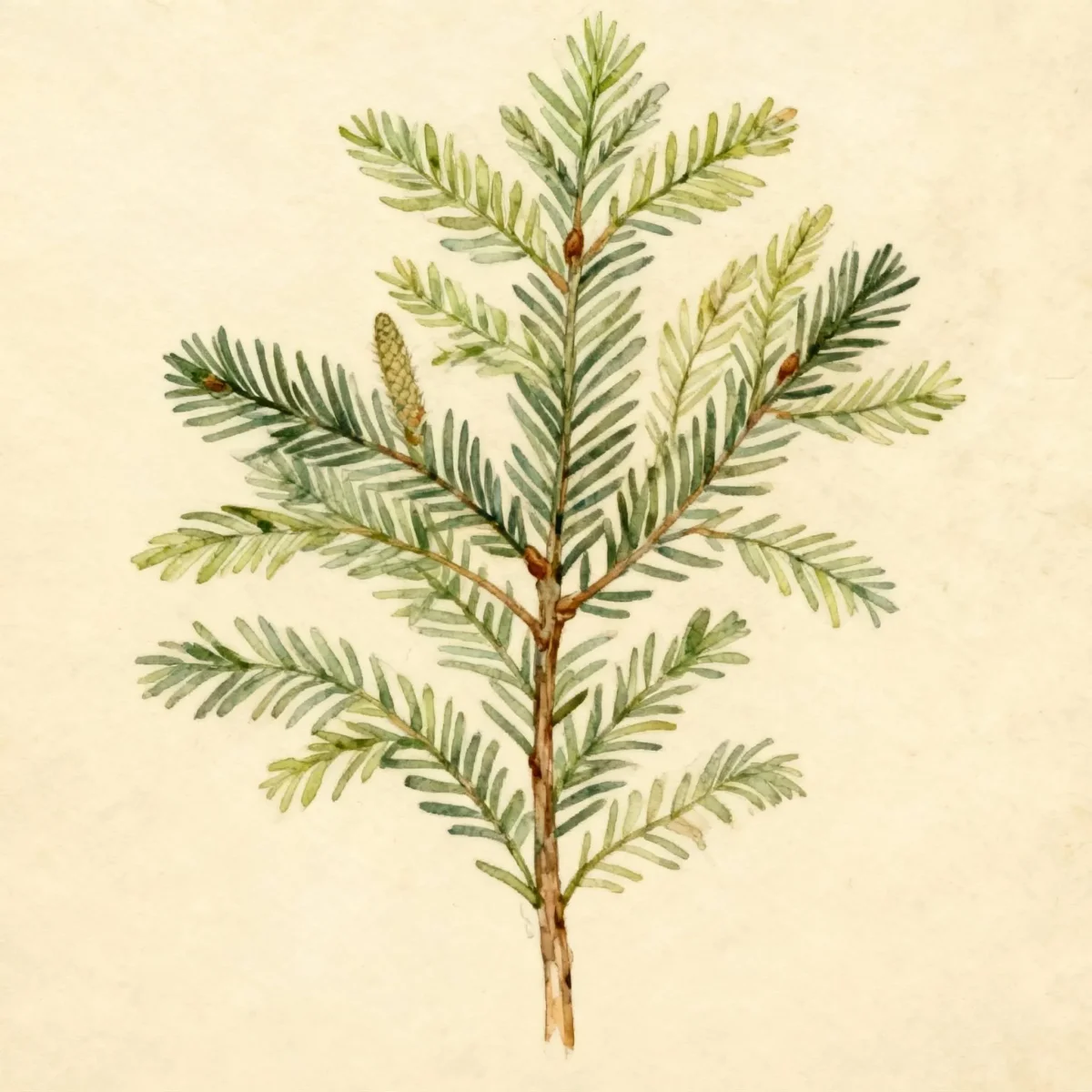
The parent species, Tsuga canadensis, commonly called Canadian hemlock or eastern hemlock, is renowned for its graceful form characterized by flat sprays of lacy, dark green needles marked with two white bands underneath. While the wild form reaches heights of 40–75 feet, the cultivar ‘Stewart’s Gem’ is a dwarf globular form, typically growing slowly as a dense bun reaching about 1.5 feet tall in ten years before potentially maturing to 5 feet tall and wide. This specific selection retains the beautiful fine texture and cinnamon-tipped needles characteristic of the species, offering excellent four-season visual interest.
Tolerances
- Deer
- Heavy Shade
- Black Walnut
Potential Problems
A healthy Tsuga canadensis ‘Stewart’s Gem’ rarely succumbs to issues when sited correctly. The primary cultural concerns are excessive drought or planting in locations that receive unrelenting, hot afternoon sun, which can lead to foliage scorch. Prolonged dry periods are potentially fatal to this species.
Disease risks include needle blight, canker, rusts, and various rots, often exacerbated by poor air circulation or consistently wet foliage. Common insect pests may include bagworms, borers, leaf miners, sawflies, and spider mites. Always inspect new plantings closely before installation.
The most severe threat to native hemlocks, and potentially this cultivar, is the Hemlock Woolly Adelgid (HWA). This tiny, sap-sucking insect causes severe damage and death to infested trees. If HWA is active in your region, proactive monitoring and available treatment options using systemic insecticides are vital for protecting your Canadian hemlock.
Frequently Asked Questions
What hardiness zones is Canadian hemlock suitable for?
Tsuga canadensis ‘Stewart’s Gem’ performs best in USDA Hardiness Zones 4 through 7.
How large does Tsuga canadensis ‘Stewart’s Gem’ grow?
This dwarf cultivar typically reaches a mature height and spread between 2 and 5 feet.
When does Tsuga canadensis ‘Stewart’s Gem’ bloom?
This is a non-flowering conifer, valued for its evergreen foliage rather than seasonal flowers or fruit.
What sun exposure does Canadian hemlock need?
This plant requires part shade to full shade conditions for optimal performance.
Conclusion
The Tsuga canadensis ‘Stewart’s Gem’ offers unmatched fine texture and evergreen substance in a convenient, slow-growing package, making it invaluable for structured, shaded garden areas. If you seek a low-maintenance drarf evergreen, this Canadian hemlock cultivar is an excellent choice. Be sure to confirm your location falls within USDA Zones 4-7 and plan its placement where it receives reliable moisture and protection from the harshest sun.
Companion Planting
When designing a low-light garden featuring the Tsuga canadensis ‘Stewart’s Gem’, consider pairing it with plants that share its dislike for intense sunlight and preference for consistent moisture. Hostas with varying leaf textures and colors provide excellent ground cover and contrast against the dense, dark needles of the hemlock. Shade-loving ferns, such as Japanese Painted Ferns or Autumn Ferns, complement the lacy habit of the Canadian hemlock beautifully.
Avoid placing shallow-rooted, thirsty annuals directly around the base, as competition for water can stress these evergreens, especially during establishment. Instead, select woodland perennials like Astilbe or Epimedium, which thrive in similar dappled light and humus-rich soil conditions, reinforcing a natural, shady aesthetic around your dwarf hemlock plantings.
Seasonal Care Calendar
Spring marks the time for any light, corrective pruning needed to maintain the tight, globular shape of Tsuga canadensis ‘Stewart’s Gem’. Remove any winter-damaged needles or small broken branches immediately after the threat of hard frost has passed. During the summer, deeply water during any dry spells, focusing moisture at the root zone rather than wetting the foliage, which can encourage fungal issues.
In the fall, ensure the plant has access to sufficient moisture before the ground freezes; this critical deep watering helps prevent winter desiccation. Apply a fresh, thick layer of mulch before winter sets in to protect the root system from extreme freeze-thaw cycles, a practice essential for the long-term success of this Canadian hemlock cultivar.