Yew (Taxus × media 'Flushing')
The narrow, columnar Taxus × media 'Flushing' Yew offers year-round dark green interest. A low-maintenance evergreen for zones 4-7.
Scroll down to discover growing tips, care requirements, companion plants, and more
Complete Plant Information
Overview
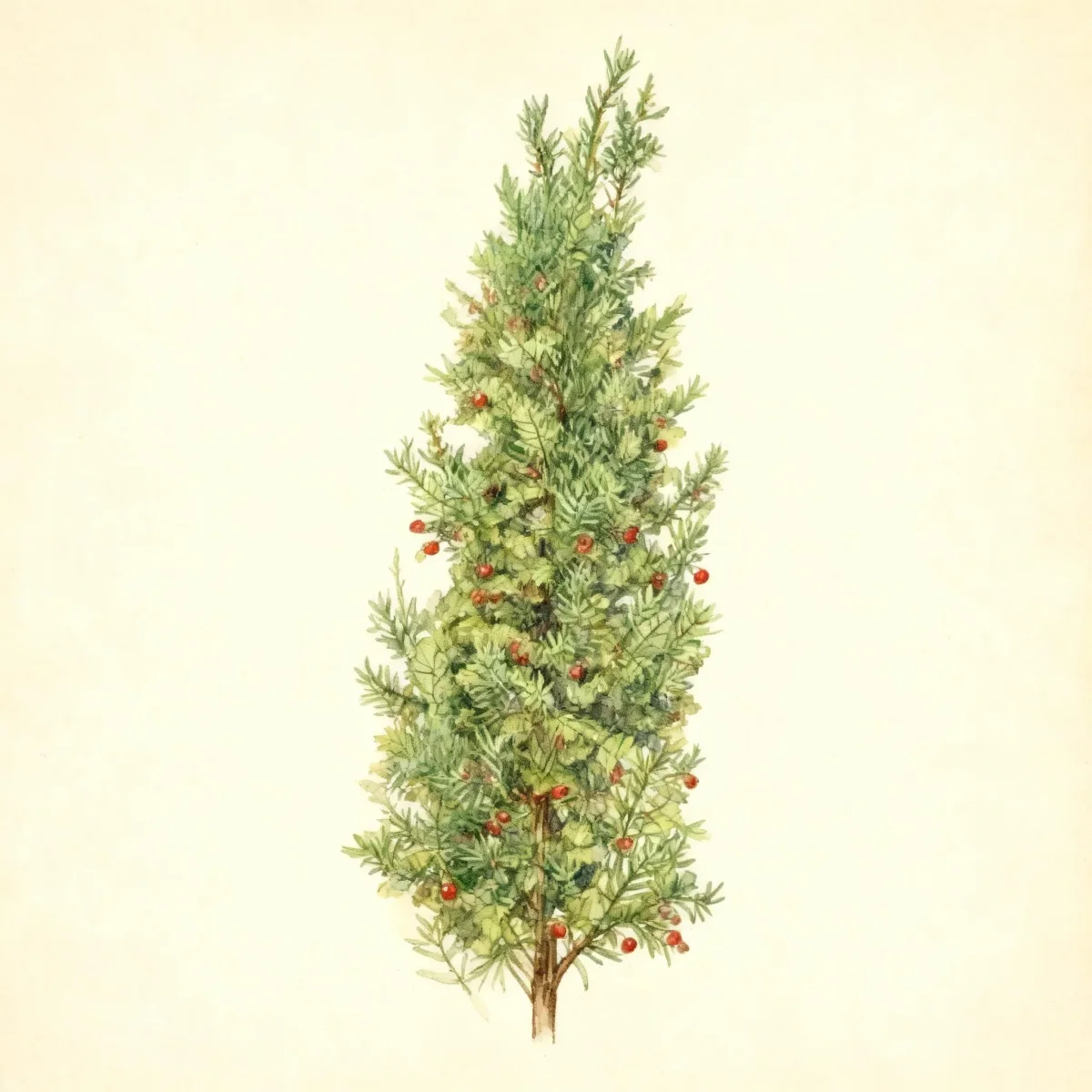
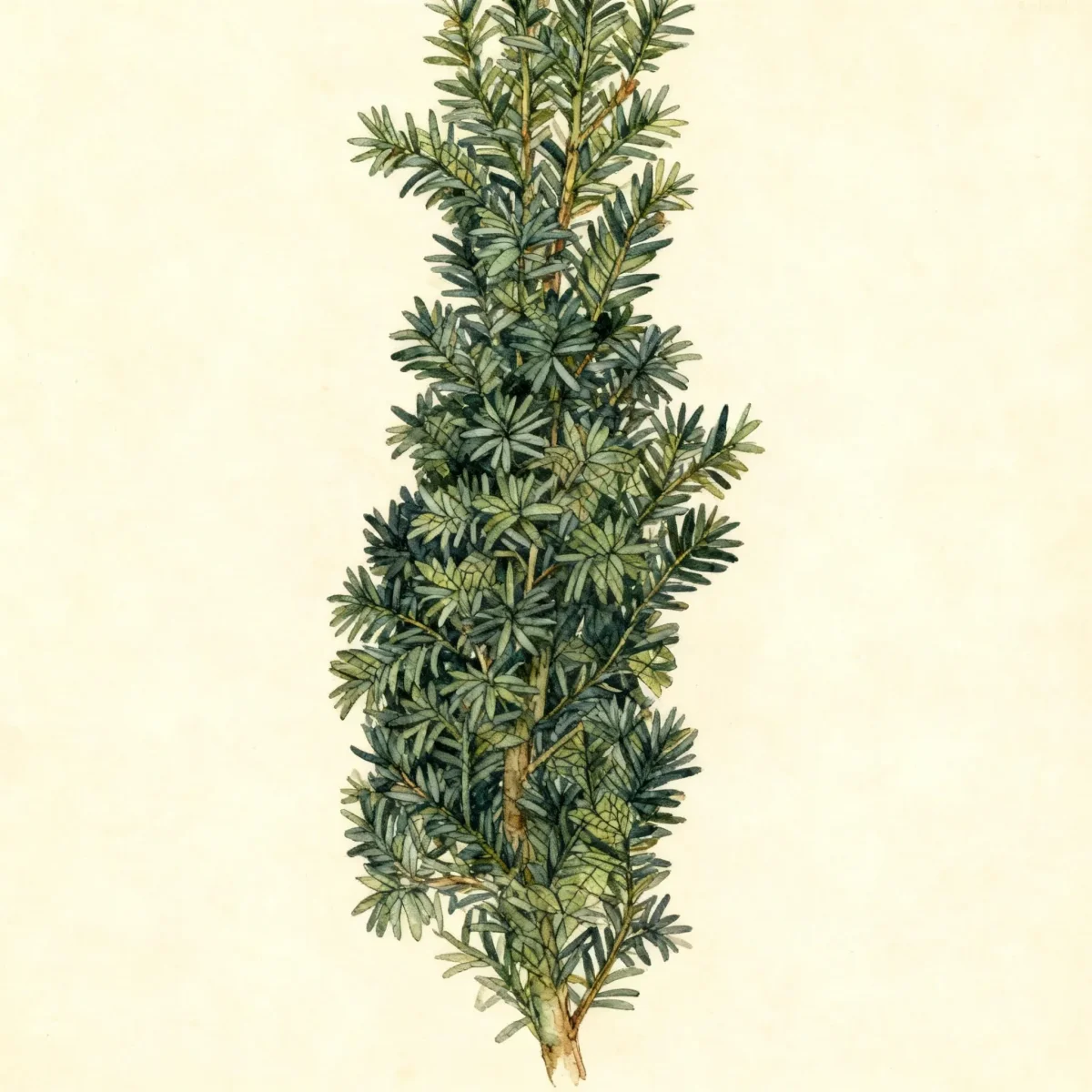
The Taxus × media ‘Flushing’ Yew is highly valued by landscape designers for its exceptionally narrow, columnar habit, providing strong vertical accents where horizontal space is limited. This hybrid Yew cultivar combines the ornamental quality of English yew with superior winter hardiness derived from its Japanese parentage. It remains dense and attractive throughout the year, making it a reliable structure plant for formal or modern garden designs.
As a low-maintenance needled evergreen, this specific form of Yew offers superb visual contrast against softer, broader plantings. Female plants of Taxus × media ‘Flushing’ produce distinctive, bright red, berry-like cones (arils) that offer a welcome splash of seasonal color against the glossy dark green needles. Successful cultivation relies on providing well-drained soil and some protection from harsh winter winds.
This cultivar is a versatile screening option, reaching heights up to 15 feet while maintaining a strict spread of only 2 to 3 feet wide. The excellent architectural quality of Taxus × media ‘Flushing’ ensures that structure and appeal are present in the landscape in all four seasons, solidifying its place as a foundational evergreen choice.
Fast Facts
- Plant Family: Taxaceae
- Plant Type: Needled evergreen
- Hardiness Zones: USDA Zones 4-7
- Size at Maturity:
- Height: 12-15 ft
- Spread: 2-3 ft
- Bloom Time: Non-flowering
- Bloom Description: Non-flowering
- Sun Exposure: Full sun to part shade
- Water Needs: Medium
- Maintenance Level: Low
How to Grow
The best time to establish a new Yew, including the columnar Taxus × media ‘Flushing’, is typically in spring or early fall when temperatures are moderate. Locate your specimen where it receives full sun down to part shade; while it tolerates heavy shade, ensuring sufficient light enhances foliage density. Crucially, good soil drainage is paramount; these plants have zero tolerance for wet or waterlogged conditions, which quickly invite root rot. Sandy loam soils, kept consistently medium moist, are ideal.
Water regularly, especially when young, to maintain medium moisture levels without saturating the soil. Once established, this Yew is notably drought tolerant. Avoid heavy fertilization unless soil testing warrants it; generally, ample moisture and proper siting reduce cultural stress.
Pruning and shaping are easily managed with Taxus × media ‘Flushing’ due to its acceptance of shearing. The ideal time for significant pruning or shearing is early spring, just before new growth begins to emerge. This timing allows the plant to put out fresh growth over the dormant season, masking any minor imperfections from heavy cuts.
Always site the plant where it is partially protected from bitter, desiccating winter winds. Exposure in Zones 4 and 5 can lead to winter burn on the foliage, resulting in unsightly browning. Addressing drainage issues during planting preparation will preemptively solve many long-term health problems for your Taxus × media ‘Flushing’.
Landscape Uses
The extreme verticality of Taxus × media ‘Flushing’ makes it indispensable for creating strong focal points or formal linear elements in the garden design. Since it rarely exceeds three feet in width, it serves perfectly as a thin vertical accent, cleanly framing entryways or juxtaposing against expansive, low-growing groundcovers. Its dense nature also qualifies it as an excellent, narrow screen or hedge where space restrictions prohibit wider evergreens.
Consider using groups of three or five Taxus × media ‘Flushing’ spaced evenly along a long sightline to emphasize depth and perspective. Because this Yew handles shade well, it pairs beautifully with shade-loving perennials like Hostas or ferns in foundation plantings, where its dark green needles provide a necessary evergreen backbone during winter dormancy. Its formal shape also works well alongside modern, hardscape elements or in minimalist Japanese-style gardens.
Standout Features
Fruit Qualities
- Berry-like cones called arils, which are red and contrast nicely with the dark green foliage (Female plants only).
Noteworthy Characteristics
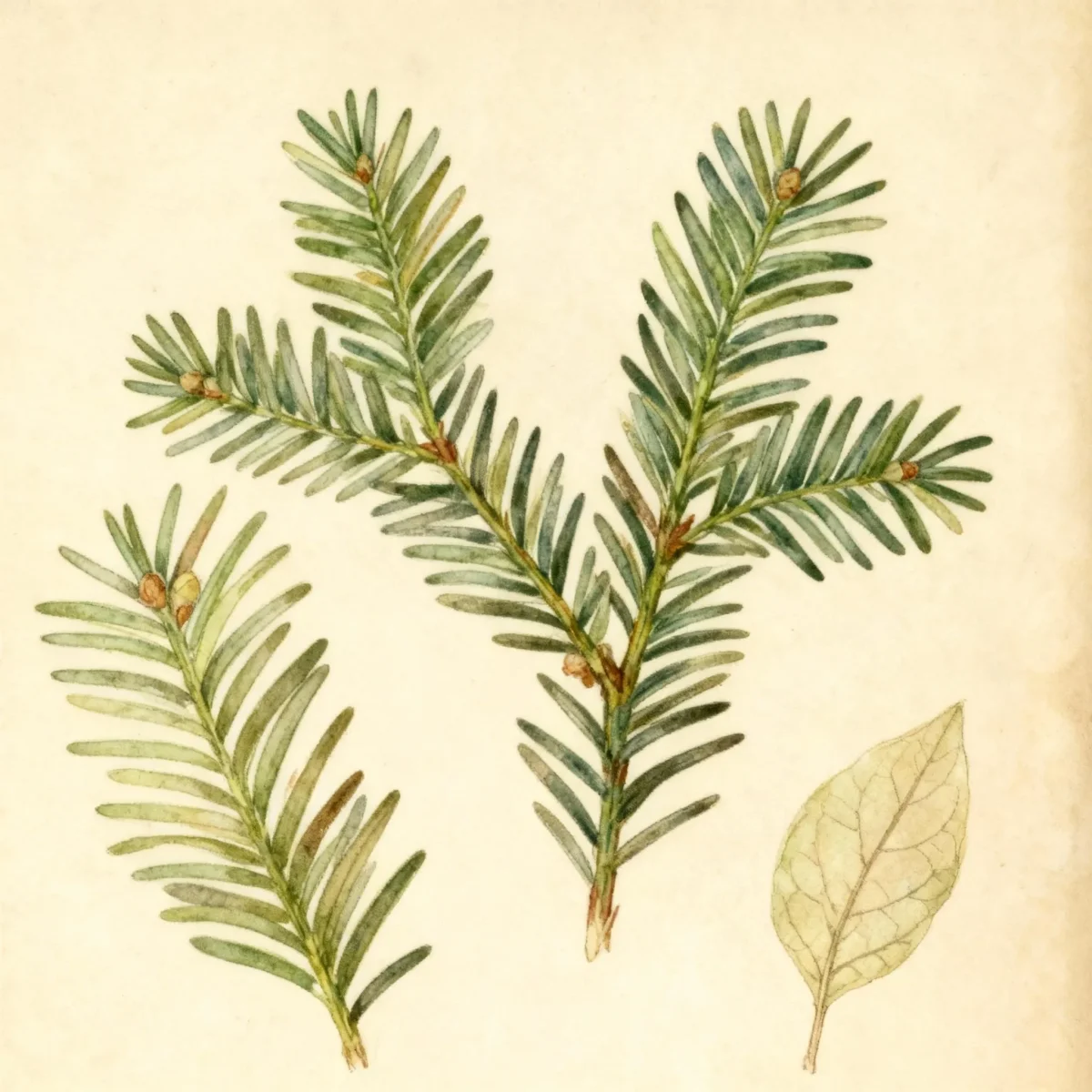
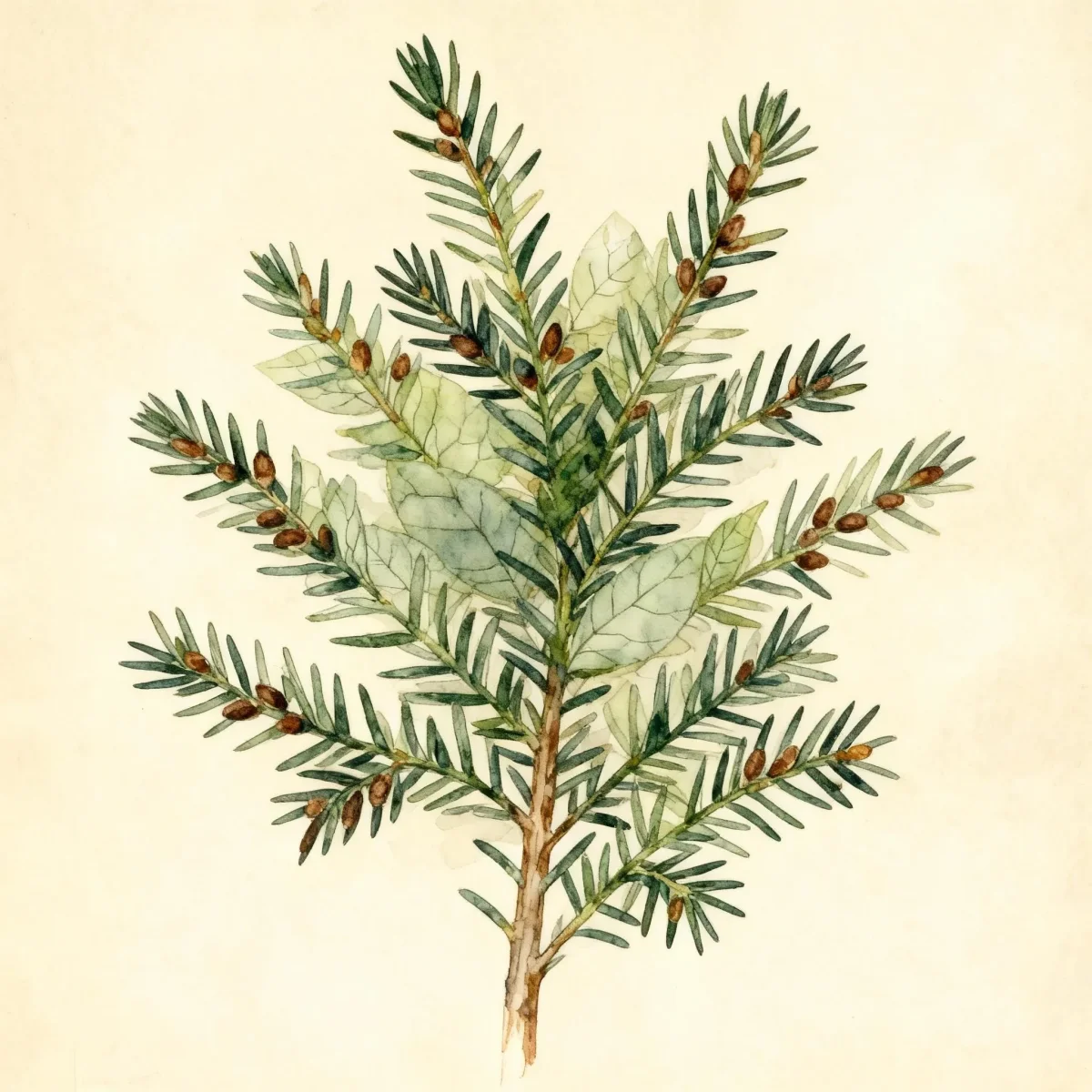
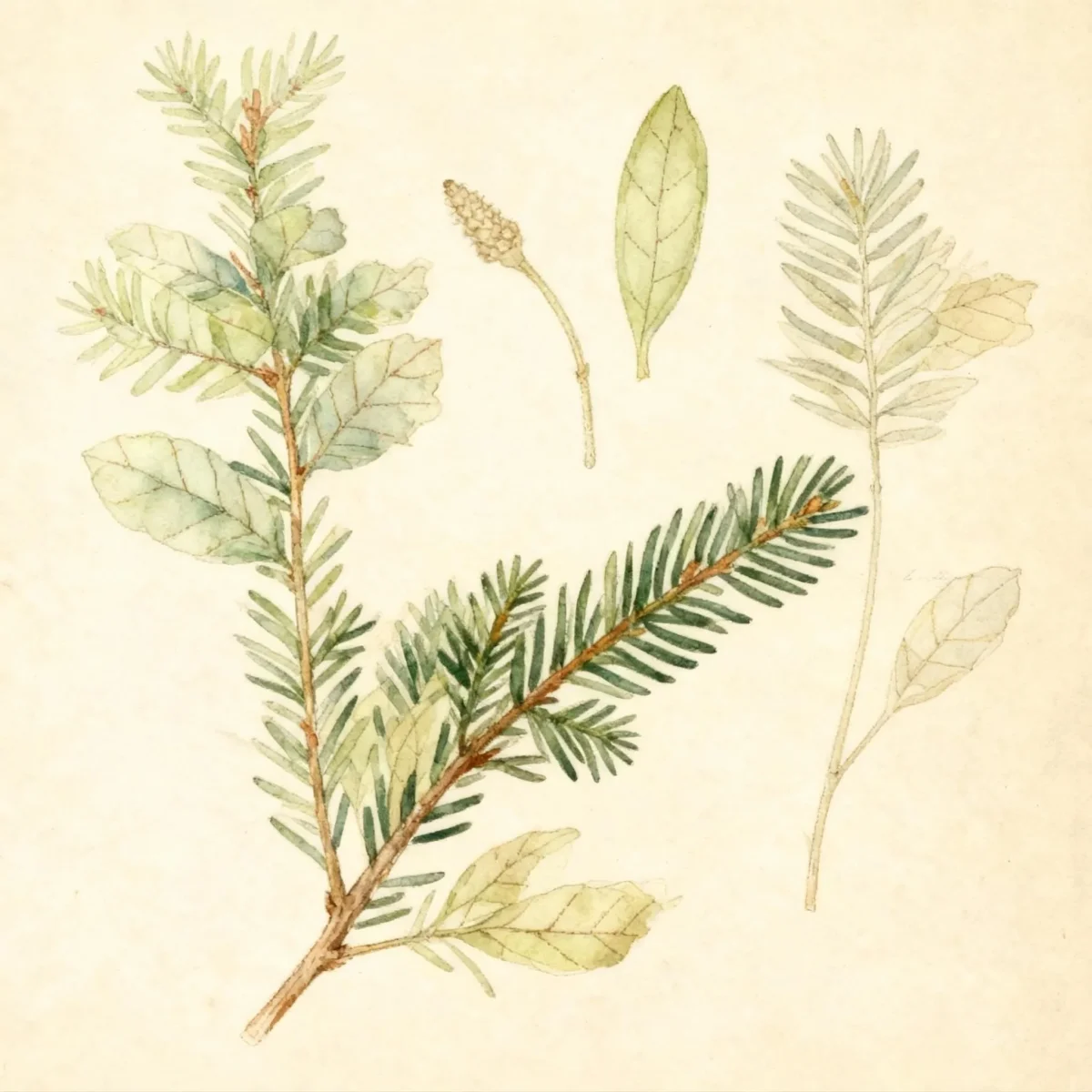
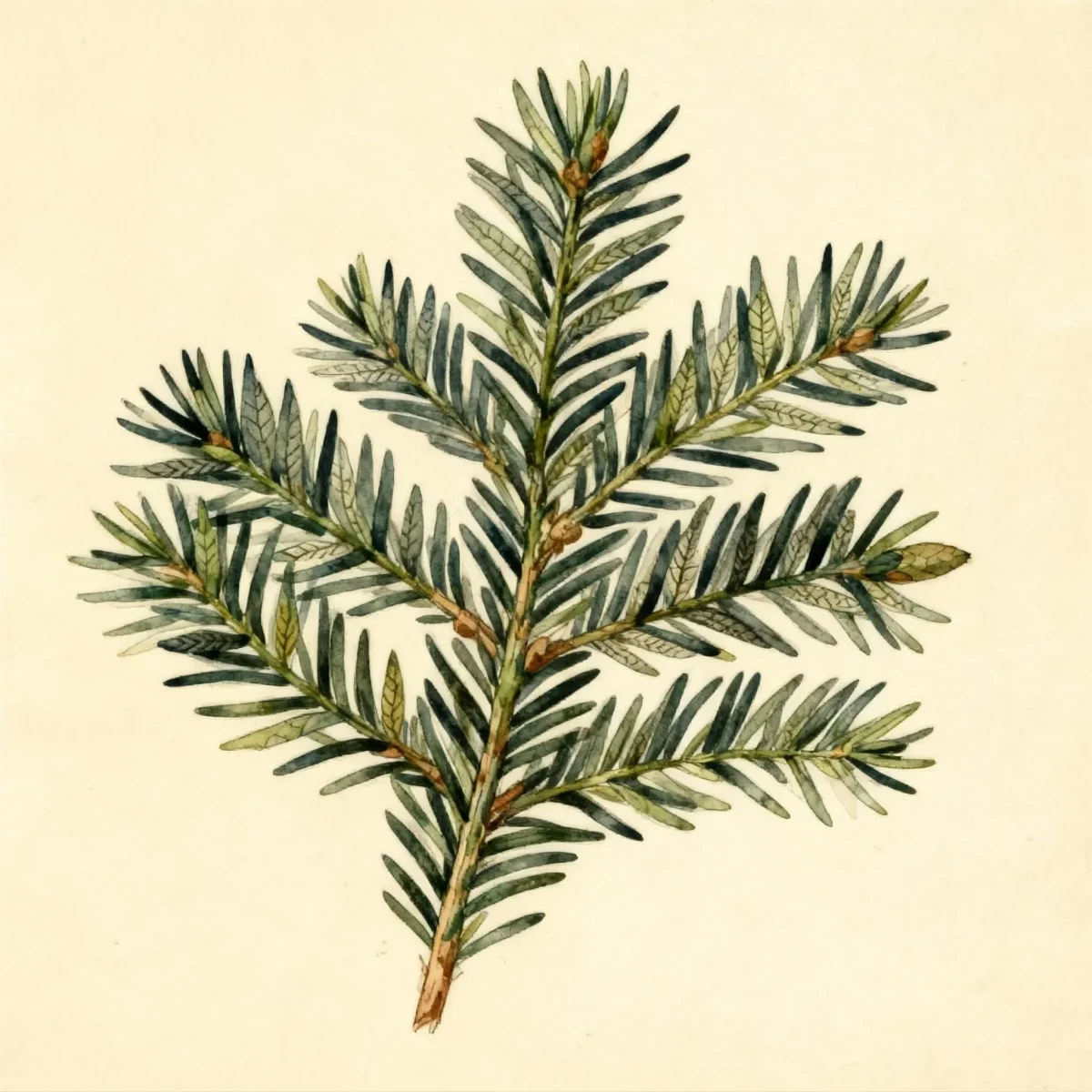
Taxus × media is a hybrid designation for a large number of shrubby, often wide-spreading crosses of English yew (Taxus baccata) and Japanese yew (Taxus cuspidata). These hybrids are noted for combining the ornamental excellence of English yew with the winter hardiness of Japanese yew. Although primarily resembling T. Cuspitata in appearance, the various hybrid cultivars can vary considerably in size and character. Height ranges from 2-20’ tall depending on the cultivar. Two ranked, pointed, oblong to needle-like, olive to dark green leaves are attractive year round. Bark is scaly brown. Plants are dioecious (separate male and female plants). Female plants produce berry-like cones made up of a single seed surrounded by a red, fleshy structure called an aril. The aril is formed by two fused, modified scale leaves.Genus name is an old Latin name for yews.Specific epithet means intermediate.‘Flushing’ is an extremely narrow columnar form with ascending fastigiate branching. It typically matures to 12-15’ tall with a spread of only 2-3’ wide. Glossy dark green foliage is attractive throughout the year. ‘Flushing’ is a female form that produces attractive red, berry-like cones which contrasts well with the foliage.
Tolerances
- Rabbit
- Drought
- Heavy Shade
Potential Problems
Susceptibility to winter burn is a primary concern for Yew specimens grown in exposed sites, particularly on the edges of its hardiness range. This is due to foliage drying out while the roots are frozen, preventing water uptake. Planting in locations protected from severe winter winds is the best preventative measure.
Occasionally, this species may suffer from twig blight or needle blight, fungal issues that can cause dieback. Ensure optimal air circulation by providing proper spacing and avoid overhead watering late in the day. Root rot is a serious threat if drainage is inadequate; always amend planting holes carefully to facilitate rapid water evacuation around the root ball.
Pest issues can sometimes include weevils, scale insects, and mealybugs. Regularly inspect the underside of the needles and branches, particularly during warmer months. Minor infestations can often be managed with horticultural oil or proper pruning to remove affected areas.
Frequently Asked Questions
What hardiness zones is Yew suitable for?
The Taxus × media ‘Flushing’ Yew is generally suitable for USDA Hardiness Zones 4 through 7.
How large does Yew grow?
This specific cultivar typically matures between 12 to 15 feet tall, but maintains a very narrow spread of only 2 to 3 feet wide.
What sun exposure does Yew need?
Taxus × media ‘Flushing’ thrives best when placed in locations receiving full sun to partial shade.
When does Yew bloom?
This variety of Yew is classified as non-flowering, though female plants produce attractive red arils after pollination.
Conclusion
The Taxus × media ‘Flushing’ offers unmatched vertical interest combined with the reliability of a low-maintenance hybrid Yew. Its narrow profile makes it ideal for tight spaces or formal screening where other evergreens become too sprawling. Before planting, confirm your location falls within USDA Zones 4-7 and ensure that soil drainage is impeccable to secure decades of year-round structural beauty.
Companion Planting
Given the specific cultural needs of Taxus × media ‘Flushing’—namely, well-drained soil and tolerance for shade—smart companion plants should share these preferences. Deciduous shrubs with bright fall color, such as certain Japanese Maples (Acer palmatum cultivars), provide excellent seasonal contrast next to the static, dark green foliage of the Yew. Alternatively, groundcovers that appreciate similar moisture levels without requiring deep shade, like Pachysandra terminalis, can soften the base of the tall columnar form.
For areas receiving more sun, consider pairing the Yew with dwarf conifers, such as low-growing Mugo Pine (Pinus mugo), that prefer sharp drainage but offer textural variation. Since the foliage of Taxus × media ‘Flushing’ is dark, planting near white-flowering or light green specimens, like Hosta ‘Guacamole’ or white-blooming Hydrangeas, will enhance visibility, particularly during low-light hours.
Seasonal Care Calendar
Early Spring (Before New Growth): Perform any necessary major pruning or shearing now to shape the Yew structure before the season advances. Check for winter burn damage and carefully prune out any obviously dead branches back to healthy wood. This is also an appropriate time to apply a slow-release evergreen fertilizer, if needed based on soil assessment.
Summer: Maintain medium moisture levels during extended dry periods, focusing supplemental water directly at the root zone rather than overhead. Inspect foliage regularly for early signs of scale or mealybug infestations, treating immediately with appropriate horticultural oil if pests are spotted. The drought tolerance of established Taxus × media ‘Flushing’ means deep, infrequent watering is preferred over light, frequent sprinkling.
Fall and Early Winter: Reduce watering as temperatures cool; this helps the plant harden off for winter. Ensure the planting area is mulched to stabilize soil temperatures and retain moisture. Avoid applying any fertilizer after mid-summer, as this encourages soft new growth that is highly susceptible to subsequent winter injury.