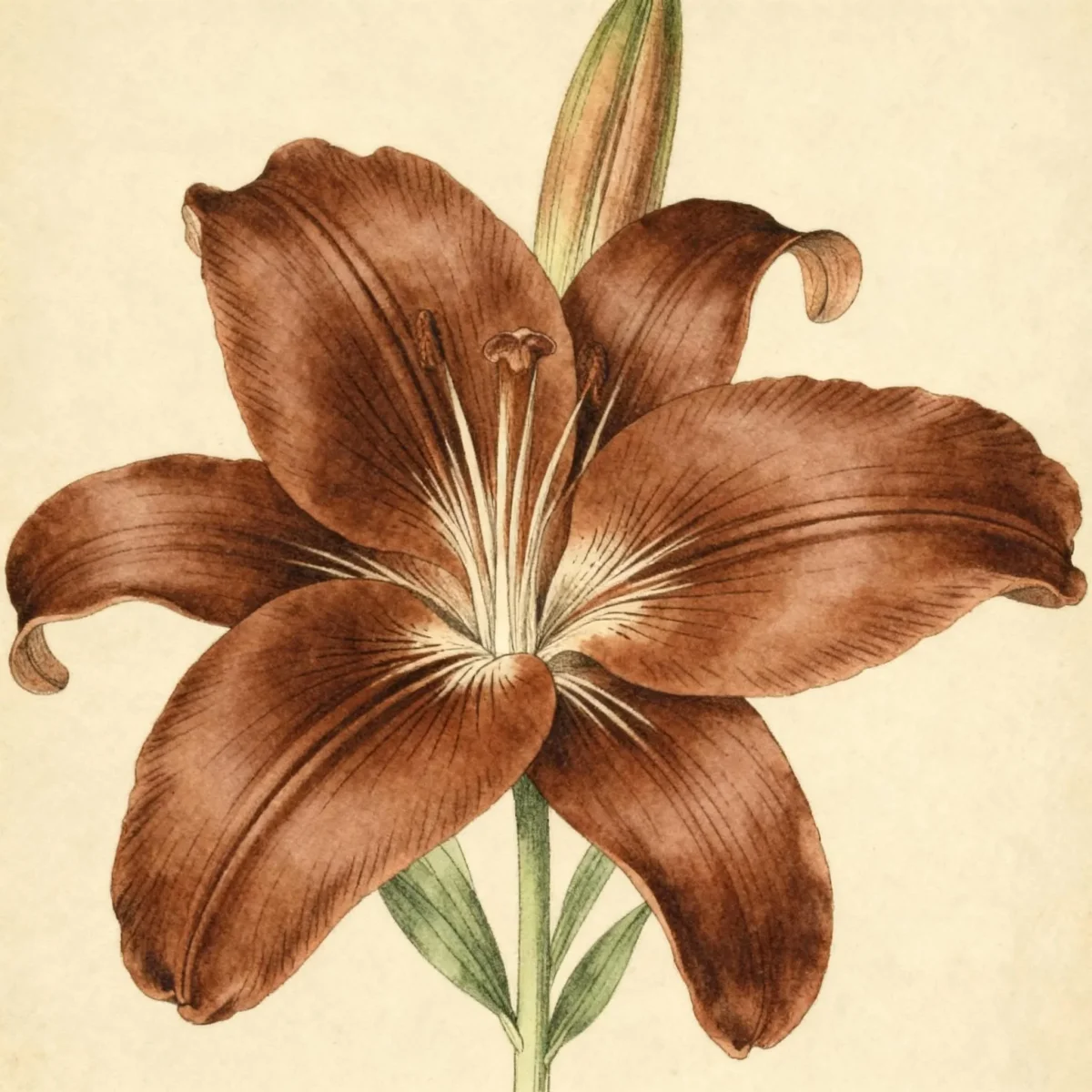
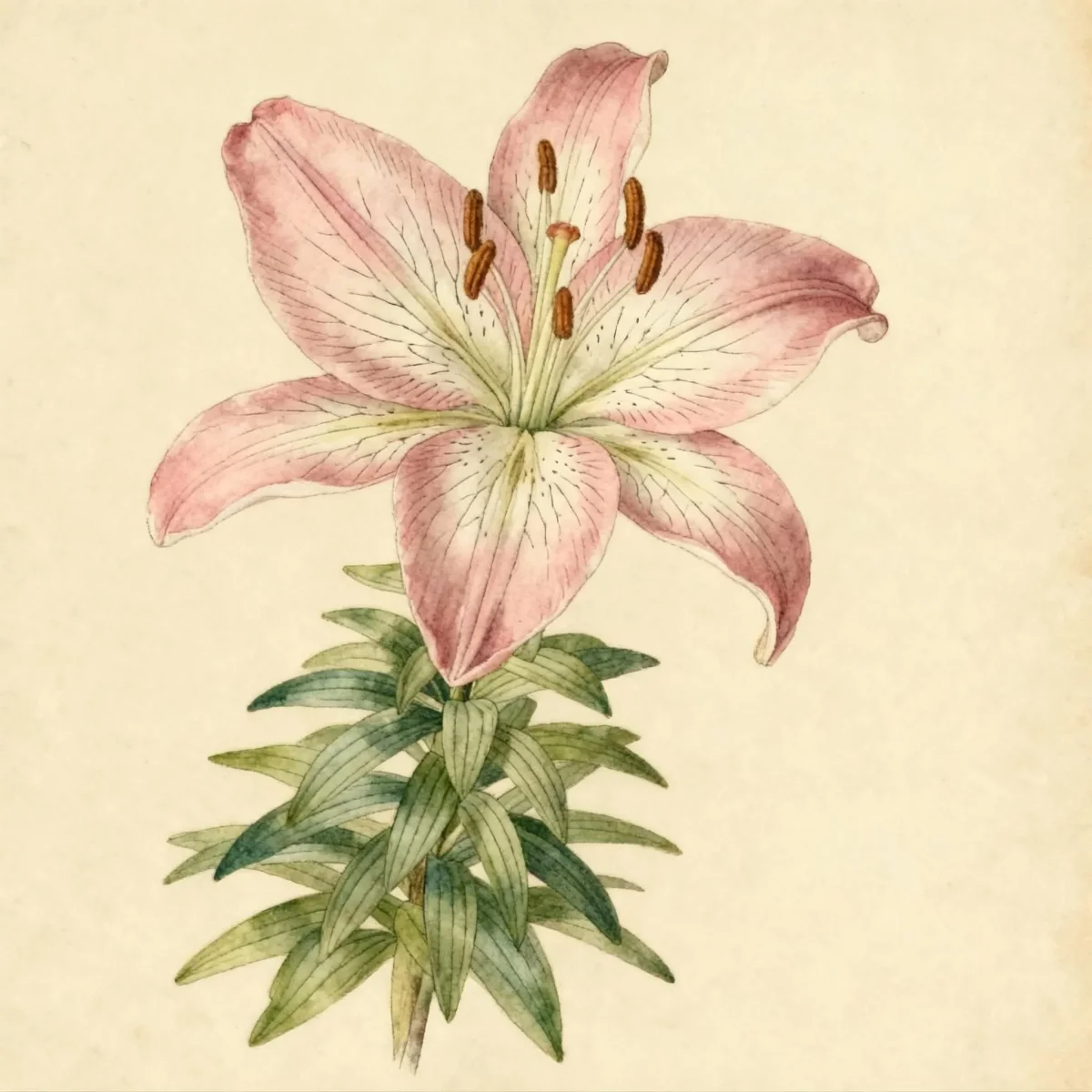
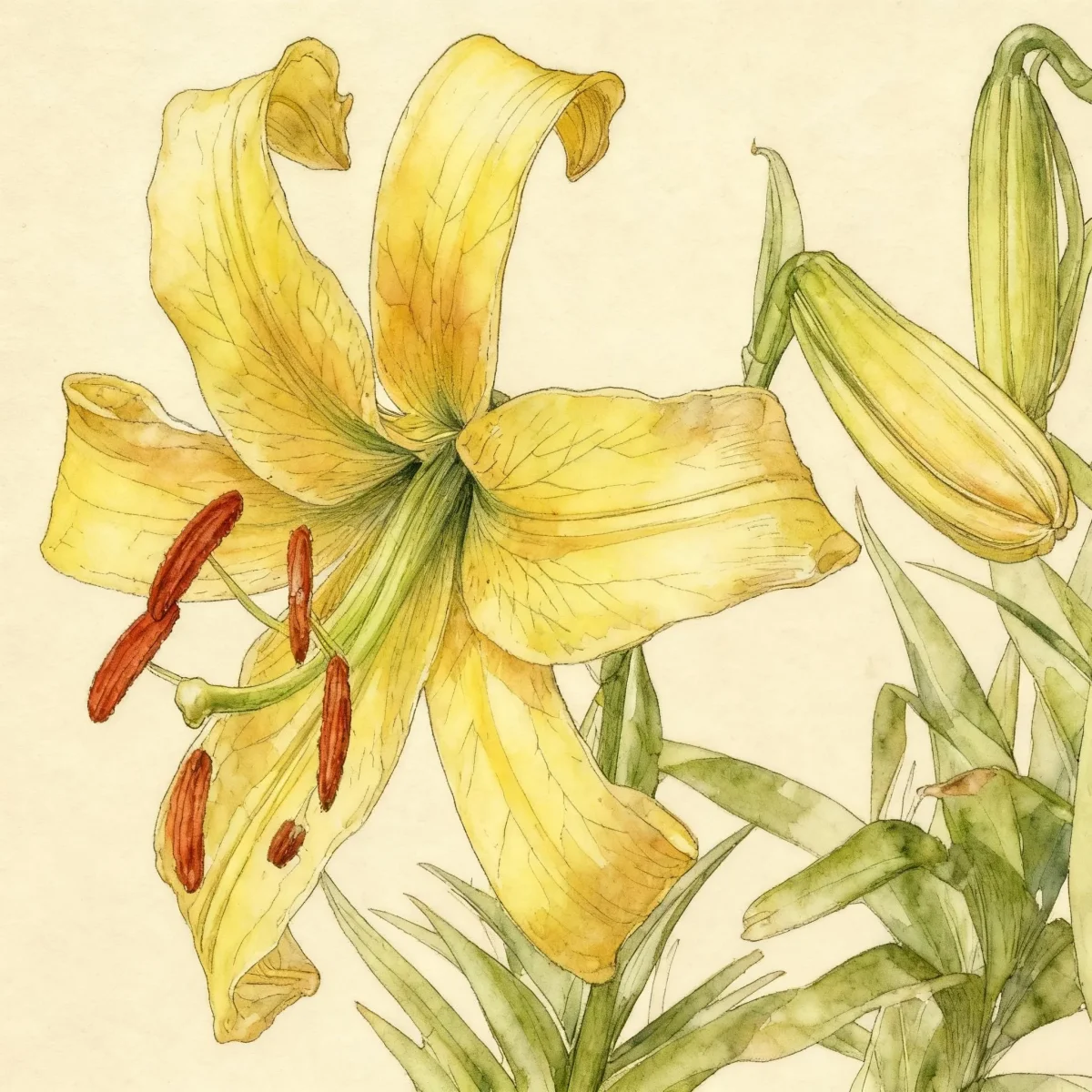
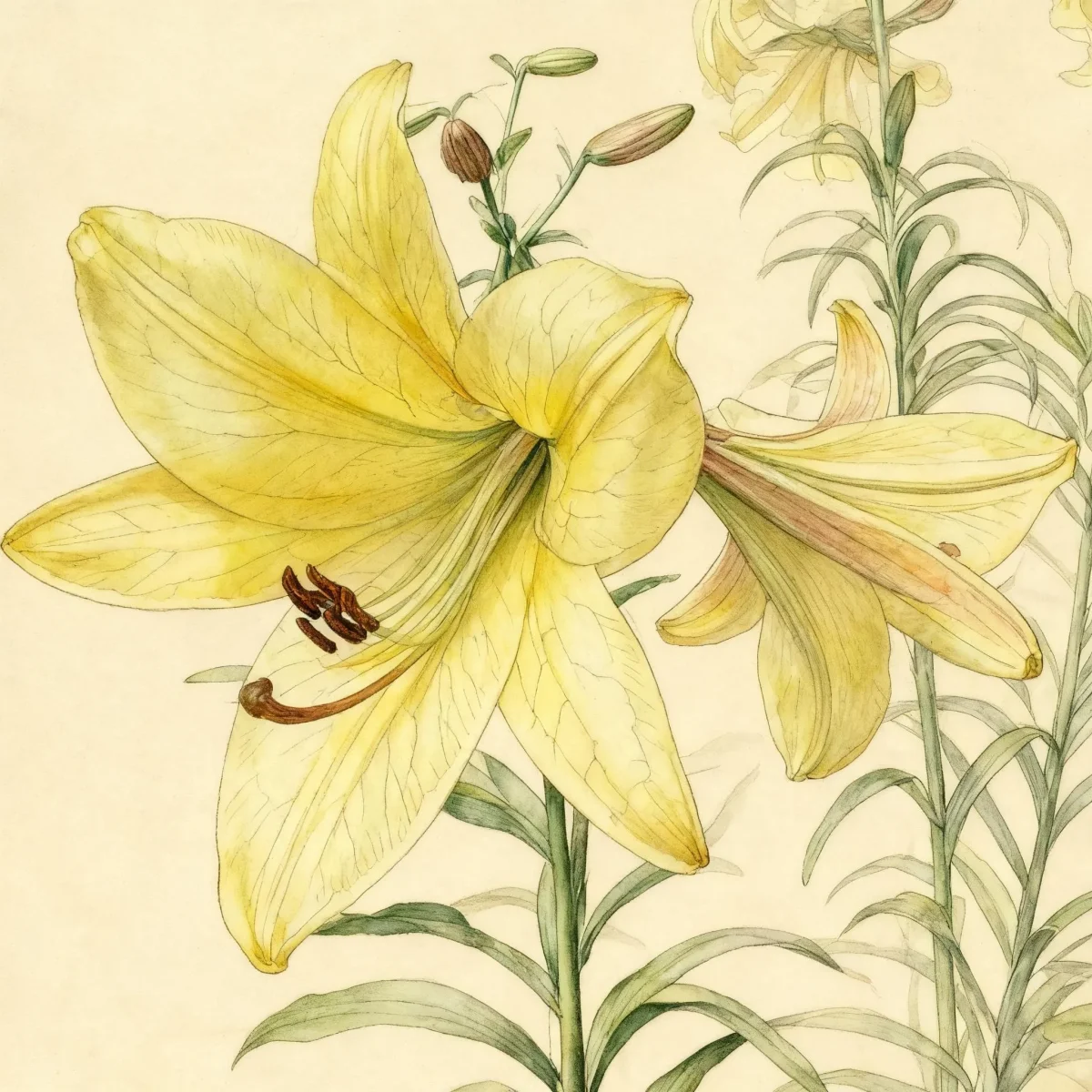
Asiatic lily (Lilium 'Vermeer')
Lilium 'Vermeer' is a Showy Asiatic lily blooming pink in June-July, ideal for borders and fresh cut arrangements in Zones 4-8.
Scroll down to discover growing tips, care requirements, companion plants, and more
Complete Plant Information
Overview
The Asiatic lily, specifically the cultivar Lilium ‘Vermeer’, offers gardeners vibrant, early-season color without excessive fuss. As a Division I Asiatic hybrid, Lilium ‘Vermeer’ is renowned for its reliability and striking presentation, making it a staple in perennial gardens. These bulbs produce stiff stems clothed in deep green foliage, topped by large, open-faced flowers that capture immediate attention.
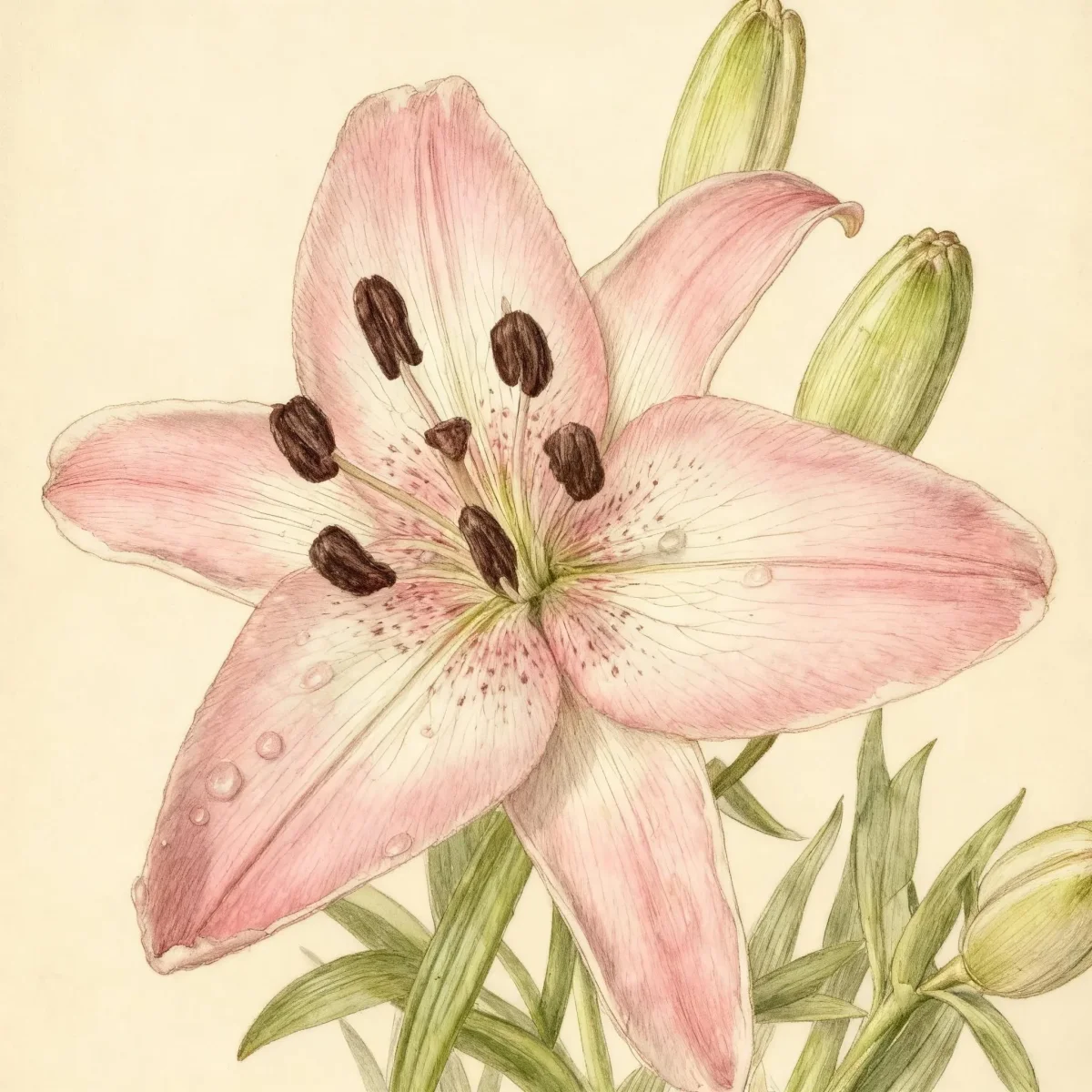
Lilium ‘Vermeer’ is valued for providing reliable summer blooms, typically appearing in June and July. Its coloration—pastel pink petals contrasting with a distinctive white center—adds beautiful contrast to mixed plantings. While Asiatic lilies are generally known for being easy to cultivate, they still require attention to soil drainage and consistent moisture to thrive year after year.
These dependable perennials are excellent for adding vertical structure and bold color accents. Whether planted in mass groupings for maximum impact or used as highly sought-after fresh cut flowers, the Asiatic lily delivers enduring garden performance. Gardeners looking for robust, low-stress summer bloomers should strongly consider incorporating Lilium ‘Vermeer’ into their landscape plans.
Fast Facts
- Plant Family: Liliaceae
- Plant Type: Bulb
- Hardiness Zones: USDA Zones 4-8
- Size at Maturity:
- Height: 2-3 ft
- Spread: 1-1.5 ft
- Bloom Time: June to July
- Bloom Description: Pink with white center
- Sun Exposure: Full sun to part shade
- Water Needs: Medium
- Maintenance Level: Medium
How to Grow
Planting Lilium ‘Vermeer’ bulbs is best achieved in the fall, although late winter planting is also acceptable for some varieties. Select a location where the plant receives full sun to partial shade, ensuring the top of the bulb stays sunny while the root zone remains cool; insulating the roots with mulch is highly recommended to achieve this dual requirement. Plant bulbs approximately 4 to 6 inches deep, spacing them 12 inches apart, ideally in groups of three to maximize the visual effect of these Asiatic lilies.
Care for your Asiatic lily requires maintaining medium moisture levels; the soil must stay evenly moist year-round, but excellent drainage is crucial to prevent bulb rot. Avoid letting the soil completely dry out, especially during the growing season. As flowers fade, cleanly remove the spent blooms (deadheading) to prevent seed formation, but resist the urge to cut the foliage back immediately.
After blooming concludes, allow the stems and leaves of Lilium ‘Vermeer’ to naturally yellow and die back before cutting them down. This process allows the bulb to store energy for the following season. Taller specimens, particularly if grown in shadier spots, may require staking to prevent wind damage or stem collapse.
Landscape Uses
The striking appearance of Lilium ‘Vermeer’ makes it a natural choice for infusing bright summer color into the perennial border. Planting these Asiatic lilies in groups creates striking focal points and provides excellent color contrast against contrasting foliage textures. Their upright, strong stems (2-3 feet tall) are perfect for the middle or back of a border, complementing shorter, mounding perennials.
Beyond the traditional garden bed, Lilium ‘Vermeer’ excels in container gardening, adding spectacular height to mixed balcony or patio displays, though the flowers may be slightly smaller when container-grown. Furthermore, the sturdy nature and beautiful coloration of these blooms make them one of the most frequently recommended fresh cut flowers for summer bouquets. Utilize them alongside complementary companions like Hostas (to shade the root ball) or Catmint.
Standout Features
Flower Qualities
- Showy
- Good Cut
Noteworthy Characteristics
Lilium is a genus of about 100 species of bulbous, herbaceous perennials native to Europe, North America and Asia south to the Philippines. For classification purposes, hybrid lilies are organized into eight divisions based primarily upon parentage, habit, and flower type. Lilium ‘Vermeer’ is a Division I Asiatic hybrid lily, known for its large, early-summer blooms. ‘Vermeer’ specifically offers open-faced, pastel pink flowers with white centers and dark pink stamens set atop rigid stems.
Tolerances
No specific tolerances were listed.
Potential Problems
Asiatic lilies are generally considered easy, but monitoring for specific pests and diseases is wise. Lily leaf beetles can become a serious problem in certain regions and require diligent inspection and manual removal or treatment. A more critical concern is preventing bulb rot, which occurs when Lilium ‘Vermeer’ is sitting in overly wet or poorly drained soil, especially over winter.
Viral infections like lily mosaic virus are vectored by aphids, so maintaining prompt control over these small soft-bodied insects is essential, as there is no cure for the virus once the plant is infected. Plants grown in too much shade or exposed to strong winds might also require staking due to weakened stems.
Frequently Asked Questions
What hardiness zones is Asiatic lily suitable for?
Lilium ‘Vermeer’ thrives in the relatively wide range of USDA Hardiness Zones 4 through 8.
How large does Lilium ‘Vermeer’ grow?
This cultivar typically reaches a height between 2 and 3 feet, with a modest spread of 1 to 1.5 feet at maturity.
When does Lilium ‘Vermeer’ bloom?
The bloom time for this Asiatic lily is during the early summer, specifically June to July, showcasing lovely pink flowers with white centers.
What sun exposure does Asiatic lily need?
Lilium ‘Vermeer’ performs best when situated in full sun to partial shade conditions.
Conclusion
Lilium ‘Vermeer’ stands out as a highly reliable and beautiful Asiatic lily, offering vibrant pink blooms during the peak of early summer. Its low-maintenance nature and suitability as both a garden accent and a stellar cut flower make it invaluable. Before planting, confirm your garden falls within USDA Zones 4-8 and prepare rich, well-draining soil for your new bulbs.
Companion Planting
When selecting companions for Lilium ‘Vermeer’, focus on plants that appreciate similar soil moisture but offer contrasting foliage texture and height. Low-growing, spreading plants like Hostas or Brunnera are excellent choices because their broad leaves cover the soil surface, helping to shade the lily roots and keep the bulb zone cool, which Asiatic lilies prefer.
Avoid planting aggressive competitors that might choke out the relatively shallow roots of the lily bulb. Plants that bloom later in the summer, such as Rudbeckia (Black-Eyed Susan) or ornamental grasses, provide an excellent transition of color and texture once the showy flowers of Lilium ‘Vermeer’ begin to fade.
Design Ideas
Asiatic lilies are naturally good candidates for structure because of their stiff, vertical stems. Use Lilium ‘Vermeer’ extensively in traditional cottage gardens where height variance is key, planting them in odd-numbered groups for the most naturalistic look. For modern designs, repeat plantings of this cultivar can create lines of striking, repeating color against simpler architectural plants like Boxwood or clipped Lavender.
For small spaces, containers are highly effective. Combine one or two Lilium ‘Vermeer’ bulbs with trailing annuals near the edge, ensuring the container has excellent drainage to combat potential bulb rot issues inherent to overwatering. The bold pink flowers will immediately elevate any mixed planting scheme.