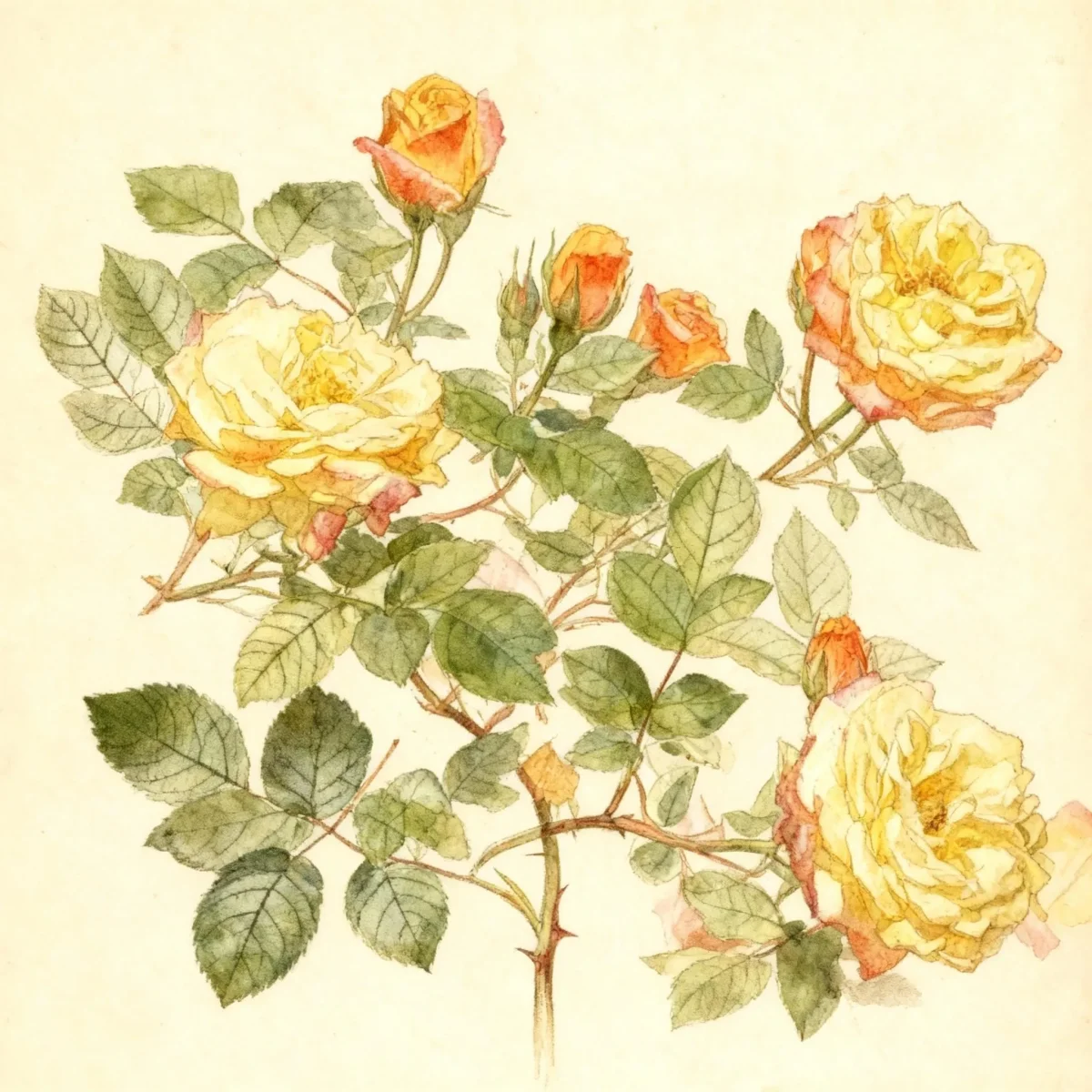
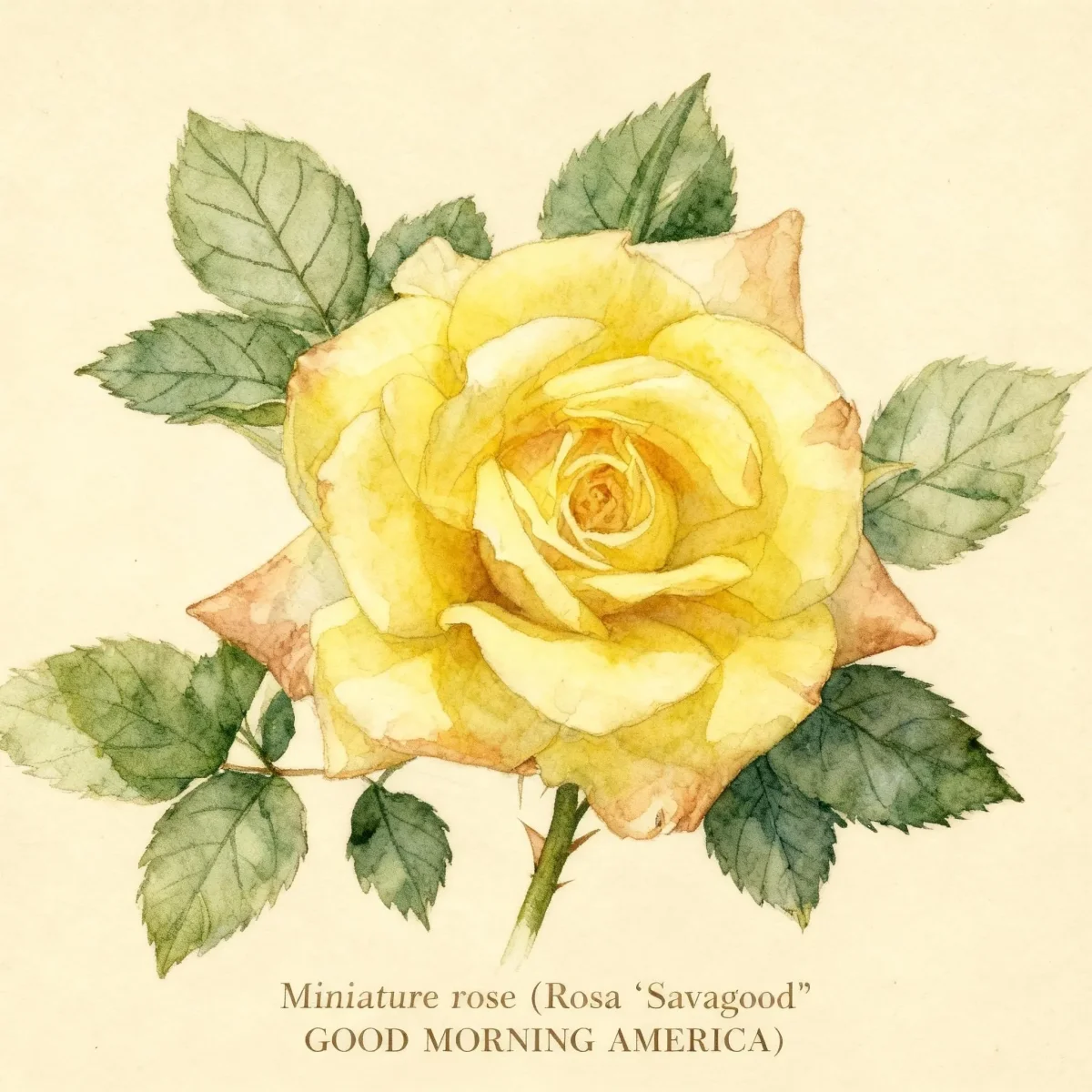
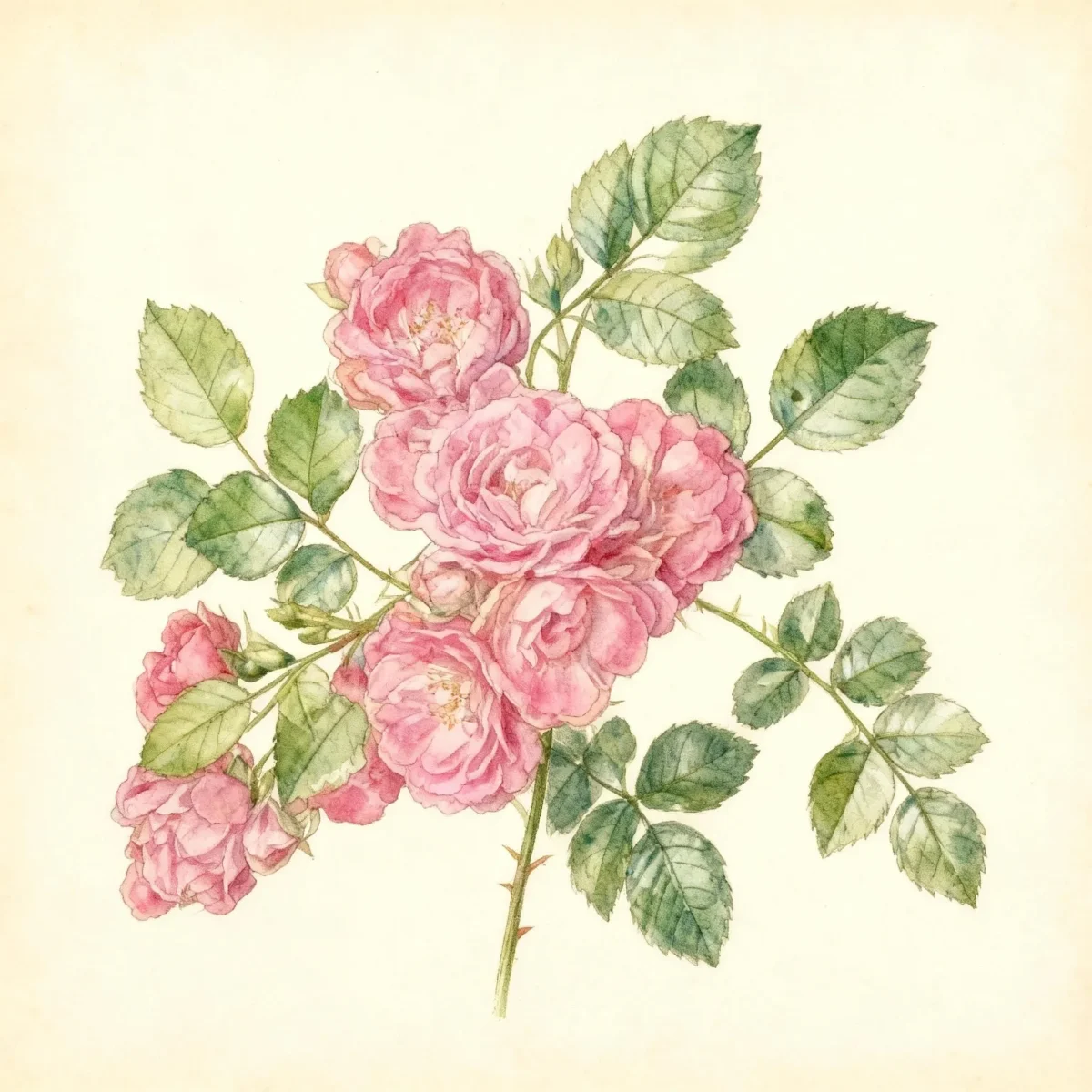
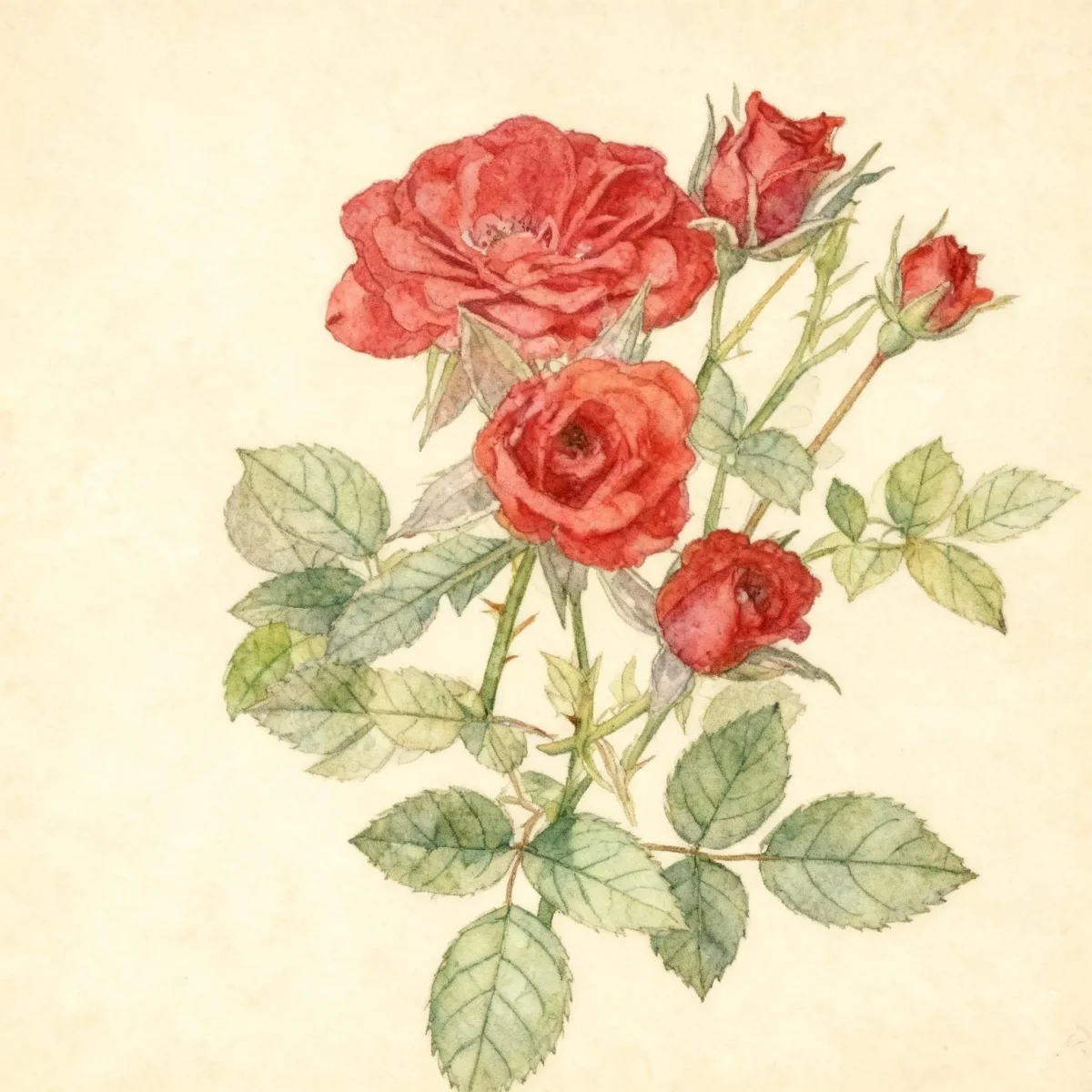
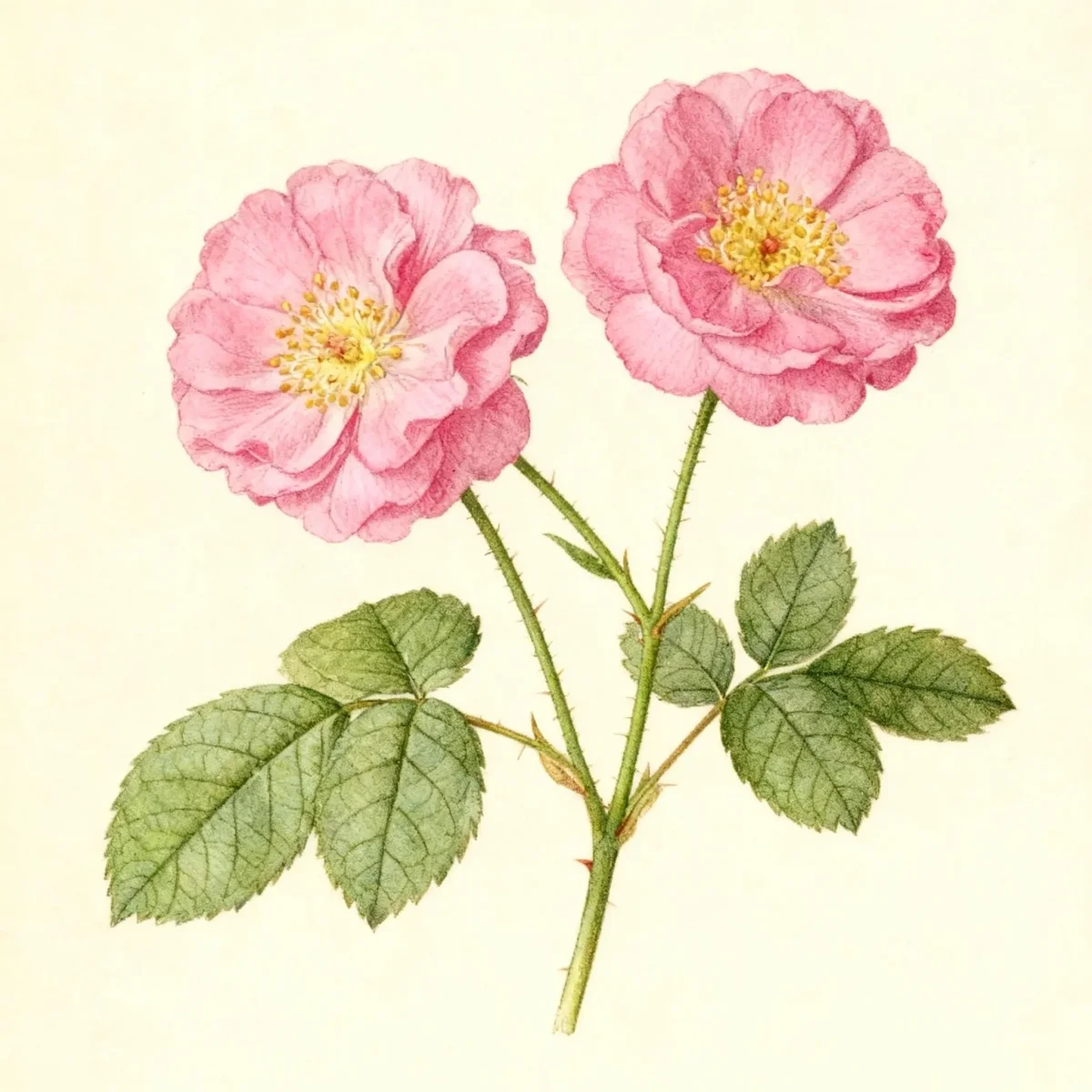
Miniature rose (Rosa 'Savaseat' SEATTLE SCENTSATION)
Rosa 'Savaseat' SEATTLE SCENTSATION is a fragrant Miniature rose with unique yellow/apricot blooms. Easy to grow in full sun in Zones 5-9.
Scroll down to discover growing tips, care requirements, companion plants, and more
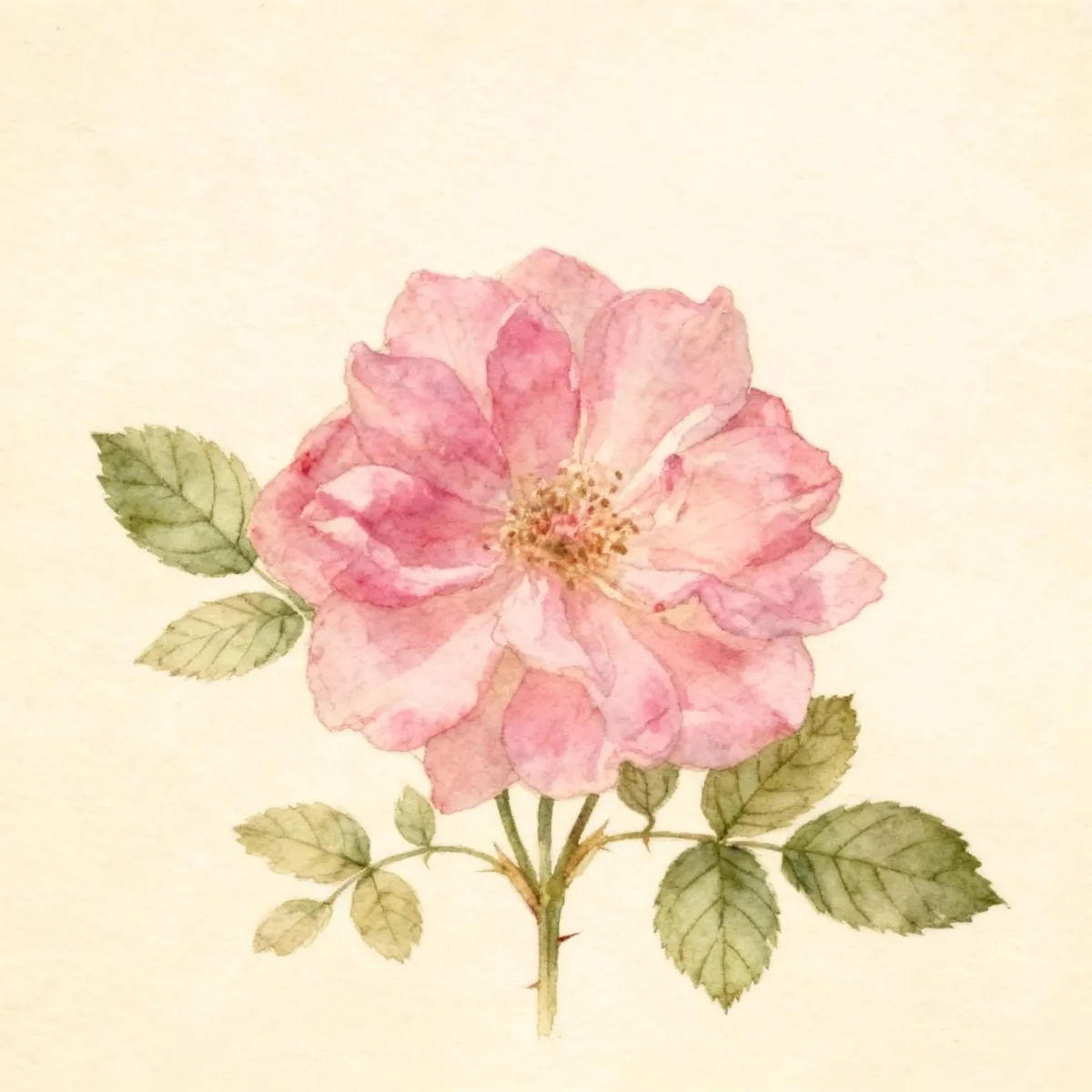
Complete Plant Information
Overview
Rosa ‘Savaseat’ SEATTLE SCENTSATION, a popular Miniature rose variety, offers abundant, uniquely colored blooms perfect for close-up enjoyment in the garden. This exceptional cultivar showcases flowers beginning as yellow/apricot tones that gracefully age to mauve-pink, providing lasting visual interest from spring well into the frost season. As a miniature rose, it embodies the classic beauty of larger rose types but in a compact, manageable shrub form suitable for smaller spaces.
This deciduous shrub requires adequate sunlight to achieve peak performance, thriving best when cultural practices promote good air circulation. Gardeners appreciate the Rosa ‘Savaseat’ SEATTLE SCENTSATION for its relatively low thorn count and continuous blooming habit, making maintenance easier and enjoyment simpler. It functions beautifully as an edging plant or a vibrant focal point in containers and foundation plantings.
Cultivating Rosa ‘Savaseat’ SEATTLE SCENTSATION successfully means positioning it where it receives full sun and providing consistent, deep watering. Its manageable size (2-3 ft high) allows it to fit into diverse landscape designs where larger shrubs might overwhelm the space. Expect a medium maintenance commitment to ensure continuous, fragrant flowering throughout the growing season.
Fast Facts
- Plant Family: Rosaceae
- Plant Type: Deciduous shrub
- Hardiness Zones: USDA Zones 5-9
- Size at Maturity:
- Height: 2-3 ft
- Spread: 1.5-2.5 ft
- Bloom Time: May to frost
- Bloom Description: Yellow/apricot aging to mauve-pink
- Sun Exposure: Full sun
- Water Needs: Medium
- Maintenance Level: Medium
How to Grow
Site Rosa ‘Savaseat’ SEATTLE SCENTSATION where it receives full sun exposure for the best flowering and disease resistance, although it will tolerate light shade. Ideally, plant this Miniature rose in organically rich, well-drained loams that retain medium moisture levels consistently. Mornings are the preferred time for watering; ensure you water deeply and regularly, making sure to avoid overhead watering practices, which can encourage disease issues.
Employ summer mulch around the base of the plant; this helps maintain cool roots and conserves essential soil moisture while suppressing weed growth. Good air circulation is vital for healthy growth and is the first step in controlling common foliar diseases such as black spot or mildew. Promptly remove spent blooms through deadheading to redirect the plant’s energy toward producing more flowers rather than seed set.
In colder regions, such as those experiencing harsh winters, provide extra winter protection for the crowns of your Rosa ‘Savaseat’ SEATTLE SCENTSATION. During late winter or early spring, prune as necessary; focus on removing dead tips, any dead growth, and spent lateral branches from the previous year’s bloom. Crucially, avoid shortening the main canes; pruning should be corrective rather than severe shaping. Always clean up and destroy fallen debris around the plant base during winter dormancy to minimize pathogen carryover.
Landscape Uses
Miniature roses like Rosa ‘Savaseat’ SEATTLE SCENTSATION excel in numerous design applications due to their compact stature and continuous show of color. They are perfectly suited as border fronts, softening the edge between a lawn or pathway and taller plantings. Their small scale also makes them ideal for rock gardens where they can peek out between stones.
Consider using this fragrant variety in containers or window boxes near seating areas or entryways, maximizing the enjoyment of the beautiful bloom tones. They also provide excellent groundcover potential or can be used in small, dedicated areas around the home where only dwarf shrubs are appropriate. Planting them alongside other well-behaved, medium-water-need perennials that share similar sun requirements will create harmonious groupings.
Standout Features
Flower Qualities
- Showy
- Fragrant
Noteworthy Characteristics
Rosa is a genus of about 150 species of deciduous (occasionally evergreen) shrubs and climbers noted for their beautiful, often fragrant, single, semidouble or double flowers which are borne singly or in clusters on often prickly stems clad with 5-9 leaflets often having toothed margins. Miniature roses look very much like shrubby, dwarf versions of floribunda or hybrid tea roses. They can be used as edging or as a groundcover. Some may be small climbers. They generally produce flowers in sprays, which can almost completely cover a plant. Most bloom several times a year. Genus name comes from the Latin name for rose.SEATTLE SCENTSATION is a miniature rose that will typically mature to 24-30” tall, featuring somewhat uniquely colored blooms: yellow/apricot tones blending which age to mauve pink. Blooms are fragrant. Matte green foliage. Very few thorns. Its seed parent is Rosa ‘Benalav’ and its pollen parent is Rosa ‘Macgenev’. Blooms freely from May to frost. U.S. Plant Patent PP9,821 issued March 11, 1997
Landscape Uses
Rosa ‘Savaseat’ SEATTLE SCENTSATION is highly recommended for brightening rock gardens and the frontal edge of mixed borders. Its compact nature also makes it perfect for small areas near the home foundation, or when planted individually or in groups within containers and window boxes for portability and concentrated fragrance.
Tolerances
- If light shade is tolerated, this rose handles some dappled light better than many full-sun lovers.
Potential Problems
Roses, in general, are susceptible to various issues, most commonly black spot, powdery mildew, and rust. While maintaining excellent cultural practices—such as deep watering in the morning and ensuring good air circulation—is the first line of defense, preventative fungicide applications are often necessary, especially in humid climates. Gardeners should also monitor for rose rosette and viral issues, which require more serious management.
In terms of insect pests, common culprits include aphids, beetles, borers, scale, thrips, leafhoppers, and mites. If natural controls are insufficient, targeted insecticide applications may be required to protect the foliage of your Miniature rose. A significant advantage of the SEATTLE SCENTSATION cultivar is its reportedly good resistance to the common foliar diseases, which can simplify year-round care compared to more susceptible varieties.
Frequently Asked Questions
What hardiness zones is Miniature rose suitable for?
The Rosa ‘Savaseat’ SEATTLE SCENTSATION is hardy in USDA Zones 5 through 9, offering a wide range of adaptability across the United States.
How large does Rosa ‘Savaseat’ SEATTLE SCENTSATION grow?
This Miniature rose typically reaches a height between 2 and 3 feet tall, with a spread ranging from 1.5 to 2.5 feet wide at maturity.
When does Miniature rose bloom?
This variety blooms continuously, starting in May and continuing actively until the first hard frost arrives, displaying its yellow/apricot aging to mauve-pink coloration.
What sun exposure does Miniature rose need?
Rosa ‘Savaseat’ SEATTLE SCENTSATION requires full sun exposure for optimal health and the best flowering performance.
Conclusion
The Rosa ‘Savaseat’ SEATTLE SCENTSATION delivers exceptional value as a fragrant, low-thorn Miniature rose bearing uniquely colored blooms throughout the season. Its manageable size makes it versatile for modern landscapes, containers, and borders alike. Before planting, confirm your location falls within USDA Zones 5-9, and prepare a rich, well-draining soil location to ensure this beautiful rose thrives from May onward.
Companion Planting
When selecting companions for your Rosa ‘Savaseat’ SEATTLE SCENTSATION, prioritize plants that share its requirements for full sun and medium moisture, while also thriving in organically rich soil. Good partners include low-growing, drought-tolerant ornamental grasses that offer fine texture contrast against the rose’s matte green foliage. Alternatively, considering herbs like lavender or catmint can enhance the sensory experience near this fragrant rose, as these also benefit from good drainage.
Avoid planting aggressive, shallow-rooted species directly adjacent to the base of the Miniature rose, as root competition can stress the plant. Focus instead on lower border plants that won’t obstruct the necessary air circulation around the lower canes of the Rosa ‘Savaseat’ SEATTLE SCENTSATION, ensuring the best defense against foliar diseases.
Design Ideas for Miniature Roses
Miniature roses are inherently flexible, but Rosa ‘Savaseat’ SEATTLE SCENTSATION shines when used strategically to emphasize texture and color detail. Use them en masse along a winding garden path to create a low, colorful ribbon of bloom that guides the eye. Their uniform size makes achieving geometric patterns in formal designs simple.
For cottage garden styles, intersperse them organically among established perennial borders. Their height (2-3 ft) is perfect for the middle ground, sitting just in front of taller shrubs like spireas or large hydrangeas, which can provide a solid green backdrop for the lighter, changing tones of the SEATTLE SCENTSATION blooms.