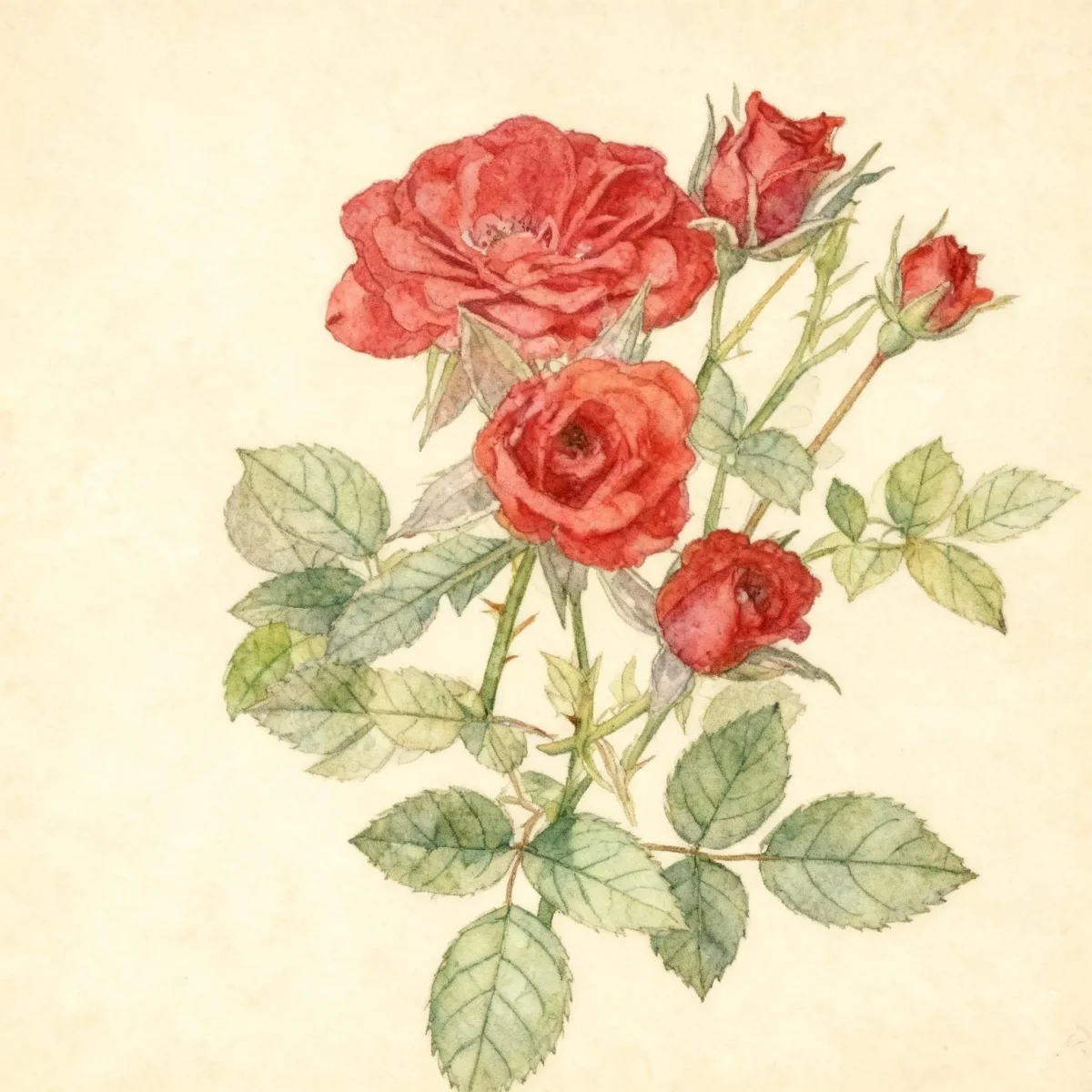
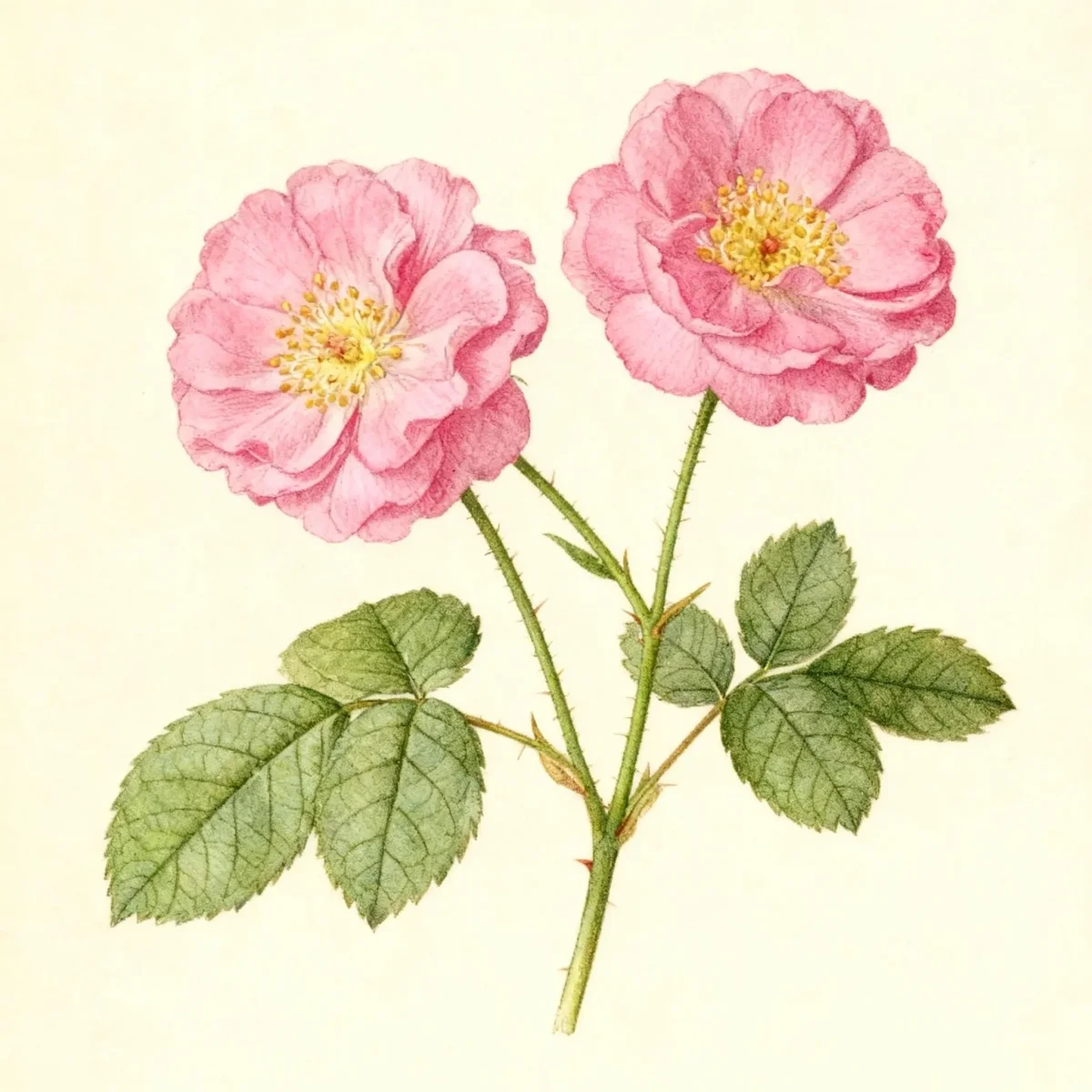
Miniature rose (Rosa 'Savared' RED SCENTSATION)
Explore Rosa 'Savared' RED SCENTSATION, a vibrant Miniature rose, perfect for containers, blooming fragrant red flowers from May to frost in zones 5-9.
Scroll down to discover growing tips, care requirements, companion plants, and more
Complete Plant Information
Overview
The Rosa ‘Savared’ RED SCENTSATION is a remarkably charming addition to any garden space, offering the classic appeal of a rose in a compact package. This Miniature rose is highly valued for its ability to produce fragrant, medium red blooms consistently from early May all the way through to the first frost. As a deciduous shrub, it provides seasonal structure and exceptional continuous color interest.
Maturing typically between 1.5 to 2 feet tall, Rosa ‘Savared’ RED SCENTSATION fits perfectly where larger shrubs cannot, making it an excellent choice for borders and container gardening. Gardeners appreciate its relatively manageable nature and the stunning visual impact created by its massed sprays of color.
This specific cultivar, a modern Miniature rose, retains the desirable traits of its larger relatives while remaining perfectly scaled for smaller settings. Enjoying full sun exposure ensures both vigorous growth and the best disease resistance for your Rosa ‘Savared’ RED SCENTSATION specimen.
Fast Facts
- Plant Family: Rosaceae
- Plant Type: Deciduous shrub
- Hardiness Zones: USDA Zones 5-9
- Size at Maturity:
- Height: 1.5-2 ft
- Spread: 1-1.5 ft
- Bloom Time: May to frost
- Bloom Description: Red
- Sun Exposure: Full sun
- Water Needs: Medium
- Maintenance Level: Medium
How to Grow
For optimal performance of your Rosa ‘Savared’ RED SCENTSATION, plant it in the spring or fall when soil temperatures are moderate. Choose a location that receives full sun, although light shade is tolerated; full solar exposure maximizes flowering and disease defense. This Miniature rose thrives best in organically rich, well-drained loams with medium moisture consistency.
Watering should be deep and consistent, preferably in the mornings, allowing the foliage time to dry before evening. Avoid overhead watering whenever possible, as high humidity and wet leaves encourage common rose ailments. Applying a summer mulch is beneficial, as it keeps the root zone cool while helping to retain essential moisture and suppress weeds around the base of the plant.
Good air circulation is key to maintaining the plant’s health, promoting vigorous growth, and naturally controlling foliar diseases. After blooming ceases, be sure to remove spent flowers (deadheading) to encourage the production of subsequent flushes of red blooms.
Pruning is best performed in late winter or early spring before new growth begins. Focus on removing any dead tips, dead growth, or spent laterals from the previous year’s bloom, but avoid severely shortening the main canes on this Miniature rose. In very cold climates, providing winter protection for the crowns of your Rosa ‘Savared’ RED SCENTSATION is highly recommended.
Landscape Uses
The compact stature of the Miniature rose makes Rosa ‘Savared’ RED SCENTSATION incredibly versatile in landscape design. It is ideally suited for softening the edge of a garden border, providing a continuous line of color where larger shrubs would overwhelm the scale. These plants excel when used in rock gardens, lending bright red accents among stones and gravel textures.
Containers and window boxes are perfect environments for showcasing this variety, allowing you to place the fragrant blooms right next to patios or entryways for maximum enjoyment. Furthermore, they can be dotted into small, specific areas around the home foundation or used liberally as a low-growing groundcover proxy where space is limited.
Consider pairing the deep red of the RED SCENTSATION with contrasting foliage, such as silver-leaved artemisias or plants with bright chartreuse leaves, to make the blooms truly pop. Their low height also makes them excellent companions for taller perennials that require an attractive, dense skirt at their base.
Standout Features
Flower Qualities
- Showy
- Fragrant
Noteworthy Characteristics
Rosa is a genus encompassing about 150 species noted for their beautiful, often fragrant, flowers carried on prickly stems. Miniature roses, like the Rosa ‘Savared’ RED SCENTSATION, function as dwarf versions of hybrid tea roses, often blooming repeatedly throughout the season in spectacular sprays. This specific cultivar features matte green foliage providing a wonderful backdrop to its fragrant medium red flowers.
Tolerances
No data provided
Potential Problems
Roses, in general, are susceptible to several common diseases, including black spot, powdery mildew, and rust. Good cultural practices, such as ensuring deep morning watering and providing excellent air circulation, serve as the first line of defense against these issues. If you reside in a humid climate, preventative fungicide applications throughout the growing season are often necessary.
Inspect your plant regularly for insect pests such as scale, aphids, and mites, treating early if natural predators are insufficient. A positive note for the Rosa ‘Savared’ RED SCENTSATION is its reportedly good resistance to common foliar diseases. Always clean up and destroy fallen leaves during the growing season and fall dormancy to minimize overwintering fungal spores.
Frequently Asked Questions
What hardiness zones is Miniature rose suitable for?
This specific Miniature rose, Rosa ‘Savared’ RED SCENTSATION, is suitable for USDA Zones 5-9.
How large does Rosa ‘Savared’ RED SCENTSATION grow?
The mature size for this shrub is typically between 1.5 to 2 feet in height and 1 to 1.5 feet in spread.
What sun exposure does the RED SCENTSATION need?
For the best flowering performance and disease resistance, the Rosa ‘Savared’ RED SCENTSATION requires full sun exposure.
When does Miniature rose bloom?
This variety produces its characteristic red blooms starting in May and continuing to flower consistently until the first frost.
Conclusion
The Rosa ‘Savared’ RED SCENTSATION offers compact beauty and reliable performance, delivering wonderfully fragrant red flowers throughout the long growing season in USDA Zones 5 through 9. Its small size makes this Miniature rose genuinely adaptable for containers, edging, and small-space gardening applications. Before planting, ensure you have prepared rich, well-drained soil and plan for full sun exposure to unlock the full ornamental potential of your RED SCENTSATION.
Companion Planting
When planning a location for your Rosa ‘Savared’ RED SCENTSATION, remember that roses thrive best with excellent airflow and well-drained soil, similar to many Mediterranean or hardy perennial herbs. Consider planting low-growing herbs like Thyme or Oregano around the base; these act as living mulch, keeping the soil cool without aggressively competing for surface moisture. For vertical contrast, pair the low-growing Miniature rose with upright, non-aggressive structural plants, such as dwarf varieties of Lavender or ornamental grasses like Festuca, provided adequate sunlight reaches all plantings.
Seasonal Care Calendar
Early spring, just as dormancy breaks, is the perfect time to prune the Rosa ‘Savared’ RED SCENTSATION; focus solely on removing dead wood and shaping the plant lightly without cutting back the main structure too heavily. During the active growing season (late spring through summer), maintain a consistent medium watering schedule, focusing water at the base of the plant rather than overhead. Late fall, before the ground freezes, ensure all dead foliage is cleaned up from around the base to reduce overwintering disease inoculum, and consider adding protective mulch over the crown if you are in the colder end of its hardiness range.