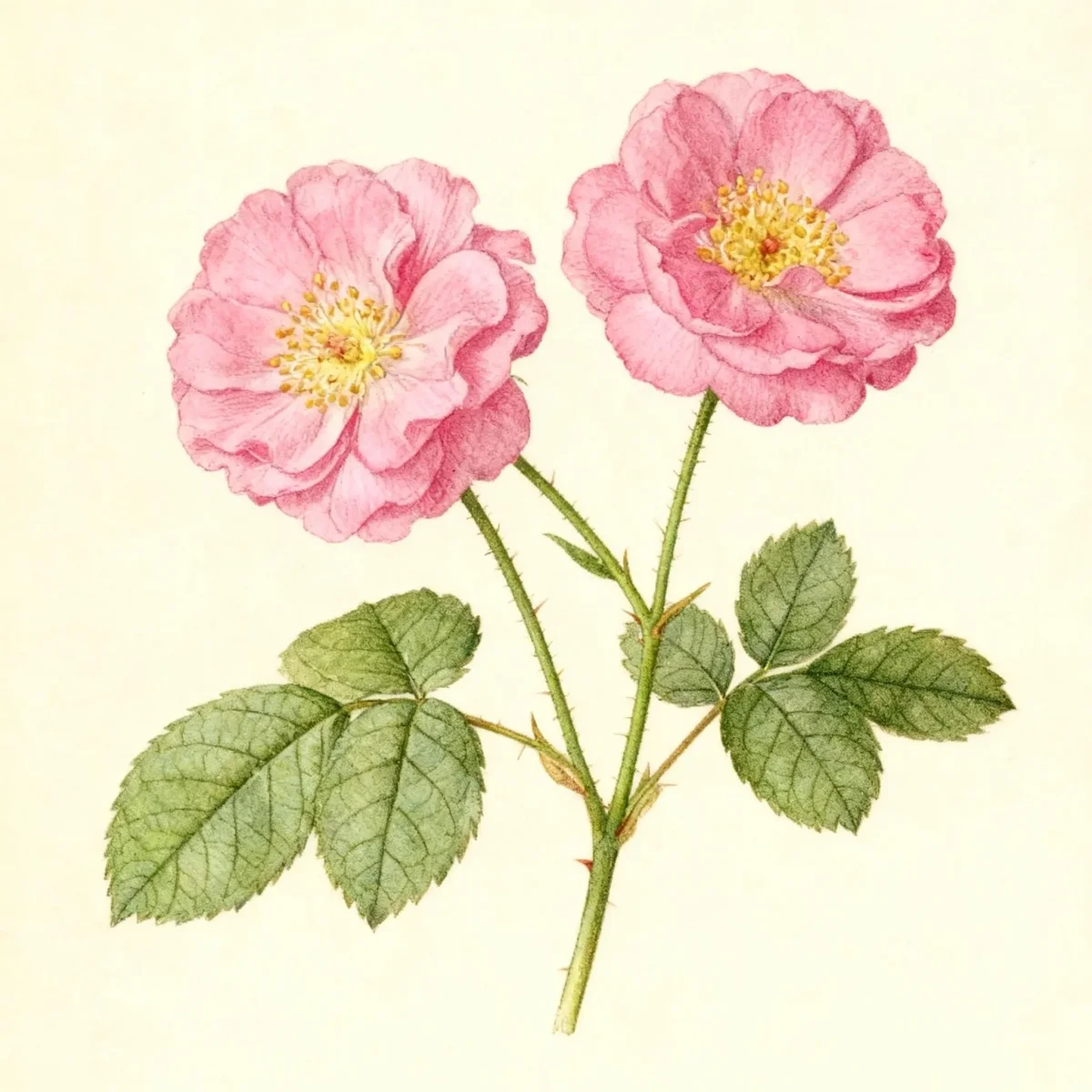
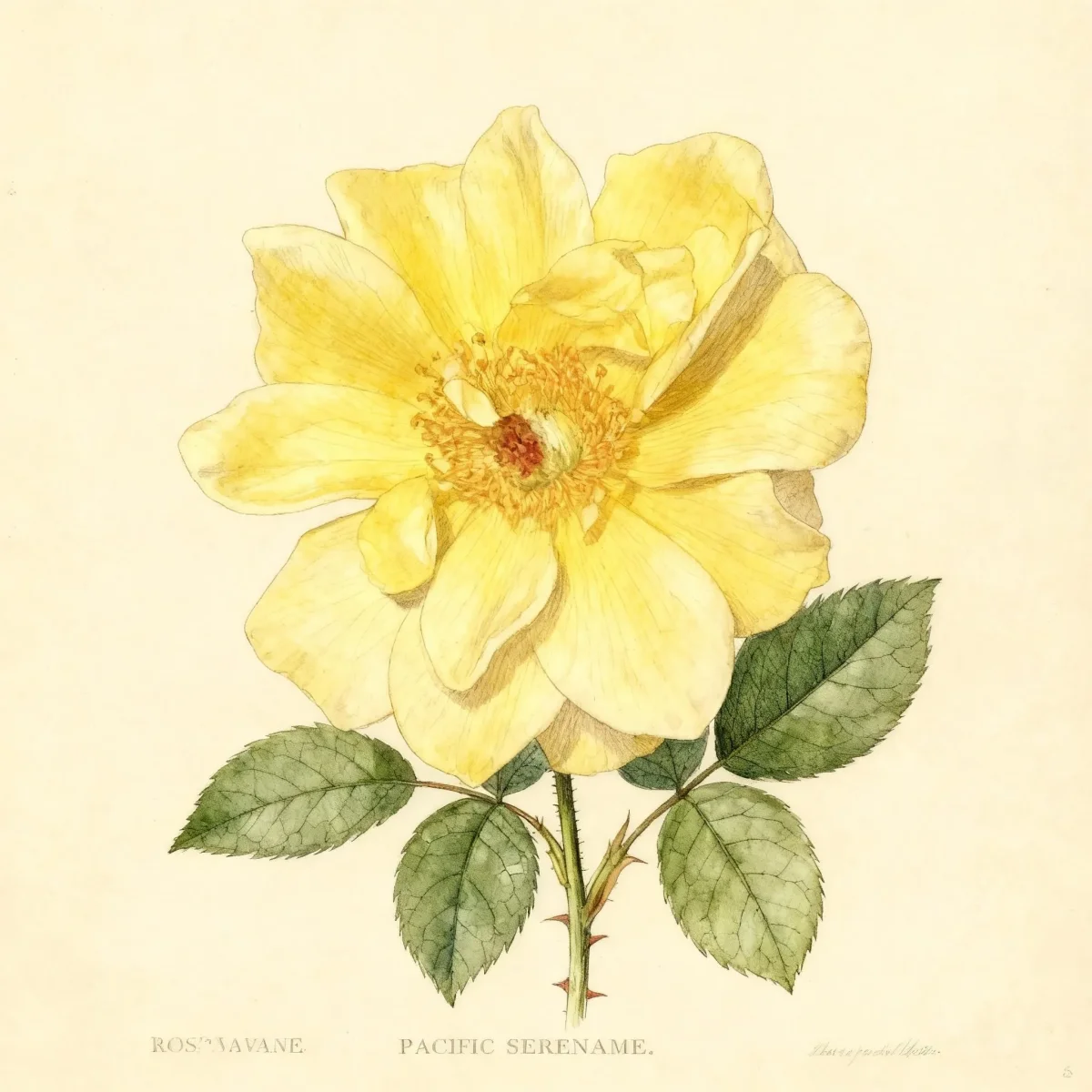
Miniature rose (Rosa 'Savanade' PACIFIC SERENADE)
Discover Rosa 'Savanade' PACIFIC SERENADE, a virtually thornless Miniature rose boasting showy, fragrant yellow blooms from May to frost. Ideal for borders.
Scroll down to discover growing tips, care requirements, companion plants, and more
Complete Plant Information
Overview
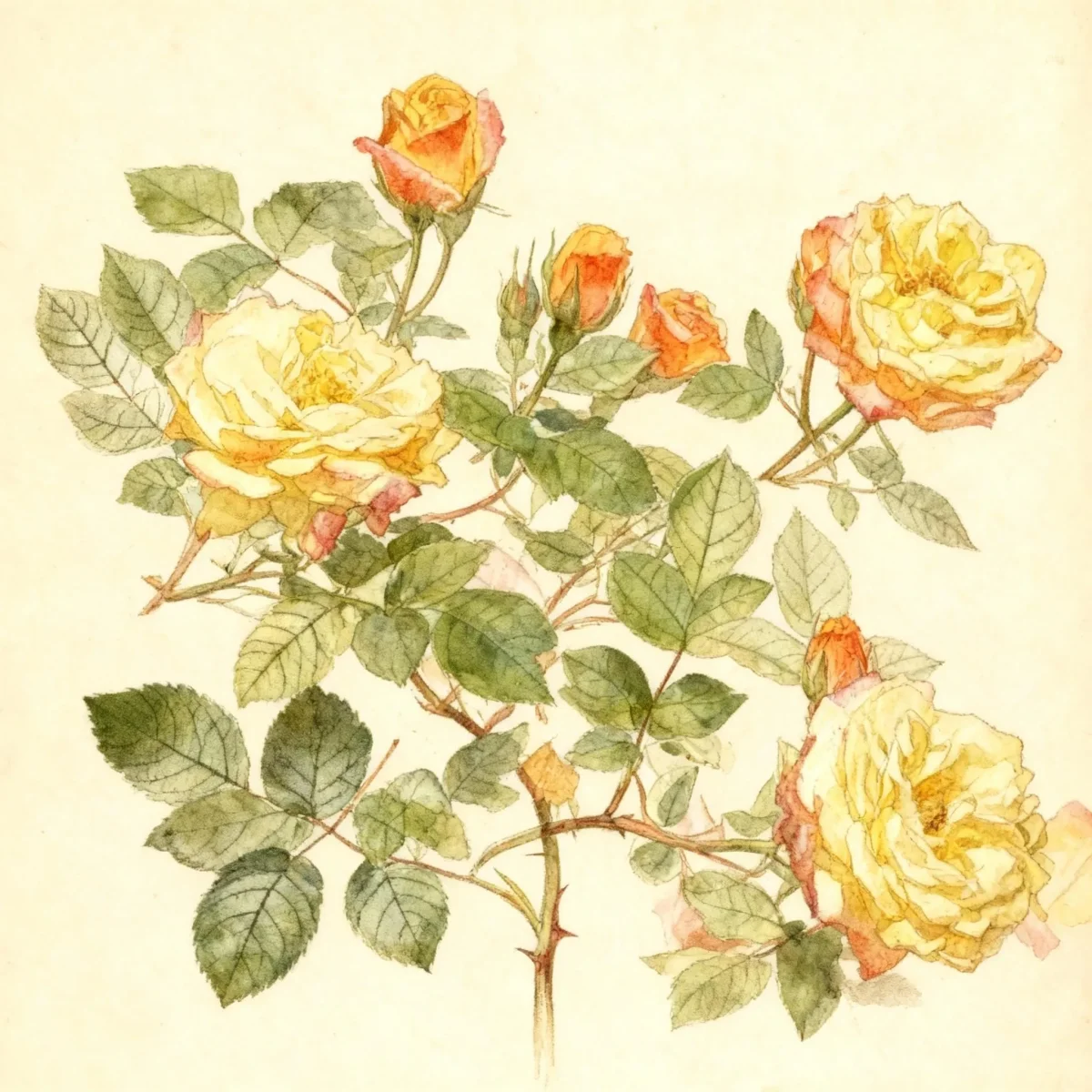
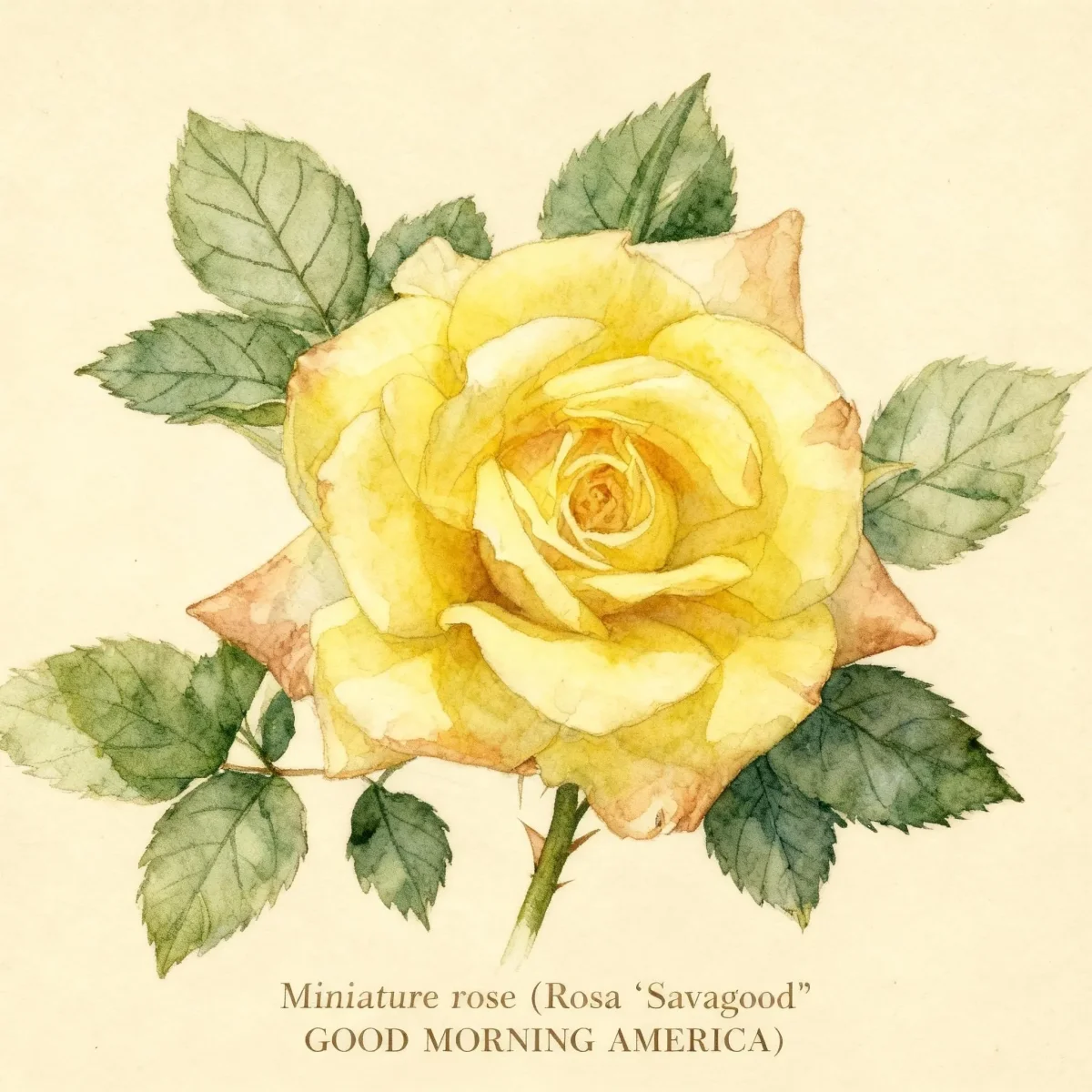
Rosa ‘Savanade’ PACIFIC SERENADE is a highly desirable Miniature rose valued for its charming, continuously blooming habit and nearly thornless stems. This variety offers delightful, mildly fragrant yellow blooms that appear profusely from late spring right up until the first hard frost. As a compact shrub, it brings classic rose beauty to smaller spaces where its full-sized cousins might overwhelm.
This Miniature rose forms a tidy, dense mound, maturing between 2 and 3 feet tall, making it versatile for both defined edges and container gardens. It performs best when situated where it receives ample sunshine, which also maximizes its disease resistance. Gardeners appreciate the continuous display of color provided by this excellent cultivar.
The overall vigor and attractive matte green foliage complement the bright yellow flowers. Ensure proper air circulation when planting Rosa ‘Savanade’ PACIFIC SERENADE to promote robust health. Its size and continuous flowering habit make the Miniature rose a reliable choice for adding accessible, cheerful color throughout the growing season.
Fast Facts
- Plant Family: Rosaceae
- Plant Type: Deciduous shrub
- Hardiness Zones: USDA Zones 5-9
- Size at Maturity:
- Height: 2-3 ft
- Spread: 1.5-2.5 ft
- Bloom Time: May to frost
- Bloom Description: Yellow
- Sun Exposure: Full sun
- Water Needs: Medium
- Maintenance Level: Medium
How to Grow
For optimal flowering, plant Rosa ‘Savanade’ PACIFIC SERENADE in organically rich, well-drained loam where it receives full sun exposure. While it tolerates light shade, heavy shade will compromise both the quantity of blooms and the plant’s natural disease defenses. Plant during recommended times for your region, ensuring the location allows for good airflow around the maturing shrub.
Watering should be deep and routine, preferably in the mornings, allowing the soil to approach dryness between irrigation cycles. Avoid overhead watering to keep foliage dry, which is a key cultural practice in preventing common fungal issues. Applying a summer mulch helps conserve critical soil moisture, keeps the root zone cool, and suppresses weed growth near your Miniature rose.
Maintenance involves deadheading spent flowers regularly to promote faster rebloom, ensuring your PACIFIC SERENADE continues flowering until frost arrives. In cooler zones (like the northern edge of its range), provide winter protection for the crown as soon as dormancy approaches. Pruning should be executed in late winter or early spring; focus on removing dead tips, any completely dead wood, and spent flowering laterals from the previous season, taking care not to severely shorten healthy canes.
Landscape Uses
The compact nature of the Miniature rose makes Rosa ‘Savanade’ PACIFIC SERENADE highly effective in structured landscape designs where space is at a premium. These plants thrive utilized as neat border fronts lining pathways or defining the edges of larger garden beds. Their scale is perfect for softening the transition between lawn and taller plantings.
Consider incorporating this Miniature rose into rock gardens where drainage is naturally excellent and the low stature complements stone elements. They are superb performrs when grown in containers, window boxes, or small accent areas immediately surrounding the home. Displaying PACIFIC SERENADE in groupings or mass plantings creates a stunning carpet of yellow bloom throughout the middle and late season.
Standout Features
Flower Qualities
- Showy
- Fragrant
Noteworthy Characteristics
Roses belong to a genus renowned for beautiful, often fragrant flowers borne on prickly stems. Miniature roses like PACIFIC SERENADE are essentially dwarf versions of larger hybrid types, resulting in profuse bloom displays that can nearly obscure the foliage. Remarkably, Rosa ‘Savanade’ PACIFIC SERENADE is noted for being thornless and features mildly fragrant yellow flowers continuously from May to frost.
Tolerances
Potential Problems
Like most roses, Rosa ‘Savanade’ PACIFIC SERENADE can be susceptible to common fungal diseases such as black spot, powdery mildew, and rose rust. While good cultural practices, like avoiding overhead watering and ensuring strong air circulation, serve as the first line of defense, preventative fungicide treatments may be necessary, particularly in humid or rainy climates. Monitor for signs of rose rosette or viral issues requiring aggressive removal. Potential insect pests include common garden nuisances like aphids, mites, and scale. Encouraging natural predators should be the first step in insect management. Fortunately, PACIFIC SERENADE is reported to have good inherent resistance against many common foliar diseases, aiding diligent gardeners.
Frequently Asked Questions
What hardiness zones is Miniature rose suitable for?
Rosa ‘Savanade’ PACIFIC SERENADE is well-suited for USDA Zones 5-9, offering reliable performance across a broad temperate area.
How large does Rosa ‘Savanade’ PACIFIC SERENADE grow?
This Miniature rose typically reaches a height between 2 and 3 feet and spreads between 1.5 and 2.5 feet at full maturity.
What sun exposure does Miniature rose need?
For the best disease resistance and most vigorous flowering, plant Rosa ‘Savanade’ PACIFIC SERENADE where it receives full sun daily.
When does Rosa ‘Savanade’ PACIFIC SERENADE bloom?
This variety provides consistent color, blooming profusely from May all the way to the first heavy frost, featuring bright yellow flowers.
Conclusion
The Miniature rose Rosa ‘Savanade’ PACIFIC SERENADE offers compact structure, near thornless stems, and long-lasting yellow blooms, making it an exceptional choice for detailed garden work or container displays. Maximize its beauty by planning its placement in a sunny spot with rich, well-drained soil this planting season. Review your local hardiness zone compatibility before purchasing to ensure years of reliable springtime to frost color from this terrific cultivar.
Companion Planting
Selecting appropriate companions for Rosa ‘Savanade’ PACIFIC SERENADE involves choosing plants that share similar needs for sun exposure and soil moisture, while also offering contrasting texture or color. Good companions are those that won’t overcrowd the lower-growing Miniature rose. Consider low-growing herbs like Thyme or Oregano, as their fine texture contrasts nicely with the rose foliage.
For a complementary color scheme, plant silver-leaved perennials such as Lamb’s Ears (Stachys byzantina) near the base; these plants help visually cool the area and thrive in full sun. When using containers, pair the upright habit of PACIFIC SERENADE with trailing petunias or creeping Jenny to spill over the edges, enhancing the visual appeal without competing for root space.
Seasonal Care Calendar
Spring (Late Winter/Early Spring): This is the crucial pruning time for your Miniature rose. Remove dead wood, dead tips from canes, and spent laterals from the prior year. Begin deep watering treatments once the threat of hard frost has passed along with the application of a balanced, slow-release fertilizer formulated for roses.
Summer (Peak Growing Season): Focus on consistent, deep watering in the mornings and diligent deadheading to encourage continuous rebloom of the yellow flowers. Apply mulch if not done in spring to retain moisture and keep roots cool during hot spells. Inspect foliage weekly for early signs of black spot or mildew.
Autumn (Late Season): Taper off nitrogen feeding by late summer to encourage hardening off before winter dormancy. In colder zones (5-6), begin preparations for winter protection by mounding soil or mulch heavily around the base of the crown before the ground freezes hard. Clean up all fallen debris.