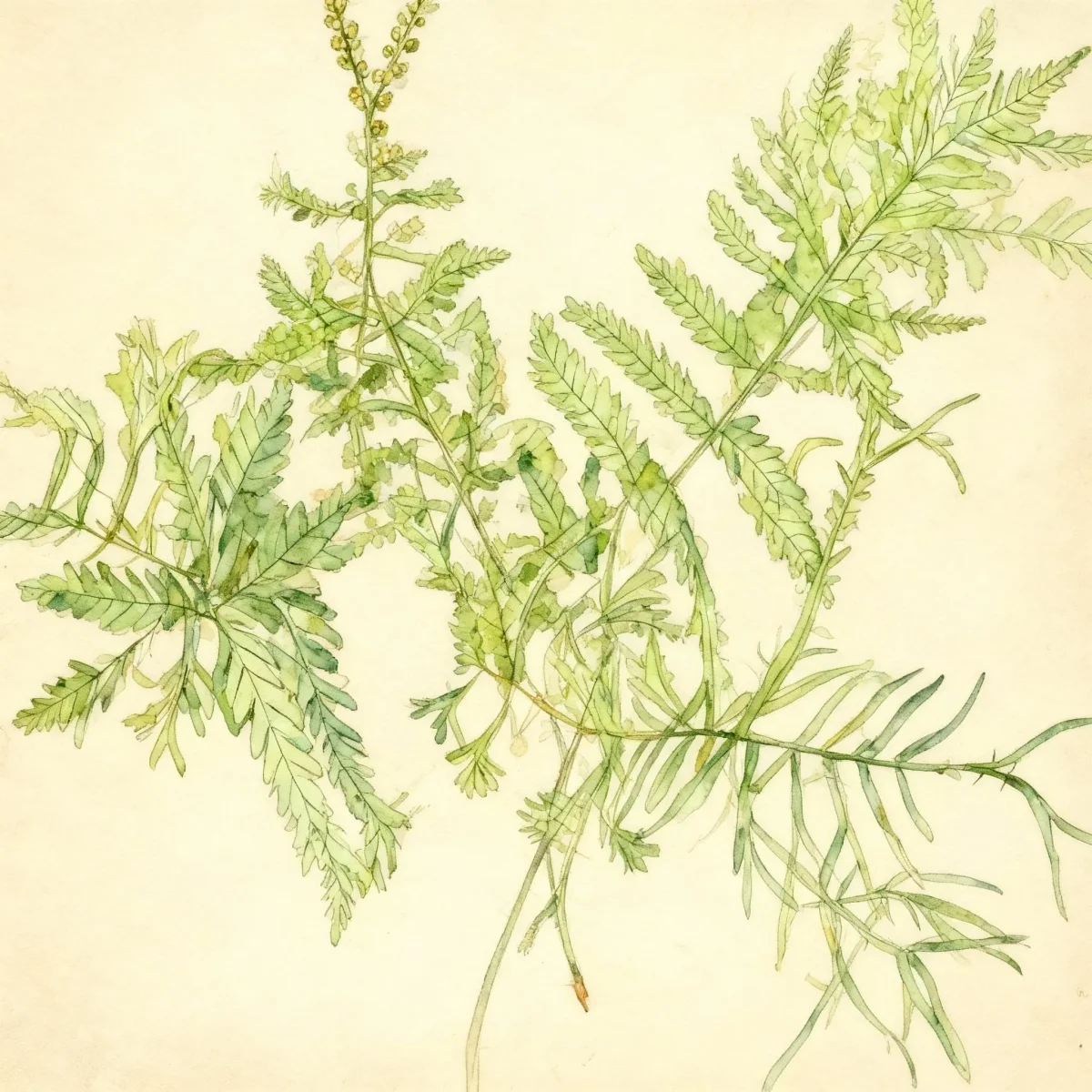
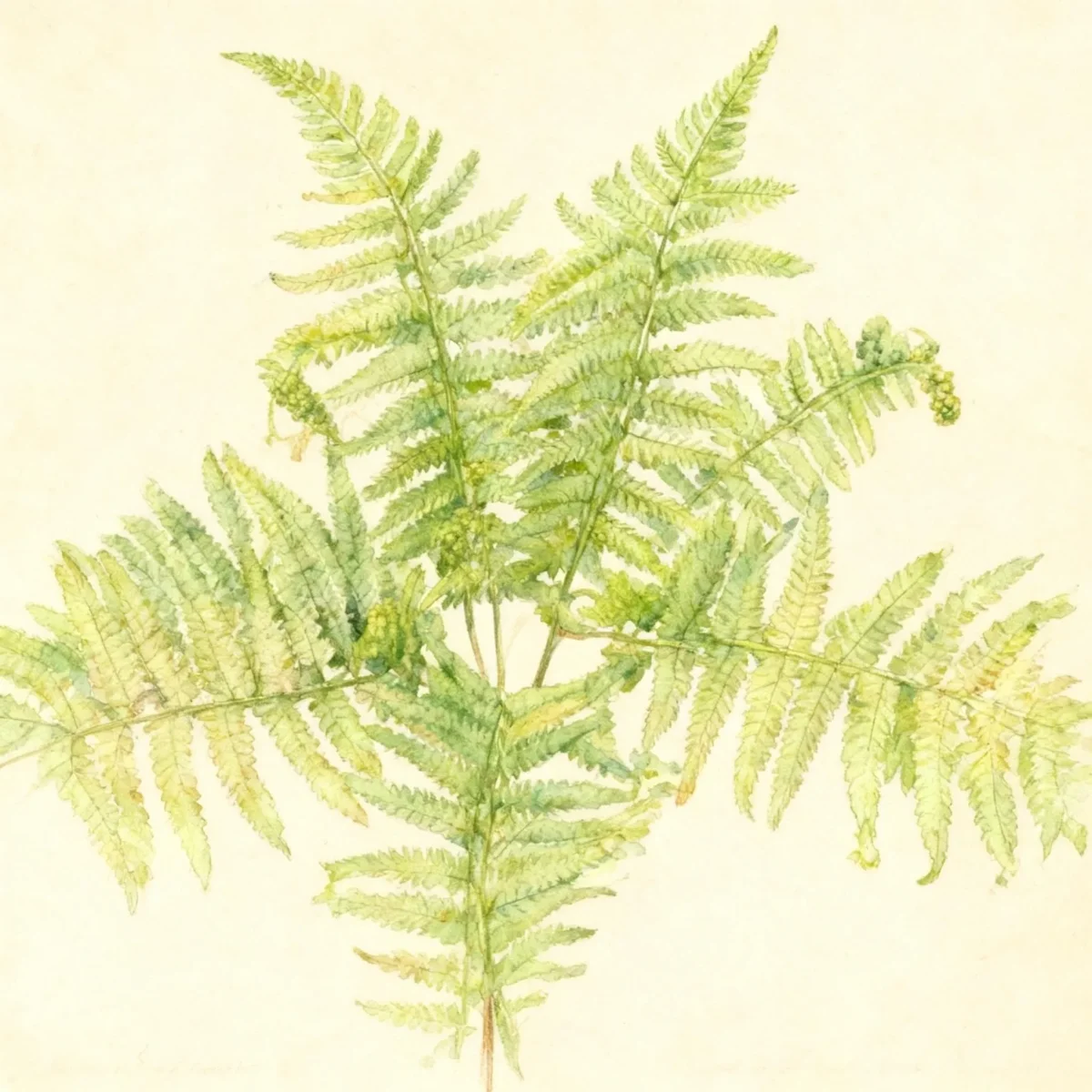
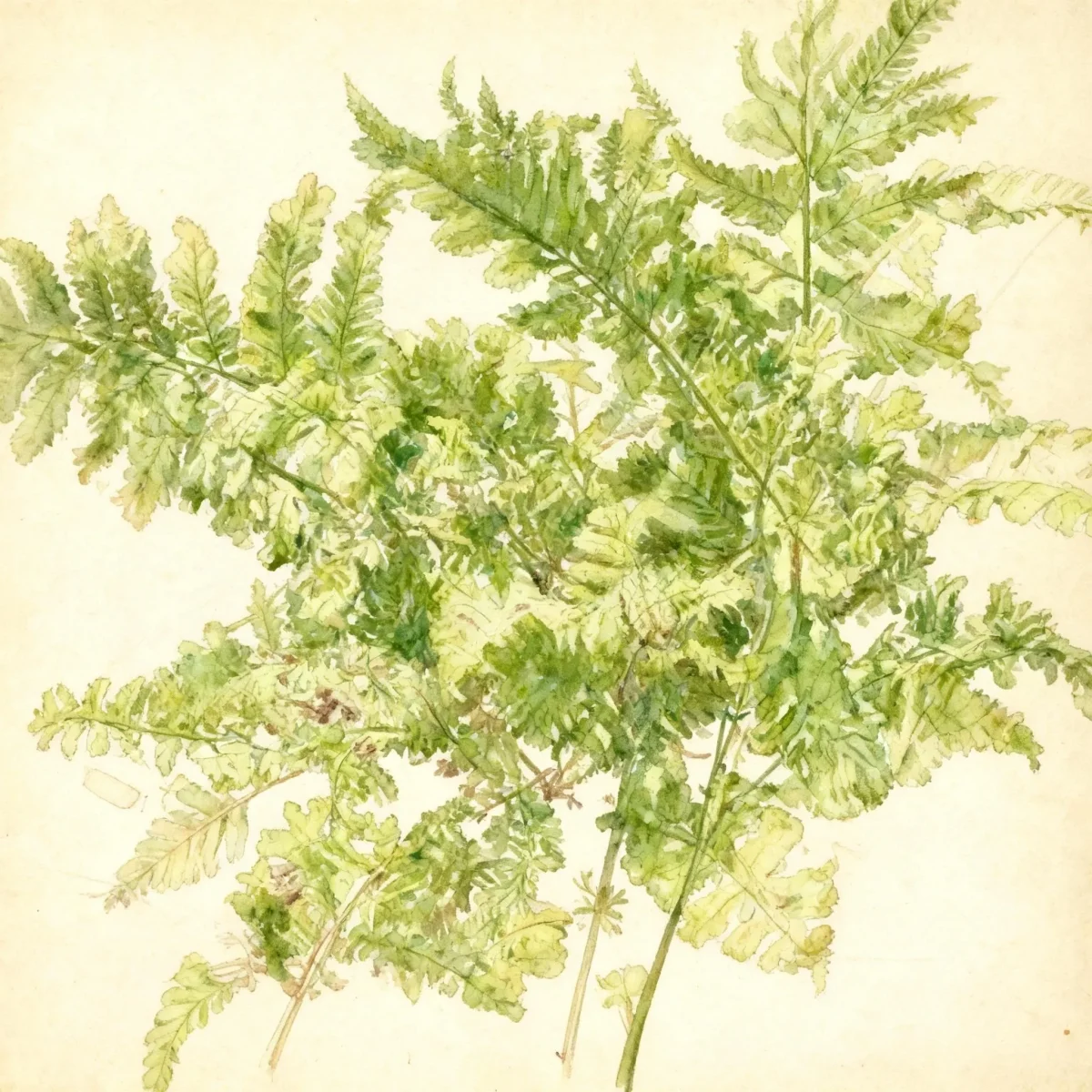
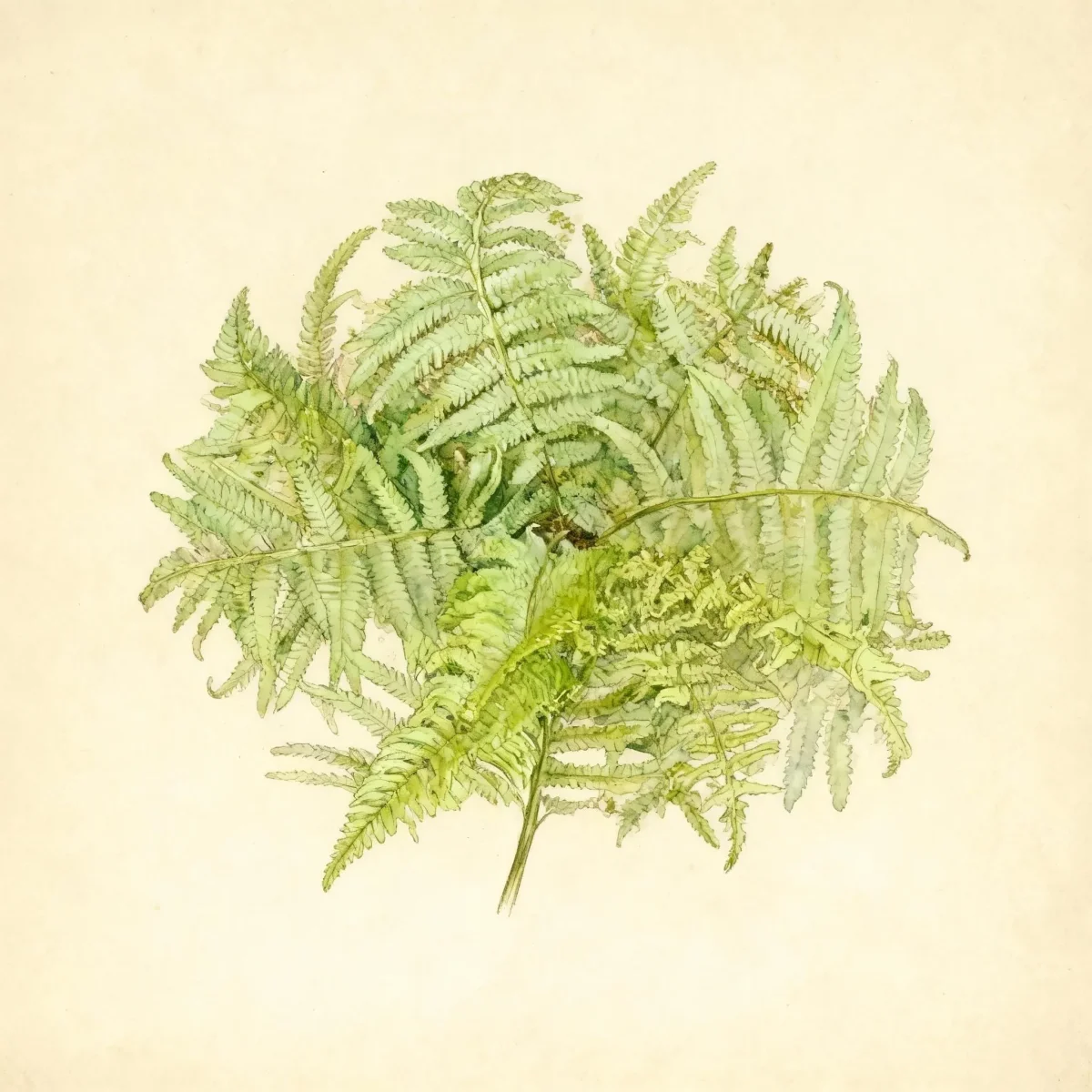
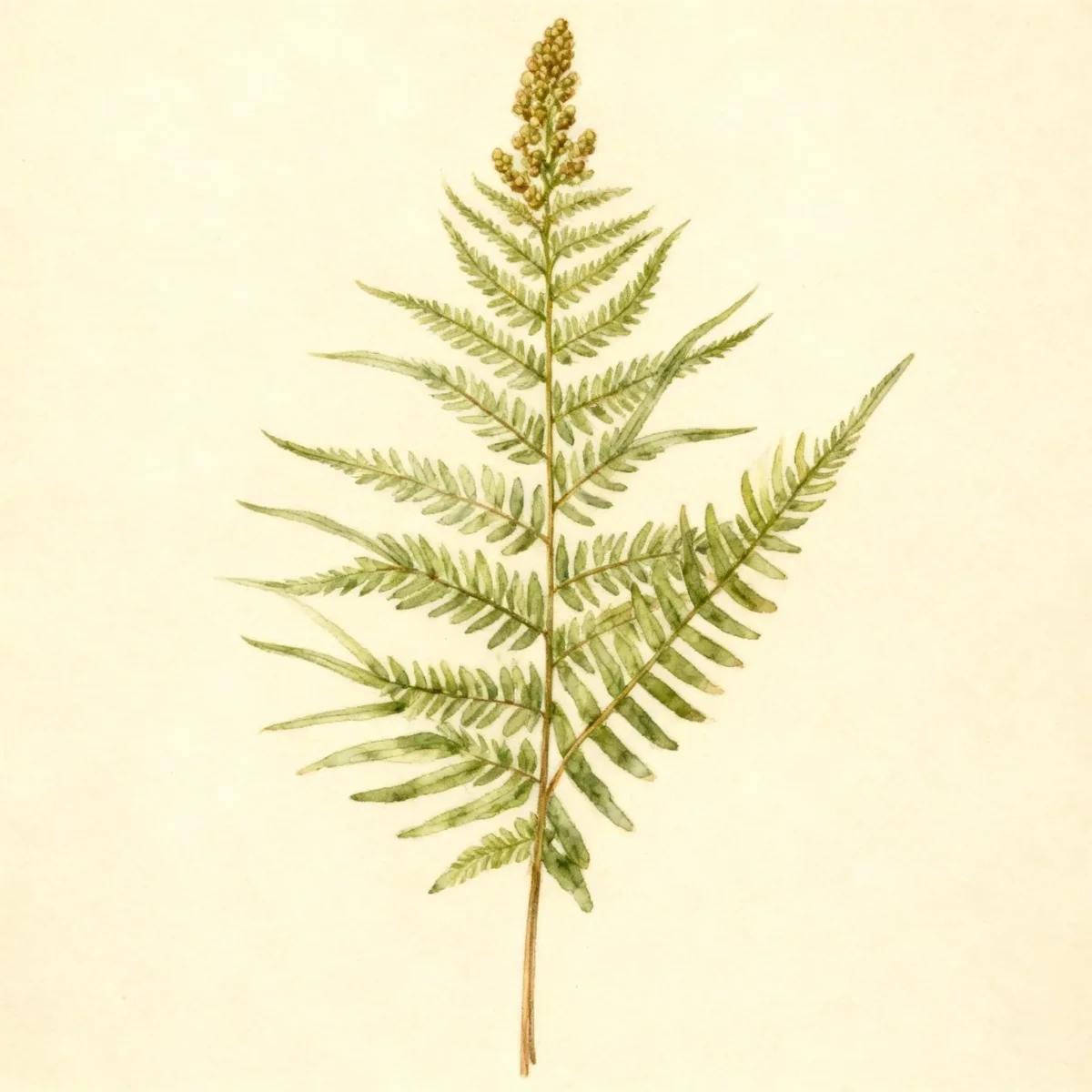
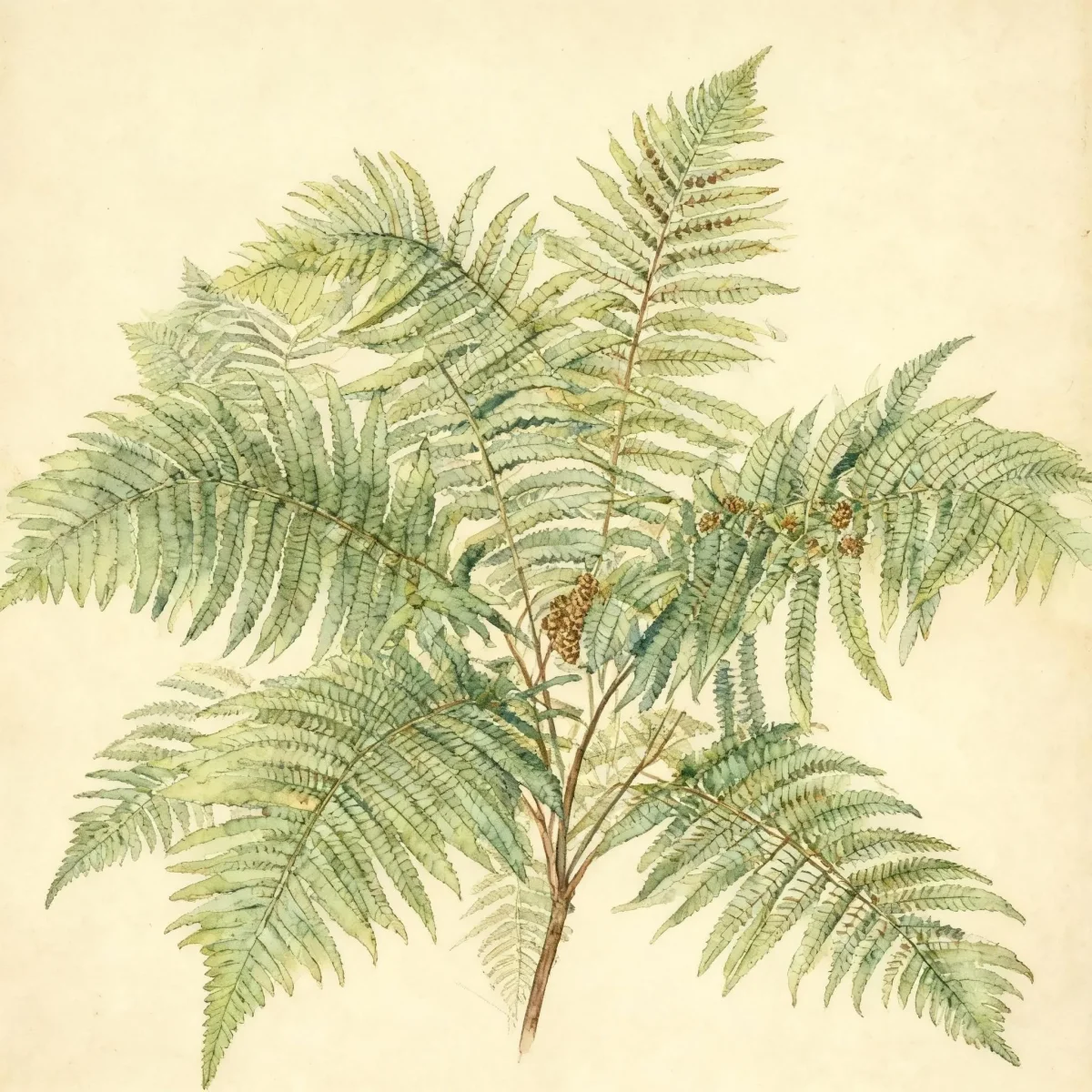
Male fern (Dryopteris filix-mas 'Barnesii')
The towering Dryopteris filix-mas 'Barnesii' Male fern offers narrow, erect fronds ideal for shade gardens. Low maintenance and drought tolerant.
Scroll down to discover growing tips, care requirements, companion plants, and more
Complete Plant Information
Overview
The Dryopteris filix-mas ‘Barnesii’, commonly known as the Male fern, is a highly valued evergreen selection prized for its distinct, narrow, and erect habit, setting it apart from the typical spreading forms of Dryopteris filix-mas. This cultivar provides strong vertical accent in shadowed garden spaces where many other plants struggle. Gardeners appreciate its reliability and low maintenance requirements.
This hardy fern thrives even in challenging locations, tolerating heavy shade and clay soils, making the Male fern an indispensable structural element in woodland or deeply shaded borders. Its fronds emerge medium green and maintain an upright posture, seldom exceeding four inches in width, which offers a unique textural contrast against broader-leaved shade perennials.
For gardeners seeking reliable texture and structure beneath dense canopies, Dryopteris filix-mas ‘Barnesii’ proves excellent. It establishes easily when planted correctly, demanding little more than consistent moisture to reward the grower with dense, attractive foliage throughout the growing season.
Fast Facts
- Plant Family: Dryopteridaceae
- Plant Type: Fern
- Hardiness Zones: USDA Zones 4-8
- Size at Maturity:
- Height: 2.5-3 ft
- Spread: 1.5-2 ft
- Bloom Time: Non-flowering
- Bloom Description: Non-flowering
- Sun Exposure: Part shade to full shade
- Water Needs: Medium
- Maintenance Level: Low
How to Grow
Planting the Dryopteris filix-mas ‘Barnesii’ is best done in spring or fall when soil temperatures are moderate. Choose a location offering part to full shade; direct, intense afternoon sun will scorch the delicate fronds. While adaptable, this fern performs optimally in average, medium moisture, well-drained soils rich in organic matter.
Ongoing care centers heavily on moisture management. The Male fern requires consistently moist, humusy soil that should never be allowed to dry out completely during the growing season. While generally low maintenance, site this fern away from strong winds that can physically damage the tall, narrow fronds.
Fertilization is rarely necessary if the soil is amended with adequate compost annually. Divide the crowns regularly, typically every few years in the early spring, to maintain vigor and increase your stock of this excellent cultivar. Protect the root zone with a layer of organic mulch during dry spells.
Landscape Uses
The unique, upright structure of Dryopteris filix-mas ‘Barnesii’ makes it a standout specimen in shaded environments. Unlike traditional ferns that spread widely, this variety draws the eye upward, adding vertical rhythm to woodland settings or beneath mature trees. It functions beautifully as an architectural accent plant where horizontal space is limited.
Use this Male fern to anchor shaded borders or as a repeating element along shaded paths where its narrowness won’t impede foot traffic. It pairs exceptionally well with groundcovers that offer contrasting textures, such as hostas with large, smooth leaves or creeping Jenny. Its hardiness in clay soil also makes it suitable for foundation plantings where drainage can sometimes be tricky.
Standout Features
Noteworthy Characteristics
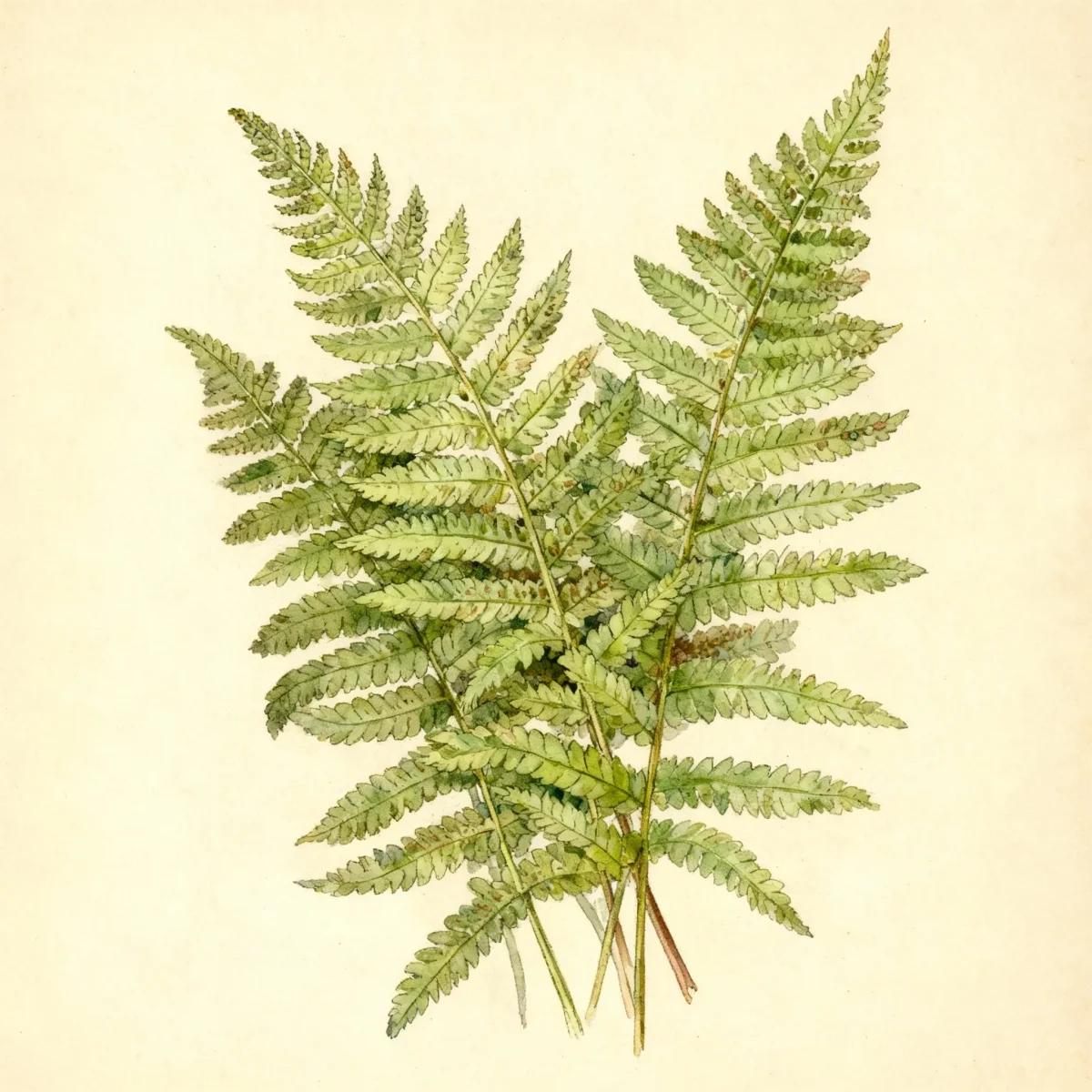
The genus name references Greek words for oak and fern, reflecting where wood ferns often grow. The specific epithet, meaning male fern, denotes the somewhat vigorous growth habit of this species. ‘Barnesii’ is characterized by its narrow, erect habit, usually reaching 3 feet tall with fronds rarely exceeding 4 inches in width. Its pinnae are oval-triangular with distinctly toothed margins, creating a dense, textured appearance highly sought after by designers.
Tolerances
- Rabbit
- Heavy Shade
- Clay Soil
Potential Problems
The Dryopteris filix-mas ‘Barnesii’ is recognized for its robust nature, suffering from generally no serious insect or disease issues when sited correctly. The primary threat comes from environmental stress, specifically desiccation. Ensure the soil remains consistently moist, particularly in its first year after planting, to prevent browning leaf margins or wilting.
If browning occurs, check for prolonged dry periods or exposure to intense, unfiltered sun. Avoid overhead watering late in the day during summer, as damp foliage coupled with cool nighttime temperatures can occasionally encourage fungal issues, though this is rare for the hardy Male fern.
Frequently Asked Questions
What hardiness zones is Dryopteris filix-mas ‘Barnesii’ suitable for?
This specimen is suitable for USDA Zones 4 through 8, offering dependable perennial performance across a wide climatic range.
How large does Male fern grow?
The mature size for Dryopteris filix-mas ‘Barnesii’ is typically between 2.5 to 3 feet in height, with a spread ranging from 1.5 to 2 feet.
What sun exposure does Dryopteris filix-mas ‘Barnesii’ need?
This fern requires environments ranging from part shade to full shade; avoid direct, hot afternoon sunlight to maintain healthy fronds.
When does Male fern bloom?
Like all ferns, Dryopteris filix-mas ‘Barnesii’ is non-flowering; its reproductive structures are sori located on the undersides of the fertile fronds.
Conclusion
The narrow structure and low-maintenance appeal make Dryopteris filix-mas ‘Barnesii’ an essential vertical element for any shaded garden design. Its tolerance for heavy shade and clay soil broadens its utility considerably, establishing the Male fern as a reliable performer. Before planting, confirm your site offers consistent moisture and protection from harsh winds, and enjoy this superb architectural accent.
Companion Planting
Because of its preference for moist, humus-rich soils and deep shade, companion plants should share similar site requirements. Hostas with bolder, lighter green foliage provide excellent visual contrast against the dark green texture of the Male fern. Consider low-growing woodland ephemerals like woodland phlox or bleeding hearts that offer spring color before the fern fully matures for the season.
Propagation Tips
The primary method for increasing your supply of Dryopteris filix-mas ‘Barnesii’ is by division of the crowns. Wait until early spring before new growth begins to emerge, or in fall after the foliage has died back. Carefully dig up the entire clump and gently tease apart the rhizomes, ensuring each division retains several healthy root sections and growth points. Replant divisions immediately into prepared, moist soil at the same depth they were previously growing.