Royal fern (Osmunda regalis 'Purpurascens')
Osmunda regalis 'Purpurascens', the Royal fern, is a striking deciduous fern thriving in wet, shady spots, noted for its reddish-purple spring foliage.
Scroll down to discover growing tips, care requirements, companion plants, and more
Complete Plant Information
Overview
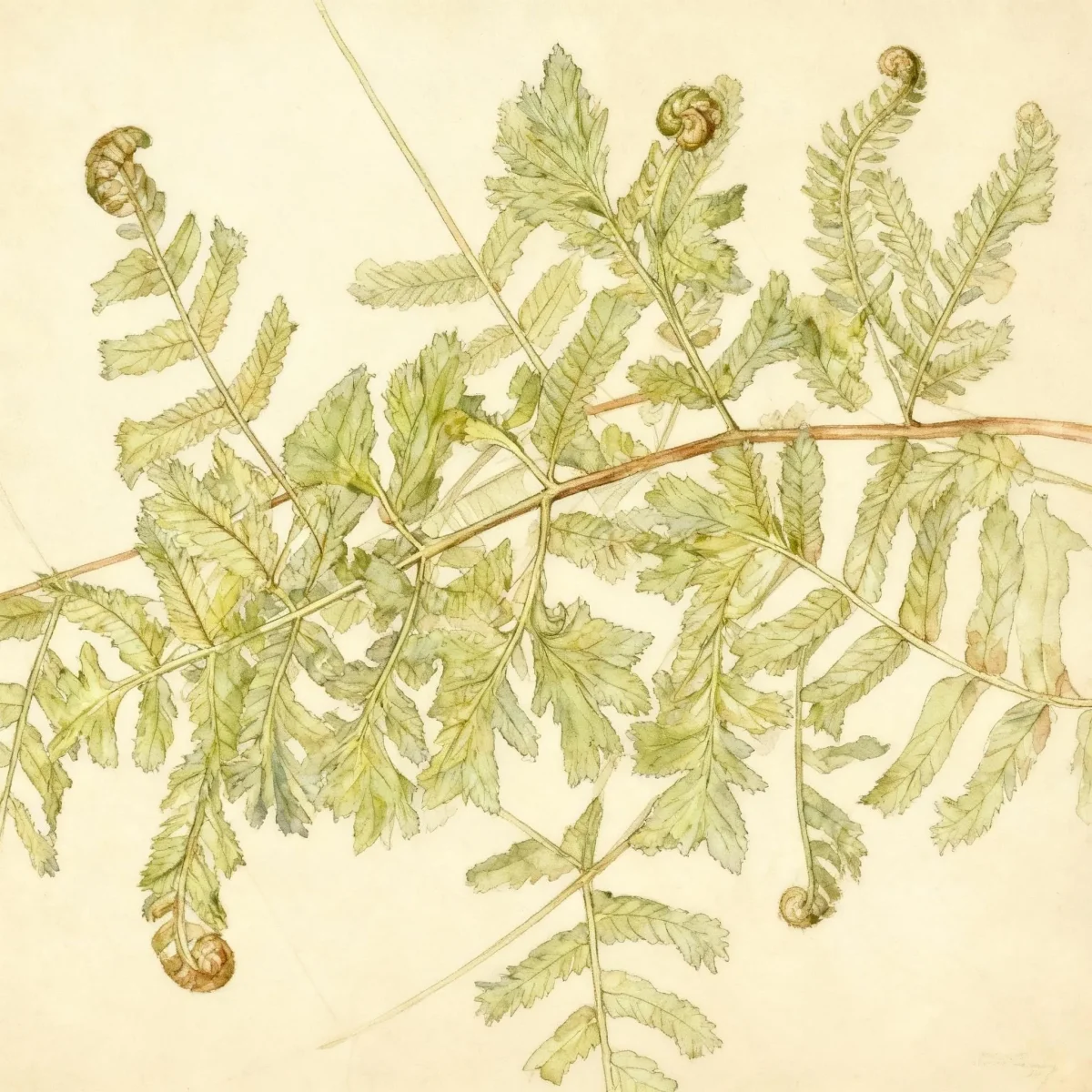
The Royal fern (Osmunda regalis ‘Purpurascens’) is a highly valuable deciduous fern, admired for its stature and unique seasonal color shift. This cultivar is especially sought after because its emerging spring fronds display a handsome reddish-purple tint before maturing to a vibrant green during the summer months. As a Missouri native, the Royal fern naturally signals conditions that mimic moist, shaded woodlands or stream banks.
This plant offers a dramatic texture in the landscape, often growing in upright clumps, providing an architectural presence that few other ferns can match. Its growth habit is robust, thriving in consistently moist environments, which makes it an ideal choice for challenging, wet locations where turf struggles. Maintenance requirements are refreshingly low once established, solidifying the appeal of Osmunda regalis ‘Purpurascens’ for water gardens and shaded borders.
The species name Osmunda regalis literally translates to “royal,” signifying its outstanding merit, a description perfectly suited to the stately appearance of the Royal fern. Gardeners seeking vertical interest in deep shade, especially in acidic and humus-rich soils, will find this cultivar a reliable powerhouse.
Fast Facts
- Plant Family: Osmundaceae
- Plant Type: Fern
- Hardiness Zones: USDA Zones 4-8
- Size at Maturity:
- Height: 2-4 ft
- Spread: 2-4 ft
- Bloom Time: Non-flowering
- Bloom Description: Non-flowering
- Sun Exposure: Part shade to full shade
- Water Needs: Medium to wet
- Maintenance Level: Low
How to Grow
The key to successfully cultivating Osmunda regalis ‘Purpurascens’ lies entirely in moisture management. Planting should ideally occur in spring or early fall, ensuring the plant has time to establish before extreme conditions hit. This Royal fern performs best when situated in medium to wet soils that are rich, humusy, and slightly acidic.
Consistent moisture is non-negotiable; avoid allowing the soil to dry out completely, especially during establishment. While the plant prefers cool summer climates where it can handle slightly more sun coupled with abundant water, full sun should be strictly avoided in hot climates to prevent scorching. Fertilization is rarely necessary if the native soil structure is rich and organic.
Because this deciduous fern naturally sheds its foliage in autumn, cleanup is minimal. Allow the fronds to turn yellow or brown before removing them, as they offer winter interest. In late winter or very early spring, the dead foliage can be cut back close to the ground to make way for the new, emerging reddish-purple fronds.
Landscape Uses
The suitability of Royal fern for wet environments elevates its status in landscape design. It is an excellent component for naturalizing along the edges of ponds, streams, or within dedicated water gardens where it can truly demonstrate its affinity for saturation. Its height offers screening capabilities in woodland settings.
Beyond boggy areas, Osmunda regalis ‘Purpurascens’ shines in shaded borders and native plant gardens that require robust groundcover or medium-height accents. Consider planting groupings near the base of large trees where competition for surface moisture is low and dappled shade prevails. Companion planting with moisture-loving woodland perennials, such as large hostas or Astilbe species, further enhances the lush, green tapestry of a shade garden.
Standout Features
Noteworthy Characteristics
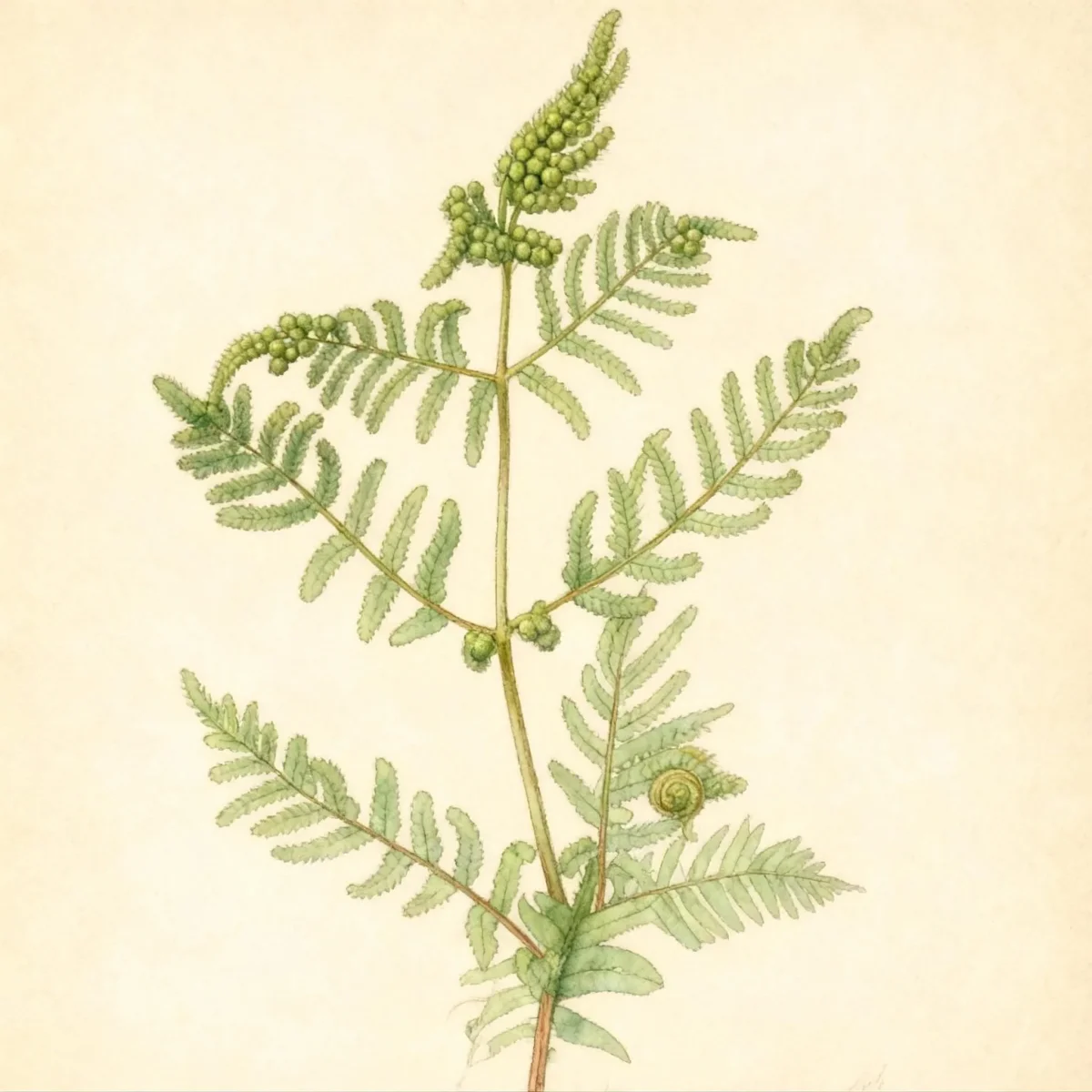
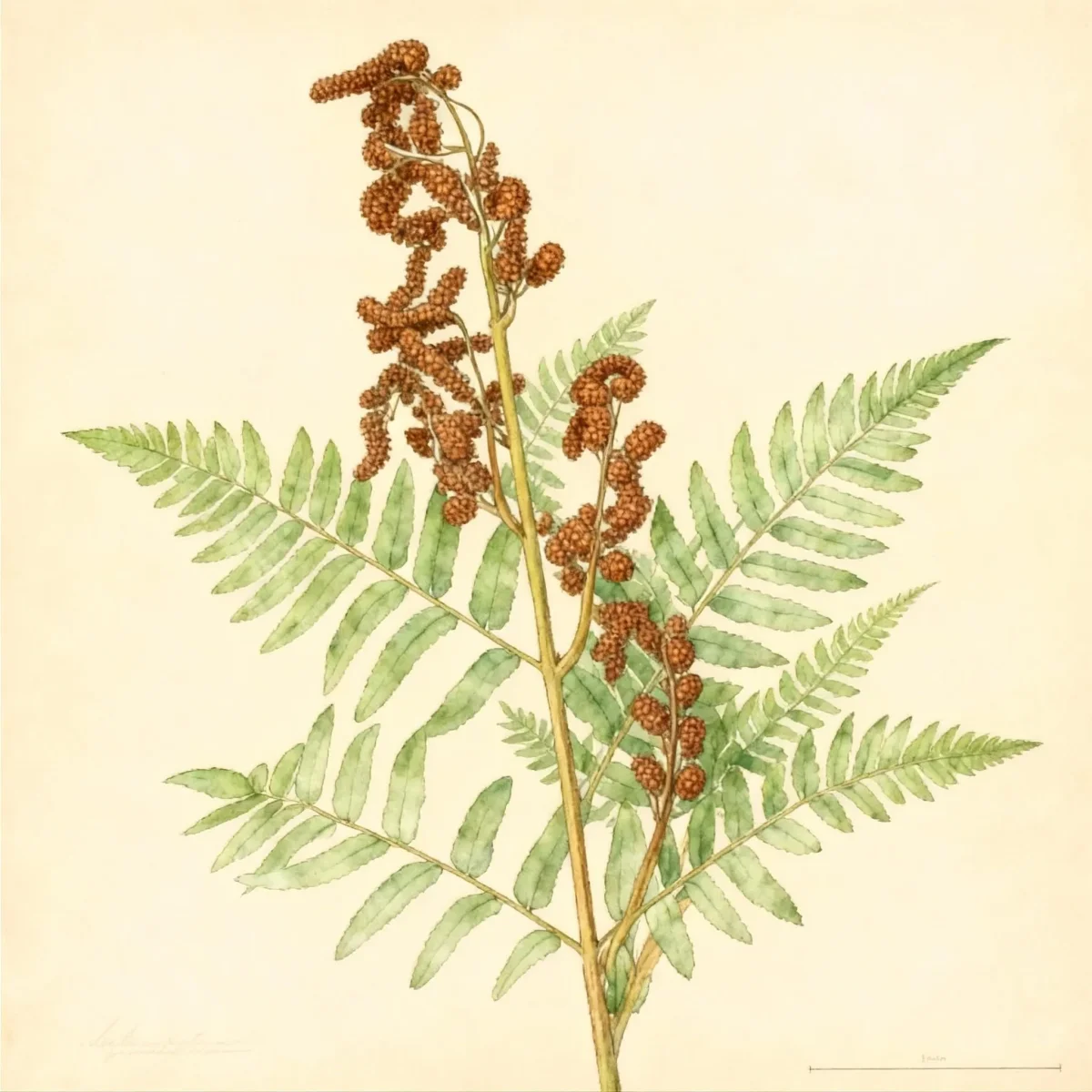
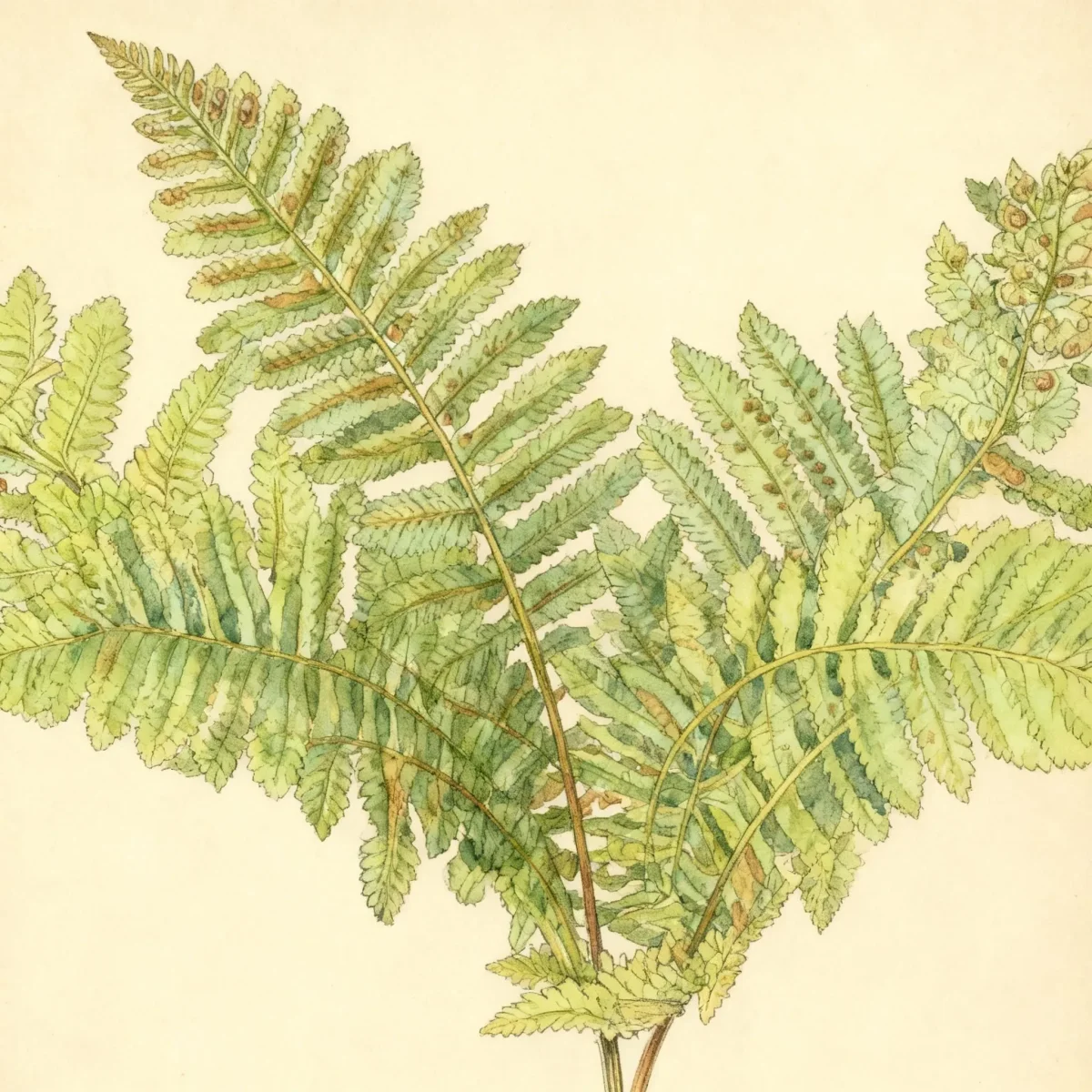
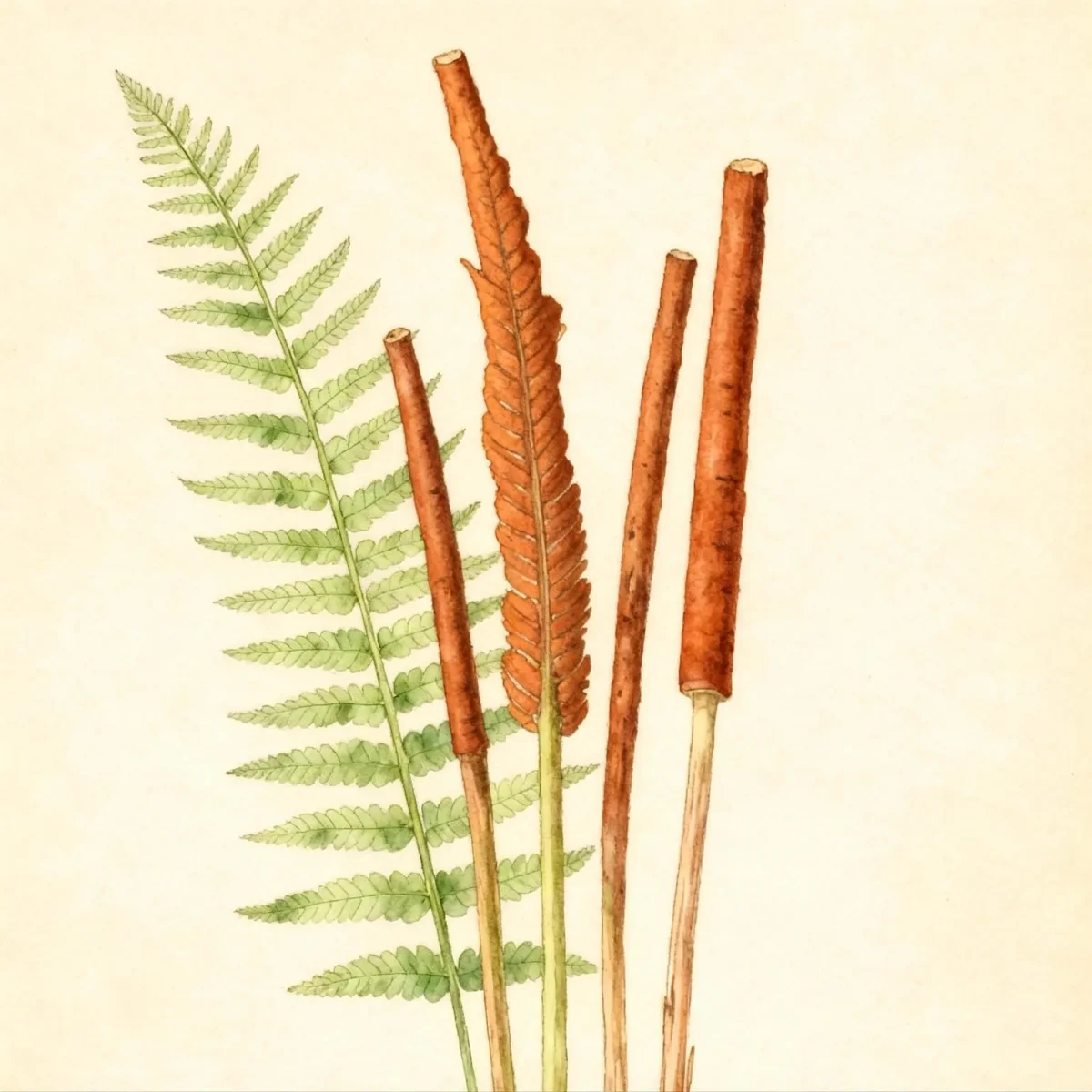
Osmunda regalis, commonly called royal fern, is a tall, deciduous, Missouri native fern which usually occurs on moist bluffs and ledges and along streams (sometimes growing in the water), primarily in the southeastern Ozark region of the State. Typically grows in clumps to 2-3’ tall, but with constant moisture can reach 6’ in height. Broad fronds have large, well-separated pinnae (leaflets) which give this fern an almost pea-family appearance. Spores are located in brown, tassel-like, fertile clusters at the tips of the fronds, thus giving rise to the additional common name of flowering fern for this plant. Specific epithet means royal or of outstanding merit. ‘Purpurascens’ is noted for producing reddish-purple tinted fronds in spring which mature to bright green in summer before turning yellow to brown in autumn.
Tolerances
- Rabbit
- Heavy Shade
- Wet Soil
Potential Problems
Osmunda regalis ‘Purpurascens’ enjoys a reputation for being exceptionally disease and pest-resistant. Gardeners typically face no serious insect or disease problems when growing this Royal fern correctly. This inherent toughness contributes greatly to its low-maintenance profile in suitable, consistently damp locations. If siting is incorrect—particularly in very dry or excessively hot, exposed areas—stress may occur, but pest infestations are rare.
Frequently Asked Questions
What hardiness zones is Royal fern suitable for?
The Royal fern (Osmunda regalis ‘Purpurascens’) is hardy and vigorous across USDA Zones 4 through 8.
How large does Royal fern grow?
This mature fern typically reaches a height between 2 and 4 feet, with an equal spread of 2 to 4 feet, though exceptional moisture might push it taller.
What sun exposure does Osmunda regalis ‘Purpurascens’ need?
Osmunda regalis ‘Purpurascens’ prefers part shade to full shade conditions. Ensure deep shade in very hot summers unless continuous, abundant moisture can be guaranteed.
When does Royal fern bloom?
This plant is non-flowering; its reproductive structures appear as brown, tassel-like clusters at the frond tips.
Conclusion
The visual impact of the purple-tinged new growth against the deep greens of established foliage makes the Royal fern an essential textural element for shaded, damp areas of the garden. With its low maintenance demands and resilience in wet conditions, Osmunda regalis ‘Purpurascens’ offers reliable year-round structure. Before planting, confirm your site offers the required moisture and avoid intense summer sun to ensure this magnificent specimen thrives.
Companion Planting
When placing Osmunda regalis ‘Purpurascens’ in the landscape, focus on companions that share its need for consistently moist, rich, and potentially acidic soil. Large-leaved plants are excellent partners, mimicking the lushness of a forest floor. Hostas, particularly those with blue or heavily textured foliage, provide a contrasting texture and color palette near the upright, airy fronds of the Royal fern.
Consider pairing it with other shade-tolerant, moisture-loving natives like certain species of ferns that prefer slightly drier conditions (as the Royal fern can handle the wettest spots) or Astilbe, which adds seasonal color without competing heavily for light. This combination creates a layered, richly textured woodland scene that remains visually interesting from spring through fall.
Seasonal Care Calendar
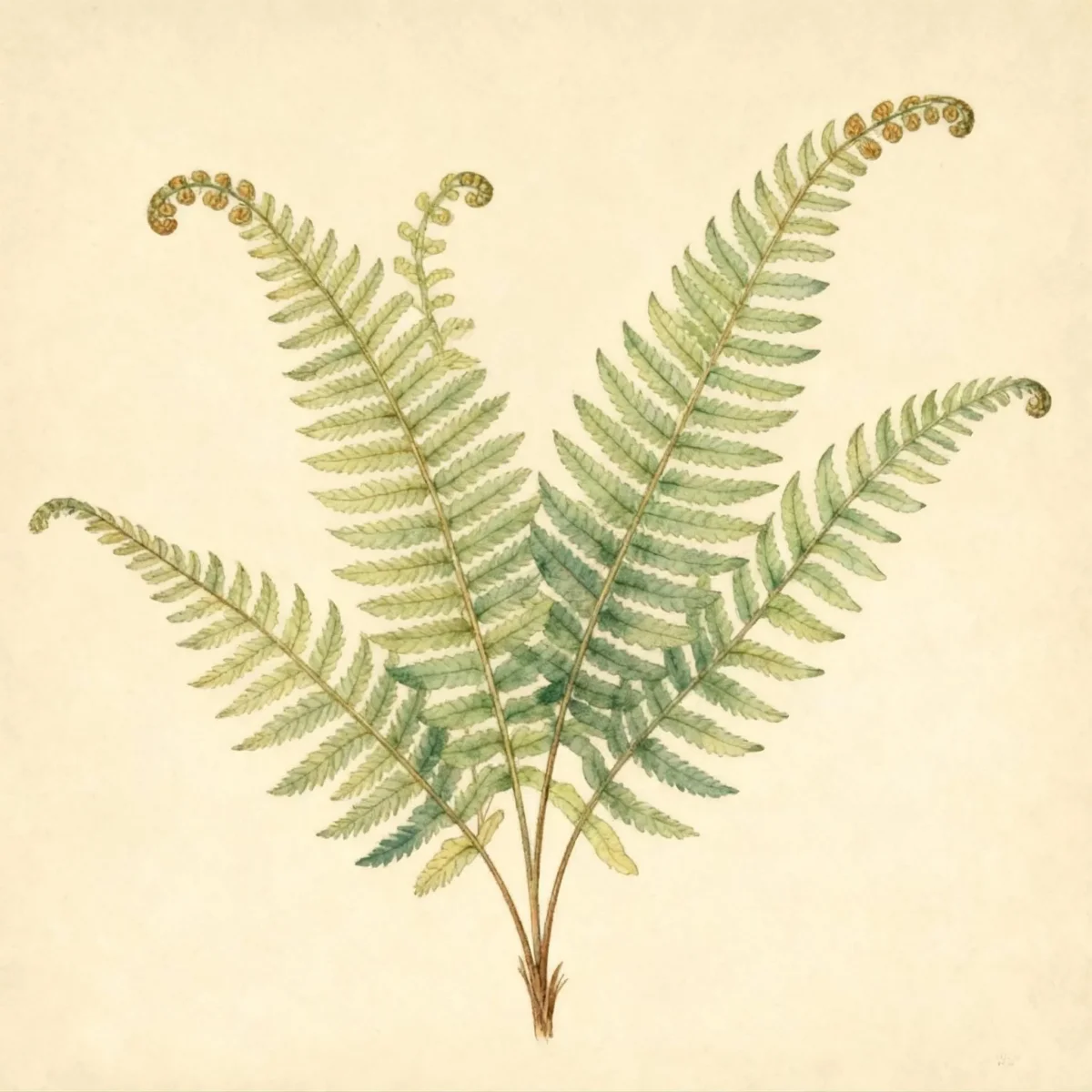
Spring is when the excitement begins for Osmunda regalis ‘Purpurascens’, as the reddish-purple fiddleheads unfurl. Avoid working the soil immediately around the crown at this time to protect new growth. Once summer arrives and temperatures peak, focus exclusively on watering; consistent moisture during hot spells is the one critical task for this Royal fern.
In autumn, resist the urge to clean up immediately when the fronds begin to fade to yellow or brown. This dead foliage provides necessary insulation for the crown through the winter months. Only cut back the old growth in early spring before the new growth begins its dramatic emergence, keeping maintenance truly low.