Delosperma (Delosperma floribundum 'Starburst')
Delosperma floribundum 'Starburst' offers dazzling lilac-purple blooms perfect for hot, dry locales as a succulent ground cover.
Scroll down to discover growing tips, care requirements, companion plants, and more
Complete Plant Information
Overview
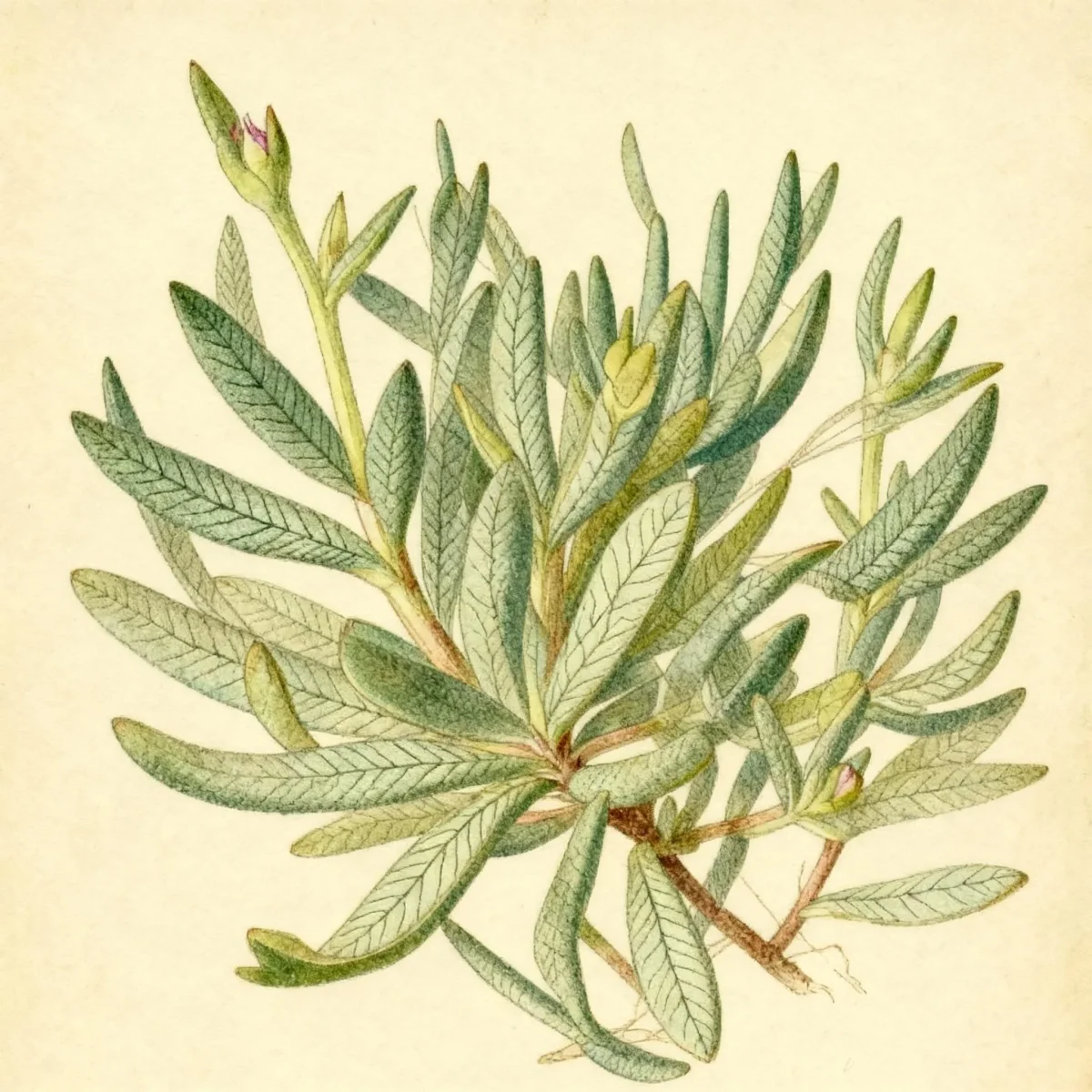
As a succulent, mat-forming perennial, Delosperma floribundum ‘Starburst’ provides extraordinary coverage and color across hot, dry garden spaces. This ice plant variety forms a dense, low carpet seldom exceeding a quarter-foot in height but spreading generously, making it an excellent substitute for thirsty turf grasses. Gardeners value Delosperma for the intense, shimmering blooms that cover the foliage during the long summer season.
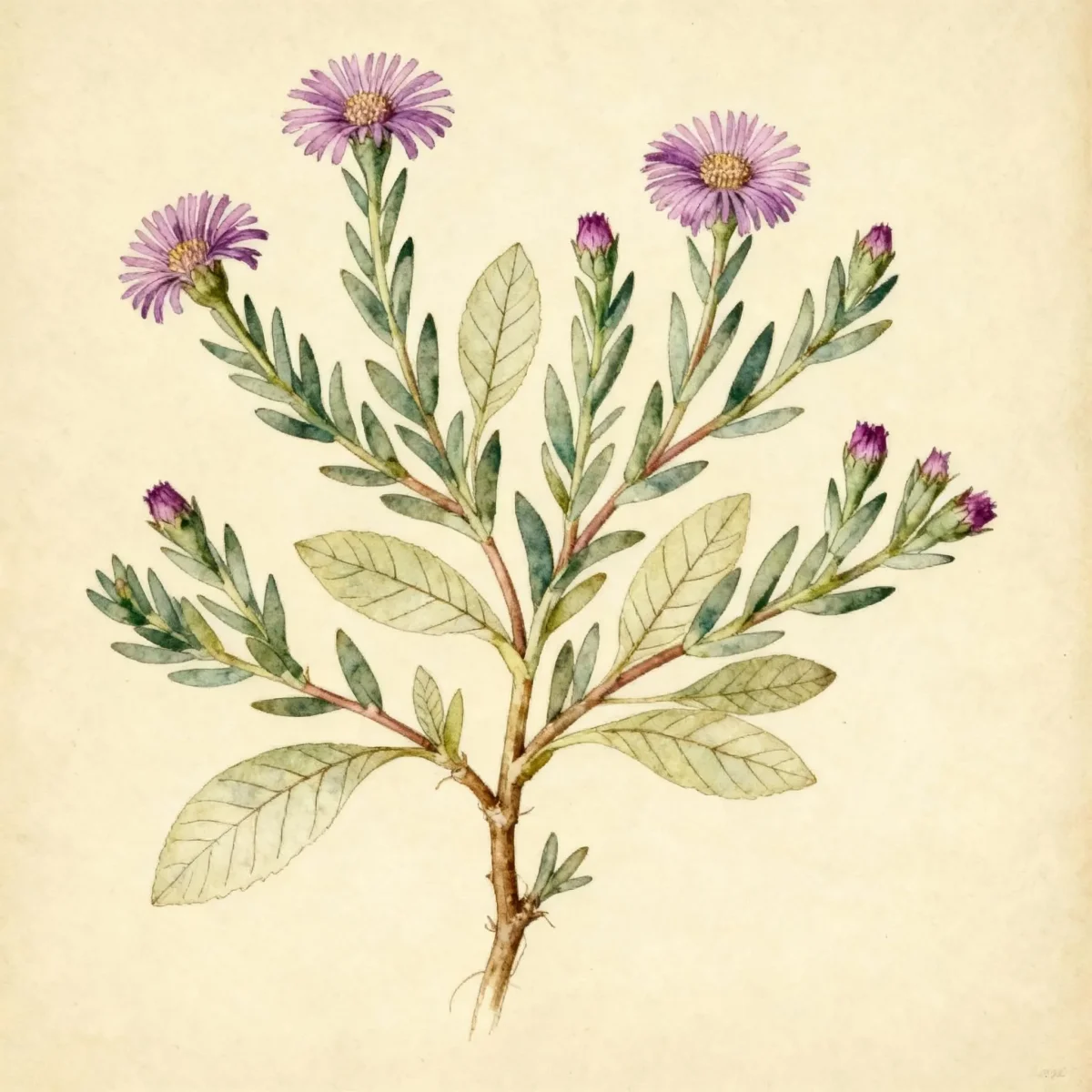
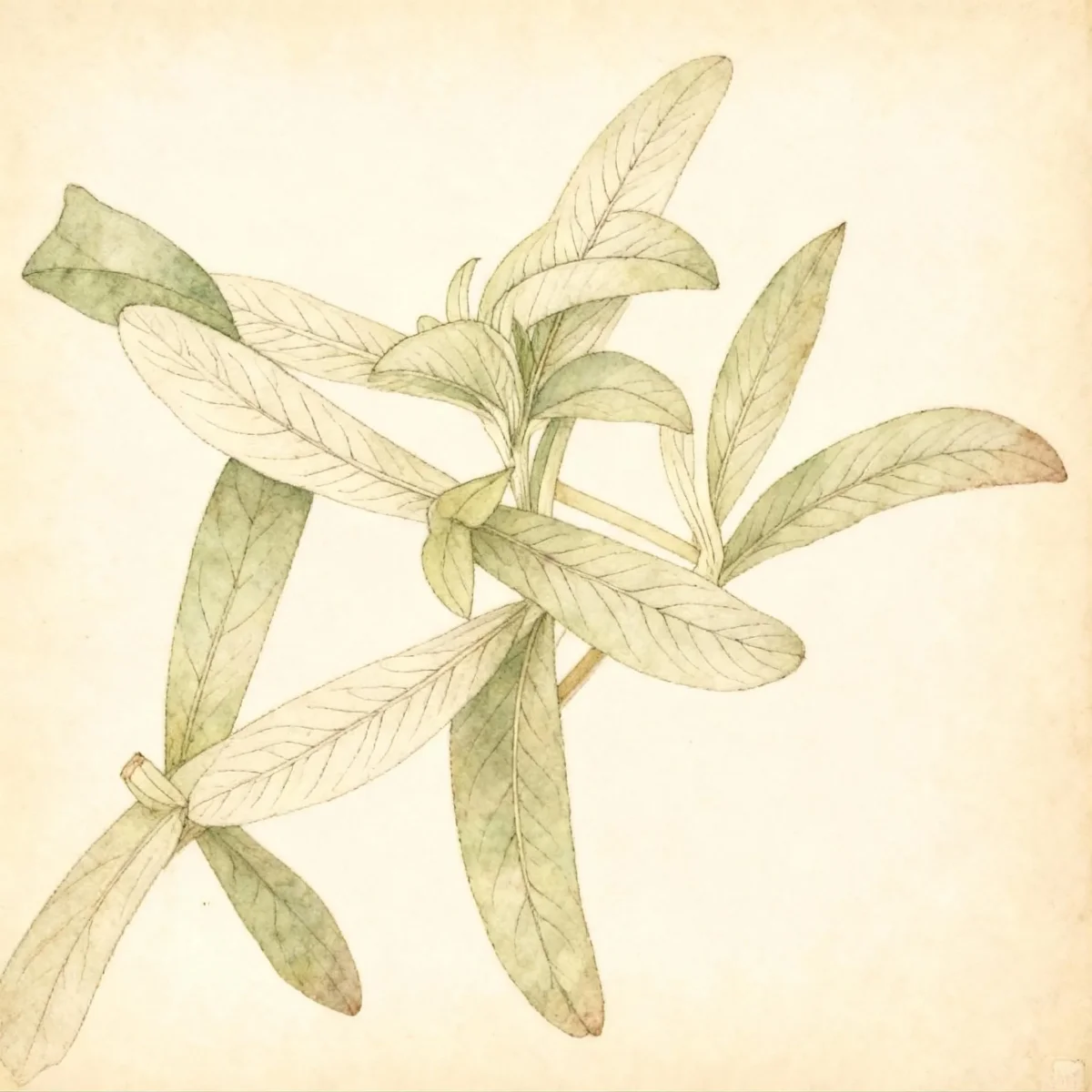
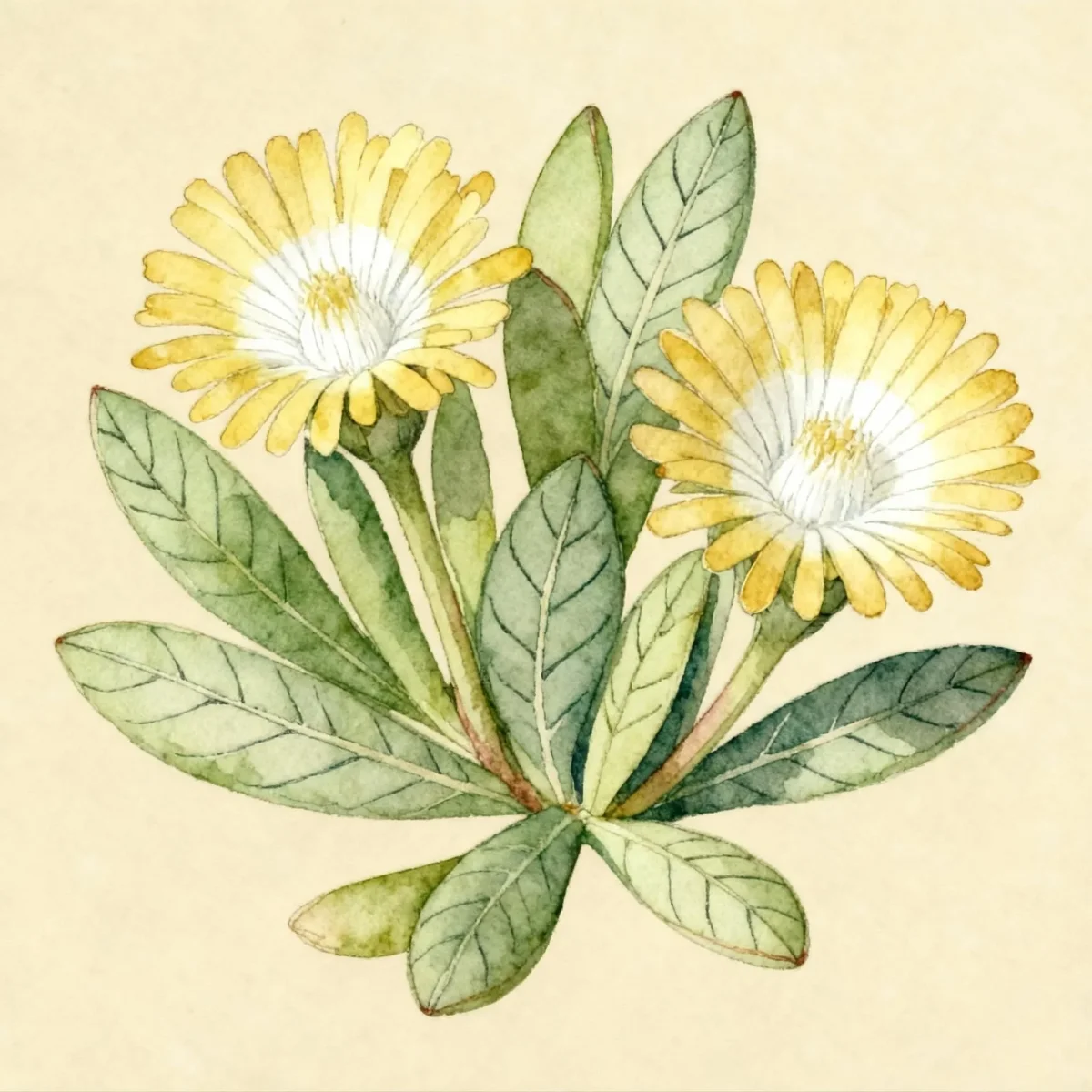
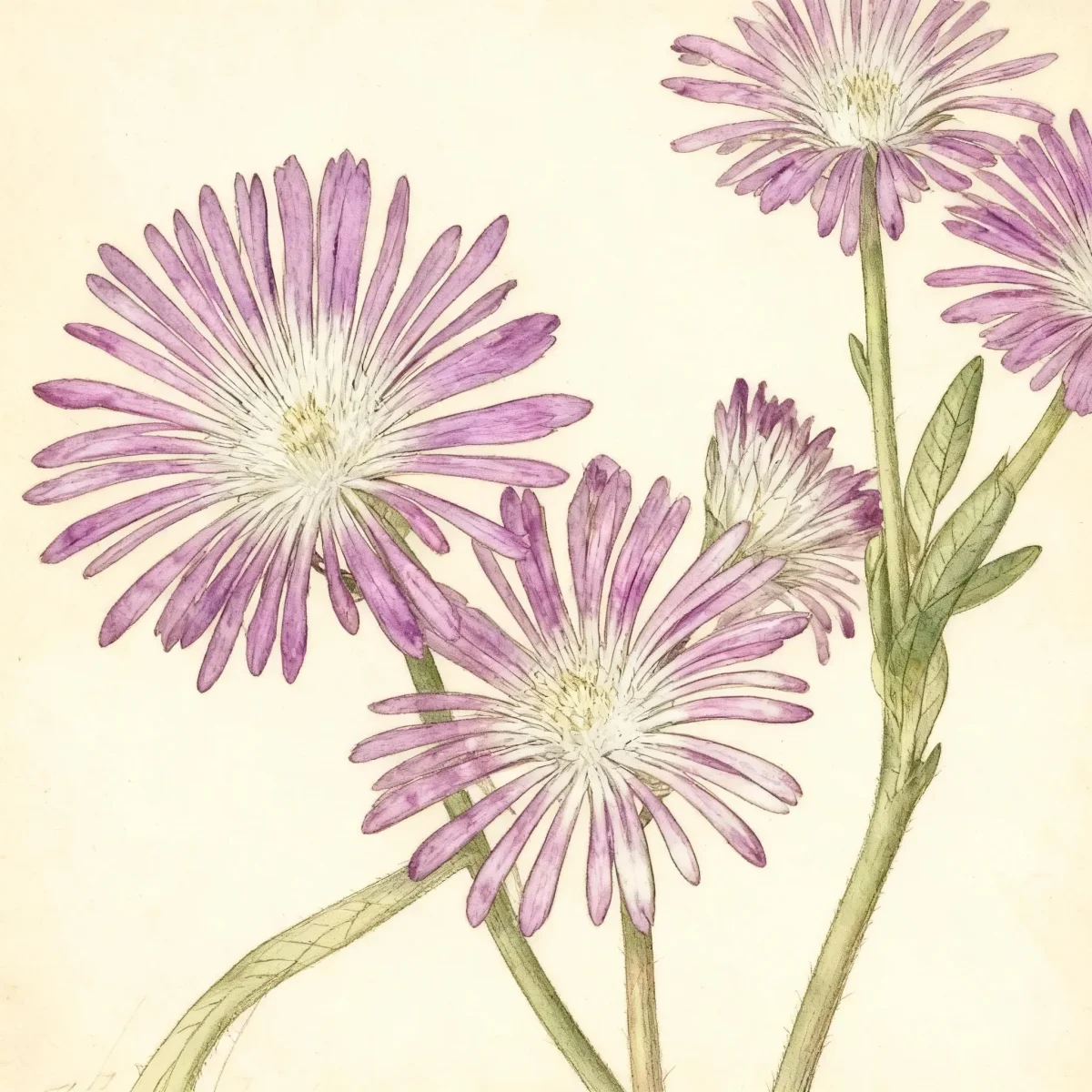
The Delosperma floribundum ‘Starburst’ cultivar is celebrated for its daisy-like flowers featuring striking lilac-purple petals tipped with a bright white center. These vibrant displays appear consistently from late spring through early autumn, capitalizing on full sun exposure better than many other border plants. Its fleshy foliage is slightly glazed, adding textural interest even when not in bloom.
Successful cultivation hinges on providing sharp drainage, as this succulent genus cannot tolerate wet winter feet. When sited correctly in well-drained soils and given plenty of sunlight, this Delosperma variety demands minimal interference, offering long-term, low-effort ground cover performance.
Fast Facts
- Plant Family: Aizoaceae
- Plant Type: Herbaceous perennial
- Hardiness Zones: USDA Zones 6-8
- Size at Maturity:
- Height: 0-0.25 ft
- Spread: 0.75-1.5 ft
- Bloom Time: May to September
- Bloom Description: Lilac-purple with white center
- Sun Exposure: Full sun
- Water Needs: Dry to medium
- Maintenance Level: Medium
How to Grow
Plant Delosperma floribundum ‘Starburst’ in the spring after the threat of frost has passed, ensuring your location offers full, unyielding sun exposure. This plant thrives in average soils, provided they are exceptionally well-drained, often benefiting from sandy amendments. Superb drainage is not optional; moist or wet soils, especially during winter dormancy, can quickly lead to fatal crown rot.
Watering should be sparse once established. This Delosperma cultivar demonstrates good tolerance for both drought and heat, requiring minimal supplemental moisture beyond natural rainfall in most climates. Focus intensely on avoiding overhead sprinkling and ensuring water drains away rapidly; this preference for dryish conditions makes overwatering the primary cultural mistake.
Maintenance for this ice plant is generally low. Minimal feeding is required; rich soil usually encourages excessive foliage growth at the expense of blooms. Propagation is straightforward, typically done via easily rooted cuttings taken during the warmer months.
In colder locations within its range (Zone 6), providing winter protection is advisable to ensure reliable perennial performance. Locate Delosperma floribundum ‘Starburst’ in a slightly sheltered spot where snow cover might offer mild insulation rather than persistent wetness.
Landscape Uses
The intense, spreading habit of Delosperma floribundum ‘Starburst’ makes it indispensable as a functional ground cover, rapidly filling gaps and suppressing weeds in exposed areas. It excels at stabilizing slopes or cascading gracefully over retaining walls, where its trailing nature can be fully appreciated. The vibrant summer bloom makes it a star in xeriscaping projects.
Consider using this low-growing perennial as a bright, durable edger along walkways or driveways, softening hard lines with its fine texture and color. Because it thrives in hot, dry locations, pair it alongside other sun-loving, drought-tolerant companions like Sedums, creeping Thymes, or certain low-growing ornamental grasses.
For containers or window boxes, Delosperma serves perfectly as a spiller, adding color right down the sides. Ensure any container mixture is gritty and contains excellent drainage material to mimic the natural, dry conditions required by this robust succulent.
Standout Features
Flower Qualities
- Showy
Noteworthy Characteristics
Delosperma floribunda, commonly known as ice plant, is a succulent, mat-forming perennial that typically grows to only 4” tall but spreads to 10-18” wide. Its foliage is covered with transparent flakes that resemble tiny pieces of ice, and the plant is noted for producing a foliage-covering bloom of bright, daisy-like lavender-pink to lilac-purple flowers with contrasting white centers. The genus name references its exposed seeds, while the specific epithet indicates it is free-flowering.
Tolerances
- Drought
Potential Problems
The primary concern when growing Delosperma floribundum ‘Starburst’ is managing soil moisture, as crown rot is a significant problem when soils are poorly drained, particularly over winter months. Avoid planting in areas where water tends to pool or remain soggy.
While generally resistant to serious pests, gardeners should inspect foliage occasionally for minor incursions of aphids or mealybugs, treating them promptly with horticultural oil or insecticidal soap if necessary. Winter hardiness can fluctuate; plants may struggle or fail in colder or wetter fringes of Zone 6 unless given special winter protection or planted in highly protected microclimates.
Frequently Asked Questions
What hardiness zones is Delosperma suitable for?
Delosperma floribundum ‘Starburst’ is generally suitable for USDA Zones 6-8.
How large does Delosperma grow?
This cultivar typically reaches 0 to 0.25 feet in height and spreads between 0.75 to 1.5 feet wide.
When does Delosperma bloom?
This plant offers its striking display from May to September, featuring lilac-purple flowers with white centers.
What sun exposure does Delosperma need?
For best blooming and health, Delosperma requires full sun exposure throughout the day.
Conclusion
The Delosperma floribundum ‘Starburst’ is an unparalleled choice for adding vibrant, low-maintenance color across dry, sunny expanses in the garden. Its drought tolerance and long blooming season secure its spot as a summer staple. Before planting, confirm your garden site offers the superb drainage necessary for this Delosperma to thrive year after year.
Propagation Tips
Propagating Delosperma is straightforward, offering gardeners an easy way to expand coverage or replace stressed plants. The easiest method involves taking softwood cuttings during the active growing phase, ideally mid-summer. Cuttings root quickly, often without rooting hormone, provided they are kept in a gritty, well-draining medium, mimicking the plant’s preferred environment.
Since the specific epithet means “free-flowering,” seed collection is another viable path, though cultivar traits may not always be maintained perfectly through sexual reproduction. For true-to-type plants, focus on vegetative propagation via these simple cuttings rather than relying on seed dispersal.
Companion Planting
Successful companion planting for this ice plant revolves around matching its requirements for intense sun and sharp drainage. Select low-growing succulents or Mediterranean herbs that also despise wet feet. Plants like various creeping Sedums, low-growing Artemisia varieties, or tough Phlox subulata make excellent partners.
Avoid placing Delosperma floribundum ‘Starburst’ near moisture-loving perennials like Hostas or Astilbes, as the increased watering they require will ultimately harm the Delosperma. By grouping plants with similar dry needs, you simplify irrigation and maintenance considerably, maximizing the success of your xeriscape design.