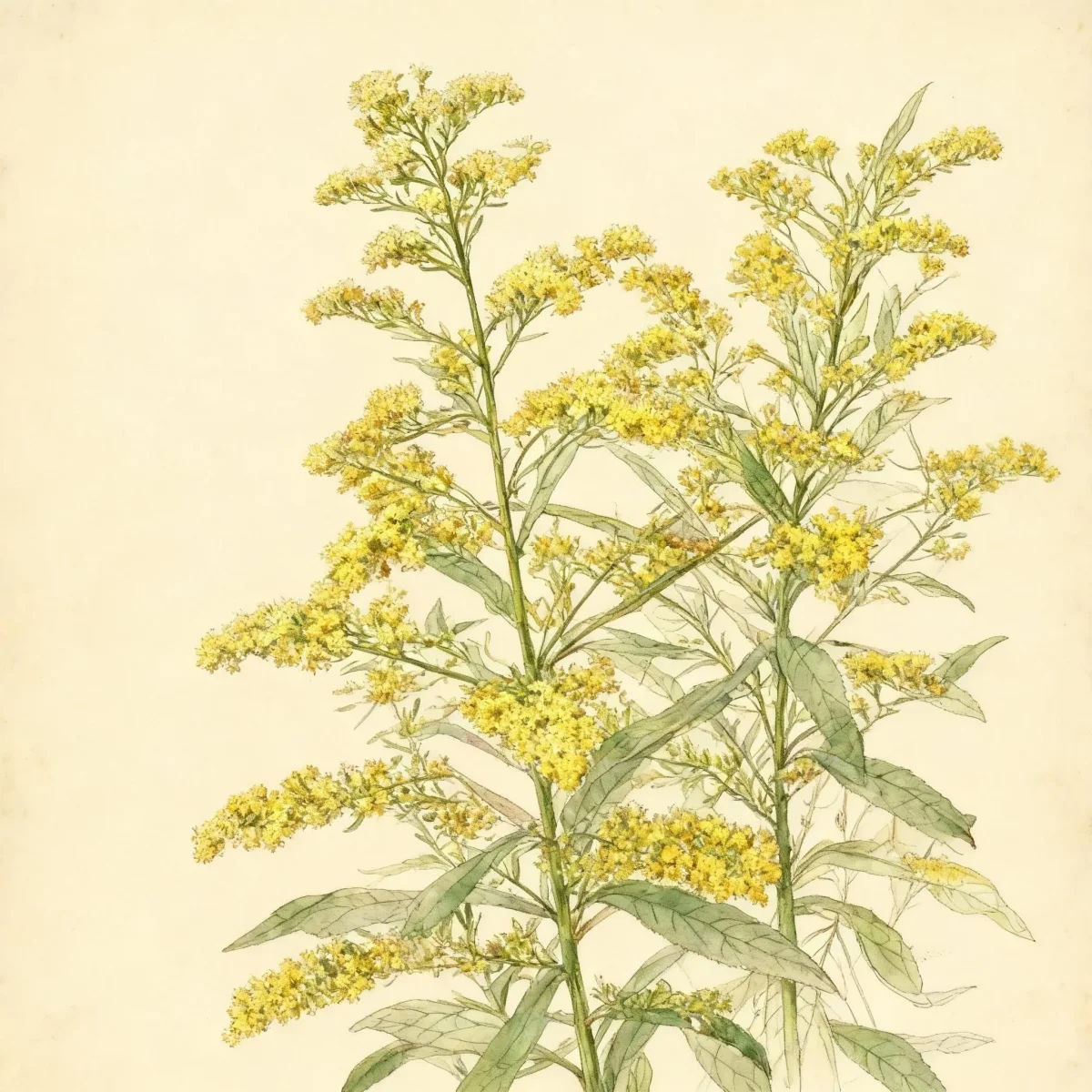
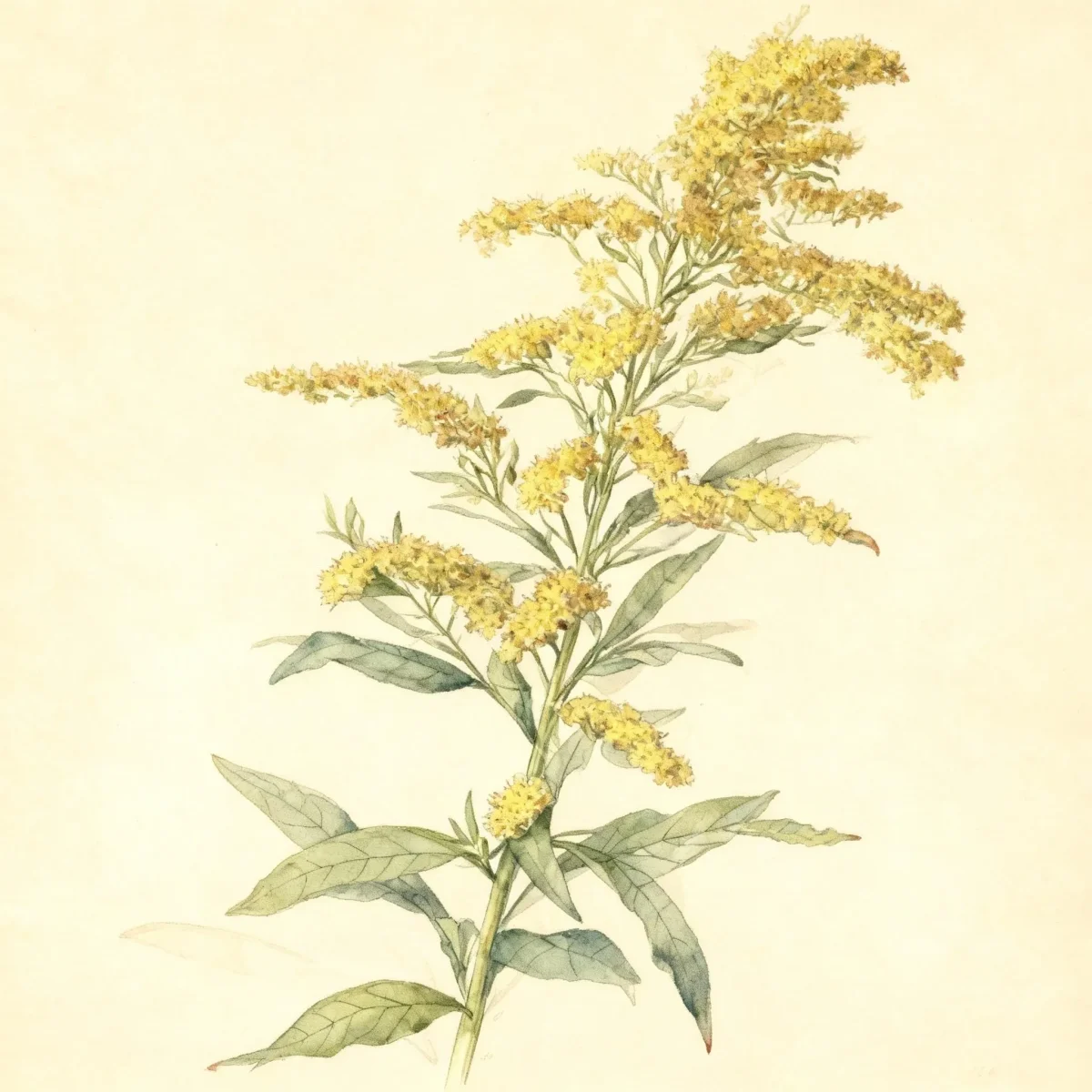
Goldenrod (Solidago 'Wichita Mountains')
Solidago 'Wichita Mountains' Goldenrod delivers dense yellow plumes in fall. This low-maintenance perennial thrives in full sun and dry soils.
Scroll down to discover growing tips, care requirements, companion plants, and more
Complete Plant Information
Overview
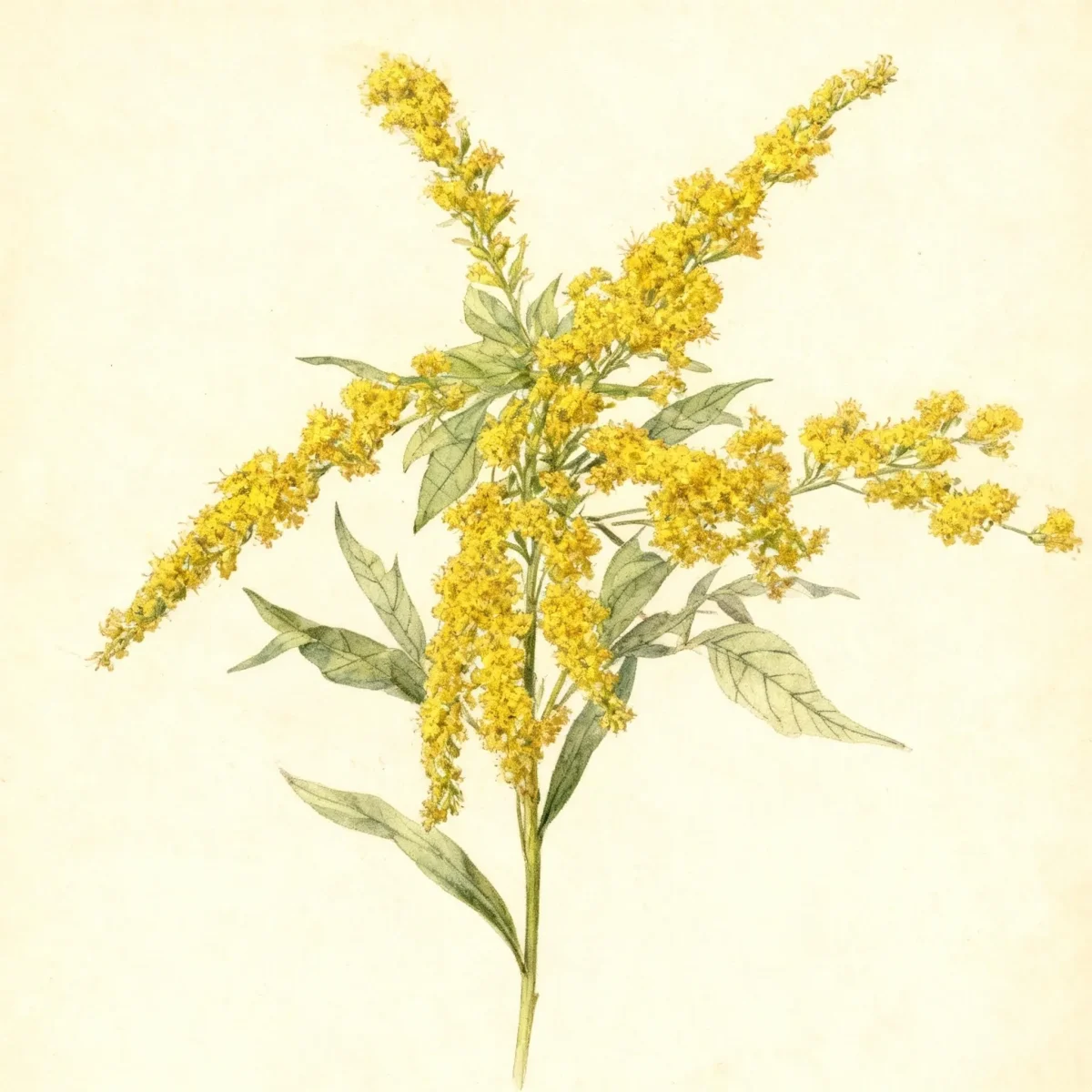
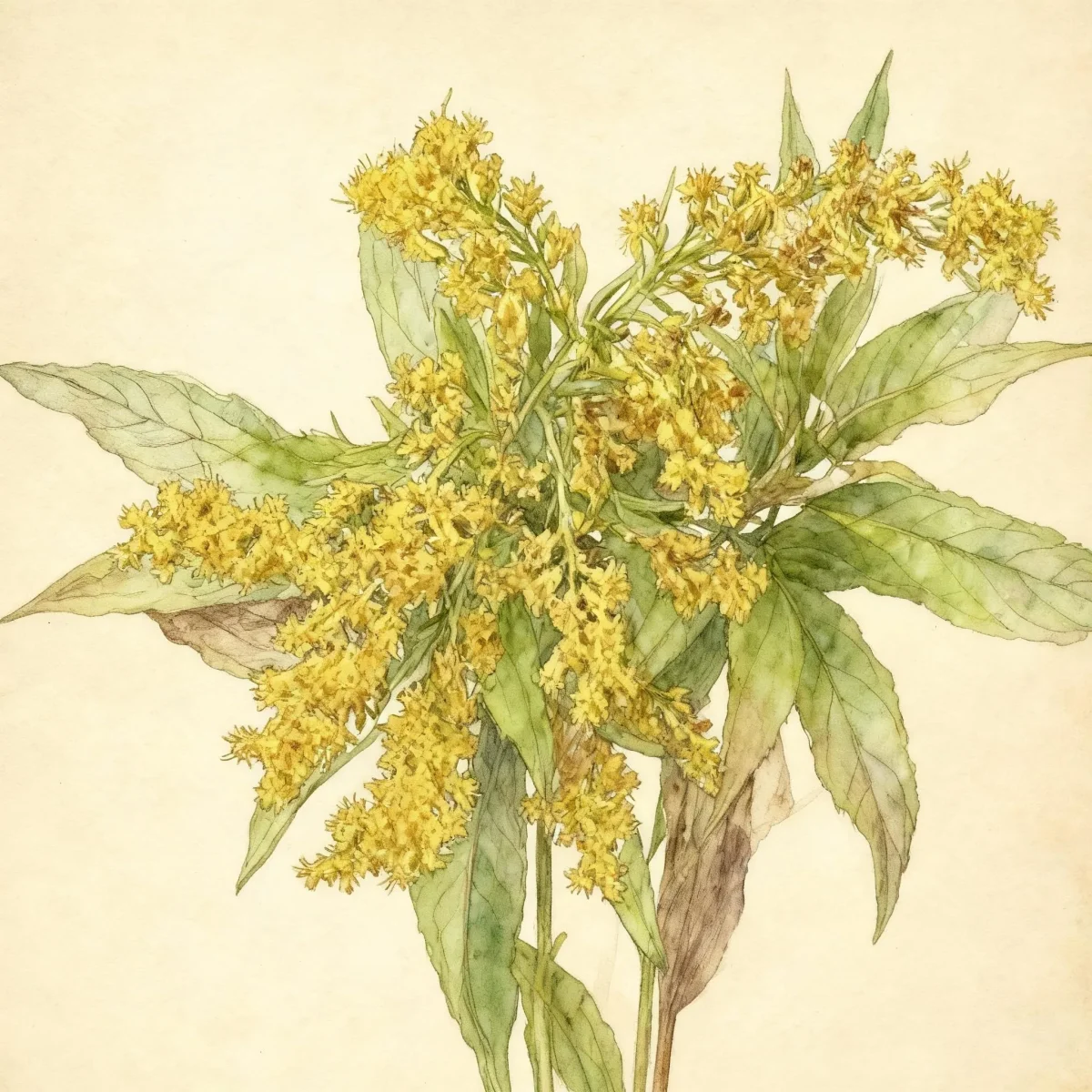
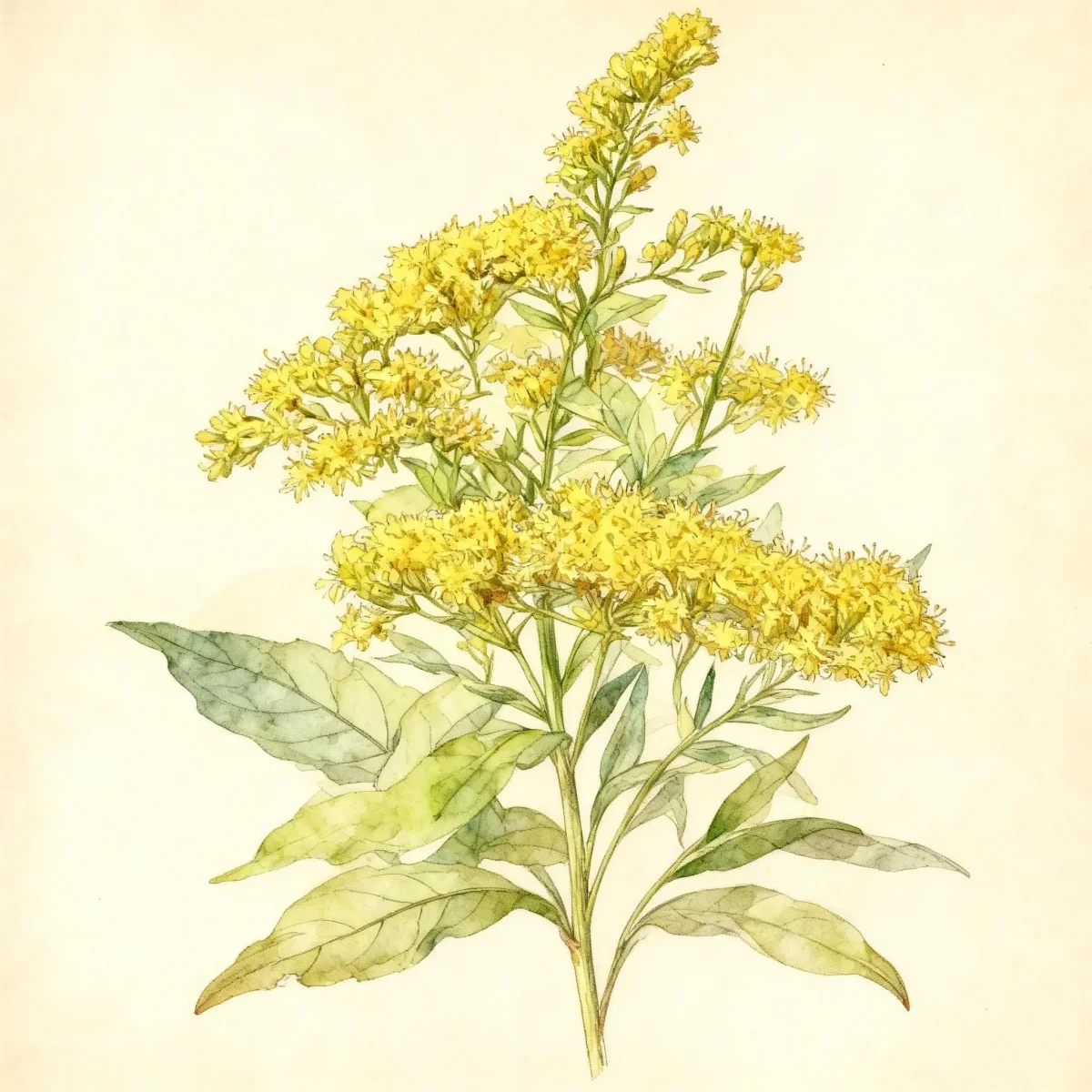
Solidago ‘Wichita Mountains’, commonly known as Goldenrod, is a celebrated late-season bloomer, essential for providing vibrant color when many other garden subjects are fading. This cultivar is valued for its upright, dense habit and rich display of small yellow, daisy-like flowers that appear reliably from late summer into the first frost. Gardeners appreciate this native North American selection for its tough constitution and significant value to late-season pollinators.
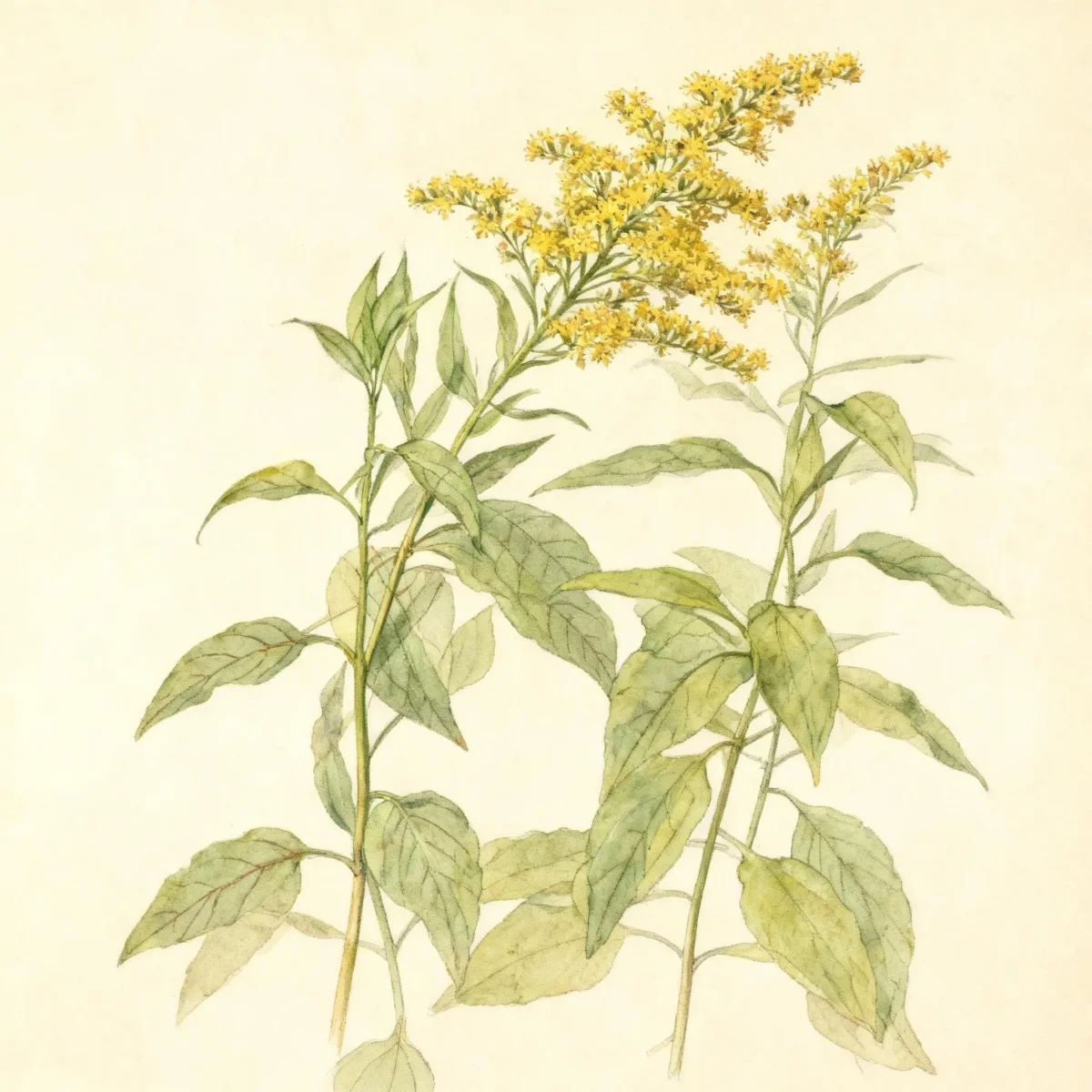
As an herbaceous perennial, ‘Wichita Mountains’ organizes its energy into robust root systems, allowing it to establish quickly and require minimal intervention once settled. It typically reaches a manageable height of two to three feet, forming clumps that are perfect for adding vertical interest to the back or middle of borders. The ease of care associated with this Goldenrod makes it an ideal choice for both novice gardeners and those managing large, naturalized landscapes.
This exceptional Goldenrod cultivar contributes significantly to the ecosystem, attracting bees and butterflies when nectar resources become scarce. Debunking old myths, this plant is rarely the cause of seasonal allergies; its heavy, sticky pollen is insect-dispersed, unlike wind-borne allergens. Solidago ‘Wichita Mountains’ solidifies its role as a highly functional and beautiful plant for fall interest.
Fast Facts
- Plant Family: Asteraceae
- Plant Type: Herbaceous perennial
- Hardiness Zones: USDA Zones 4-8
- Size at Maturity:
- Height: 2-3 ft
- Spread: 1.5-2.5 ft
- Bloom Time: September to October
- Bloom Description: Yellow
- Sun Exposure: Full sun
- Water Needs: Dry to medium
- Maintenance Level: Low
How to Grow
Solidago ‘Wichita Mountains’ is remarkably adaptable, thriving when planted in average, well-drained soils in conditions providing full sun. While it tolerates light shade, maximum floral impact and sturdiest stems are achieved with six or more hours of direct sun daily. Planting should ideally occur in spring or fall, allowing the fibrous roots time to establish before extreme summer heat or winter dormancy sets in.
Once established, care for this variety is straightforward, reflecting its low maintenance level. While it prefers dry to medium moisture, supplemental watering is rarely necessary, especially given its excellent drought tolerance. Fertilization is generally unneeded; overly rich soil can encourage floppy growth. Ensure plants have good air circulation to prevent potential issues like powdery mildew.
Routine maintenance involves cutting back the spent stems to the ground in late fall or early spring before new growth emerges. Deadheading spent blooms is frequently skipped, as the seed heads can offer winter interest. The drought tolerance of Solidago ‘Wichita Mountains’ makes it superior for xeriscaping or areas with poor, dry soil profiles.
Landscape Uses
The structure and late-season color offered by Solidago ‘Wichita Mountains’ make it invaluable across various landscape settings. Its defined, two-to-three-foot height works perfectly to anchor the middle layers of a perennial border, providing essential contrast against purples and blues that peak concurrently, such as asters or sedums. For a naturalized effect, plant masses of this Goldenrod within wild gardens or meadow settings where they can blend seamlessly with ornamental grasses.
Consider pairing this clump-forming perennial with other late-season bloomers that share similar low-water needs and sun requirements. Excellent companions include coneflowers (Echinacea), ornamental grasses like switchgrass (Panicum), or hardy salvias. The sturdy stems of Solidago ‘Wichita Mountains’ help support the look of the garden as summer transitions into autumn, providing structure long after summer bloomers fade.
Standout Features
Flower Qualities
- Showy
Noteworthy Characteristics
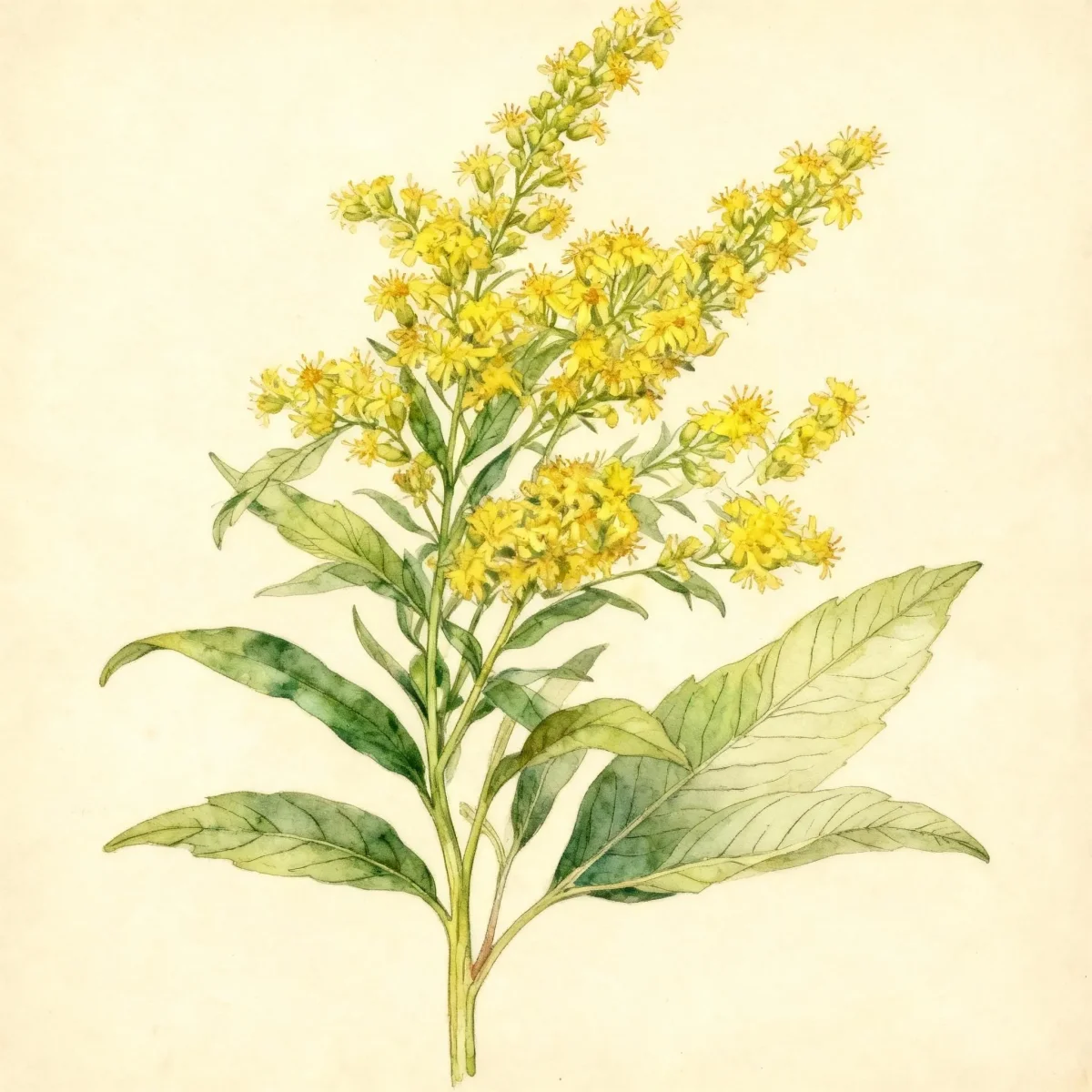
Solidago is a genus of about 100 species of perennials from mostly North America with a few species from South America and Eurasia. Commonly called goldenrod they are grown for their bright yellow or gold flowers. They are great additions to fall gardens and are very attractive to bees and butterflies. Genus name comes from the Latin words solidus meaning whole and ago meaning to make in reference to the medicinal healing properties of some species plants. ‘Wichita Mountains’ is a clump-forming goldenrod that typically grows to 2-3’ tall. Upright, dense, terminal flower plumes (rods to 12” tall) of tiny yellow, daisy-like flowers bloom from late summer into October (often first frost) atop stems clad with narrow medium green leaves.
Tolerances
- Deer
- Drought
- Clay Soil
- Dry Soil
Potential Problems
This specific Goldenrod cultivar exhibits excellent resistance to most common garden pests and diseases, making it a low-worry choice. However, in conditions of high humidity or poor air circulation—especially if planted too closely—watch for powdery mildew appearing as a white, dusty coating on the foliage. Rust is another potential fungal issue that may present as orange or brown pustules on the undersides of leaves.
Management relies heavily on cultural care. Ensure adequate spacing during planting to promote better airflow around the stems of the Solidago ‘Wichita Mountains’. If mildew or rust becomes problematic, immediate sanitation (removing infected leaves) and ensuring the plant receives its necessary full sun exposure can often halt the spread. Chemical control is rarely warranted for this hardy plant.
Frequently Asked Questions
What hardiness zones is Goldenrod suitable for?
Solidago ‘Wichita Mountains’ is reliably hardy across USDA Zones 4 through 8. Always verify your local hardiness before planting.
How large does Solidago ‘Wichita Mountains’ grow?
This cultivar typically reaches a mature height between 2 and 3 feet, with a spread ranging from 1.5 to 2.5 feet, forming a pleasing clump.
When does Goldenrod bloom?
This variety provides excellent late-season color, with blooms appearing from September into October, often lasting until the first hard frost.
What sun exposure does Goldenrod need?
For the best performance, Solidago ‘Wichita Mountains’ requires full sun exposure, though it will tolerate light shade if necessary.
Conclusion
Solidago ‘Wichita Mountains’ provides reliable, vibrant yellow color at the end of the growing season while offering tremendous ecological benefits to pollinators. This Goldenrod selection proves that low maintenance and exceptional durability can coexist with dramatic floral display. Check your local growing zone compatibility and plant this resilient perennial now to guarantee spectacular autumn garden interest.
Companion Planting
Selecting companions based on shared cultural needs—full sun and dry to medium soil—ensures the overall health and success of the planting arrangement. Look for plants that either contrast in texture or height with the upright plumes of the Goldenrod. Consider using shorter, mounding plants like ornamental oregano or stonecrops (Sedum) in the foreground to buffer the base of the taller Solidago ‘Wichita Mountains’.
When planning for fall color, pair the bright yellow of this Goldenrod with late-blooming purple or blue salvias, or Rudbeckia varieties that have finished their primary flush. Because the dense flower heads of Solidago ‘Wichita Mountains’ attract numerous bees and beneficial insects, placing it near vegetables or fruit bushes can enhance pollination cycles throughout the garden space.
Wildlife Benefits
The late-season bloom time of this Goldenrod is perhaps its greatest gift to local fauna. As many summer nectar sources vanish, the hundreds of tiny yellow florets on Solidago ‘Wichita Mountains’ provide a crucial food source for migrating butterflies, native bees, and other beneficial insects preparing for winter. Providing these resources is vital for supporting robust local pollinator populations.
Furthermore, the dried seed heads left standing over winter offer structure and potential cover for small beneficial insects seeking shelter. While the primary benefit stems from nectar and pollen, the structure inherent in this strong-growing perennial contributes positively to overall garden habitat diversity. Planting this Goldenrod helps ensure continuous food availability from summer through fall.