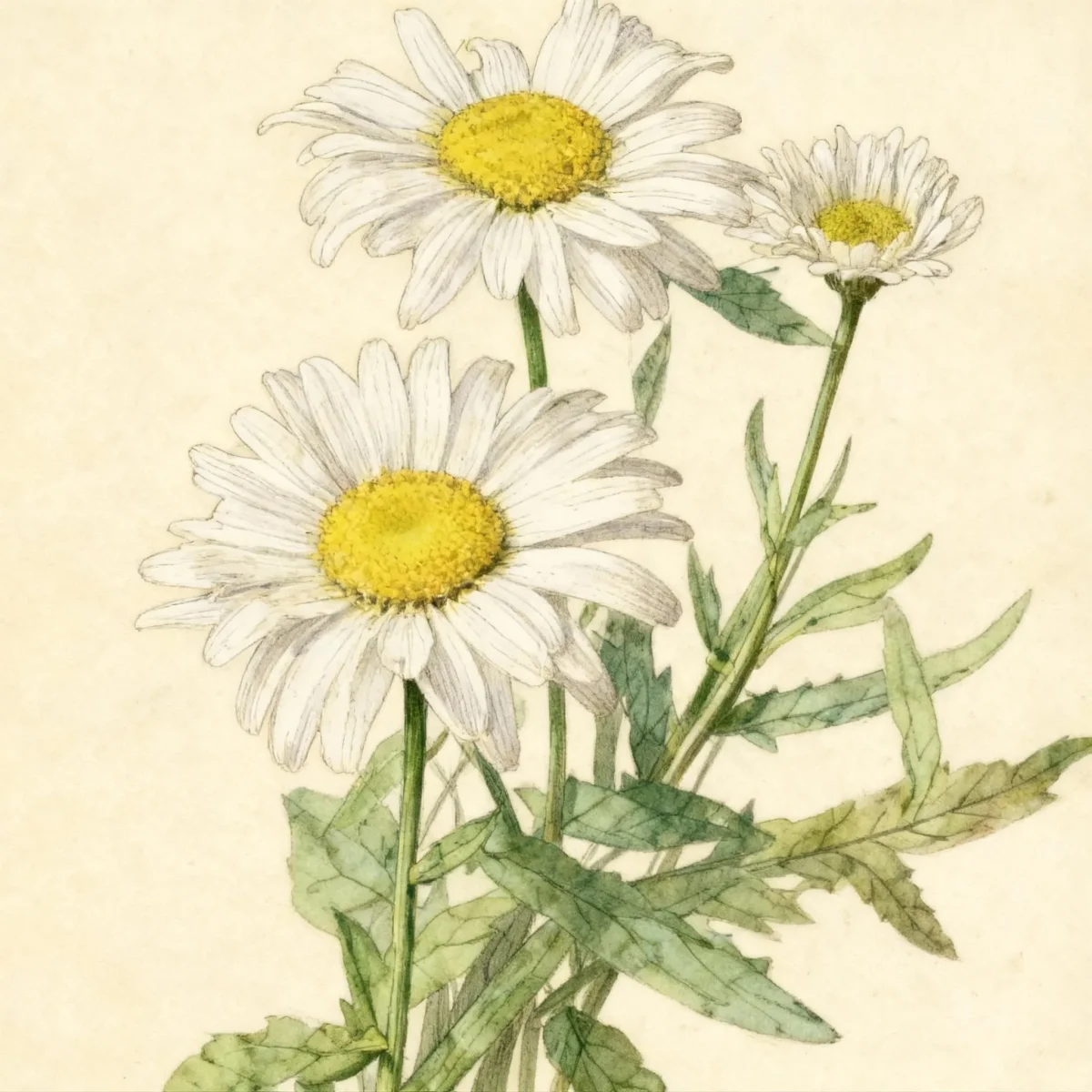
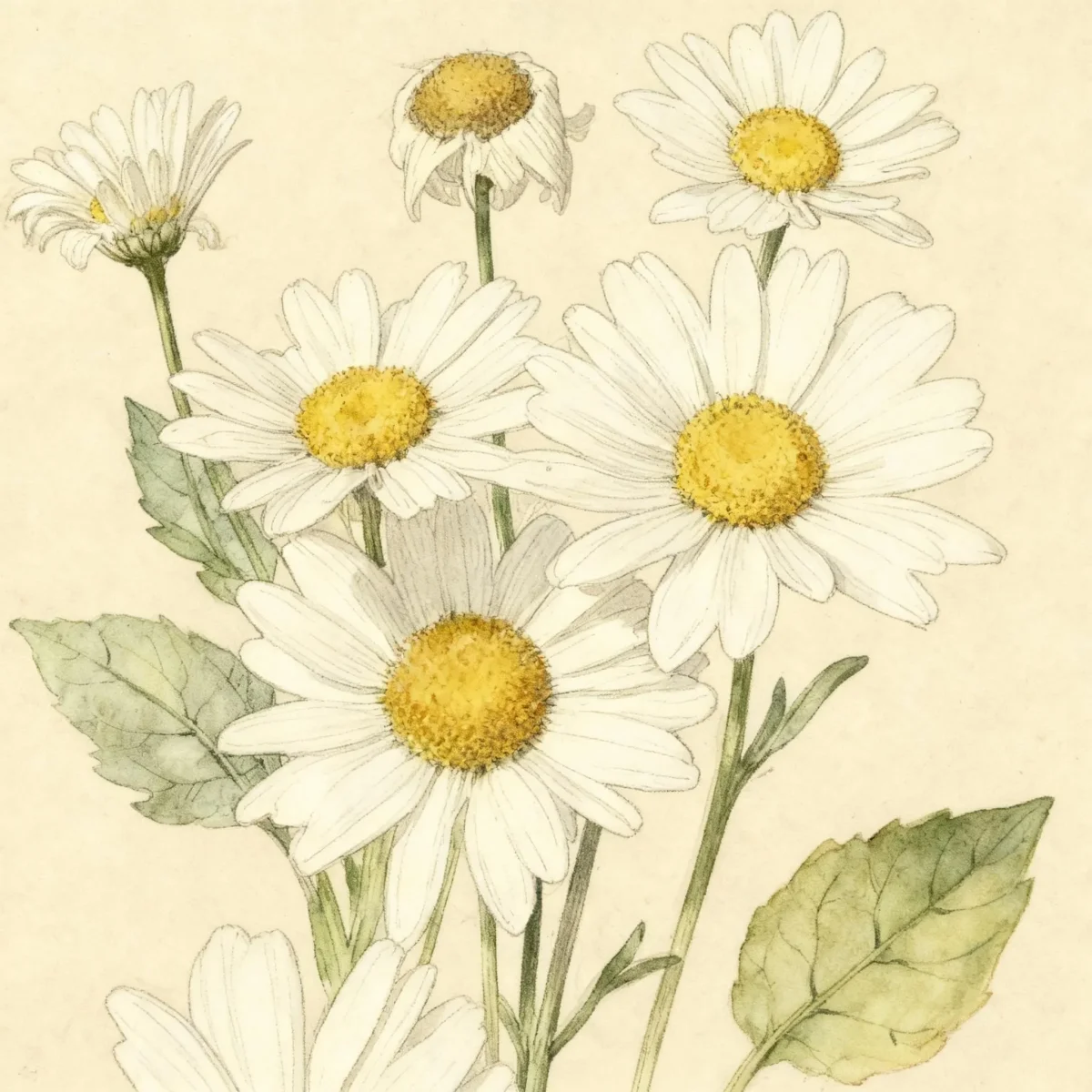
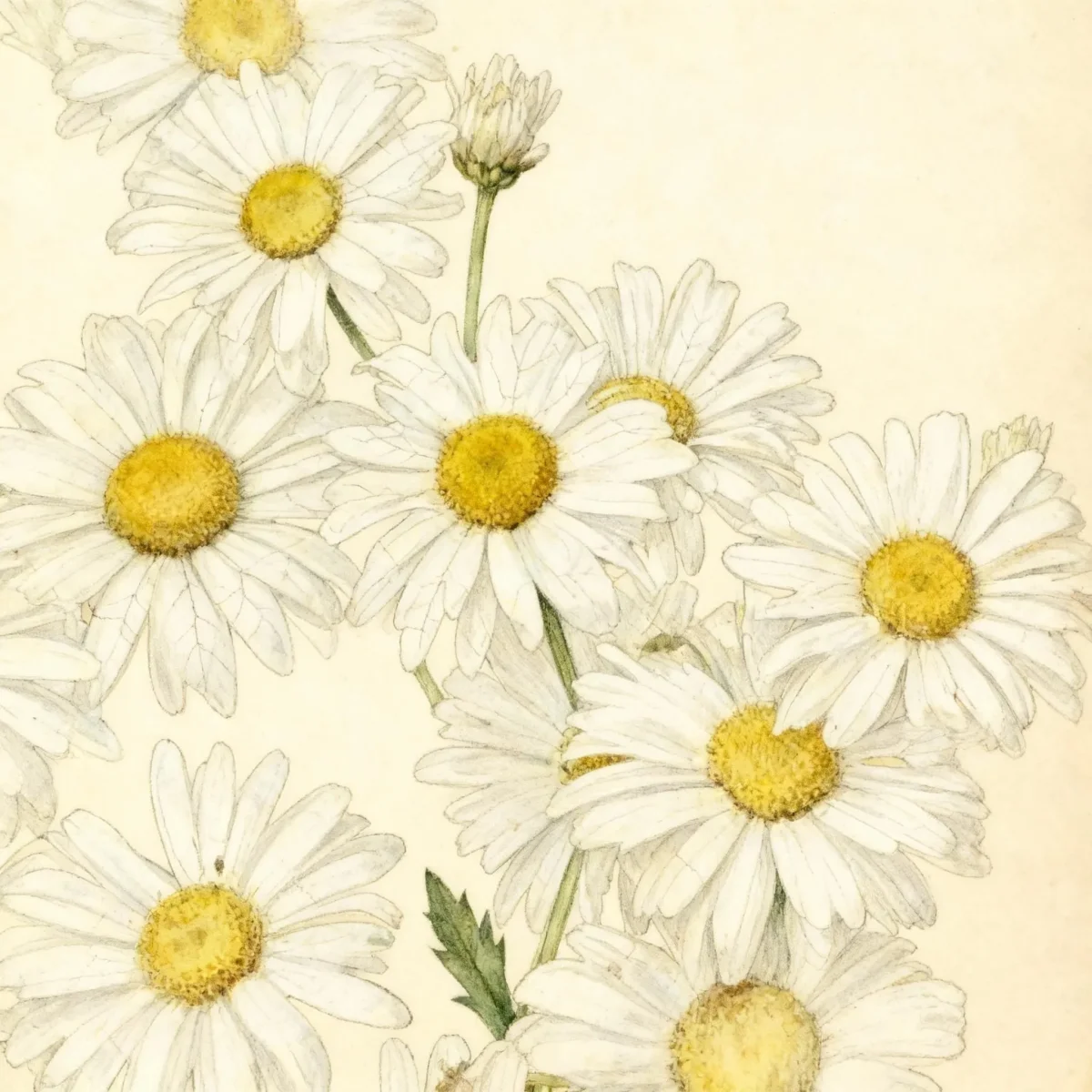
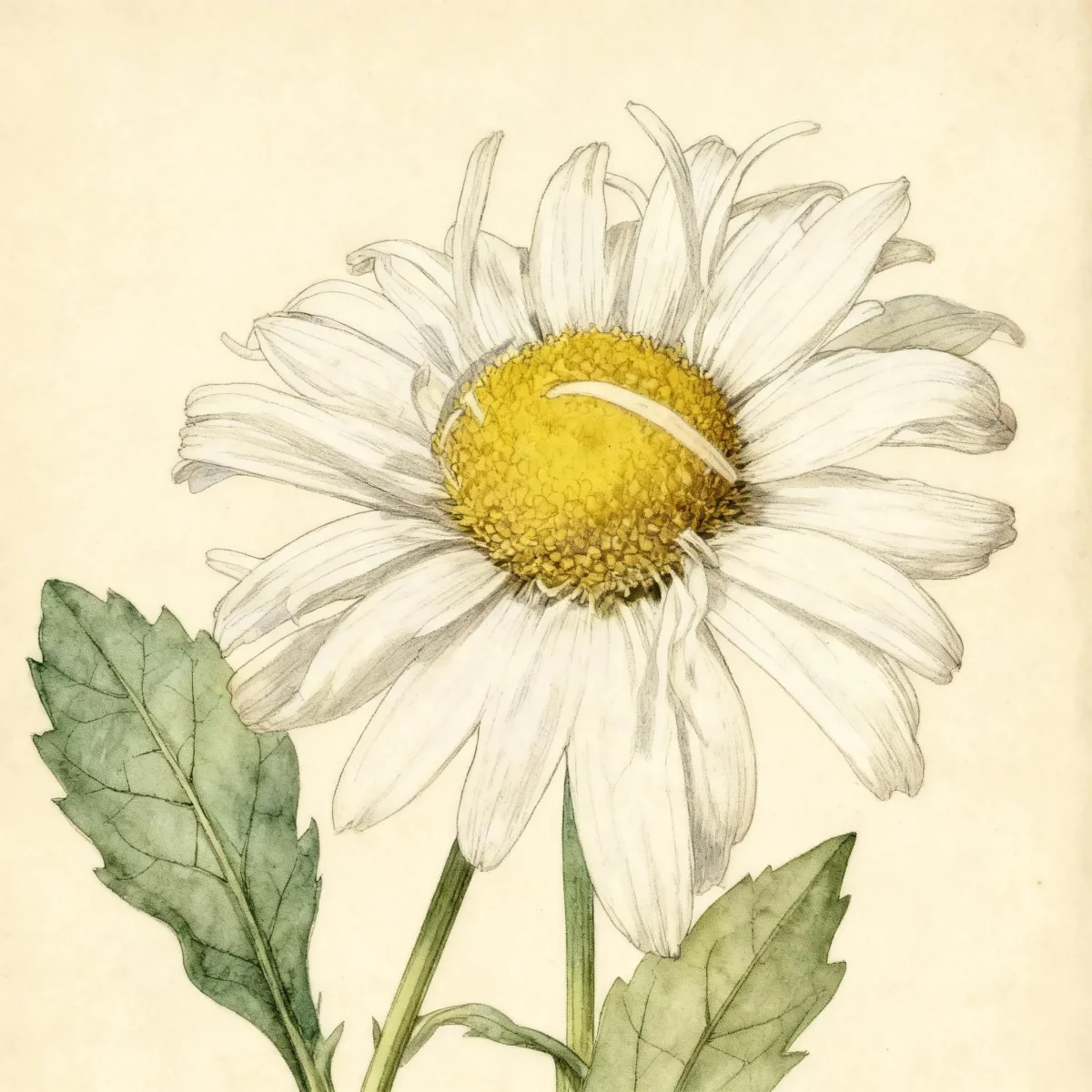
Shasta daisy (Leucanthemum × superbum 'Highland White Dream')
Leucanthemum × superbum 'Highland White Dream' is a low-maintenance Shasta daisy with large blooms. Perfect for sunny borders.
Scroll down to discover growing tips, care requirements, companion plants, and more
Complete Plant Information
Overview
Leucanthemum × superbum ‘Highland White Dream’ is a superb addition to any garden seeking classic, long-lasting summer color. This cultivar of the popular Shasta daisy is celebrated for its robust nature and its cheerful, large, semi-double white flowers that brighten borders from early summer into late August. Gardeners prize this hybrid for its reliability and striking appearance, offering excellent performance with minimal fuss.
As a dependable herbaceous perennial, the Shasta daisy establishes well in sunny locations needing dry to medium moisture. The resulting structure provides excellent vertical accent in mixed plantings, creating a traditional cottage garden feel. Its toughness against common pests and dry spells makes Leucanthemum × superbum ‘Highland White Dream’ a valuable mainstay for both seasoned and novice gardeners alike.
Fast Facts
- Plant Family: Asteraceae
- Plant Type: Herbaceous perennial
- Hardiness Zones: USDA Zones 4-9
- Size at Maturity:
- Height: 2-3 ft
- Spread: 1.5-2.5 ft
- Bloom Time: June to August
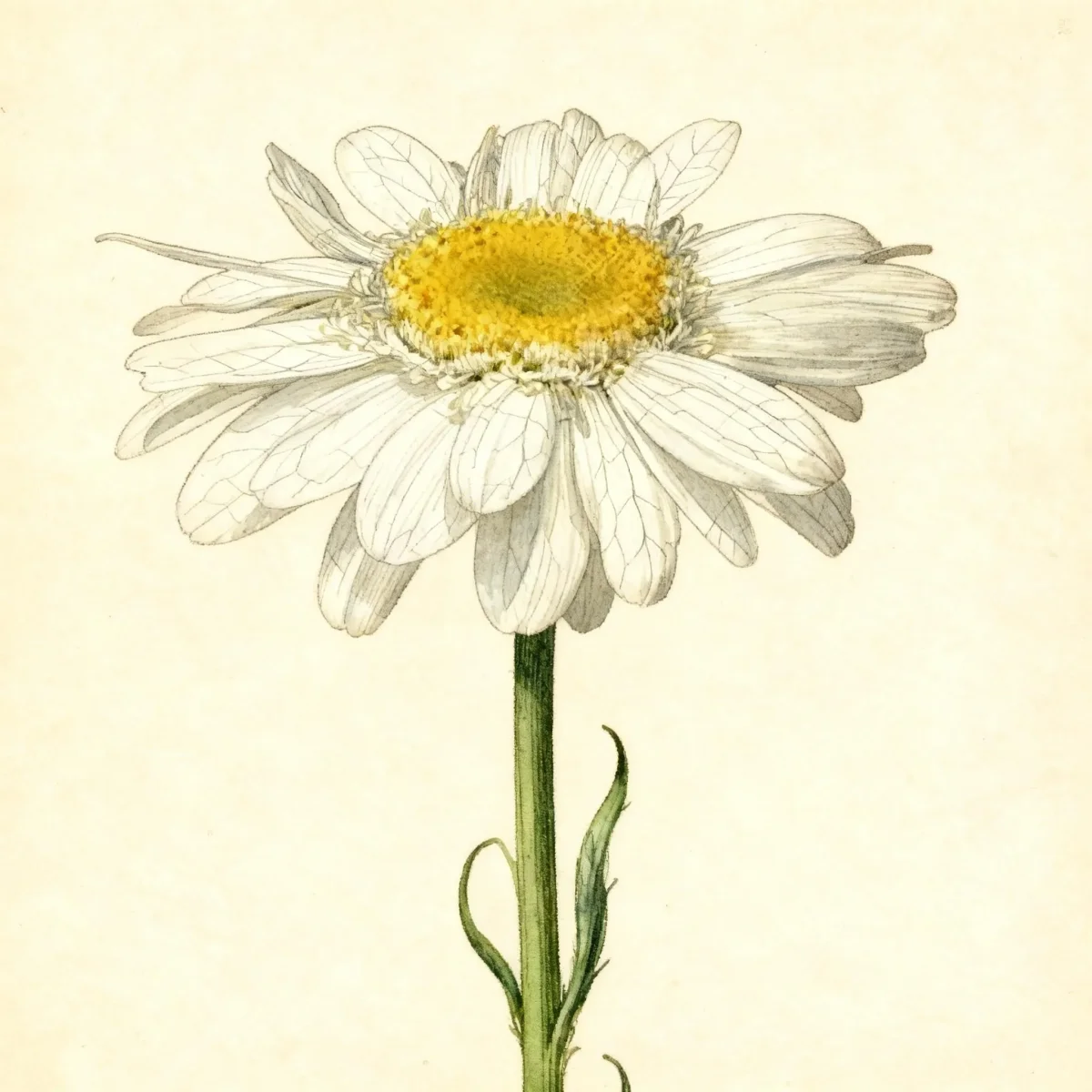
- Bloom Description: White rays and yellow center disk
- Sun Exposure: Full sun
- Water Needs: Dry to medium
- Maintenance Level: Low
How to Grow
Planting should occur in the spring or fall when conditions are mild, ensuring the Shasta daisy establishes a strong root system. Choose a location offering full sun exposure, although brief afternoon shade is tolerated, especially in hot summer climates. The single most critical factor for success is excellent soil drainage; this plant cannot tolerate standing water, especially in winter, which can be fatal.
Water requirements are generally low once established, thriving in average, dry to medium soils. Avoid rich, overly fertile soils, which can lead to floppier stems needing extra support. Fertilization is rarely necessary; focus maintenance efforts instead on deadheading spent blooms throughout the season to encourage continuous flowering of the Leucanthemum × superbum ‘Highland White Dream’.
To maximize vigor, plan to divide clumps every two to three years, as these plants can be somewhat short-lived. After the main flush of summer bloom concludes, consider cutting the stems back to the basal leaves. This cultural practice helps preserve the plant’s energy stores for the following season. Remember, vegetative propagation is required as seeds will not grow true to type.
Landscape Uses
Shasta daisies provide reliable, long-lasting summer color, making them essential components of the perennial border. Leucanthemum × superbum ‘Highland White Dream’ integrates seamlessly into cottage garden designs, providing bright, high-contrast accents against deep greens and purples. Their stature (2-3 feet tall) positions them perfectly in the middle or back rows of the border plan.
These classic white flowers are also mainstays of the dedicated cutting garden, offering excellent, long-lasting fresh cut flowers for indoor arrangements. Beyond borders, these robust clumps perform well when placed in containers, provided drainage inside the pot is meticulously managed. Consider pairing these bright white blooms with blue salvia or deep purple catmint for stunning visual impact.
Standout Features
Flower Qualities
- Showy
- Good Cut
Noteworthy Characteristics
Leucanthemum × superbum, commonly called Shasta daisy, is a famous hybrid developed by Luther Burbank in the 1890s by crossing several related species. The genus name reflects the white flowers some species possess, derived from the Greek words for white and flower. ‘Highland White Dream’ is specifically noted for its large, semi-double blooms, often reaching 4-5 inches in diameter, featuring drooping white rays surrounding a bright yellow center, providing multiple flowers per stem throughout the season.
Tolerances
- Rabbit
- Deer
- Drought
- Dry Soil
Potential Problems
Leucanthemums are generally hardy, though they possess some susceptibility to common fungal issues like verticillium wilt, various leaf spots, and stem rots. Prevention starts with proper cultural care: ensure impeccable soil drainage and provide good air circulation around the plants to minimize humidity buildup. Regularly inspect the foliage for the occasional presence of aphids, leaf miners, or mites. If pests are noted, swift action using insecticidal soap or targeted management can control outbreaks before they seriously impact the plant’s performance.
Frequently Asked Questions
What hardiness zones is Leucanthemum × superbum ‘Highland White Dream’ suitable for?
This dependable perennial thrives across USDA Hardiness Zones 4 through 9.
How large does Shasta daisy grow?
Leucanthemum × superbum ‘Highland White Dream’ typically reaches a mature height between 2 and 3 feet, with a spread ranging from 1.5 to 2.5 feet wide.
What sun exposure does this plant need?
For best flowering and sturdy growth, this Shasta daisy cultivar requires full sun every day.
When does Leucanthemum × superbum ‘Highland White Dream’ bloom?
It produces blooms continuously from June through August, showcasing beautiful white rays and vibrant yellow center disks.
Conclusion
The Shasta daisy, specifically the Leucanthemum × superbum ‘Highland White Dream’ cultivar, remains an unsurpassed choice for delivering reliable, large white blooms throughout the heat of summer. Its low maintenance needs and tolerance for drier conditions make it a resilient garden anchor. Confirm your garden falls within USDA Zones 4-9 and guarantee sharp drainage before planting this superb perennial.
Companion Planting
When planning the perennial border around your Leucanthemum × superbum ‘Highland White Dream’, select companions that share its preference for full sun and well-drained soil. Excellent partners include plants that offer contrasting deep purples or blues, such as Nepeta (Catmint) or Salvia nemorosa cultivars, as these color combinations enhance the crisp white of the daisies. Since Shasta daisies tend to be slightly short-lived, incorporating long-lived, sturdy companions like Russian Sage (Perovskia) or ornamental grasses can provide structure during the cooler months when the daisies are dormant.
Propagation Tips
Division offers the most effective way to propagate Shasta daisy cultivars like ‘Highland White Dream’ while maintaining genetic fidelity. Perform this task every 2 to 3 years, ideally in early spring before new growth accelerates or immediately after the main bloom period ends in late summer. Gently lift the entire clump using a garden fork, taking care not to sever the roots excessively. Separate the root mass into smaller sections, ensuring each new piece has a healthy set of roots and several viable crown buds. Replant these divisions promptly into their new locations, watering in thoroughly to settle the soil around the fresh roots.