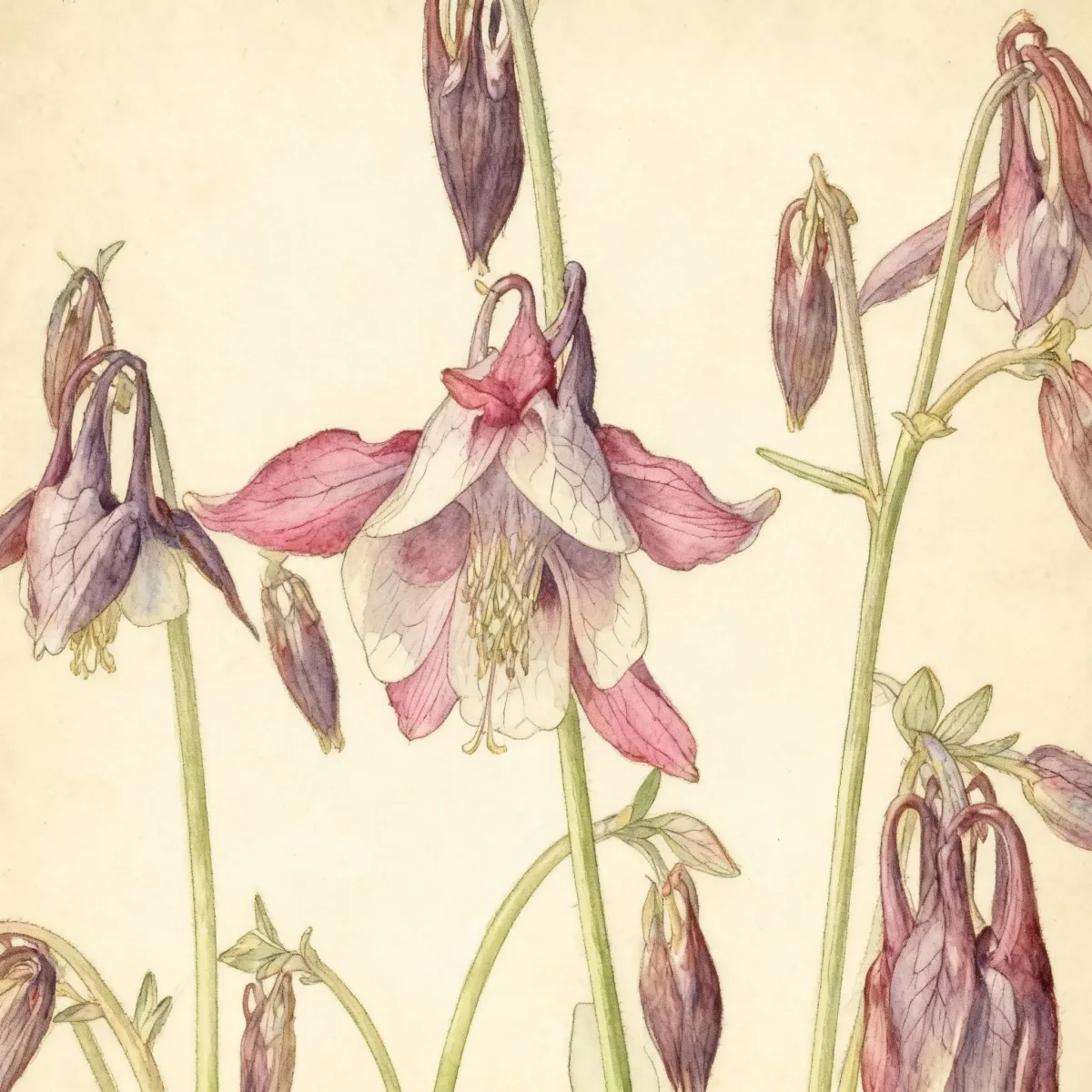
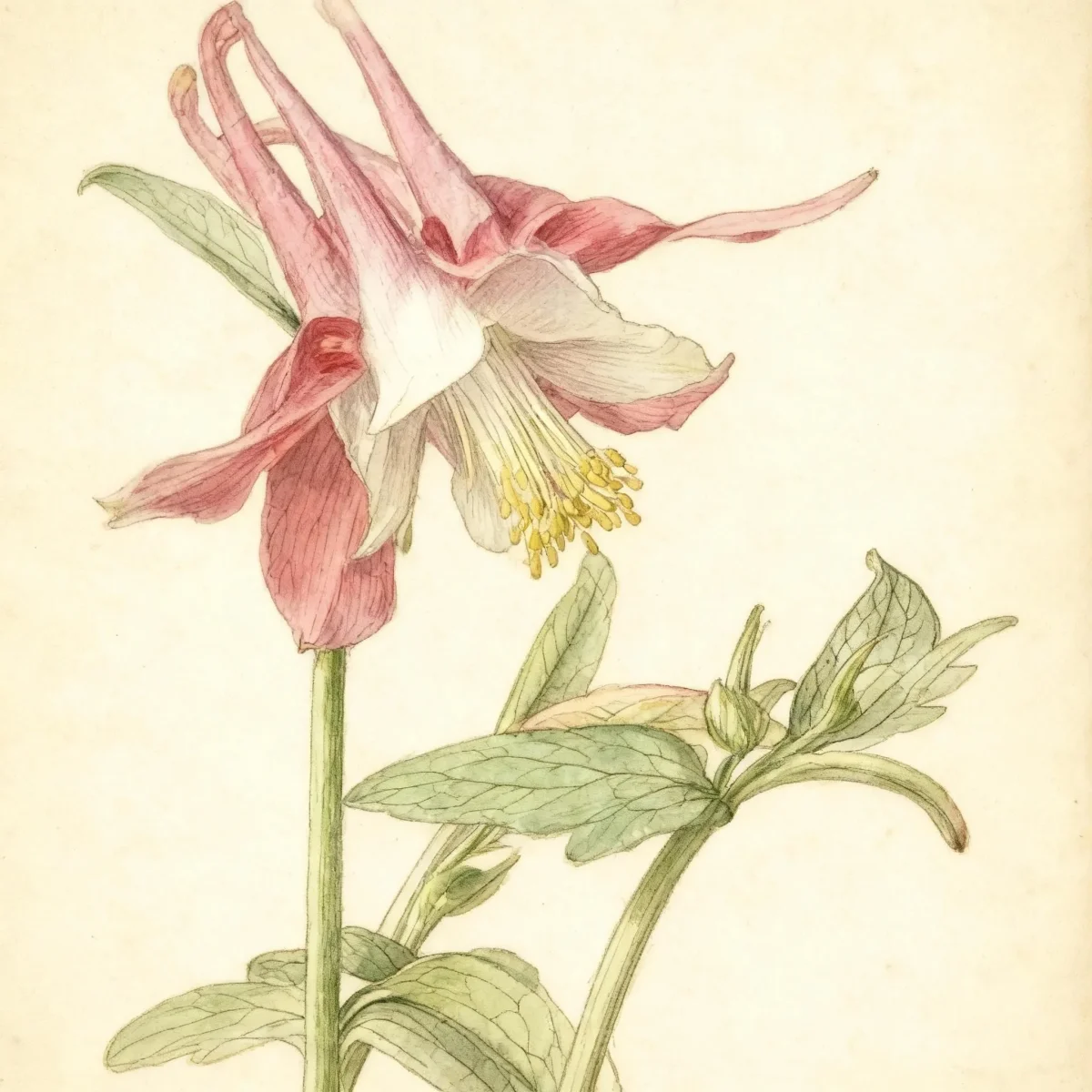
Columbine (Aquilegia canadensis 'Little Lanterns')
Compact spring wildflower, Aquilegia canadensis 'Little Lanterns' (Columbine) offers nodding red/yellow spurs and attracts hummingbirds.
Scroll down to discover growing tips, care requirements, companion plants, and more
Complete Plant Information
Overview
Aquilegia canadensis ‘Little Lanterns’ is a captivating, compact selection perfect for gardeners seeking native appeal without excessive height. This cultivar of the Eastern Columbine produces striking, nodding, bell-like flowers in shades of red and yellow that are particularly irresistible to hummingbirds early in the season. As a Missouri native wildflower, it brings inherent ecological value to woodland or cottage garden settings.
This herbaceous perennial thrives across a wide range of conditions, provided good drainage is maintained, making it a versatile addition to the landscape. While it tolerates sun to part shade, keeping the soils uniformly moist after the initial spring bloom helps preserve the attractiveness of its delicate foliage throughout the summer months. Aquilegia canadensis ‘Little Lanterns’ freely self-seeds, allowing it to naturalize easily and form lovely, low-maintenance colonies.
Gardeners appreciate the resilience of this specific Columbine, noting its superior resistance to the leaf miners that often plague other Aquilegia varieties. By thoughtfully removing spent flowering stems, you encourage repeat blooming, maximizing the visual impact of this robust, low-growing perennial throughout its spring display.
Fast Facts
- Plant Family: Ranunculaceae
- Plant Type: Herbaceous perennial
- Hardiness Zones: USDA Zones 3-8
- Size at Maturity:
- Height: 0.75-1 ft
- Spread: 0.75-1 ft
- Bloom Time: April to May
- Bloom Description: Red/yellow
- Sun Exposure: Full sun to part shade
- Water Needs: Medium
- Maintenance Level: Medium
How to Grow
Plant Aquilegia canadensis ‘Little Lanterns’ in the spring or fall in average, medium, well-drained soil. While it exhibits a wide soil tolerance, it performs best in rich, moist soils if placed in locations receiving light to moderate shade. If sited in full sun, consistent moisture becomes even more critical to prevent foliage decline.
Water needs are medium; aim to keep soils consistently moist, especially immediately following the main bloom period to maintain the foliage appearance late into summer. Fertilization is usually unnecessary if the native soil is adequate, though rich soil encourages stronger growth. Maintenance involves deadheading; remove flowering stems after the bloom period concludes to encourage a possible second flush of flowers.
If the foliage depreciates significantly later in the season, plants can be cleanly cut back near the ground. Recognizing that ‘Little Lanterns’ will readily self-seed is key to its management; allow some spent flowers to remain if you desire naturalized colonies. This compact Columbine is an excellent choice for gardeners establishing a low-input wildflower area.
Landscape Uses
The versatility of Aquilegia canadensis ‘Little Lanterns’ makes it suitable for several design applications. Its compact stature, rarely exceeding one foot, perfectly suits borders where taller plants might overshadow it, or as an edging plant along paths. It excels when naturalized in woodland gardens or lightly shaded areas where it can mingle effectively with spring ephemerals.
Consider using this Columbine in mixed cottage gardens, where its nodding, spur-laden flowers contrast beautifully with broad-leafed groundcovers or taller Iris varieties. Furthermore, its specialized flower structure makes it an indispensable component of any dedicated hummingbird garden, providing vital early-season nectar.
Standout Features
Flower Qualities
- Showy
Noteworthy Characteristics
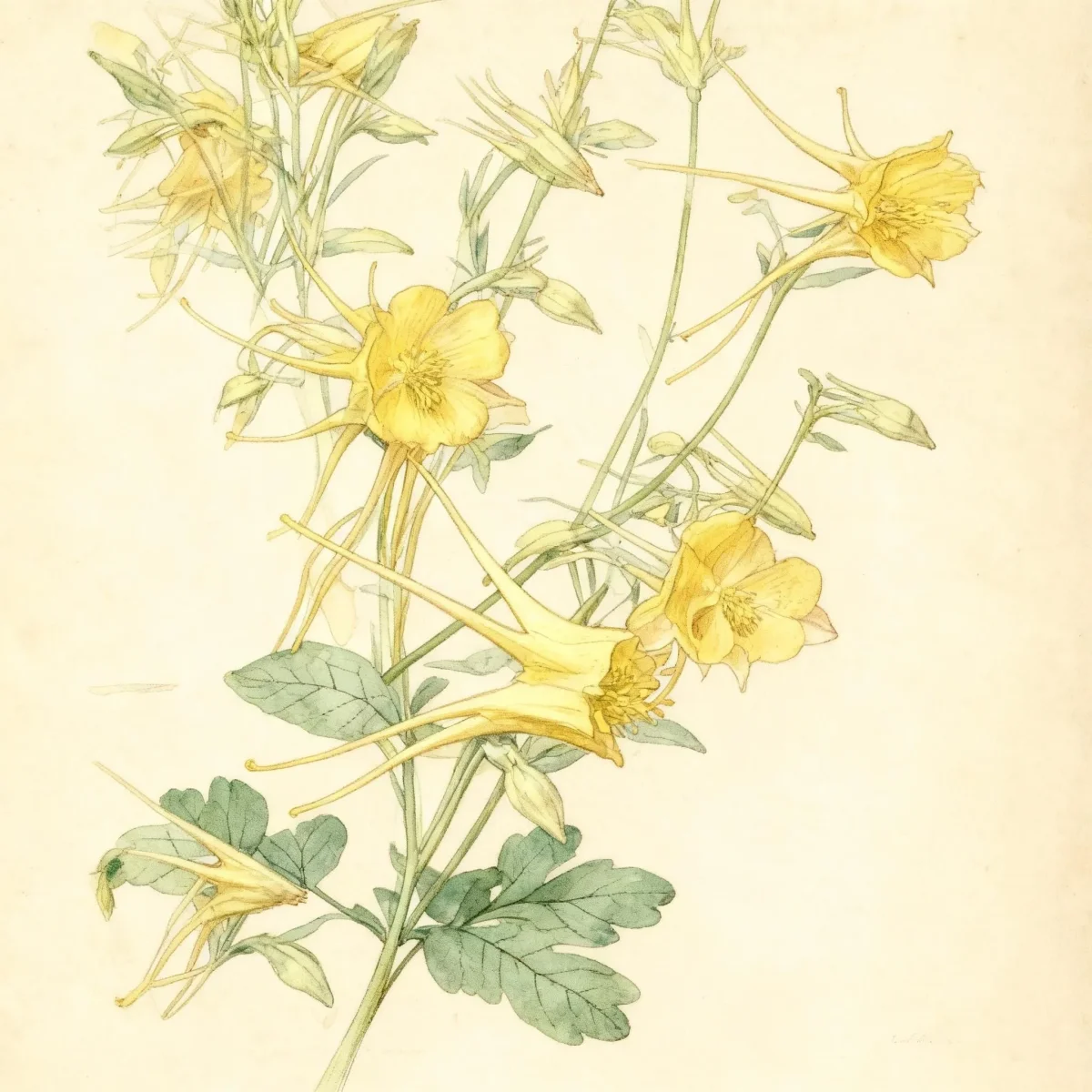
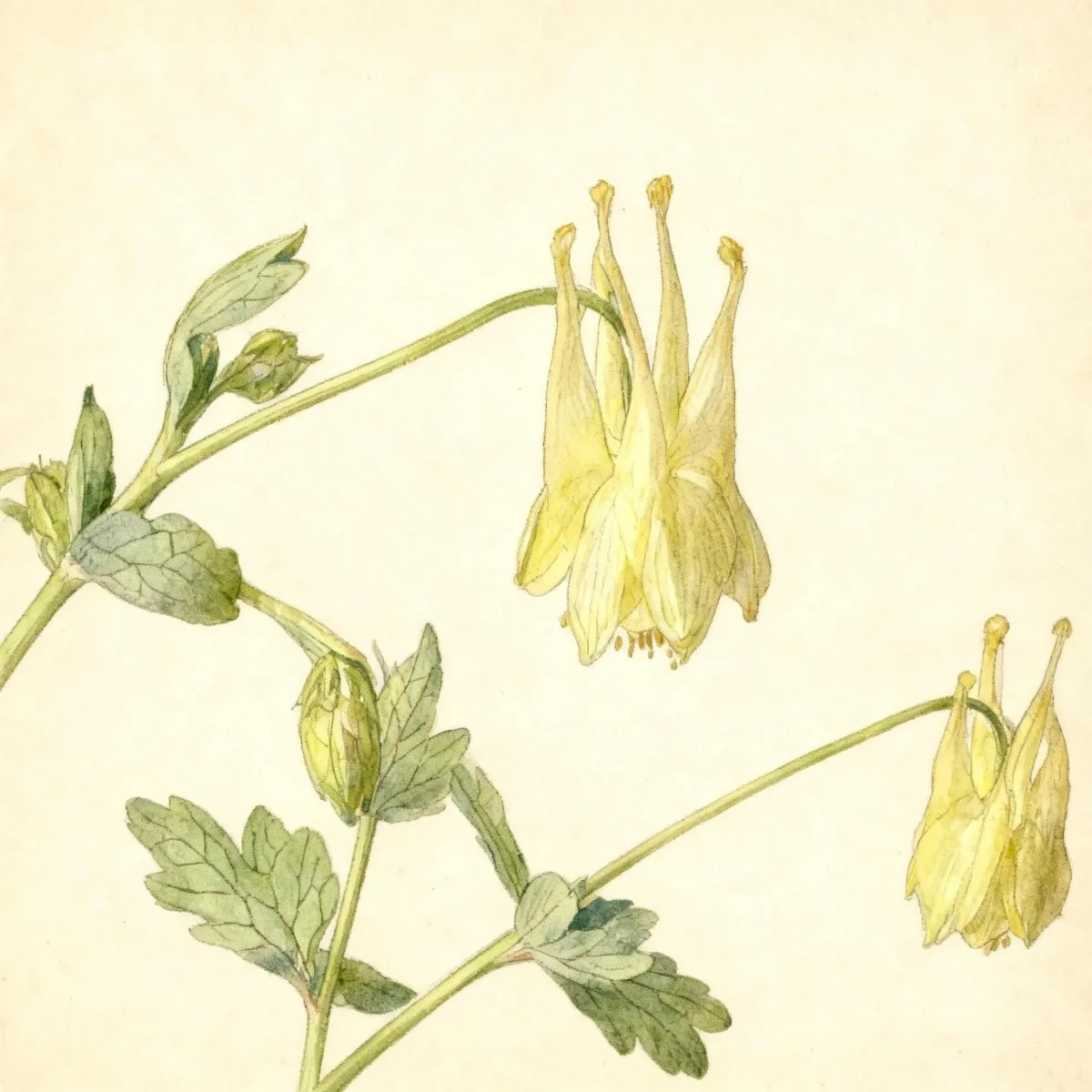
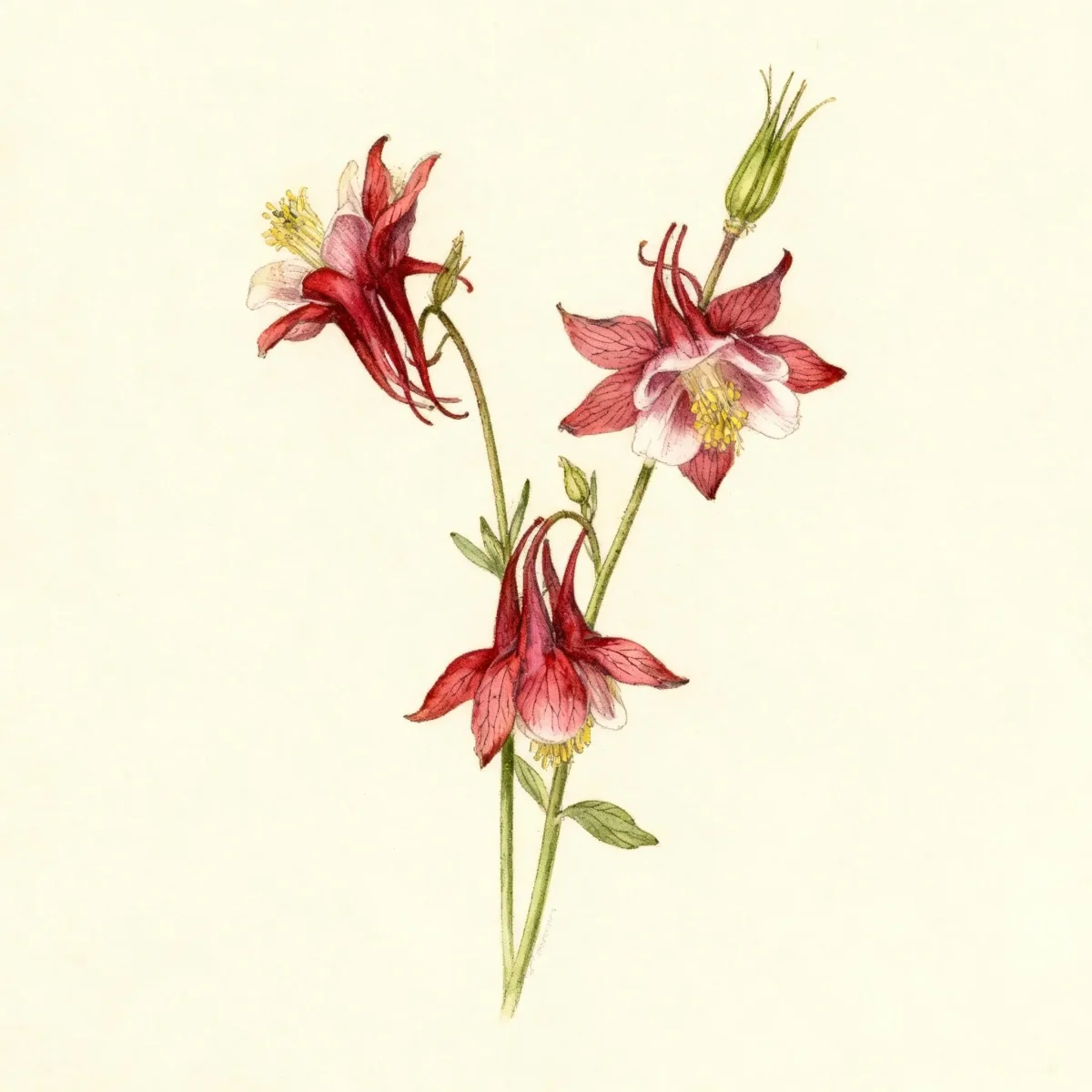
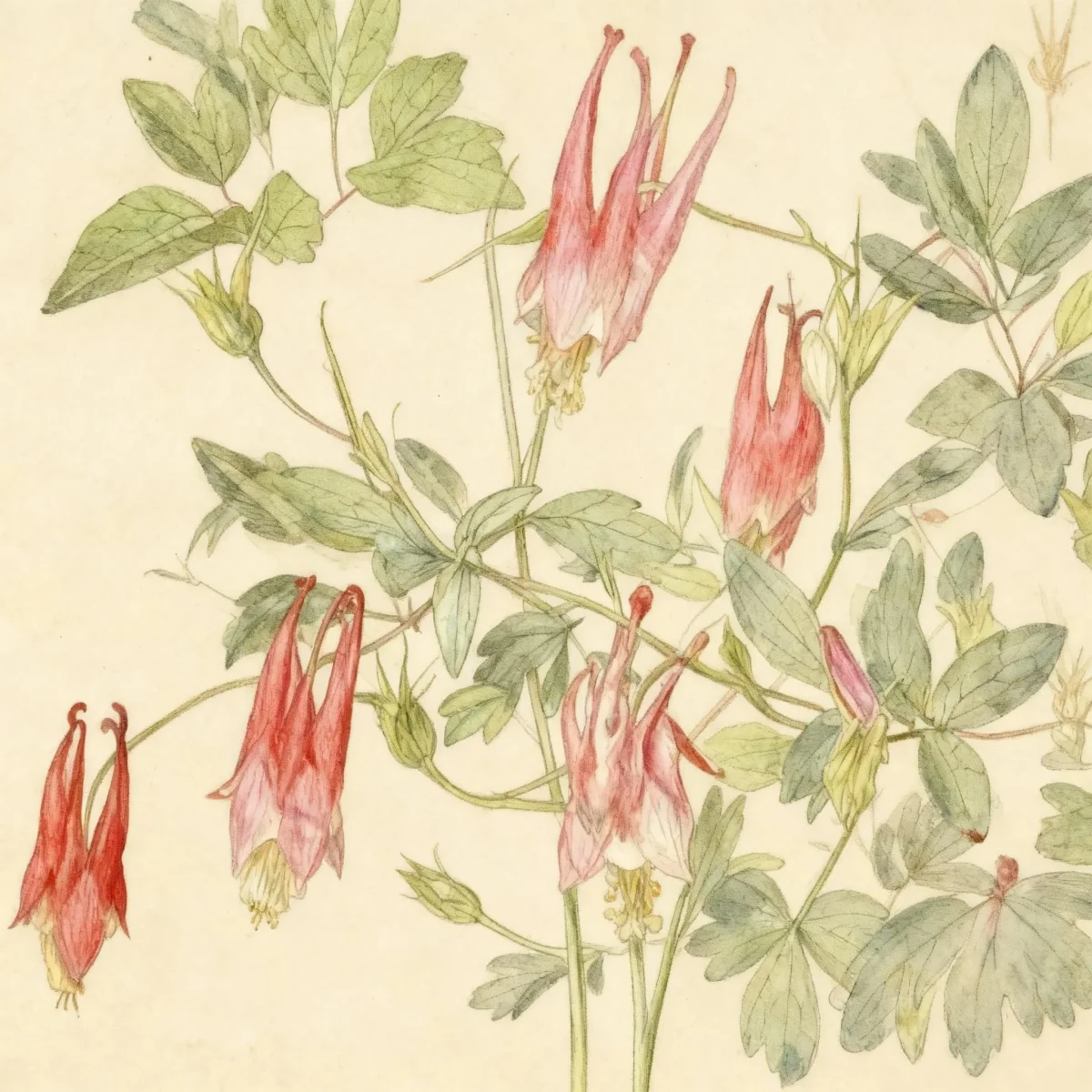
Aquilegia canadensis is a Missouri native spring wildflower which occurs in rocky woods, slopes, ledges and open areas throughout the State. Features drooping, bell-like, 1-2”, red and yellow flowers (red sepals, yellow-limbed petals, 5 distinctive red spurs and a mass of bushy yellow stamens). Delicate, biternate foliage is somewhat suggestive of meadow rue (Thalictrum) and remains attractive throughout the summer as long as soils are kept moist. Flowers are quite attractive to hummingbirds. Genus name comes from the Latin word for eagle in reference to the flower’s five spurs which purportedly resemble an eagle’s talon. Specific epithet means of Canada or also of north-eastern North America. ‘Little Lanterns’ is a compact version of the species that grows to only 10” tall.
Tolerances
- Rabbit
- Deer
- Drought
- Dry Soil
Potential Problems
This species boasts inherent resistance to the leaf miner pest, which severely damages the foliage of many other columbine species and hybrids. Gardeners should expect that Aquilegia canadensis ‘Little Lanterns’ retains this improved resistance. Due to its native origins and adaptability, severe pest or disease issues are infrequent when proper drainage is provided.
Frequently Asked Questions
What hardiness zones is Columbine suitable for?
This variety, Aquilegia canadensis ‘Little Lanterns’, is hardy and reliably grown in USDA Zones 3 through 8.
How large does Aquilegia canadensis ‘Little Lanterns’ grow?
This specific cultivar is valued for its compact size, reaching mature heights between 0.75 and 1 foot, with a similar spread.
When does Columbine bloom?
The primary bloom time for Columbine is typically from April through May, showcasing its distinctive red and yellow flowers.
What sun exposure does Aquilegia canadensis ‘Little Lanterns’ need?
This plant performs well in a range extending from full sun to partial shade conditions.
Conclusion
Aquilegia canadensis ‘Little Lanterns’ brings excellent native structure, hummingbird attraction, and pest resistance to the spring garden. By acknowledging its preference for consistent moisture post-bloom to maintain foliage quality, you ensure an attractive display all season long. Check your local climate compatibility with USDA Zones 3-8 before planning your planting this spring.
Companion Planting
When selecting neighbors for your Columbine, focus on plants that share similar needs for medium moisture and appreciation for dappled light provided by deciduous trees. Hostas, especially smaller varieties, make excellent companions, offering contrasting broad leaves that complement the delicate, ferny foliage of the Columbine.
Consider incorporating spring-blooming woodland companions like Virginia Bluebells (Mertensia virginica) or wild Geraniums (Geranium maculatum). These plants bloom concurrently with Aquilegia canadensis ‘Little Lanterns’, creating a rich tapestry of spring color before the summer heat sets in.
Wildlife Benefits
The unique, spurred structure of the Columbine flower is perfectly adapted for specialized pollinators, most notably hummingbirds, which use the long spurs as nectar sources. Planting large drifts of this native wildflower ensures a reliable, early-season food source when other nectar production lags.
While the flowers attract birds, the foliage itself tends to deter common browsing mammals, as indicated by its tolerance to deer and rabbits. This makes the compact structure of Aquilegia canadensis ‘Little Lanterns’ a relatively safe ornamental choice when screening is needed near deer pathways.