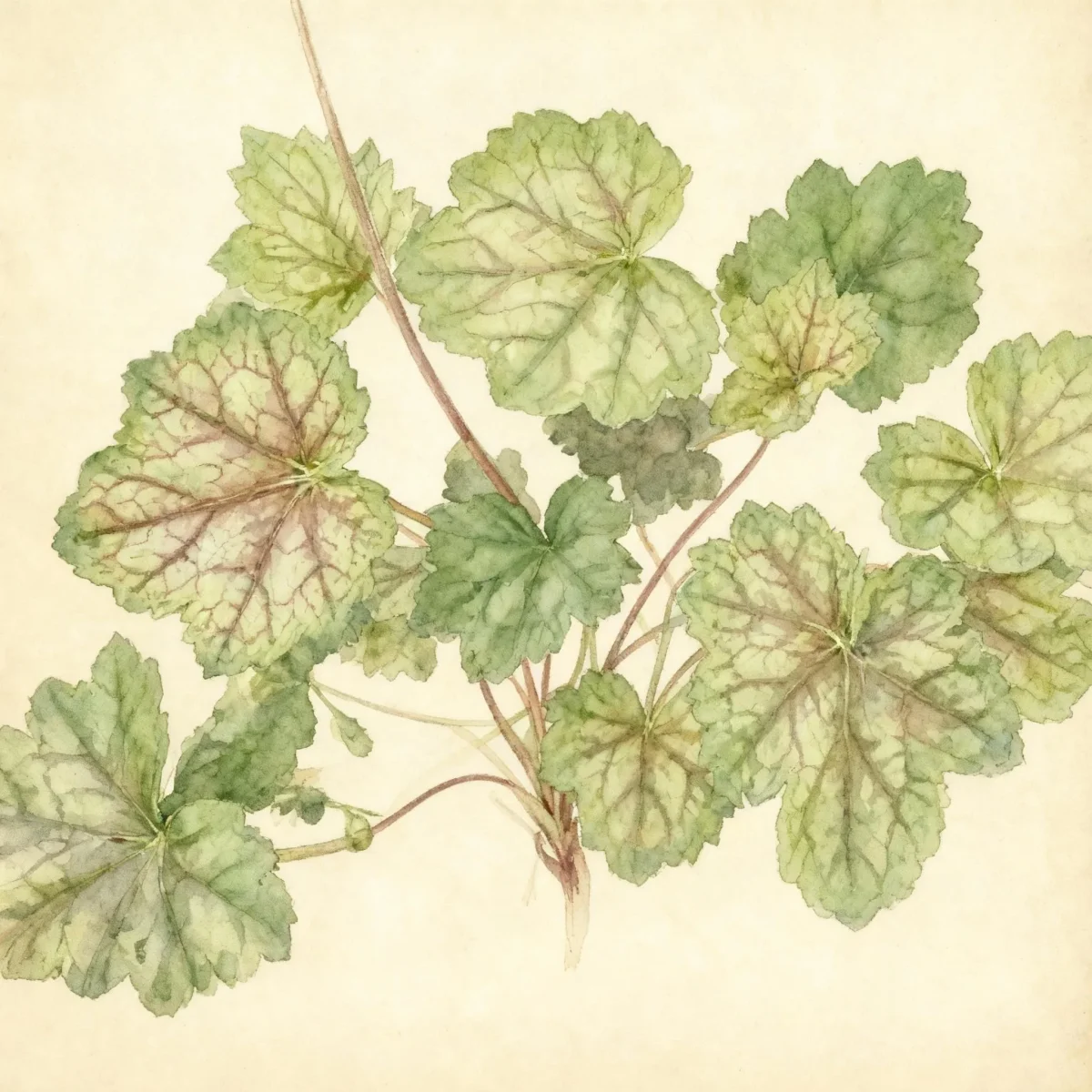
Coral bells (Heuchera 'Rachel')
Heuchera 'Rachel' (Coral bells) is a clump-forming perennial noted for reddish purple foliage and airy pink blooms. Best in part shade.
Scroll down to discover growing tips, care requirements, companion plants, and more
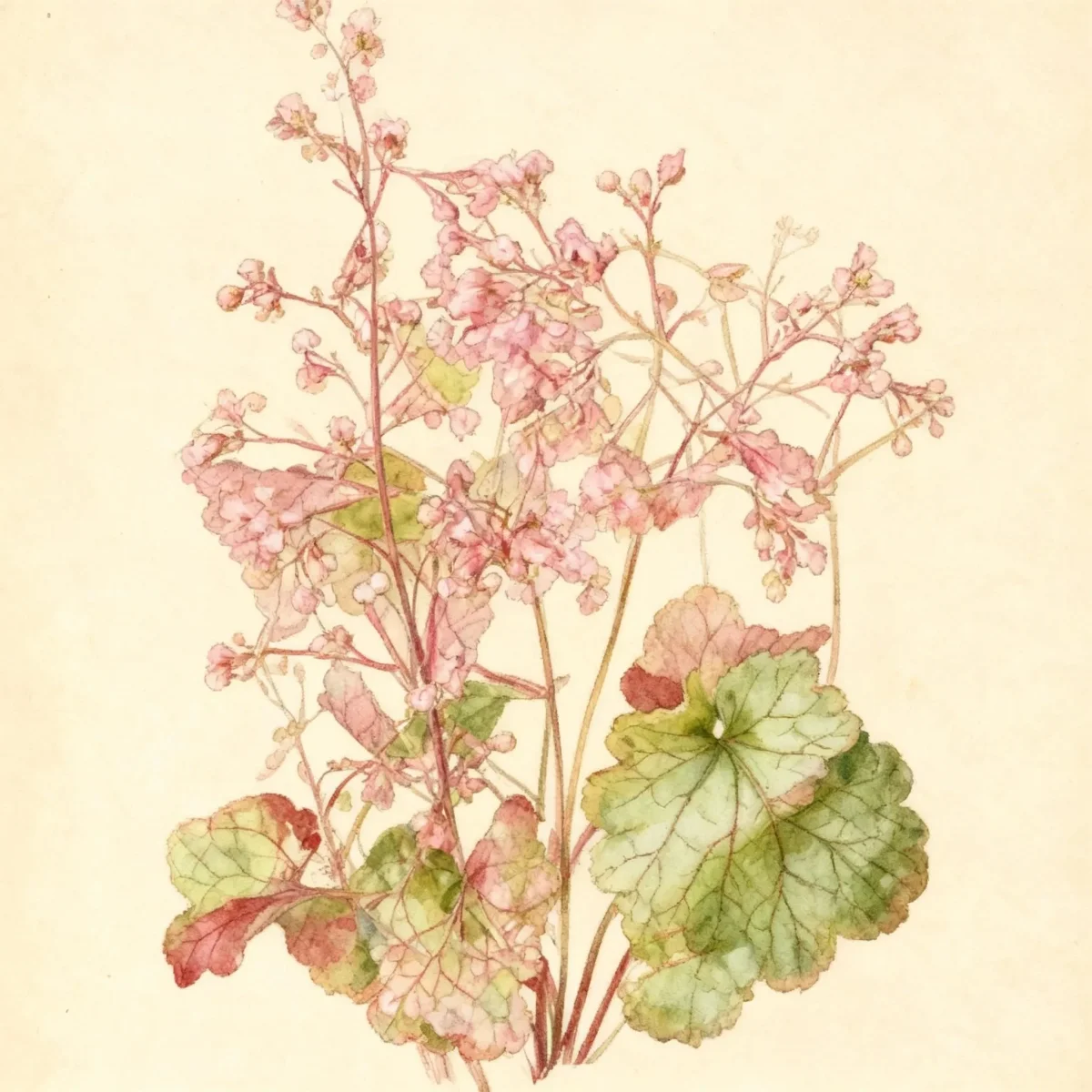
Complete Plant Information
Overview
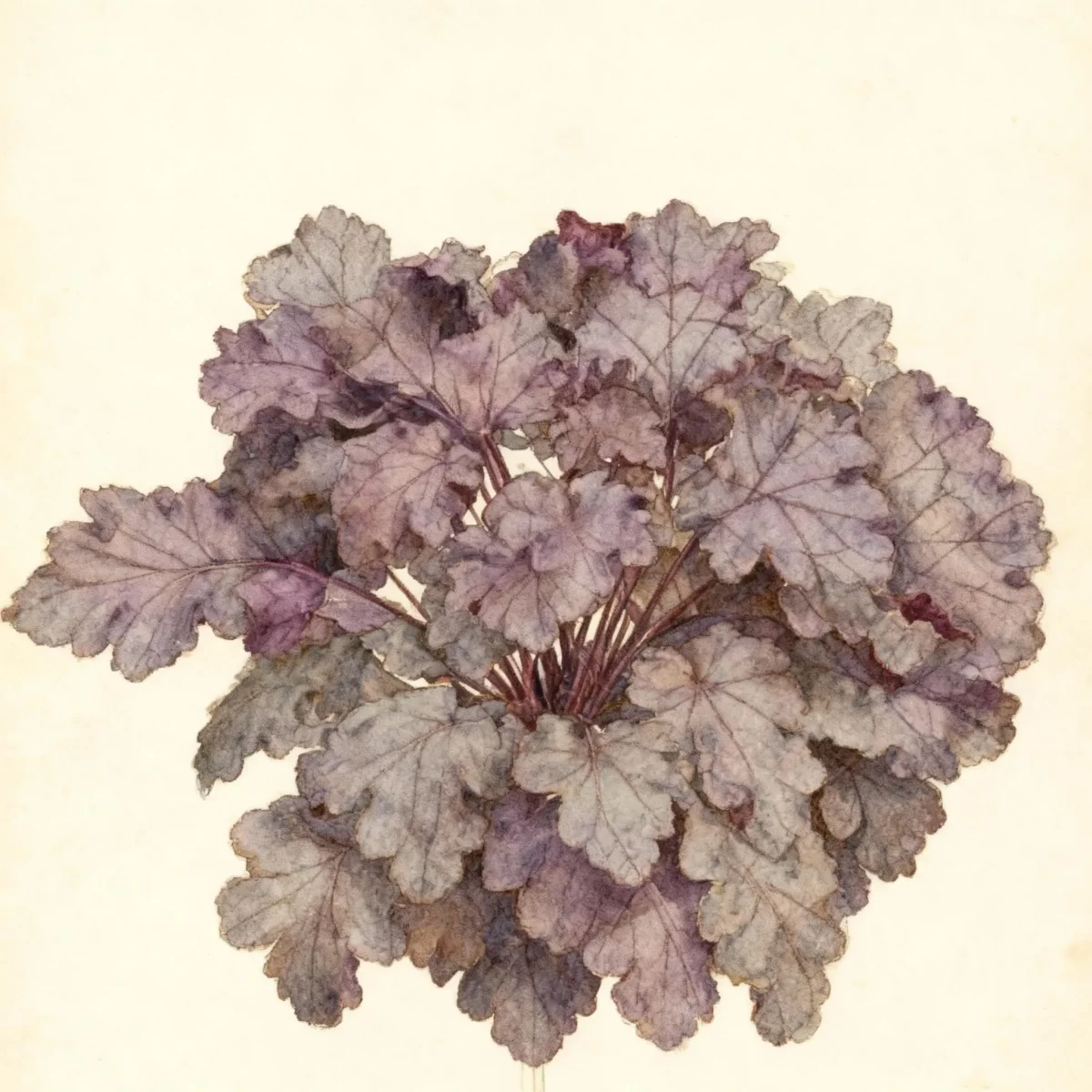
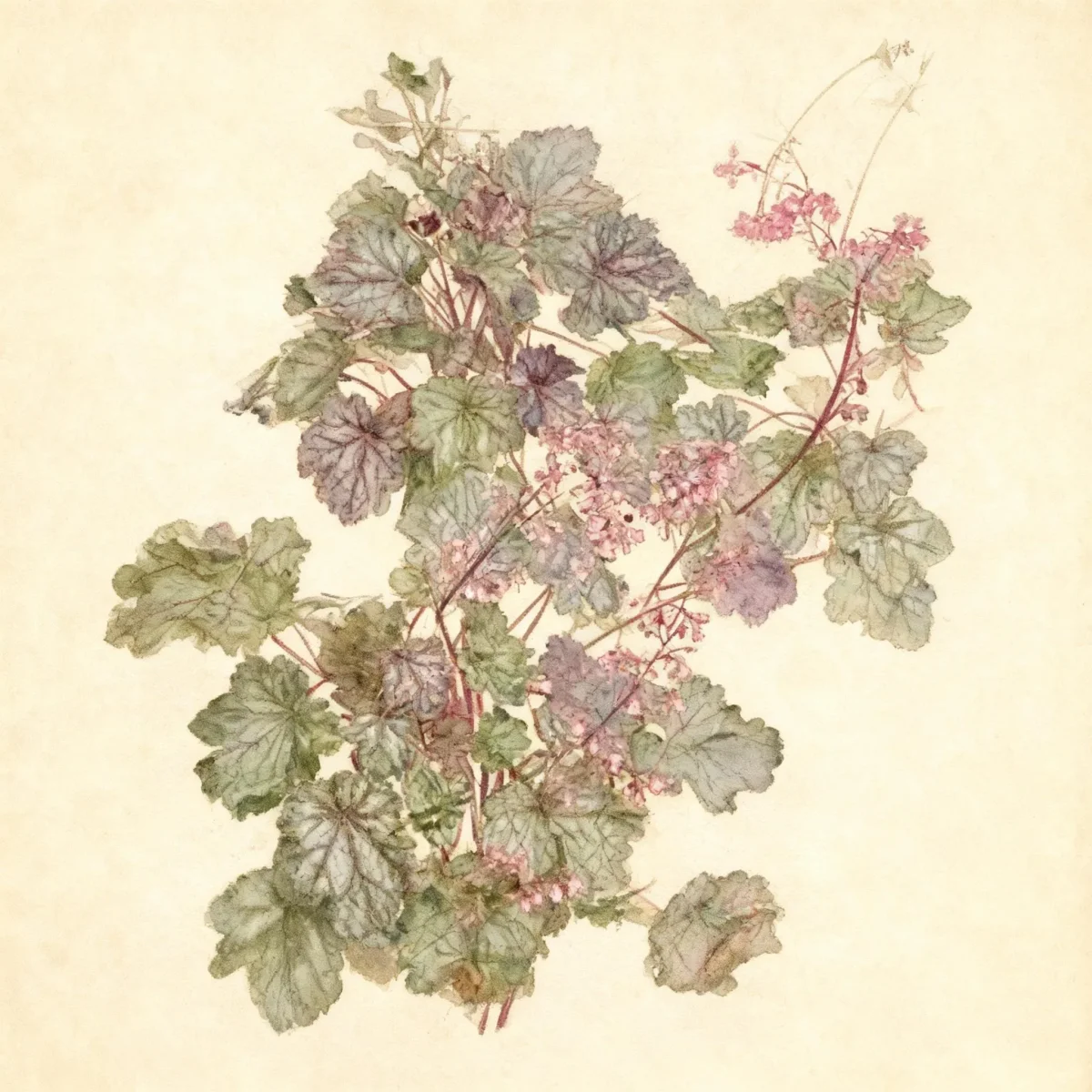
Heuchera ‘Rachel’, commonly known as Coral bells, offers striking foliage contrast coupled with delicate summer blooms, making it a garden staple. This cultivar is celebrated for its compact, dependable clumping habit and rich, long-lasting leaf color, which provides structure even when flowers are absent. As an evergreen to semi-evergreen perennial native to North America, Heuchera ‘Rachel’ brings reliable texture and color to shaded garden spaces.
This cultivar typically forms a rounded, basal mound of lobed leaves, topped by slender stems bearing airy panicles of pink flowers during mid-summer. While parentage is often unknown in commercial hybrids, Heuchera ‘Rachel’ performs reliably within USDA Zones 4 through 9. Gardeners value its versatility, deploying it effectively in borders, rock gardens, or woodland settings where its foliage can truly shine.
Successful cultivation relies on honoring its woodland origins; deep, well-drained, humus-rich soil is paramount for long-term health. Although some sun-tolerant hybrids exist, especially in cooler northern regions, protecting Heuchera ‘Rachel’ from intense afternoon heat in southern zones prevents foliage scorch. Consistent moisture management is key to maintaining vibrant foliage quality throughout the growing season.
Fast Facts
- Plant Family: Saxifragaceae
- Plant Type: Herbaceous perennial
- Hardiness Zones: USDA Zones 4-9
- Size at Maturity:
- Height: 1-1.5 ft
- Spread: 0.75-1 ft
- Bloom Time: June to July
- Bloom Description: Pink
- Sun Exposure: Full sun to part shade
- Water Needs: Medium
- Maintenance Level: Medium
How to Grow
The ideal planting time for Heuchera ‘Rachel’ is typically spring or early fall, ensuring the plant can establish roots before stressful temperatures hit. Plant Coral bells in locations receiving organically rich, humusy soil that provides excellent drainage. Though they tolerate full sun in cooler climates, aim for dappled or afternoon shade, especially where summers are intense, to avoid foliage burn.
Maintain medium moisture levels; Heuchera ‘Rachel’ dislikes drying out completely, particularly when sited in brighter exposures. If grown in full sun, this requirement for consistent moisture becomes even more critical to prevent scorch and decline. Fertilizing is generally unnecessary if the soil is rich, but a spring top-dressing of compost benefits root health. Deadhead expired flower stalks to encourage any potential repeat blooming.
In cold winter climates, the amount of retained foliage color depends directly on temperature severity. Apply a winter compost mulch only after the ground has frozen solid to help anchor the roots and prevent damaging winter frost heaving. To keep clumps vigorous, plan to divide Heuchera ‘Rachel’ every three to four years, performing this task in the spring.
Landscape Uses
Coral bells excel as an element of contrasting texture and color within mixed perennial beds. Heuchera ‘Rachel’ works beautifully when massed or planted in drifts along borders, where its uniform mounds create an effective, low-maintenance edging along paths or walkways. Its ability to thrive in dappled light also makes it an excellent candidate for naturalizing beneath high tree canopies or in open woodland garden designs.
When planning companions, select plants that share similar texture and light needs, such as ferns, hostas, or smaller shade-loving groundcovers. The rich, dark foliage tones of Heuchera ‘Rachel’ provide a superb backdrop against brighter greens, blues, or silver foliage plants. Use these plants near entertainment areas or pathways to ensure their year-round foliage interest is easily appreciated.
Standout Features
Flower Qualities
- Showy
Noteworthy Characteristics
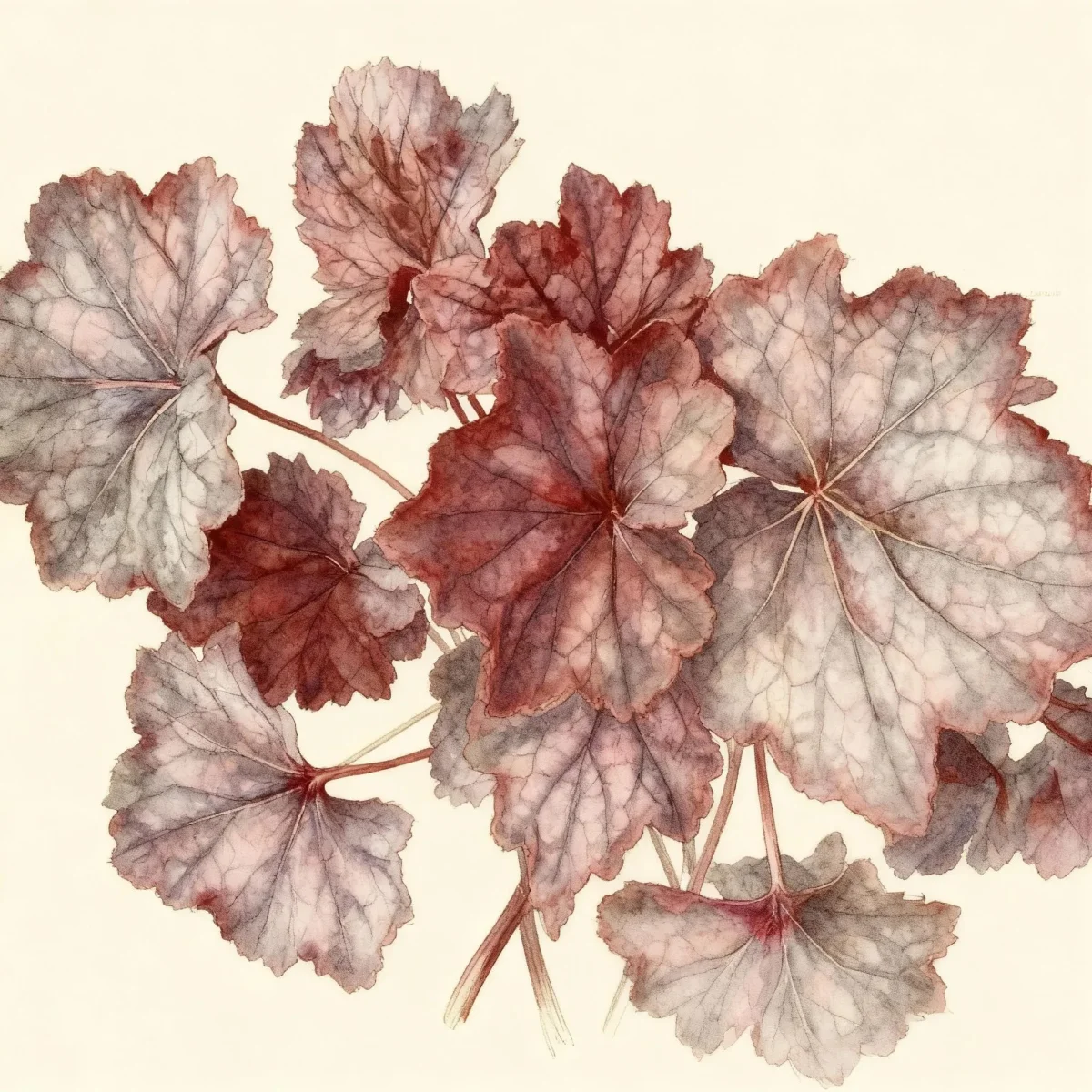
Heuchera, commonly called alumroot, comprises about 55 species of evergreen to semi-evergreen herbaceous perennials native across North America, inhabiting diverse areas from woodlands to rocky cliffs. Modern hybrid Coral bells, like ‘Rachel’, feature an expanded palette of leaf colors beyond those found in the species, often displaying streaked, mottled, or marbled variegation. ‘Rachel’ specifically forms a compact mound (to 8” tall) of reddish purple leaves, contrasted by tiny, airy pink flowers rising on slender stems, typically to 18” tall in late spring and early summer.
Tolerances
Potential Problems
Frost heaving is a genuine concern during fluctuating winter temperatures, where repeated thawing and freezing cycles can push roots above the soil line. Prevention involves adding mulch only after the soil freezes hard in late fall. Watch for common fungal issues like powdery mildew, rust, and bacterial leaf spot, often promoted by poor air circulation or overly wet summer conditions. Insect pests, though less common, can include damaging weevils and foliar nematodes. Ensure good air flow and avoid overhead watering, especially in the evening, to mitigate disease pressure.
Frequently Asked Questions
What hardiness zones is Coral bells suitable for?
Heuchera ‘Rachel’ (Coral bells) is suitable for growing in USDA Hardiness Zones 4 through 9.
How large does Heuchera ‘Rachel’ grow?
This plant develops a basal mound generally reaching 1 to 1.5 feet in height, with a spread between 0.75 and 1 foot wide.
When does Coral bells bloom?
Heuchera ‘Rachel’ features its attractive pink flowers typically blooming from June through July.
What sun exposure does Heuchera ‘Rachel’ need?
This cultivar prefers full sun to part shade, but gardeners should ensure it receives afternoon shade when planted in hotter regions to prevent leaf scorch.
Conclusion
Heuchera ‘Rachel’ stands out due to its year-round foliage appeal and its charming display of pink summer flowers, making it an indispensable element for textured garden design. Whether you call it Coral bells or Heuchera ‘Rachel’, this perennial offers resilient color and structure even when conditions are challenging. Before planting, confirm your site offers the humus-rich, well-drained soil this plant demands for optimal performance.
Propagation Tips
Propagating your established Heuchera ‘Rachel’ clumps is efficiently done via division every few years. This biennial task should be undertaken in the spring once new growth is evident but before the plant has fully surged for summer growth. Carefully lift the entire clump using a sharp spade, gently tease the root mass apart, ensuring each division has several healthy roots and a strong crown of leaves. Replant the sections immediately into prepared soil at the same depth, watering thoroughly to help them recover quickly.
Dividing helps rejuvenate older clumps and prevents overcrowding, which can lead to decreased vigor or increased vulnerability to disease. Unlike species plants that can sometimes be grown from seed, established hybrids like this cultivar are almost always best increased through physical garden division for true-to-type results.
Companion Planting
Coral bells thrive best alongside other shade-loving plants that share critical cultural needs: rich, moist, well-drained soil and protection from harsh, direct sun. Excellent companions include various Hostas (especially those with blue or chartreuse foliage for strong contrast against the reddish-purple leaves of Heuchera ‘Rachel’), delicate woodland ferns such as the Japanese Painted Fern, and Astilbes, whose feathery plumes echo the airy structure of the Heuchera flowers.
Grouping these plants helps create the humid microclimate that benefits all members of the planting community. When designing, think vertically; use taller ferns as background screens while keeping the low-mounding habit of Heuchera ‘Rachel’ near the edges for maximum visual impact. This grouping strategy enhances texture as well as color cohesion throughout the growing season.