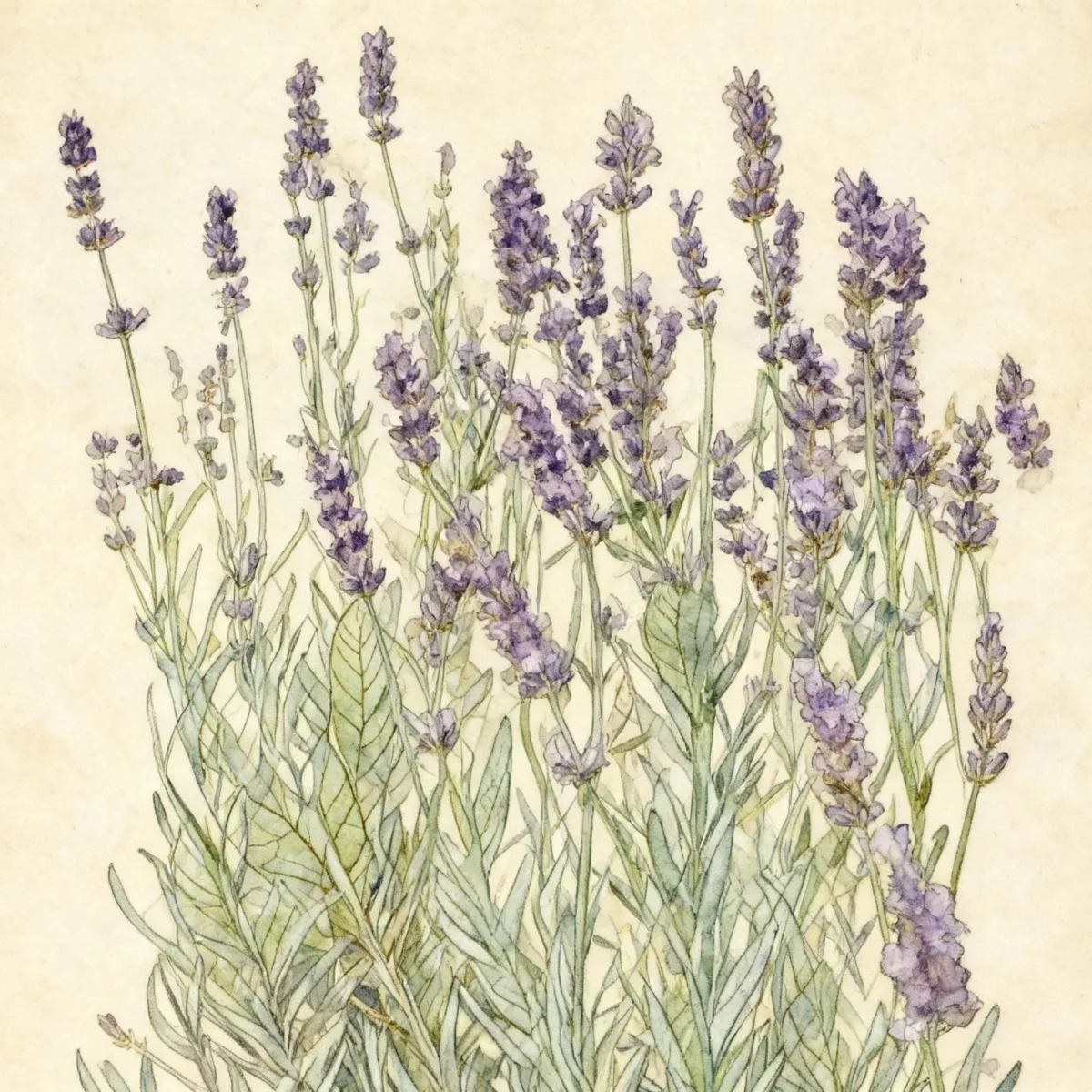
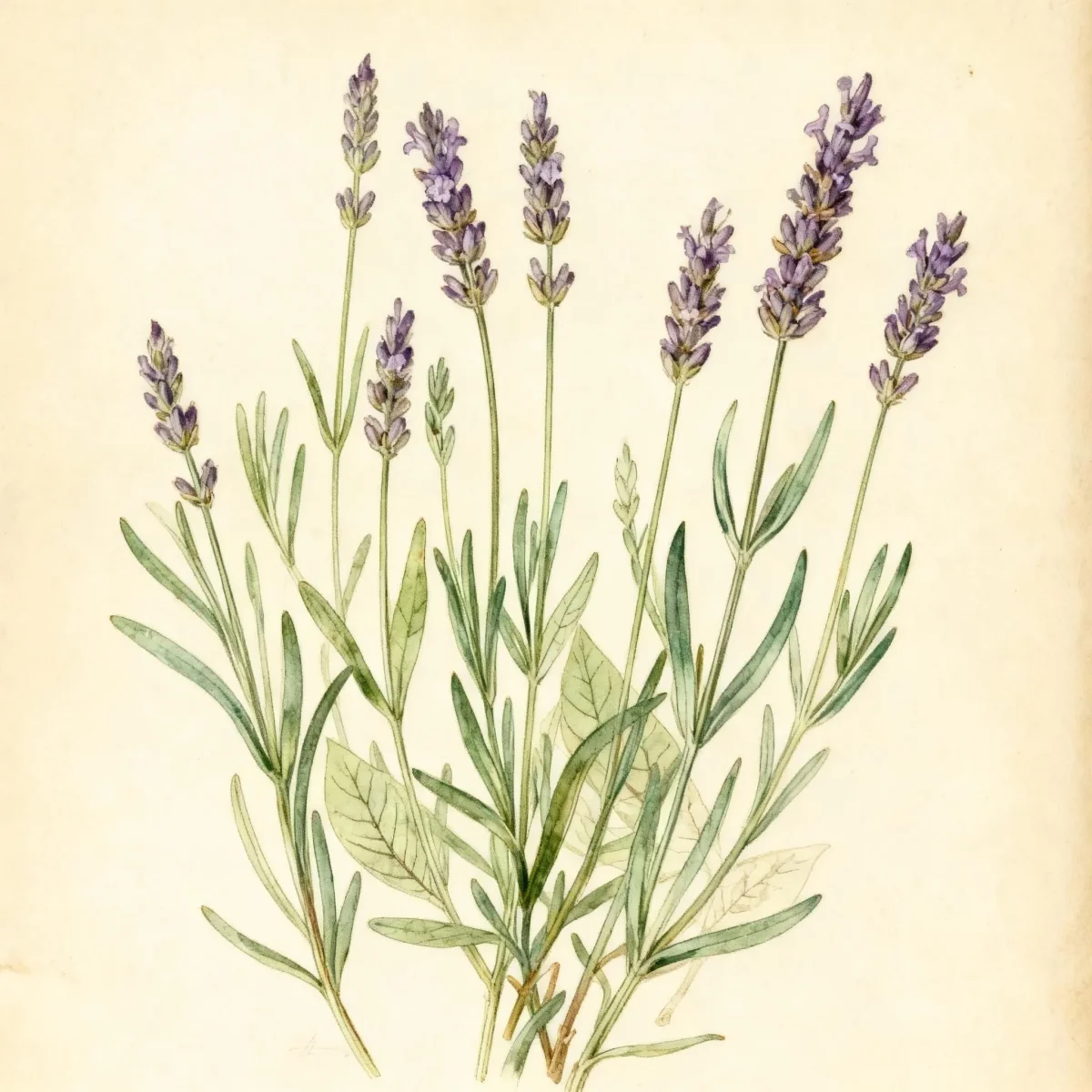
Lavandin (Lavandula × intermedia 'Seal')
Lavandula × intermedia 'Seal' (Lavandin) offers fragrant, showy violet blooms from July to August in sunny, dry conditions.
Scroll down to discover growing tips, care requirements, companion plants, and more
Complete Plant Information
Overview
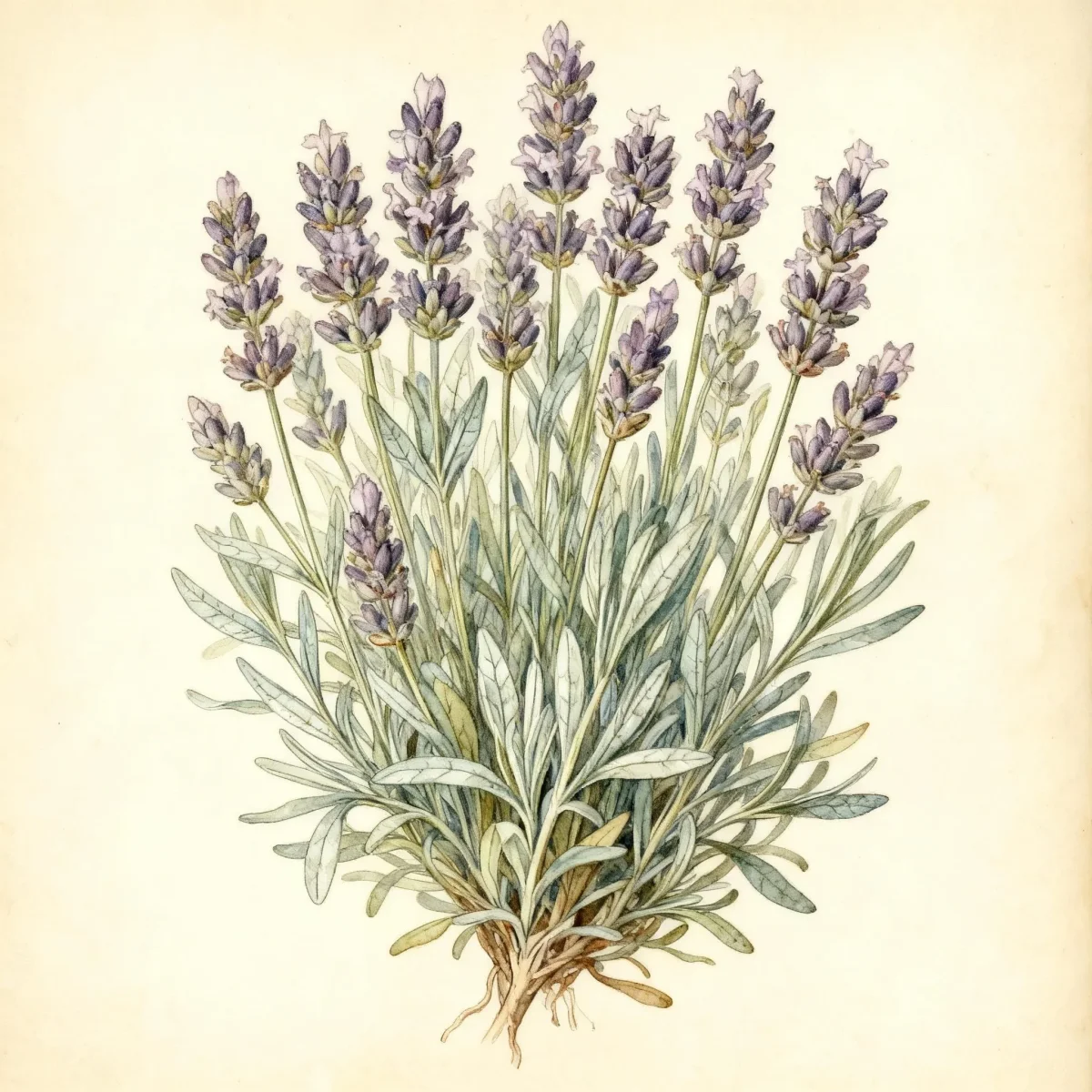
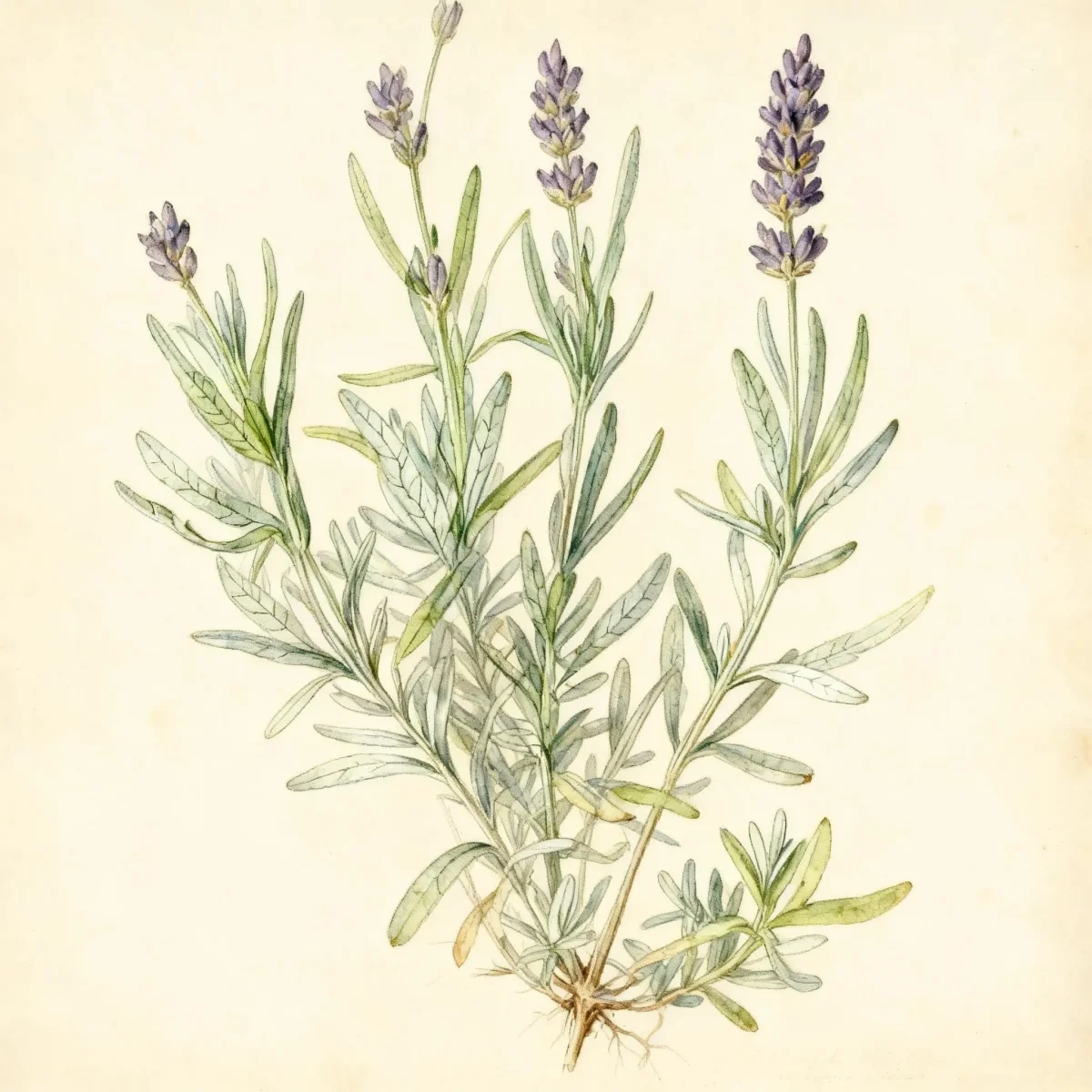
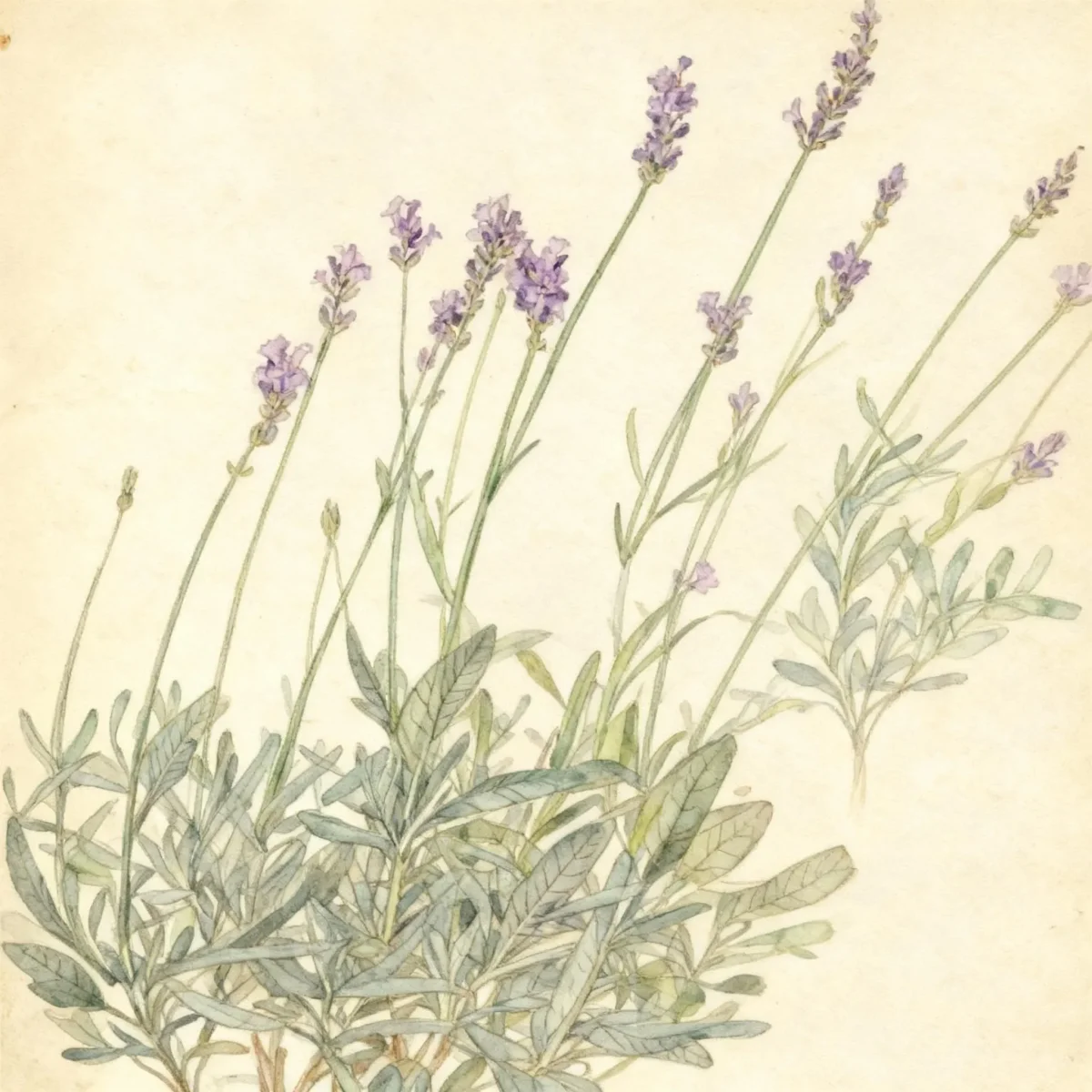
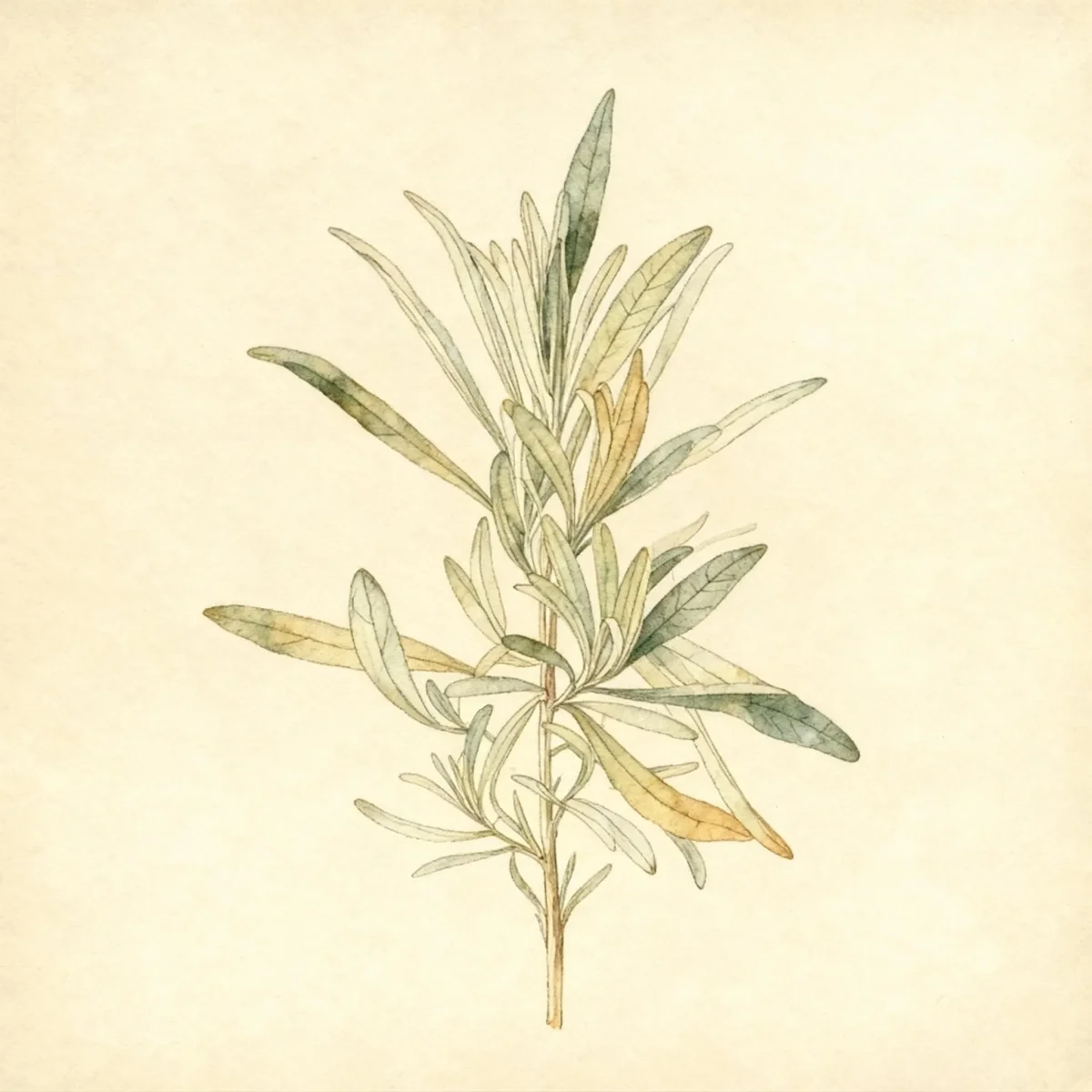
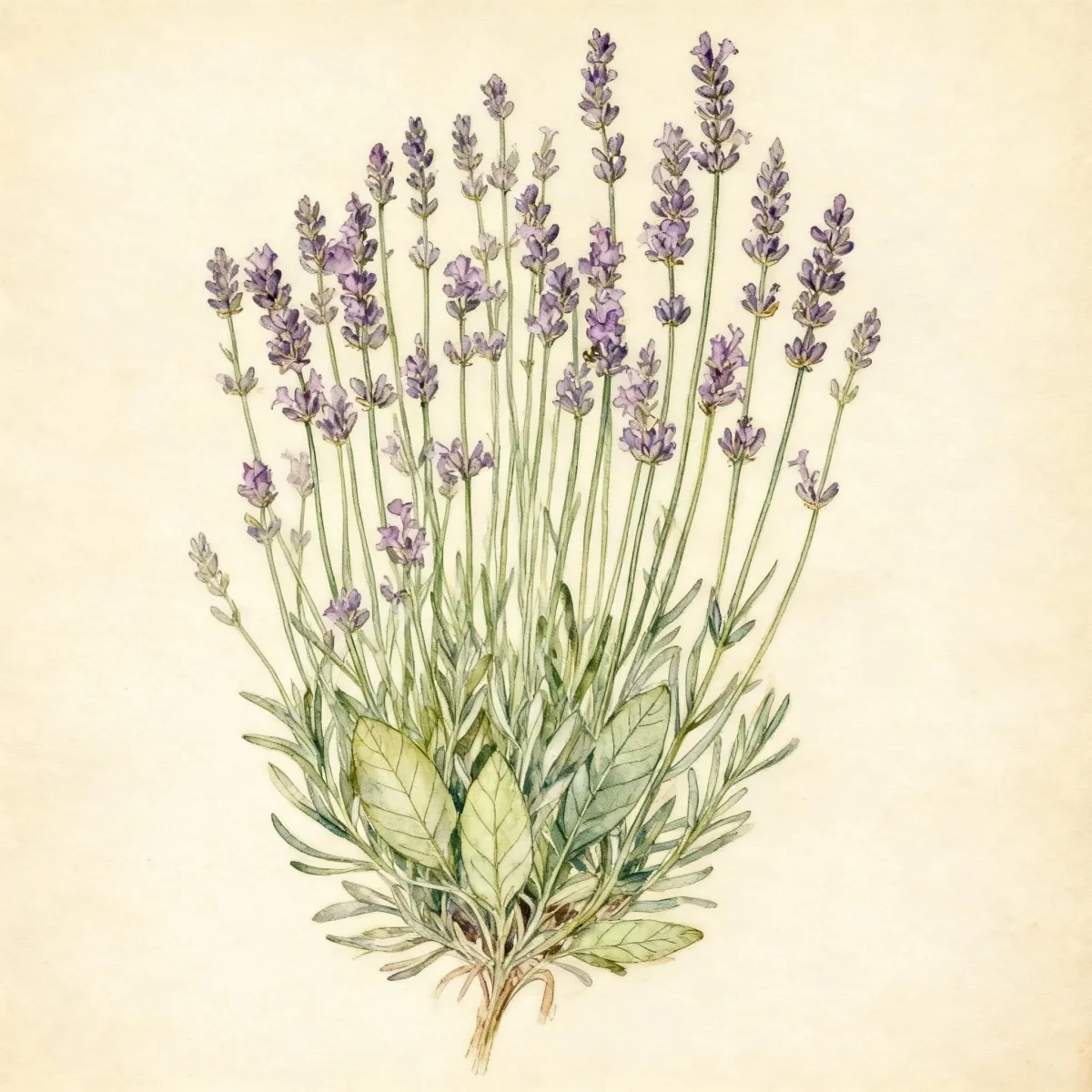
Lavandula × intermedia ‘Seal’, commonly known as Lavandin, is a highly aromatic, semi-woody hybrid lavender valued for its robust growth and intense fragrance. This cultivar brings vibrant violet flowers and attractive silver-green foliage to the mid-summer garden. While botanically valued, Lavandin is generally utilized more for aromatic applications like sachets rather than culinary uses.
Growing Lavandula × intermedia ‘Seal’ successfully requires attention to drainage, as this plant strongly rejects wet feet, especially in winter. It thrives when exposed to full sun and prefers drier soil once established, making it suitable for xeriscaping or rock gardens. Experienced gardeners appreciate the visual appeal and pest resistance offered by this versatile perennial.
The cultivar ‘Seal’ typically forms a tidy, shrubby mound, offering consistent color and texture contrast throughout the season. Successful cultivation hinges on providing alkaline, well-drained conditions to ensure long-term health and robust blooming performance for this beautiful Lavandin variety.
Fast Facts
- Plant Family: Lamiaceae
- Plant Type: Herbaceous perennial
- Hardiness Zones: USDA Zones 5-8
- Size at Maturity:
- Height: 2-3 ft
- Spread: 2-3 ft
- Bloom Time: July to August
- Bloom Description: Violet
- Sun Exposure: Full sun
- Water Needs: Dry to medium
- Maintenance Level: Medium
How to Grow
Plant Lavandin in average, well-drained, alkaline soil, ensuring the location receives full sun exposure throughout the day. Proper drainage is paramount, particularly during winter months, as poorly drained soils are the primary cause of root rot, which frequently attacks this plant species. For areas like the St. Louis region where high summer humidity is common, avoid using organic mulch and opt instead for rock mulch to improve soil aeration around the crown.
Watering should be provided sparingly; treat this Lavender as drought-tolerant once established, allowing the soil to dry out between waterings. Fertilization should also be kept light, as this plant prefers somewhat low fertility. Prune to maintain shape immediately in spring just as new leaves emerge. For rejuvenation and size control, prune established plants back severely to about 8 inches every third spring.
Be mindful of winter hardiness in USDA Zone 5; plants here may struggle if temperatures drop below zero without protective snow cover and may benefit immensely from a sheltered microclimate. Removing faded flower spikes promptly encourages more bloom production throughout the summer season.
Landscape Uses
Lavandin offers significant ornamental value beyond its role in the traditional herb garden. The striking contrast between the silvery-green foliage and the mid-summer violet flowers makes this Lavender excellent along perennial border fronts. Lavender × intermedia ‘Seal’ is particularly effective when mass planted, creating swathes of calming color and scent.
Consider using this species in rock gardens or scented gardens where its aromatic properties can be fully appreciated when brushing past the foliage. Its defined, semi-woody mound habit also makes Lavandula × intermedia ‘Seal’ a superb choice for low, formal edging along walkways or driveways. It provides versatile mid-season interest, pairing well with sun-loving, heat-tolerant companions like Sedum or Russian Sage.
Standout Features
Flower Qualities
- Showy
- Fragrant
Noteworthy Characteristics
Lavandin (L. Angustifolia × L. Latifolia) is a popular hybrid lavender for the herb garden, though it is rarely used culinarily, finding its niche in aromatic sachets and potpourris. This semi-woody plant forms a shrubby mound, highlighted by silver-green foliage and highly aromatic summer flowers appearing on terminal spikes. The ‘Seal’ cultivar is noted for being relatively tall, reaching 2-3 feet, and displaying distinctly fragrant violet blooms.
Tolerances
- Rabbit
- Deer
- Drought
- Dry Soil
- Shallow-Rocky Soil
- Air Pollution
Potential Problems
Lavandula × intermedia ‘Seal’ is susceptible to both leaf spot diseases and devastating root rot. Root rot is directly linked to excess moisture, meaning the absolute best preventative measure is ensuring superior soil drainage, especially during dormant winter periods. Plants in Zone 5 without snow cover may fail to survive freezing temperatures that dip below zero degrees Fahrenheit if the root zone remains saturated. Although rabbits and deer avoid this plant completely, cultural stress from humidity or poor drainage invites fungal issues, so site selection is key to managing problems.
Frequently Asked Questions
What hardiness zones is Lavandin suitable for?
This Lavandin cultivar is reliably hardy in USDA Zones 5 through 8. Gardeners in the colder end of Zone 5 should take care to provide winter protection and excellent drainage.
How large does Lavandula × intermedia ‘Seal’ grow?
Lavandula × intermedia ‘Seal’ typically matures to a height between 2 and 3 feet, with a similar spread of 2 to 3 feet, forming a compact, shrubby mound.
What sun exposure does Lavandula × intermedia ‘Seal’ need?
This plant requires full sun to perform optimally, which means receiving direct sunlight for the majority of the day. Insufficient light will result in reduced flowering and weaker stems.
When does Lavandin bloom?
The fragrant violet blooms of this Lavandin variety are typically displayed throughout the peak summer season, from July into August.
Conclusion
Lavandula × intermedia ‘Seal’ is a rewarding herbaceous perennial known for its strong fragrance and attractive summer display, provided it receives its preferred full sun exposure and superb drainage. Ensure you check your local hardiness zone—especially if you are planting near Zone 5—and plan for a spring pruning session to maintain the vigorous health of your Lavandin.
Companion Planting
When selecting neighbors for Lavandula × intermedia ‘Seal’, prioritize plants that share its love for arid conditions and alkaline soils. Mediterranean herbs like Thyme, Rosemary, and Sage thrive alongside Lavandin, creating a cohesive, aromatic border. For contrasting texture and color in a full-sun, low-water setting, consider pairing this Lavandin with ornamental grasses or drought-tolerant flowering perennials such as Yarrow (Achillea) or Russian Sage (Perovskia atriplicifolia). Avoid moisture-loving plants, as these will compete and create a high-humidity microclimate detrimental to the Lavender.
Pruning and Rejuvenation Calendar
Proper seasonal pruning is crucial for maintaining the aesthetic shape and health of Lavandin. In early spring, once new growth begins to appear, perform a light shearing to tidy up any winter damage and set the shape for the season. The primary rejuvenation pruning should be done every third spring: cut the stems back hard, nearly to 8 inches above the ground, to encourage robust new woody growth and prevent the center from becoming bare. Throughout summer, deadheading faded flowers will encourage repeat blooming, but avoid cutting back into the dense, woody base of very old stems outside of that scheduled rejuvenation pruning.