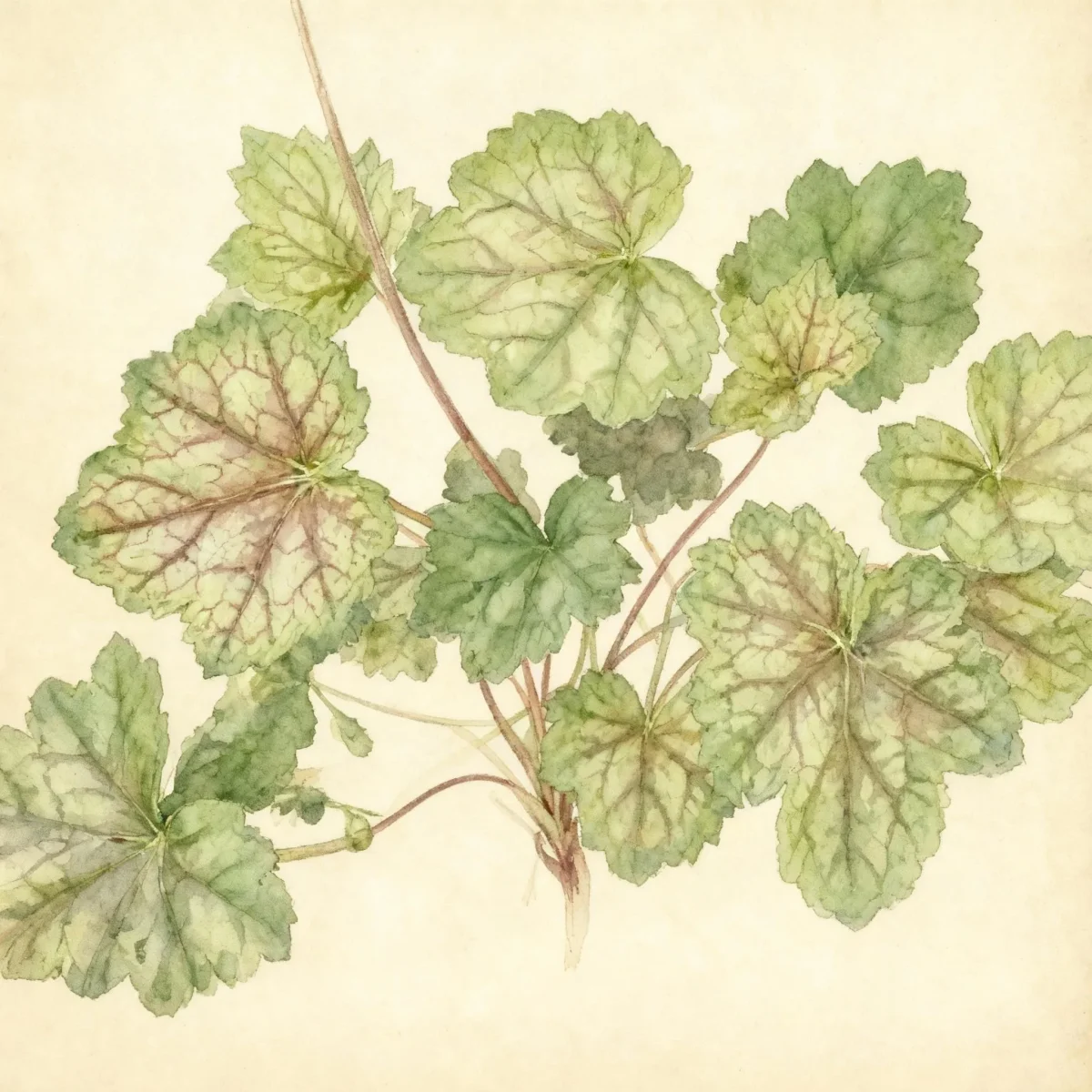
Coral bells (Heuchera americana 'Ring of Fire')
Discover Heuchera americana 'Ring of Fire', a striking Coral bells perennial known for its unique foliage and medium maintenance needs in zones 4-9.
Scroll down to discover growing tips, care requirements, companion plants, and more
Complete Plant Information
Overview
Heuchera americana ‘Ring of Fire’ is a standout herbaceous perennial prized for providing structure and year-round color variation, making it a foundation planting for shade and partial sun gardens. As a vibrant form of Coral bells, this cultivar offers more than just fleeting blossoms; its deeply lobed foliage establishes a durable, mounding presence. It thrives when planted in rich, well-drained soils, succeeding in conditions ranging from full sun in cooler climates to dappled shade where summers are intense.
This cultivar is valued for its adaptability across USDA zones 4 through 9, offering reliability for a wide range of gardeners seeking textural contrast. While generally considered low-risk regarding pests, gardeners must manage moisture levels carefully, especially when siting Heuchera americana ‘Ring of Fire’ in high-sun locations for best performance. The airy, pinkish-white blooms appearing in mid-summer add subtle vertical interest above the striking foliage mound.
Whether used to edge borders or blanket open ground, the textural contribution of this Coral bells variety significantly brightens shaded areas. Its manageable size—reaching up to 2.5 feet tall and 1.5 feet wide—ensures it integrates seamlessly into perennial beds without overwhelming neighboring specimens.
Fast Facts
- Plant Family: Saxifragaceae
- Plant Type: Herbaceous perennial
- Hardiness Zones: USDA Zones 4-9
- Size at Maturity:
- Height: 1.5-2.5 ft
- Spread: 1-1.5 ft
- Bloom Time: June to July
- Bloom Description: Pinkish-white
- Sun Exposure: Full sun to part shade
- Water Needs: Medium
- Maintenance Level: Medium
How to Grow
The key to successful cultivation of Heuchera americana ‘Ring of Fire’ lies in soil preparation; plant this Coral bells variety in locations that offer organically rich, humusy soil with excellent drainage. While it tolerates full sun in areas that benefit from cool summers, gardeners in hot, humid regions should ensure afternoon shade to prevent leaf scorch or premature fading. Consistent moisture is crucial, particularly for specimens situated in brighter light, though the plant can handle brief periods of drought once established.
Watering should be moderate; aim for medium soil moisture rather than allowing the soil to remain saturated, which can lead to root issues. Fertilization is rarely required if the initial soil preparation was thorough, focusing instead on maintaining adequate organic matter annually through light mulching. Deadheading faded flower stems is recommended; removing these slender stalks encourages the plant to refocus energy back into foliage production, thereby supporting the vibrant look of Heuchera americana ‘Ring of Fire’.
In colder winter climates (lower end of zones 4-6), apply a layer of winter mulch only after the ground has fully frozen. This practice helps to insulate the roots and significantly reduces the risk of frost heaving, which can push the shallow roots above the soil line. Mature clumps of this perennial benefit from being divided every three to four years during the spring to maintain vigor and optimal size.
Landscape Uses
Heuchera americana ‘Ring of Fire’ excels in roles where foliage impact is desired throughout the growing season. Its mounding habit makes it an excellent choice for creating defined edges along pathways or softening the transition between hardscaping and lawn areas. Use this Coral bells variety extensively in mass plantings to achieve a cohesive ground cover effect due to its spreading nature.
This plant provides superb textural contrast when situated near fine-textured grasses or bold-leafed hostas in native plant gardens or woodland settings. It naturally complements the aesthetic of rock gardens, where its ability to handle rocky substrates (as suggested by its native habitat) proves beneficial. Ensure it receives sufficient light, even in a woodland garden, to encourage the best seasonal leaf coloration of the ‘Ring of Fire’ cultivar.
Standout Features
Flower Qualities
- Showy
Noteworthy Characteristics
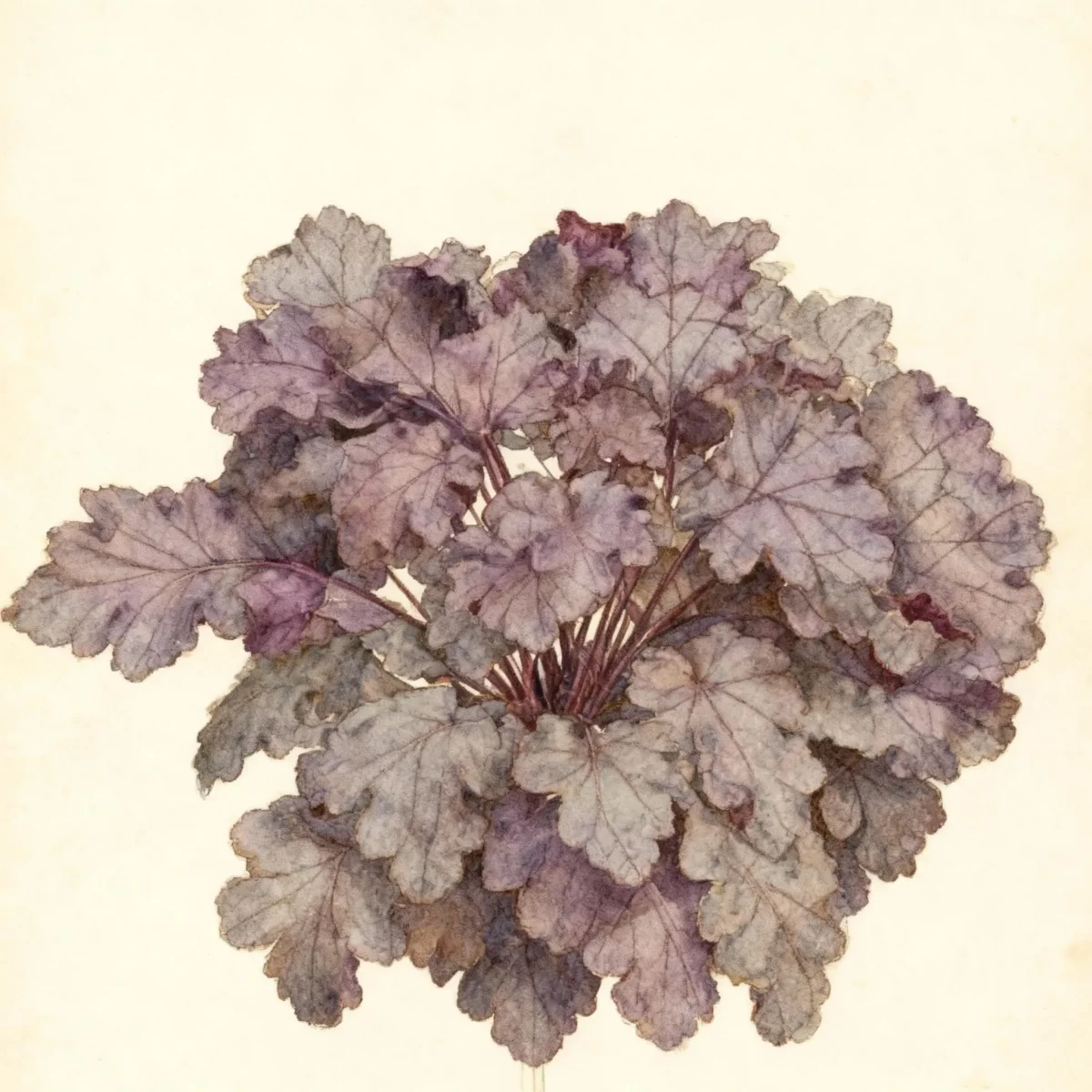
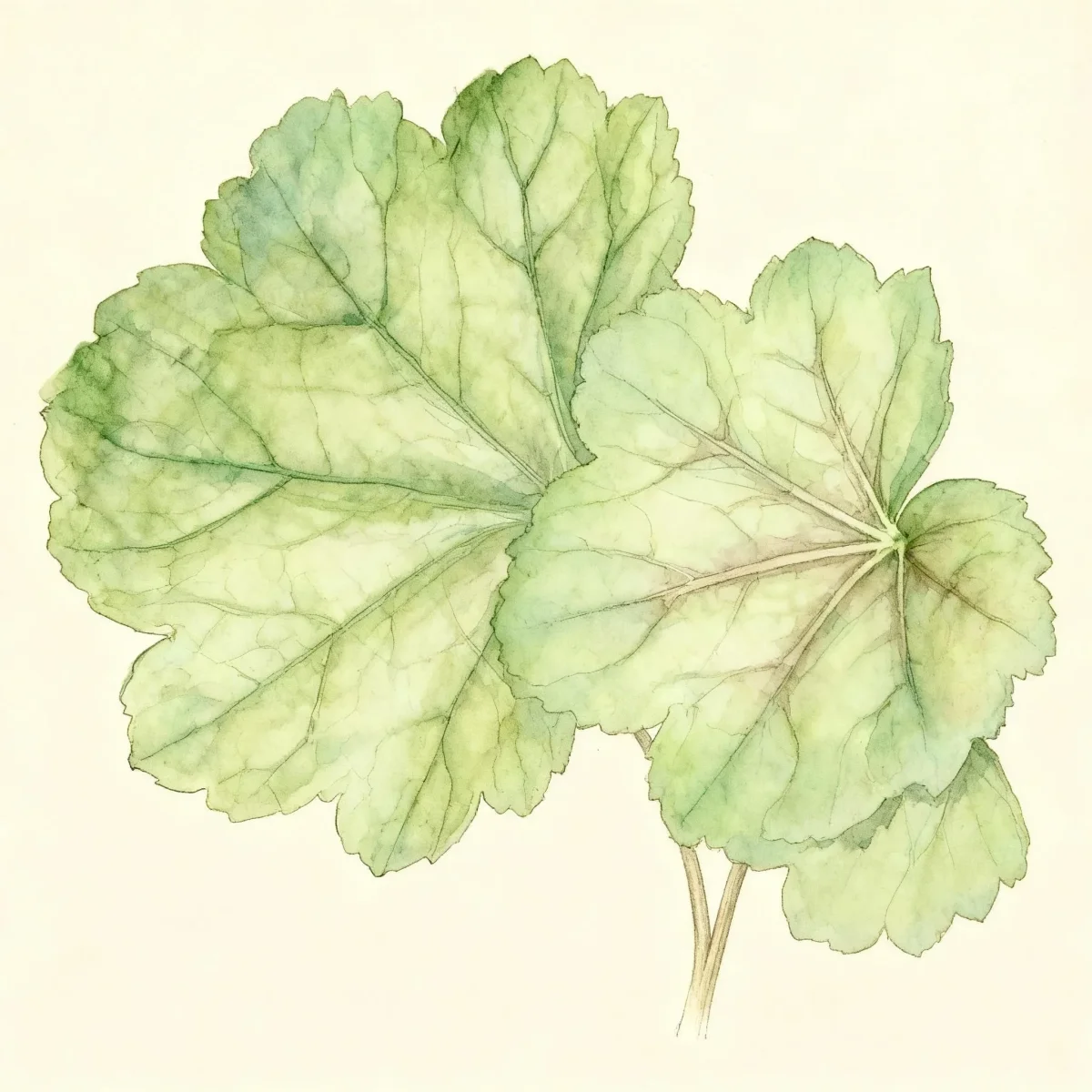
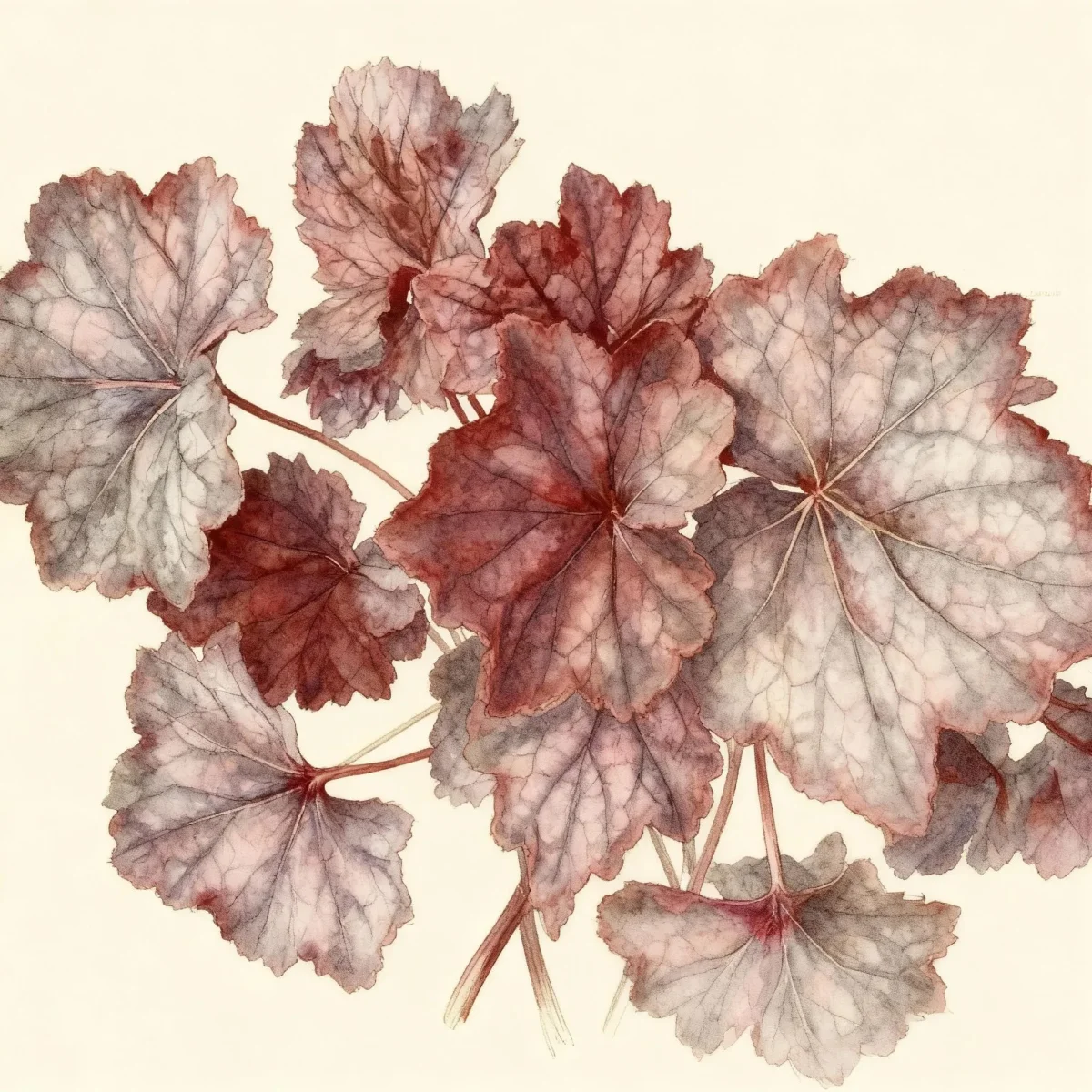
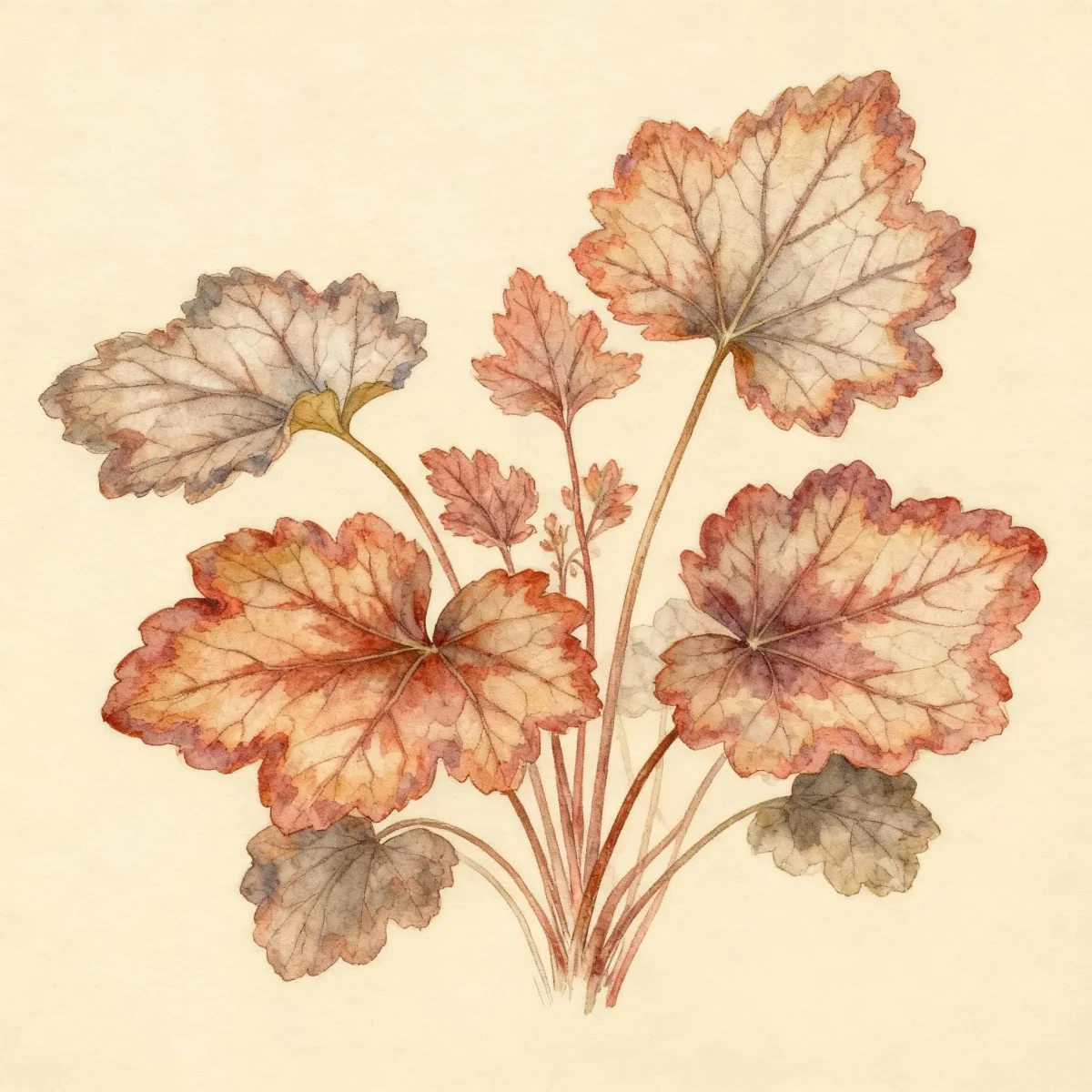
Heuchera americana, commonly called coral bells or alumroot, is a clump-forming perennial native to much of eastern and central North America. Typically, it features a basal clump of heart-shaped leaves which emerge flushed with purplish-brown before maturing to green, complemented by airy panicles of tiny, greenish-white, bell-shaped flowers in late spring to early summer. The cultivar ‘Ring of Fire’ specifically showcases large, silvery leaves, and older leaves are noted for developing an attractive bright coral edge when cooling autumn temperatures return, greatly enhancing its ornamental value beyond the bloom season.
Tolerances
- Drought
Potential Problems
This perennial generally exhibits strong resistance to most common garden insects and diseases, supporting its medium maintenance rating. The most significant cultural challenge gardeners face with Heuchera americana ‘Ring of Fire’ is often physical damage rather than biological pressure. Specifically, root disturbance due to frost heaving can occur when winter temperatures fluctuate widely, causing the crown to lift out of the soil. Applying a protective layer of mulch after the soil freezes in cold climates is the primary preventative measure against this winter damage.
Frequently Asked Questions
What hardiness zones is Coral bells suitable for?
Heuchera americana ‘Ring of Fire’ is reliably hardy across USDA Zones 4 through 9, providing excellent perennial coverage across many climates.
How large does Heuchera americana ‘Ring of Fire’ grow?
This specific Coral bells cultivar typically reaches a height between 1.5 and 2.5 feet, spreading moderately to occupy an area between 1 and 1.5 feet wide.
What sun exposure does Coral bells need?
It performs best situated where it receives full sun to part shade; however, protection from intense, hot afternoon sun is advisable in very warm climates to maintain peak foliage quality.
When does Heuchera americana ‘Ring of Fire’ bloom?
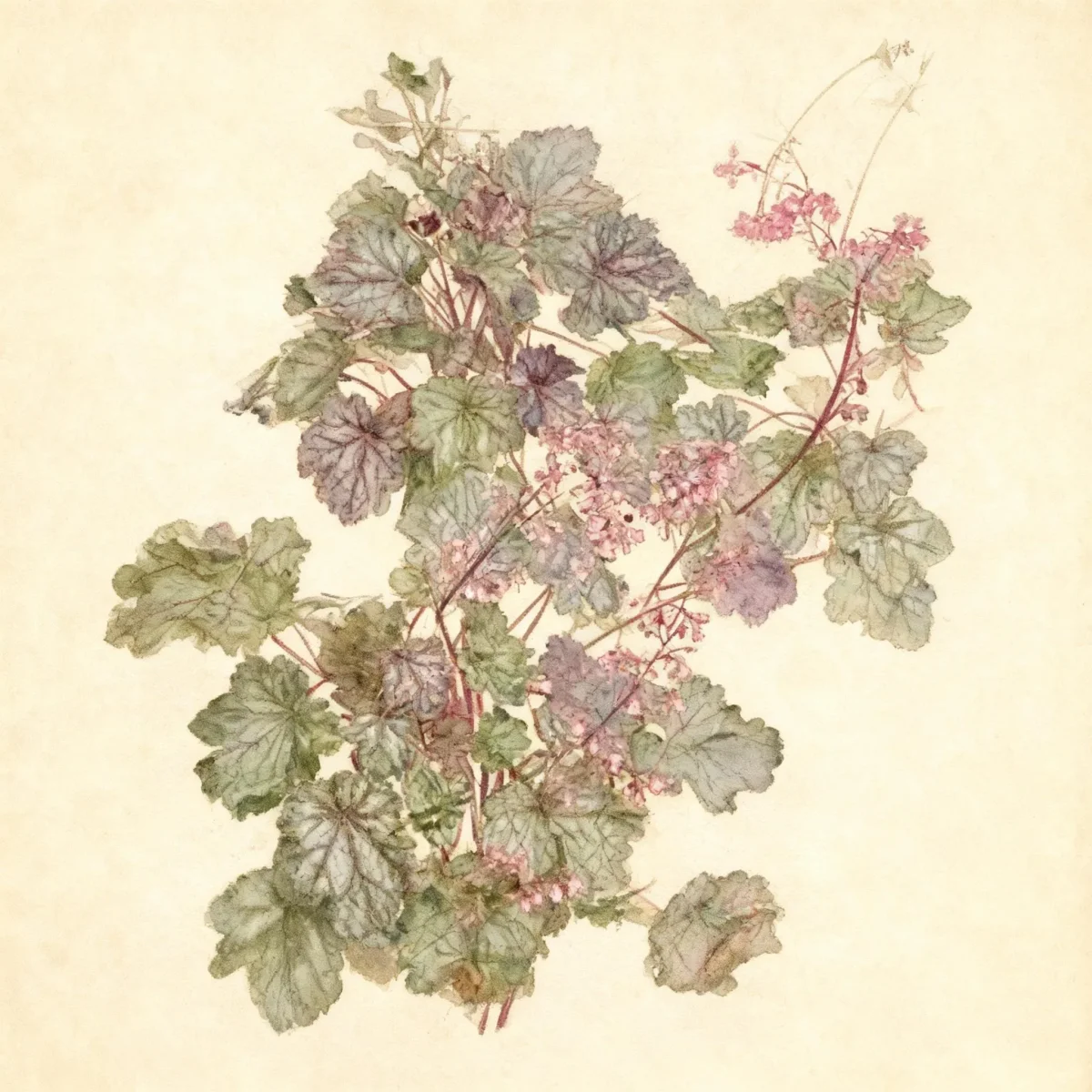
The bloom period for this variety generally covers June to July, presenting delicate, pinkish-white flowers above the foliage mound.
Conclusion
Heuchera americana ‘Ring of Fire’ offers exceptional value in landscape design, primarily through its durable, year-round foliage interest layered with subtle summertime blooms. For gardeners seeking reliable color and texture resilient enough for medium maintenance schedules, this Coral bells variety is an excellent investment. Before planting, confirm that your regional USDA zone falls between 4 and 9 and ensure the planting site offers the enriched, well-drained soil it requires.
Companion Planting
Companion planting around Heuchera americana ‘Ring of Fire’ should focus on species that share similar requirements for partial shade and consistent moisture, or those that provide visual contrast. Plants with finer textures, such as Japanese forest grass (Hakonechloa macra) or delicate ferns, pair beautifully with the bolder, lobed leaves of this Coral bells. In woodland garden settings, consider contrasting its moderate height with taller shade-loving shrubs or using low-growing, brightly colored annuals around its base for seasonal emphasis.
Design Ideas
The deep, contrasting colors of Heuchera americana ‘Ring of Fire’ make it perfect for utilizing negative space in shade gardens. Massing this plant along a shaded retaining wall creates a striking textural flow, especially if the wall is constructed of natural stone, echoing its preference for rocky substrates. Consider planting it alongside silver or blue foliage plants, such as certain Hosta cultivars or Brunnera, to amplify the cool tones in its silvery leaves, creating a sophisticated twilight garden effect.