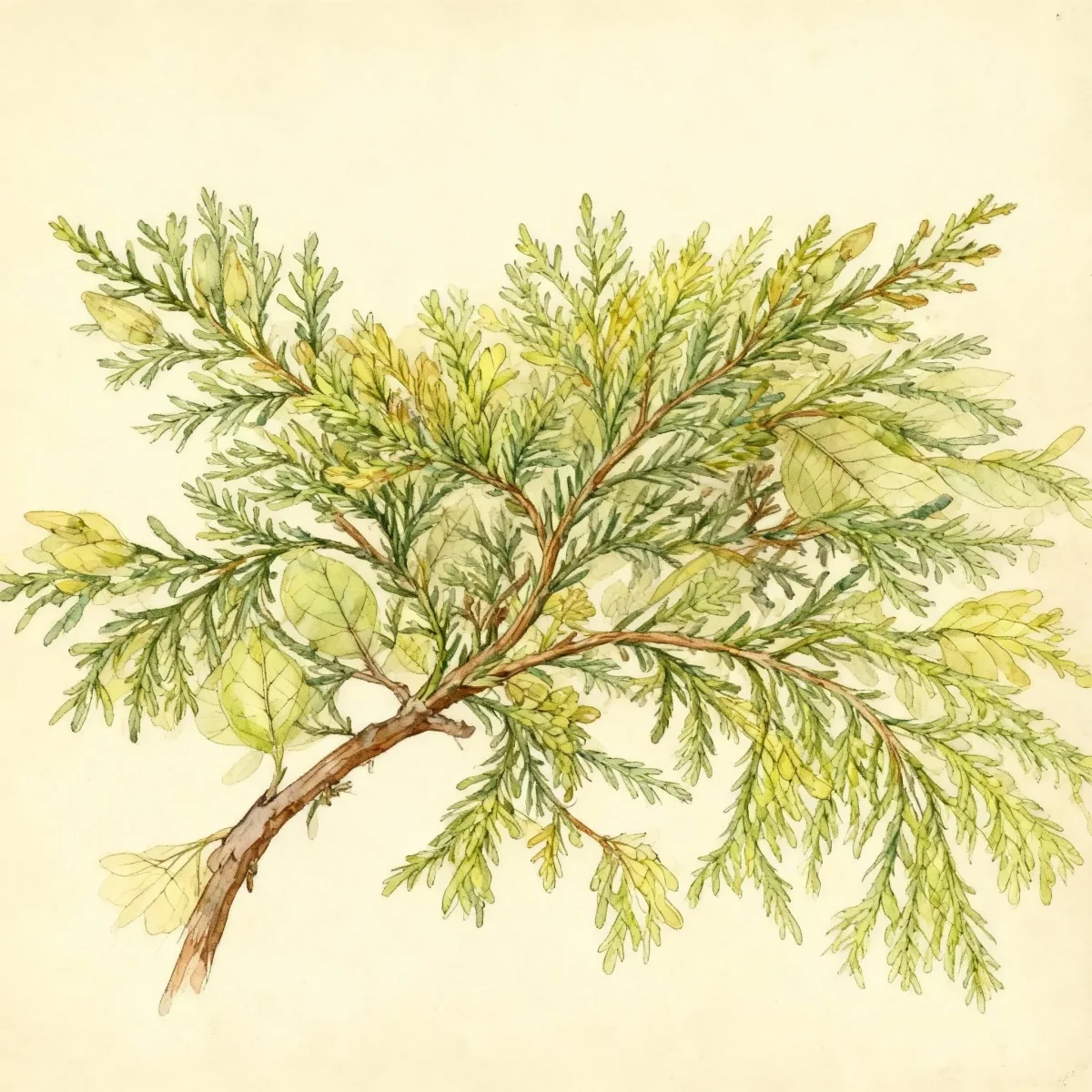
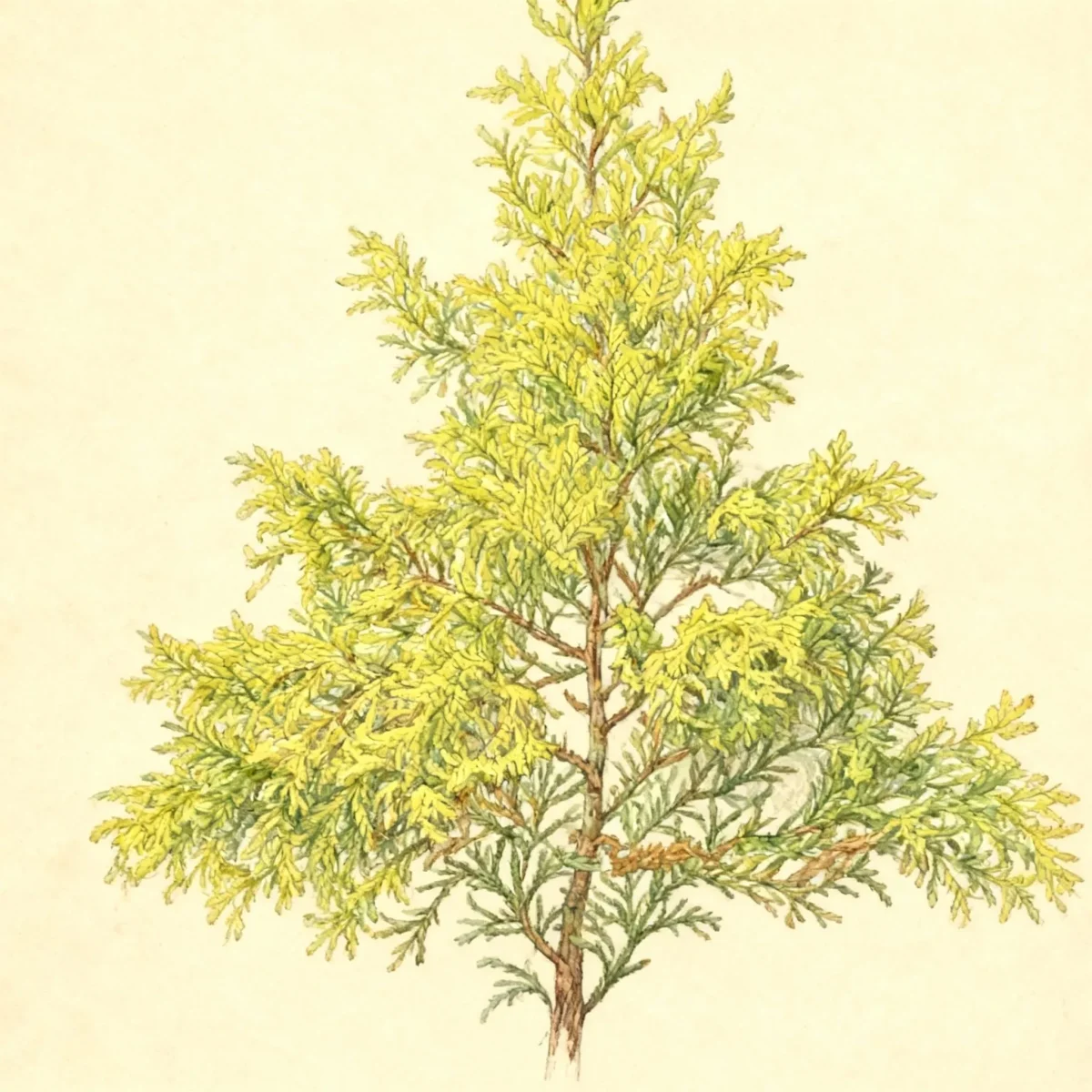
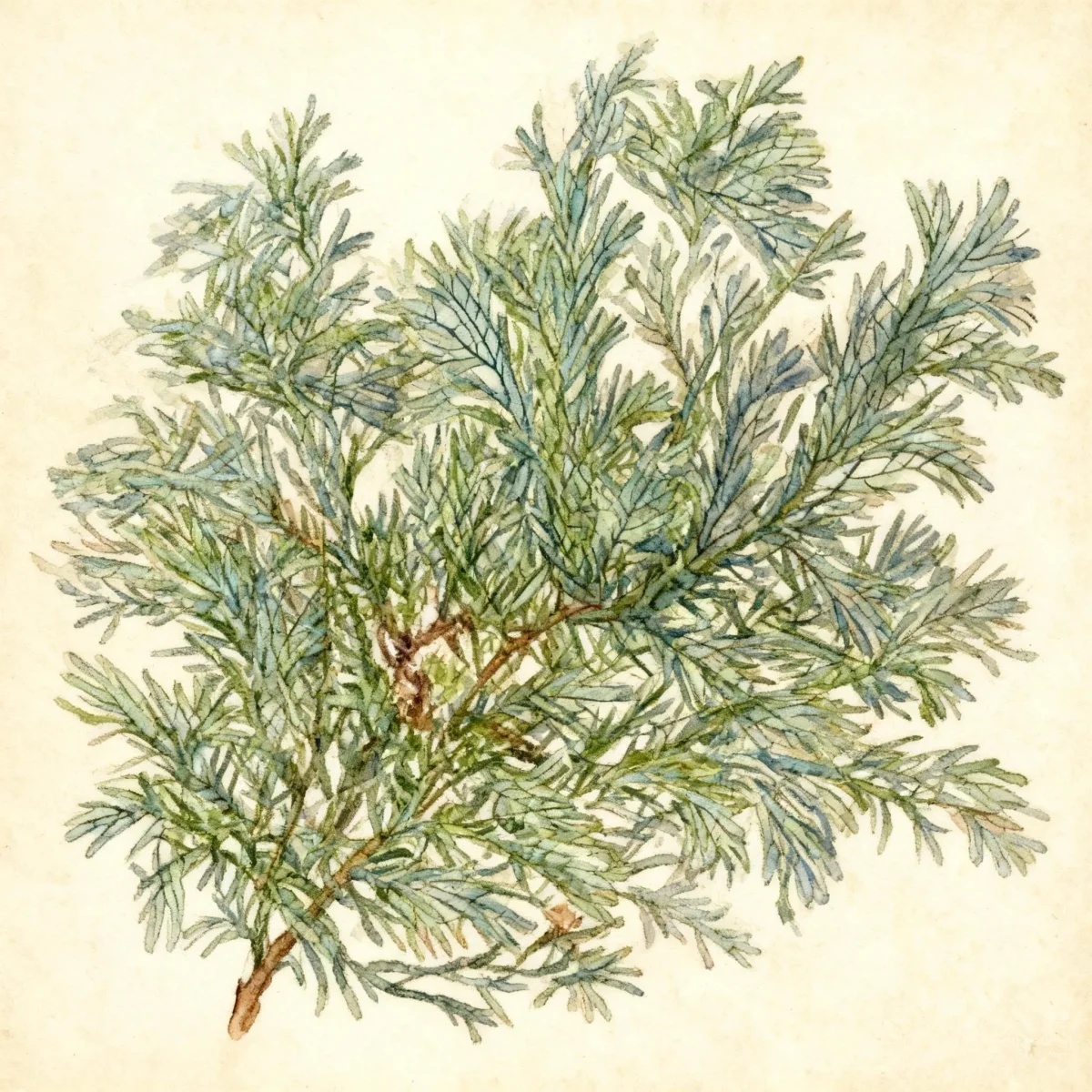
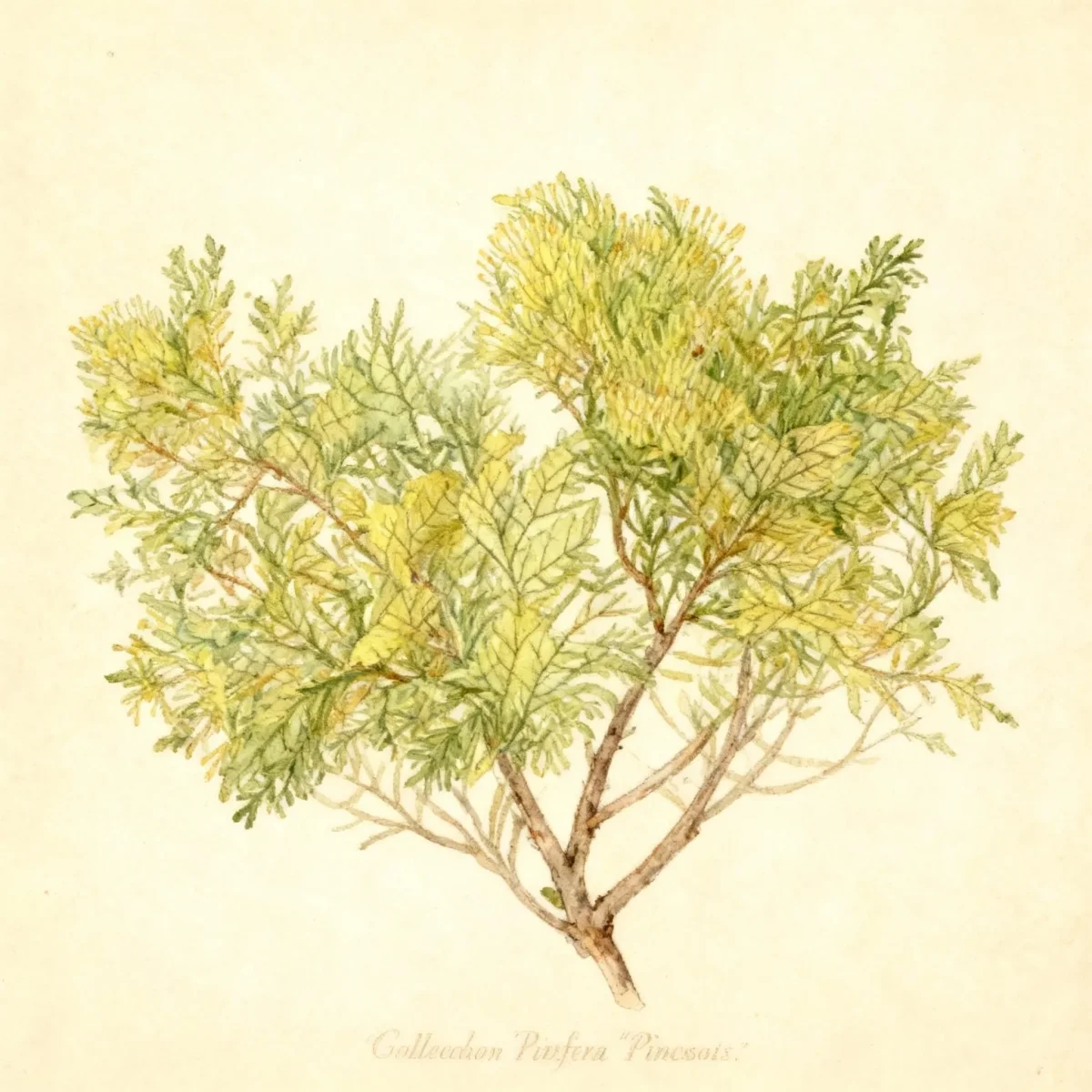
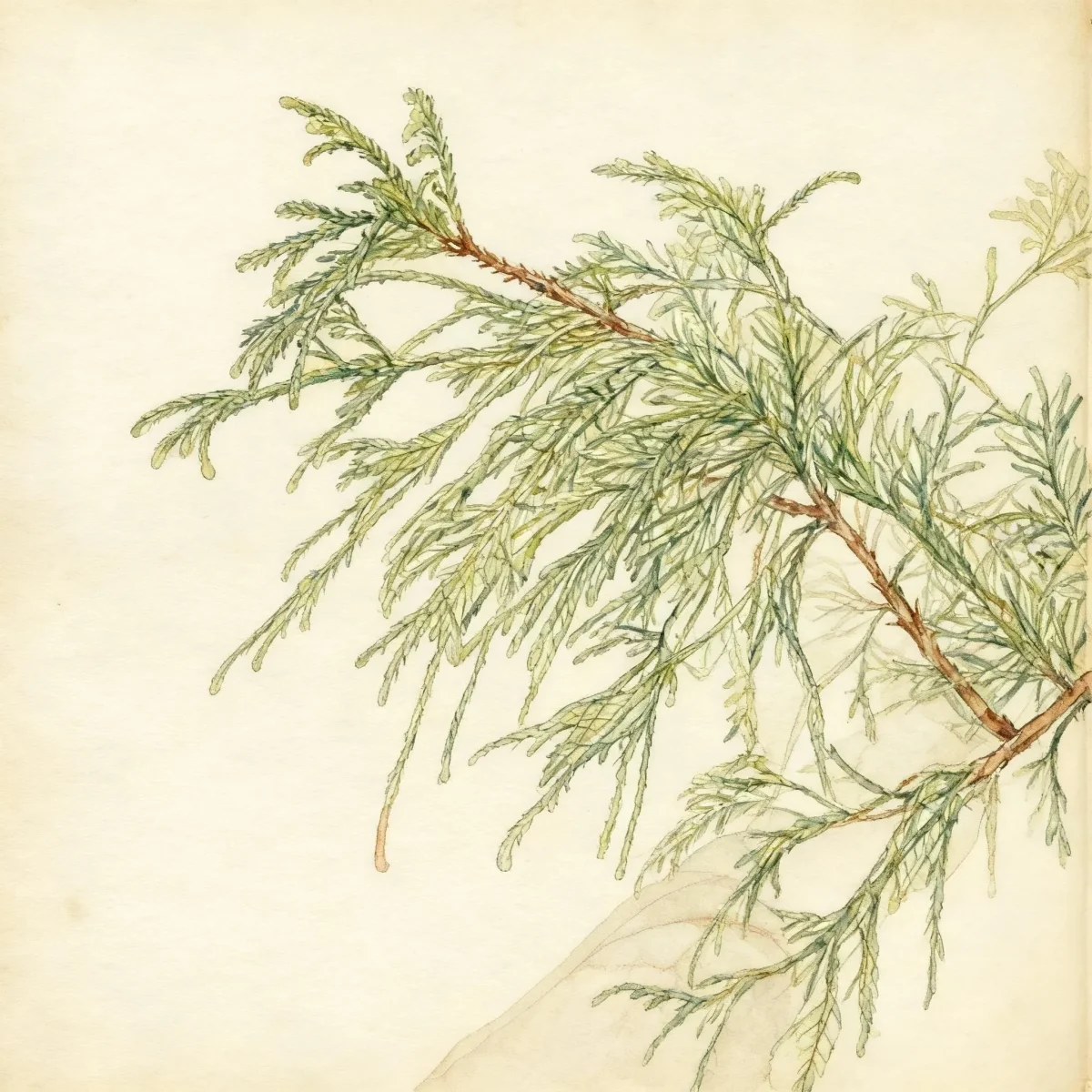
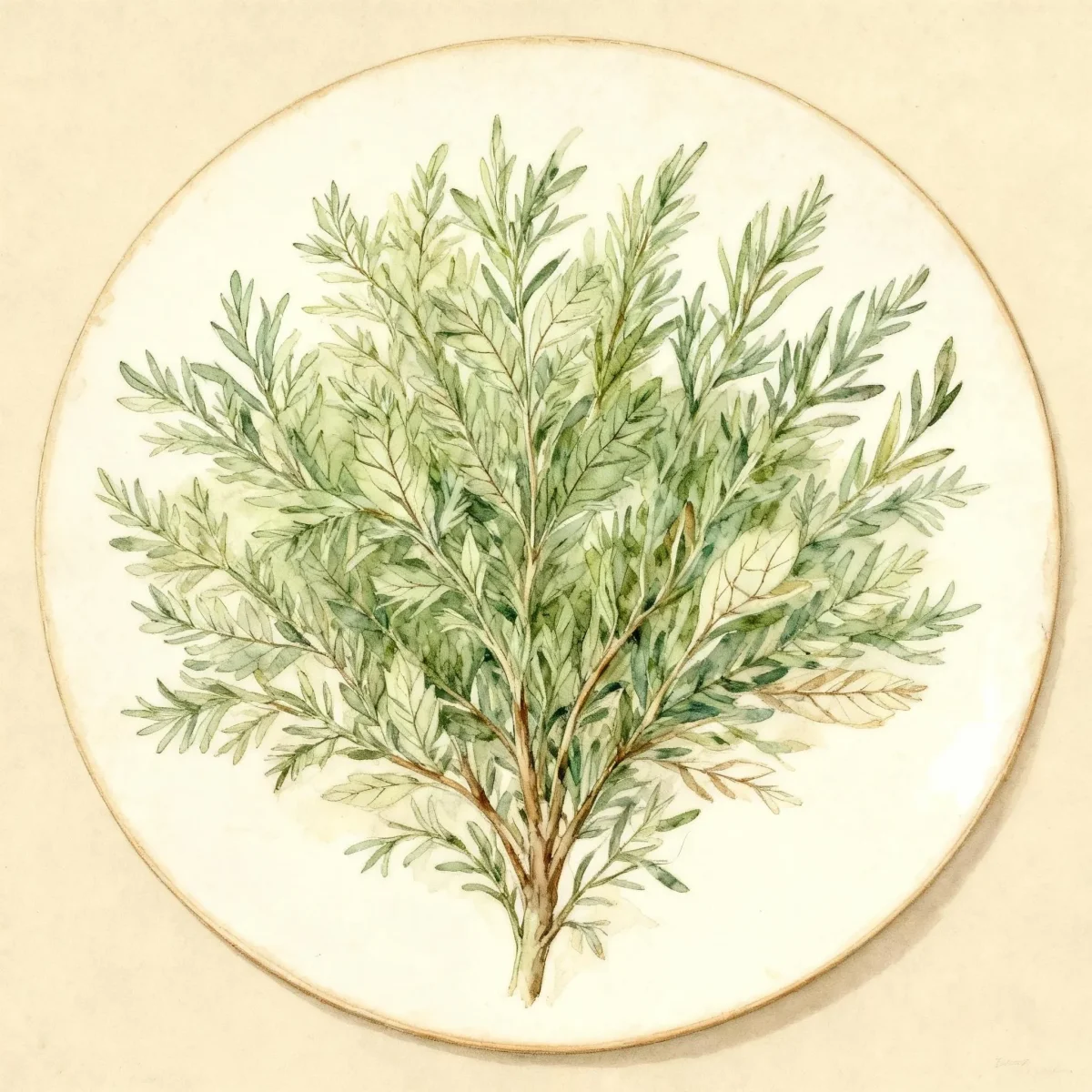
Japanese falsecypress (Chamaecyparis pisifera 'Golden Mop')
The Chamaecyparis pisifera 'Golden Mop', a dwarf Japanese falsecypress, features stunning golden, stringy foliage. This low-maintenance evergreen is perfect for rock gardens and foundation plantings.
Scroll down to discover growing tips, care requirements, companion plants, and more
Complete Plant Information
Overview
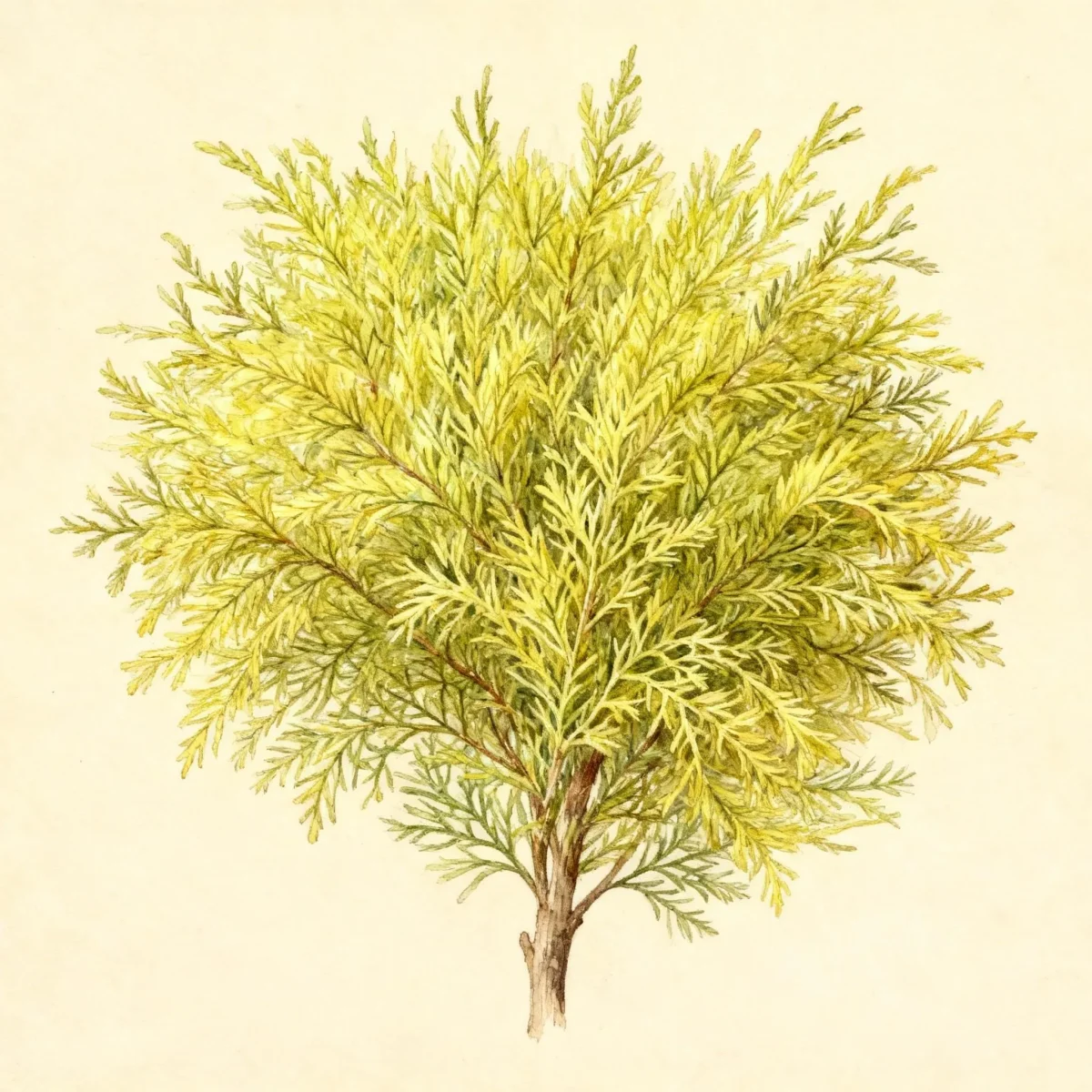
The Chamaecyparis pisifera ‘Golden Mop’ is a highly sought-after dwarf cultivar of the Japanese falsecypress, instantly recognizable by its striking, finely textured, golden-yellow foliage. This vibrant evergreen brightens shady corners and acts as a consistent focal point in the landscape, offering rich color saturation year-round. It grows into a charming, mounded globe, differentiating itself from the larger, species forms of Sawara cypress.
As a low-maintenance addition to the garden, the Chamaecyparis pisifera ‘Golden Mop’ thrives with minimal intervention once established. Gardeners appreciate this cultivar for its manageable size, making it ideal for smaller properties where larger conifers would overwhelm the space. It combines the architectural interest of a conifer with the playful texture of its stringy, mop-like branch tips.
This specific form of Japanese falsecypress brings texture and bright color contrast to mixed plantings. Its slow growth rate ensures that your carefully planned garden beds retain their design integrity longer. Utilizing the Chamaecyparis pisifera ‘Golden Mop’ guarantees year-round greenery with a bright, ornamental flare.
Fast Facts
- Plant Family: Cupressaceae
- Plant Type: Needled evergreen
- Hardiness Zones: USDA Zones 5-7
- Size at Maturity:
- Height: 3-5 ft
- Spread: 3-5 ft
- Bloom Time: Non-flowering
- Bloom Description: Non-flowering
- Sun Exposure: Full sun to part shade
- Water Needs: Medium
- Maintenance Level: Low
How to Grow
Planting the Chamaecyparis pisifera ‘Golden Mop’ should occur in spring or early fall to allow for root establishment before temperature extremes. Select a location that offers protection from strong winds, which can damage the delicate foliage. While it tolerates full sun, the brightest golden color is maintained best when grown in part shade—especially afternoon shade in hotter climates.
Cultural needs for this Japanese falsecypress are straightforward: ensure the soil is average, medium moisture, and critically, well-drained. This plant prefers consistently moist, fertile soils but cannot tolerate standing water or poorly-drained conditions, which can lead to root rot. Water regularly, especially during its first few seasons, to keep the soil evenly moist but never soggy.
Pruning is rarely necessary for the Chamaecyparis pisifera ‘Golden Mop’ as its naturally mounding habit is desirable. If shaping is required, light trimming of the branch tips can be done in early spring before new growth starts. Avoid heavy shearing, as this can ruin the natural, airy effect of the stringy foliage characteristic of this cultivar.
Landscape Uses
The compact stature and vibrant color of the dwarf Chamaecyparis pisifera ‘Golden Mop’ make it an exceptional choice for foundation plantings near structures, softening hard architectural lines. Smaller cultivars of the Japanese falsecypress are perfectly suited for rock gardens, where their bright mounds contrast beautifully with stone elements. They also serve effectively as specimen plants in small gardens or mixed shrub borders.
Consider using this golden conifer to provide year-round structure and contrast against deep green or burgundy foliage plants. Because it is a slow-growing dwarf, it integrates well into woodland-style borders alongside ferns and hostas, provided those locations meet its light and moisture requirements. For foundation planting, allow ample space for its 3 to 5-foot mature spread.
Standout Features
Noteworthy Characteristics
Chamaecyparis pisifera, commonly known as Sawara cypress, is typically a massive, pyramidal evergreen in its wild state, but garden cultivars offer manageable sizes. The ‘Golden Mop’ is specifically recognized as a mounded, slow-growing dwarf shrub that eventually reaches about 5 feet tall and wide. Its defining feature is the stringy, whip-like, golden yellow foliage that holds excellent color throughout the cold months. The cultivar name reflects the shrub’s resemblance to a small mop head, setting it apart from the threadbranch forms.
Tolerances
- Some susceptibility to juniper blight
- Root rot
- Certain insect pests such as bagworms
Potential Problems
The Sawara cypress generally exhibits few serious insect or disease issues in ideal conditions. However, growers should monitor for susceptibility to juniper blight, which can affect foliage health, and root rot if drainage is poor. Specific insect pests, such as bagworms, may occasionally require targeted treatment if infestations become dense. Ensuring adequate air circulation around the Chamaecyparis pisifera ‘Golden Mop’ is a proactive step against fungal issues like blight.
Frequently Asked Questions
What hardiness zones is Japanese falsecypress suitable for?
The Chamaecyparis pisifera ‘Golden Mop’ is reliably hardy in USDA Zones 5 through 7.
How large does Chamaecyparis pisifera ‘Golden Mop’ grow?
This dwarf cultivar typically matures between 3 to 5 feet in height and spreads similarly, ranging from 3 to 5 feet wide.
What sun exposure does Chamaecyparis pisifera ‘Golden Mop’ need?
It performs best with full sun exposure, but it also tolerates part shade; however, deep shade will reduce the intensity of its golden color.
When does Japanese falsecypress bloom?
Like all conifers in this group, the Chamaecyparis pisifera ‘Golden Mop’ is non-flowering and does not produce showy blossoms.
Conclusion
The Chamaecyparis pisifera ‘Golden Mop’ serves as a vital source of bright, low-growing evergreen texture in any landscape design. Its manageable size and vibrant golden hue confirm its value as a premier dwarf selection of Japanese falsecypress. Before planting, verify that your site offers medium moisture, well-drained soil, and appropriate sun levels to enjoy this beautiful conifer for years to come.
Companion Planting
When selecting partners for the vibrant Chamaecyparis pisifera ‘Golden Mop’, focus on plants that offer contrasting texture or dark colors. Deep purple or dark green deciduous shrubs, such as certain Japanese Maples or Barberry varieties, provide a dramatic backdrop that makes the golden tones pop. Consider low-growing groundcovers like Pachysandra or dark green sedges near the base, ensuring they do not compete heavily for surface moisture.
For a textural contrast in a rock garden setting, pair the finely textured foliage of the ‘Golden Mop’ with plants that have broader leaves or stiffer forms. Hostas with deep blue or variegated green leaves work wonderfully, provided they don’t shade the conifer too much during peak growing seasons. Remember that all companion plants must share the Japanese falsecypress’s need for well-drained soil.
Seasonal Care Calendar
Spring is the ideal time for a light feeding, if desired, using a balanced, slow-release fertilizer formulated for acid-loving or evergreen plants. This is also the best window for any necessary light corrective pruning before the active growth phase begins. Monitor soil moisture closely as temperatures rise, as new plantings require consistent watering through the summer months to establish robust root systems.
During the drier parts of summer, ensure regular, deep watering sessions, especially during heatwaves, as the medium water needs must be met to prevent scorching. Fall preparation involves ensuring adequate moisture going into winter dormancy; deep watering before the ground freezes helps the Chamaecyparis pisifera ‘Golden Mop’ survive winter desiccation. Little cleanup is required due to its evergreen nature, though removing any fallen debris promptly helps curb potential fungal issues.