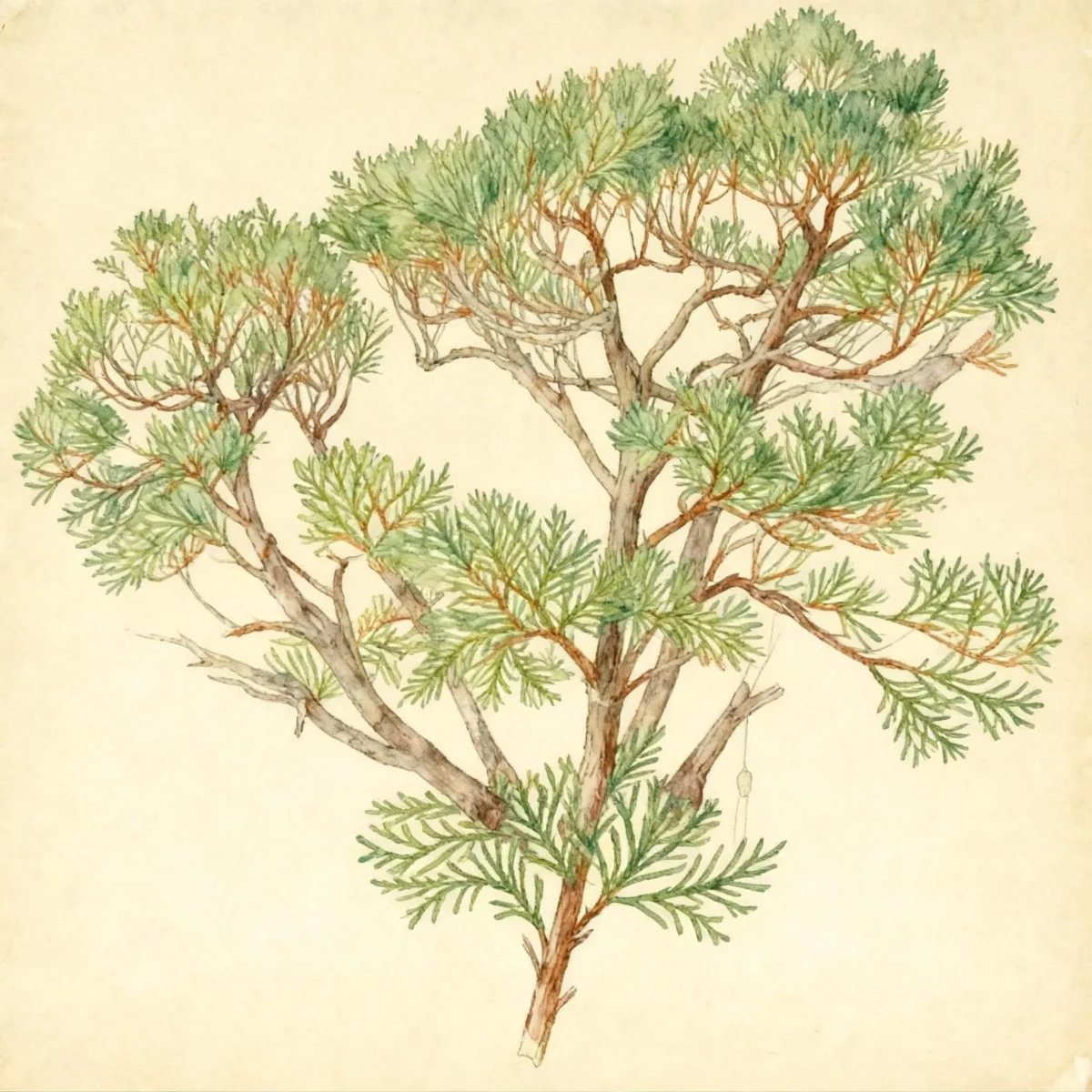
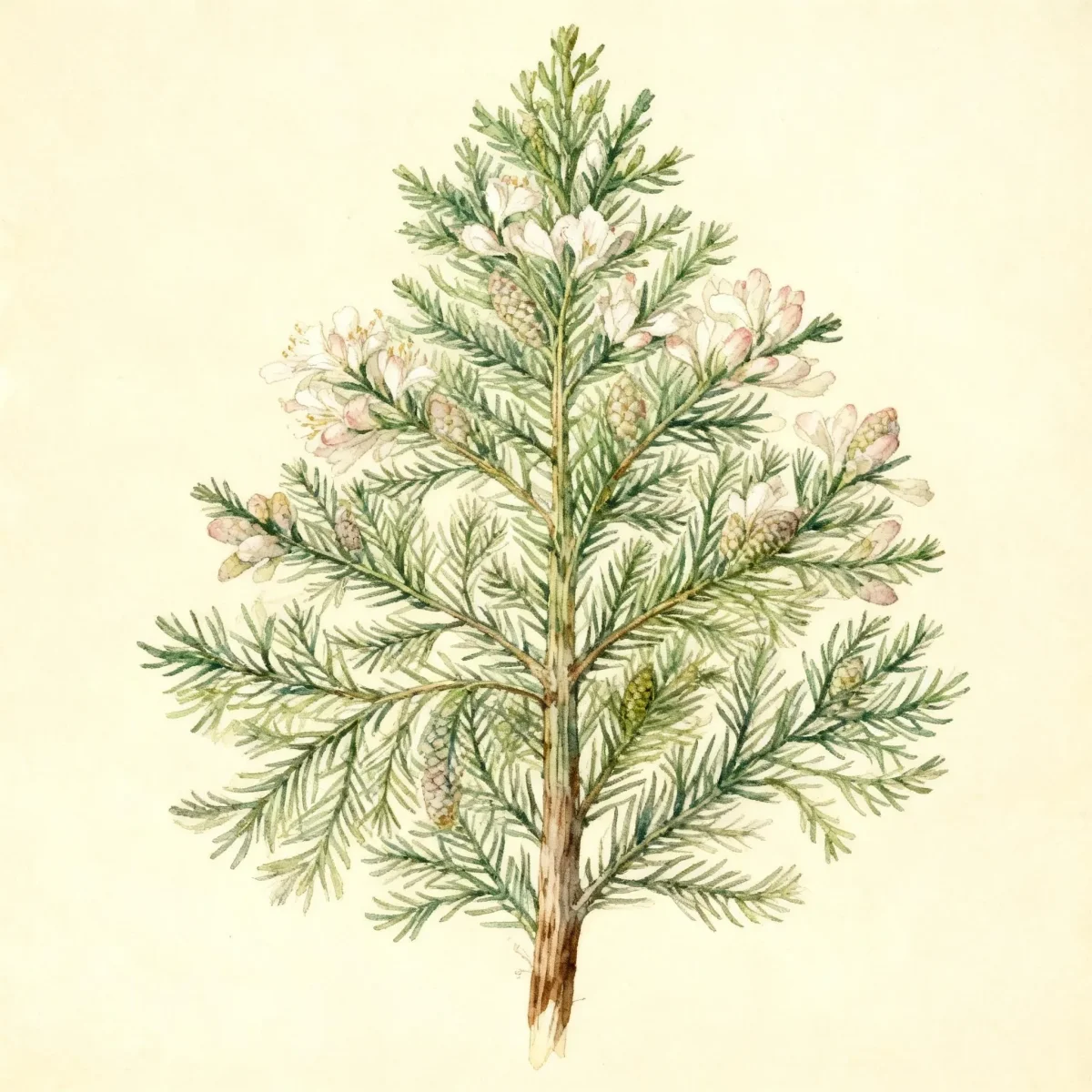
Juniper (Juniperus × pfitzeriana 'Saybrook Gold')
Juniperus × pfitzeriana 'Saybrook Gold' is a fast-growing, bright yellow Juniper prized for low maintenance and year-round color.
Scroll down to discover growing tips, care requirements, companion plants, and more
Complete Plant Information
Overview
The Juniperus × pfitzeriana ‘Saybrook Gold’ is a highly valued needled evergreen celebrated for its vibrant, year-round coloration. This specific cultivar of the Pfitzer Juniper group offers a spreading, arching habit that naturally softens landscape edges and provides excellent textural contrast. Gardeners particularly appreciate this Juniper for its low maintenance requirements and robust constitution.
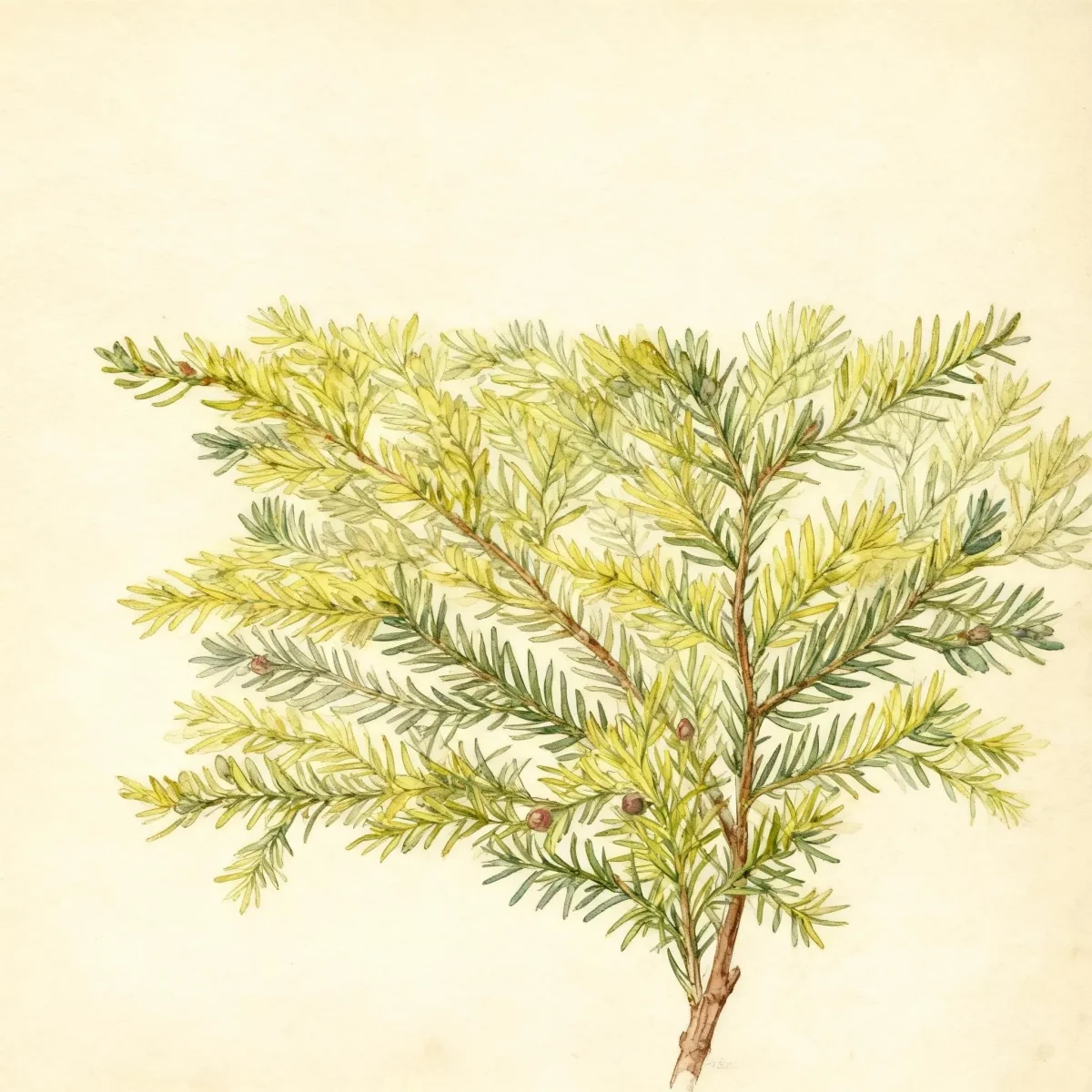
This hybrid Juniper provides consistent visual interest, featuring bright yellow to bronzish yellow foliage that retains appeal even through the winter months. Reaching a moderate height of 4 to 5 feet but spreading up to 6 feet wide, Juniperus × pfitzeriana ‘Saybrook Gold’ forms an attractive, somewhat sprawling silhouette ideal for mass planting or as an accent specimen. Its adaptability to challenging soil conditions further cements its status as a reliable performer in many gardens.
As a tough, adaptive shrub, the Juniperus × pfitzeriana ‘Saybrook Gold’ offers functional beauty, handling urban pollution well while providing necessary structure in the garden plan. Its dense nature makes it an effective low hedge or ground cover, ensuring that the landscape maintains color and texture with minimal input from the gardener.
Fast Facts
- Plant Family: Cupressaceae
- Plant Type: Needled evergreen
- Hardiness Zones: USDA Zones 4-9
- Size at Maturity:
- Height: 4-5 ft
- Spread: 5-6 ft
- Bloom Time: Non-flowering
- Bloom Description: Non-flowering
- Sun Exposure: Full sun
- Water Needs: Medium
- Maintenance Level: Low
How to Grow
Planting the Juniperus × pfitzeriana ‘Saybrook Gold’ is generally successful when done during the spring or fall, allowing the roots to establish before temperature extremes. Select a site that provides full sun exposure, as reduced light will diminish the bright yellow coloration that makes this Juniper so desirable. While this variety is highly adaptable and tolerant of clay, it thrives best when ensuring the soil offers average moisture and excellent drainage.
Once established, care for your Juniper is straightforward, falling under the low maintenance category. Watering should be consistent but moderate; while it shows tolerance to drought once its root system is mature, newly planted specimens require regular moisture. Avoid overwatering, as this plant is intolerant of wet or poorly drained soils, which can lead to root rot. Generally, supplemental fertilizing is not necessary unless planting soil is severely depleted.
Pruning should be done sparingly, primarily to manage size or shape if its natural spreading habit interferes with pathways or structures. Pruning can help maintain a more compact form if desired. Because this cultivar is noted for resisting cedar-apple rust, diligent spraying for common juniper diseases is often unnecessary, though monitoring for blight or canker remains a good practice.
Landscape Uses
Due to its spreading, arching habit, Juniperus × pfitzeriana ‘Saybrook Gold’ excels as a low hedge, providing a visually bright border without the formality of clipped hedges. It is perfectly suited for use in rock gardens where its ability to handle shallow, rocky soil is a distinct advantage. Furthermore, its prostrate growth makes it an excellent choice as a foundational planting softening the transition between the structure of a home and the garden beds.
Consider using this spreading Juniper as a cascading element over retaining walls or slopes, where its drought and erosion tolerance can be fully utilized. For textural contrast, plant it alongside finer, finer-leafed plants or darker green evergreens whose deep tones will make the bright yellow-gold foliage pop. It functions wonderfully as a year-round ground cover shrub, providing structure when deciduous plants have lost their leaves.
Standout Features
Noteworthy Characteristics
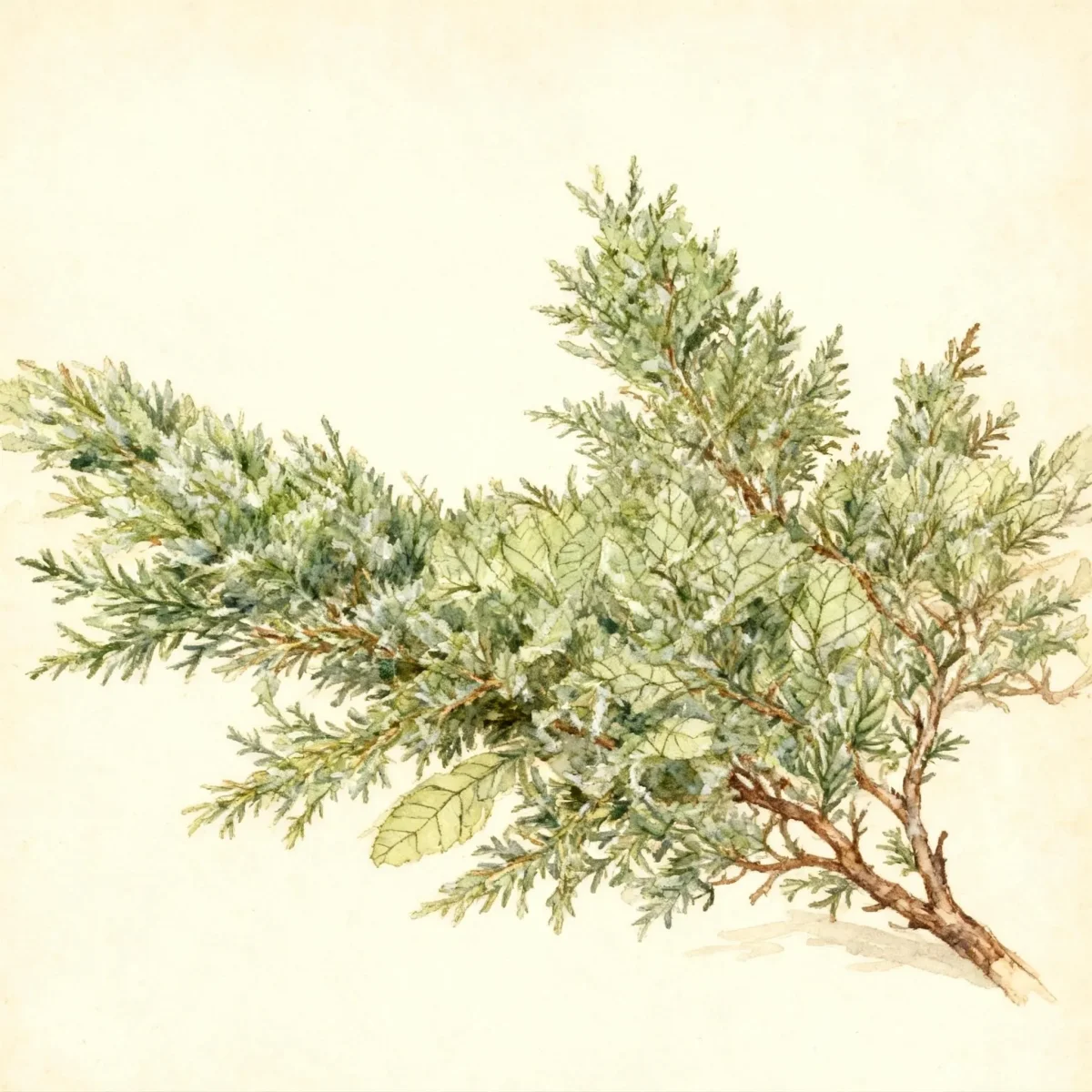
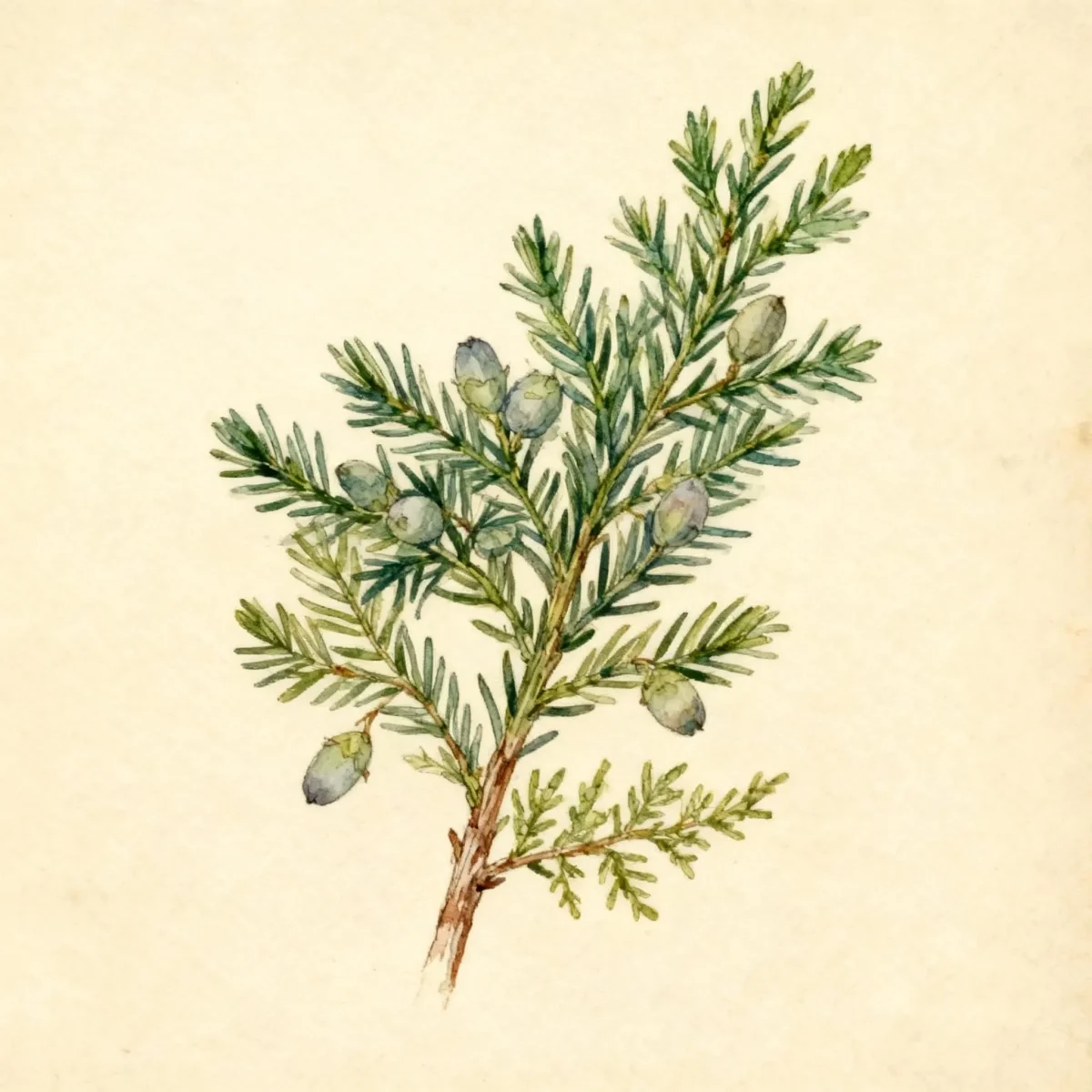
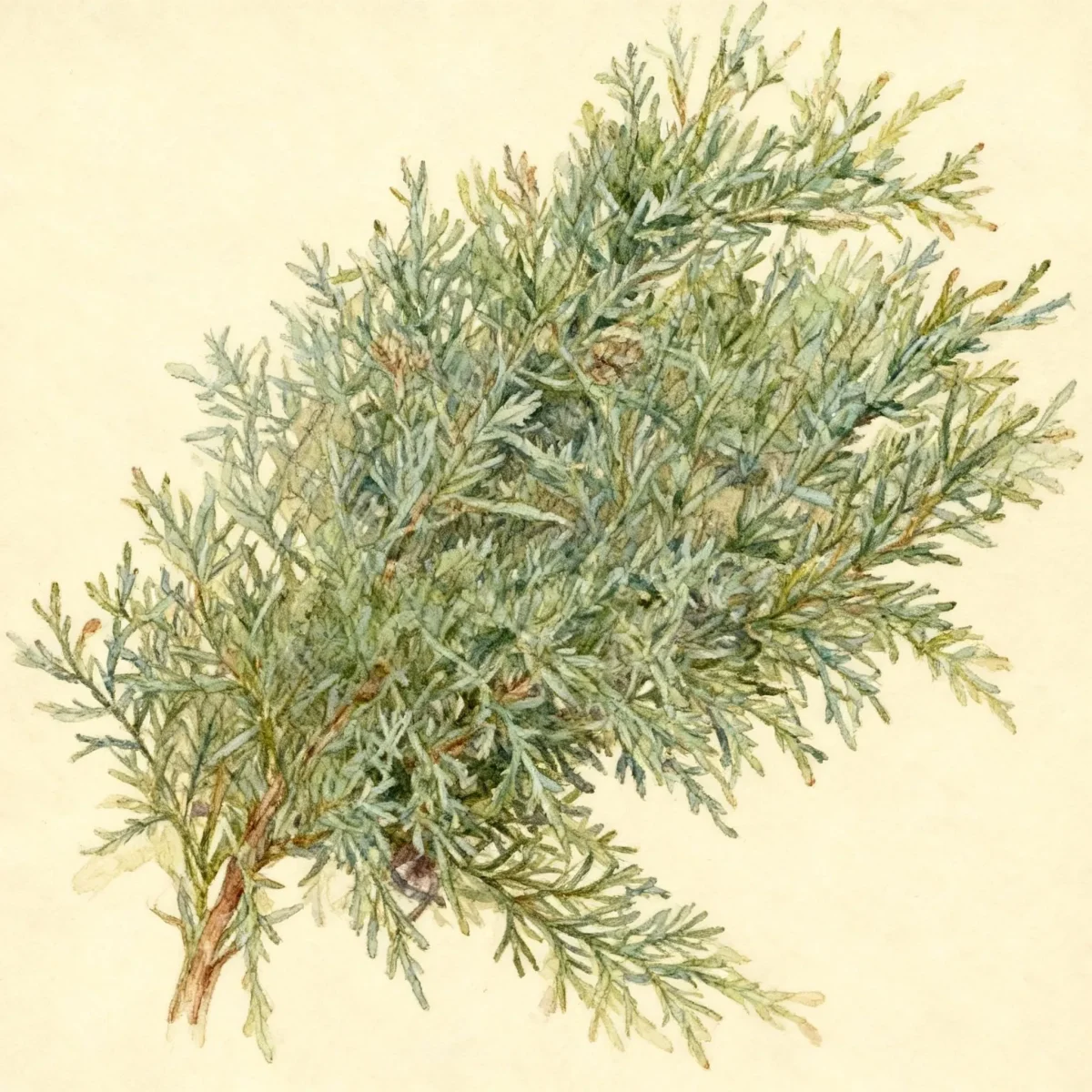
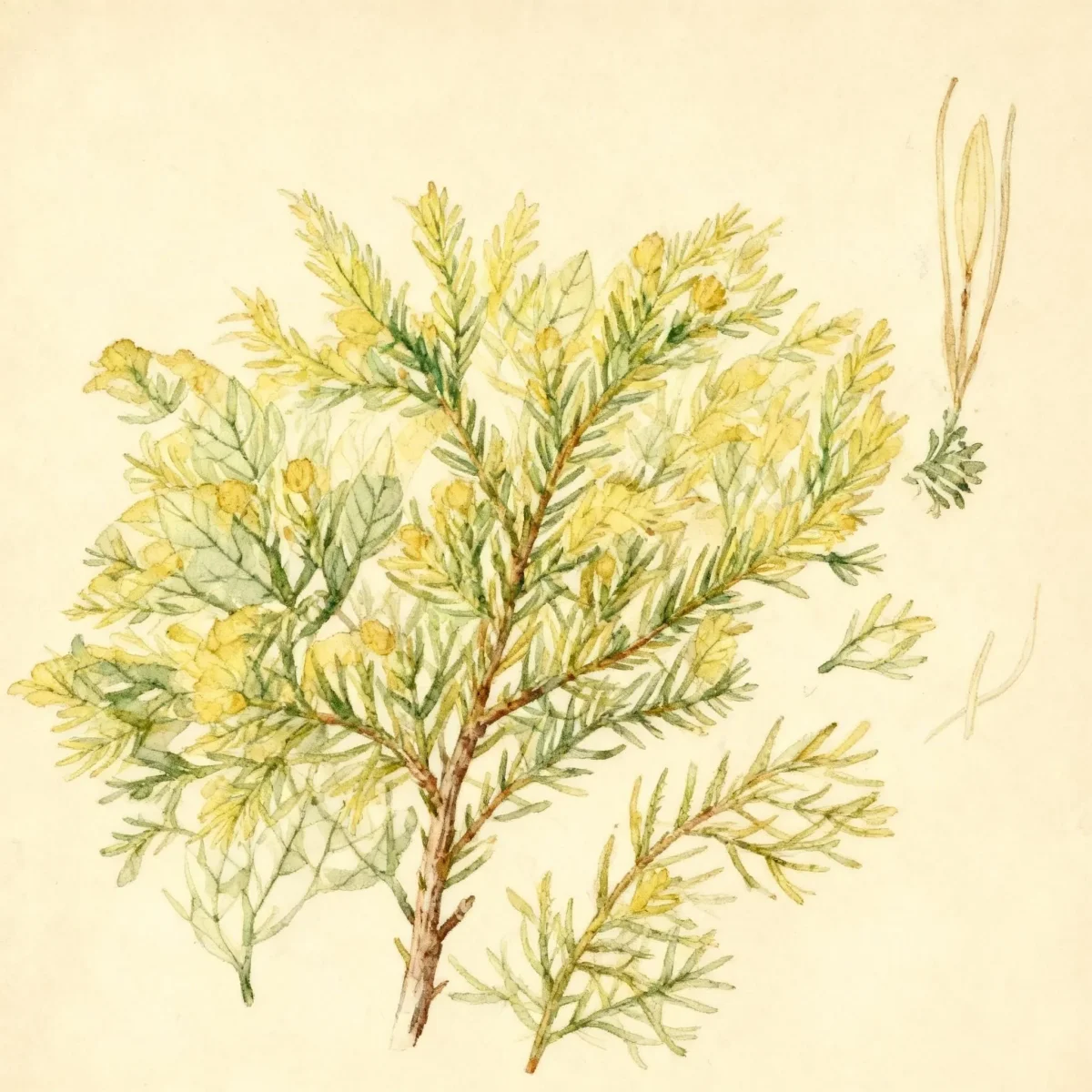
Juniperus × pfitzeriana is a hybrid designation that includes certain cultivars that are crosses between J. Chinensis and J. Sabina. Such cultivars in the Pfitzer Group are sometimes commonly called pfitzer juniper. The genus name comes from the Latin name for the juniper. ‘Saybrook Gold’ is an evergreen shrub with a spreading, arching, feathery growth habit. Typically reaching 4-5’ high and spreading horizontally by long stiff branches to 6’ wide, it features mostly needle-like, bright yellow foliage that turns bronzish yellow in winter, offering attractive year-round color.
Tolerances
- Deer
- Drought
- Erosion
- Dry Soil
- Shallow-Rocky Soil
- Air Pollution
Potential Problems
Junipers are generally susceptible to tip and needle blights, which can cause browning and dieback in the foliage. While the ‘Saybrook Gold’ cultivar is reportedly resistant to cedar apple rust, always be vigilant for this fungal issue and related rust diseases that spend part of their life cycle on junipers. Poorly drained or overly wet soils present the highest risk, often leading to fungal conditions like root rot.
Insects such as scale, aphids, bagworms, and webworms may occasionally infest junipers, requiring targeted treatment if populations become significant. Protecting your Juniperus × pfitzeriana ‘Saybrook Gold’ involves location selection—avoiding persistently damp areas is key to preventing root rot. If bark or main stems show signs of canker, carefully prune out the infected wood to prevent spread.
Frequently Asked Questions
What hardiness zones is Juniper suitable for?
This evergreen Juniperus × pfitzeriana ‘Saybrook Gold’ performs reliably in USDA Zones 4 through 9, providing relatively broad adaptability across many climates.
How large does Juniperus × pfitzeriana ‘Saybrook Gold’ grow?
At maturity, this spreading shrub typically reaches a height between 4 and 5 feet tall, while spreading horizontally to cover an area spanning 5 to 6 feet wide.
When does Juniper bloom?
This plant is classified as non-flowering, meaning you will not observe traditional blooms; however, its colorful, year-round foliage provides the primary ornamental appeal.
What sun exposure does Juniper need?
For the best form and brightest gold coloring, Juniperus × pfitzeriana ‘Saybrook Gold’ absolutely requires full sun exposure throughout the day.
Conclusion
The Juniperus × pfitzeriana ‘Saybrook Gold’ stands out as a dependable, low-maintenance evergreen offering superb golden color from spring through winter. Its resistance to drought and ability to tolerate poor soils make this Juniper an excellent structural plant for challenging sites. Before planting, confirm your location falls within USDA Zones 4-9 and ensure the site receives full sun for optimal performance.
Companion Planting
When selecting partners for Juniperus × pfitzeriana ‘Saybrook Gold’, focus on plants that share its love for sun and well-drained soil while providing color contrast. Companion planting with dark green, fine-textured evergreens like Dwarf Alberta Spruce (Picea glauca ‘Conica’) or certain low-growing Mugo Pines emphasizes the bright yellow hue of the Juniper. Consider pairing it with perennial ground covers that bloom in spring or summer, such as creeping Sedums or low-growing varieties of Thyme, which appreciate similar dry, sunny conditions once established.
Design Ideas for Evergreen Structure
Utilize the spreading nature of this Juniperus × pfitzeriana ‘Saybrook Gold’ to break up overly formal planting schemes. Place drifts of this shrub along the edge of a woodland border, allowing the branches to drape slightly over pathways or retaining walls to create a softer transition. Because it handles air pollution well, it is an exceptional choice for foundation plantings near driveways or areas subject to road spray, providing evergreen bulk where flashier, less tolerant plants might fail.