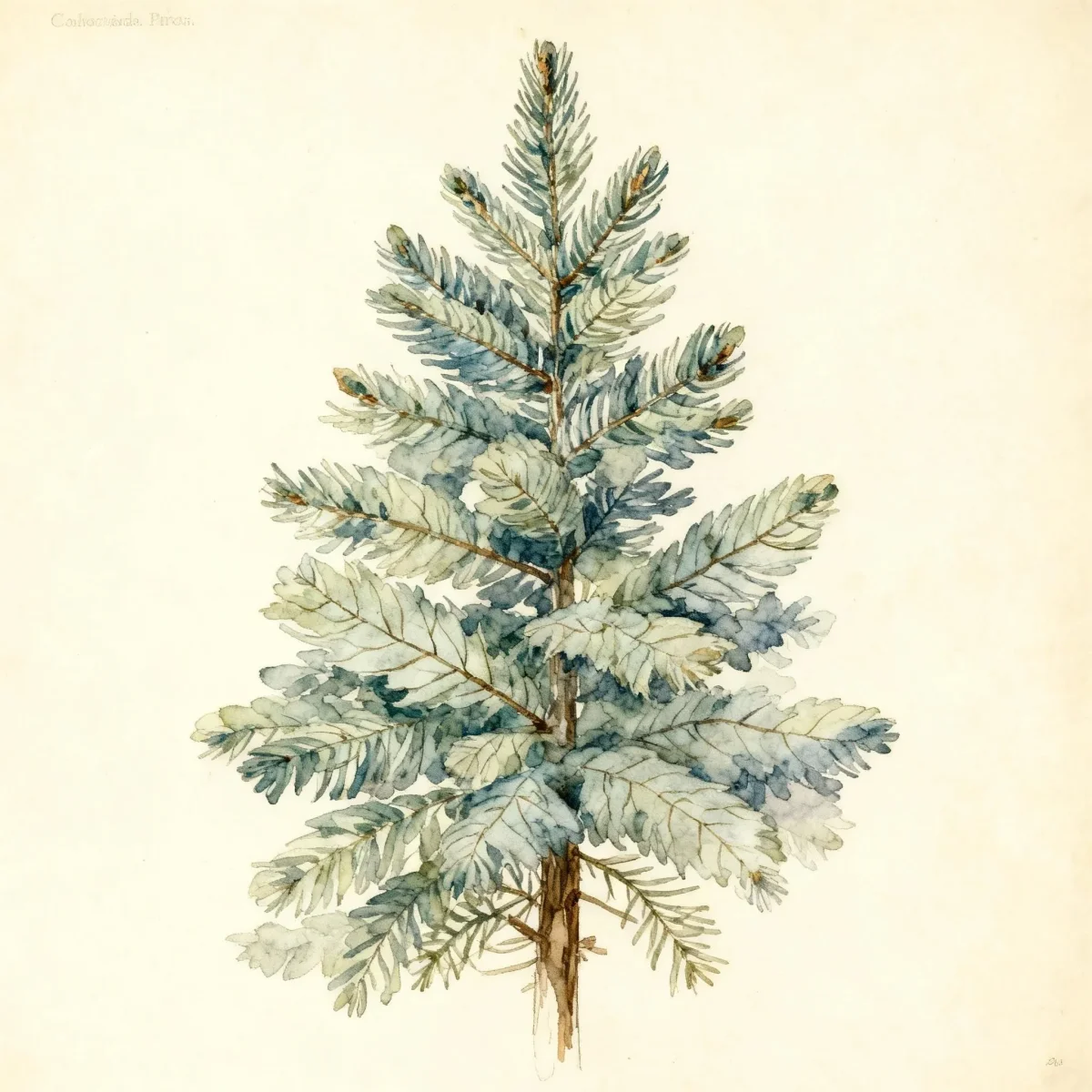
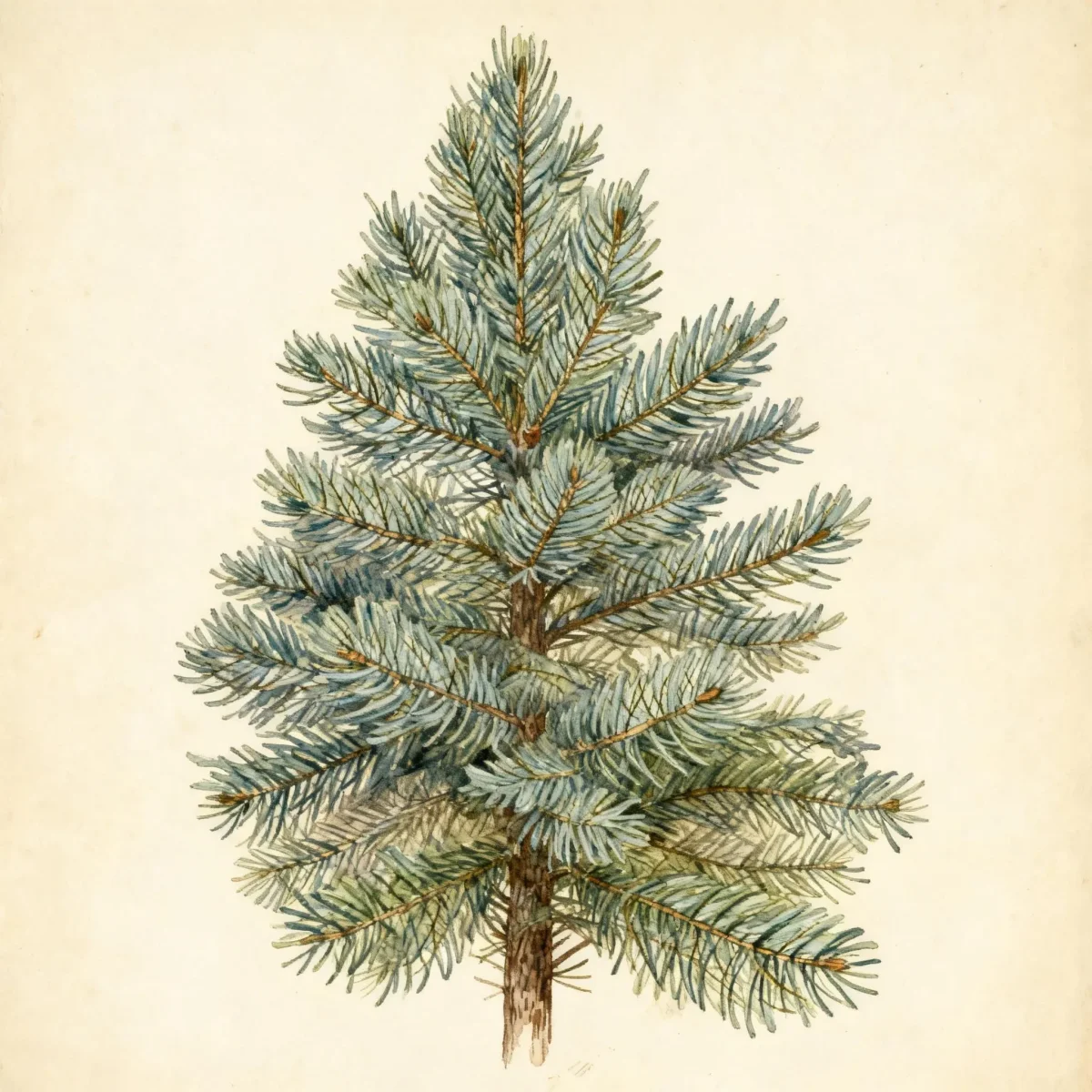
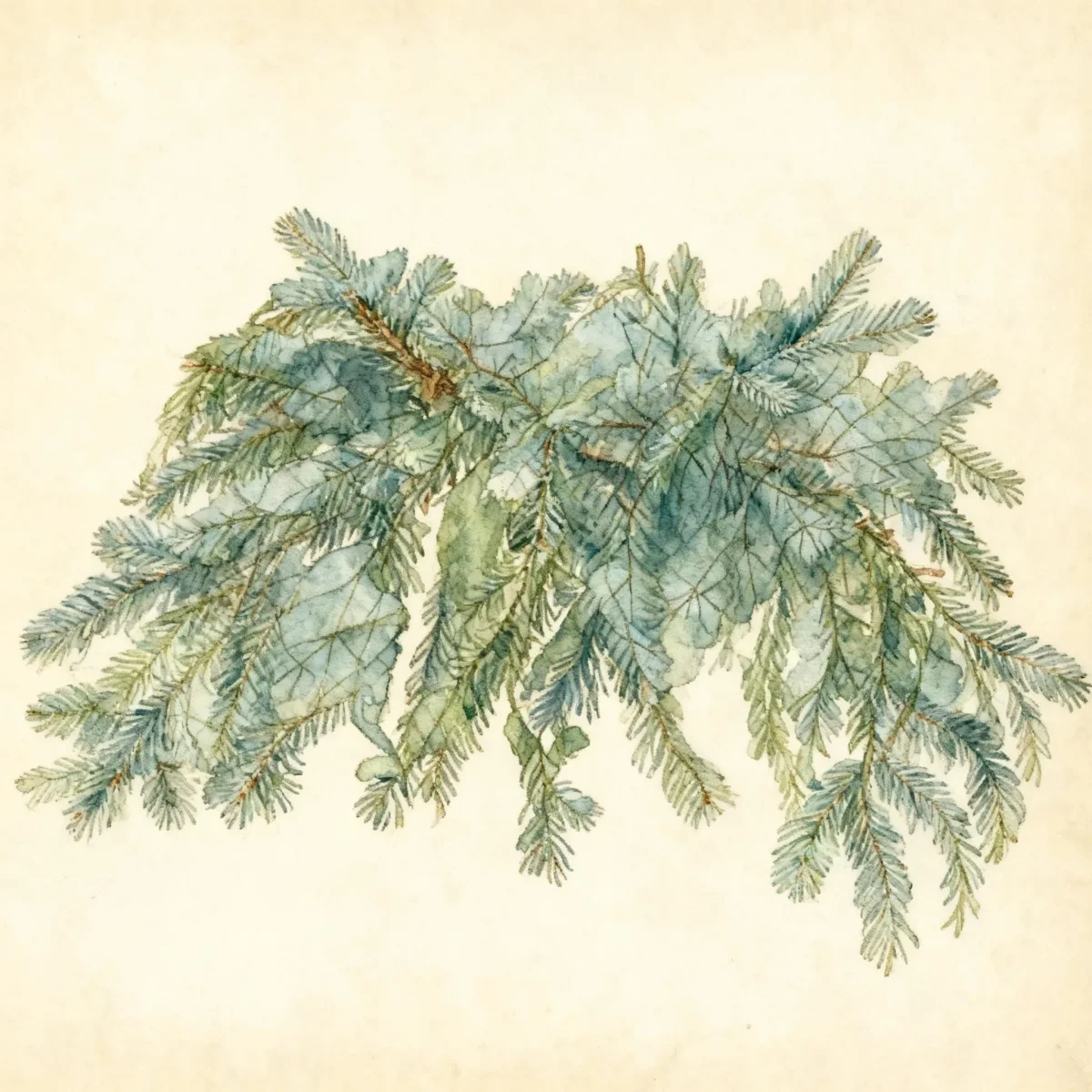
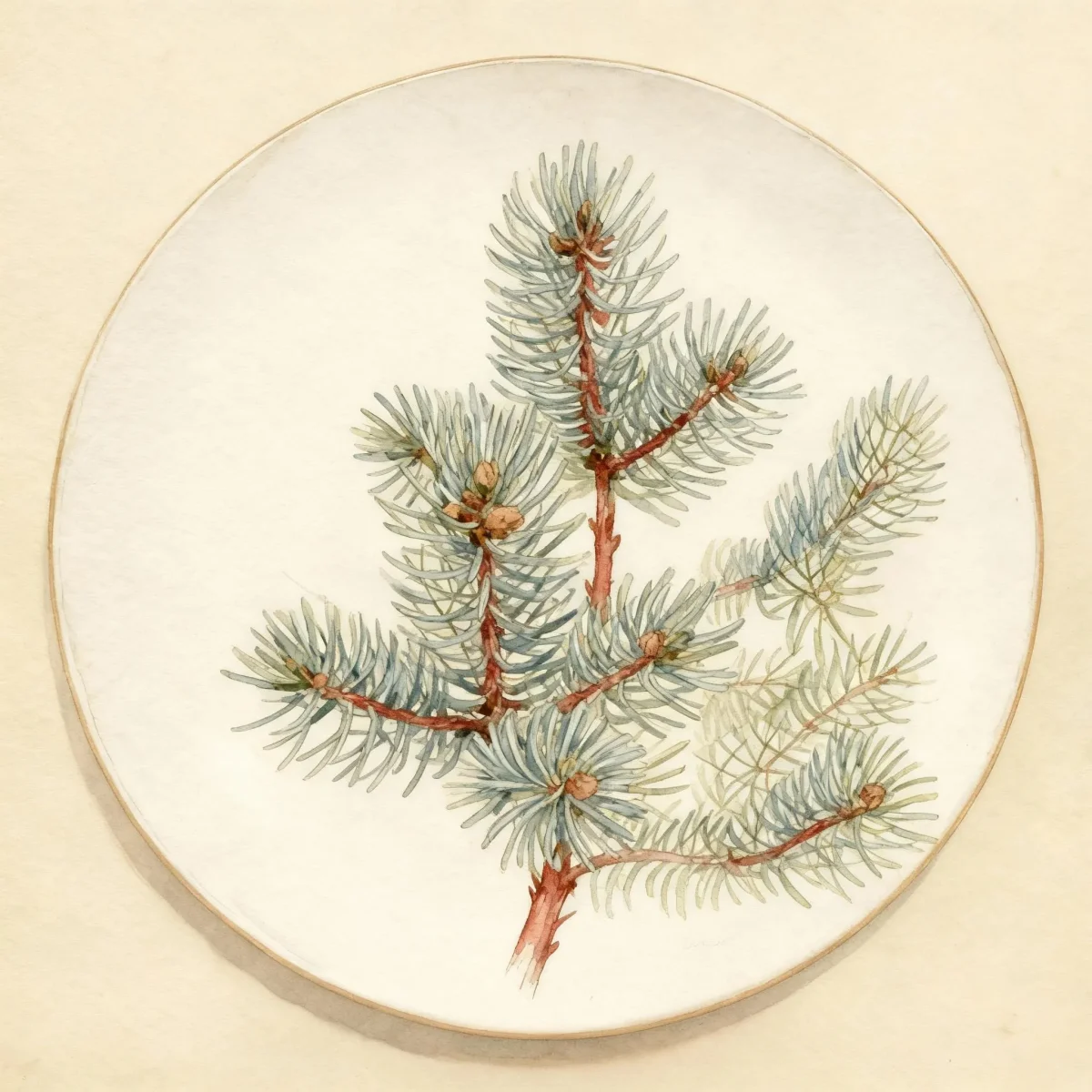
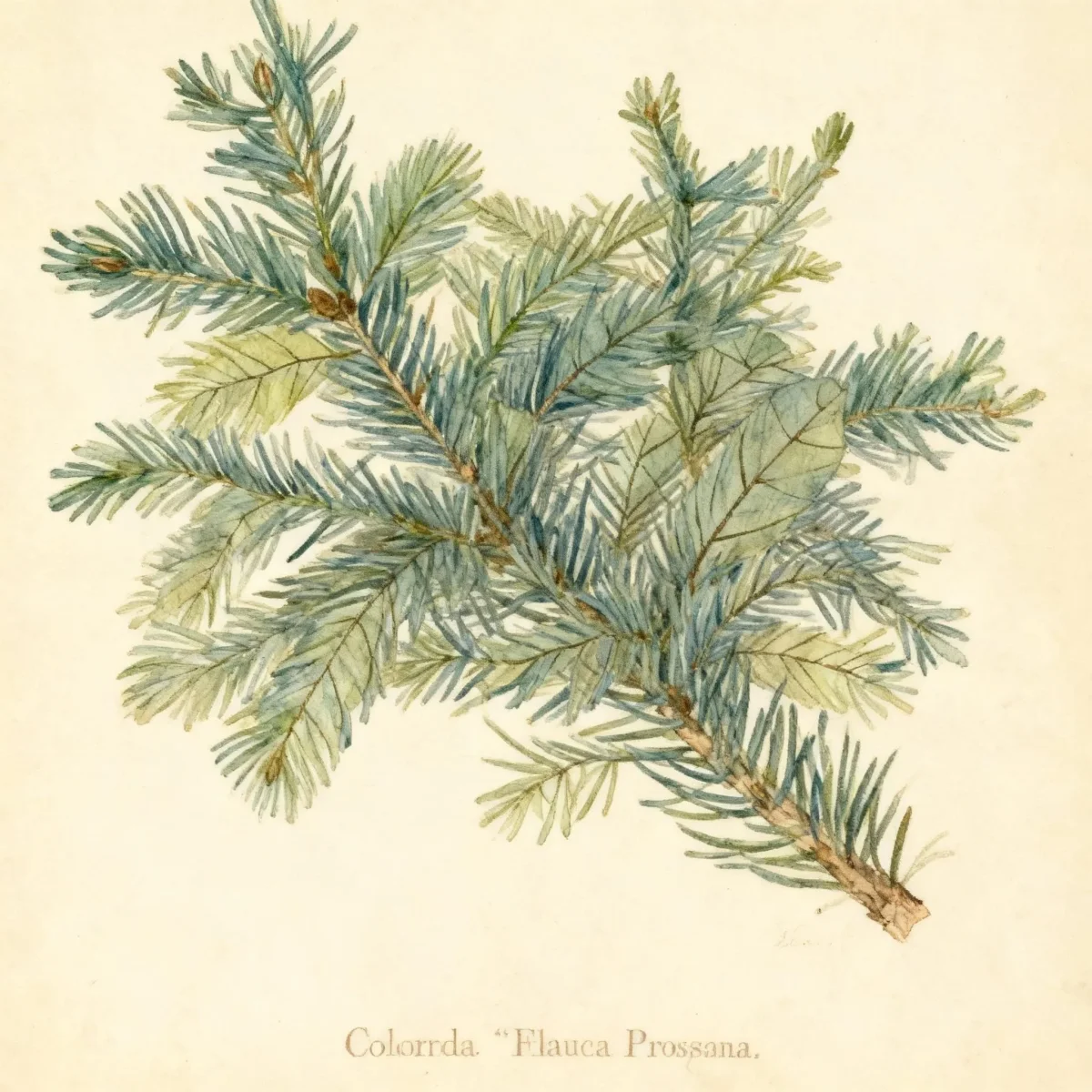
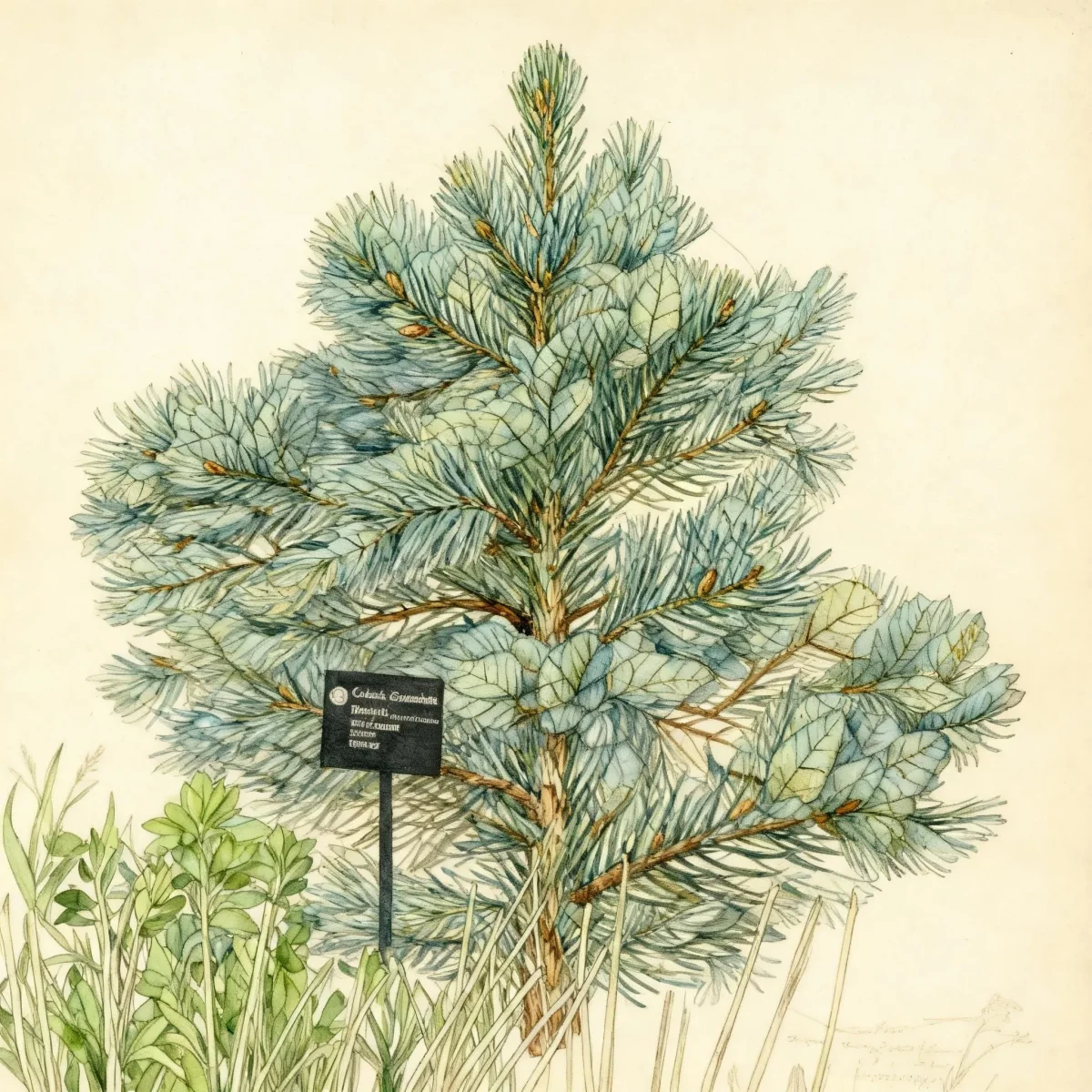
Colorado spruce (Picea pungens 'Corbet')
Picea pungens 'Corbet' is a dwarf Colorado spruce valued for its silver-blue needles and compact, pyramidal shape, perfect for small gardens.
Scroll down to discover growing tips, care requirements, companion plants, and more
Complete Plant Information
Overview
Picea pungens ‘Corbet’, a desirable dwarf cultivar of the Colorado spruce, brings the majestic appearance of the traditional blue spruce into smaller landscapes. This needled evergreen maintains a strict pyramidal habit with a clear central leader, making it an excellent choice where space is limited but vertical interest is desired. Its primary appeal lies in its year-round coloration, featuring silver-blue needles contrasted beautifully by soft blue-green new growth in the spring.
As a low-maintenance specimen, this cultivar offers excellent structural impact. It thrives when given consistent moisture and protection from the harshest summer heat found in humid regions. Gardeners appreciate the slow growth rate of Picea pungens ‘Corbet’, ensuring that this accent evergreen provides lasting form without quickly outgrowing its designated spot.
This resilient conifer provides excellent screening potential in confined areas and highlights rock gardens or foundation plantings effectively. Its dense, sharp needles provide reliable year-round texture, cementing its status as a prized landscape accent plant.
Fast Facts
- Plant Family: Pinaceae
- Plant Type: Needled evergreen
- Hardiness Zones: USDA Zones 3-7
- Size at Maturity:
- Height: 3-8 ft
- Spread: 2-6 ft
- Bloom Time: Non-flowering
- Bloom Description: Non-flowering
- Sun Exposure: Full sun
- Water Needs: Medium
- Maintenance Level: Low
How to Grow
For optimal establishment, plant Picea pungens ‘Corbet’ during the cooler seasons—early spring or fall—to minimize transplant shock. This Colorado spruce cultivar requires full sun exposure nearly all day for the best needle color development and density. Handle the root ball gently; the plant performs best in average, acidic soils that are consistently well-drained. Avoid heavy clay soils that retain too much water around the roots.
Watering is crucial, especially during the first few years. While established plants exhibit some drought tolerance, ensure the soil remains consistently moist, particularly through dry spells. Water deeply rather than frequently. Fertilizing is usually unnecessary if the soil quality is adequate, as Picea pungens ‘Corbet’ has low maintenance requirements. If growth is severely stunted, a balanced fertilizer applied in early spring may be beneficial.
Pruning is minimal due to its natural dwarf, pyramidal shape. Focus only on removing any dead, damaged, or crossing branches during the dormant season. In very hot, humid climates, providing afternoon shade can help prevent stress, as this species generally prefers cooler environments. Protect young plants from vigorous winds until their root systems are fully developed.
Landscape Uses
The compact dimensions of Picea pungens ‘Corbet’ make it incredibly versatile where traditional, large Colorado spruce would overwhelm the space. It excels as an imposing landscape specimen, drawing the eye with its distinct pyramidal silhouette and silvery-blue foliage, even serving as a striking accent near entryways. Furthermore, this smaller evergreen functions effectively in defined borders or when planted closely together, developing into a dense, low-to-medium screen.
Because of its formal shape, it pairs well with contrasting textures, such as broadleaf deciduous shrubs or low-growing perennials that offer seasonal color. It serves as an excellent anchor in contemporary or alpine garden designs. Consider planting it near pathways where its unique coloring can be appreciated up close throughout the winter months.
Standout Features
Noteworthy Characteristics
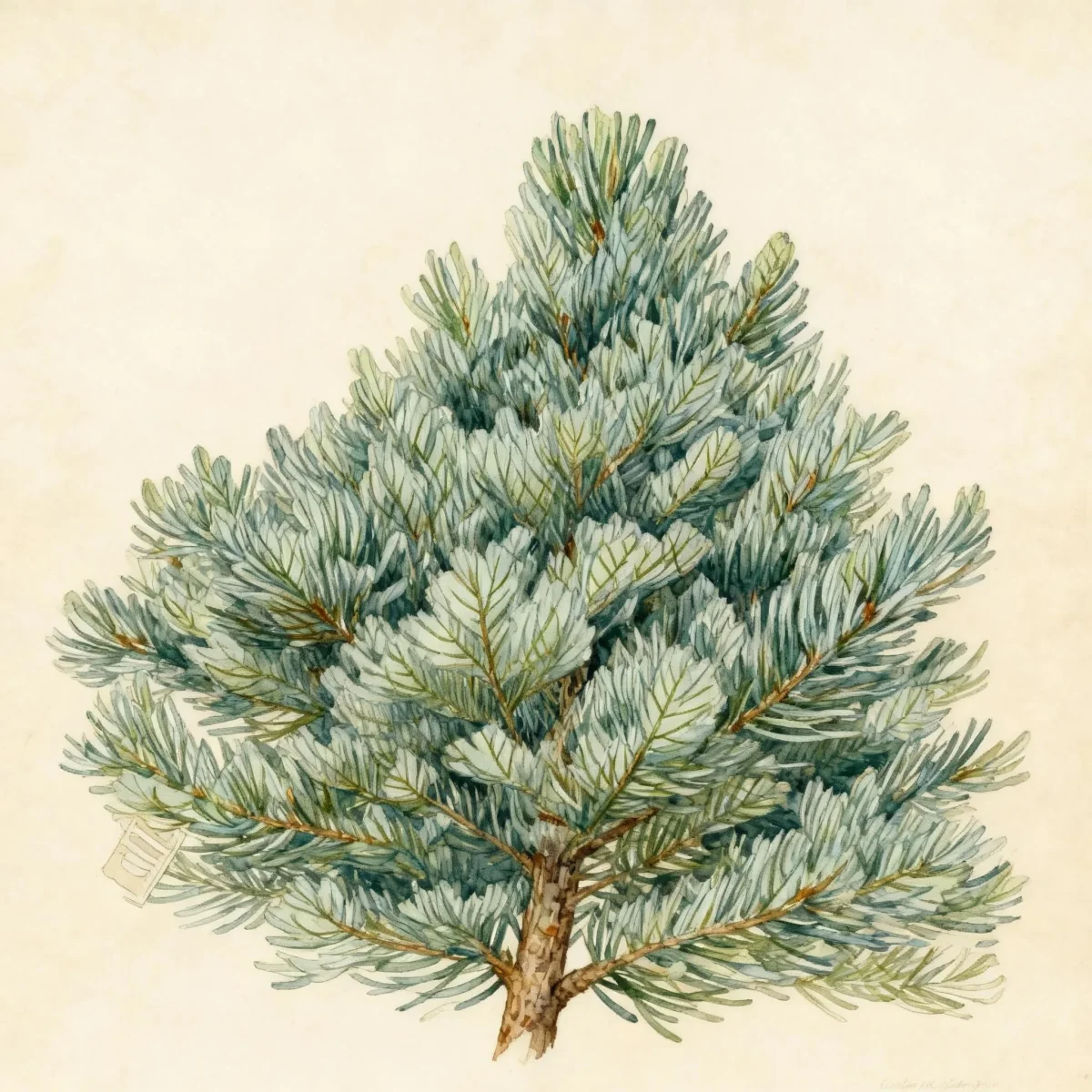
‘Corbet’ is a dwarf form of Picea pungens, developing a strong central leader and a tight, pyramidal shape, maturing slowly to about 8 feet tall and 6 feet wide. Its silver-blue needles, highlighted by soft blue-green new growth, provide year-round visual interest, making this particular Colorado spruce a highly valued garden addition.
Tolerances
- Rabbit
- Deer
- Drought
- Air Pollution
Potential Problems
Picea pungens ‘Corbet’ and other spruces can encounter several fungal issues, most notably needle cast and cytospora canker. Good air circulation, achieved by proper spacing during planting, is the primary defense against these diseases. Water the soil, not the foliage, to reduce humidity around the needles, which discourages fungal spore development.
Insects pose another potential threat to the health of your Colorado spruce. Closely inspect new growth in spring for aphids, especially spruce gall aphids, which cause distorted new shoots. Scale insects and the larvae of bagworms also target spruces; prompt treatment with horticultural oil or appropriate insecticide is necessary at the first sign of infestation. Persistent spider mite activity, often signaled by fine webbing and yellowing needles, requires immediate intervention, especially during hot, dry periods.
Frequently Asked Questions
What hardiness zones is Colorado spruce (Picea pungens ‘Corbet’) suitable for?
Picea pungens ‘Corbet’ is remarkably hardy, suitable for USDA Zones 3 through 7.
How large does Picea pungens ‘Corbet’ grow?
This cultivar is a dwarf form, typically reaching a mature height between 3 and 8 feet, with a spread ranging from 2 to 6 feet.
What sun exposure does Colorado spruce need?
This evergreen requires full sun exposure to maintain its best color and dense habit.
When does Picea pungens ‘Corbet’ bloom?
This plant is a needled evergreen and is non-flowering.
Conclusion
Picea pungens ‘Corbet’ offers an exceptional solution for gardeners needing the classic beauty of the Colorado spruce in a manageable, dwarf package. Its striking silver-blue foliage provides essential winter structure and low maintenance appeal, requiring little care once established. Before planting, ensure your site offers full sun and consistently moist, well-drained soil suitable for USDA Zones 3-7.
Companion Planting
Selecting appropriate companions helps Picea pungens ‘Corbet’ anchor the landscape. Pair this slow-growing conifer with plants that offer contrasting leaf textures, such as large-leaved Hostas or ferns, provided the companions tolerate the full sun exposure required by the spruce. Mid-border plantings of flowering perennials like Russian Sage Perovskia atriplicifolia or ornamental grasses provide movement that plays nicely against the stiff needles of the conifer.
For foundation planting, consider low-growing, spreading groundcovers that do not aggressively compete for water or nutrients. Deciduous shrubs that provide brilliant fall color, such as Dwarf Burning Bush Euonymus alatus, offer a dramatic seasonal contrast to the evergreen blue color of the Colorado spruce throughout the year.
Cultural Considerations for Blue Foliage
The desirable blue or silver-blue coloration found on many Picea cultivars, including Picea pungens ‘Corbet’, is due to a waxy coating called epicuticular wax on the needle surface. Heavy rain, frequent pruning, or overhead watering can physically strip this wax away, temporarily revealing the greener tissue underneath. Gardeners should avoid excessive overhead spraying or heavy manipulation of the branches to preserve this key aesthetic feature.
This wax layer also helps the plant manage water loss, which contributes to its notable drought tolerance once established. However, because the plant naturally prefers moist conditions found in its native Rocky Mountain habitat, gardeners in hot, dry summers should monitor soil moisture diligently—especially in its first few seasons—to help the blue pigments express fully and healthily.