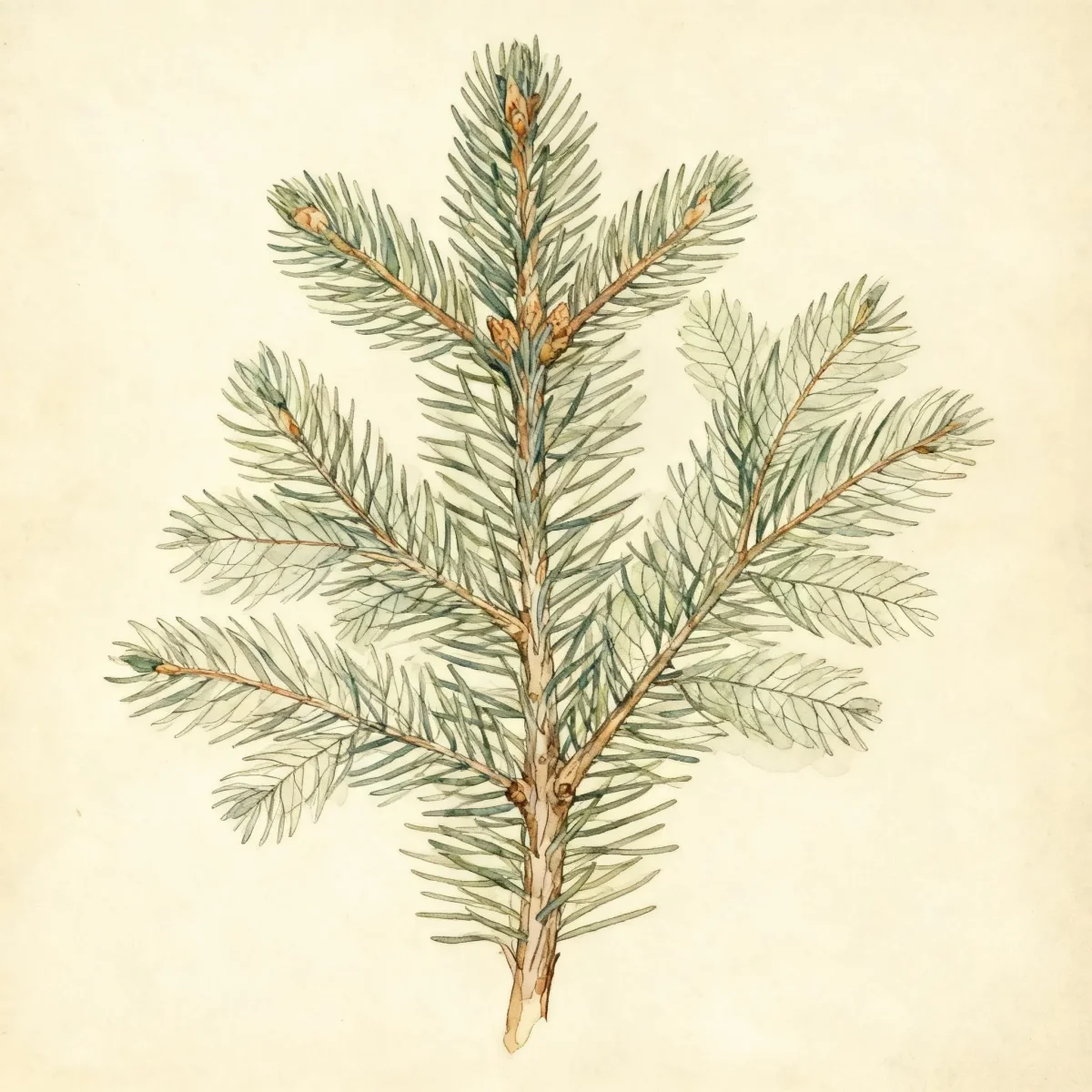
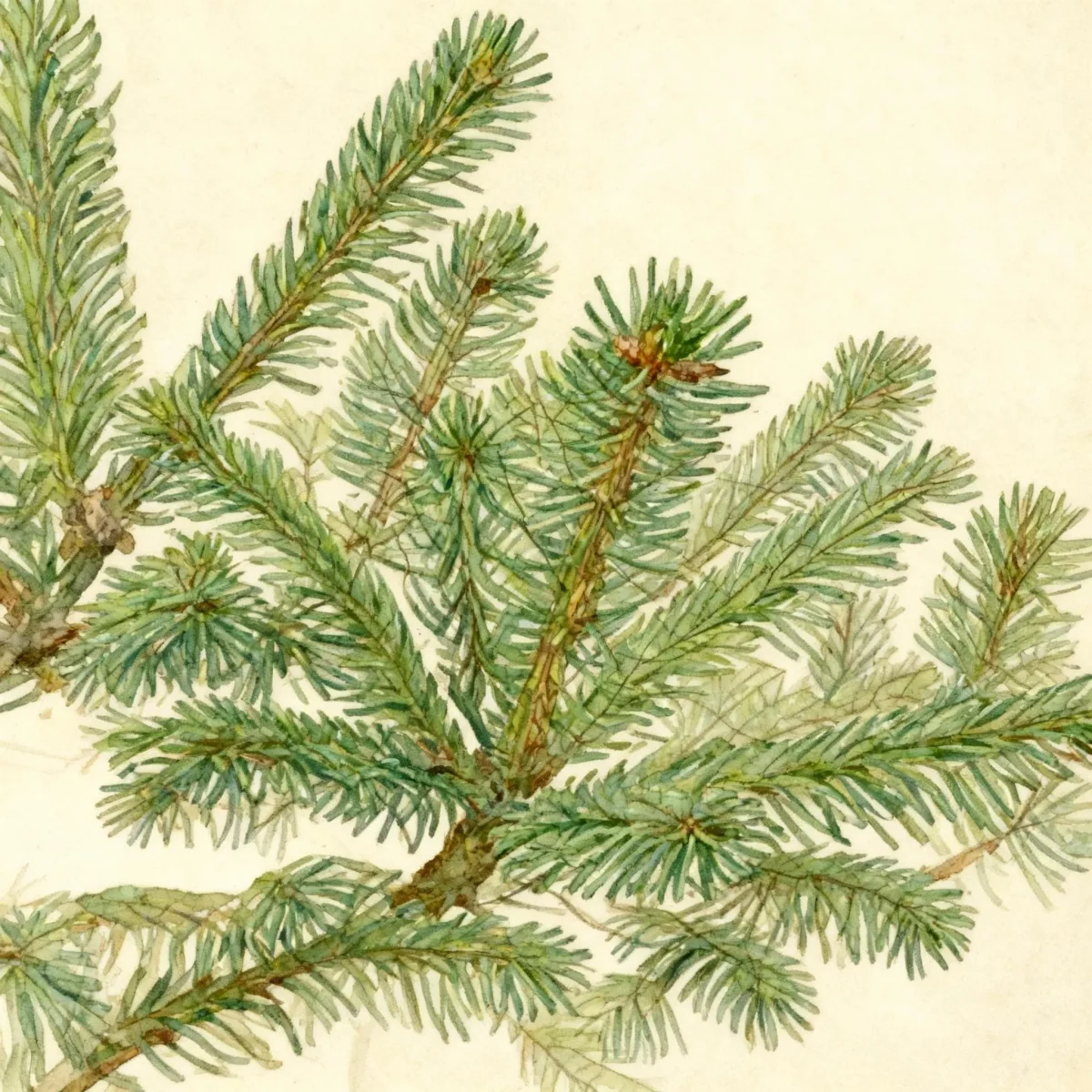
Norway spruce (Picea abies 'Hillside Upright')
Picea abies 'Hillside Upright' is a narrow, upright Norway spruce, perfect for small landscapes requiring vertical accent and low maintenance.
Scroll down to discover growing tips, care requirements, companion plants, and more
Complete Plant Information
Overview
Picea abies ‘Hillside Upright’ offers the classic appeal of the Norway spruce in a manageable, narrow form ideal for modern or restricted garden spaces. This cultivar maintains dense, dark green foliage set against distinctive rust-colored stems, providing year-round structure and color interest. It is valued precisely because it resists the massive spreading habit of its parent species, making it an excellent vertical anchor.
As a needled evergreen, this selection requires consistent care regarding location selection, benefiting most from full sun exposure. While established plants show some drought tolerance, the Norway spruce thrives best when cultural needs for acidic, evenly moist soil are met. Its low maintenance profile, combined with its attractive upright architecture, cements its place as a premium specimen plant.
Gardeners in cooler climates will find the Picea abies ‘Hillside Upright’ exceptionally reliable. It is important to note its preference for cooler summer weather, suggesting caution when planting far south of its optimal zones. This compact Norway spruce provides excellent textural contrast against deciduous plantings.
Fast Facts
- Plant Family: Pinaceae
- Plant Type: Needled evergreen
- Hardiness Zones: USDA Zones 3-7
- Size at Maturity:
- Height: 10-20 ft
- Spread: 4-8 ft
- Bloom Time: Non-flowering
- Bloom Description: Non-flowering
- Sun Exposure: Full sun
- Water Needs: Medium
- Maintenance Level: Low
How to Grow
The best time to plant the Picea abies ‘Hillside Upright’ is during the cooler, dormant seasons—early spring or fall—allowing the roots time to establish before summer heat or deep winter freezes. Ensure the planting location receives full sun for the best density and color. Optimal soil should be average, acidic, and crucially, well-drained, though this variety performs well in rich, sandy soils.
Watering for a newly planted Picea abies ‘Hillside Upright’ should be consistent to keep the soil evenly moist, especially through the first two to three years. Once established, established plants have some tolerance for dryish soils, but providing medium water during extended dry spells is recommended. Fertilizing is rarely necessary if the soil is adequate, but slow-release evergreen food in spring can support robust growth.
Pruning should be minimal, focusing only on removing dead, damaged, or crossing branches as needed. Avoid heavy shearing, as this can spoil the natural upright pyramidal form of the Norway spruce. Gardeners should be aware that the species prefers cool summer climates, and sites with excessive heat or humidity may lead to stress or greater susceptibility to pests.
Landscape Uses
Picea abies ‘Hillside Upright’ is highly effective as a striking accent plant where vertical interest is required without vast spread. Its narrow profile makes it an excellent choice for flanking entryways or integrating into planned mixed borders where space conservation is key. Unlike the large forest trees, this cultivar fits seamlessly into suburban landscaping schemes.
Because of its dense, dark green foliage, the Picea abies ‘Hillside Upright’ serves as a superb year-round screen or visual anchor. It contrasts beautifully against lighter-colored stone walls or when paired with low-growing flowering perennials that prefer acidic conditions. It can also be successfully incorporated into group plantings to create a formal, structured look in larger yards.
Standout Features
Noteworthy Characteristics
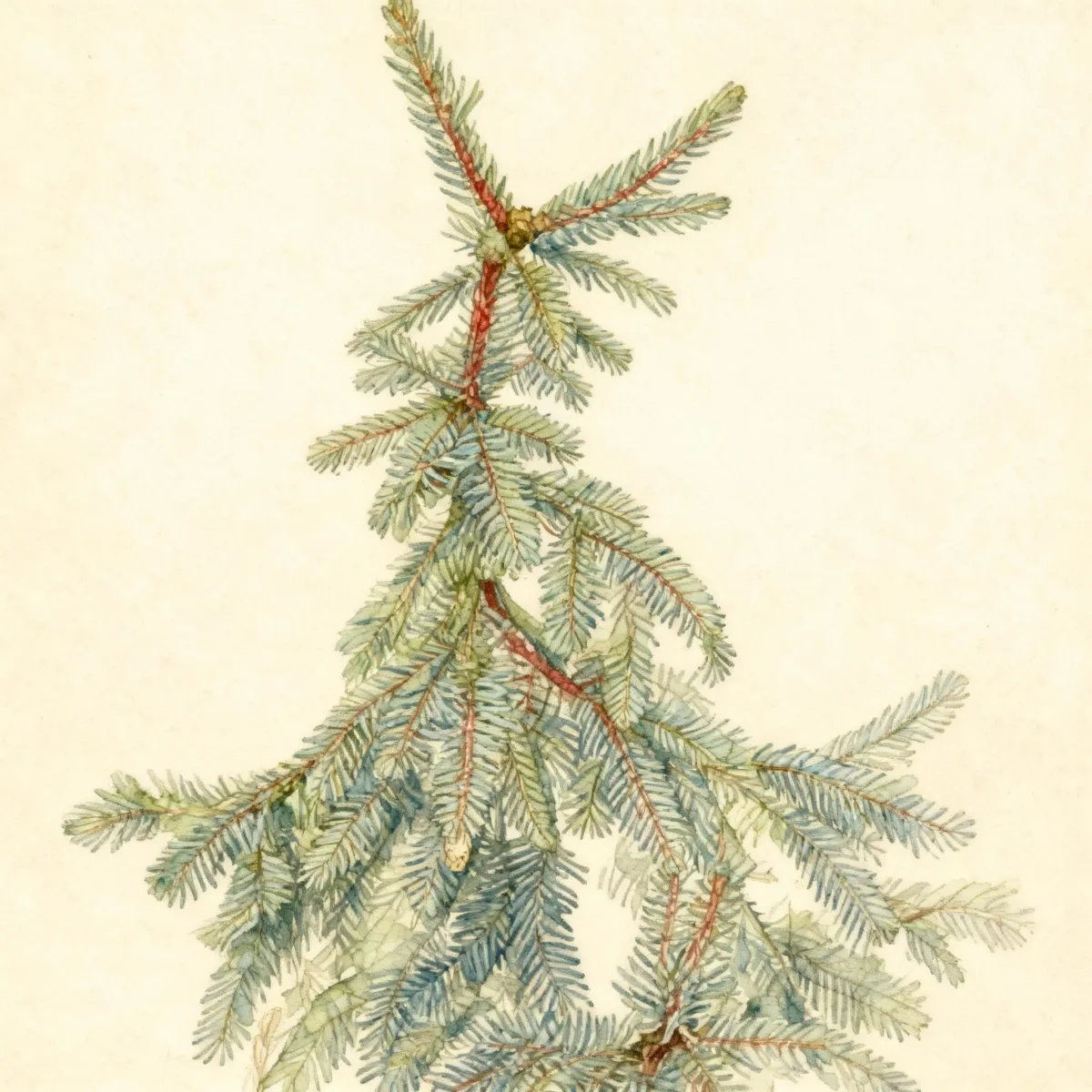
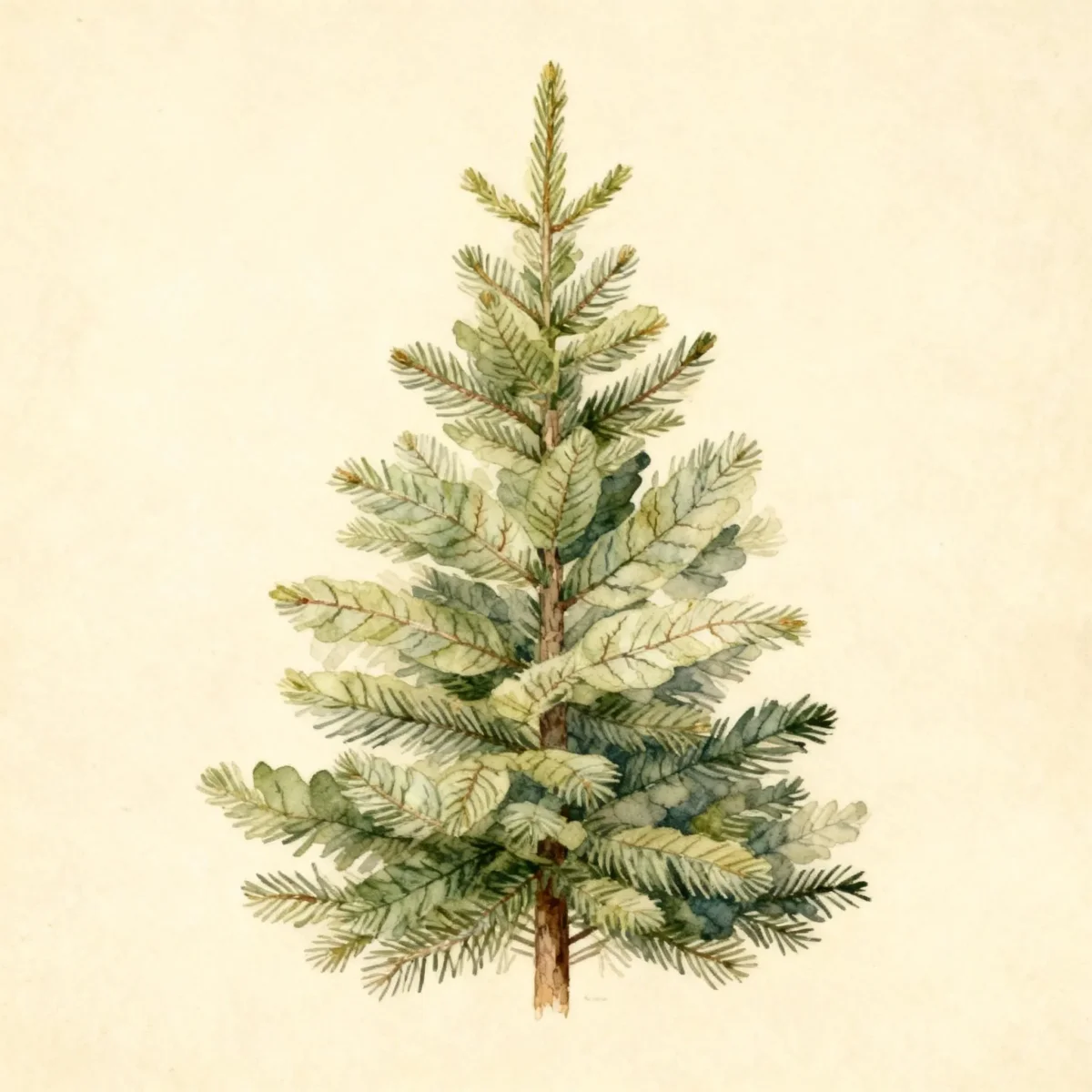
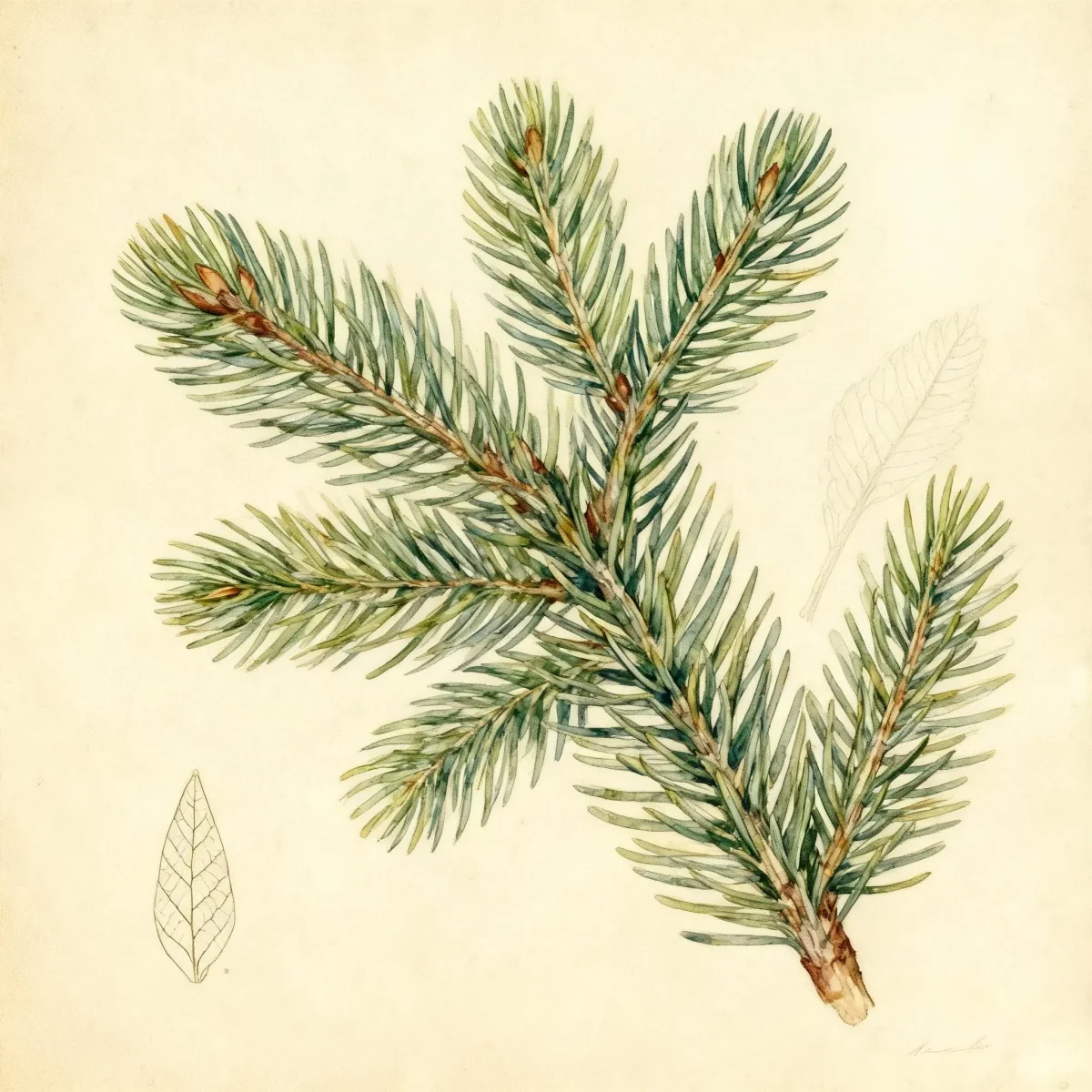
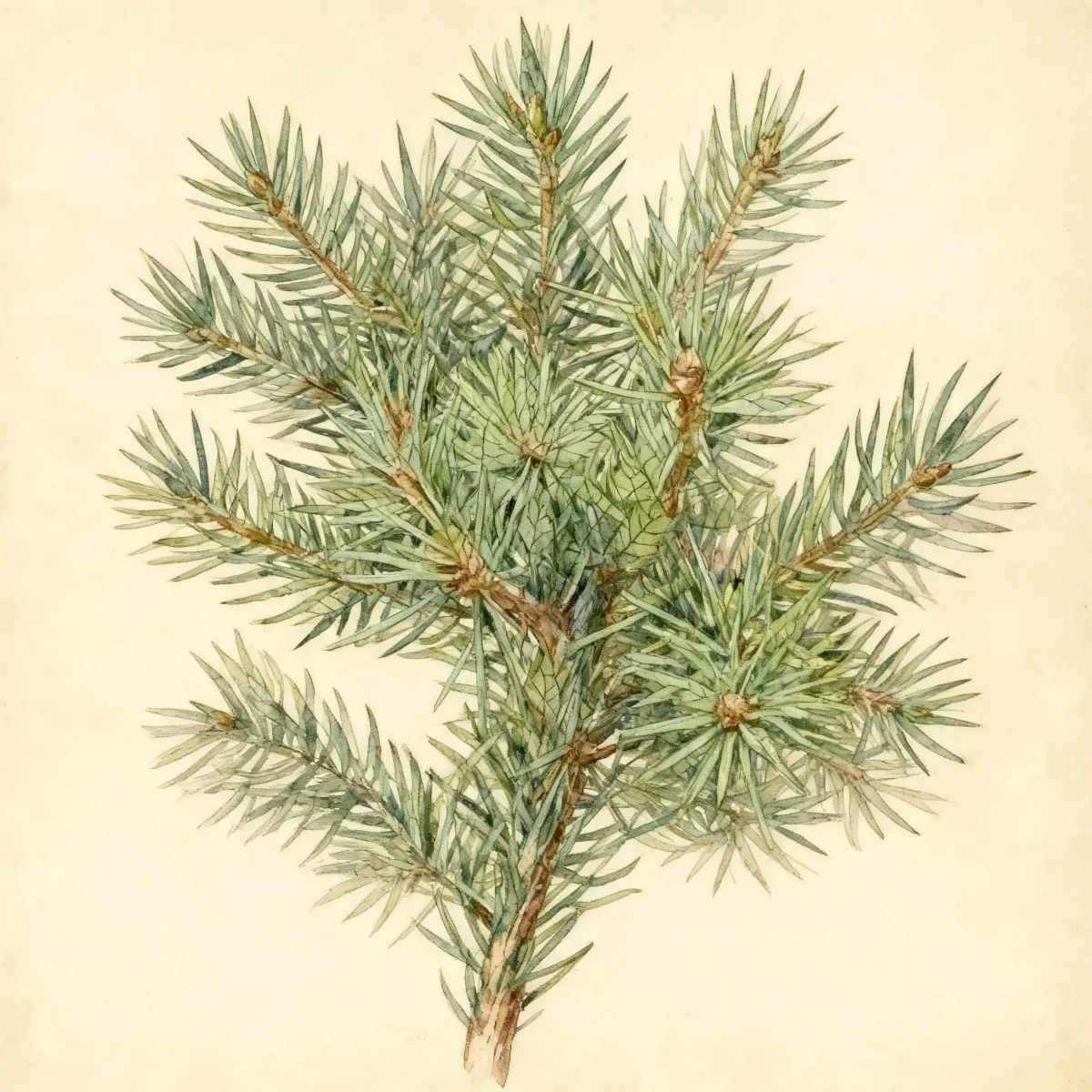
Picea abies, commonly called Norway spruce, is a large pyramidal evergreen conifer that is native to the mountains of northern and central Europe east to the Urals. In its native European habitat, it typically matures to 100-150’ (occasionally to 200’) tall. It has been widely planted in cool and temperate regions of North American where it typically matures to a much shorter 40-60’ (less frequently to 100’) tall. It is noted for its rapid growth. Primary branches are slightly upturned but secondary branches become pendulous as the tree matures. Branches are clad with spirally-arranged, four-sided, needle-like, deep green leaves which are attached at their bases to tiny pegs. Cylindrical seed bearing cones (to 9” long) are pendulous. In excess of 150 cultivars (mostly dwarf) have been named over the years. Cultivars can be very difficult to distinguish.Genus name is reportedly derived from the Latin word pix meaning “pitch” in reference to the sticky resin typically found in spruce bark.Specific epithet refers to its similarity to the genus Abies (fir).’Hillside Upright’ is a narrow upright pyramidal form that typically grows to 5-10’ tall over the first 10 years, eventually maturing to 20’ tall with an 8 foot spread. It features dark green foliage on rust-colored stems.
Tolerances
- Deer
- Air Pollution
Potential Problems
Potential issues for the Norway spruce generally involve fungal diseases if air circulation is poor or moisture pools around the base. Cytospora canker, wood decay, needle cast, and rust may occur, especially in overly wet or crowded conditions. Proactive care includes ensuring excellent drainage and avoiding overhead watering during rainy periods to keep foliage drier.
Pest monitoring is also essential. Watch specifically for common spruce pests such as aphids, bagworms, budworms, and borers, which can weaken the tree over time. Red spider mites can also become troublesome, particularly when the Norway spruce is stressed by heat or drought conditions. Early detection through regular inspection is the best defense against infestations.
Frequently Asked Questions
What hardiness zones is Norway spruce suitable for?
This Picea abies ‘Hillside Upright’ cultivar is reliably hardy across USDA Zones 3 through 7.
How large does Picea abies ‘Hillside Upright’ grow?
This upright form typically matures to a height between 10 and 20 feet, with a manageable spread of 4 to 8 feet.
What sun exposure does Norway spruce need?
Picea abies ‘Hillside Upright’ requires full sun exposure to maintain its dense, attractive shape and deep green color.
When does Norway spruce bloom?
As a conifer, this plant is non-flowering.
Conclusion
The desirable vertical structure and reliably low maintenance make the Picea abies ‘Hillside Upright’ an outstanding choice for targeted evergreen impact in smaller settings. This specific Norway spruce cultivar successfully marries structural formality with resilience against common urban stressors like air pollution. Always plan your planting schedule according to your local climate to ensure the best possible establishment for your new specimen.
Companion Planting
Selecting appropriate companions enhances the garden design around your Picea abies ‘Hillside Upright’. Look for low-growing, broadleaf evergreens or perennials that share a preference for acidic soil pH. Plants such as azaleas, rhododendrons, or heathers thrive under similar conditions and provide excellent textural and color contrast against the dark needles of the Norway spruce.
Avoid planting intolerant species too closely, as root competition or excessive shade from the spruce may cause problems. Because this cultivar has a relatively narrow base, integrating groundcovers that appreciate dappled light beneath its canopy can help suppress weeds and maintain a consistently moist soil surface, benefiting the shallow root system typical of spruces.
Seasonal Care Calendar
Spring is the prime time for preparing your soil and checking for early pest activity. Apply a slow-release, balanced fertilizer if necessary before summer heat sets in, ensuring deep watering follows application. In summer, focus on monitoring moisture levels, especially during heatwaves, compensating for the ‘Medium’ water needs.
Fall preparation should involve reducing fertilization and allowing the plant to acclimate to cooler temperatures naturally. Winter care centers on protection: if you experience heavy snow or ice loads, gently brush off accumulations to prevent branch breakage on your upright Norway spruce. Spring cleanup involves removing any lingering winter debris and inspecting the foliage for emerging spring pests.