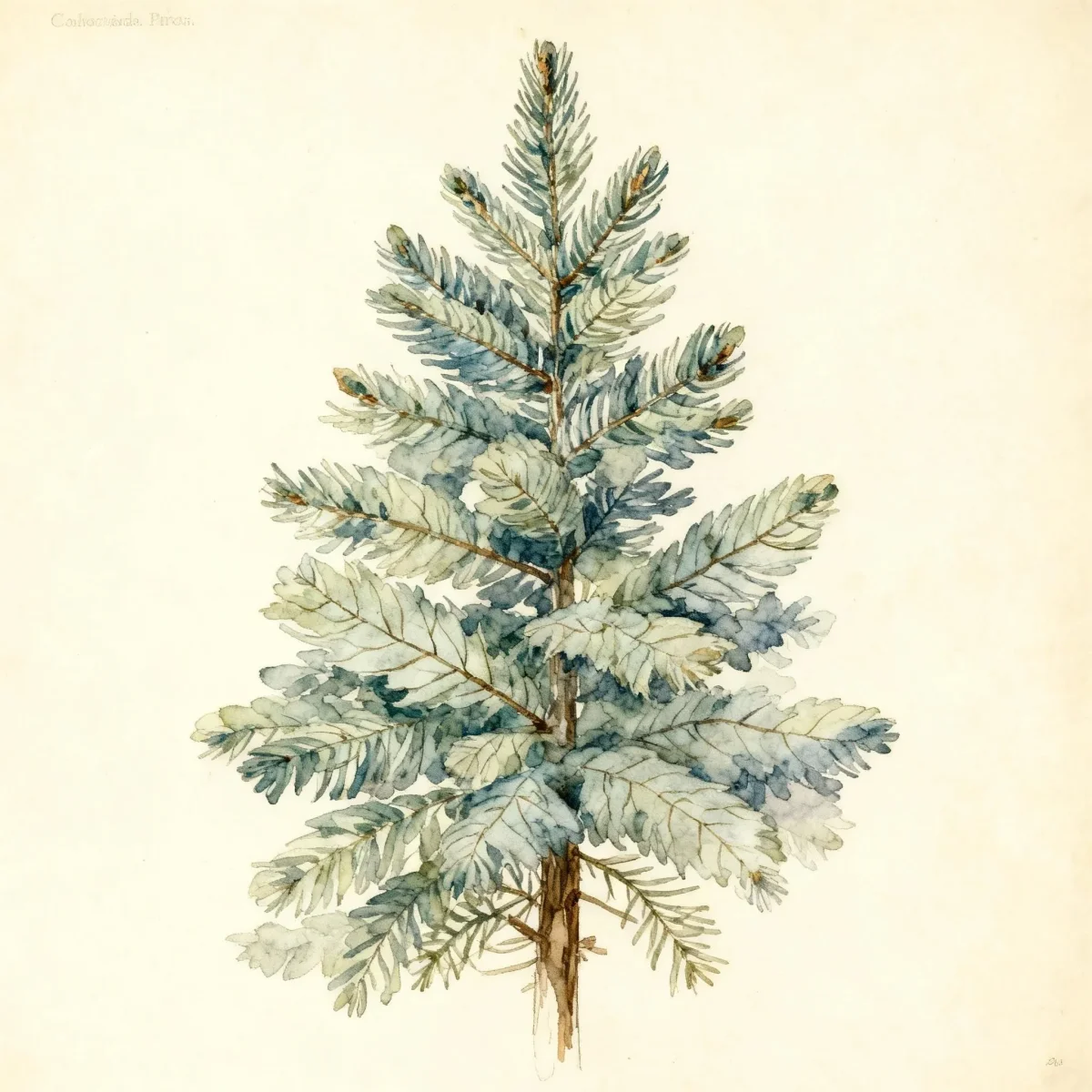
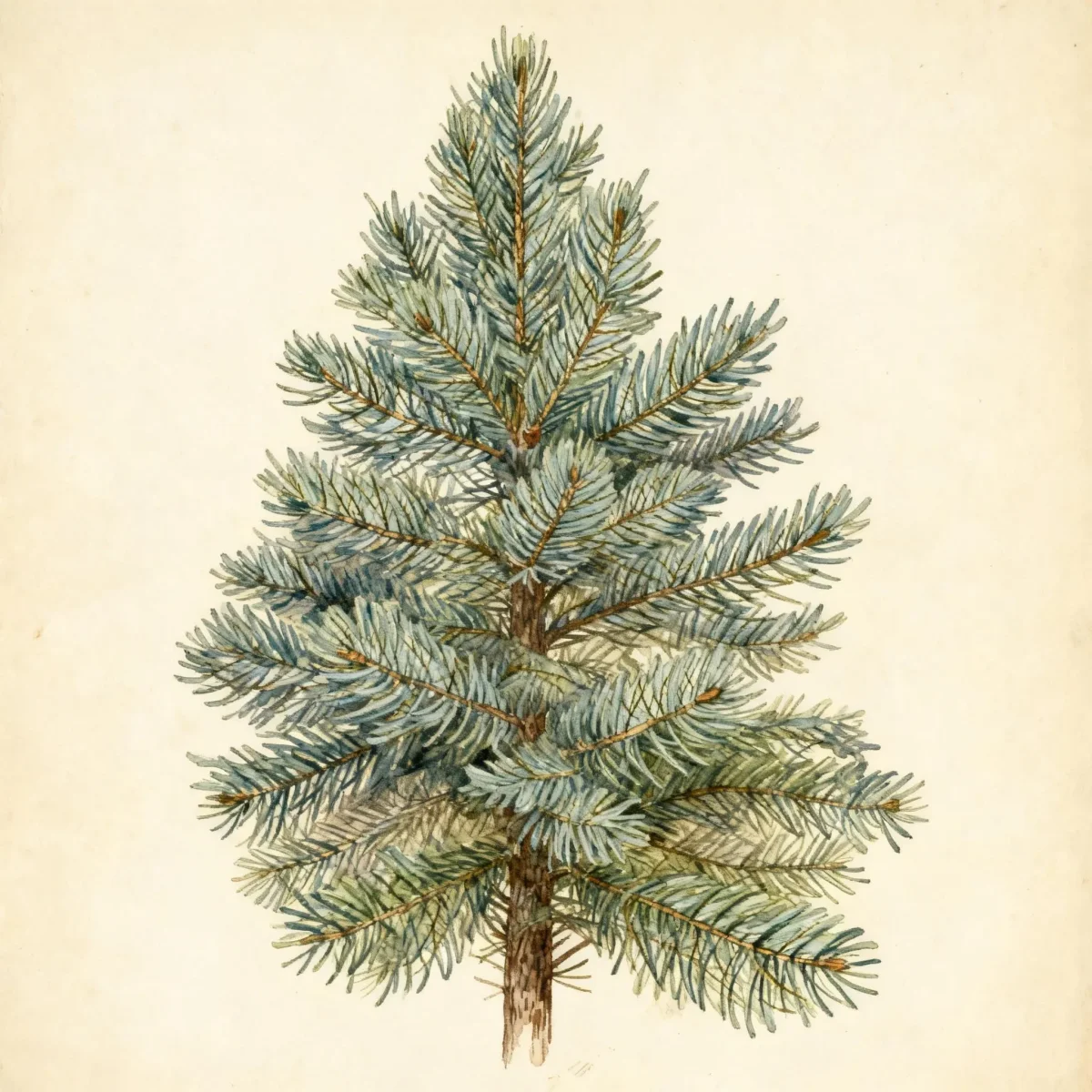
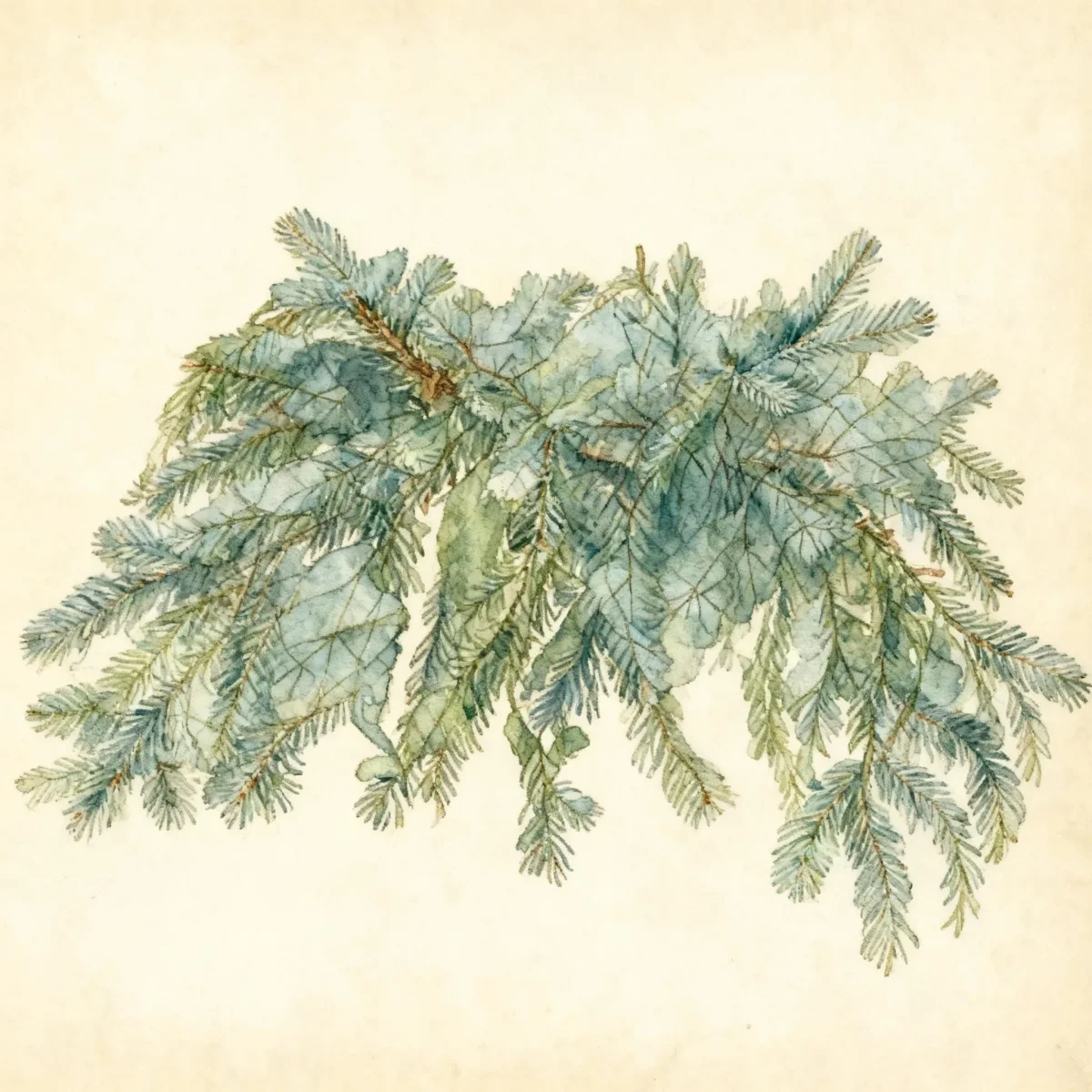
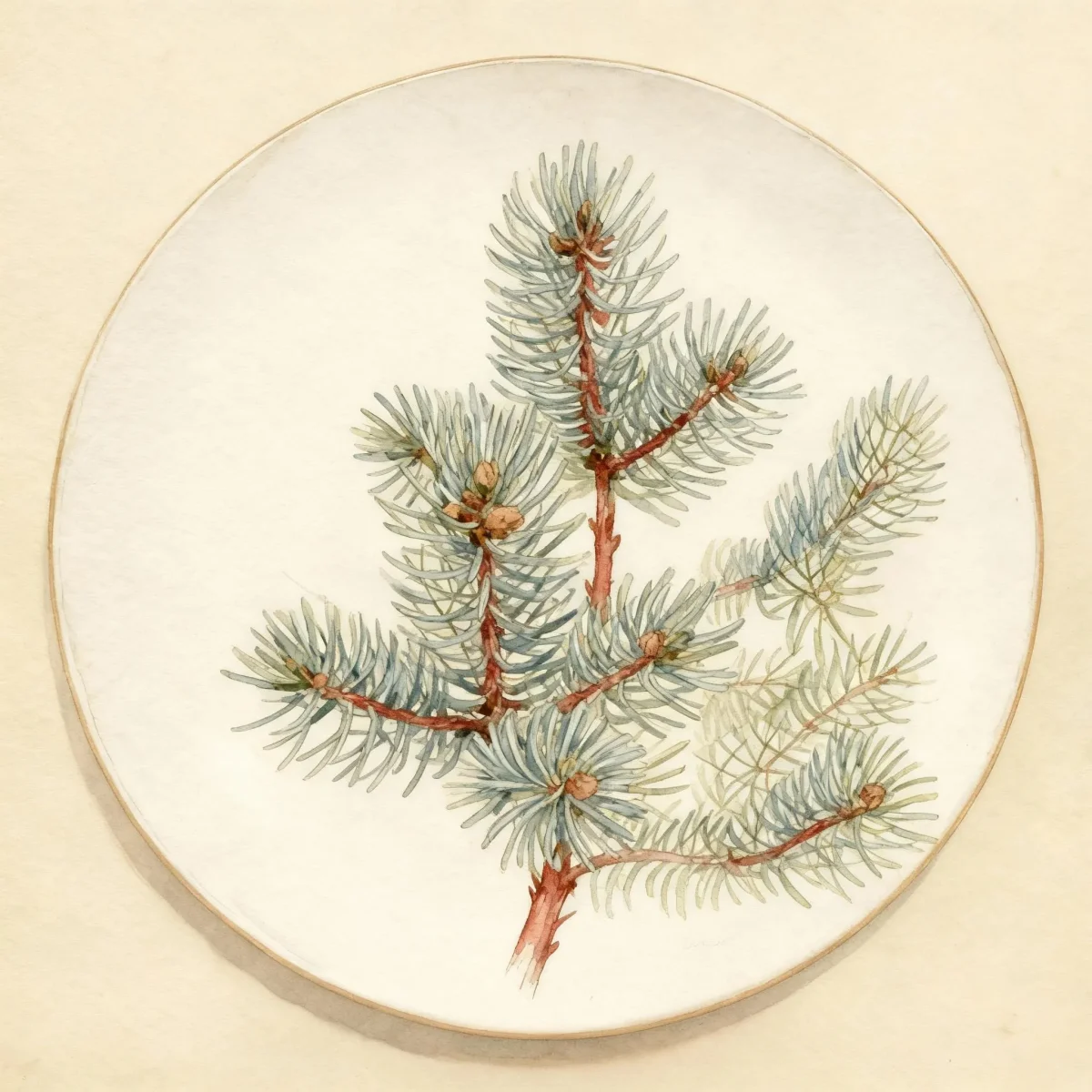
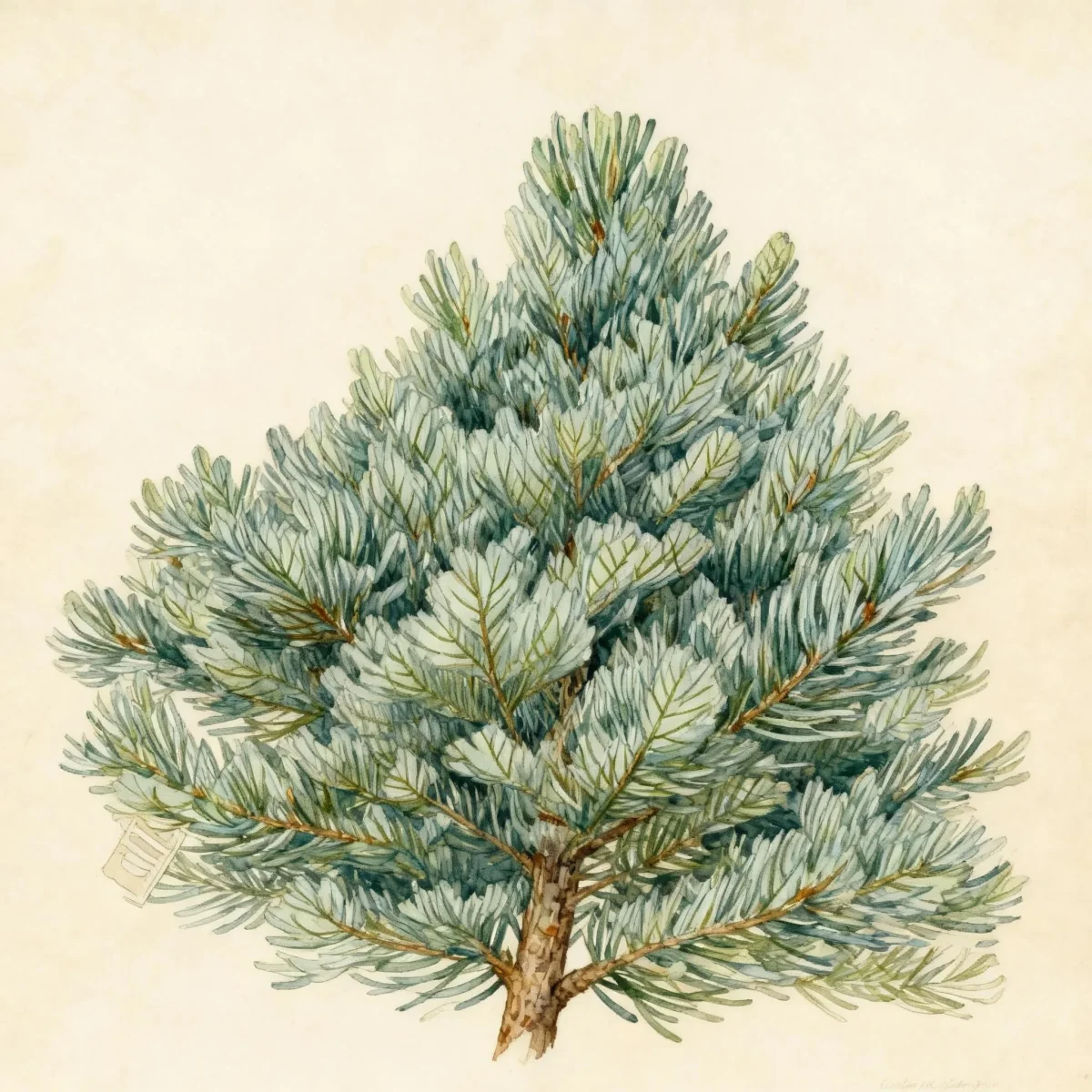
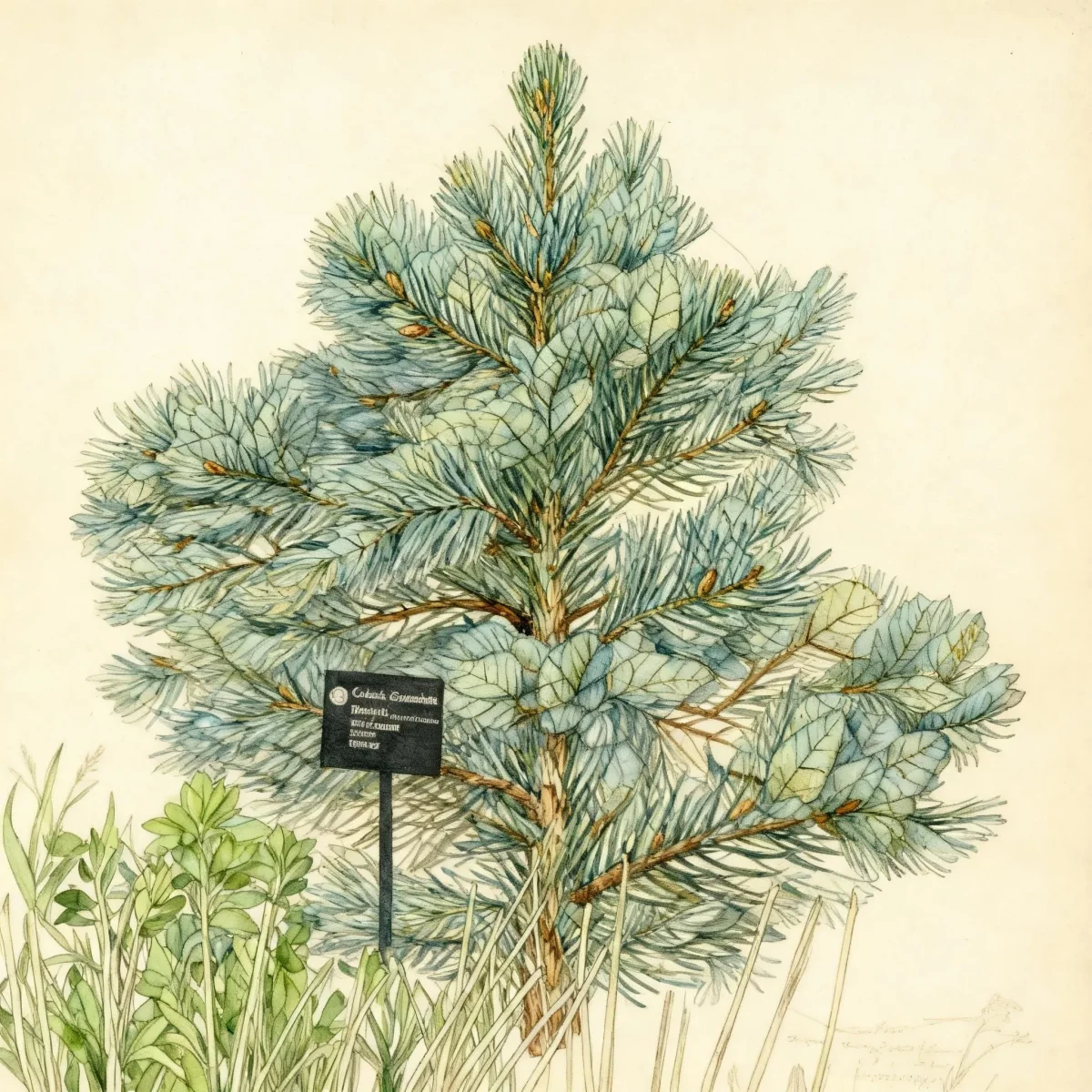
Colorado spruce (Picea pungens 'Glauca Prostrata')
Picea pungens 'Glauca Prostrata' is a low, spreading Colorado spruce cultivar perfect for ground cover with striking silver-blue needles.
Scroll down to discover growing tips, care requirements, companion plants, and more
Complete Plant Information
Overview
$Picea\ pungens\ ‘Glauca\ Prostrata’$ offers a unique, spreading form of the classic Colorado spruce, highly valued for its vibrant year-round color and low stature. Unlike its towering pyramidal relatives, this cultivar maintains a prostrate habit, spreading horizontally across the landscape while only reaching low heights. This characteristic makes the $Picea\ pungens\ ‘Glauca\ Prostrata’$ an excellent alternative for gardeners desiring the distinct blue-silver foliage of the Colorado spruce in areas where vertical growth is undesirable.
The striking silver-blue needles are stiff, four-angled, and densely packed, providing excellent texture contrast against other plantings. Although established plants exhibit some drought tolerance, maintaining consistent moisture is key to ensuring the best foliage quality for this beautiful ground cover. Gardeners find the low maintenance requirements of this evergreen highly appealing, especially combined with its resilience to common urban stresses.
This Rocky Mountain spruce form excels specifically where a spreading evergreen accent is needed, offering superb color and structure across winter months. Expect this cultivar to deliver the visual impact of a classic blue spruce, but in a manageable, ground-hugging form ideal for rock gardens or slopes.
Fast Facts
- Plant Family: Pinaceae
- Plant Type: Needled evergreen
- Hardiness Zones: USDA Zones 3-7
- Size at Maturity:
- Height: 1-2 ft
- Spread: 6-10 ft
- Bloom Time: Non-flowering
- Bloom Description: Non-flowering
- Sun Exposure: Full sun
- Water Needs: Medium
- Maintenance Level: Low
How to Grow
Planting this cultivar is best achieved in the spring or early fall, allowing the roots ample time to establish before experiencing extreme weather. Select a location providing full sun exposure, though slight afternoon shade can be beneficial in extremely hot, humid summer climates where stress increases. The $Picea\ pungens\ ‘Glauca\ Prostrata’$ thrives best in average, acidic soils that are consistently medium in moisture and possess excellent drainage.
Watering is critical during the early establishment years; ensure the soil remains consistently moist and does not dry out completely, even though mature specimens gain some drought tolerance. While maintenance is generally low, avoid planting in locations prone to persistent summer humidity, as the species prefers cooler climates and may struggle under intense heat. Fertilization is rarely required if the soil is reasonably rich and moist.
Pruning is typically minimal for this naturally low-growing variety; focus efforts only on removing diseased or damaged branches as detected. Inspect regularly for potential insect pests, especially during periods of environmental stress, as early detection significantly aids management efforts of any issues affecting your $Picea\ pungens\ ‘Glauca\ Prostrata’$.
Landscape Uses
The silver-blue evergreen conifer truly shines when utilized as a ground cover, providing dense, season-long color. Its spreading habit, reaching up to 10 feet wide while remaining low to the ground, makes $Picea\ pungens\ ‘Glauca\ Prostrata’$ an exceptional choice for softening rockeries or cascading over retaining walls. The horizontal branching structure creates an attractive, mounding effect that acts as a living mulch in garden beds.
Consider incorporating this cultivar into low-maintenance landscapes where mounding evergreens are desired near entryways or along pathways where a low profile is necessary. When pairing plants, choose companions that appreciate similar full sun conditions and well-drained soil, such as low-growing sedums or hardy ornamental grasses that won’t compete heavily for the ground space needed by the spreading roots.
This specific form of Colorado spruce serves beautifully as a foundation planting where a very low border is required, maintaining visual interest without obscuring architectural features or neighboring lower shrubs.
Standout Features
Noteworthy Characteristics
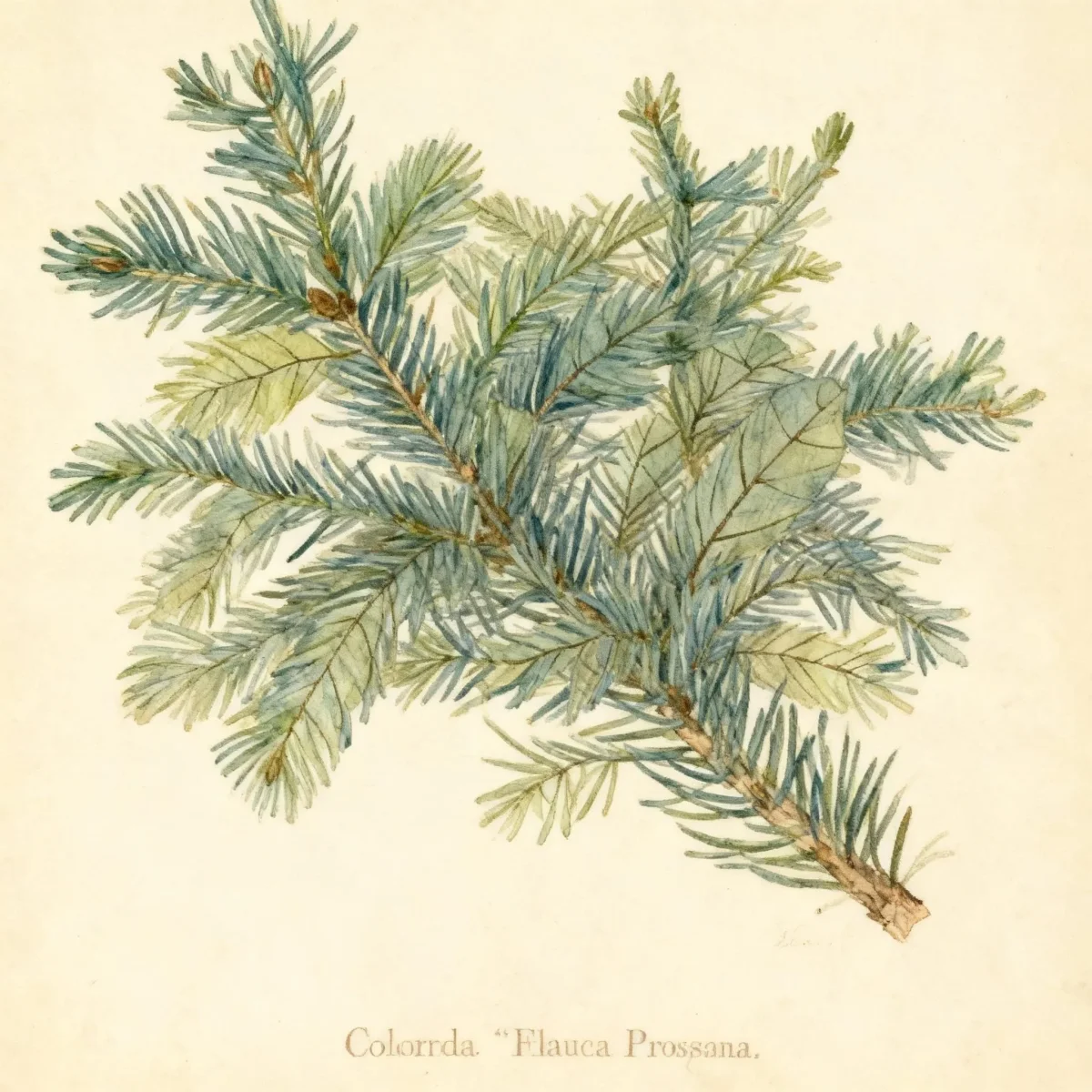
$Picea\ pungens$, commonly called Colorado spruce, is famed for its stiff, bristly, four-angled needles that range from green to a highly desirable blue-green or silver-blue color. The cultivar ‘Glauca Prostrata’ modifies this by presenting as a prostrate form, growing only 1-2 feet tall but spreading broadly to 6-10 feet wide via rigid, horizontal branching. This low-spreading habit, combined with its year-round silver-blue needle retention, makes the $Picea\ pungens\ ‘Glauca\ Prostrata’$ a standout specimen in modern landscape design.
Tolerances
- Rabbit
- Deer
- Drought
- Air Pollution
Potential Problems
This beautiful conifer remains susceptible to several fungal and insect issues that require vigilance, particularly needle cast diseases, cytospora canker, and rust. Monitoring foliage closely allows for early intervention against these common spruce problems. To manage these fungal threats, ensure excellent air circulation around the heavy, spreading growth of the $Picea\ pungens\ ‘Glauca\ Prostrata’$ and maintain proper watering practices, avoiding overhead sprinkling.
Keep an eye out for common insect pests, including various aphids, particularly spruce gall aphids, scale insects, budworms, and bagworms. Spider mites can become a significant problem, especially during dry, hot periods, often manifesting as bronzing or stippling on the new growth. Effective management often relies on horticultural oil applications or insecticidal soaps applied early in the pest cycle.
Frequently Asked Questions
What hardiness zones is Colorado spruce suitable for?
The recommended hardiness range for $Picea\ pungens\ ‘Glauca\ Prostrata’$ is USDA Zones 3 through 7.
How large does Picea pungens ‘Glauca Prostrata’ grow?
This spreading cultivar typically reaches a height between 1 and 2 feet, spreading out laterally to cover an area 6 to 10 feet wide.
What sun exposure does Picea pungens ‘Glauca Prostrata’ need?
This plant requires full sun exposure to maintain the densest growth and best silver-blue coloration.
When does Colorado spruce bloom?
This species is non-flowering and produces cones instead of traditional flowers.
Conclusion
The $Picea\ pungens\ ‘Glauca\ Prostrata’$ provides exceptional, low-maintenance texture and year-round blue color, acting as a superior ground cover for sunny, well-drained sites. Its unique spreading habit distinguishes it significantly from the standard Colorado spruce. Before planting, ensure your chosen location falls reliably within USDA Zones 3 to 7 to maximize the health and longevity of your new evergreen specimen.
Companion Planting
When selecting partners for $Picea\ pungens\ ‘Glauca\ Prostrata’$, prioritize plants that share its preference for full sun and well-drained, slightly acidic soil. Small, hardy perennials that offer seasonal textural contrast work wonderfully beneath the spread of this conifer. Consider low-growing varieties of creeping thyme or ornamental grasses like Blue Fescue (Festuca glauca) which mirrors the silvery tones without competing vertically.
Avoid planting shallow-rooted, moisture-hungry shrubs nearby, as competition for the medium water requirements can stress the spruce, making it more susceptible to drought-related issues during establishment. Focus on rock garden favorites that thrive in lean conditions once the established root system of the Colorado spruce takes hold.
Design Ideas for Ground Cover Evergreens
Using the prostrate form of this spruce is highly effective on sloped landscapes where erosion control is desired alongside aesthetic appeal. The dense, rigid branching of the $Picea\ pungens\ ‘Glauca\ Prostrata’$ forms a solid mat that slowly covers large areas with brilliant silver-blue foliage. This makes it an excellent structural element in drier, sunny borders.
In minimalist or modern landscape designs, mass plantings of this single cultivar create striking sweeps of color and texture, demanding very little upkeep once mature. The inherent deer and rabbit resistance noted for this Colorado spruce cultivar also makes it a reliable choice for naturalized areas where wildlife browsing is a concern.