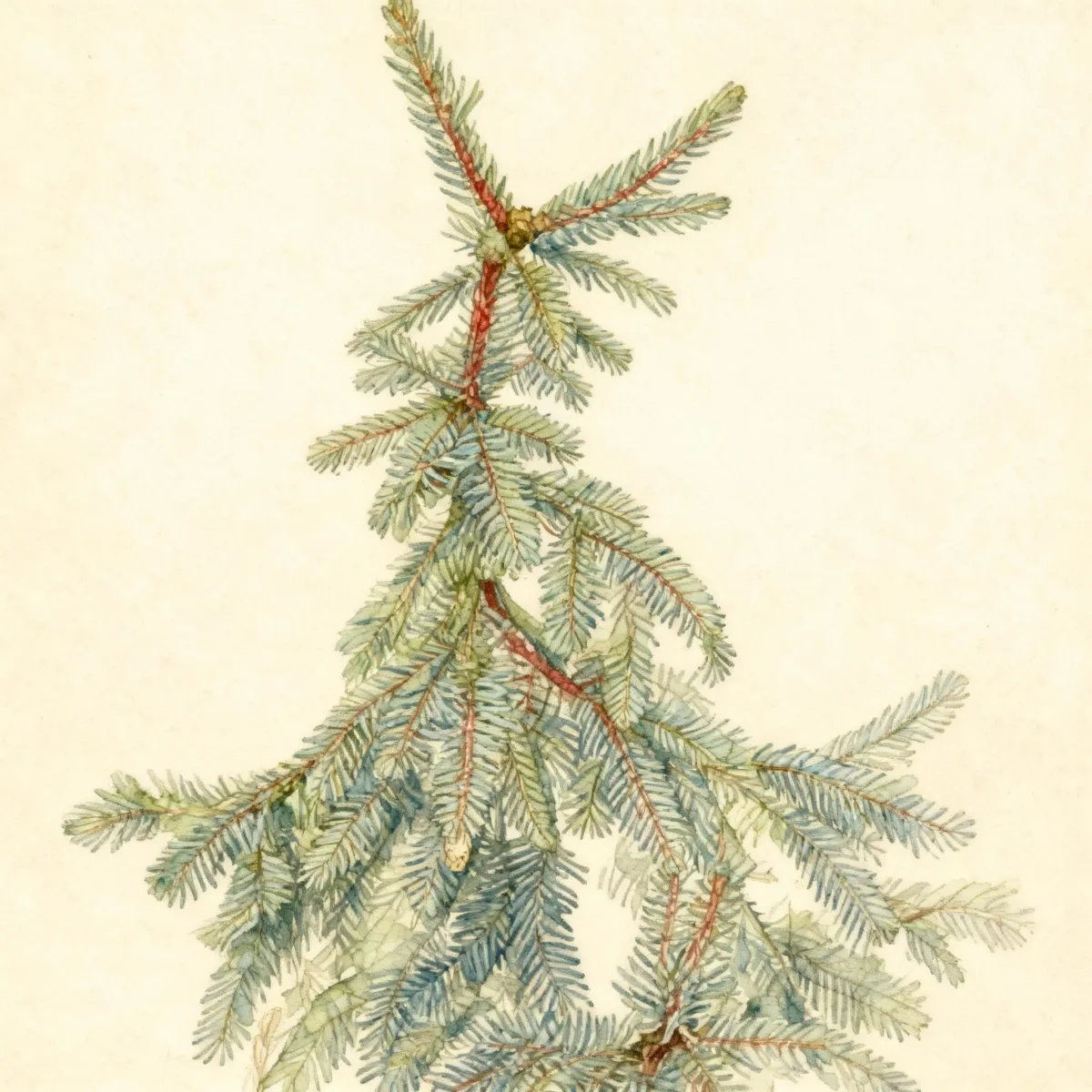
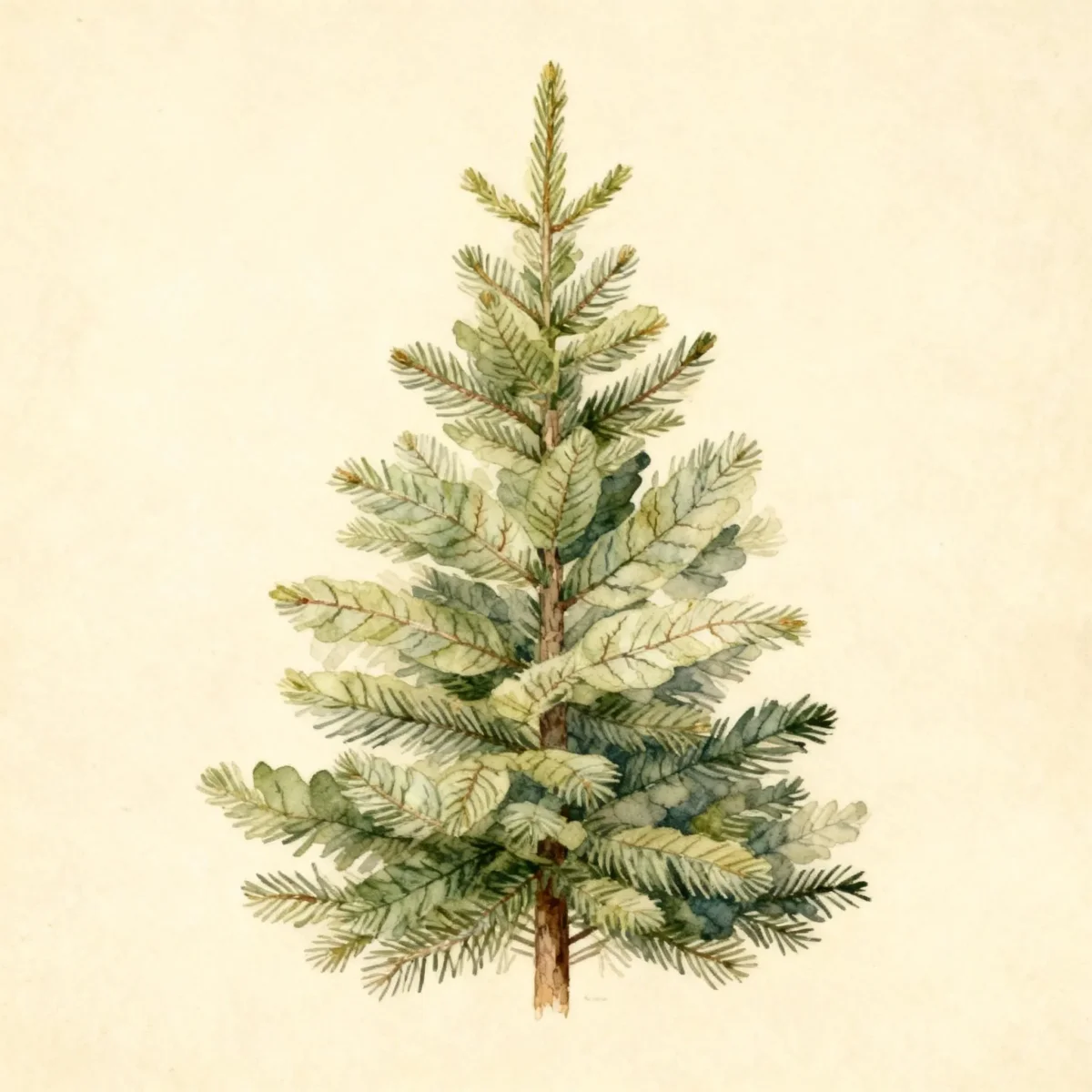
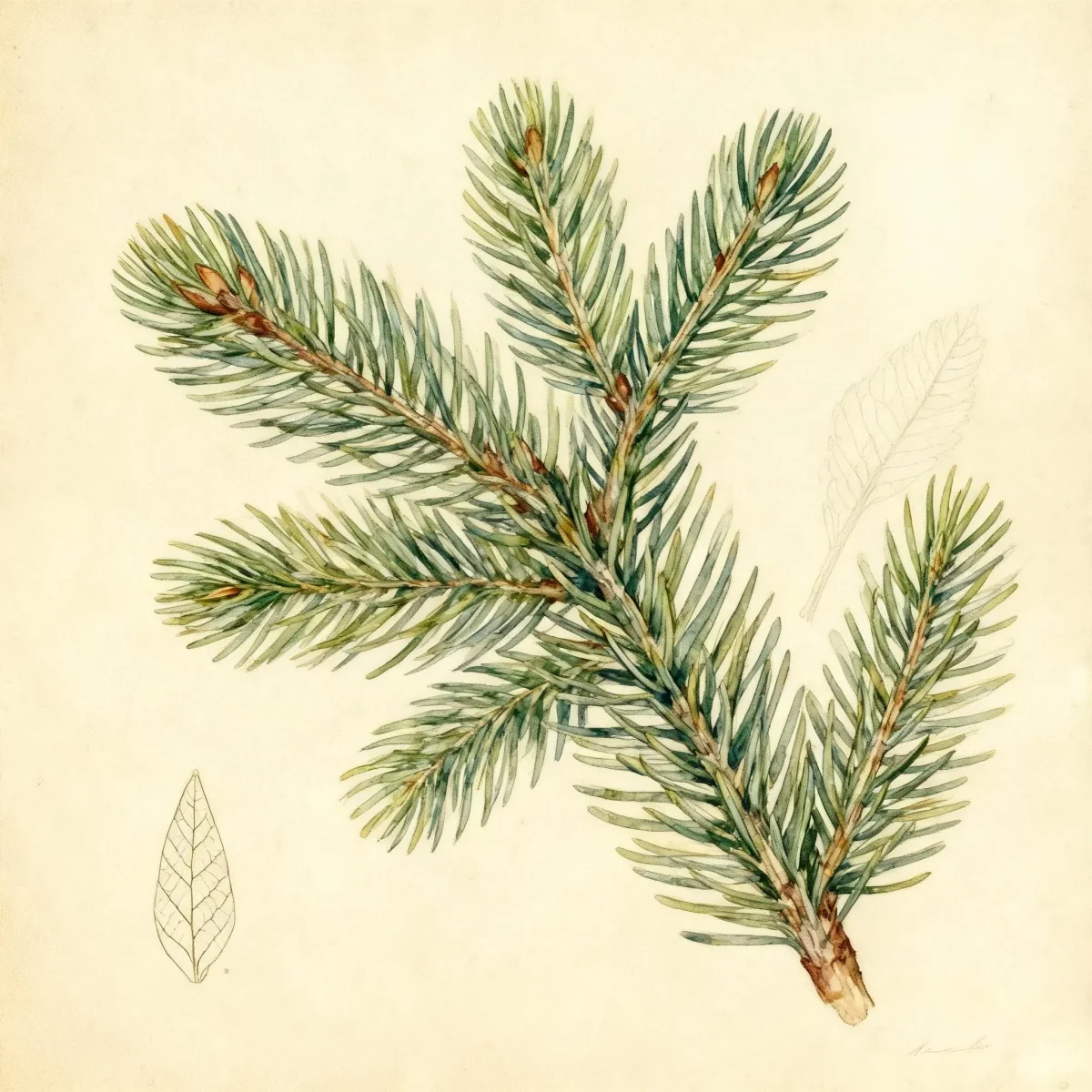
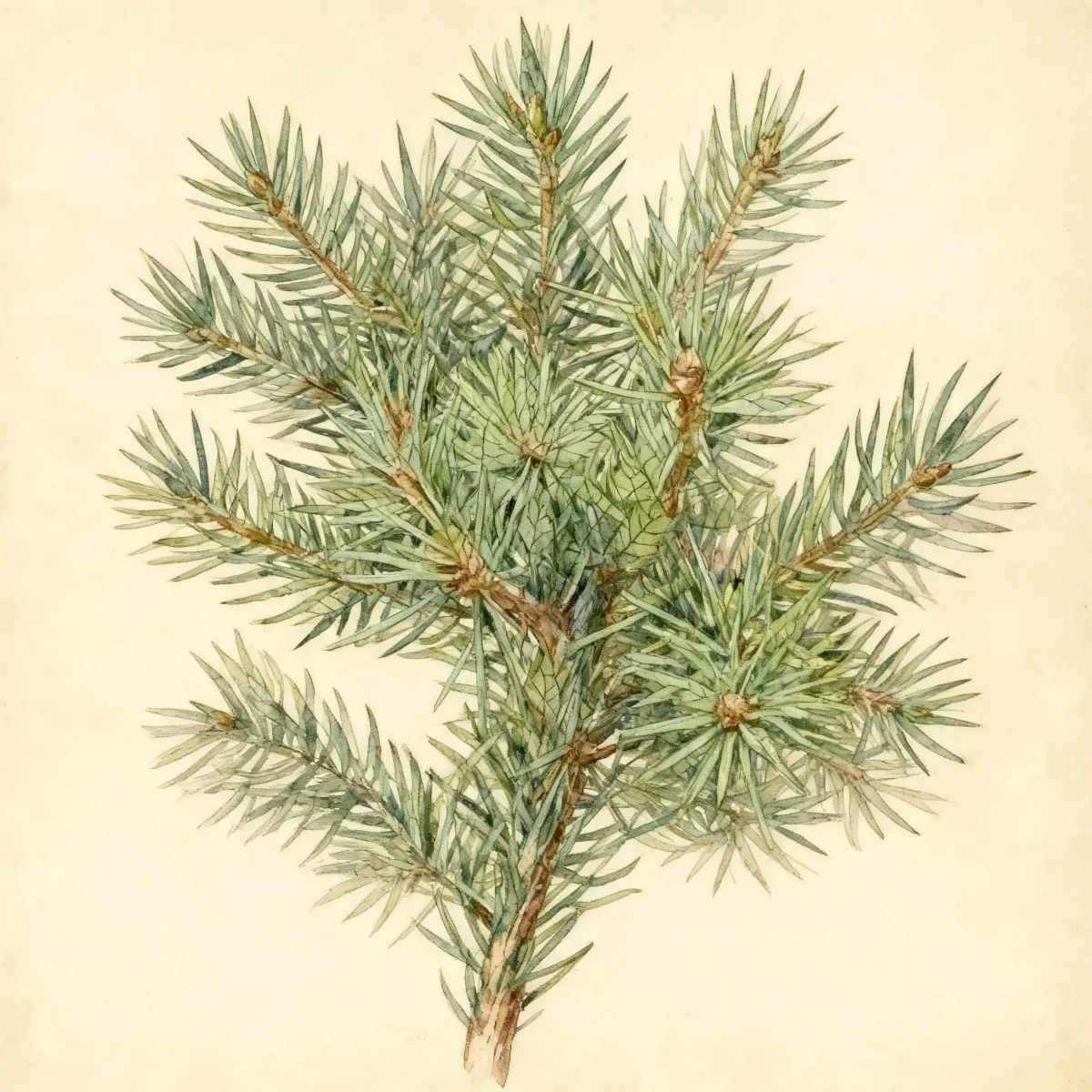
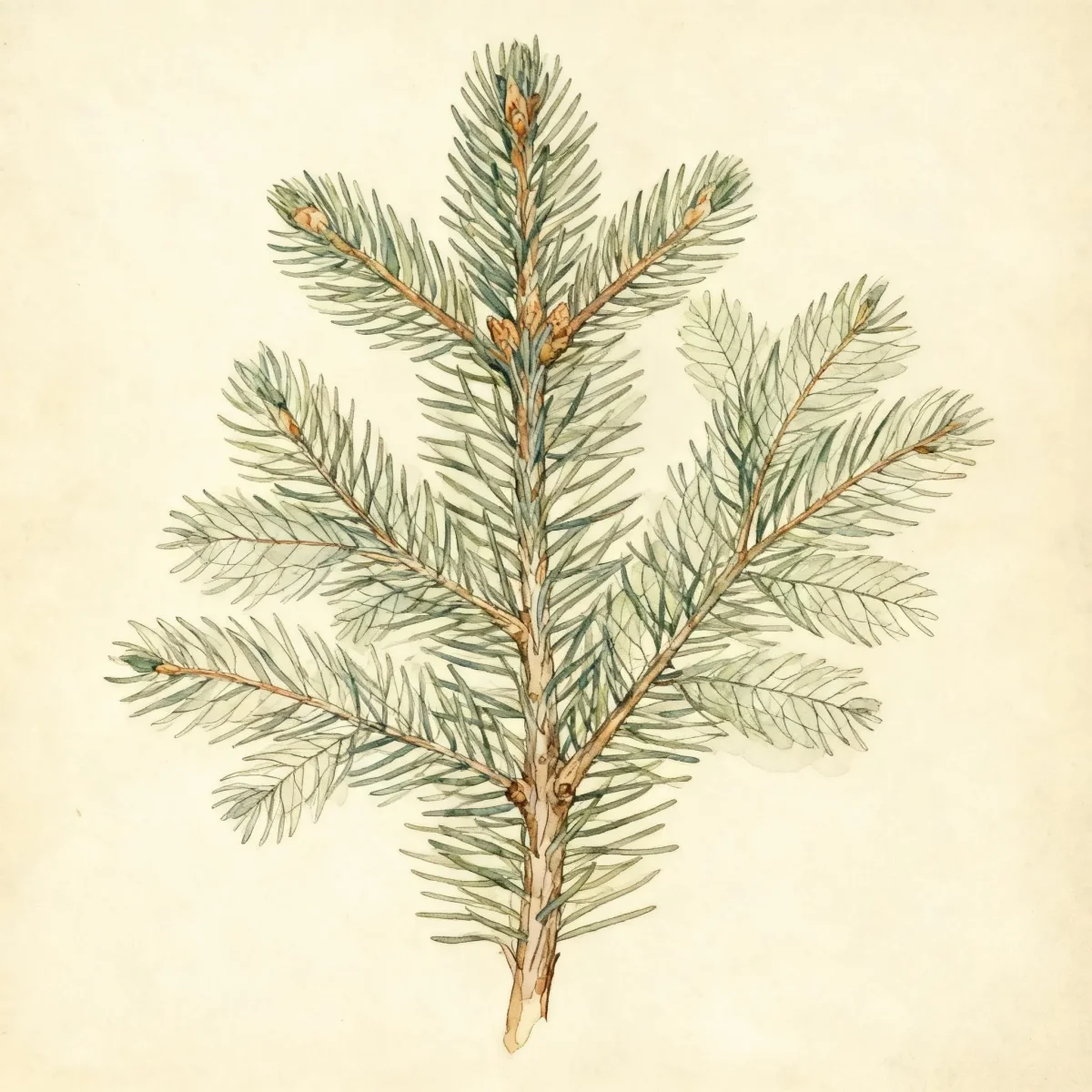
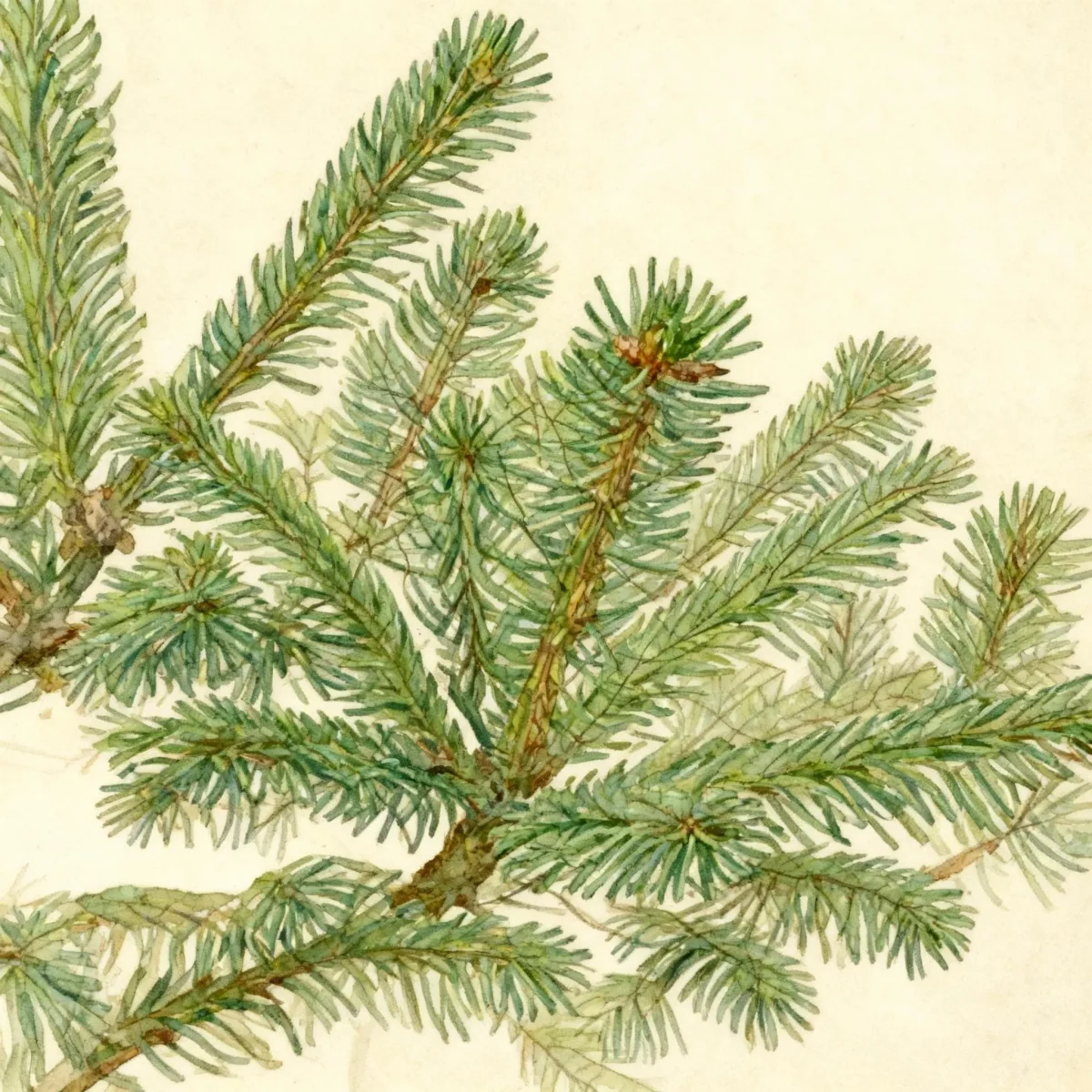
Golden Scotch pine (Pinus sylvestris 'Aurea')
The stunning Pinus sylvestris 'Aurea', or Golden Scotch pine, offers brilliant yellow winter foliage and low maintenance, perfect for sunny, well-drained sites.
Scroll down to discover growing tips, care requirements, companion plants, and more
Complete Plant Information
Overview
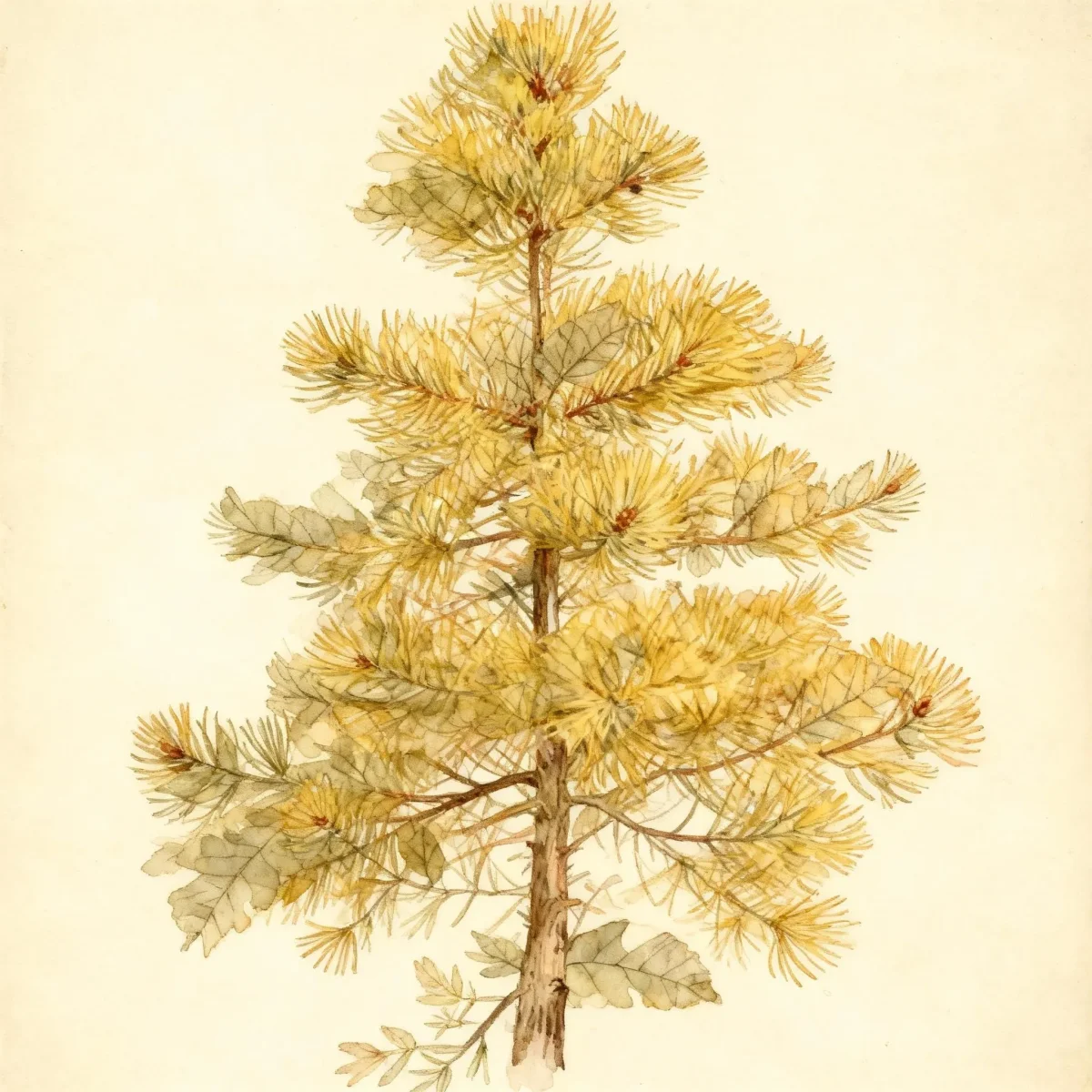
The Pinus sylvestris ‘Aurea’, commonly known as the Golden Scotch pine, provides exceptional year-round interest, highlighted by its dramatic seasonal color shift. This cultivar is highly valued because its green summer needles transform into a rich, bright golden yellow during the colder winter months, offering necessary brightness in the dormant landscape. As a hardy needled evergreen, it establishes a statuesque presence, eventually maturing into a medium-sized conifer prized for its contrasting bark and striking winter hue.
This selection of Scots pine typically exhibits an upright, conical shape when young, slowly developing an open and somewhat irregular crown with age. Pinus sylvestris ‘Aurea’ is relatively low maintenance once established, provided its soil and sun requirements are met. Gardeners seeking an evergreen anchor that delivers reliable, dynamic color will find the Golden Scotch pine an excellent specimen choice.
Fast Facts
- Plant Family: Pinaceae
- Plant Type: Needled evergreen
- Hardiness Zones: USDA Zones 3-7
- Size at Maturity:
- Height: 30-45 ft
- Spread: 9-12 ft
- Bloom Time: Non-flowering
- Bloom Description: Non-flowering
- Sun Exposure: Full sun
- Water Needs: Medium
- Maintenance Level: Low
How to Grow
For optimum performance, plant the Golden Scotch pine during the spring or fall when temperatures are moderate. Select a location providing full sun exposure; continuous direct light is crucial for achieving the best golden winter coloration on the needles. This conifer is adaptable regarding soil, tolerating even poor substrates, but superior drainage is absolutely essential. It strongly prefers moist, acidic soils.
Watering requirements are medium. Establish a consistent watering routine for new plantings until the root system is fully developed, typically over the first two growing seasons. Once established, the Pinus sylvestris ‘Aurea’ handles minor drought but will perform best with supplemental water during extended dry spells. Fertilization is generally unnecessary, especially if planted in poor or average garden soil, as heavy feeding can sometimes promote weak growth susceptible to disease.
While generally low maintenance, be aware that this species dislikes intense heat and humidity, thriving best in cooler summer climates. Plants are well-known for tolerating urban conditions, making them versatile street or yard trees. Pruning is seldom needed; only remove damaged, crossing, or dead branches as required during the late winter dormant period.
Landscape Uses
The defining feature of the Pinus sylvestris ‘Aurea’ is its golden foliage in winter, making it an outstanding specimen tree for anchoring focal points in the garden design. Planting it against a contrasting dark backdrop, such as a hedgerow of dark green Arborvitae or a deep evergreen screen, will dramatically enhance the golden effect when temperatures drop. It easily serves as a bold specimen or can be expertly grouped for a more substantial winter presence.
Because of its eventual 30 to 45-foot mature height, reserve space for the Golden Scotch pine where it will not overshadow smaller ornamental shrubs or structures. It works well when paired with deciduous trees whose bare winter branches create delicate texture nearby, contrasting the pine’s sturdy form and bright color. Utilizing it near entryways or views where winter structure is desired maximizes its landscape value.
Standout Features
Noteworthy Characteristics
Pinus sylvestris, commonly called Scots pine, is a fast-growing, conical to columnar, medium sized conifer with distinctive flaking orange/red-brown bark. It typically grows 30-60’ tall in cultivation, but may reach 100’ in the wild. It develops an open-rounded, irregular crown as it matures. ‘Aurea’, commonly called golden Scots pine, is an upright conical tree that features green summer foliage which turns bright golden yellow in winter. It typically grows to 4’ tall over the first 10 years, but eventually matures to 30-45’ tall with a 12’ spread.
Tolerances
- Deer
Potential Problems
Scots pine and its cultivars, including Pinus sylvestris ‘Aurea’, may struggle in challenging climates, often exhibiting susceptibility to soil issues or prevalent local diseases. Sphaeropsis (Diplodia) tip blight is a significant concern in certain regions and manifests as browning needle tips, especially on new growth. Early identification and sanitation are key to managing fungal issues.
Routine monitoring is advised, particularly for pests like sawflies, scale insects, and the potentially fatal pine wilt nematode. Ensuring the tree is planted in well-draining soil—avoiding heavy clay that stays soggy—is the best preventative measure against overall stress that invites secondary problems. If symptoms appear, apply appropriate fungicides or insecticides as recommended for the specific pest or pathogen identified.
Frequently Asked Questions
What hardiness zones is Golden Scotch pine suitable for?
The Golden Scotch pine is suitable for USDA Hardiness Zones 3 through 7.
How large does Pinus sylvestris ‘Aurea’ grow?
This cultivar typically reaches a mature height between 30 and 45 feet, with a spread of 9 to 12 feet.
What sun exposure does Pinus sylvestris ‘Aurea’ need?
The Pinus sylvestris ‘Aurea’ requires full sun exposure for healthy growth and the best winter color display.
When does Golden Scotch pine bloom?
This plant is a conifer and is non-flowering; it does not produce traditional blooms.
Conclusion
The Pinus sylvestris ‘Aurea’ offers tremendous visual impact, particularly through its signature golden winter needle display and attractive exfoliating bark. Its low maintenance requirements and adaptation to various soil types—provided drainage is excellent—make the Golden Scotch pine a reliable and vibrant addition to the landscape. Before planting, confirm that your location falls within USDA Hardiness Zones 3-7 and that you can provide the necessary full sun exposure.
Companion Planting
When selecting companions for the Pinus sylvestris ‘Aurea’, focus on plants that share similar preferences for full sun and acidic, well-drained soil. Consider using broadleaf evergreens like Rhododendrons or Azaleas planted strategically in mulched beds beneath the canopy drip line; their broad leaves contrast beautifully with the pine’s needles. For year-round groundcover interest that thrives in dappled shade cast by the pine but avoids competing at the roots, low-growing Hellebores (Lenten Roses) are an excellent, season-extending choice.
Avoid planting shallow-rooted shrubs or herbaceous perennials that demand consistent moisture directly adjacent to the pine, as competition for water in the middle layers of soil can stress both plants. The texture and color of the Golden Scotch pine also beautifully complement structured, clipped boxwood hedges used spatially to define beds where this pine acts as a specimen.
Seasonal Care Calendar
Early spring, just as dormancy breaks, is the ideal time to inspect the Pinus sylvestris ‘Aurea’ for any winter damage or any signs of emerging pests before the flush of new growth begins. If necessary, apply a slow-release fertilizer formulated for acid-loving plants, though this is rarely needed for mature specimens. Focus on ensuring adequate moisture as temperatures begin to rise, especially if the winter was dry.
Summer care centers primarily on observation, as this is when heat stress and potentially fungal activity become most prevalent. If you experience a particularly hot, dry spell, deep, infrequent watering is much better than frequent shallow sprinkles, which encourage surface roots. Since the Golden Scotch pine dislikes humidity, good air circulation around the lower branches is important for preventing fungal diseases.
Autumn care is crucial for preparation. Reduce supplemental watering as the weather cools, encouraging the tree to harden off naturally for winter. Clean up any fallen needles beneath the canopy to remove potential overwintering sites for pests and diseases like tip blight. Remember that the golden hue intensifies as the weather gets colder, a reward for proper summer care.