Lungwort (Pulmonaria 'Raspberry Splash')
Pulmonaria 'Raspberry Splash' Lungwort is a low-maintenance, mounding perennial prized for silver-blotched foliage and vivid spring blooms.
Scroll down to discover growing tips, care requirements, companion plants, and more
Complete Plant Information
Overview
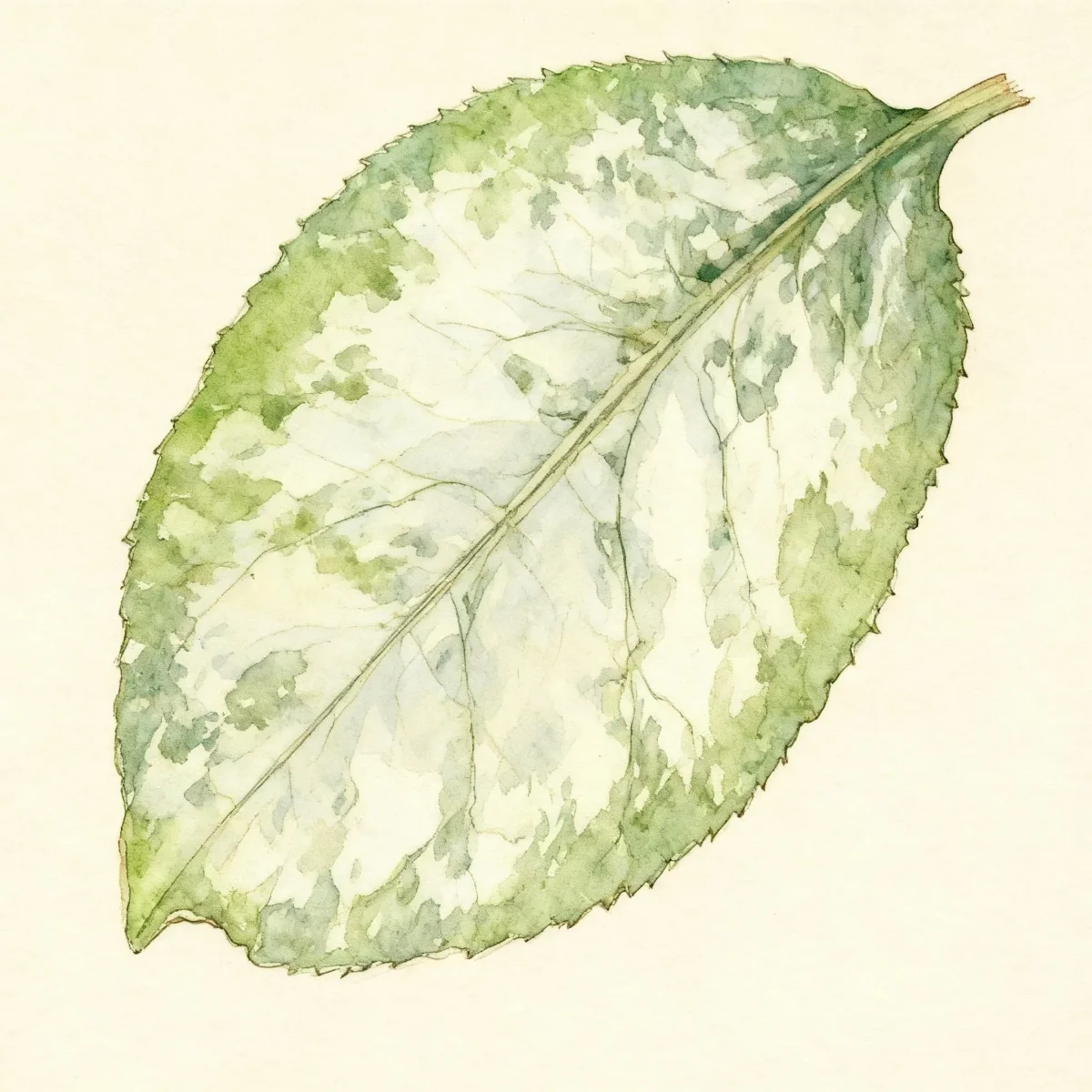
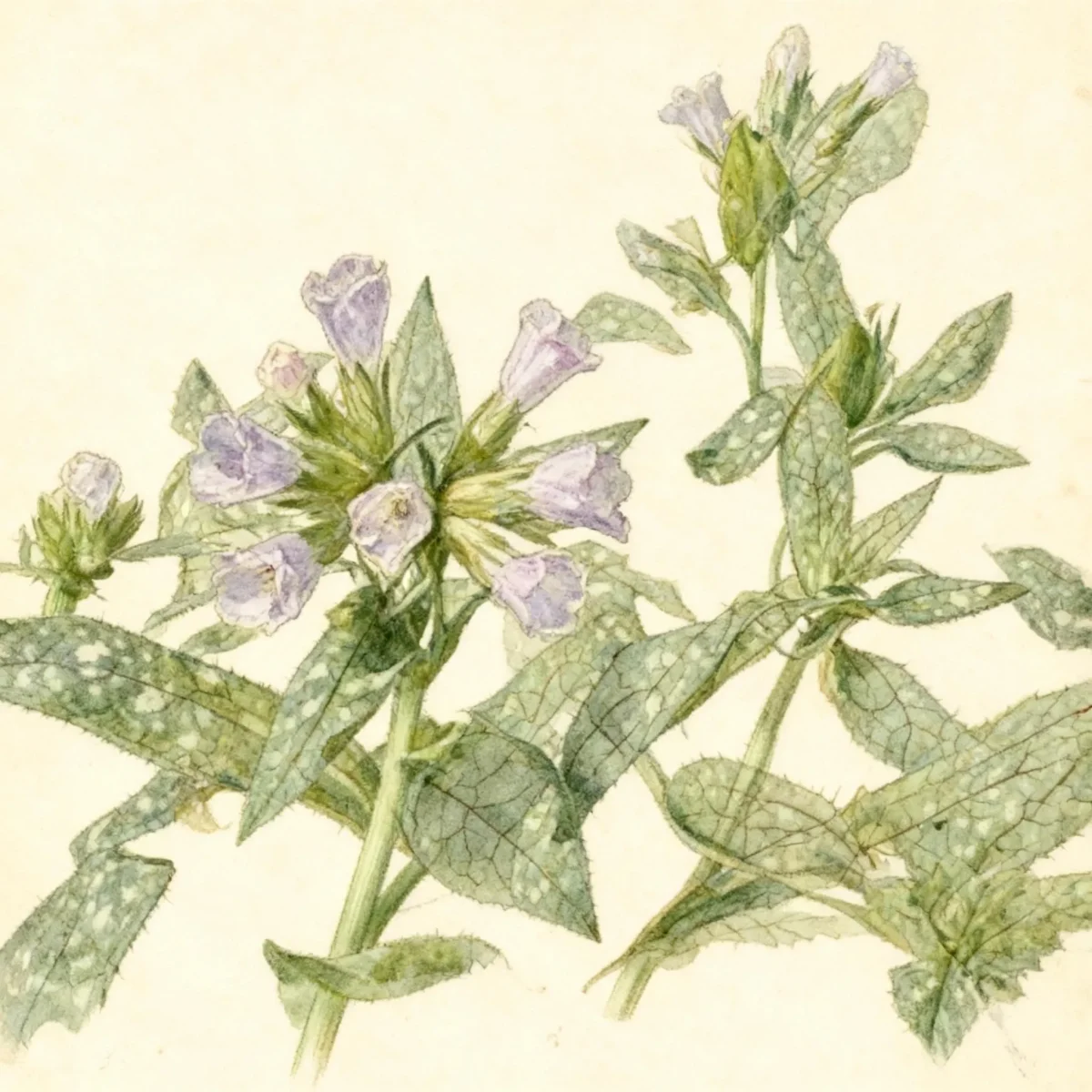
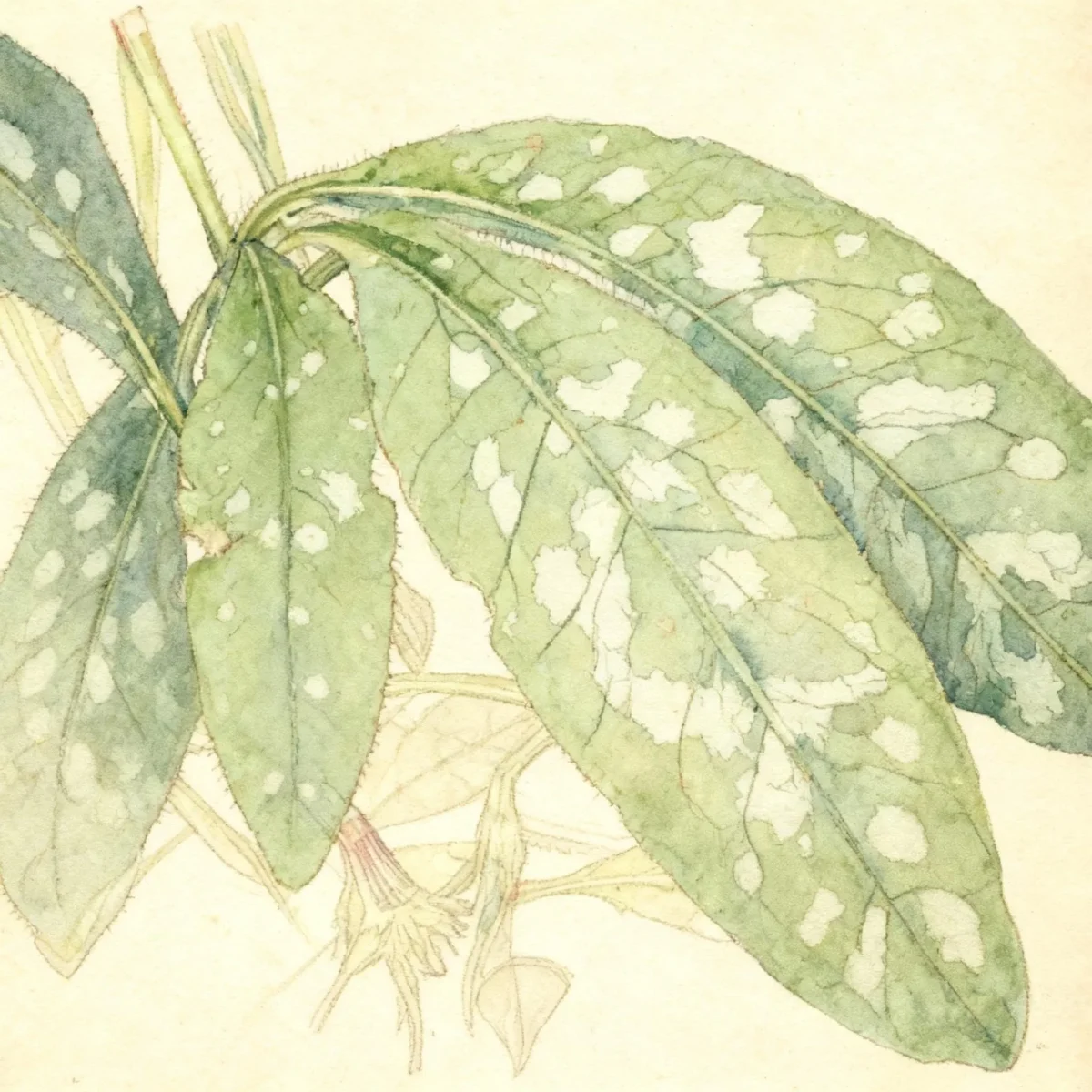
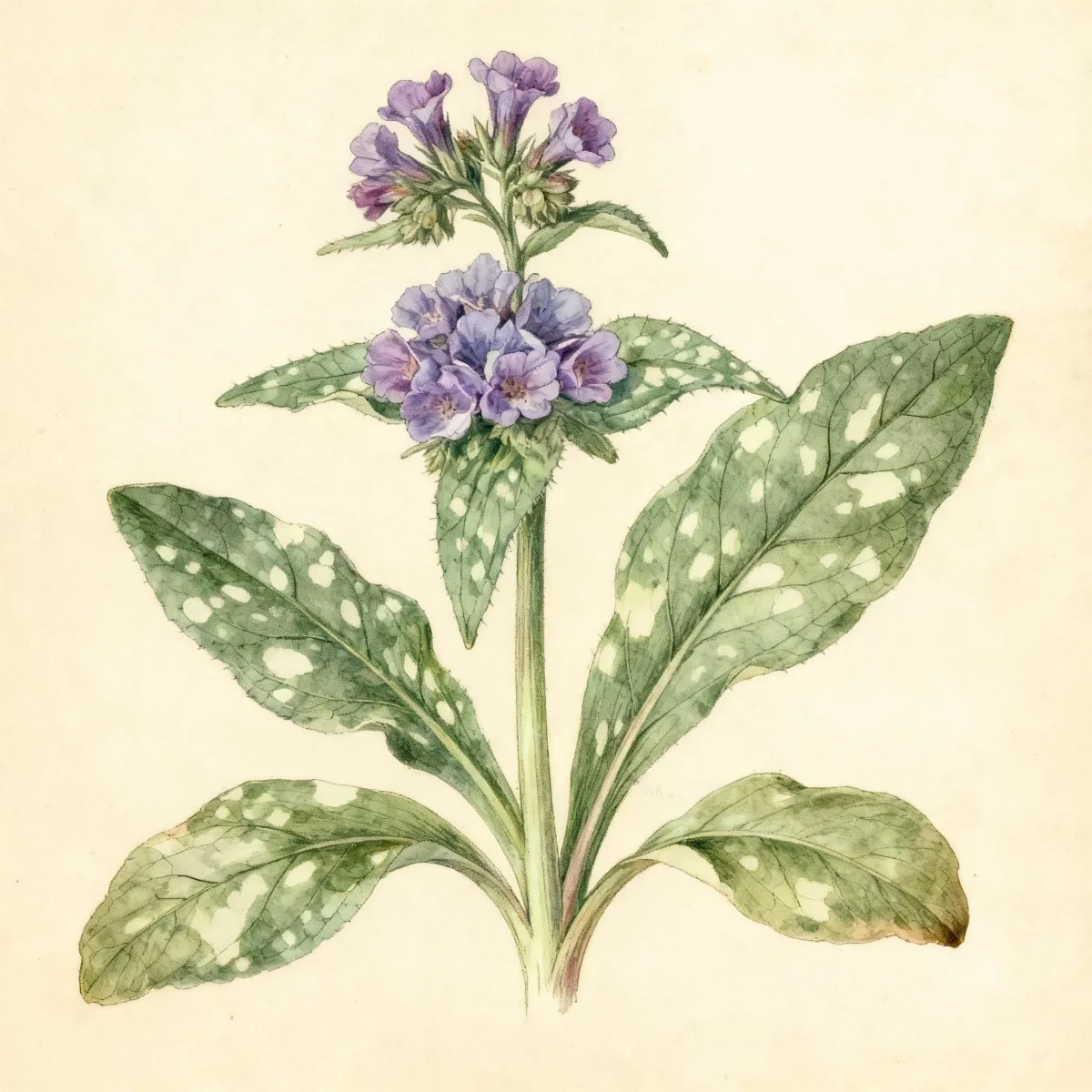
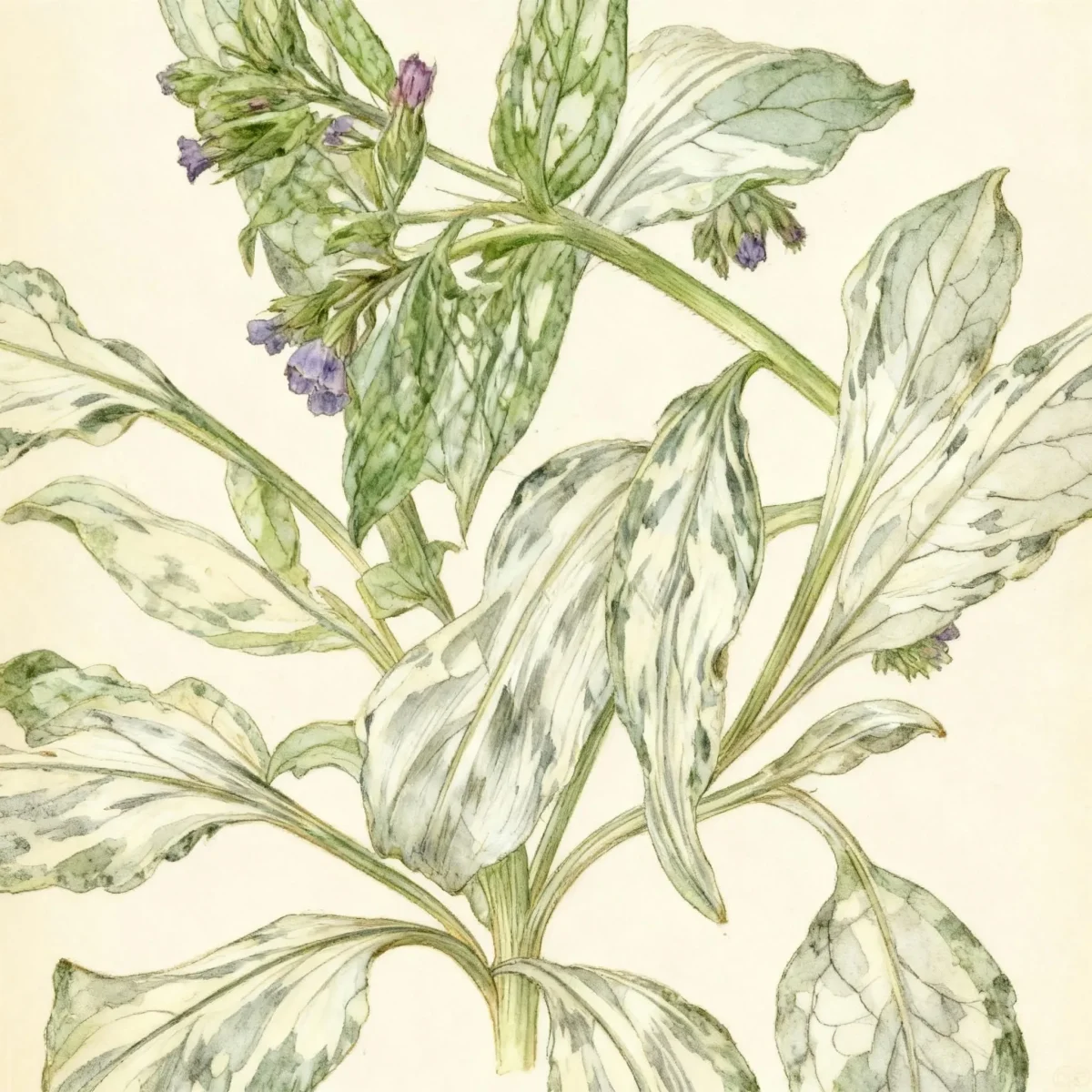
Pulmonaria ‘Raspberry Splash’ is a highly desirable herbaceous perennial, commonly known as Lungwort, valued for its striking visual contrast between foliage and flower color. This cultivar features upright, mounding clumps where narrow, dark green leaves are heavily adorned with silvery blotches, providing year-round interest even outside of the flowering season. Gardeners rely on this plant for its low cultural demands and its ability to thrive in deep shade conditions where few other flowering plants succeed.
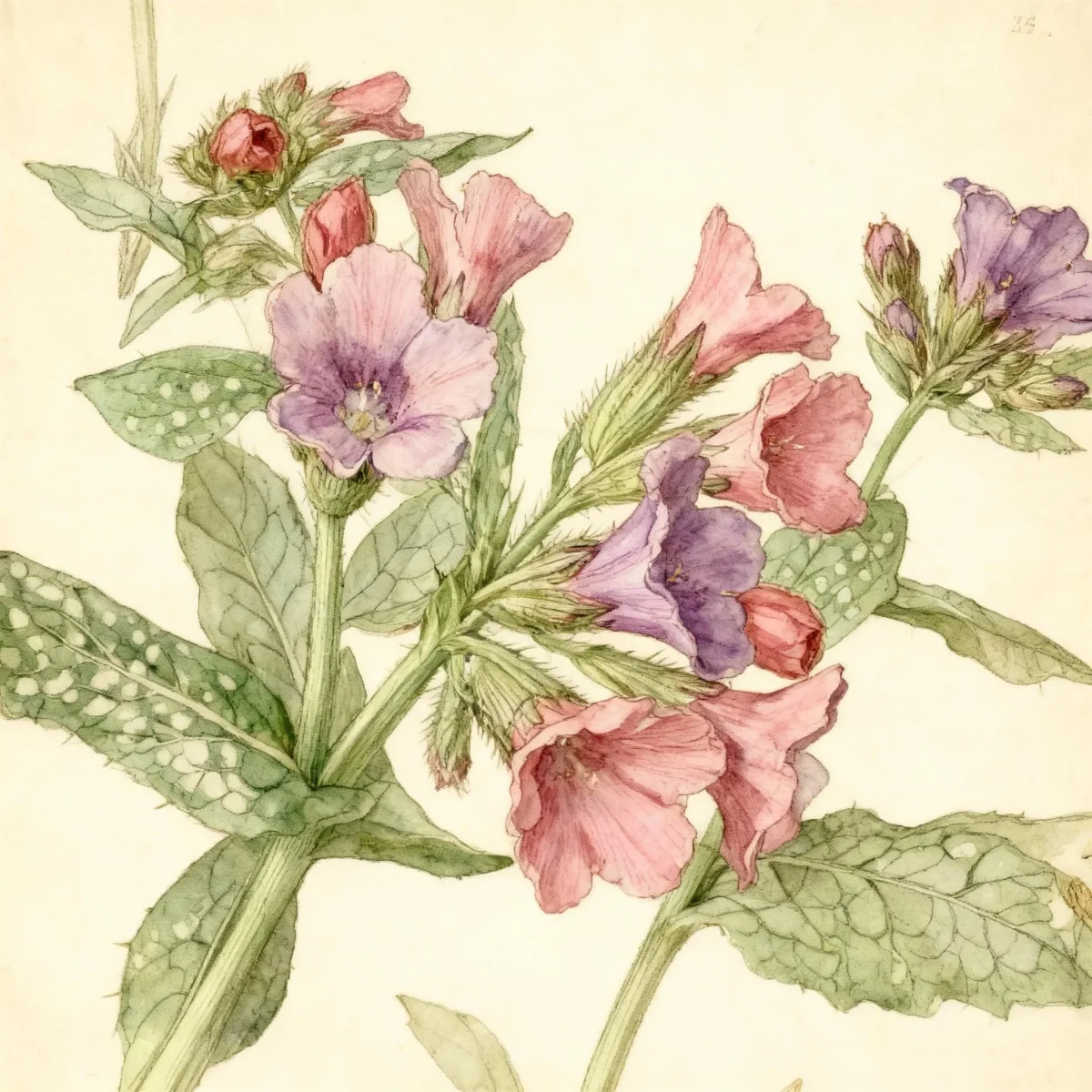
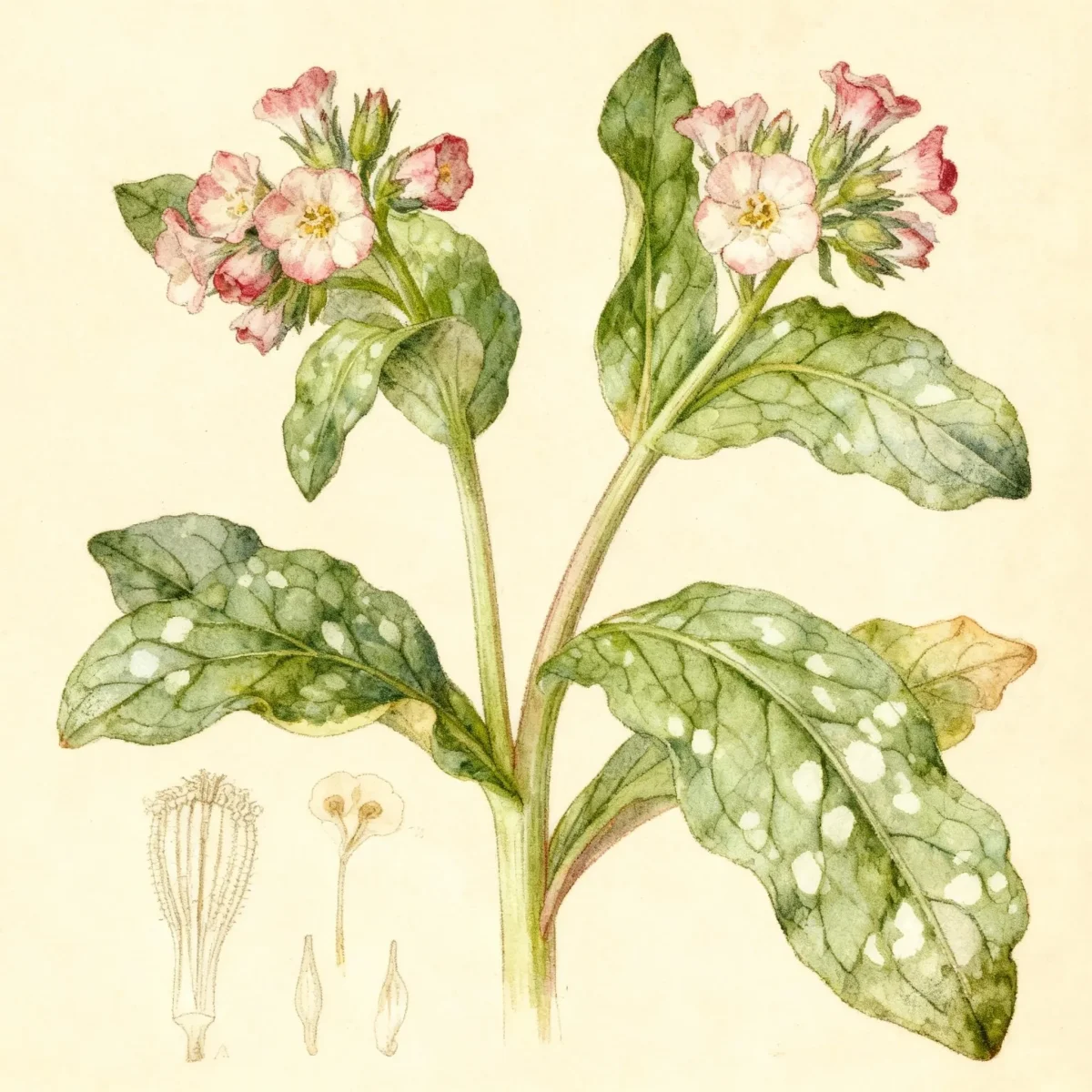
The vibrant springtime display of Pulmonaria ‘Raspberry Splash’ brings early color, boasting funnel-shaped flowers that open in a brilliant raspberry red hue. While the flowers are attractive, the textured, spotted foliage serves as the main draw, nodding to the plant’s historical common name, Lungwort. This hardy perennial spreads slowly via creeping roots, making it an excellent, contained choice for consistent ground cover or mass plantings in woodland settings.
Growing Pulmonaria ‘Raspberry Splash’ means establishing a reliable specimen for difficult, shady spots. It is a low-maintenance selection that adds texture and early season interest to the landscape. Ensure consistent moisture, and this tough, deer-resistant Lungwort will reward you with reliable performance across hardiness zones 4 through 9.
Fast Facts
- Plant Family: Boraginaceae
- Plant Type: Herbaceous perennial
- Hardiness Zones: USDA Zones 4-9
- Size at Maturity:
- Height: 0.75-1 ft
- Spread: 1-1.5 ft
- Bloom Time: April
- Bloom Description: Raspberry red
- Sun Exposure: Part shade to full shade
- Water Needs: Medium
- Maintenance Level: Low
How to Grow
Plant Pulmonaria ‘Raspberry Splash’ during the cooler parts of the season, ideally early spring or fall, ensuring location provides part shade to full shade protection. This Lungwort thrives in average, well-drained soils, but performs best when the soil is rich in organic matter and maintains medium moisture levels. Consistency is key; the soil should not be allowed to dry out, as dry conditions can cause the foliage to depreciate or even lead to temporary summer dormancy, especially in hotter climates like St. Louis.
Ongoing care for Pulmonaria ‘Raspberry Splash’ is minimal. Maintain even moisture throughout the growing season by providing consistent watering, particularly during hot spells. Fertilization is rarely necessary if the soil is amended yearly with compost, fulfilling its preference for humusy soil. Immediately remove spent flower stems after the raspberry red blooms fade to encourage cleaner foliage presentation through summer.
Foliage condition is a good indicator of cultural success; if leaves scorch or depreciate significantly, the plant is likely receiving too much direct sun. Though plants can tolerate light morning sun, afternoon shade is essential for maintaining the integrity of the silver-blotched leaves of Pulmonaria ‘Raspberry Splash’. To control spread or rejuvenate older clumps, divide plants successfully in the fall.
Landscape Uses
Pulmonaria ‘Raspberry Splash’ is celebrated as an excellent foliage powerhouse for any area lacking direct sunlight. Its low, dense growth habit makes it best utilized when grouped or massed to function as an effective ground cover, suppressing weeds while softening hard lines in the garden. Consider integrating this variety into naturalistic woodland settings or shaded border areas where its unique leaf pattern can contrast nicely with ferns or Hostas.
The slow creeping roots of this Lungwort allow it to be used effectively as a low edging plant along shaded pathways, guiding visitors while providing seasonal color from its spring flowers. Because Pulmonaria ‘Raspberry Splash’ is resistant to deer browsing, it can be used confidently in perimeter plantings where protection from browsing animals is necessary. Its year-round visual appeal ensures that even dormant periods are less noticeable than with plants that die back completely.
Standout Features
Flower Qualities
- Showy
Noteworthy Characteristics
Pulmonaria is a genus of about 17 species of deciduous or evergreen herbaceous perennials from Europe and Asia. The common name, Lungwort, refers to the supposed resemblance of the blotched or spotted leaves to a diseased lung, a connection Medieval herbalists made according to the Doctrine of Signatures. Pulmonaria ‘Raspberry Splash’ is specifically valued as a mounding cultivar featuring upright, heavily silver-blotched leaves and striking raspberry-colored flowers, typically forming a clump up to 12 inches tall.
Tolerances
- Deer
- Heavy Shade
- Black Walnut
Potential Problems
Generally, garden maintenance for Pulmonaria ‘Raspberry Splash’ is simple, as it resists most serious insect or disease issues. Slugs and snails may occasionally feed on the foliage, requiring routine monitoring and management if populations become high. While powdery mildew plagues some Lungwort varieties, ‘Raspberry Splash’ reportedly possesses good resistance, though ensuring consistent soil moisture helps prevent this fungal issue. Avoid placing the plant where it receives excessive hot afternoon sun, as this will cause foliage scorch, reducing the visual impact of the attractive leaves during the summer months.
Frequently Asked Questions
What hardiness zones is Lungwort suitable for?
Pulmonaria ‘Raspberry Splash’ is hardy and thrives across USDA Zones 4 through 9, offering broad adaptability for many regions.
How large does Pulmonaria ‘Raspberry Splash’ grow?
This mounding variety typically reaches a height between 0.75 and 1 foot tall, spreading outward to occupy a space of 1 to 1.5 feet wide.
What sun exposure does Lungwort need?
This plant performs best when situated in part shade to full shade; afternoon sun should be avoided as it can scorch the foliage.
When does Pulmonaria ‘Raspberry Splash’ bloom?
This Lungwort variety blooms reliably in April, presenting distinctive clusters of raspberry red, funnel-shaped spring flowers.
Conclusion
Pulmonaria ‘Raspberry Splash’ offers exceptional value to shaded gardens through its persistent, silver-splashed foliage and its charming raspberry-colored spring flowers. This low-maintenance perennial provides texture and color reliably, outperforming many competitors in deep shade conditions. Before planting, confirm your site offers consistent moisture and afternoon shade, ensuring your new Lungwort establishes successfully this season.
Companion Planting
When designing a shade border, Pulmonaria ‘Raspberry Splash’ pairs well with plants that enjoy similar cool, moist conditions but offer differing textures or bloom times. Consider pairing the spotted foliage of Lungwort with the bold, structural leaves of Hosta varieties that require afternoon shade. Astilbe provides vertical plumes of color later in the season, contrasting beautifully with the low mounds of the Lungwort. For continuous spring interest, early bulbs like Snowdrops (Galanthus) can emerge through the emerging foliage of Pulmonaria ‘Raspberry Splash’.
Propagation Tips
The most common and straightforward method for increasing your stock of Pulmonaria ‘Raspberry Splash’ is by division. Since plants spread slowly via creeping roots, division is best performed in the fall once the intense heat has passed, allowing the separated sections time to re-establish roots before winter dormancy. Carefully dig up the clump and gently divide the root ball into smaller sections, ensuring each division has established roots and several viable shoots. Replant these divisions immediately at the same depth they were previously growing to maintain healthy vigor for next spring’s bloom.