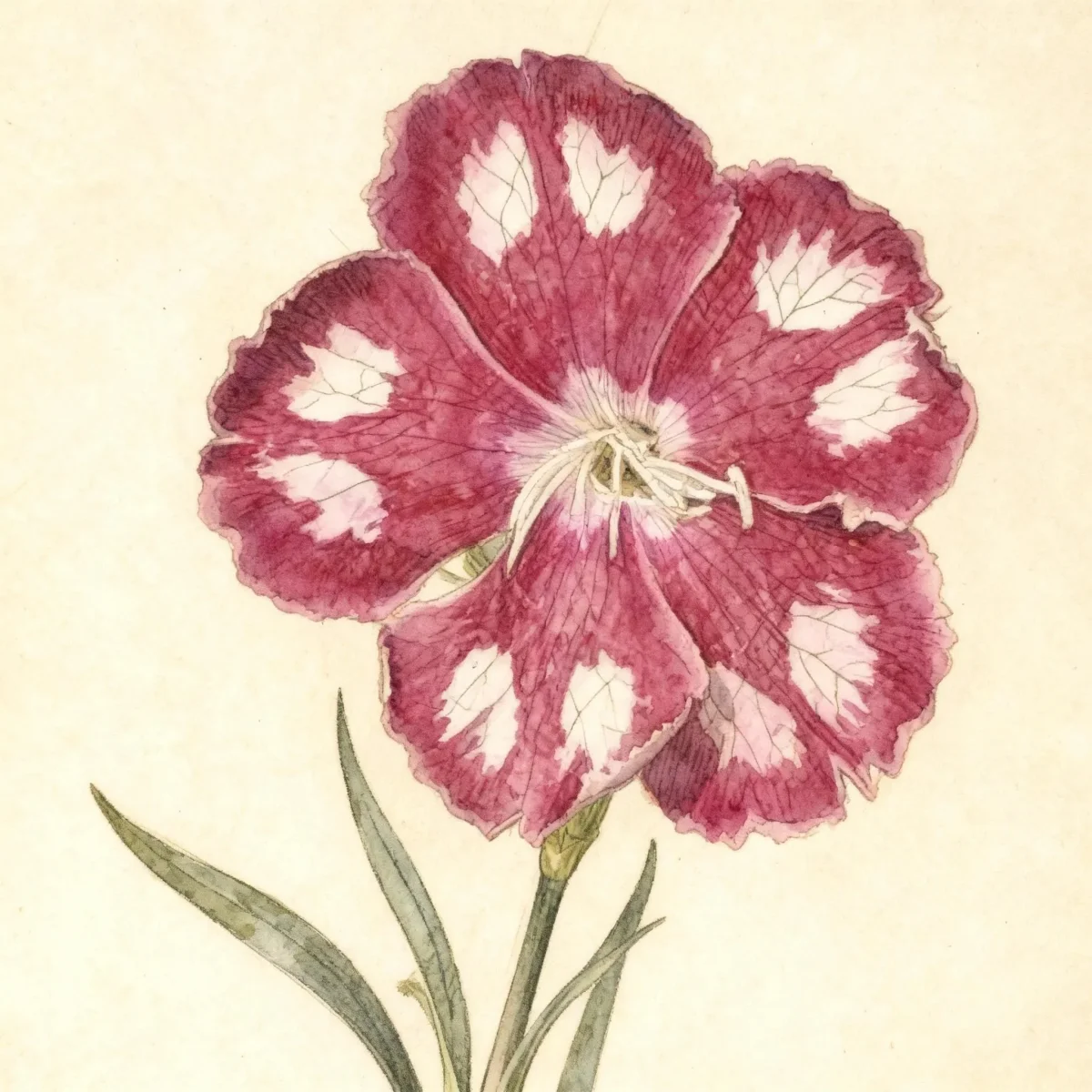
Sweet William (Dianthus barbatus 'Heart Attack')
Grow Dianthus barbatus 'Heart Attack' Sweet William for deep reddish-black blooms in full sun. A low-maintenance herbaceous perennial.
Scroll down to discover growing tips, care requirements, companion plants, and more

Complete Plant Information
Overview
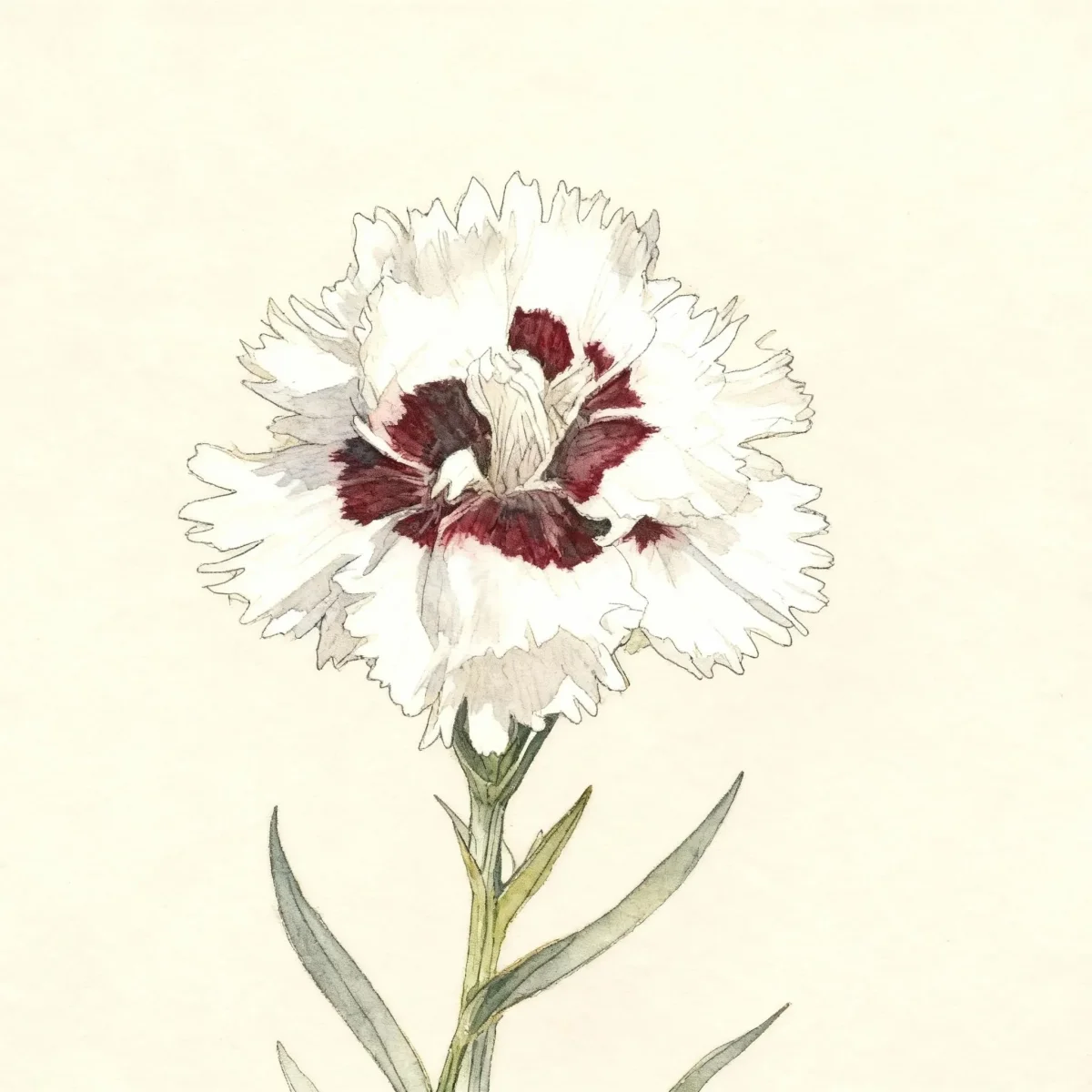
Dianthus barbatus ‘Heart Attack,’ commonly known as Sweet William, offers gardeners a dramatic, dark accent with its superb reddish-black blooms appearing from late spring into early summer. This variety provides visual contrast in mixed plantings where the standard, brighter colors are prevalent. While often treated as an annual or biennially for reliable seasonal color, proper care can encourage its perennial tendencies.
This herbaceous perennial thrives best when situated in full sun, though a light afternoon reprieve from intense heat is appreciated in warmer regions. Dianthus barbatus ‘Heart Attack’ produces dense, flat-topped clusters of carnation-like flowers atop strong stems, making them excellent for cutting. Its low maintenance profile adds significant aesthetic value without demanding constant attention from the gardener.
The dark coloration of the flowers on Dianthus barbatus ‘Heart Attack’ offers a unique texture and depth to cottage gardens and borders. Whether grown for a single season or multi-year performance, Sweet William provides dependable, low-fuss beauty, provided drainage is adequate.
Fast Facts
- Plant Family: Caryophyllaceae
- Plant Type: Herbaceous perennial
- Hardiness Zones: USDA Zones 3-8
- Size at Maturity:
- Height: 0.75-1 ft
- Spread: 0.5-0.75 ft
- Bloom Time: May to June
- Bloom Description: Reddish-black
- Sun Exposure: Full sun
- Water Needs: Medium
- Maintenance Level: Low
How to Grow
For best results, plant Sweet William seedlings in late spring after the danger of frost has passed, or utilize cold-treated plants purchased early for same-season bloom. The plant requires deep, organically rich, well-drained soils. While full sun is preferred, some light afternoon shade helps protect Dianthus barbatus ‘Heart Attack’ during the hottest parts of the summer, especially in southern zones.
Watering should be consistent; maintain medium moisture levels, ensuring the soil never becomes waterlogged, which can lead to crown rot. Fertilization is usually minimal if the soil is organically rich. Deadheading spent flowers promptly is crucial; shearing back large plantings encourages repeat blooming and promotes the perennial tendencies of the Sweet William.
If you sow seeds, plant them directly into the garden in late spring for flowering the subsequent year. Some nurseries offer seedlings in the early fall, which provide an excellent opportunity for an established plant ready to bloom the following season. If allowed to mature and go to seed unchecked, Dianthus barbatus ‘Heart Attack’ may reseed, keeping the plant in the garden longer.
Landscape Uses
Dianthus barbatus ‘Heart Attack’ excels in traditional settings, particularly cottage gardens where its unique dark coloring can provide dramatic contrast against pastels or whites. Due to its modest height (up to 1 foot), it fits perfectly in the middle to front of established beds and borders, never overwhelming smaller companions.
This variety also performs well in containers and window boxes when paired with cascading or taller thriller plants. Its suitability as a cut flower means it should be placed near pathways or seating areas for easy access to harvest those dark, striking blooms.
Standout Features
Flower Qualities
- Showy
Noteworthy Characteristics
Dianthus barbatus, commonly called sweet William, typically features small flowers held in dense, flat-topped terminal clusters (3-5” wide). The genus name honors Divine Flower, while the specific epithet means bearded. ‘Heart Attack’ is notable for its small reddish-black flowers held in carnation-like clusters, growing to about 12” tall and blooming from late spring to early summer. Although many Sweet William cultivars are biennials, this specific cultivar is often reported to perform as a perennial.
Tolerances
- Deer
Potential Problems
The primary threat to Dianthus barbatus ‘Heart Attack’ involves moisture management; the plant is susceptible to crown rot and rust, especially when grown in poorly-drained soils. Always ensure sharp drainage to prevent fungal issues from taking hold. Gardeners should also monitor for common pests like snails and slugs, placing traps or baits early in the season. Fortunately, deer tend to avoid this plant.
Frequently Asked Questions
What hardiness zones is Sweet William suitable for?
Dianthus barbatus ‘Heart Attack’ is winter hardy across USDA Zones 3 through 8.
How large does Dianthus barbatus ‘Heart Attack’ grow?
This variety typically reaches a height between 0.75 and 1 foot tall, with a spread of 0.5 to 0.75 feet.
What sun exposure does Dianthus barbatus ‘Heart Attack’ need?
This plant requires full sun for optimal flowering and dense growth.
When does Sweet William bloom?
The bloom time for Dianthus barbatus ‘Heart Attack’ is typically May to June, showcasing deep reddish-black flowers.
Conclusion
The rich, near-black hue of Dianthus barbatus ‘Heart Attack’ makes it an invaluable element for adding depth and drama to the sunny garden border. Its low maintenance requirements align perfectly with the goals of busy gardeners seeking high impact. Before planting, confirm that your location falls within USDA Zones 3-8 and that the soil provides excellent drainage to ensure years of enjoyment from this unique Sweet William selection.
Companion Planting
Selecting appropriate neighbors for Dianthus barbatus ‘Heart Attack’ hinges on matching its need for full sun and well-drained cultural requirements. Group it alongside plants that enjoy similar conditions, such as silver-leaved Lamb’s Ears (Stachys byzantina) or softer textured companions like hardy Geraniums, creating a beautiful tapestry of textures. The dark flowers contrast wonderfully with pale yellow or white daisies, preventing the overall planting scheme from looking too heavy.
In the cottage garden setting, allow Dianthus barbatus to mingle freely with traditional companions like Foxglove or traditional pink and white varieties of Sweet William, allowing the deep color of ‘Heart Attack’ to ground the composition. Ensure that competitive, thirsty plants are not placed directly adjacent, as this can impede the required drainage essential for preventing crown rot in this species.
Propagation Tips
While Dianthus barbatus ‘Heart Attack’ is reportedly perennial, many gardeners choose to propagate new plants annually or biennially to maintain vigor, especially since double-flowered forms will not breed true from seed. The simplest method is direct sowing seeds in late spring for bloom the following year. For plants already established, vegetative propagation through cuttings taken in early summer can result in new plants that establish roots before winter.
Cuttings should be taken from non-flowering side shoots, often referred to as soft cuttings. Use a sterile rooting medium and maintain high humidity until roots form, which usually allows you to establish new, identical individuals that carry the desirable ‘Heart Attack’ traits. Starting seed early indoors can sometimes allow for first-year flowering, speeding up the renewal cycle.