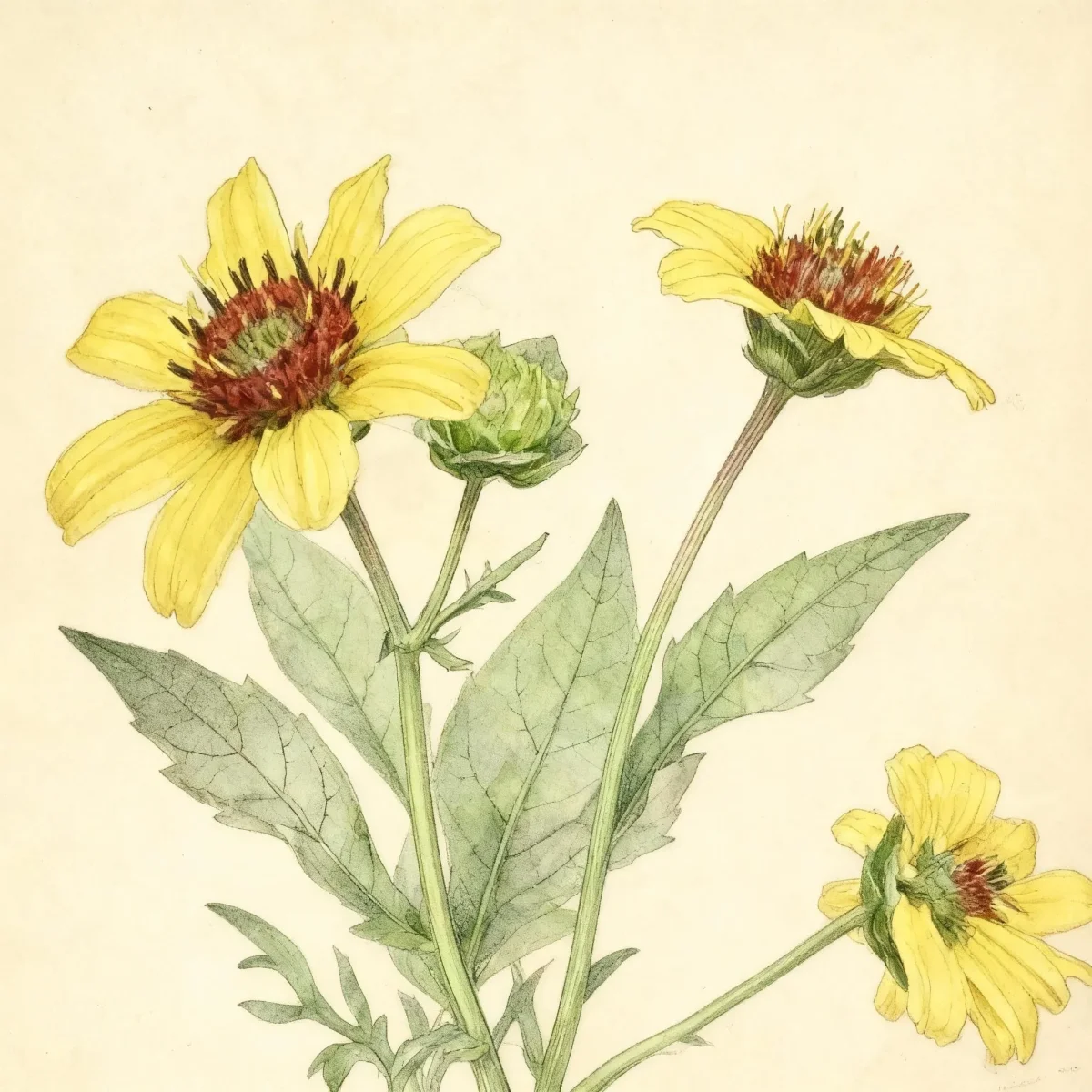
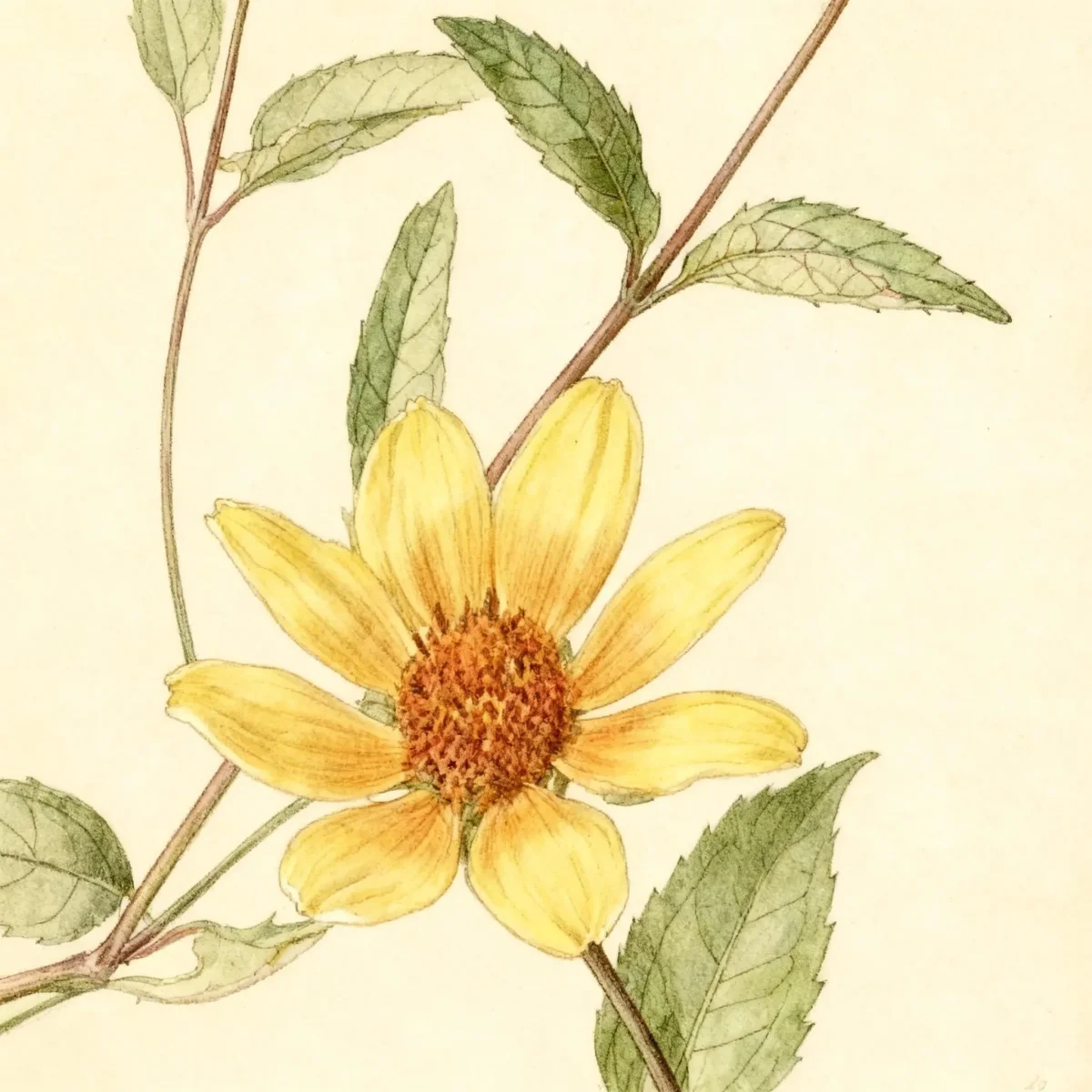
False sunflower (Heliopsis helianthoides 'Prairie Sunset')
Heliopsis helianthoides 'Prairie Sunset' (False sunflower) offers long summer bloom on stiff stems, tolerating drought and poor soils in zones 3-9.
Scroll down to discover growing tips, care requirements, companion plants, and more
Complete Plant Information
Overview
Heliopsis helianthoides ‘Prairie Sunset’ is a spectacular, almost tireless bloomer, providing rich color from early summer well into fall. This cultivar of the False sunflower is highly valued for its vigorous, upright habit and resistance to significant pest or disease issues, making it an excellent, low-effort perennial for sunny borders. Its namesake comes from its near-sunflower appearance, though it belongs to a closely related genus, offering gardeners reliable, daisy-like flowers.
The striking blooms of Heliopsis helianthoides ‘Prairie Sunset’ feature bright yellow rays accented by a distinctive reddish-maroon ring around the center disk, a trait that sets it apart from standard oxeye types. This sturdy perennial thrives even when conditions get tough, handling drought and poor soils with commendable ease once established. It serves wonderfully as a long-season anchor in mixed plantings, drawing in butterflies throughout the summer months.
As an upright, clump-forming plant, Heliopsis helianthoides ‘Prairie Sunset’ provides essential mid-to-late season structure in the garden. Gardeners appreciate its low maintenance requirements combined with its high ornamental return, securing its place as a staple in both formal perennial beds and meadow-style native plantings.
Fast Facts
- Plant Family: Asteraceae
- Plant Type: Herbaceous perennial
- Hardiness Zones: USDA Zones 3-9
- Size at Maturity:
- Height: 3-5 ft
- Spread: 2-3 ft
- Bloom Time: June to September
- Bloom Description: Yellow rays with maroon basal petal ring
- Sun Exposure: Full sun
- Water Needs: Dry to medium
- Maintenance Level: Low
How to Grow
For best performance and strong stems, establish Heliopsis helianthoides ‘Prairie Sunset’ in full sun. While it tolerates some light shade, plants grown in shadier locations will be less vigorous and may require staking to prevent floppiness. This False sunflower prefers average, dry to medium, well-drained soil and is wonderfully adaptable, tolerating a wide range of conditions including poor and clayey soils.
Watering should be infrequent once established, as this species handles drought conditions well. However, for the most consistent blooming, provide regular water, especially during prolonged dry spells. Fertilization generally is not necessary; overly rich soil can sometimes lead to excessive vegetative growth rather than promoting robust flowers.
Maintenance for Heliopsis helianthoides ‘Prairie Sunset’ is usually minimal. Remove spent flowers periodically to encourage repeat blooming throughout the summer season. A practical tip for managing its height is to prune the stems back by one-third to one-half their length in late May; this helps create a shorter, more compact habit that seldom needs staking later in the season.
As a short-lived perennial known for self-seeding readily, this plant benefits from allowing some seeds to mature for birds, or you can deadhead thoroughly if you prefer strict control over its spread. Cleanup in early spring is standard practice for most herbaceous perennials.
Landscape Uses
The reliable height and extended bloom period make the False sunflower an indispensable component for the perennial border. Groupings of three or more Heliopsis helianthoides ‘Prairie Sunset’ plants create vibrant points of color that bridge the gap between early summer bloomers and the heavier autumn palettes. They pair exceptionally well with plants that enjoy similar sun and dry soil conditions, such as coneflowers (Echinacea), ornamental grasses, and Russian Sage.
Due to its strong vertical presence, consider placing Heliopsis helianthoides ‘Prairie Sunset’ in the middle to back of a border to provide necessary structure behind lower-growing perennials. It is also a superb option for a naturalized planting scheme or prairie garden, fitting seamlessly into ecologically thoughtful landscapes where native species are favored. Its height also makes it a fantastic choice for the cutting garden, providing stiff stems ideal for summer bouquets.
Standout Features
Flower Qualities
- Showy
Noteworthy Characteristics
Heliopsis helianthoides, commonly called oxeye sunflower or ox-eye daisy, is an upright, clump-forming, nearly glabrous, sunflower-like, short-lived perennial native to eastern and central North America. The cultivar ‘Prairie Sunset’ is specifically noted for its beautiful purple stems, purple-veined foliage, and the distinctive reddish-maroon basal ring at the base of its ray flowers. These daisy-like blooms, which appear from early summer to early fall atop stiff stems that seldom require staking, are highly attractive to butterflies and offer wonderful material for fresh cut arrangements.
Tolerances
- Drought
- Erosion
- Clay Soil
- Dry Soil
- Shallow-Rocky Soil
Potential Problems
This plant is known for being quite tough, exhibiting no serious insect or disease problems under good cultural conditions. Occasionally, some susceptibility to aphids may occur, especially if the plant is stressed or crowded, but typically these rarely cause significant damage. For taller specimens planted in rich soil or significant shade, staking or some form of physical support may be necessary to keep the stems rigid during heavy rain or wind.
Frequently Asked Questions
What hardiness zones is False sunflower suitable for?
Heliopsis helianthoides ‘Prairie Sunset’ is highly adaptable, thriving in USDA Hardiness Zones 3 through 9.
How large does False sunflower grow?
This False sunflower typically reaches a mature height between 3 to 5 feet, spreading to about 2 to 3 feet wide.
What sun exposure does Heliopsis helianthoides ‘Prairie Sunset’ need?
This perennial requires full sun to achieve the best vigor, strongest stems, and most prolific blooming performance.
When does False sunflower bloom?
Heliopsis helianthoides ‘Prairie Sunset’ blooms continuously from June through September, offering yellow rays with a notable maroon basal petal ring.
Conclusion
The False sunflower, Heliopsis helianthoides ‘Prairie Sunset’, is a superb performer, prized for its low maintenance needs, drought tolerance, and remarkably long season of vibrant color. Incorporate this tough, upright perennial into your sunny borders or native plantings for reliable summer interest. Before ordering, confirm that your garden sites meet the full sun requirement and check your local hardiness zone compatibility (Zones 3-9).
Companion Planting
Selecting companions that share the preference for full sun and dry to medium soil greatly enhances the success of Heliopsis helianthoides ‘Prairie Sunset’. Group it with other drought-tolerant workhorses like Sedum (stonecrop), Rudbeckia fulgida ‘Goldsturm’, or Russian Sage (Perovskia atriplicifolia). The vertical lines of the False sunflower contrast nicely against the mounding habits of many companion plants, creating visually interesting textures throughout the season.
Wildlife Benefits
The blooms of the False sunflower are extremely attractive to a wide range of beneficial insects. The open, accessible flower heads serve as an excellent nectar source for many species of butterflies looking for a summer refueling stop. Additionally, once the flowering period concludes, the small seeds produced by Heliopsis helianthoides ‘Prairie Sunset’ become a modest but appreciated food source for various small songbirds moving through the garden in late fall and winter.