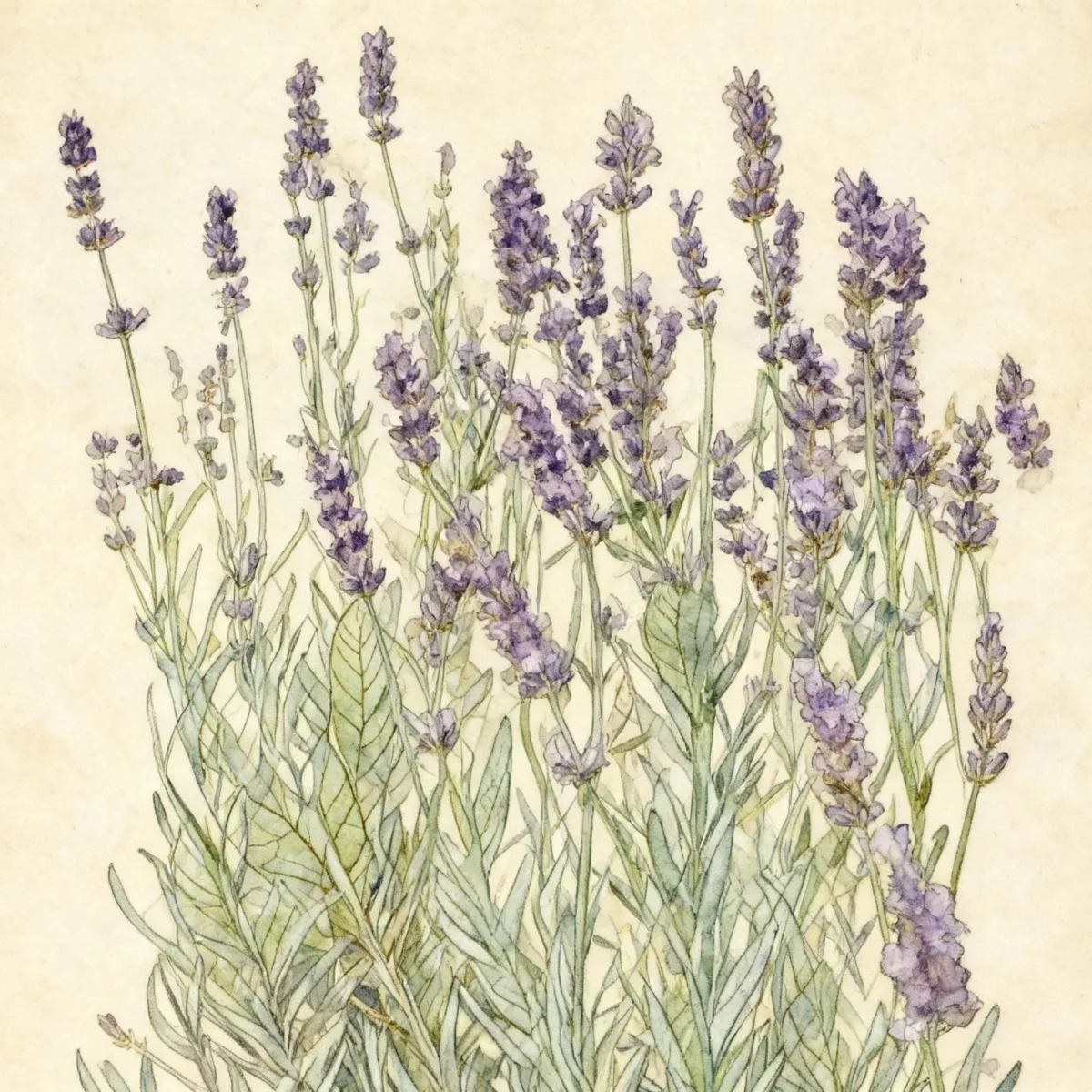
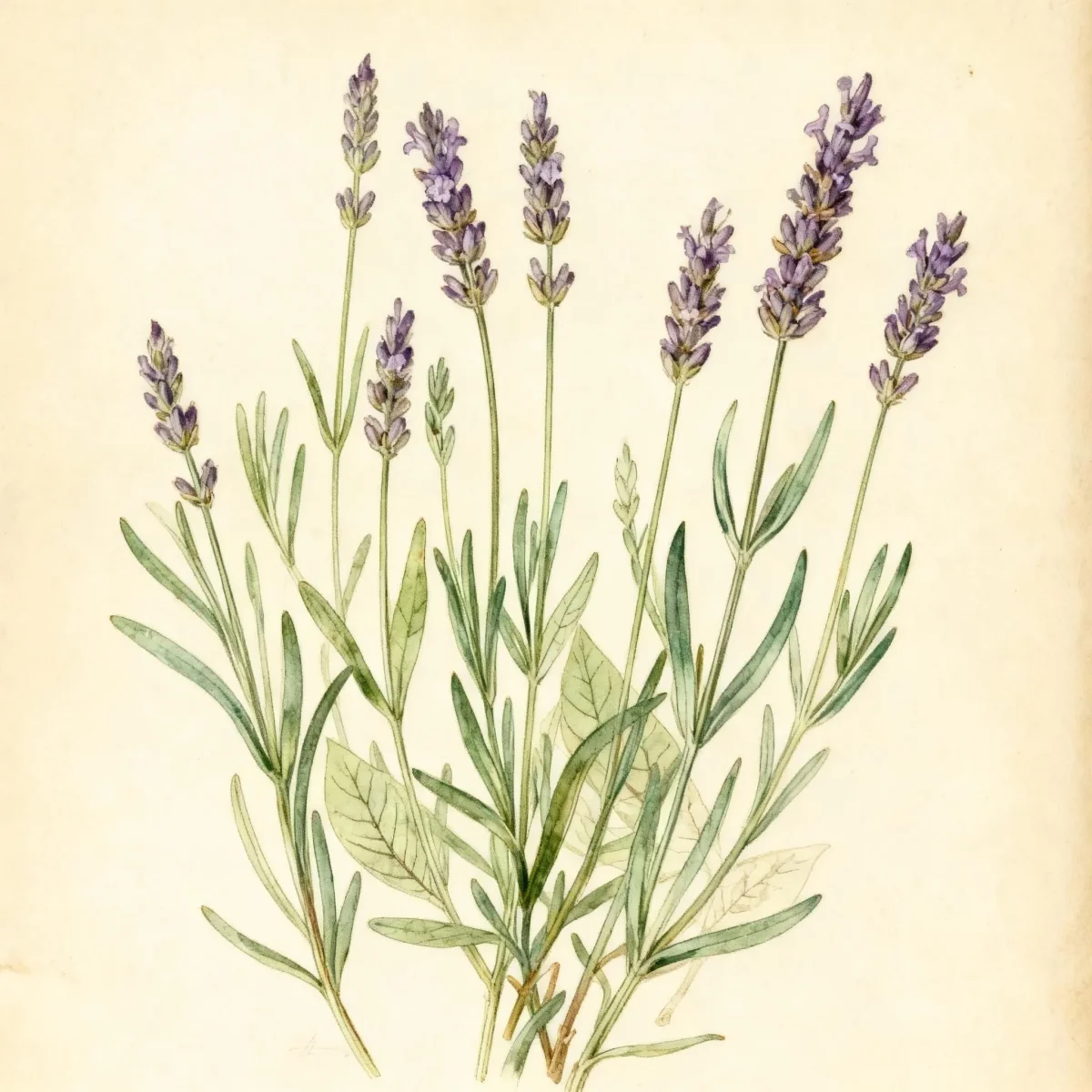
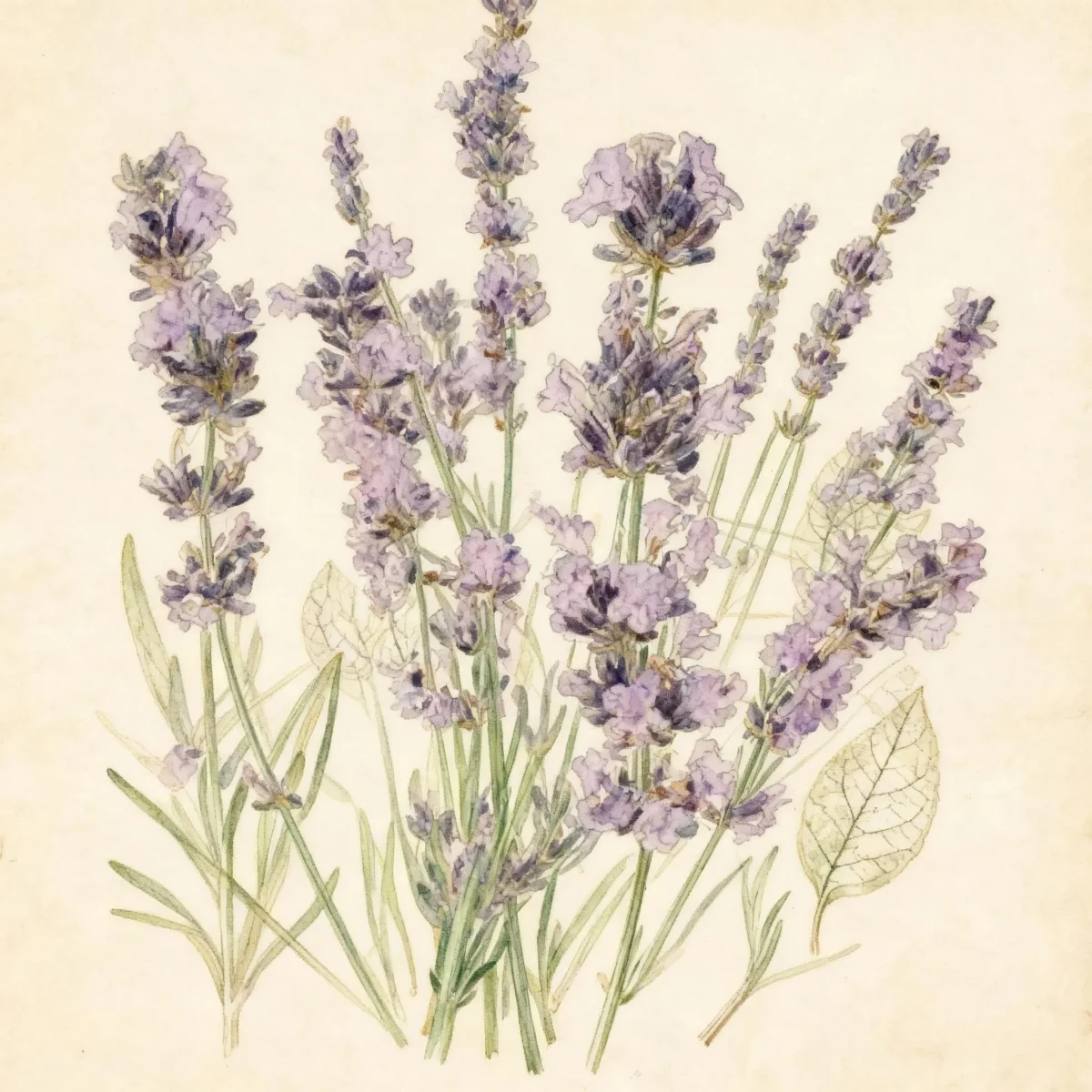
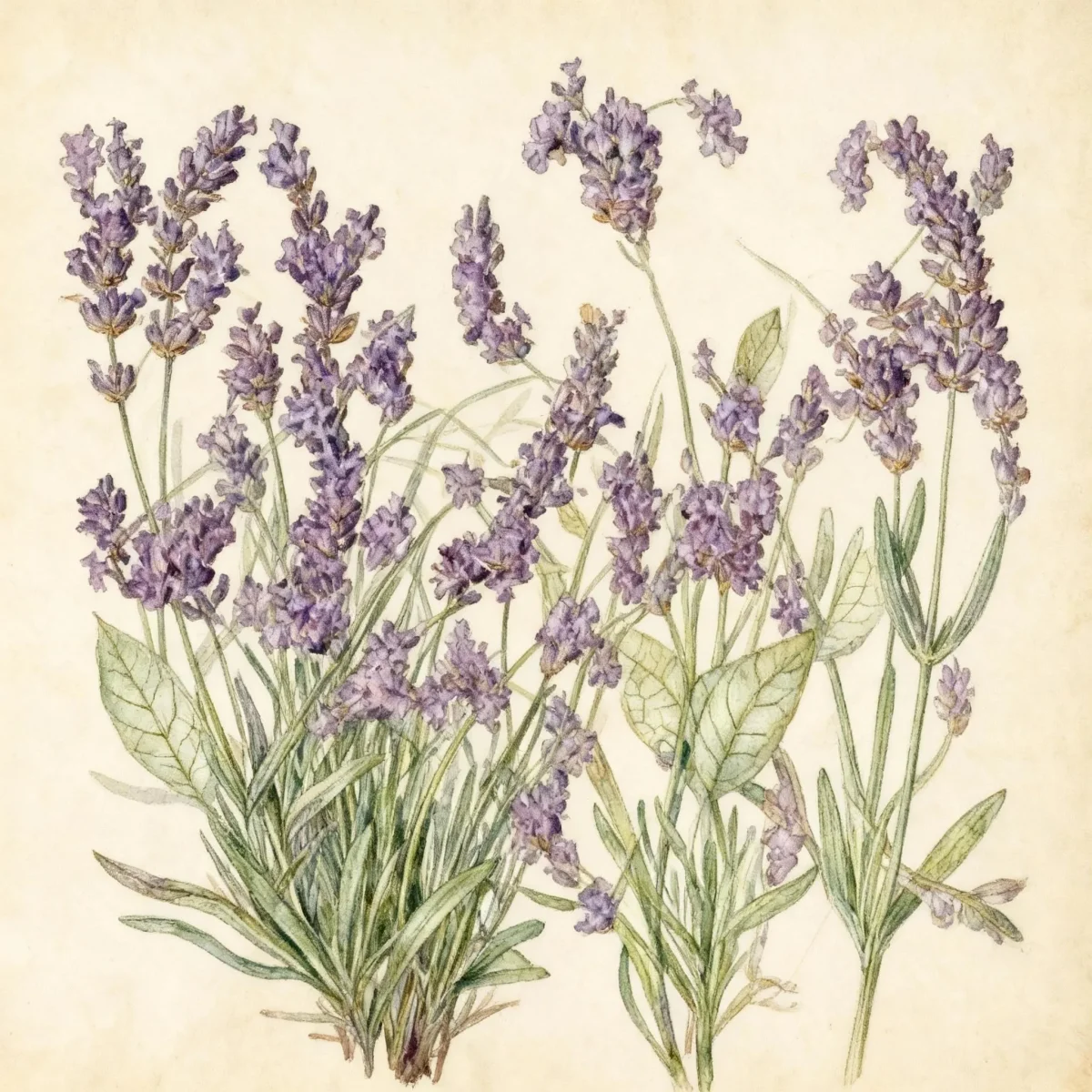
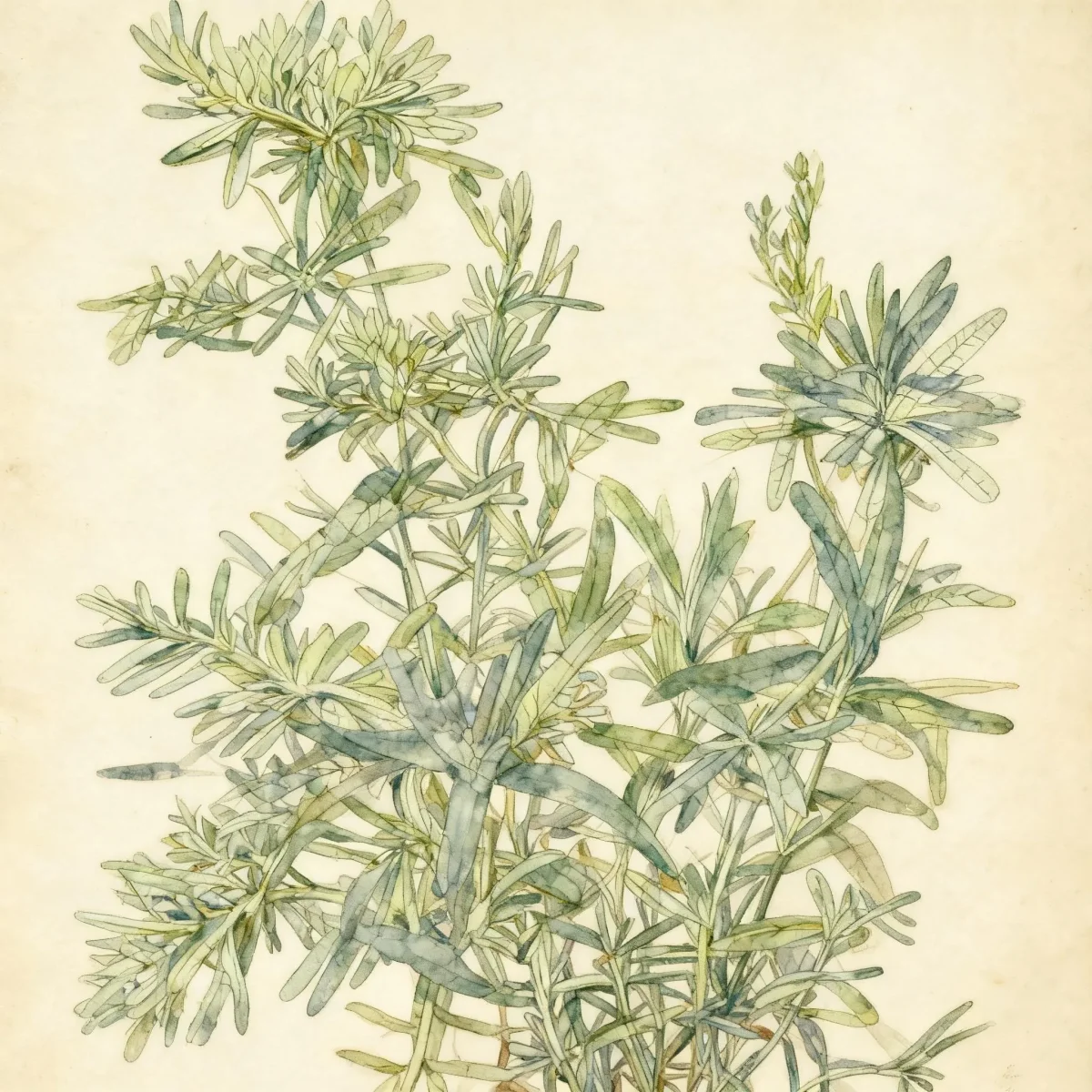
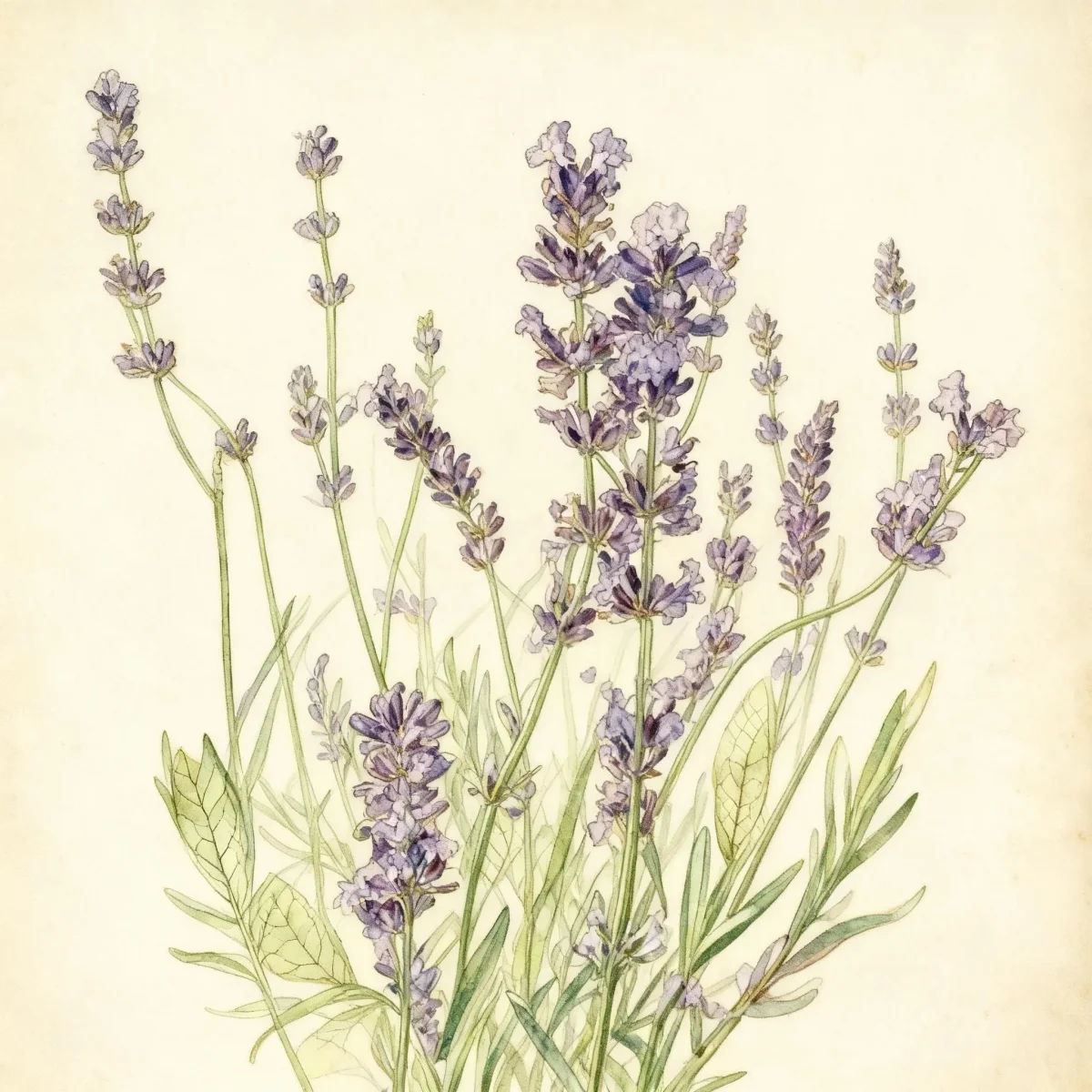
English lavender (Lavandula angustifolia 'Twickel Purple')
Discover Lavandula angustifolia 'Twickel Purple', a compact English lavender famed for dense, showy purple blooms and fragrant foliage in full sun.
Scroll down to discover growing tips, care requirements, companion plants, and more
Complete Plant Information
Overview
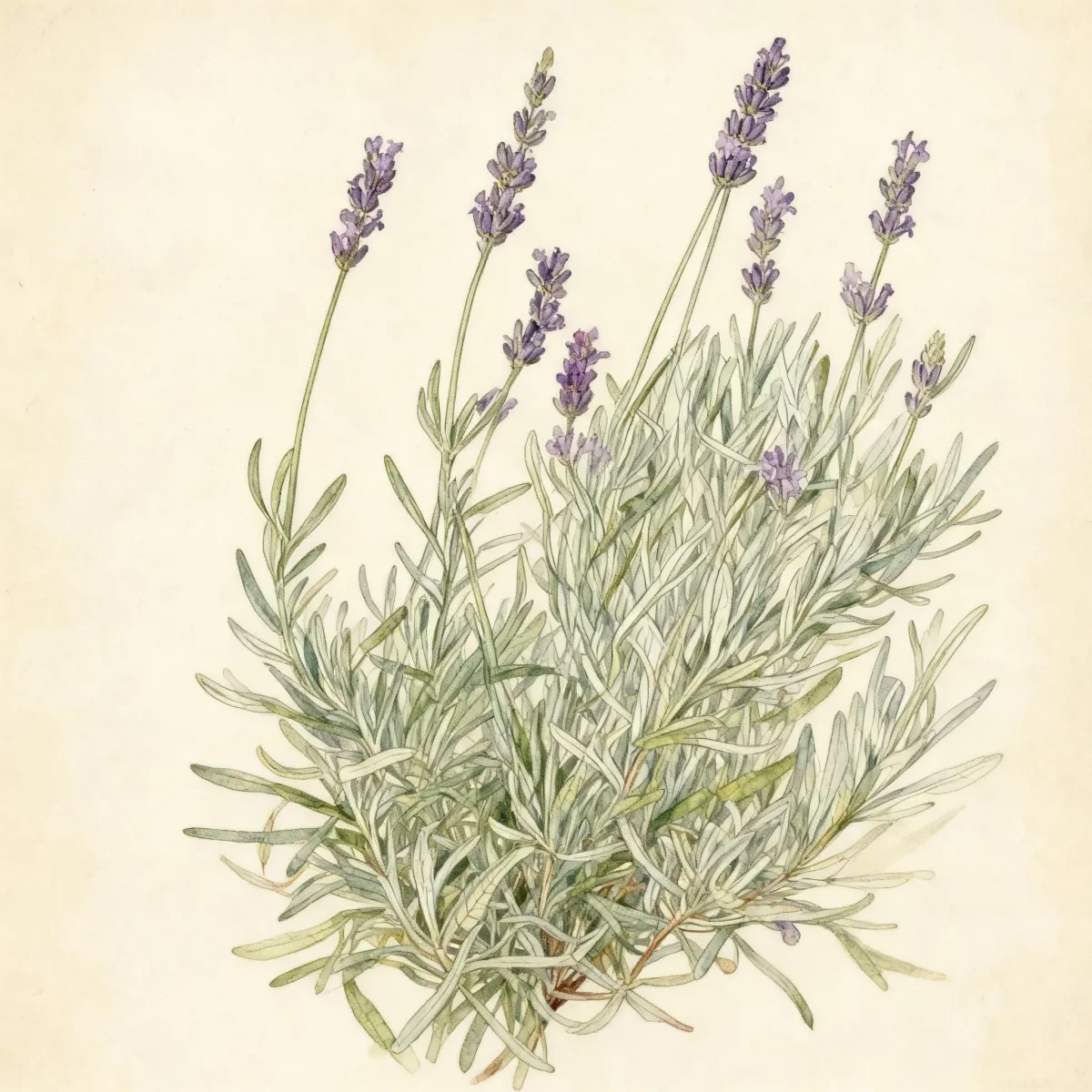
Lavandula angustifolia ‘Twickel Purple’ is a prized cultivar of English lavender, valued for its reliable performance and desirable aromatic qualities. This semi-woody perennial offers narrow, gray-green foliage and intense purple flowers clustered in fan-like spikes, making it an essential addition to sunny perennial beds. Gardeners select this variety for its compact size, which is ideal for edging and smaller spaces where traditional lavenders might sprawl too much.
As true lavender, English lavender provides exceptional mid-summer visual interest while drawing pollinators to the garden. Its highly aromatic nature means that brushing against the foliage releases fragrance, enhancing the sensory experience of herbaceous and scented gardens alike. Successful cultivation hinges on providing the dry, well-drained conditions this Mediterranean native requires.
The specific cultivar, Lavandula angustifolia ‘Twickel Purple’, is known for its dense flowering habit and is sometimes noted for developing a slight purple tinge on its winter leaves, adding subtle seasonal texture. Whether used for cut flowers, potpourri, or simply enjoyed for its robust scent, this lavender is a versatile landscape anchor.
Fast Facts
- Plant Family: Lamiaceae
- Plant Type: Herbaceous perennial
- Hardiness Zones: USDA Zones 5-8
- Size at Maturity:
- Height: 1.5-2 ft
- Spread: 1.5-2.5 ft
- Bloom Time: June to August
- Bloom Description: Purple
- Sun Exposure: Full sun
- Water Needs: Dry to medium
- Maintenance Level: Medium
How to Grow
Plant Lavandula angustifolia ‘Twickel Purple’ in full sun, ensuring it receives at least six hours of direct light daily for the best flowering and strongest fragrance. The most critical factor for this English lavender is proper drainage; it thrives in average, dry to medium, well-drained, and preferably alkaline soil. Well-drained soils are non-negotiable, particularly heading into winter, as root rot is a major threat in soggy conditions.
Watering should be infrequent once established, allowing the soil to dry out between irrigation cycles, conforming to its dry to medium water needs. Avoid rich soils, as this variety prefers somewhat low fertility; heavy fertilization promotes foliage growth over flower production. For gardeners in humid areas especially, consider using rock mulch instead of organic mulch to improve air movement around the crown and further minimize moisture retention near the base.
Pruning for Lavandula angustifolia ‘Twickel Purple’ is essential for maintaining its compact shape and promoting longevity. Remove faded flowers throughout the season to encourage continued blooming. In the spring, after new leaves emerge, prune lightly to shape the plant. Every three years, consider a more substantial spring pruning, cutting the plant back to about 8 inches to stimulate robust new growth and prevent woodiness.
Landscape Uses
English lavender is far more versatile than just a border herb; the combination of fragrant foliage and striking purple flowers makes Lavandula angustifolia ‘Twickel Purple’ an excellent component in mixed perennial borders, where it provides excellent mid-summer contrast to green and dark-leaved plants. Its drought tolerance makes it perfect for rock gardens or xeriscaping where low water use is desired. For a truly immersive experience, mass-plant this lavender to create a fragrant, visual statement or use it as a low, fragrant edger along a walkway where its scent can be enjoyed continuously. Dried flowers retain their aroma beautifully and are highly desirable for sachets and potpourri, offering functional utility beyond its ornamental value.
Standout Features
Flower Qualities
- Showy
- Fragrant
Noteworthy Characteristics
Lavandula angustifolia, commonly called English lavender, has been a mainstay of herb gardens for many years. This “true lavender” is commercially planted for harvesting its oils for use in perfumes, and its varieties are often preferred for culinary use over other lavenders. ‘Twickel Purple’ specifically is noted for dense purple flowers on spikes appearing in fan-like clusters, and its narrow, gray-green leaves contribute to its aromatic profile.
Tolerances
- Rabbit
- Deer
- Drought
- Dry Soil
- Shallow-Rocky Soil
- Air Pollution
Potential Problems
The primary threats to achieving long life with Lavandula angustifolia ‘Twickel Purple’ relate to moisture and temperature extremes. This plant is susceptible to leaf spot and, more seriously, root rot if drainage is inadequate, which is amplified by the high humidity sometimes experienced in regions like the St. Louis area. Furthermore, plants may struggle or fail entirely during harsh winters if temperatures dip significantly below zero degrees Fahrenheit without protective snow cover cushioning the root zone. Ensuring your planting location has sharp drainage, especially entering winter, is the best proactive measure against these common issues.
Frequently Asked Questions
What hardiness zones is English lavender suitable for?
Lavandula angustifolia ‘Twickel Purple’ is best suited for USDA Hardiness Zones 5 through 8.
How large does Lavandula angustifolia ‘Twickel Purple’ grow?
This compact English lavender typically matures to a height between 1.5 and 2 feet tall, with a spread of 1.5 to 2.5 feet wide.
What sun exposure does Lavandula angustifolia ‘Twickel Purple’ need?
This plant requires full sun exposure to thrive, flower prolifically, and maintain healthy, compact growth habits.
When does English lavender bloom?
This cultivar blooms reliably from June into August, typically showcasing dense spikes of purple flowers.
Companion Planting
Successful companion planting for Lavandula angustifolia ‘Twickel Purple’ involves selecting other Mediterranean herbs or drought-tolerant perennials that share its love for sun and sharp drainage. Pairing it with plants like Thyme, Rosemary, or ornamental grasses helps create a cohesive, low-maintenance, arid-style garden bed. Avoid placing it immediately next to moisture-loving perennials, as the resulting soil competition for moisture will favor the thirsty plants, leading to poor drainage for the lavender. Its gray foliage pairs beautifully visually with brighter greens and yellows, offering good contrast in a sunny border design.
Seasonal Care Calendar
Spring is crucial for establishing the structure of your English lavender; prune back in early spring just as new basal growth emerges, removing any dead wood encountered after winter. Summer care centers on observing water needs; water deeply but infrequently, only when the soil has dried out, and deadhead spent flower spikes promptly to encourage a second flush of blooms. In autumn, ensure the area around the base is dry and consider light winter protection if your zone is near the lower limit (Zone 5), as good air circulation around the plant helps protect it from winter dampness. This vigilance with pruning and moisture control ensures your Lavandula angustifolia ‘Twickel Purple’ remains vibrant year after year.
Conclusion
Lavandula angustifolia ‘Twickel Purple’ offers gardeners compact structure, reliable mid-summer purple color, and the unforgettable fragrance essential to a classic herb garden. By respecting its stringent requirements for full sun and excellent drainage, you can successfully cultivate this robust English lavender, even in slightly challenging climates, provided winter stresses are mitigated. Before planting, always verify that your intended location allows the soil to dry thoroughly between waterings to guarantee success with this beautiful cultivar.