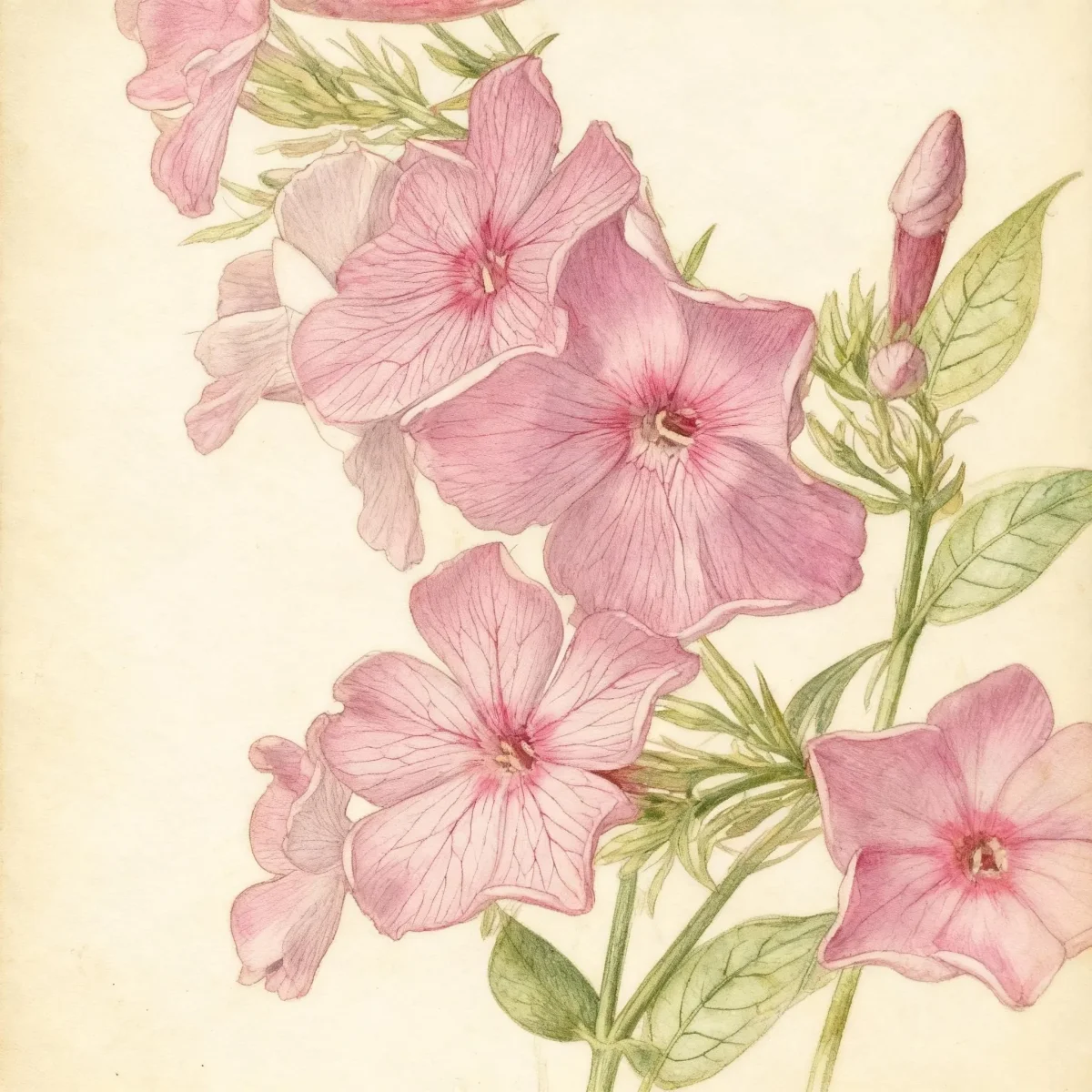
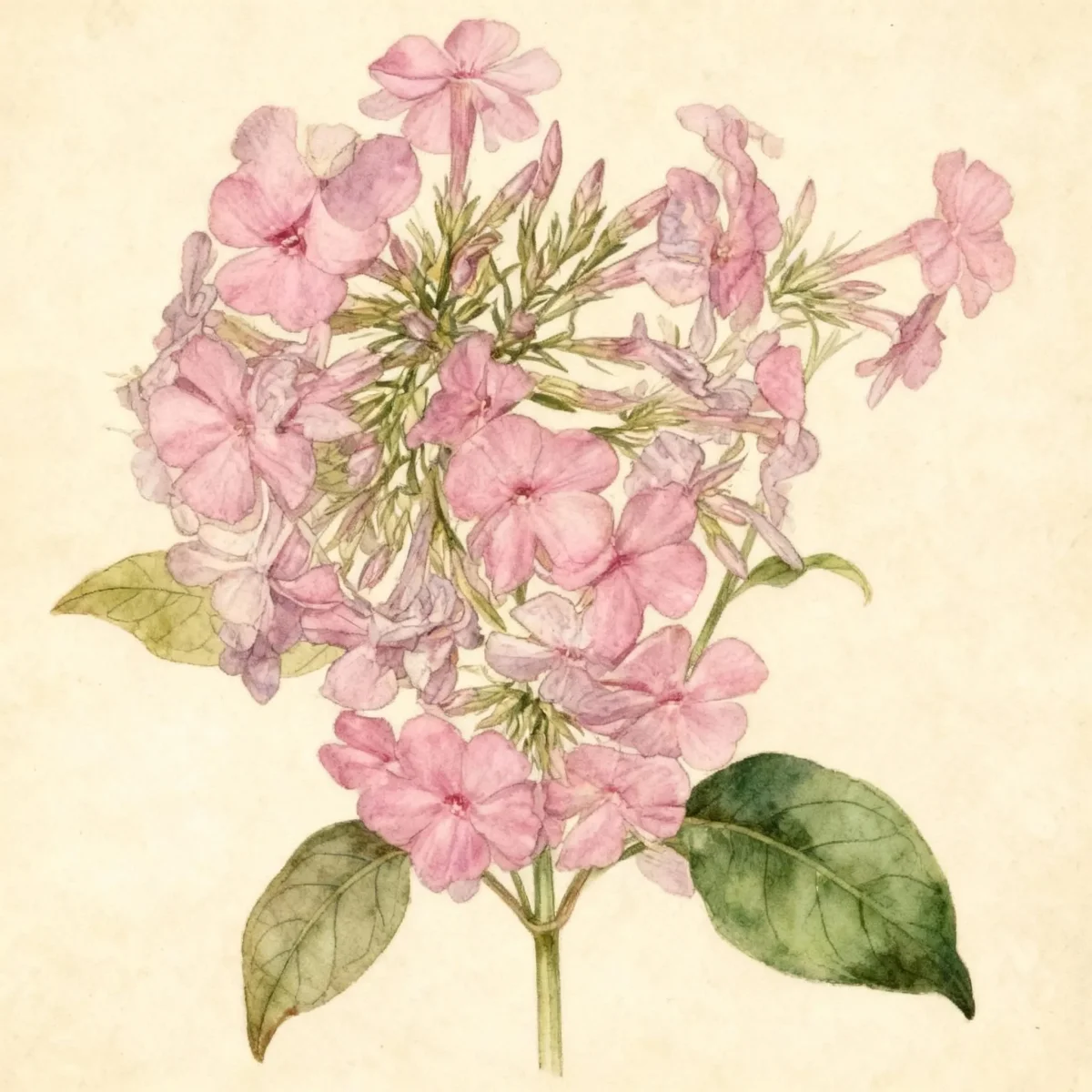
Phlox (Phlox 'Green Spring')
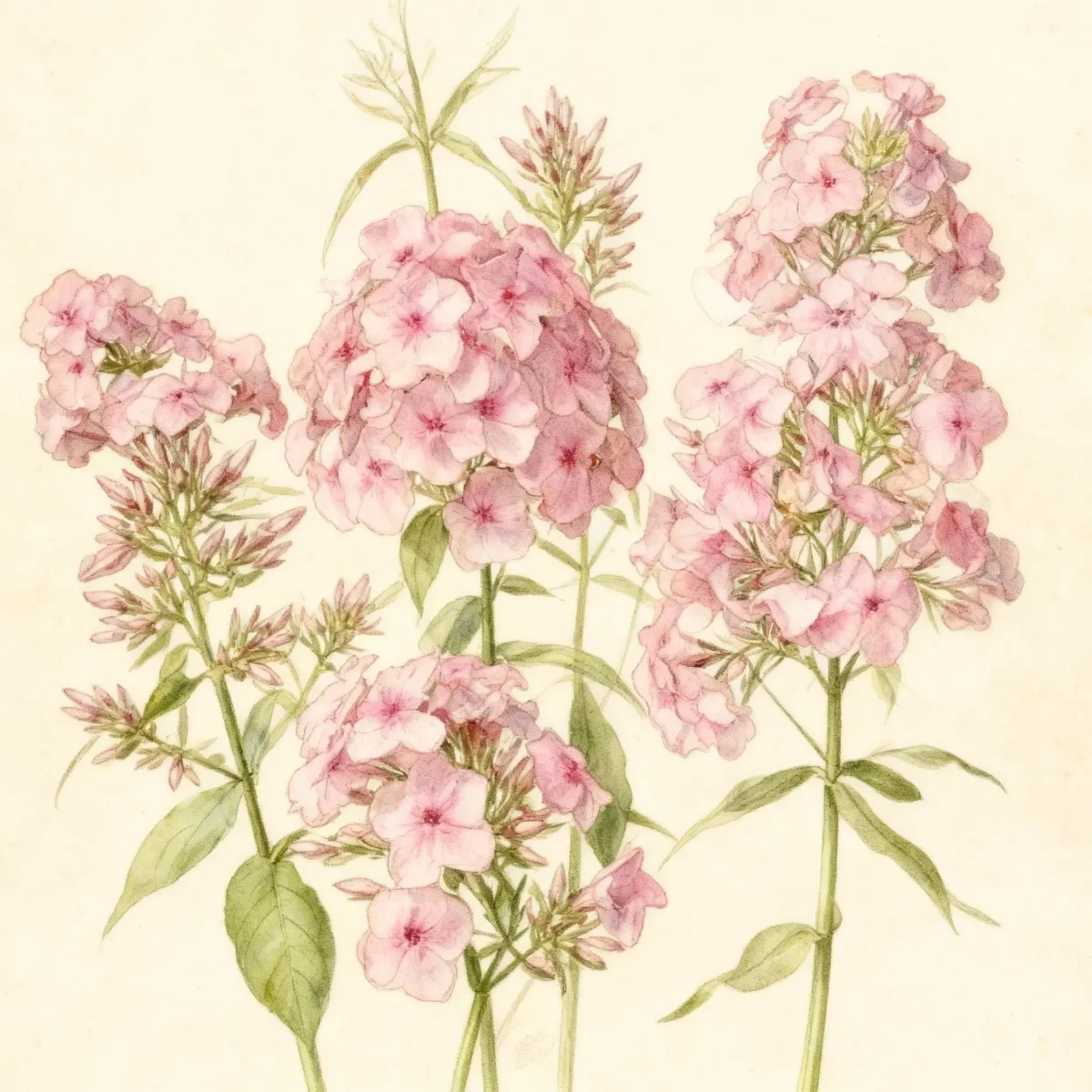
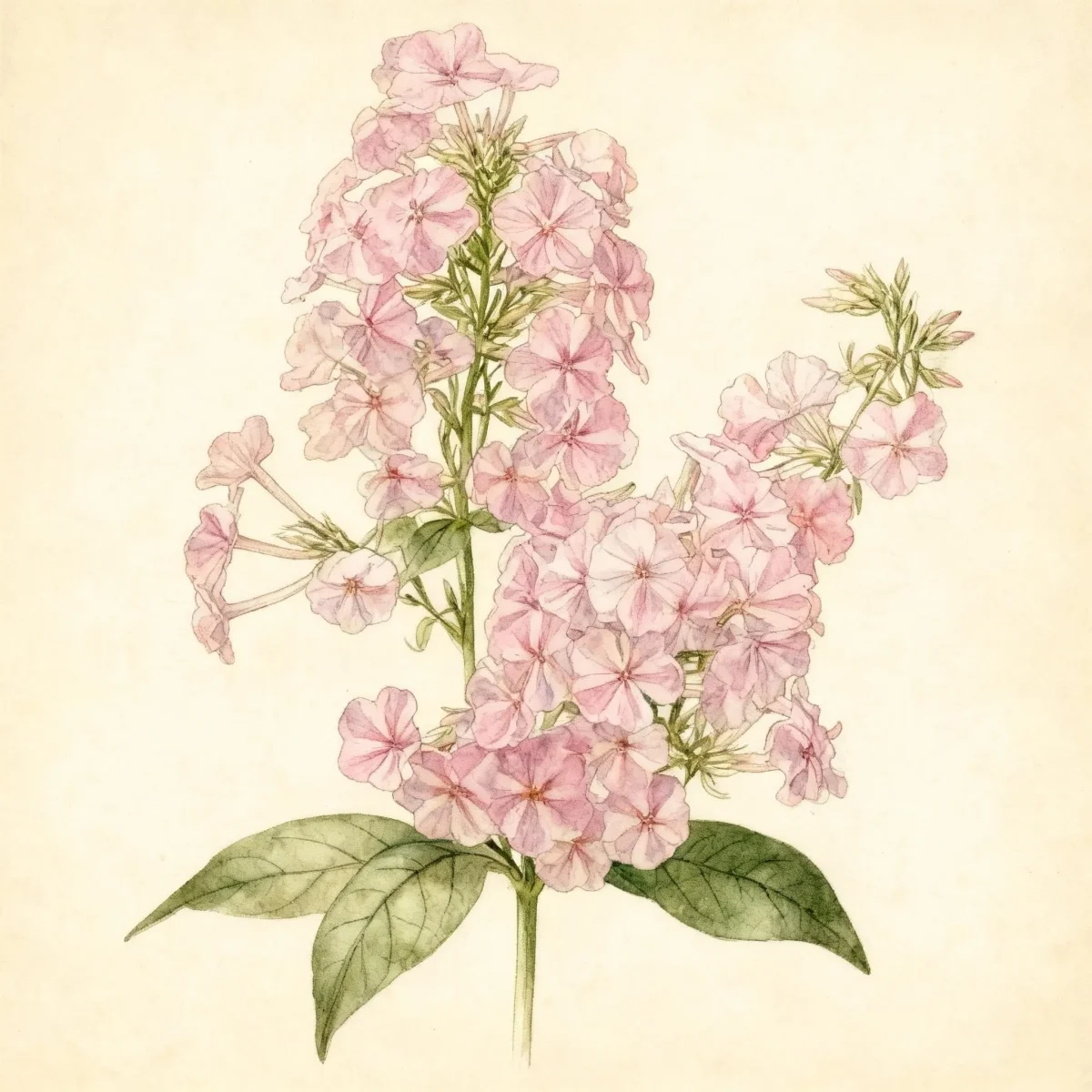
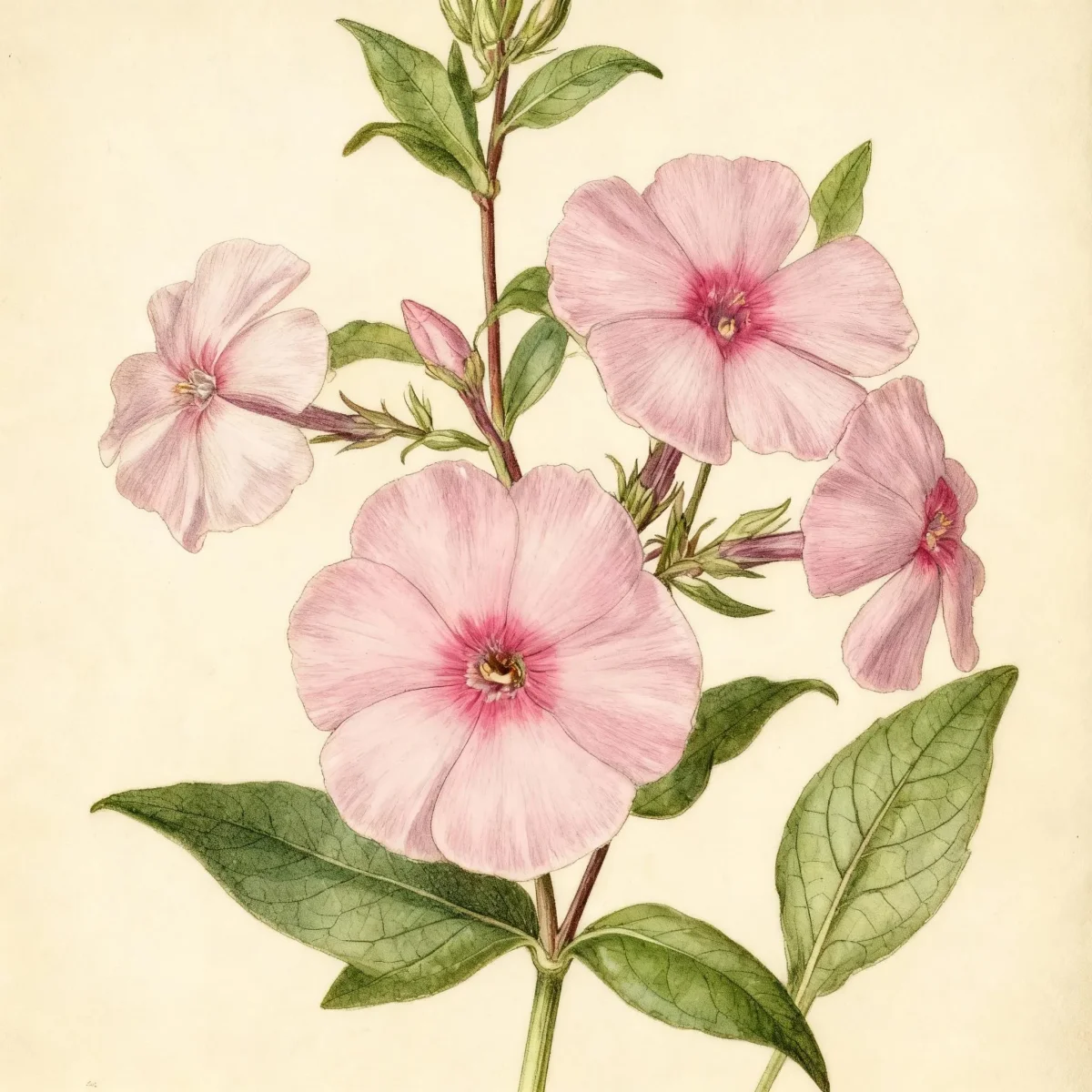
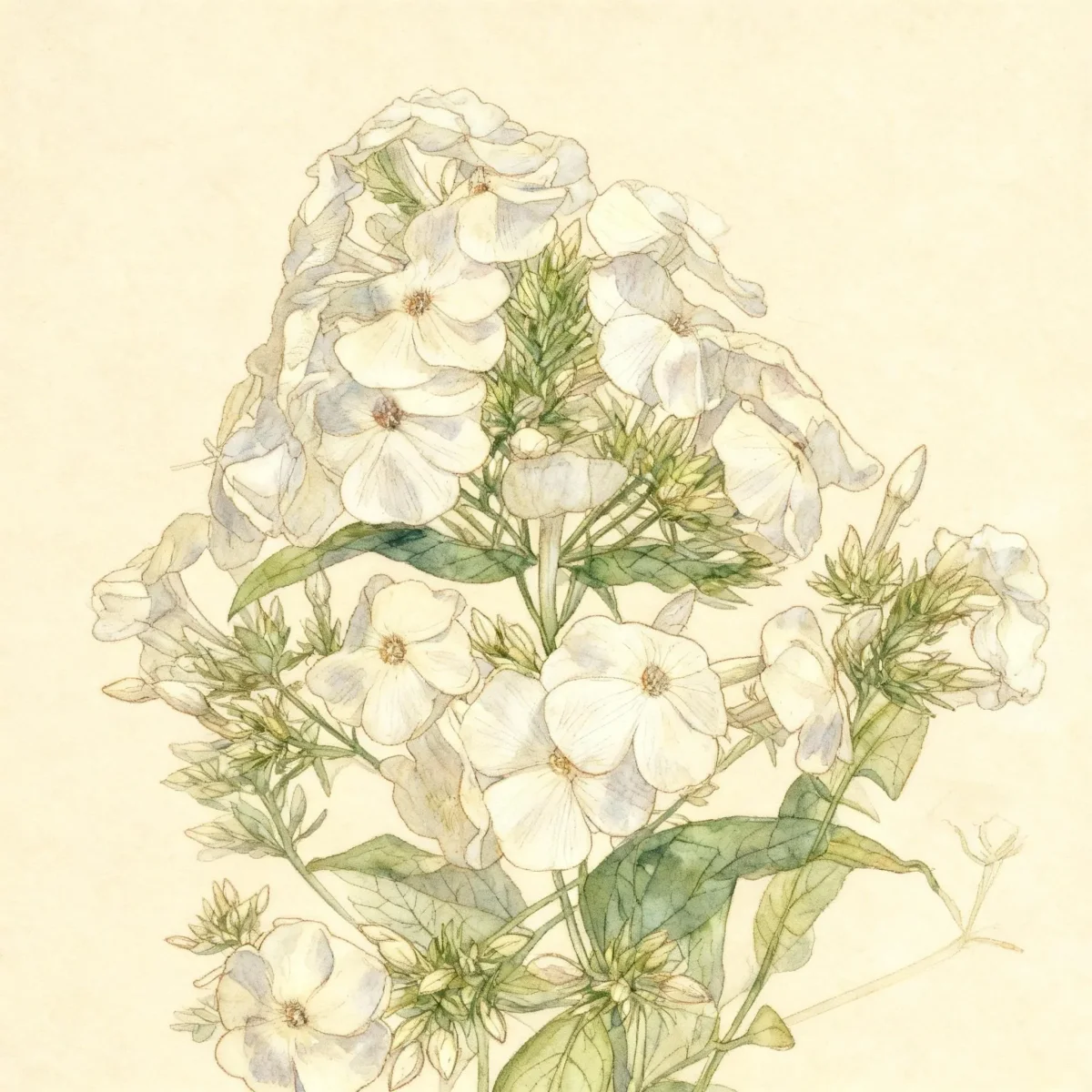
Phlox 'Green Spring' is a spreading, mat-forming perennial offering lavender-pink, fragrant flowers in spring.
Scroll down to discover growing tips, care requirements, companion plants, and more
Complete Plant Information
Overview
Phlox ‘Green Spring’ is a valuable addition to the spring garden, known for its vigorous, mat-forming habit and delightful early blooms. This spreading Phlox creates a dense ground cover featuring bright green foliage topped by clusters of fragrant, lavender-pink flowers. It brings intense color to the landscape when many other plants are just beginning to awaken.
This herbaceous perennial from the Polemoniaceae family thrives across a wide range of conditions, offering reliable performance from USDA Zones 4 through 8. Its low-growing stature makes Phlox ‘Green Spring’ excellent for softening edges or filling in spaces beneath taller shrubs. Gardeners appreciate the showy flowers which contribute significant visual interest early in the season.
The name Phlox derives from the Greek word for flame, reflecting the intense colors found throughout the genus. Phlox ‘Green Spring’ specifically provides a low-maintenance ground cover solution, requiring only medium water and thriving best with full sun exposure, though it tolerates partial shade gracefully.
Fast Facts
- Plant Family: Polemoniaceae
- Plant Type: Herbaceous perennial
- Hardiness Zones: USDA Zones 4-8
- Size at Maturity:
- Height: 0.5-0.75 ft
- Spread: 0.5-1 ft
- Bloom Time: April to May
- Bloom Description: Lavender-pink
- Sun Exposure: Full sun to part shade
- Water Needs: Medium
- Maintenance Level: Medium
How to Grow
For optimal flowering, plant Phlox ‘Green Spring’ in fertile, medium moisture, well-drained soils. While it prefers full sun for the best performance, this variety adapts well to areas receiving part shade. Plantings should be timed for spring or fall, ensuring the roots have time to establish before extreme summer heat or deep winter freezes.
Care for this Phlox is straightforward. Established plants demonstrate tolerance to brief periods of drought, but consistent medium moisture is ideal during active growth. In regions experiencing hot summers, applying a summer mulch will help keep the root zones cool and reduce watering needs.
Maintenance on this Phlox is minimal. To encourage vigorous new foliage growth, gardeners may cut back the plantings immediately after the main bloom period concludes in late spring. This post-flowering pruning keeps the mat tidy and dense throughout the summer months.
Landscape Uses
Phlox ‘Green Spring’ excels when utilized as a ground cover, effectively suppressing weeds while providing seasonal color. Its spreading, mat-forming nature makes it perfect for naturalized areas, woodland fringes, or open shade gardens where a carpet of color is desired. It is also an excellent choice for defining the edges of borders or nestled into sunny rock gardens.
This low-growing Phlox pairs beautifully with later-blooming perennials that appreciate similar soil and sun conditions, such as late-season Hostas or Siberian Iris, providing excellent seasonal succession. Because of its short stature (under one foot), it never obscures the view of taller specimens behind it.
Consider mass plantings of Phlox ‘Green Spring’ to truly showcase its mat-forming habit. Whether used to thread through stepping stones or cloak a small slope, it transforms large, otherwise empty areas into vibrant, low-maintenance compositions, living up to the “Green Spring” name.
Standout Features
Flower Qualities
- Showy
- Fragrant
Noteworthy Characteristics
Phlox is a genus of about 70 species mostly native to North America that are grown for their showy flowers. ‘Green Spring’ specifically is a spreading, mat-forming Phlox reportedly derived as a cross between P. Divaricata and P. Amoena. It produces creeping, leafy stems that form a low mat, from which loose clusters of fragrant, lavender-pink, tubular flowers emerge slightly above the foliage in early spring.
Tolerances
- Deer
Potential Problems
Generally, no serious problems plague this specific Phlox introduction. However, landscape conditions can sometimes invite common garden issues. In environments where powdery mildew is prevalent, consider cutting back the foliage immediately after the bloom cycle ends; this increased air circulation helps preventative management. Spider mites can also become an issue, especially when the Phlox experiences consecutive hot, dry periods.
Frequently Asked Questions
What hardiness zones is Phlox ‘Green Spring’ suitable for?
Phlox ‘Green Spring’ is reliably hardy across USDA Zones 4 to 8.
How large does Phlox ‘Green Spring’ grow?
This variety typically reaches a height between 0.5 and 0.75 feet, with a spread ranging from 0.5 to 1 foot wide, forming a dense mat.
When does Phlox ‘Green Spring’ bloom?
You can expect the showy, lavender-pink flowers of Phlox ‘Green Spring’ to appear in the garden during April and May.
What sun exposure does Phlox need?
Phlox ‘Green Spring’ performs best in full sun but is adaptable enough to handle part shade conditions.
Conclusion
Phlox ‘Green Spring’ offers gardeners significant aesthetic value through its low, spreading habit and its early flush of fragrant, lavender-pink blooms. This resilient Phlox variety integrates easily into many landscape settings as a dependable ground cover. Before planting, confirm that your site falls within USDA Zones 4 through 8 to ensure success with your new Phlox.
Propagation Tips
Division is the most straightforward method for increasing your stock of Phlox ‘Green Spring’. Since this is a mat-forming perennial with creeping stems, it readily forms tight clumps over time. Dividing the established clumps should ideally be done in early spring before new growth aggressively starts, or in the early fall after flowering concludes.
Use a sharp spade to carefully lift sections of the established mat. Ensure each division retains a healthy root system along with adequate foliage to minimize transplant shock. Plant the separated divisions immediately into prepared, fertile soil at the same depth they were previously growing.
While Phlox ‘Green Spring’ might also establish from cuttings, division ensures the quickest revitalization and replication of the desirable mat-forming characteristics of the parent plant most reliably. Keep new divisions consistently medium moist until they become fully established.
Companion Planting
Since Phlox ‘Green Spring’ thrives in full sun to light shade and demands medium moisture and well-drained soil, selecting companions with similar cultural needs is crucial for a cohesive planting design. Consider pairing it with spring bulbs like Daffodils or Tulips, which will enjoy the same early spring moisture but will die back before the Phlox foliage becomes dense.
For plants that share similar shade tolerance and moisture requirements later in the season, look towards low-growing Epimediums or certain varieties of Creeping Jenny (Lysimachia nummularia). These companions maintain good ground coverage while complementing the texture and form of the Phlox.
Avoid pairing Phlox ‘Green Spring’ with plants that require consistently dry feet, as that contradicts its need for medium moisture. By grouping plants with similar needs, you simplify watering and maintenance, ensuring every component of the garden bed prospers alongside your attractive Phlox ground cover.