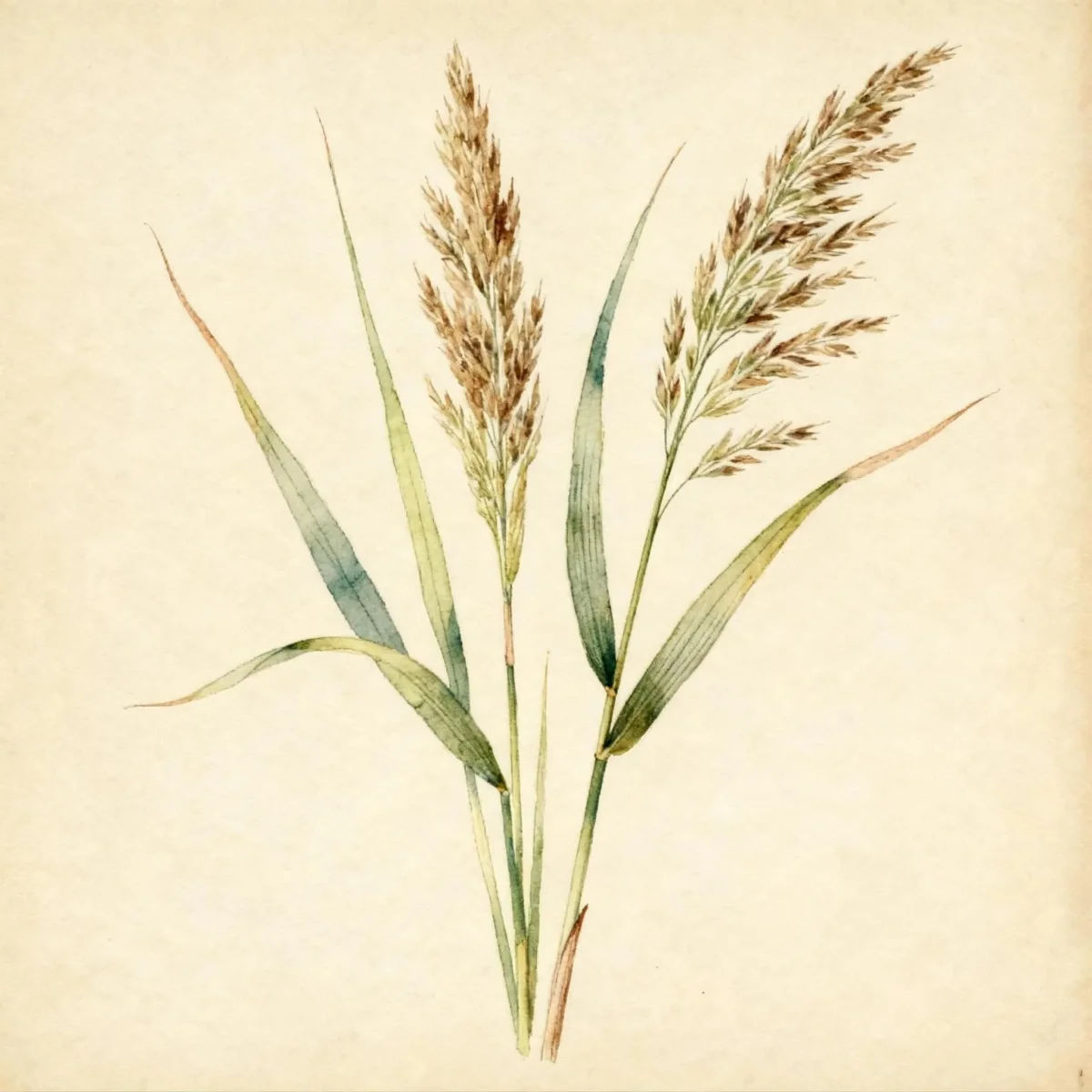
Feather reed grass (Calamagrostis × acutiflora 'Avalanche')
Calamagrostis × acutiflora 'Avalanche' offers striking variegated foliage and vertical interest. This low-maintenance Feather reed grass thrives in wet soils.
Scroll down to discover growing tips, care requirements, companion plants, and more

Complete Plant Information
Overview
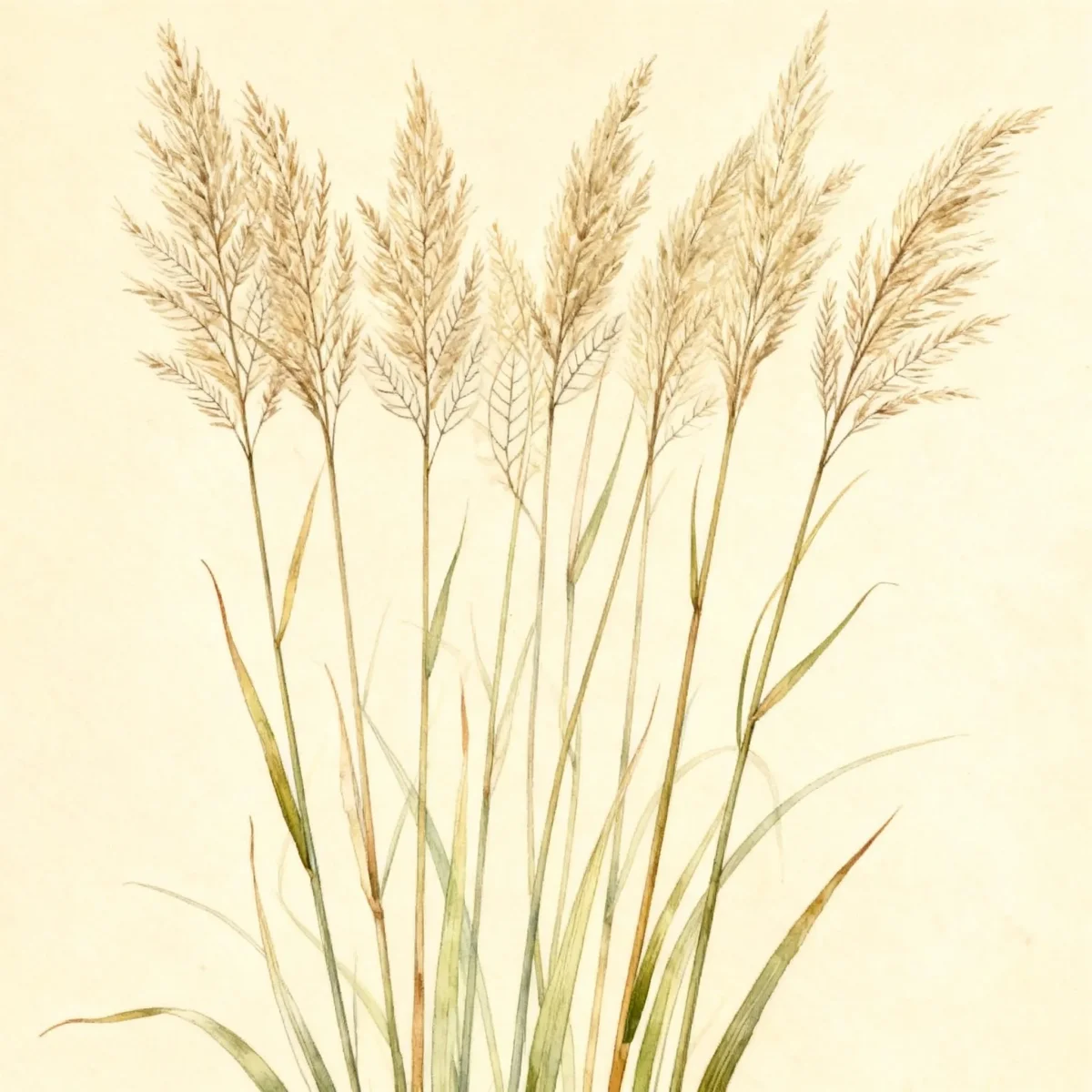
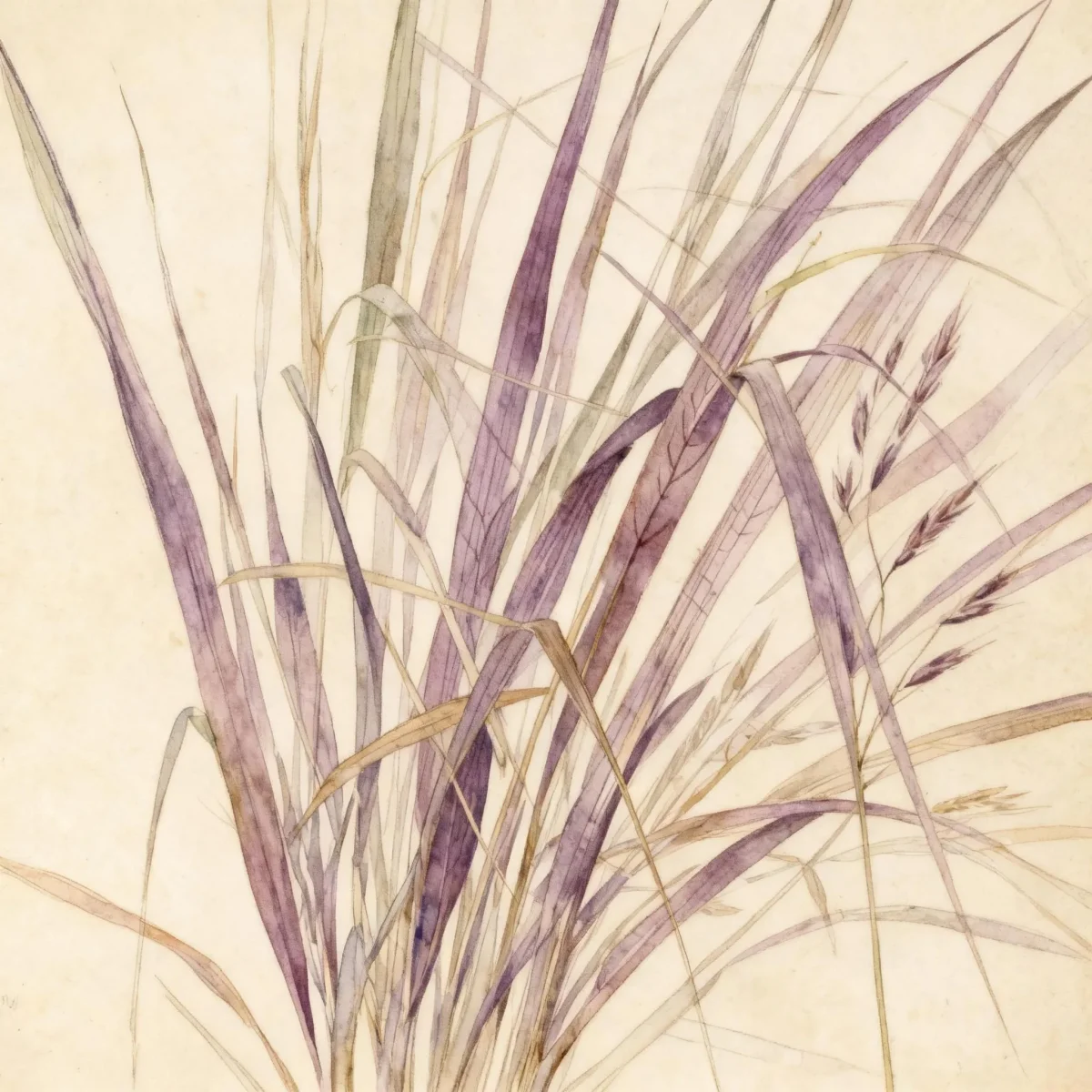
Calamagrostis × acutiflora ‘Avalanche’, commonly known as Feather reed grass, is prized for its distinctive, vertically oriented structure and exceptional foliage. This cultivar sets itself apart with variegated leaves featuring crisp white stripes running down the center of the green blades. It provides strong architectural presence throughout the growing season, making it an invaluable choice for adding linear drama to mixed borders.
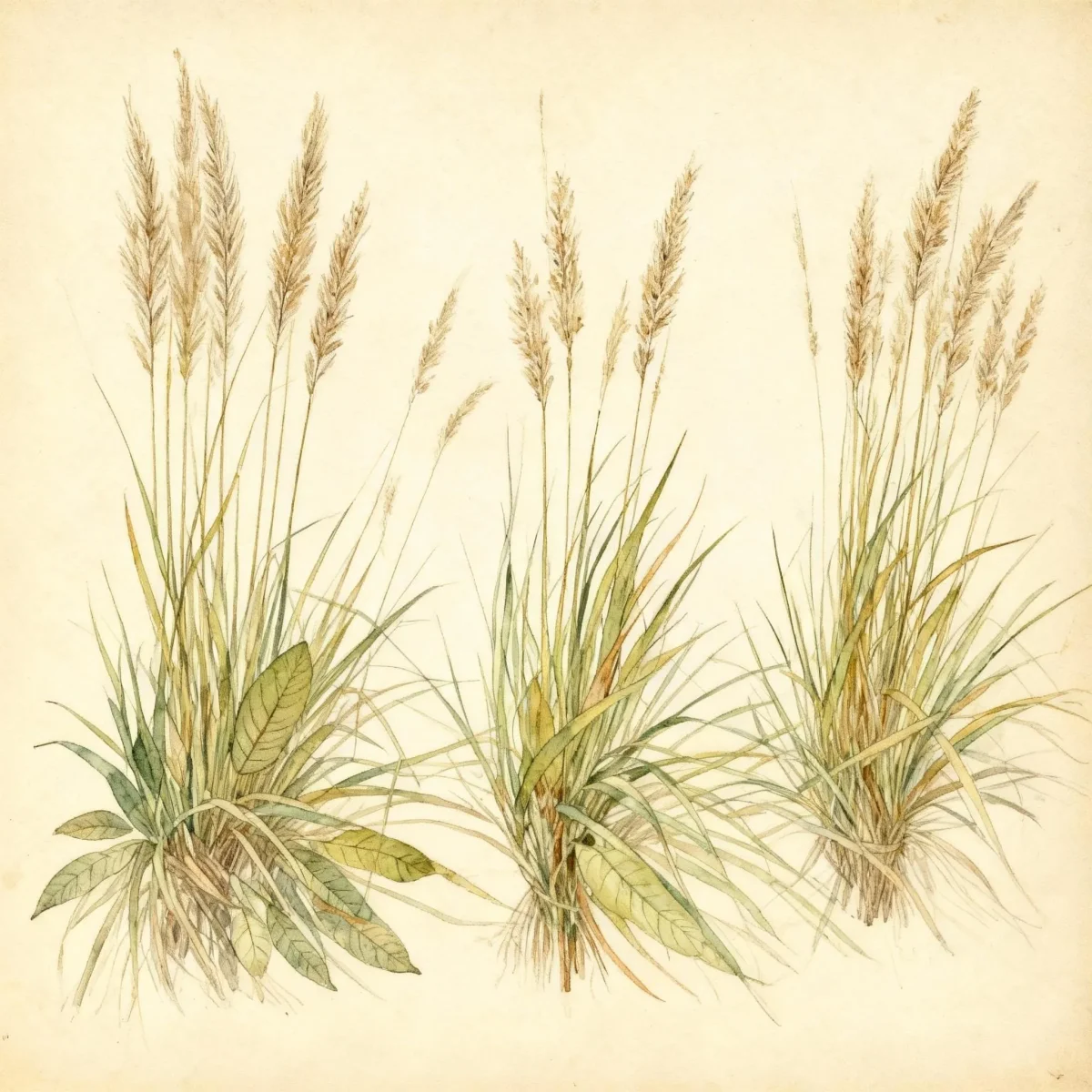
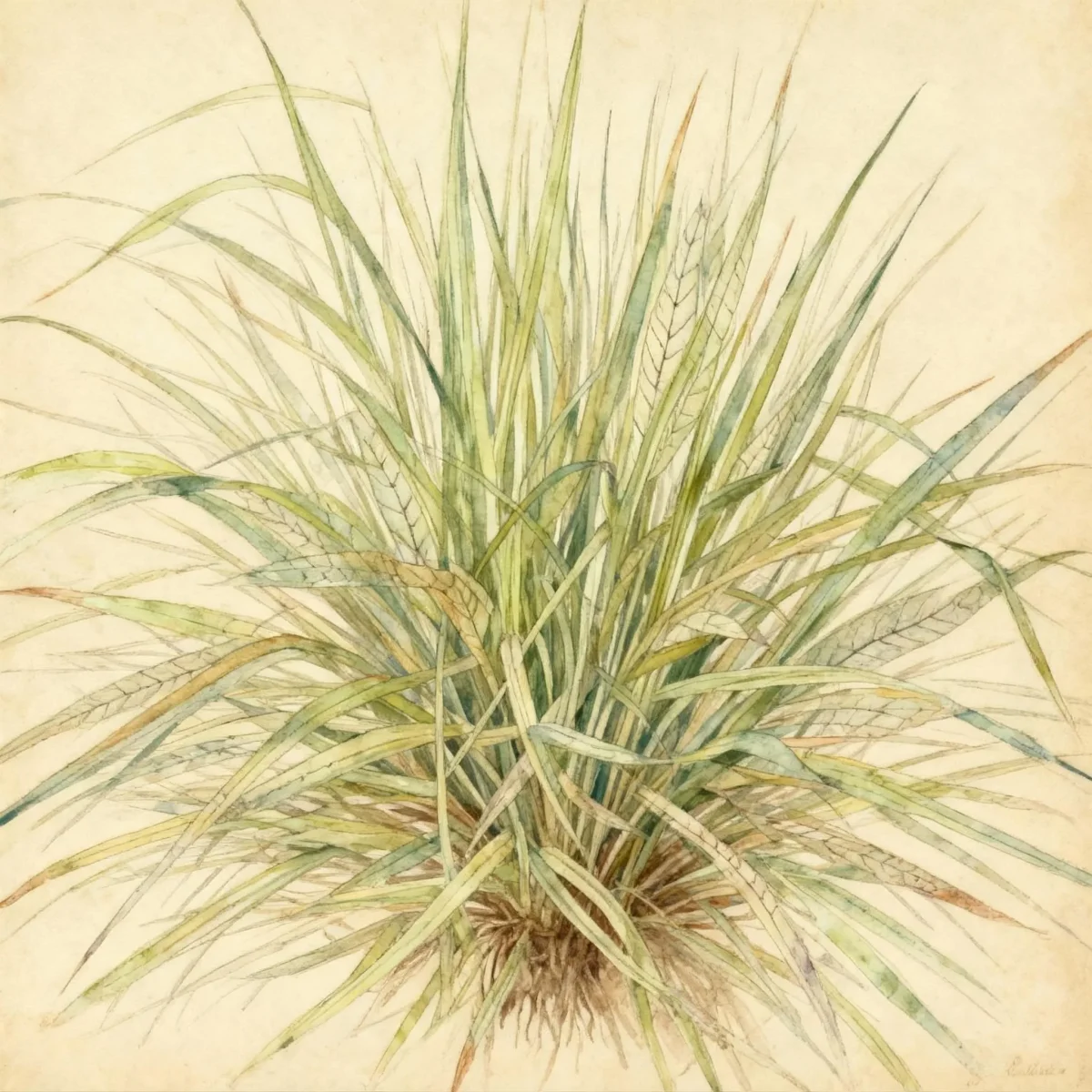
As a cool-season ornamental grass, Calamagrostis × acutiflora ‘Avalanche’ forms dense clumps from which flower stalks emerge stiffly upright. Its preference for medium to wet soils lends it well to areas where other grasses might struggle or become waterlogged. Gardeners appreciate the low maintenance requirements of this versatile Feather reed grass.
This cultivar offers visual appeal from early summer well into winter, thanks to its persistent seed heads and upright habit. Whether planted as a specimen or utilized for screening, Calamagrostis × acutiflora ‘Avalanche’ ensures vertical interest without spreading aggressively, maintaining a tidy footprint in the landscape.
Fast Facts
- Plant Family: Poaceae
- Plant Type: Ornamental grass
- Hardiness Zones: USDA Zones 5-9
- Size at Maturity:
- Height: 3-5 ft
- Spread: 1-2 ft
- Bloom Time: June to February
- Bloom Description: Purplish green
- Sun Exposure: Full sun
- Water Needs: Medium to wet
- Maintenance Level: Low
How to Grow
Plant Calamagrostis × acutiflora ‘Avalanche’ in the spring after the danger of hard frost has passed, ensuring it receives full sun for the best form and flowering structure. This ornamental grass establishes well in average soils but truly excels in rich, consistently moist conditions, tolerating wet soil better than many other landscape grasses. Unlike some varieties, this Feather reed grass reportedly performs well even in heavy clay.
Water regularly, especially during establishment, to keep the soil evenly moist as Calamagrostis × acutiflora ‘Avalanche’ prefers consistency and dislikes drying out. While full sun is ideal, be aware that intense afternoon heat combined with full exposure may cause the foliage to scorch slightly in the hottest climates. If environmental conditions are very hot, some afternoon shade can be beneficial, though excessive shade will lead to floppier growth and fewer flowers.
Maintenance is straightforward. Pruning should be performed in late winter just before new spring growth begins; cut the entire clump down to the ground at this time. Fertilization is rarely necessary if planted in rich, well-amended soil, as this grass is easily grown and adapted to average feeding schedules.
Landscape Uses
Calamagrostis × acutiflora ‘Avalanche’ is a premier choice for creating strong vertical accents in garden design. Its compact, upright stature makes it excellent for filling narrow spaces along property lines or defining the edges of paths where horizontal spreading plants would cause congestion. Use it massed for a bold, uniform screen or individually as an eye-catching specimen accent.
This grass is exceptionally well-suited for recommended uses such as rain gardens or stabilizing moist low spots near pond or stream banks. The tolerance of Calamagrostis × acutiflora ‘Avalanche’ for wet soil makes it a reliable performer where moisture collects. Pair the vertical lines of this Feather reed grass with broad-leaved perennials that enjoy similar moisture levels, such as Astilbe, Ligularia, or Iris, for contrasting texture.
Its height (up to 5 feet) allows it to serve as a structural backdrop in perennial borders, adding seasonal texture and winter interest where deciduous plants have lost their leaves.
Standout Features
Flower Qualities
- Showy
Noteworthy Characteristics
Calamagrostis, commonly known as reed grass, is a genus consisting of about 250 species of cool season grasses which are primarily native to moist to wet areas in temperate regions of the northern hemisphere. These grasses typically form large, dense, erect clumps of narrow, flattened, green leaves from which rise stiffly upright flowering stalks in summer bearing narrow flower plumes followed by often persistent seeds. The specific cultivar ‘Avalanche’ is distinguished by its variegated foliage, featuring green leaves dramatically striped with white down the center. Furthermore, it maintains a relatively compact size compared to its pure green relatives, offering pinkish-green summer flowers.
Tolerances
- Erosion
- Wet Soil
- Black Walnut
- Air Pollution
Potential Problems
This ornamental grass generally exhibits excellent pest and disease resistance, making Calamagrostis × acutiflora ‘Avalanche’ a reliable choice for gardeners seeking low inputs. There are no consistently reported serious insect infestations or major afflictions. However, gardeners should remain vigilant for rust, especially following extended periods of warm, rainy weather.
If rust appears, improve air circulation around the clumps through careful thinning or adjustment of planting density. Promptly removing infected foliage can help minimize spread, although severe treatment is rarely required unless the aesthetic impact is intolerable. Generally, diligent yearly pruning in late winter keeps the plant exceptionally clean.
Frequently Asked Questions
What hardiness zones is Feather reed grass suitable for?
Calamagrostis × acutiflora ‘Avalanche’ is hardy and reliably grown across USDA Zones 5 through 9.
How large does Calamagrostis × acutiflora ‘Avalanche’ grow?
It typically reaches a mature height between 3 and 5 feet tall, with a manageable spread of 1 to 2 feet wide.
What sun exposure does Calamagrostis × acutiflora ‘Avalanche’ need?
This Feather reed grass performs best in full sun exposures, though it can tolerate light shade, particularly in very hot summer regions.
When does Feather reed grass bloom?
The blooming period for this cultivar is quite long, generally extending from early June all the way through February, featuring purplish green plumes.
Conclusion
Calamagrostis × acutiflora ‘Avalanche’ is an outstanding structural plant, valued for its low-maintenance requirements and striking variegated appearance. The reliable vertical form and tolerance for consistently moist or wet soils make this Feather reed grass a superior choice for difficult sites. Before introducing Calamagrostis × acutiflora ‘Avalanche’ to your garden, verify your local USDA hardiness zone compatibility and prepare your planting site with rich, well-draining, but consistently moist soil.
Companion Planting
Choosing appropriate neighbors enhances the structural contrast offered by Feather reed grass. Because Calamagrostis × acutiflora ‘Avalanche’ enjoys consistent moisture, pair it with other moisture-loving perennials that exhibit diverse forms. Consider using large-leaved hostas or Rodgersia, whose broad textures contrast beautifully with the narrow, linear foliage of the grass.
For a mid-border planting, utilize plants that bloom later after the grass has established its summer presence, such as tall Baptisia or Siberian Iris (when their foliage dies back). The strong upright planes of this grass also serve as excellent foils for rounded or mounding plants, providing clear visual separation.
Design Ideas for Varying Light
While this grass prefers full sun, its tolerance for light shade opens up design possibilities for areas receiving morning sun only, such as east-facing borders. In these slightly dimmer locations, utilize lighter-colored companion plants to help illuminate the space, such as white or pale blue Hydrangeas or variegated Hosta cultivars. This helps prevent the grass and its neighbors from looking too dense or dark.
In full sun locations, utilize the grass’s height for screening or background structure. Plant shorter, contrasting textures like ornamental onions (Allium) or Sedum varieties in the foreground. The evergreen nature of the clump during mild winters ensures that Calamagrostis × acutiflora ‘Avalanche’ provides critical structure when many perennials are dormant.