Oxeye sunflower (Heliopsis helianthoides var. scabra 'Venus')
Heliopsis helianthoides var. scabra 'Venus' (Oxeye sunflower) offers season-long yellow blooms, tolerates drought, and thrives in full sun.
Scroll down to discover growing tips, care requirements, companion plants, and more
Complete Plant Information
Overview
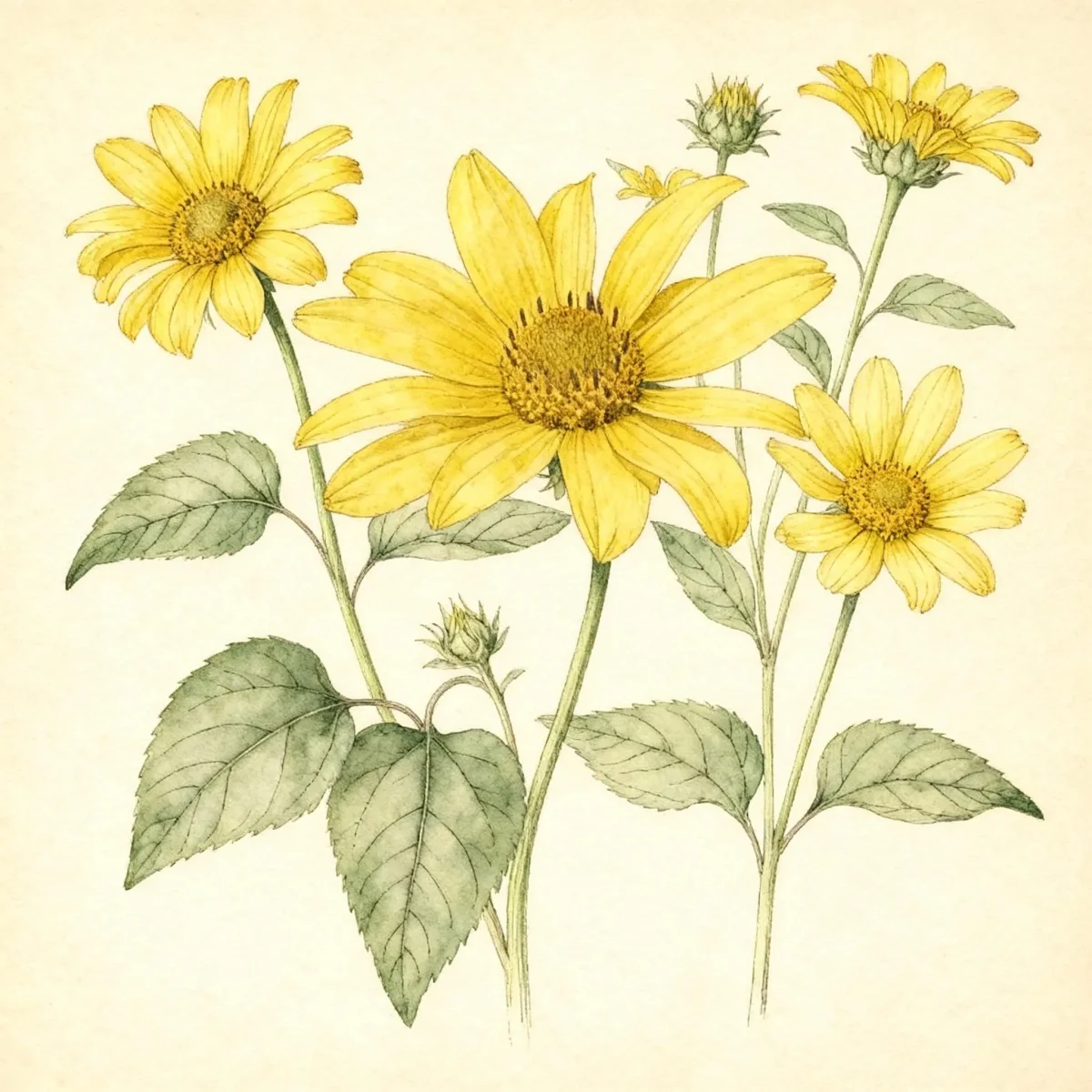
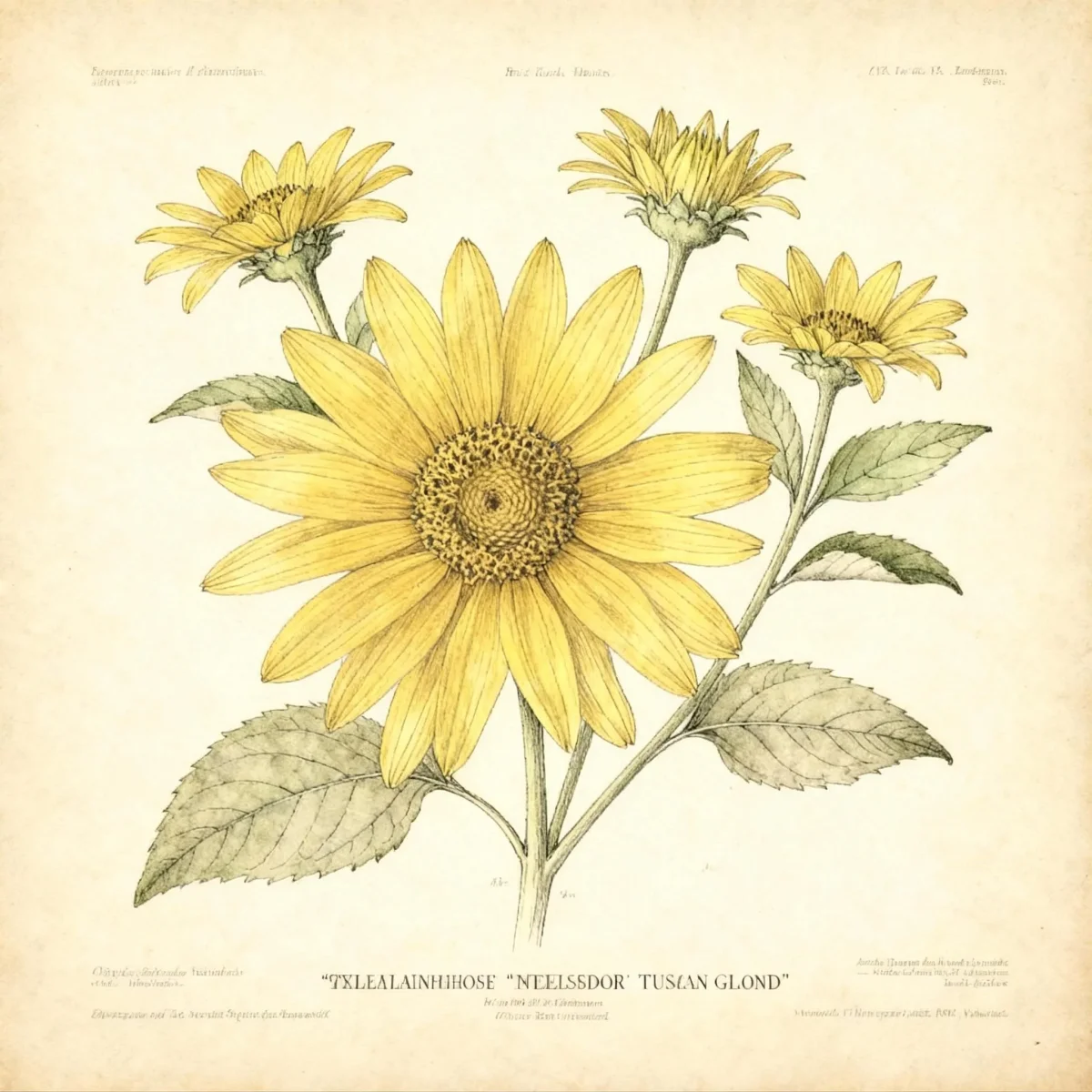
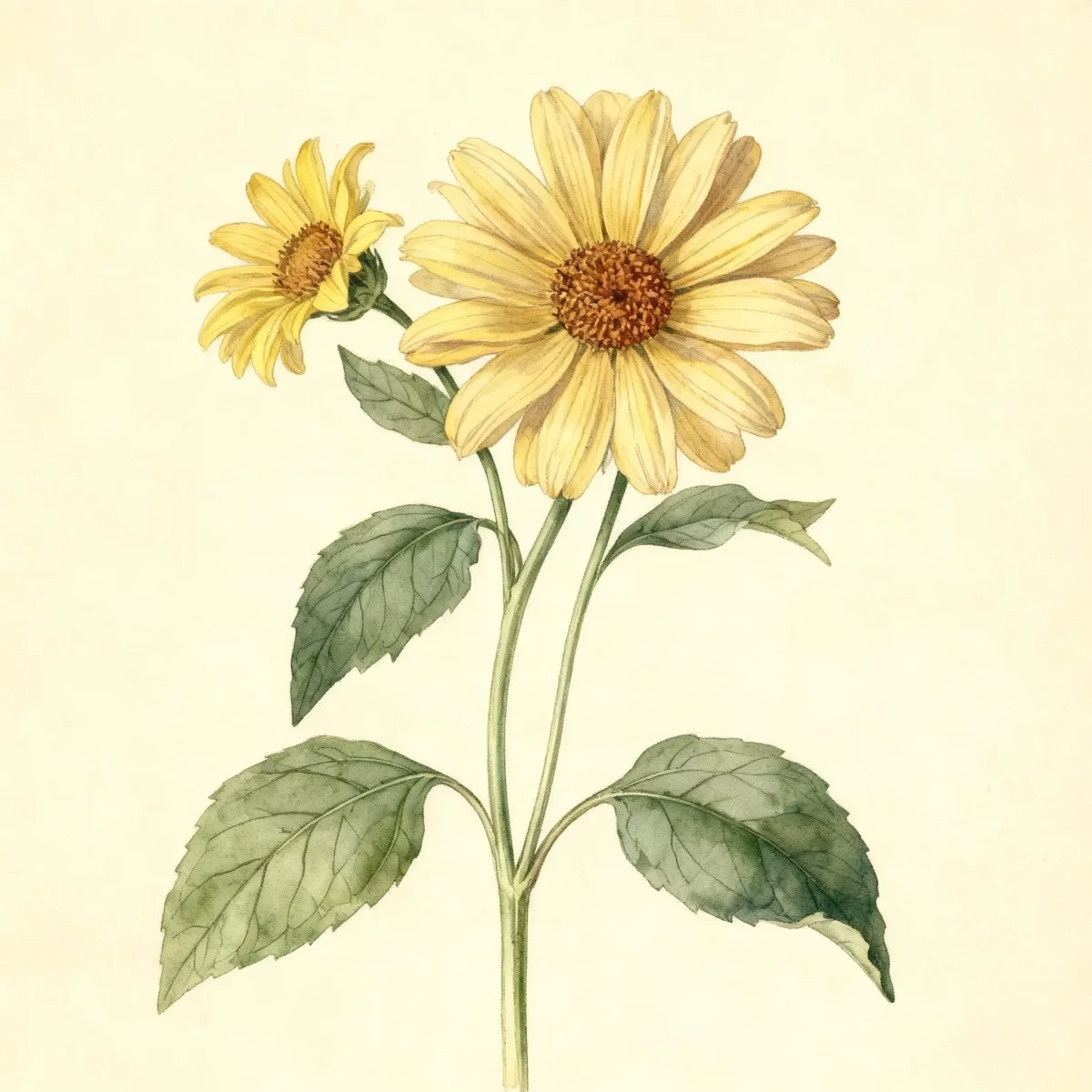
The Oxeye sunflower, specifically the cultivar Heliopsis helianthoides var. scabra ‘Venus’, is a valuable addition to the summer garden renowned for its reliable, daisy-like blooms. As a sturdy, upright herbaceous perennial, it brings consistent color from June through September, requiring minimal effort once established. This plant provides excellent visual interest with its bright yellow rays contrasting a darker yellow center, making it a workhorse in mixed perennial borders.
Heliopsis helianthoides var. Scabra ‘Venus’ is particularly favored for its vigorous nature and adaptability across challenging soil types. It thrives in full sun and boasts impressive drought tolerance once established, though regular watering enhances performance. Gardeners appreciate its low maintenance profile coupled with its extended bloom period, which maximizes impact through the hottest months.
Beyond aesthetics, this cultivar supports local ecosystems. The prolific flowers of the Oxeye sunflower are highly attractive to butterflies and various insect pollinators. Furthermore, the resulting seeds provide a food source for smaller songbirds, integrating the plant into a functional, wildlife-friendly landscape design.
Fast Facts
- Plant Family: Asteraceae
- Plant Type: Herbaceous perennial
- Hardiness Zones: USDA Zones 3-9
- Size at Maturity:
- Height: 2-3 ft
- Spread: 1-2 ft
- Bloom Time: June to September
- Bloom Description: Yellow rays with darker yellow center disk
- Sun Exposure: Full sun
- Water Needs: Dry to medium
- Maintenance Level: Low
How to Grow
Plant Heliopsis helianthoides var. scabra ‘Venus’ in the spring or fall once the danger of hard frost has passed. It prefers average, dry to medium, well-drained soil. While it performs best in full sun, this Oxeye sunflower cultivar can tolerate some light shade, although too much shade may cause the stems to become floppy, necessitating staking for support.
Maintenance for this perennial is minimal. While it tolerates drought conditions extremely well, providing regular water during dry spells will encourage longer, more abundant flowering. It adapts to poor, dry, and clayey soils, reducing the need for extensive soil amendment. Fertilization is usually unnecessary unless the soil quality is exceptionally poor.
To maximize the display of blooms, make it a habit to remove spent flowers throughout the season. Deadheading encourages the plant to produce new flower buds rather than focusing energy on seed production. At the end of the season, cut back the stems, or leave them standing for winter visual interest and structure, as the small seeds attract birds.
Landscape Uses
Heliopsis helianthoides var. scabra ‘Venus’ is perfectly suited for creating vibrant, informal displays within cottage gardens. Its height and sturdy nature make it an excellent choice for the middle to back rows of perennial borders, providing reliable vertical texture. Use the Oxeye sunflower to bridge the gap between shorter border plants and taller background specimens.
For cutting gardens, the stiff stems and long-lasting flowers of this cultivar are a significant advantage. They offer a classic, sunny element perfect for summer arrangements. Consider pairing the bright yellow of Heliopsis helianthoides var. scabra ‘Venus’ with deep purples or blues, such as Russian Sage or tall Salvia varieties, to create high-contrast visual impact.
Due to its notable drought and soil tolerance, it is ideal for naturalized plantings or areas where consistent irrigation may be difficult to maintain. Its resilience ensures that even in challenging, dry, or clay-heavy spots, you will still achieve the cheerful look of a true sunflower.
Standout Features
Flower Qualities
- Showy
Noteworthy Characteristics
Heliopsis helianthoides, commonly called oxeye sunflower or ox-eye daisy, is an upright, clump-forming, nearly glabrous, sunflower-like, short-lived perennial that is native to eastern and central North America. The cultivar ‘Venus’ is a compact variety, typically reaching only 36 inches tall, featuring semi-double, daisy-like flowers with cheerful yellow rays and darker center disks that bloom from mid-summer to early fall atop stiff stems. These quality blooms also function as good fresh cut flowers.
Tolerances
- Drought
- Erosion
- Clay Soil
- Dry Soil
- Shallow-Rocky Soil
Potential Problems
This plant is recognized for having substantially few serious insect or disease issues, contributing to its low maintenance appeal. Red aphids are reported as occasional, minor visitors that can usually be managed with strong water sprays or insecticidal soap if necessary. Furthermore, gardeners should note that Heliopsis helianthoides var. scabra ‘Venus’ reportedly possesses some resistance to powdery mildew, though good air circulation is always beneficial for any sunflower-type plant.
Frequently Asked Questions
What hardiness zones is Oxeye sunflower suitable for?
The Oxeye sunflower, Heliopsis helianthoides var. scabra ‘Venus’, is hardy across a wide range, thriving in USDA Zones 3 through 9.
How large does Heliopsis helianthoides var. scabra ‘Venus’ grow?
This compact cultivar typically reaches a height between 2 and 3 feet and spreads about 1 to 2 feet wide at maturity.
What sun exposure does Oxeye sunflower need?
For best performance and strong, upright stems, Heliopsis helianthoides var. scabra ‘Venus’ requires full sun exposure.
When does Oxeye sunflower bloom?
This beautiful perennial blooms reliably throughout the summer, producing flowers from June to September with yellow rays and darker yellow center disks.
Conclusion
The Oxeye sunflower, Heliopsis helianthoides var. scabra ‘Venus’, truly excels by offering reliable, long-lasting summer color with exceptionally low cultural demands. Its ability to thrive in dry conditions and poor soils makes it a garden powerhouse. Check your local USDA zone compatibility now and plan to incorporate this resilient, flowering perennial into your sunny borders next planting season for dependable cheer.
Companion Planting
When selecting partners for Heliopsis helianthoides var. scabra ‘Venus’, focus on plants that enjoy similar full sun requirements and tolerate drier conditions. Lavender blends beautifully with the golden tones of the Oxeye sunflower, offering contrasting texture and fragrance. Russian Sage (Perovskia atriplicifolia) complements its height and structure, while shorter plants like Coneflowers (Echinacea) or Coreopsis provide vibrant ground coverage below.
Avoid pairing this plant with aggressive spreaders or those demanding constant moisture, as the Oxeye sunflower prefers its soil to dry out slightly between waterings. Successful companion groupings will rely on similar sun exposure to ensure all candidates flourish equally well, maintaining the health of the Heliopsis helianthoides var. scabra ‘Venus’.
Wildlife Benefits
The sunflower-like blooms of the Oxeye sunflower are significant attractors for various beneficial insects. Butterflies frequently visit the flowers searching for nectar during the peak summer months, aiding local pollination efforts. In late summer and fall, the drying flower heads become important food sources for small seed-eating birds.
By letting a few spent flower heads remain standing through the winter, you provide crucial shelter and ongoing foraging opportunities for birds when other food sources are scarce. Integrating this tough perennial maximizes both the visual appeal and the biodiversity support in your garden space.