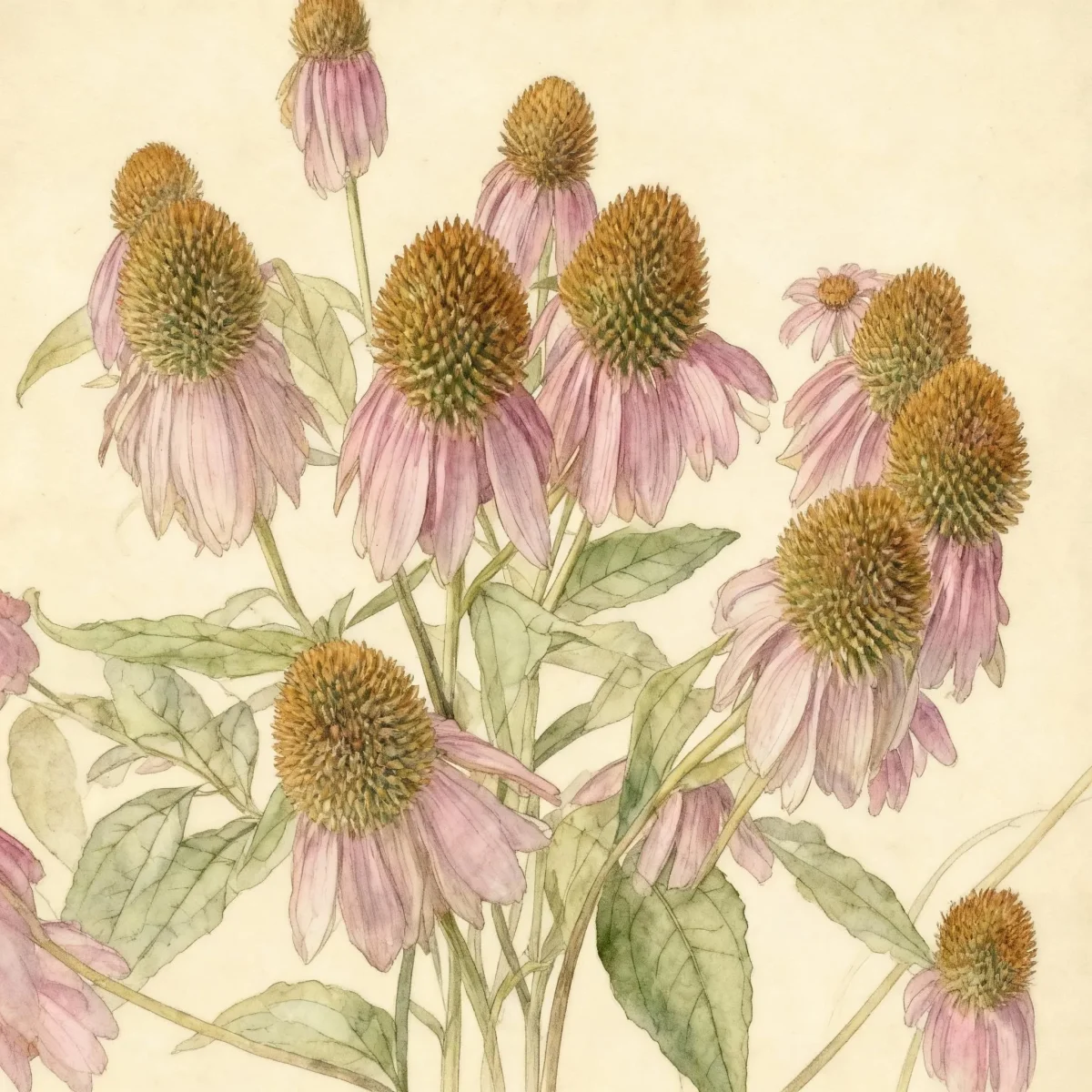
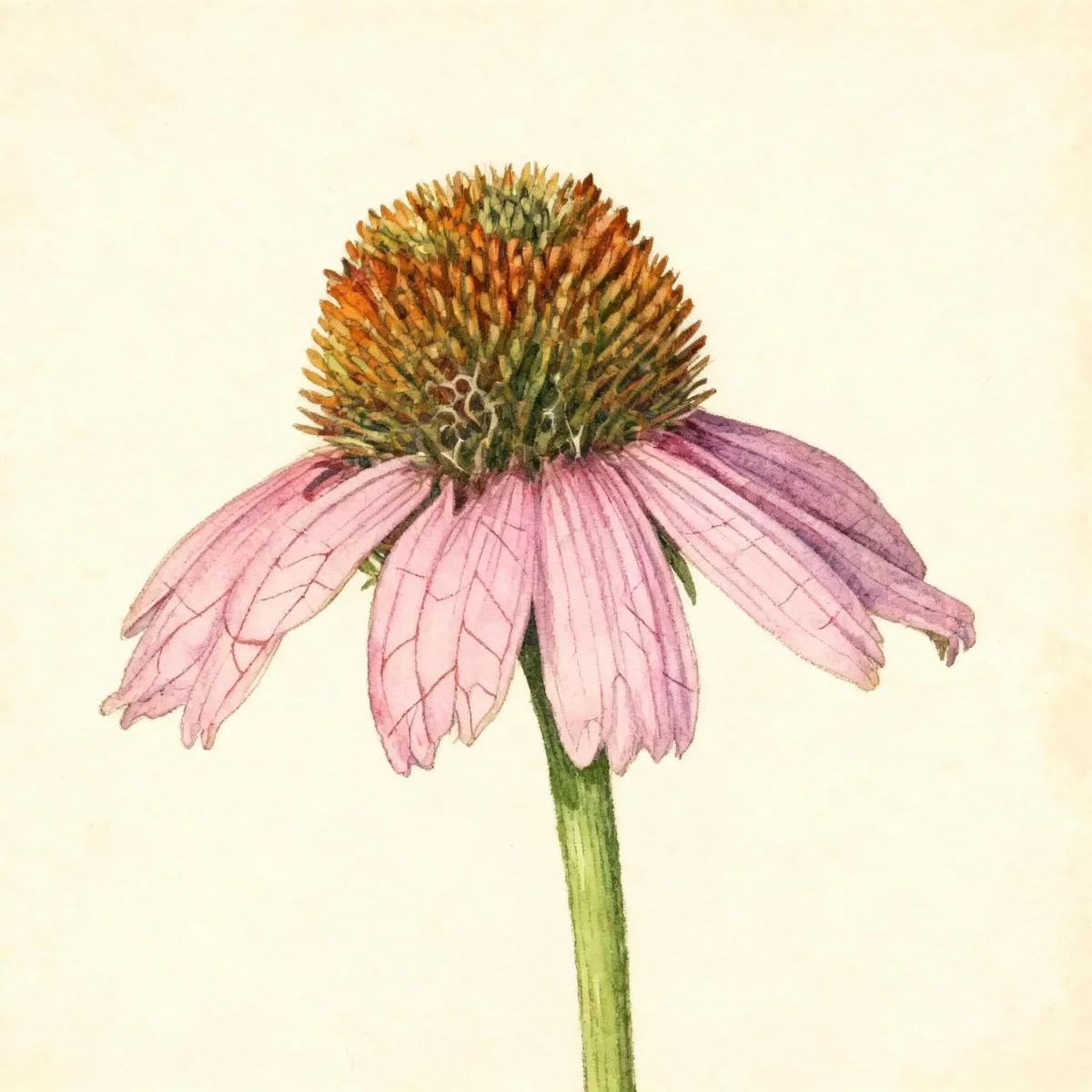
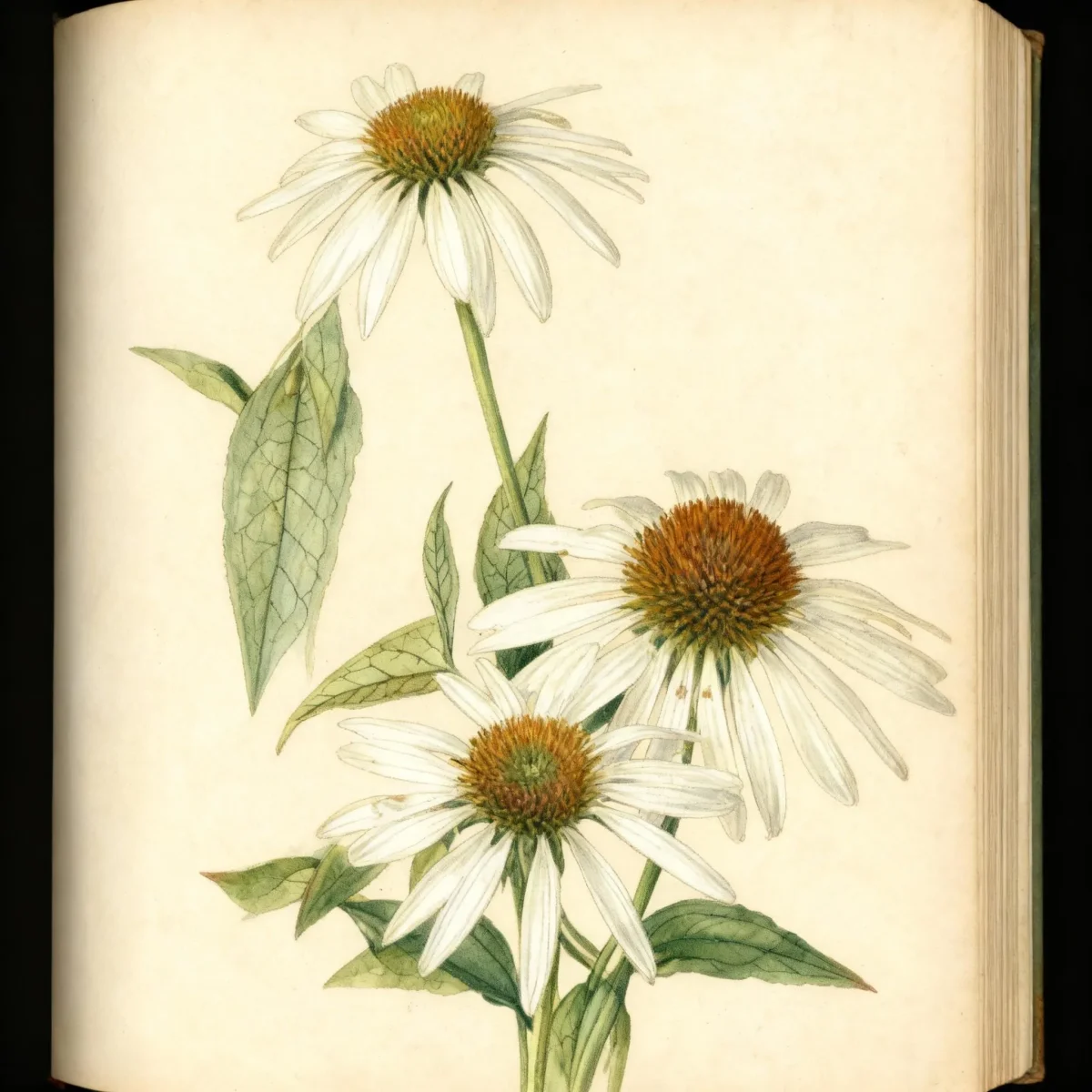
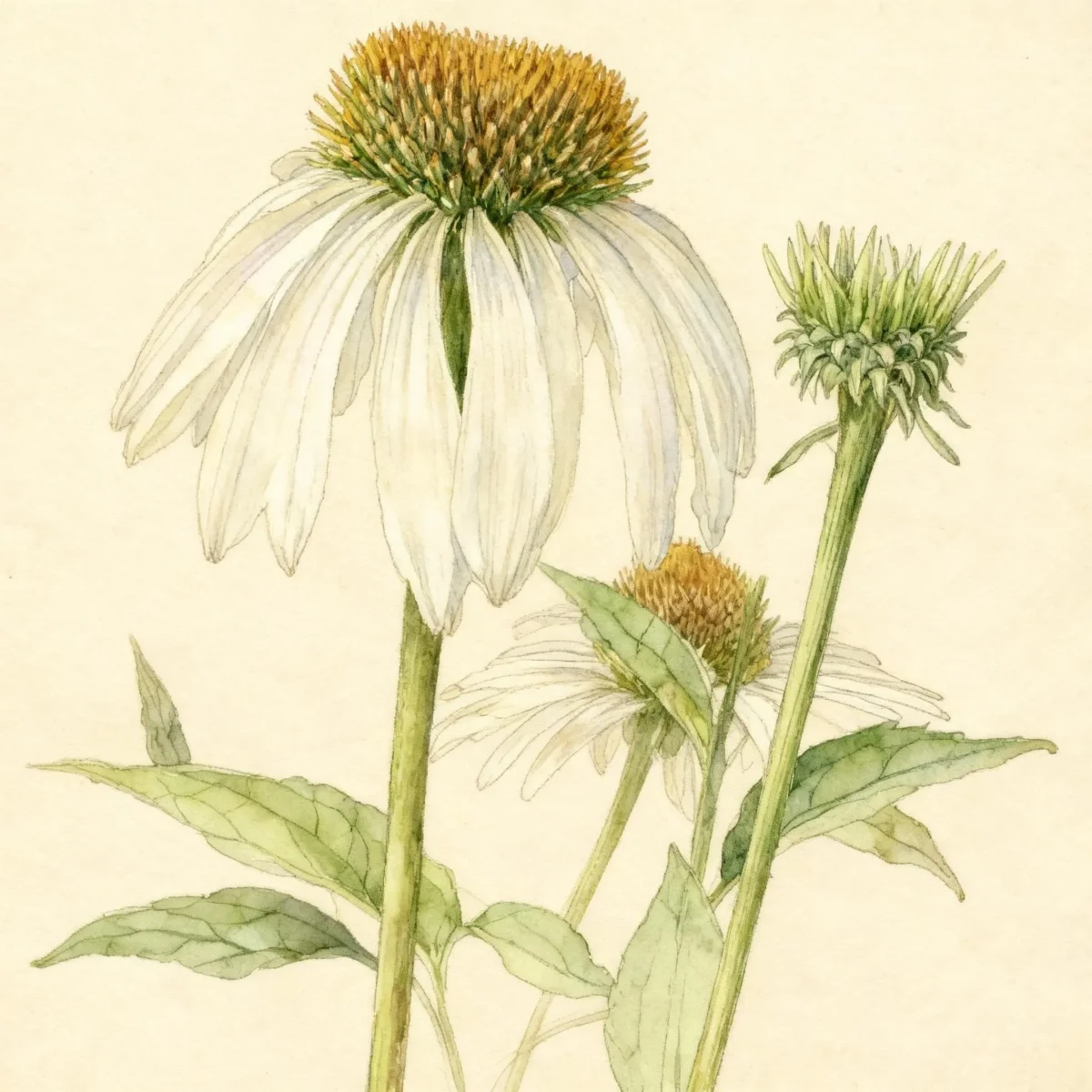
Purple coneflower (Echinacea purpurea 'Ruby Giant')
Echinacea purpurea 'Ruby Giant' offers massive, striking ruby-pink blooms from June to August. This low-maintenance Purple coneflower thrives in full sun.
Scroll down to discover growing tips, care requirements, companion plants, and more
Complete Plant Information
Overview
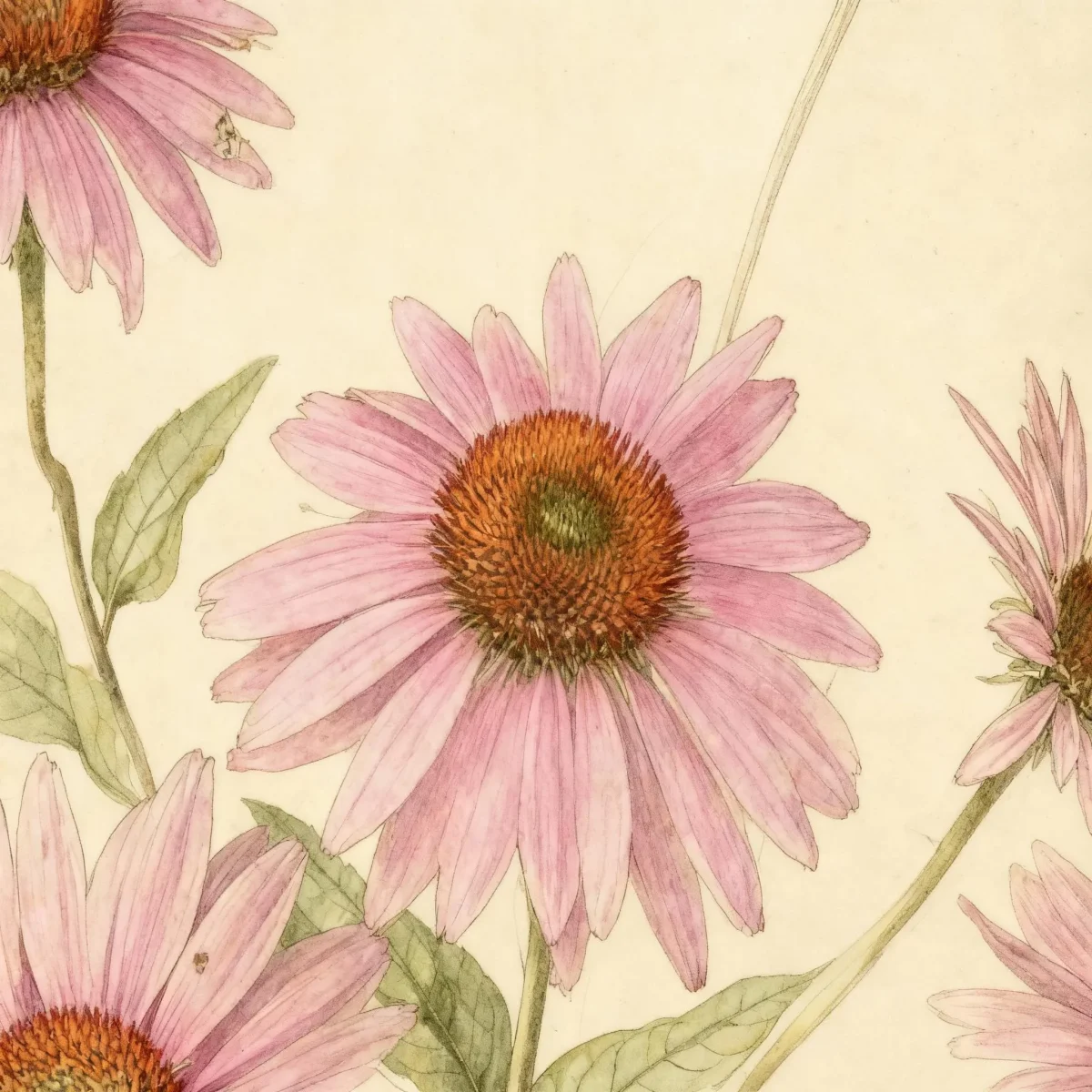
Echinacea purpurea ‘Ruby Giant’ is a spectacular cultivar of the beloved Purple coneflower, immediately recognizable by its impressively large, 7-inch diameter flowers. These blooms showcase vibrant, non-drooping ruby-pink ray petals surrounding a prominent, spiny orange-brown center cone, providing brilliant color from mid-summer well into the fall. This robust, clump-forming perennial offers significant aesthetic impact while requiring minimal care once established.
As an adaptable native plant, Echinacea purpurea ‘Ruby Giant’ is highly valued for its resilience against heat and drought, making it an excellent choice for sustainability-focused gardens. The stiff stems support these large blooms reliably, minimizing flopping typically seen in some taller coneflowers. Gardeners appreciate the long flowering season and the structural interest the dried seed heads provide through winter.
Providing reliable color and supporting local ecosystems are primary benefits of planting the Purple coneflower. Its sturdy nature and high tolerance for challenging soil conditions ensure that Echinacea purpurea ‘Ruby Giant’ remains a stunning structural element in mixed borders year after year, cementing its status as a garden favorite.
Fast Facts
- Plant Family: Asteraceae
- Plant Type: Herbaceous perennial
- Hardiness Zones: USDA Zones 3-9
- Size at Maturity:
- Height: 2-2.5 ft
- Spread: 1.5-2 ft
- Bloom Time: June to August
- Bloom Description: Ruby-pink with orange-brown center cone
- Sun Exposure: Full sun to part shade
- Water Needs: Dry to medium
- Maintenance Level: Low
How to Grow
Plant Echinacea purpurea ‘Ruby Giant’ in the spring or fall, positioning it where it receives full sun for the best flowering performance, although it tolerates light afternoon shade. This plant thrives in average, dry to medium soils, provided they are well-drained. It is remarkably adaptable, tolerating poor soil conditions, humidity, and heat without complaint.
Water young plants regularly to establish deep roots; mature Purple coneflower is highly drought-tolerant and requires infrequent deep watering only during prolonged dry spells. Fertilization is generally unnecessary, as overuse of rich compost can weaken the stems. If dividing clumps becomes necessary due to over-crowding, aim to do this every four years in the spring.
Deadheading spent flowers is optional; while prompt removal improves the overall appearance and encourages more bloom cycles, leaving some seed heads standing provides crucial winter structure and food sources for goldfinches. Propagation of ‘Ruby Giant’ should be done vegetatively to retain the specific cultivar characteristics.
Landscape Uses
Echinacea purpurea ‘Ruby Giant’ excels when massed in large drifts, leveraging its height and bold flower size to create waves of color across the landscape. It is a superb anchor plant for perennial borders, providing necessary mid-level structure. Due to its toughness, it integrates perfectly into meadow plantings and native gardens where resilience is key.
Pairing these deep ruby blooms with contrasting colors enhances their visual punch; consider combining them with the yellow of Black-eyed Susans (Rudbeckia) or silvery foliage plants. They look stunning in naturalized areas or the edges of cultivated woodland gardens that receive partial sun. For a truly impactful display, plant Echinacea purpurea ‘Ruby Giant’ in large groups along pathways or as an informal screening element.
This long-blooming flower retains interest even after the main flush, making it a reliable performer from early summer until frost. Its sturdy stems ensure the flowers remain upright, contributing vertical accents consistently throughout the season in any setting.
Standout Features
Flower Qualities
- Showy
Noteworthy Characteristics
Echinacea purpurea, commonly called purple coneflower, is a coarse, rough-hairy, herbaceous perennial that is native to moist prairies, meadows and open woods of the central to southeastern United States. Showy daisy-like purple coneflowers bloom throughout summer atop stiff stems clad with coarse, dark green leaves. ‘Ruby Giant’ is a purple coneflower cultivar noted for its large, bold, dark-ruby pink flowers, featuring 7” diameter blooms with non-drooping ruby-pink rays and large orange-brown center cones, growing on rigid stems up to 30” tall.
Tolerances
- Deer
- Drought
- Clay Soil
- Dry Soil
- Shallow-Rocky Soil
Potential Problems
Occasional pest issues may include infestation by Japanese beetles, particularly during peak summer activity. Fungal concerns, such as leaf spot, can manifest, especially in humid conditions or poorly drained soil, although the Purple coneflower is generally adapted to drier conditions. Furthermore, plants are susceptible to aster yellows disease, which distorts growth and flower color; management involves controlling insect vectors or removing infected specimens immediately.
Frequently Asked Questions
What hardiness zones is Echinacea purpurea ‘Ruby Giant’ suitable for?
Echinacea purpurea ‘Ruby Giant’ is well-suited for a wide range of climates, thriving in USDA Hardiness Zones 3 through 9.
How large does Purple coneflower grow?
This cultivar typically reaches a height of 2 to 2.5 feet with a spread between 1.5 and 2 feet, boasting stiff, rigid stems.
When does Purple coneflower bloom?
Echinacea purpurea ‘Ruby Giant’ reliably produces its ruby-pink flowers from June through August, often continuing with fewer blooms later into the fall.
What sun exposure does Echinacea purpurea ‘Ruby Giant’ need?
For the best display of its massive blooms, this plant prefers full sun but is adaptable enough to grow well in areas receiving partial shade.
Conclusion
The Echinacea purpurea ‘Ruby Giant’ is an indispensable powerhouse for the summer garden, delivering exceptional stature, vibrant ruby-pink color, and remarkable resilience. This low-maintenance Purple coneflower provides long-lasting beauty while supporting regional ecology. Be sure to confirm your site falls within USDA Zones 3-9 before integrating this bold cultivar into your landscape plans this season.
Companion Planting
Because Echinacea purpurea ‘Ruby Giant’ thrives in full sun and tolerates dry, average, or even clay soils, it pairs beautifully with other drought-tolerant perennials native to North American prairies. Consider planting it alongside native ornamental grasses like Little Bluestem (Schizachyrium scoparium) to provide contrasting texture and winter interest. Plants that bloom slightly later, such as Sedum hybrids, help extend the season by filling in as the Purple coneflower begins to fade in late summer.
Wildlife Benefits
The prominent, spiny center cones of Echinacea purpurea ‘Ruby Giant’ are vital resources for wildlife as the season progresses. When allowed to mature past the bloom time of June to August, these cones become highly attractive to seed-eating birds, most notably goldfinches that visit throughout the winter months. Furthermore, the large, accessible flowers serve as excellent landing pads for native bees, butterflies, and other beneficial pollinators during the summer blooming period.