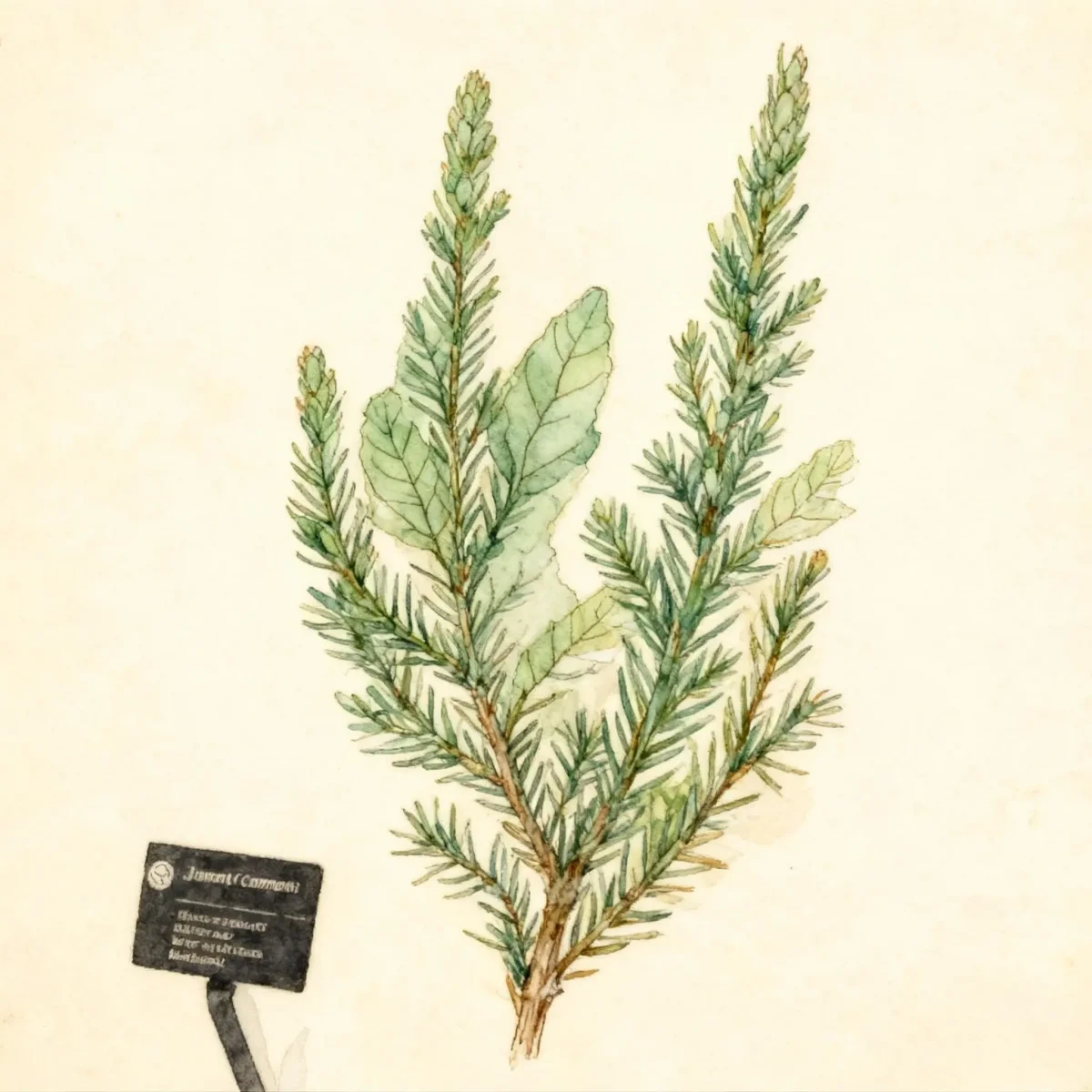
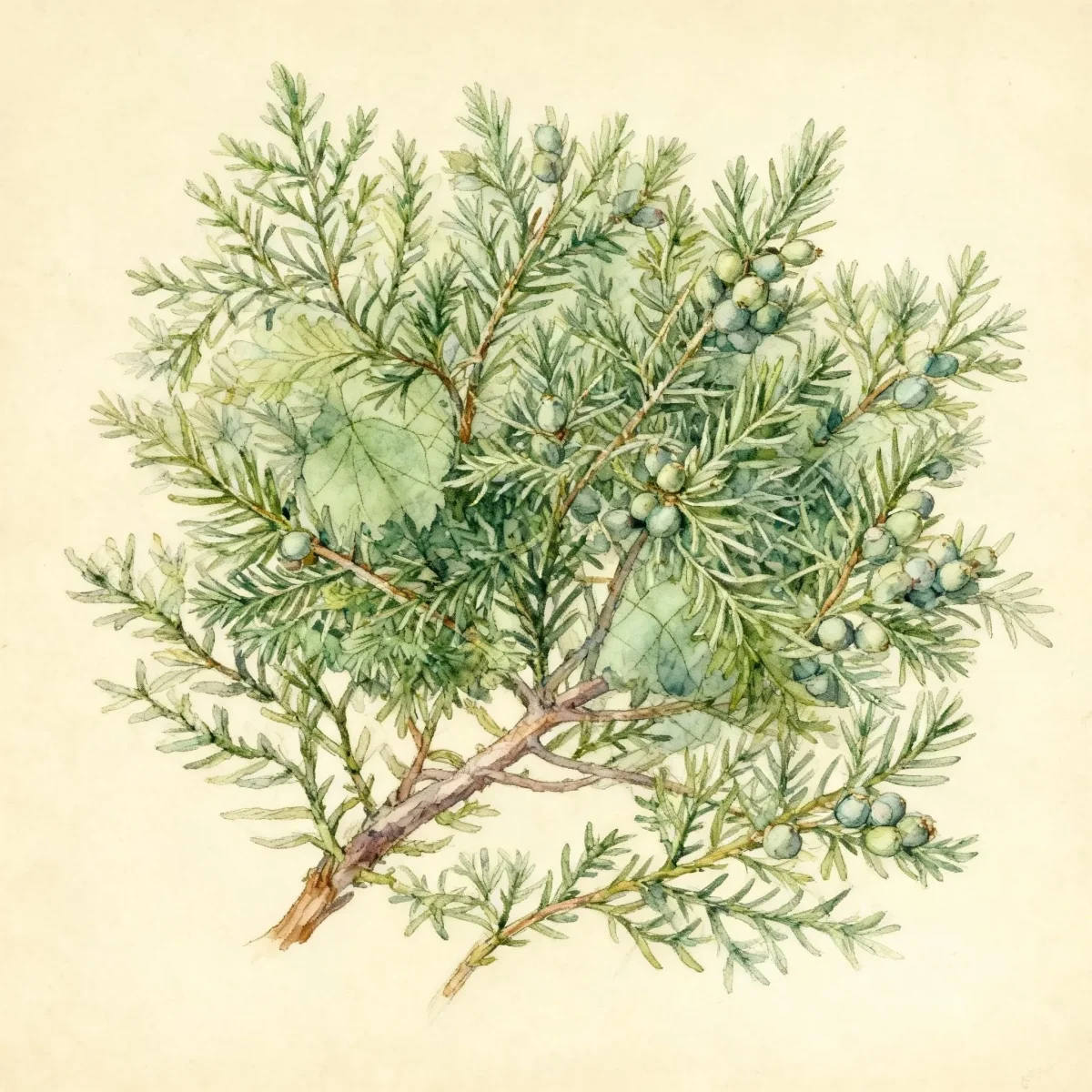
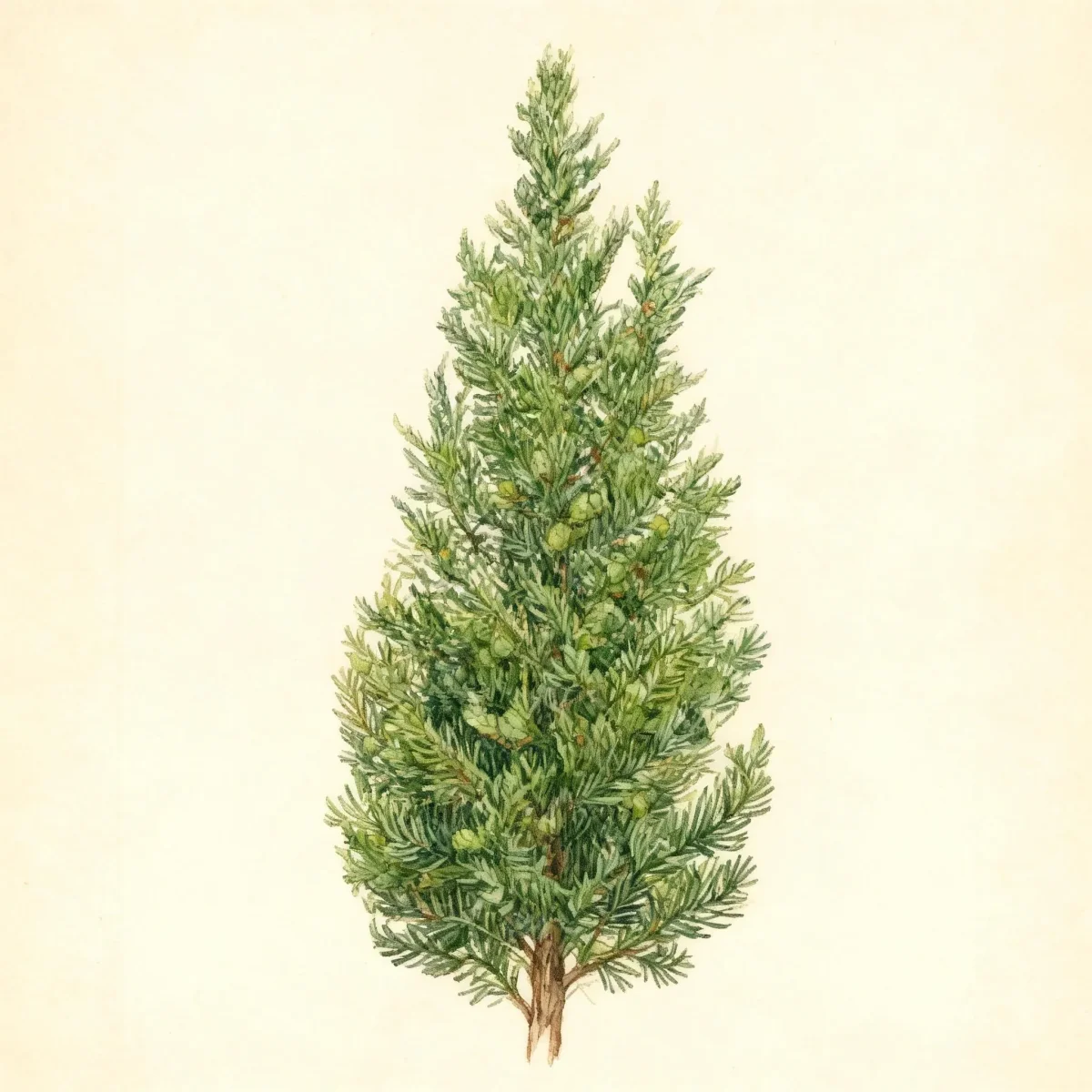
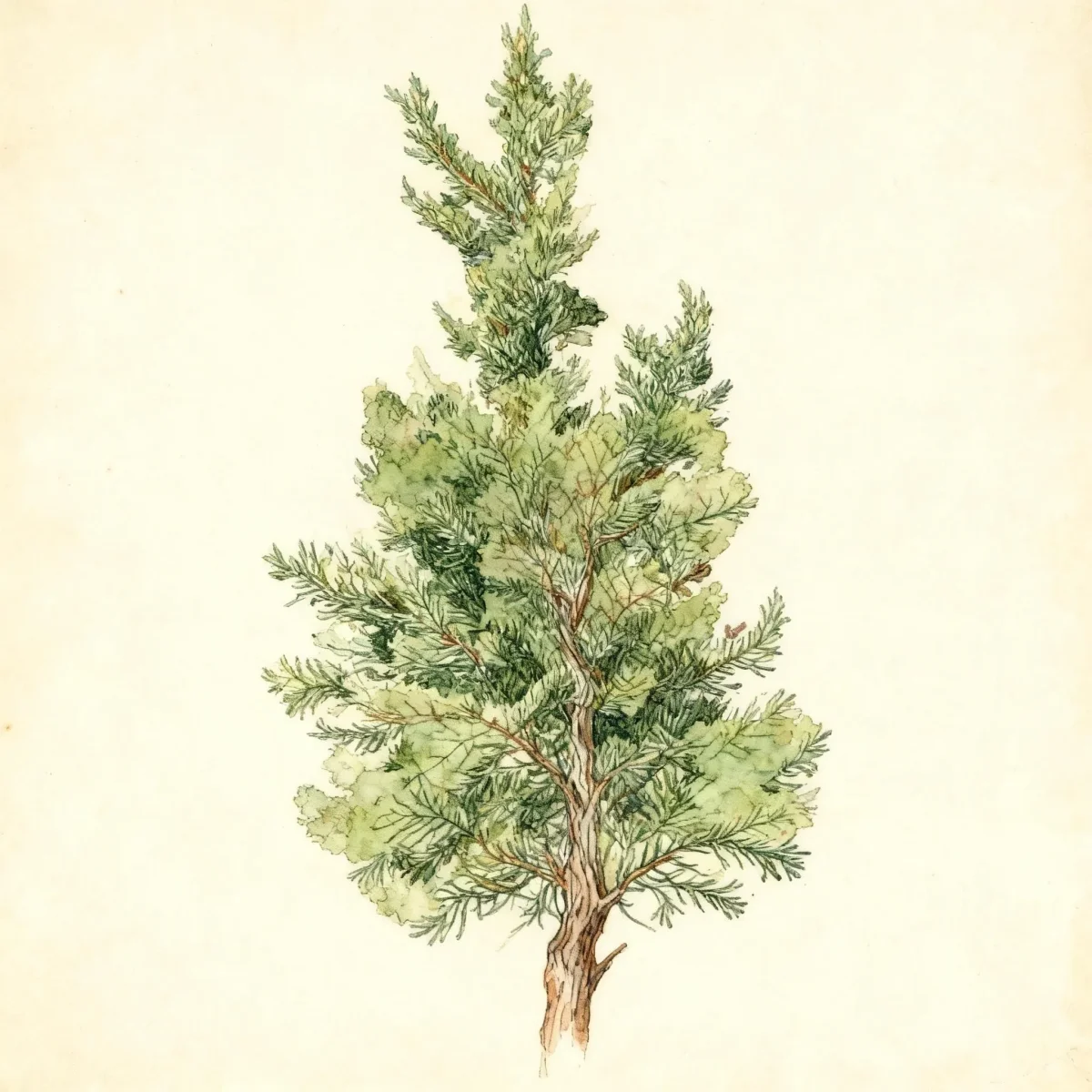
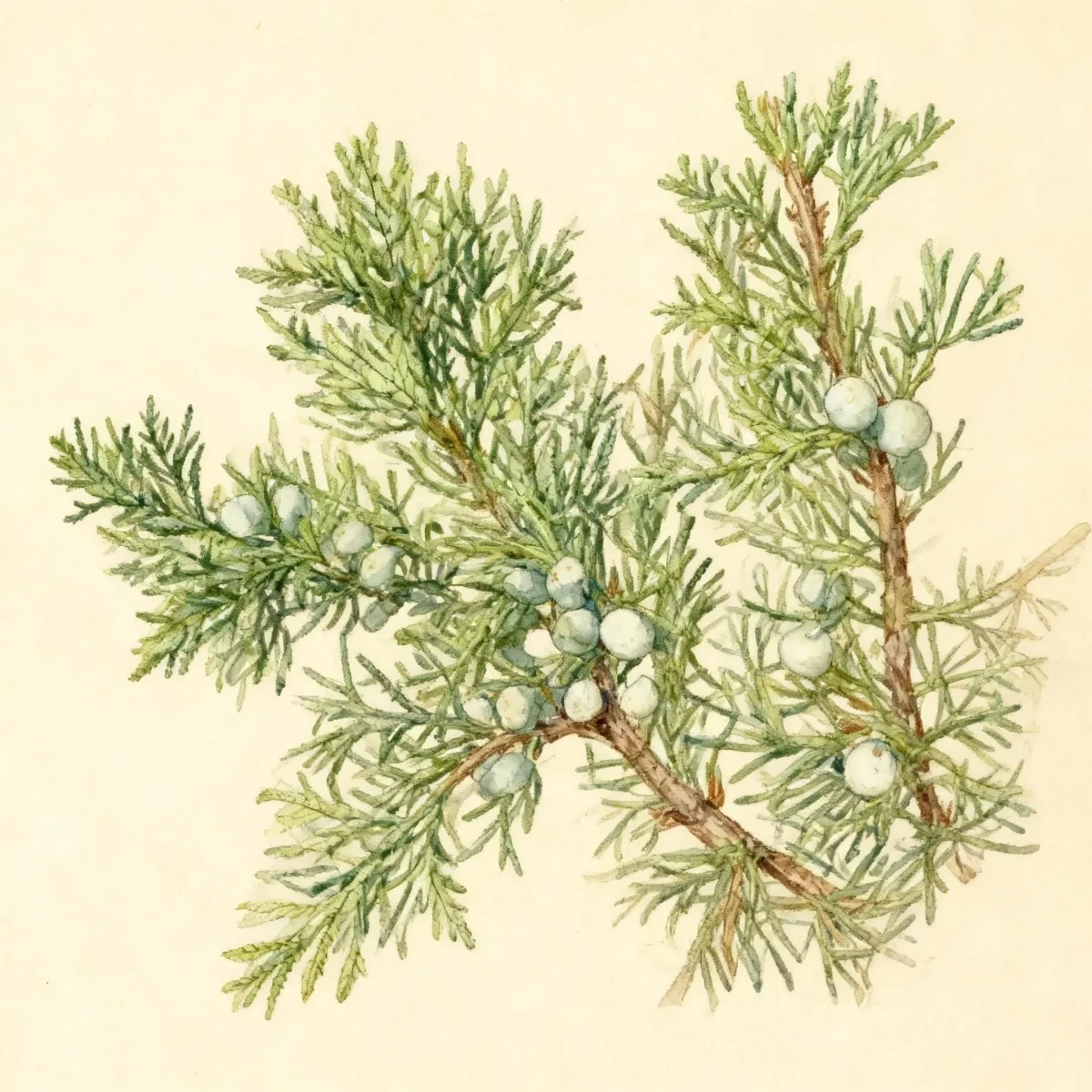
Common juniper (Juniperus communis 'Blue Stripe')
Juniperus communis 'Blue Stripe' is a tough, low-growing needled evergreen. This Common juniper variety excels as a durable ground cover in full sun areas requiring low maintenance.
Scroll down to discover growing tips, care requirements, companion plants, and more
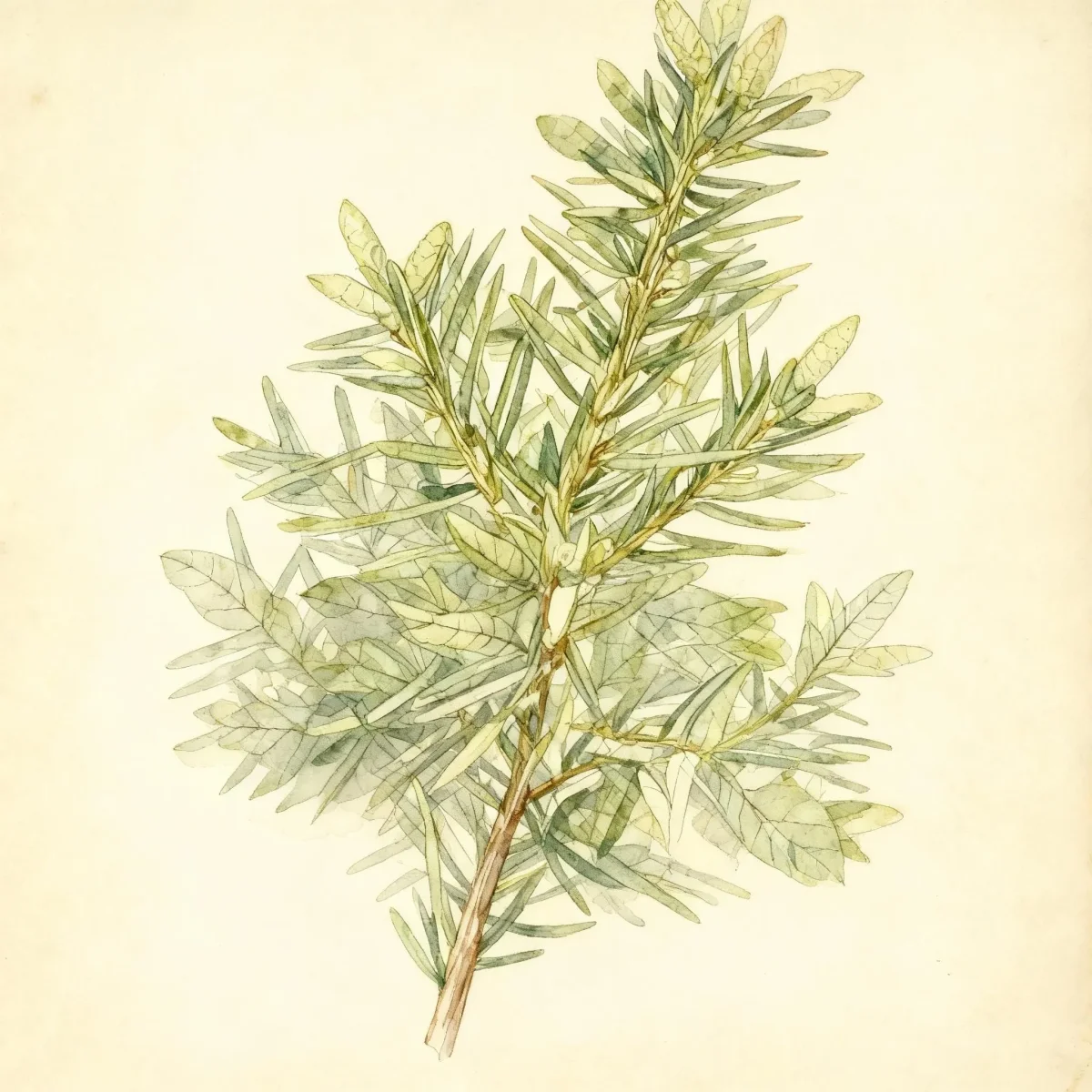
Complete Plant Information
Overview
Juniperus communis ‘Blue Stripe’ is a prized, compact cultivar of the widespread Common juniper. This variety stands out in the landscape due to its spiny, dark blue-green needles uniquely highlighted by distinct blue stripes, offering year-round color interest. As a slow-growing needled evergreen, it provides excellent texture while maintaining a manageable size perfect for ground cover applications.
The adaptability of this juniper is one of its greatest assets; it thrives in difficult locations where many other ornamentals fail. Gardeners value the low maintenance needs of Juniperus communis ‘Blue Stripe’ and its ability to develop into a spreading mat, stabilizing slopes and providing enduring evergreen structure. It is a durable choice rooted in the vast hardiness of the species.
This specific cultivar maintains the cold hardiness inherent to Common juniper while offering a refined, lower profile perfect for covering large areas. Its presence adds robust structure and unique coloration, making it a staple for low-input, high-impact evergreen landscaping across cooler climates.
Fast Facts
- Plant Family: Cupressaceae
- Plant Type: Needled evergreen
- Hardiness Zones: USDA Zones 3-7
- Size at Maturity:
- Height: 1.5-2 ft
- Spread: 1.5-5 ft
- Bloom Time: Non-flowering
- Bloom Description: Non-flowering
- Sun Exposure: Full sun
- Water Needs: Medium
- Maintenance Level: Low
How to Grow
Planting Juniperus communis ‘Blue Stripe’ is best done in spring or early fall, ensuring the root ball is set at the same level it was in the nursery pot. This plant demands full sun for optimal color development and dense growth; insufficient light will lead to legginess. It is exceptionally adaptable, preferring well-drained soil, but it tolerates a wide range of conditions, including poor and rocky substrates.
Once established, this Common juniper cultivar demonstrates good drought tolerance, aligning with its medium water needs. Water regularly during the first growing season to establish deep roots, but mature plants generally require supplemental irrigation only during prolonged dry spells. Avoid heavy fertilization, as this plant prefers leaner soil conditions.
This variety is noted for its hardiness in cold regions, thriving where temperatures consistently drop. While the species handles cold excellently, be cautious planting Juniperus communis ‘Blue Stripe’ south of USDA Zone 6, as it struggles with intense heat and high humidity common in extreme southern climates. Pruning is generally unnecessary given its natural low, spreading habit, but minimal shaping can be done in early spring if required.
Landscape Uses
The primary strength of Juniperus communis ‘Blue Stripe’ lies in its use as an outstanding evergreen ornamental ground cover. Its dense, spreading habit makes it ideal for covering sizable slopes or embankments, fulfilling the suggested use to naturalize large areas effectively. Starter plants for mass coverage should be spaced approximately 4 to 6 feet apart to allow for mature spread.
When used in mixed borders, the blue-striped foliage provides a dynamic contrast against deciduous shrubs or broader-leaved evergreens. Though typically used low to the ground, its eventual spread can create a robust, low-maintenance visual barrier along pathways or the edges of foundation plantings. This tough cultivar thrives where little else will, acting as reliable anchor planting.
Standout Features
Noteworthy Characteristics
Juniperus communis, commonly called common juniper, is the most widespread conifer globally, found across cool to cold regions of the Northern Hemisphere. This specific cultivar, ‘Blue Stripe’, displays an attractive compact, slow-growing habit, reaching 1.5 to 2 feet tall but spreading up to 5 feet wide. Its notable feature is the spiny, dark blue-green needle foliage accented by pronounced blue striping, which remains attractive even in winter.
Tolerances
- Deer
- Drought
- Erosion
- Dry Soil
- Shallow-Rocky Soil
- Air Pollution
Potential Problems
Juniper blight, while less common on J. communis than on some other juniper species, remains the most significant potential health threat. To manage blight, ensure good air circulation around plants and avoid overhead watering, especially in humid conditions. Lesser issues include cedar apple rust and wilt, which also benefit from good spacing and dry foliage. Address insect issues like mites, borers, scale, midges, and bagworms promptly with targeted horticultural oils or insecticides as appropriate for the life stage of the pest.
Frequently Asked Questions
What hardiness zones is Common juniper suitable for?
Juniperus communis ‘Blue Stripe’ is reliably hardy across USDA Zones 3 through 7.
How large does Juniperus communis ‘Blue Stripe’ grow?
This compact cultivar generally reaches a height between 1.5 and 2 feet tall, spreading out to cover an area 1.5 to 5 feet wide.
What sun exposure does Common juniper need?
This needled evergreen requires full sun to ensure the best density and vibrant blue-striped coloration.
When does Common juniper bloom?
Juniperus communis ‘Blue Stripe’ is classified as non-flowering, as it produces cones rather than traditional flowers.
Conclusion
Juniperus communis ‘Blue Stripe’ offers exceptional value as a durable, visually interesting needled evergreen for challenging garden sites. Its low stature, combined with excellent drought and pollution resistance, makes this Common juniper variety a superb choice for sustainable landscaping. Before planting, confirm your location falls within USDA Zones 3-7 and ensure it receives adequate sunlight for best performance.
Companion Planting
Selecting suitable companions for Juniperus communis ‘Blue Stripe’ should focus on plants that share similar full-sun and well-drained soil requirements. Pair this juniper with drought-tolerant, low-growing perennials such as Sedum species or hardy ornamental grasses like Blue Fescue (Festuca glauca). The fine texture and evergreen color contrast beautifully with the broader leaves of plants like Dwarf Russian Sage (Perovskia atriplicifolia ‘Little Blue’).
When planting on slopes for erosion control, intersperse the juniper with other tough, spreading natives appropriate for your region that can handle rocky soil. These groupings help create a fully knitted ground layer, enhancing soil stability while providing varied seasonal interest throughout the garden.
Design Ideas
The inherent spreading habit of Juniperus communis ‘Blue Stripe’ makes it perfect for contemporary rock gardens or xeriscaping projects where low water use is key. Use it as a bold, low accent piece near entryways where its unique blue striping can be appreciated up close. Alternatively, mass plantings create an effective, low-maintenance evergreen carpet that visually expands the landscape.
Consider utilizing a few specimens near structures to soften harsh architectural lines. Because it remains low, it works exceptionally well in the foreground of mixed shrub borders, ensuring that taller backdrop plants are never obscured by low-growing evergreen foliage.