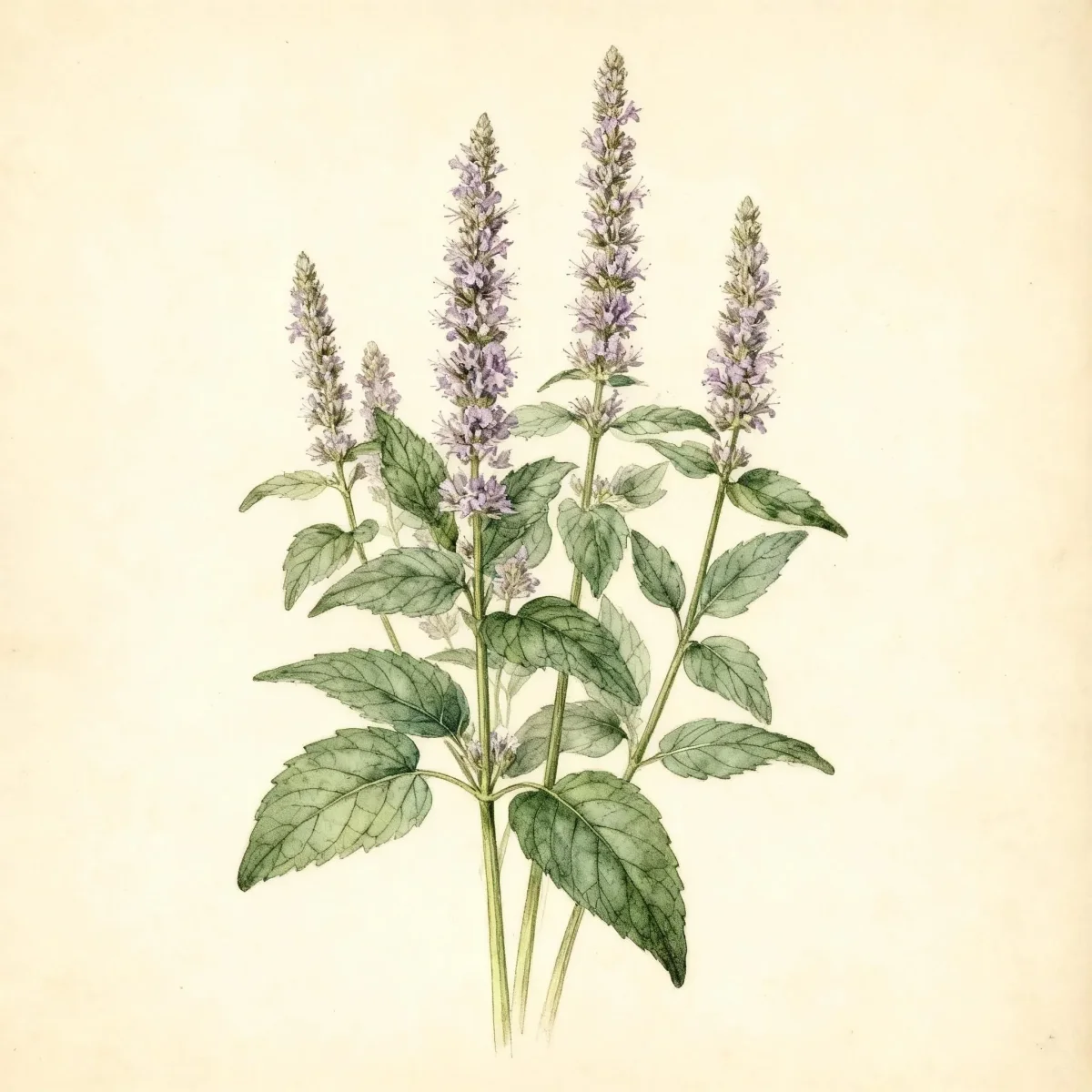
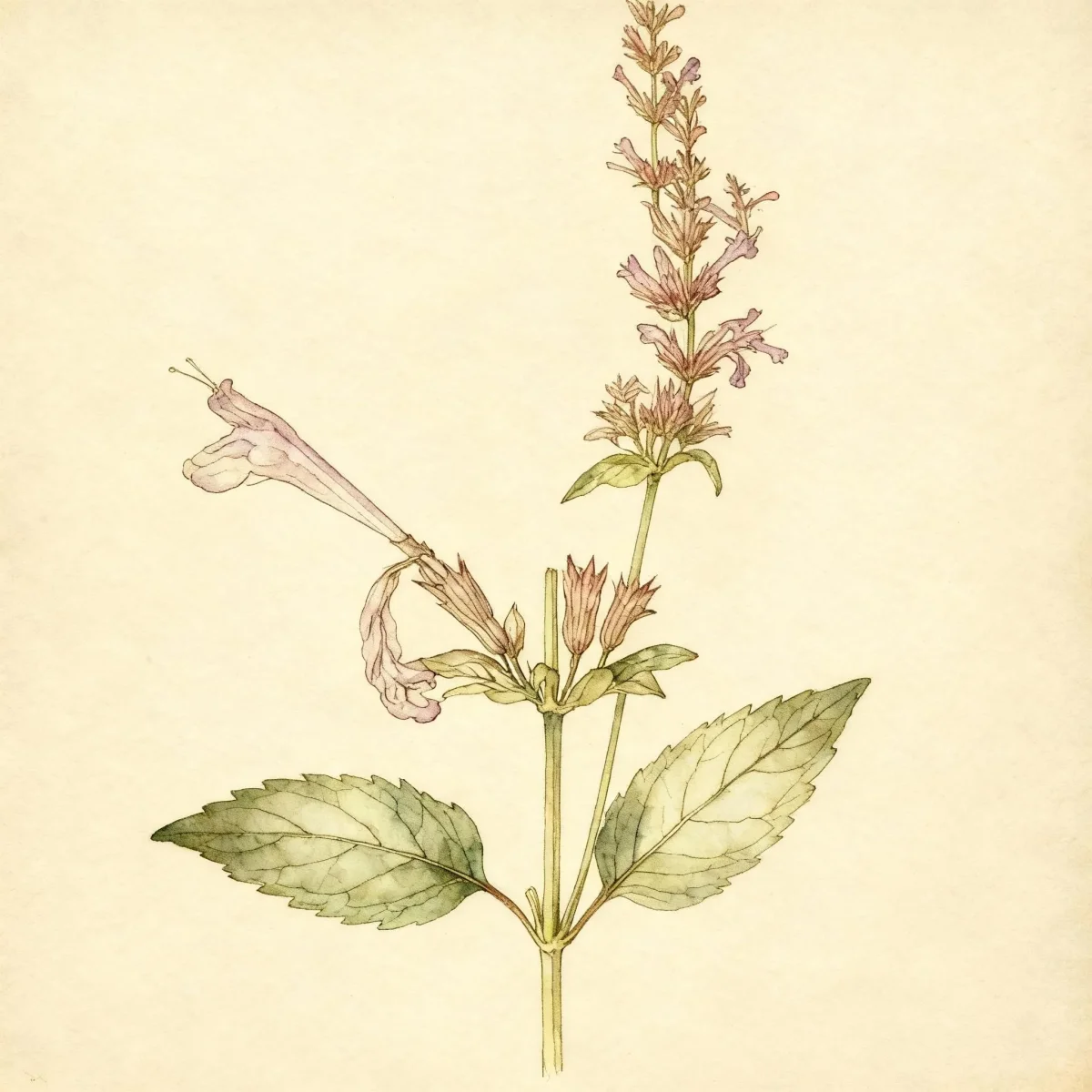
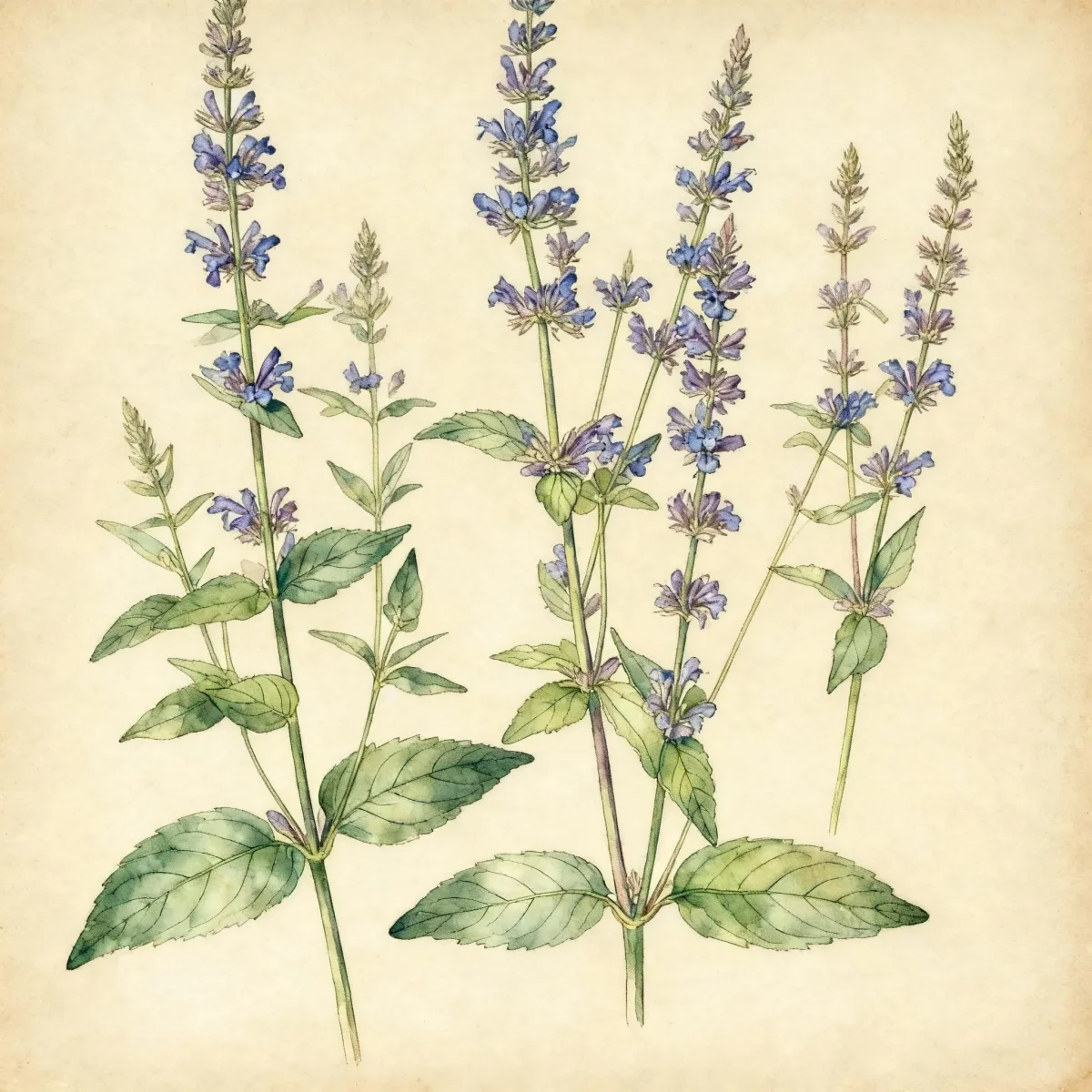
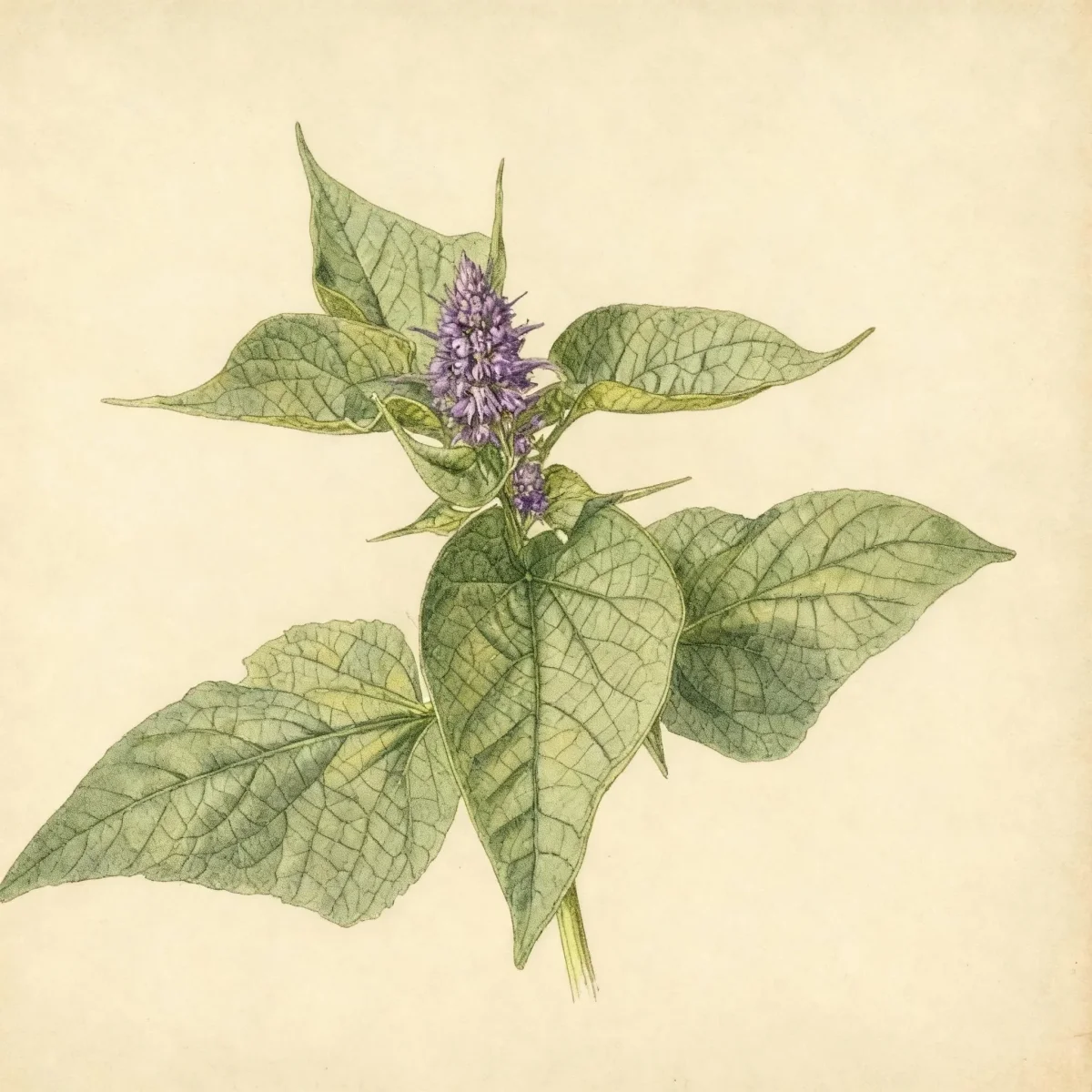
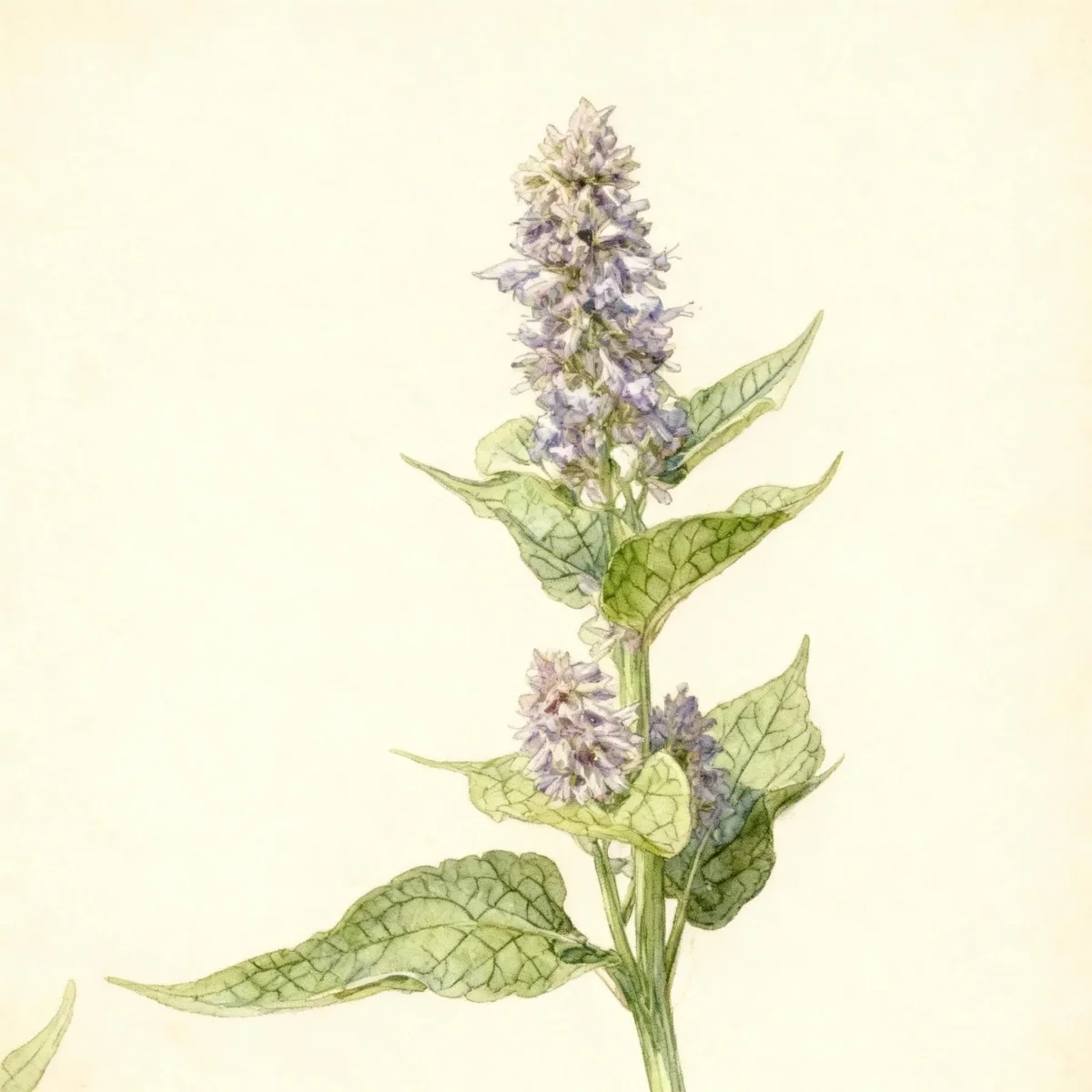
Bluebeard (Caryopteris divaricata 'Snow Fairy')
Caryopteris divaricata 'Snow Fairy' is a low-maintenance Bluebeard, offering unique variegated leaves and late-season blue flowers.
Scroll down to discover growing tips, care requirements, companion plants, and more
Complete Plant Information
Overview
The herbaceous perennial Caryopteris divaricata ‘Snow Fairy’, commonly known as Bluebeard, provides crucial late-season color and visual interest when many summer bloomers begin to fade. This cultivar is highly valued for its striking variegated foliage, featuring green leaves edged irregularly with white margins, setting it apart from standard Bluebeard selections. As a relative newcomer to horticulture, this plant offers reliable performance, producing clusters of attractive blue flowers from late summer into the fall.
This variety of Caryopteris divaricata is native to the Himalayas, contrasting with the woody shrubs often found in the Caryopteris genus. It establishes itself as a fine specimen for extending the gardening season, attracting essential pollinators like butterflies and bees with its blooms. Gardeners appreciate the low maintenance requirements of Caryopteris divaricata ‘Snow Fairy’ while benefiting from its upright structure and colorful dual display of leaf and flower.
Fast Facts
- Plant Family: Lamiaceae
- Plant Type: Herbaceous perennial
- Hardiness Zones: USDA Zones 6-9
- Size at Maturity:
- Height: 2-3 ft
- Spread: 2-3 ft
- Bloom Time: August to September
- Bloom Description: Blue
- Sun Exposure: Full sun
- Water Needs: Medium
- Maintenance Level: Low
How to Grow
Plant Caryopteris divaricata ‘Snow Fairy’ in the spring or fall, ensuring it receives full sun exposure for the best possible variegation and flowering. This Bluebeard thrives in average, well-drained soil; it particularly prefers loose loams and must avoid areas where water collects. Intolerance for wet, poorly-drained soils is critical, as excessive moisture can lead to crown rot, a primary cultural concern for this plant.
Maintain a consistent medium watering schedule, especially during dry periods, although established plants can tolerate some drought. Fertilizing is rarely necessary if the soil is reasonably fertile. Be mindful that in the cooler parts of its range, such as the St. Louis area noted in initial assessments, providing some winter protection might be wise until its long-term hardiness is better confirmed by gardeners.
Pruning is minimal for this herbaceous perennial relative. After the first hard frost signals the end of the growing season, or in early spring before new growth begins, cut the stems back near the base. This tidies the appearance of the Caryopteris divaricata ‘Snow Fairy’ and encourages dense, fresh spring growth, ensuring a robust showing of both foliage and blue summer flowers.
Landscape Uses
The vibrant foliage and late-season blue performance make Caryopteris divaricata ‘Snow Fairy’ an excellent addition to perennial borders, where its 2 to 3-foot height complements taller background plants. It works wonderfully in cottage gardens, adding texture with its variegated leaves mingling against traditional flowering perennials. Because the flowers attract butterflies and bees, massing or grouping several plants creates a fantastic destination spot in the butterfly garden.
This Bluebeard variety can also anchor the front of a shrub border, providing a lower, contrasting component next to woody specimens. Its reliable late-summer bloom means it pairs well with late-blooming ornamental grasses or sedums that share similar cultural needs for sun and drainage. Design schemes relying on white accents will be perfectly complemented by the irregular white margins on the leaves of Caryopteris divaricata ‘Snow Fairy’.
Standout Features
Flower Qualities
- Showy
Noteworthy Characteristics
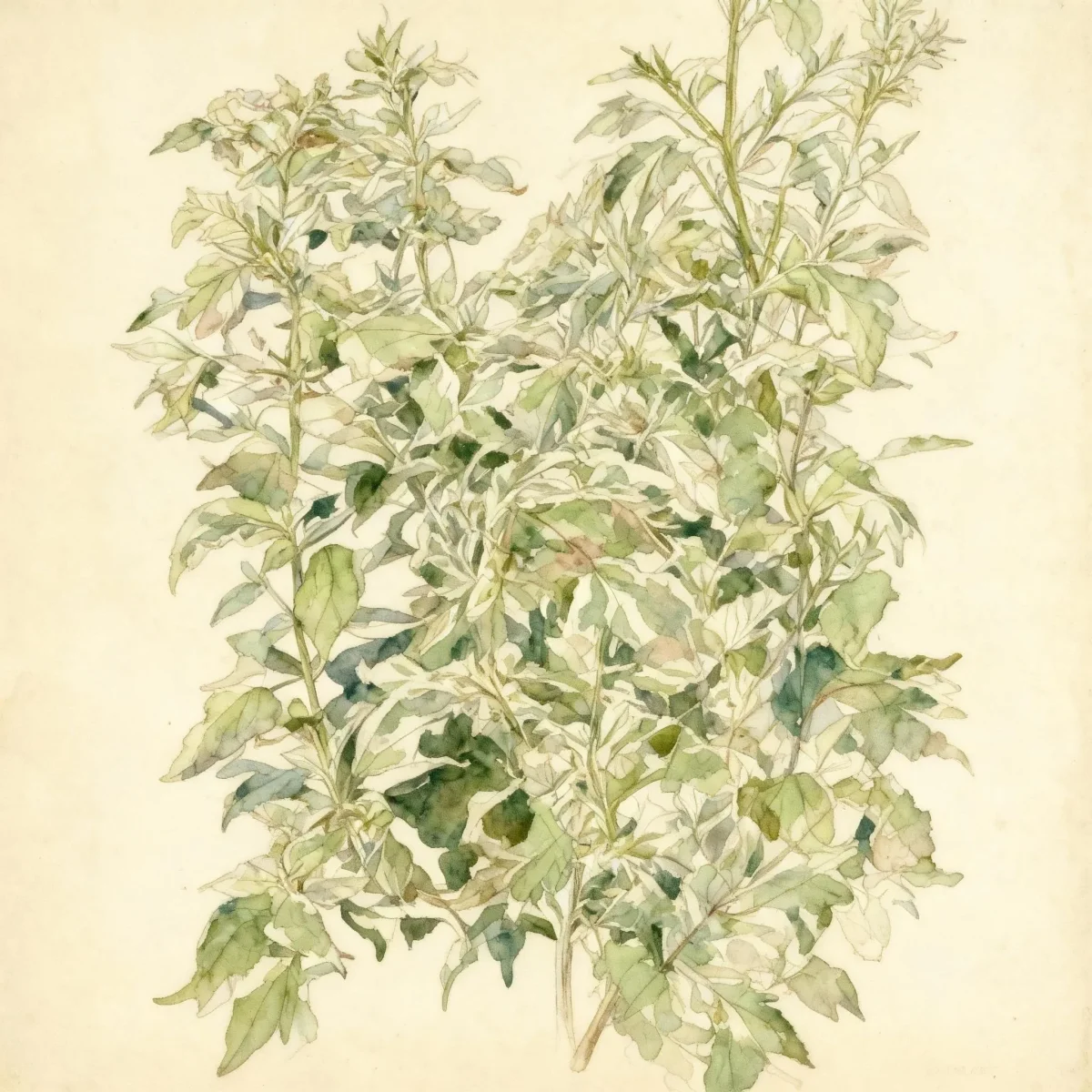
Most plants in the genus Caryopteris are woody shrubs or subshrubs, but C. Divaricata is an herbaceous perennial native to the Himalayas. The Bluebeard displays blue flowers clustered terminally and axillary from late summer into fall, which are highly attractive to bees and butterflies. Variegated cultivar ‘Snow Fairy’ offers ovate to lance-shaped leaves enhanced by irregular white margins, growing approximately 24 to 36 inches tall and wide.
Tolerances
Potential Problems
Caryopteris divaricata ‘Snow Fairy’ generally resists serious insect or disease pressures, making it a relatively robust choice for low-maintenance gardening. The most significant management issue relates to improper soil conditions. Crowns are highly susceptible to rot if the plant is situated in wet or poorly-drained soils, demonstrating why sharp drainage is paramount during site selection.
To prevent crown rot, amend heavy garden soils thoroughly before planting to ensure aeration and water run-off. If winter hardiness becomes a question mark in colder zones, consider treating it as a tender perennial and applying a heavy layer of mulch after the ground freezes to insulate the root crown, protecting the latent buds for spring emergence.
Frequently Asked Questions
What hardiness zones is Bluebeard suitable for?
Caryopteris divaricata ‘Snow Fairy’ is suitable for outdoor cultivation in USDA Hardiness Zones 6 through 9.
How large does Caryopteris divaricata ‘Snow Fairy’ grow?
This herbaceous perennial typically reaches a height between 2 and 3 feet, with a corresponding spread of 2 to 3 feet wide.
What sun exposure does Caryopteris divaricata ‘Snow Fairy’ need?
This plant requires full sun exposure to achieve its best color and robust blooming performance throughout late summer and fall.
When does Bluebeard bloom?
Bluebeard, specifically the ‘Snow Fairy’ cultivar, features blue flowers beginning in August and continuing its display through September.
Conclusion
The Caryopteris divaricata ‘Snow Fairy’ offers exceptional aesthetic value through its variegated foliage and vital late-season blue blooms, all while demanding low maintenance. This herbaceous perennial is a fantastic choice for gardeners seeking reliable structure and pollinator interest as the summer winds down. Always ensure excellent drainage when planning the location for your Bluebeard to maximize its longevity and performance this season.
Companion Planting
Selecting companions that appreciate similar moisture and sun profiles ensures a cohesive and thriving border. Plants that thrive in full sun and medium moisture, such as ornamental grasses like Panicum virgatum cultivars, provide excellent textural contrast to the finer foliage of Caryopteris divaricata ‘Snow Fairy’. Consider pairing it with later-blooming perennials like Asters or Sedums, which will pick up where the Bluebeard’s flowers begin to fade, maintaining continuous color interest until frost.
Design Ideas for Variegation
The distinct white margins on the leaves of Caryopteris divaricata ‘Snow Fairy’ make it an excellent plant for illuminating shaded portions of a sunny border or providing year-round brightness against darker green backdrops. Use this variegated Bluebeard near pathways or entryways where its unique foliage can be easily appreciated up close. Grouping three or five plants together creates a solid block of late-season interest that draws the eye, while lighter colored companion plants can enhance the luminosity of the white variegation.